Osteora
Osteora
Osteora
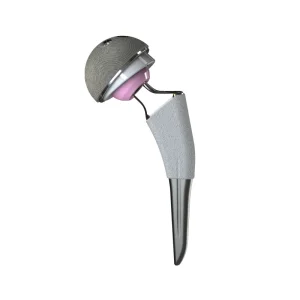
Explore our top-tier manufacturing lines featuring titanium locking plates, surgical power saws, trauma implants, and joint systems certified to global clinical criteria.
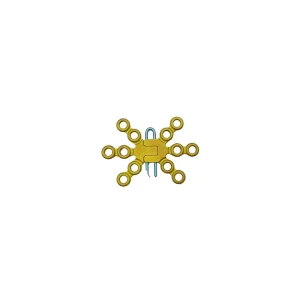
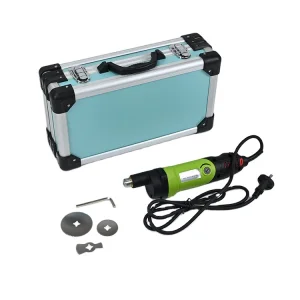
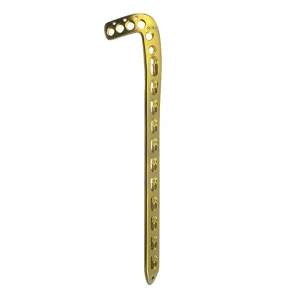
In posterior spinal fixation constructs, the primary target is the absolute stability of the instrumented segments to facilitate successful osteosynthesis and solid bony fusion. Spinal cross connectors, also known as transverse linkages or crosslinks, serve as structural struts bridging parallel longitudinal rods. Their main function is to convert a bilateral open-loop rod setup into a closed frame structure, markedly elevating torsional and rotational stiffness.
Clinical investigations and finite element analyses (FEA) show that inserting a crosslink increases construct resistance against torsional loads by up to 45%. This mechanics is critical in multilevel spinal instrumentations, osteoporotic bone beds, and cases involving extensive decompression where the column loses natural stabilization mechanisms. By restricting shear displacement, cross connectors reduce the mechanical stress on pedicle screws, minimizing risks of screw loosening, pullout, or construct migration.
Reduces micro-motions by transforming dual rods into a single truss framework, boosting torsional resistance up to 45%.
Redistributes axial load paths across the construct, decreasing local mechanical demands on pedicle screws.
The design philosophy of spinal implants is moving toward low-profile designs, bio-functional interfaces, and surgical simplicity.
Modern spinal cross connectors highlight ultra-low profiles. High-clearance designs reduce contact with local anatomical structure, reducing tissue irritation, bone impingement, and chronic post-operative discomfort.
Adjustable cross connectors with variable length and rotation elements allow intraoperative adaptation. Modern systems adapt to divergent or convergent rod alignments without adding bending forces to the implants.
Medical-grade titanium alloys (Ti-6Al-4V ELI) remain the industry standard, and PEEK (Polyetheretherketone) options are emerging. These minimize artifact noise during MRI and CT scans, facilitating postoperative imaging.
For purchasing departments, medical institutions, and distributors, buying spinal implants involves specific quality standards, supply chain transparency, and regulatory compliance.
Unreliable supply chains compromise surgical schedules and distributor relationships. Working with manufacturers that run validated quality systems, integrated casting/machining lines, and multi-tier quality inspections minimizes batch-to-batch inconsistencies.
Traceable Raw Materials
Recalls in 8 Years Sourcing
We deliver orthopedic trauma, spine, and joint solutions under the Osteora brand, combining manufacturing capabilities with quality management systems.
Founded in 2016, Osteora has maintained steady export growth, reaching an annual export revenue of USD 6 million to 14 million, serving surgical units, medical distributors, and hospitals across Europe, Southeast Asia, the Middle East, and South America.
From raw material sourcing to packaging, our manufacturing processes are executed under cleanroom standards and monitored by in-process QA checks.
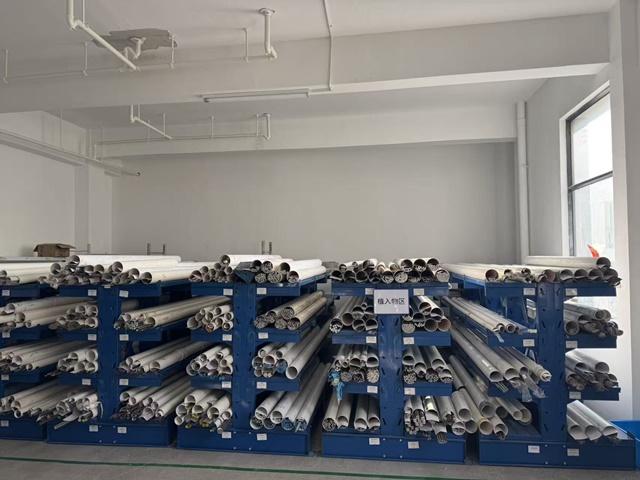
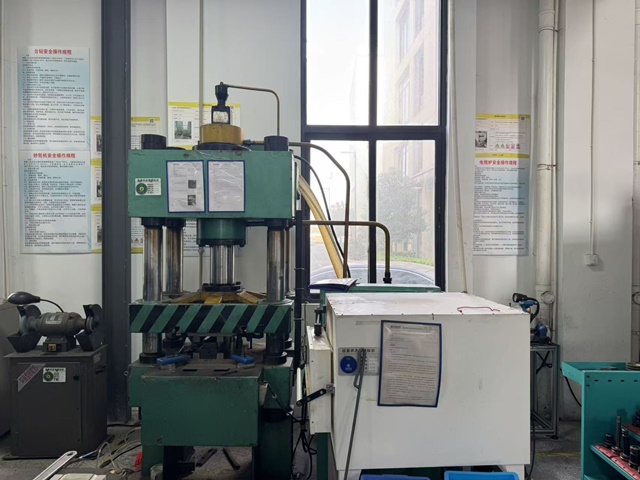
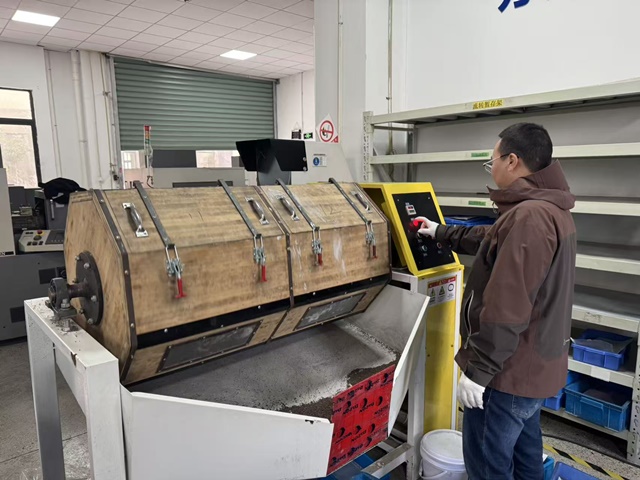
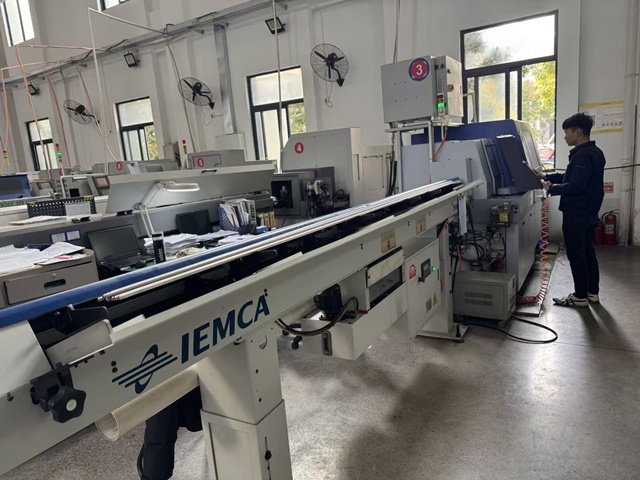
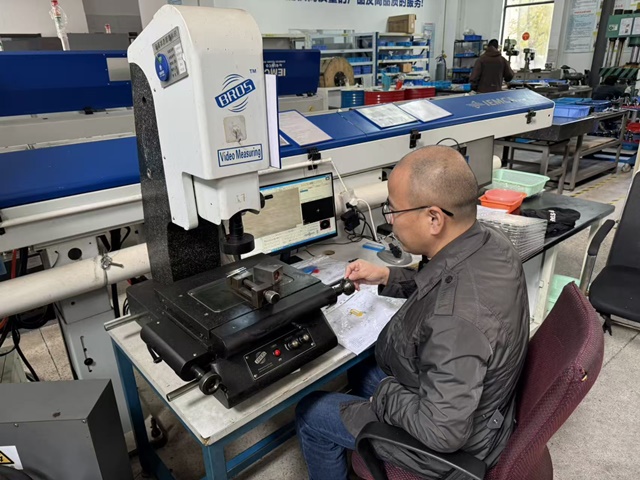
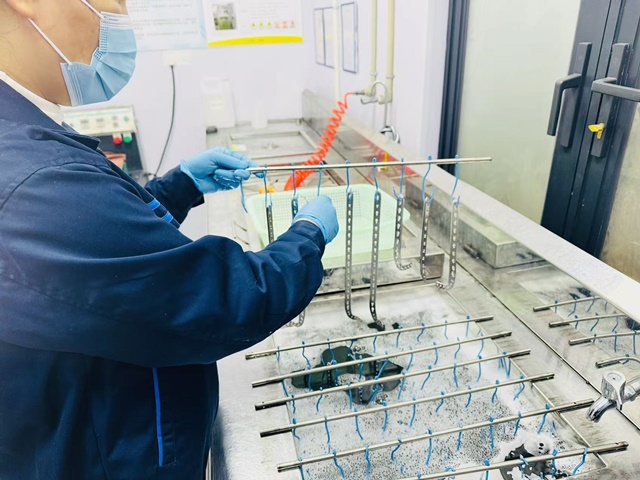
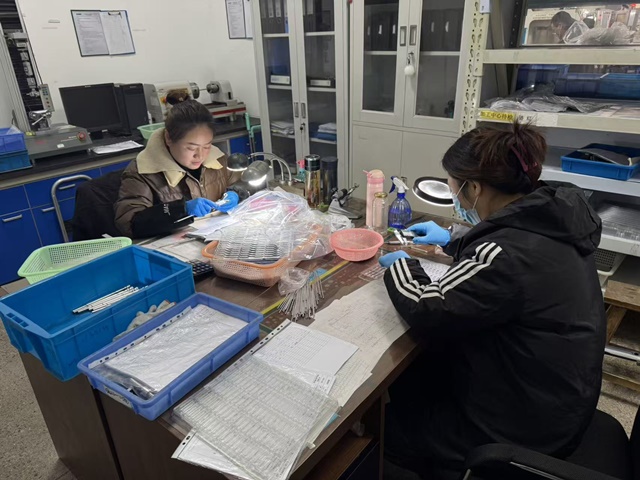
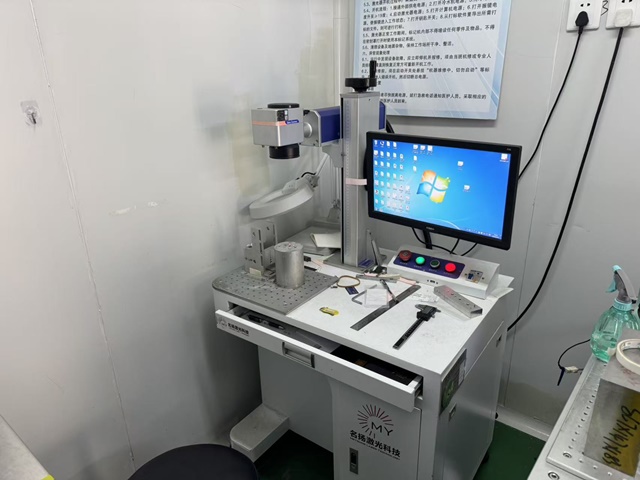
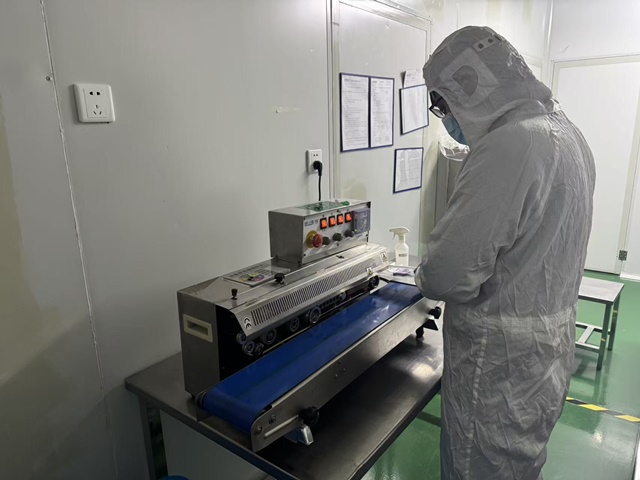
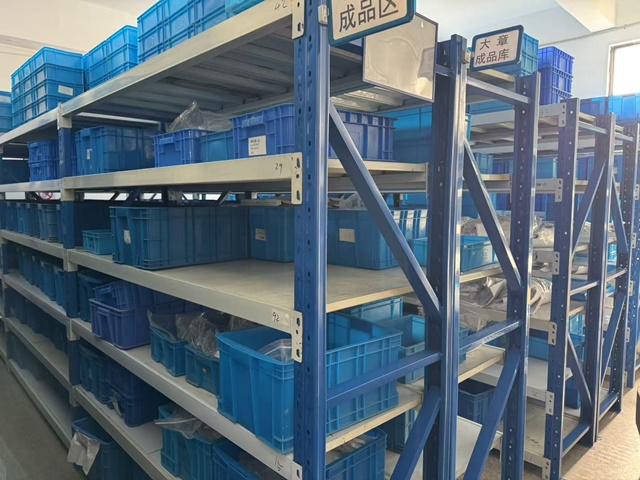
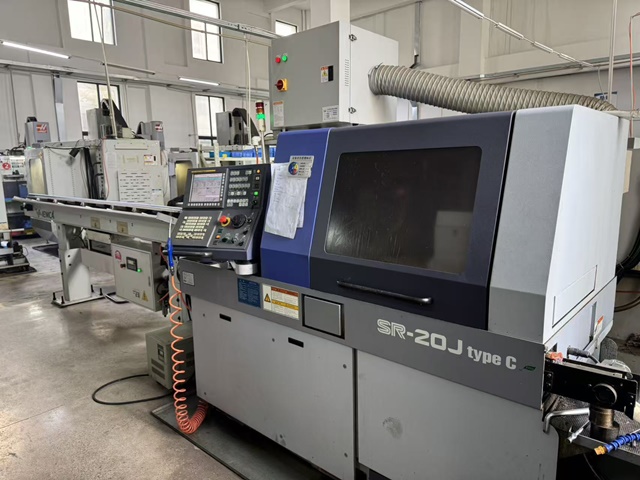
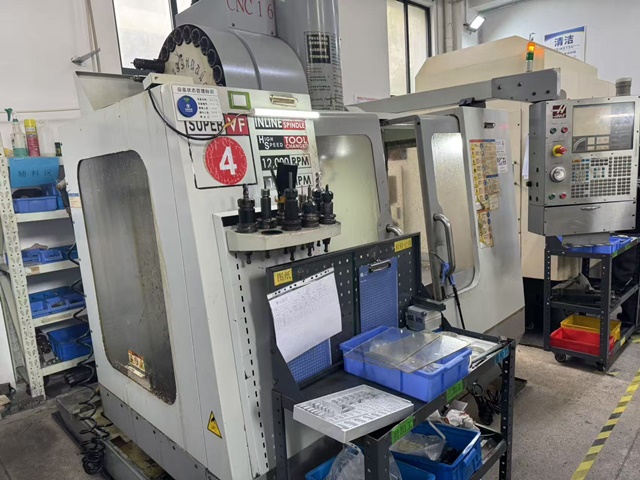
Our workshops deploy Swiss-type lathes, HAAS CNC centers, and metrology labs to secure micrometric precision and fatigue resistance.
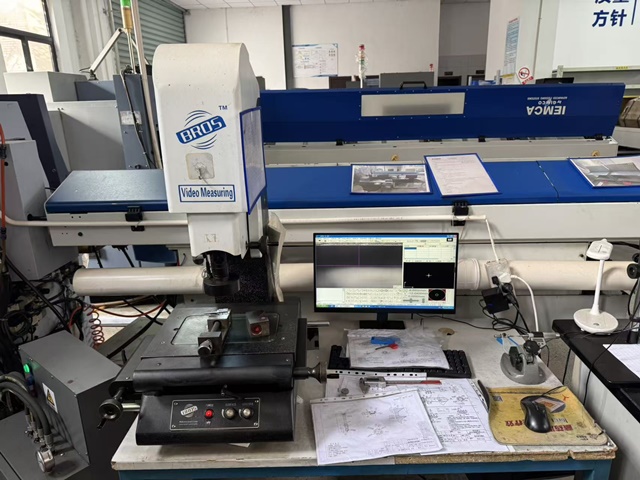
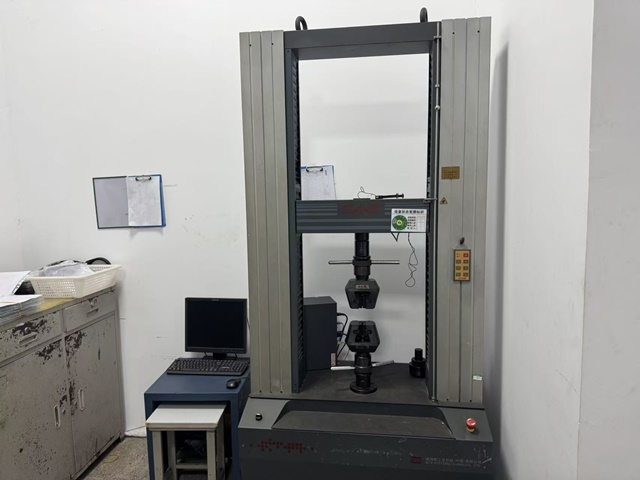
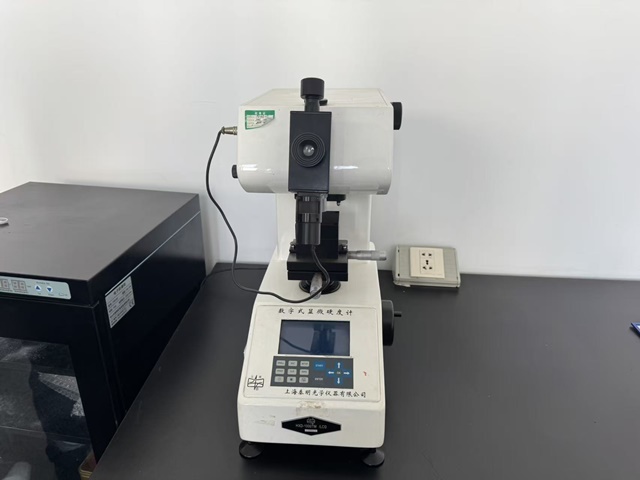
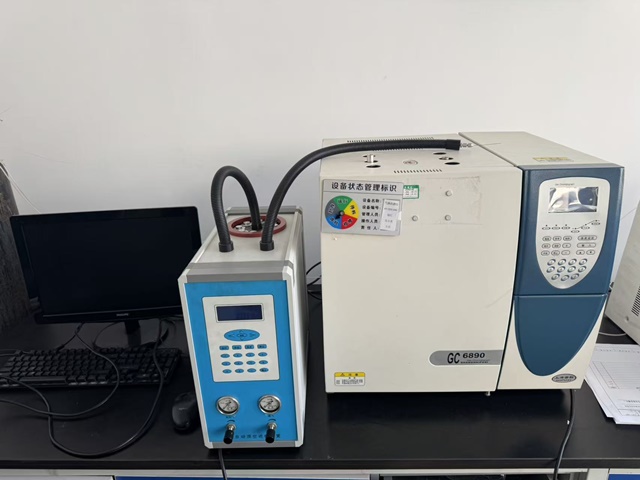
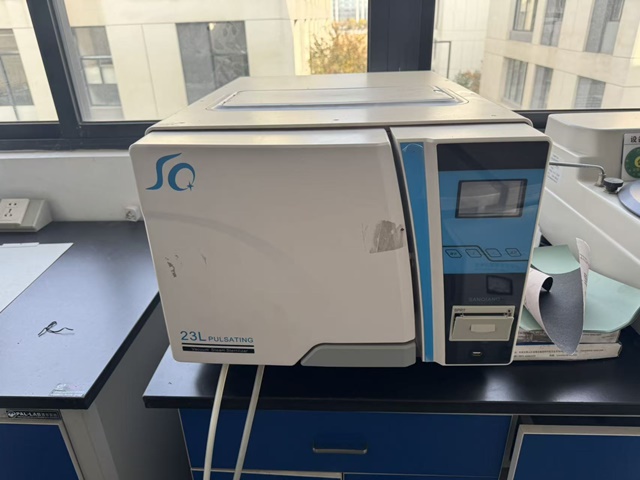
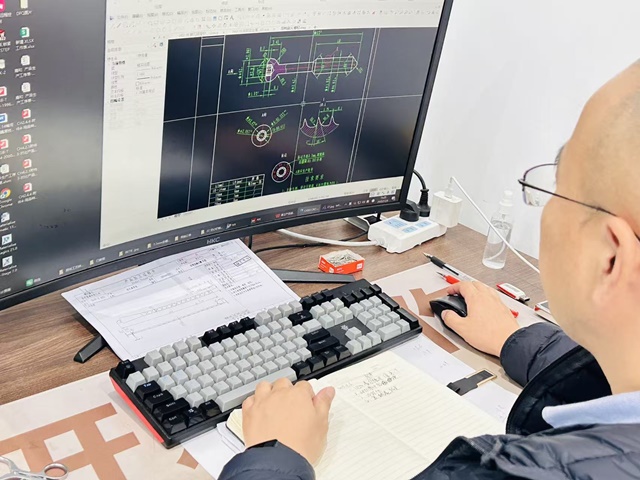
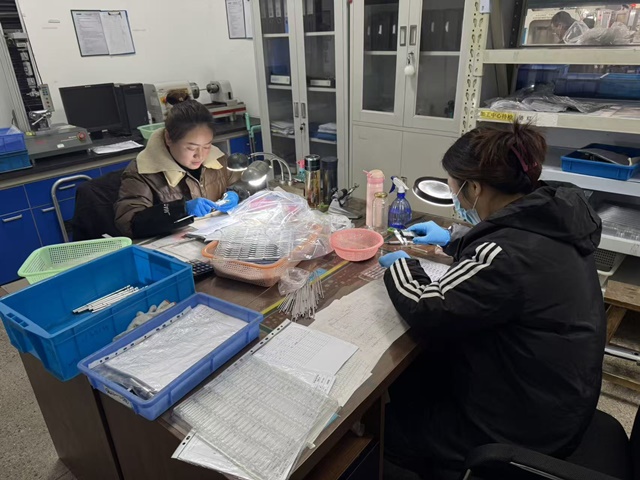
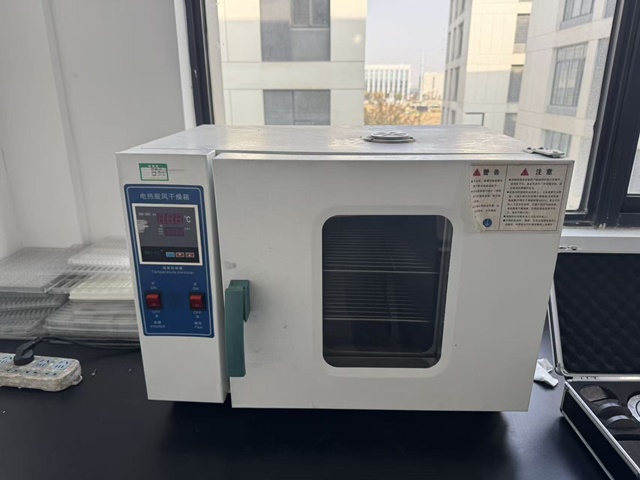
Our engineering protocols verify physical performance markers through physical and chemical testing models.
Spinal constructs undergo static tension, compression, and dynamic fatigue testing on our Multifunctional Mechanical Testing Machines to confirm safety limits under physiological cycles.
Gas Spectrometry analyses confirm raw materials match Titanium Grade 5 (Ti-6Al-4V ELI) specs, excluding interstitial contaminants that cause brittleness.
We run multi-stage polishing, cleanroom acid-etching, and anodization to establish uniform passive oxide films, reducing metal ion release in vivo.
How Osteora's engineering department is adapting to new developments in spinal surgical techniques.
Our engineers are optimizing locking profiles, focusing on smart spinal stabilization systems. These incorporate load sensors that track micro-movement dynamics in real-time, giving surgical teams postoperative strain values.
Additionally, we are expanding our additive manufacturing capabilities. 3D-printed trabecular titanium connectors feature micro-rough surface textures that mimic human cancellous bone structure, encouraging rapid osseointegration.
Answers to common operational, regulatory, and engineering questions from orthopedic distributors and hospital networks.
We manufacture implants using titanium alloy (Ti-6Al-4V ELI) complying with ASTM F136/ISO 5832-3 standards. Mill test reports and composition validation charts from gas spectrometry are provided for every production lot.
Yes. Backed by 85 R&D engineers, we customize sizing scales, length variations, connection profiles, material configurations, and custom private labeling options.
Our facility runs under ISO 13485 quality systems. Our primary catalog lines hold CE certifications and meet Class III medical device standards, supporting market access across Europe, Southeast Asia, South America, and the Middle East.
With over 1,200 certified partners across our supply chain and 12 years of industry experience, we coordinate shipping workflows, maintaining production schedules and stable pricing thresholds.
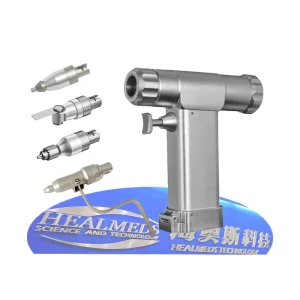
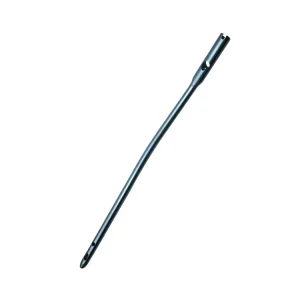
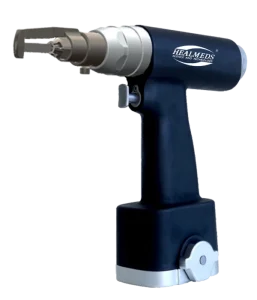
Our broader orthopedics collection features expert intramedullary nails, arthroscopy systems, and orthopedic power drills.