Osteora
Osteora
Osteora
Explore our flagship regulatory-compliant spinal, trauma, and joint systems designed for maximum precision and biomechanical durability.
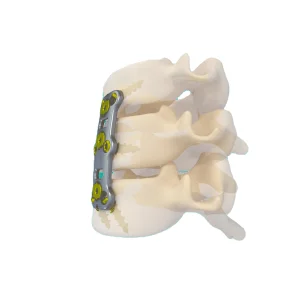
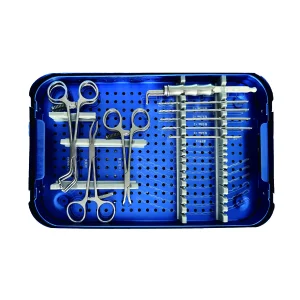
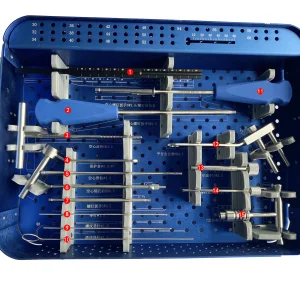
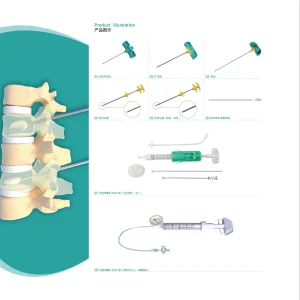
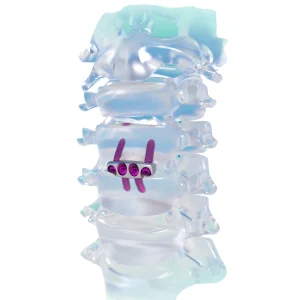
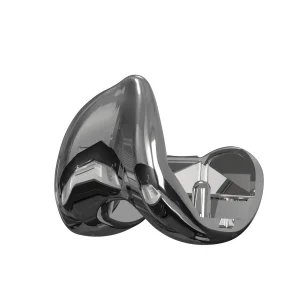
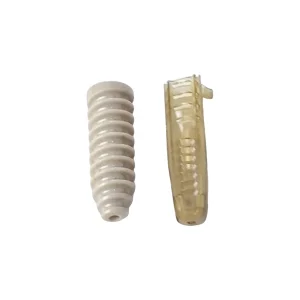
In modern spinal reconstructive surgery, anterior cervical discectomy and fusion (ACDF) remains the gold standard for treating cervical degenerative disc disease, trauma, instability, and spondylotic myelopathy. The clinical success of ACDF is highly dependent on the performance of Anterior Cervical Plates (ACPs). As high-value medical implants, anterior cervical plates demand absolute structural integrity, biocompatibility, and biomechanical optimization. For global healthcare buyers, medical device distributors, and OEM purchasers, sourcing from trusted anterior cervical plates factories involves assessing complex engineering systems, regulatory compliance frameworks, and reliable supply chain capacities.
Clinical Challenge: Sourcing low-quality implants increases risks of construct failure, screw back-out, pseudoarthrosis, and post-operative dysphagia. Modern procurement officers must focus on the manufacturer's quality management system (QMS), mechanical testing protocols, and integration of low-profile dynamic designs.
The global demand for orthopedic implants is rising due to an aging population, increasing incidence of spinal trauma, and expanding access to advanced surgical centers in emerging markets. Sourcing strategies are transitioning from transaction-based procurement to deep industrial partnerships. Trusted manufacturers must demonstrate high-volume production capacities alongside custom engineering (OEM/ODM) flexibility to meet regional medical regulations. Sourcing from accredited production centers ensures predictable lead times, mitigates supply chain disruptions, and delivers consistent implant tolerances that match strict clinical requirements.
Pioneering advancements in spinal fusion, trauma fixation, and joint reconstruction technologies since 2016.
Operates an expansive 18,500㎡ facility supporting fully integrated raw material processing, precision machining, cleanroom assembly, and sterile packaging. This scale ensures high-volume output with reliable quality control.
Certified under ISO 13485 standards. Production processes include in-process inspection and final random sampling overseen by a dedicated team of 42 specialized quality assurance inspectors.
Backed by 12 years of industry expertise and an in-house team of 85 R&D engineers. We specialize in OEM/ODM services, custom sizes, biocompatible coating options, and private labeling.
Osteora Medical Devices Co., Ltd. is a professional orthopedic implant and surgical solution manufacturer specializing in trauma, spine, and joint reconstruction systems under the brand Osteora. Founded in 2016, the company has developed a strong reputation in the global orthopedic industry through continuous innovation and strict quality control standards. With 8 years of export experience and 12 years of industry expertise, Osteora has established stable cooperation with international distributors and hospitals across multiple regions. Annual export revenue ranges from USD 6 million to 14 million, reflecting steady global market growth.
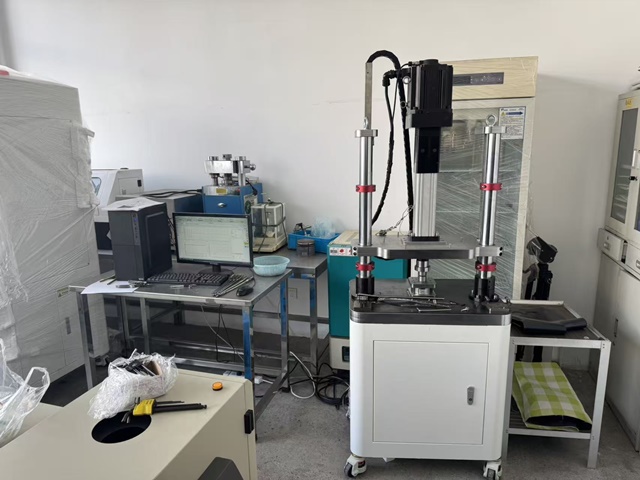
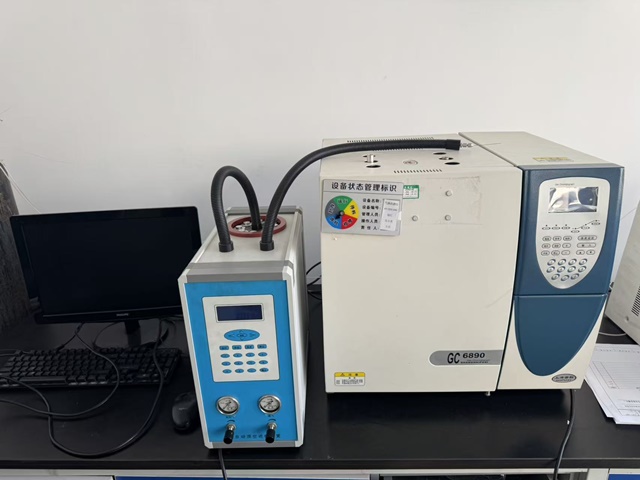
The company implements comprehensive quality assurance systems, including ISO 13485 compliance, in-process inspection, and final random sampling testing. Product inspection methods include dimensional measurement, mechanical fatigue testing, and biocompatibility validation. Osteora has a strong trade background in global medical device export and maintains long-term partnerships with distributors in Europe, Southeast Asia, the Middle East, and South America. The supply chain includes approximately 1,200 certified upstream and downstream partners, supporting stable production capacity and reliable delivery performance. Its main customer base consists of hospitals, orthopedic clinics, surgical centers, and medical distributors. Reflecting a continuous investment in innovation, Osteora launched approximately 120 new products over the past year to meet evolving clinical needs.
From raw medical-grade titanium to sterile packaging—precision engineering validated at every stage.
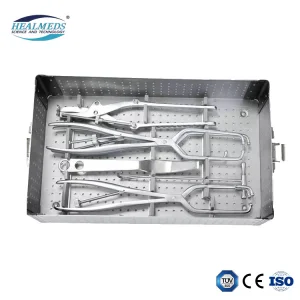
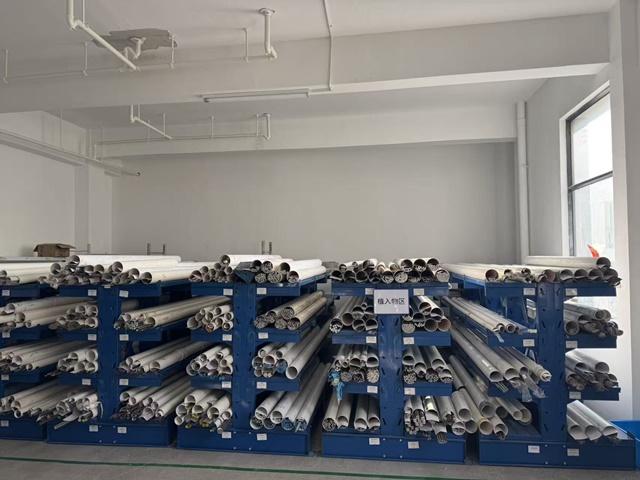
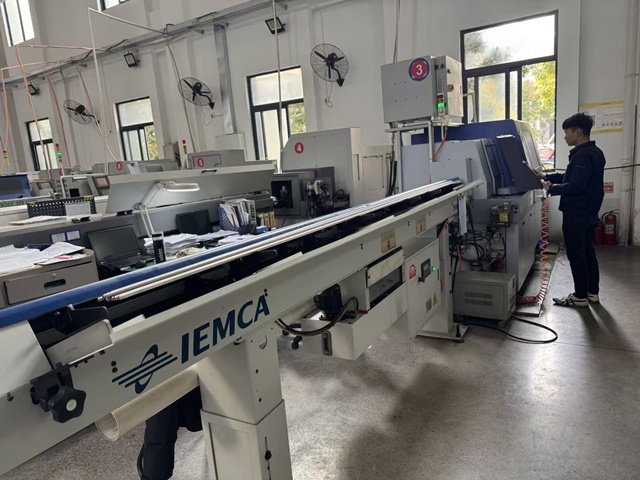
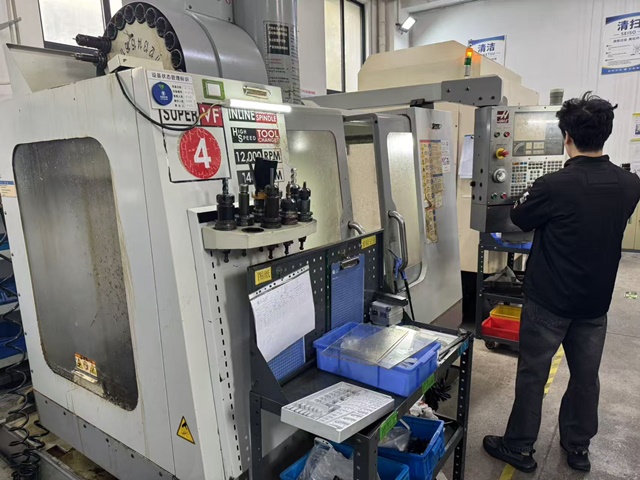
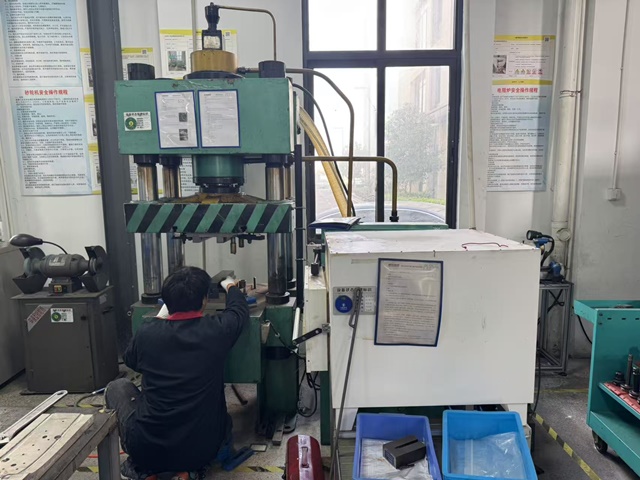
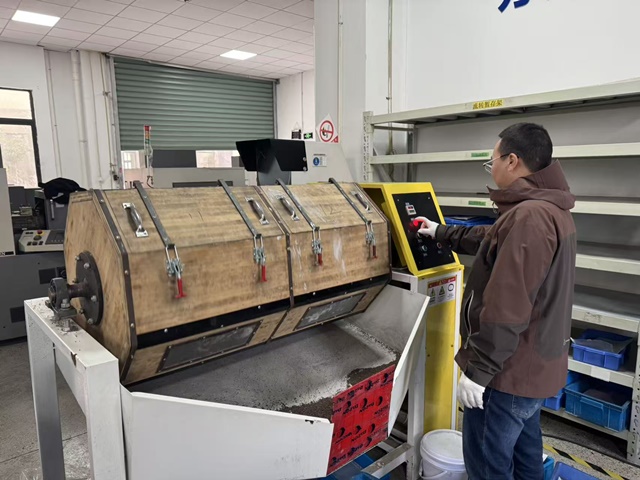
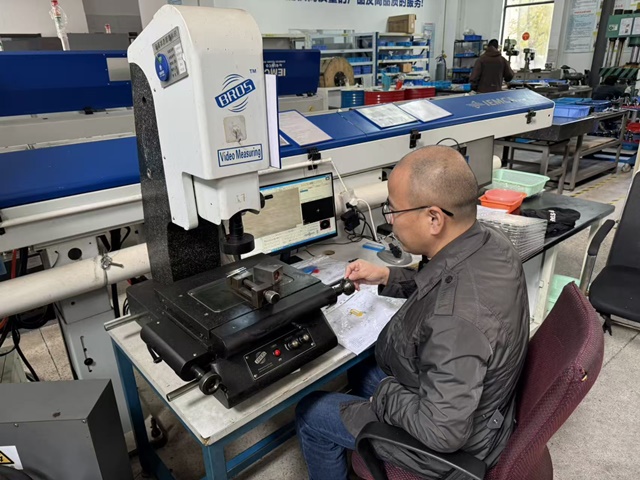
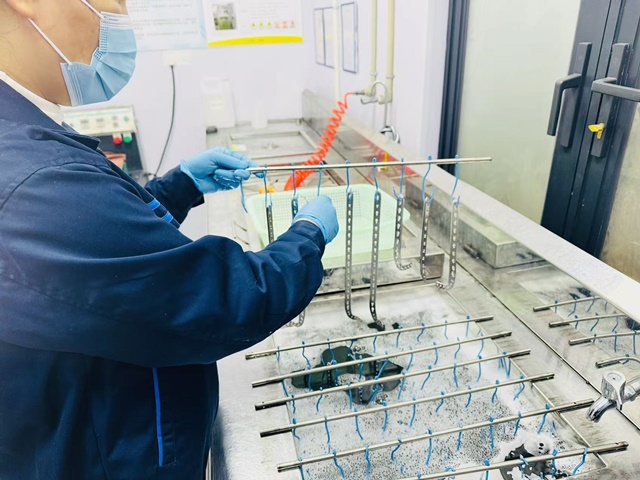
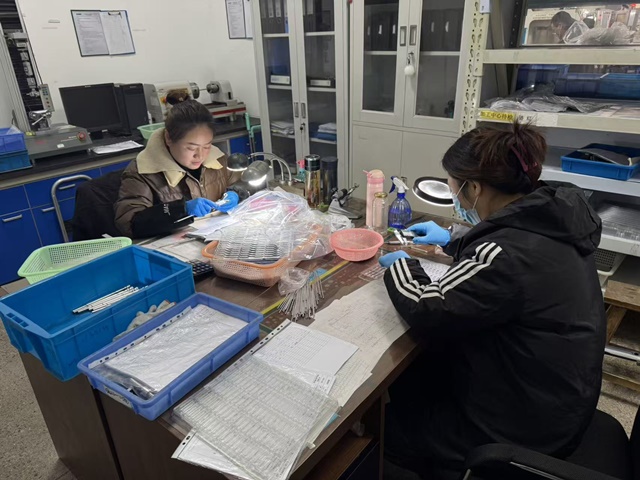
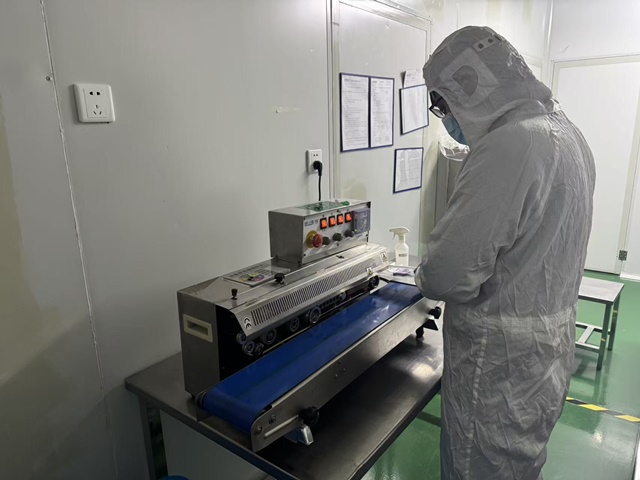
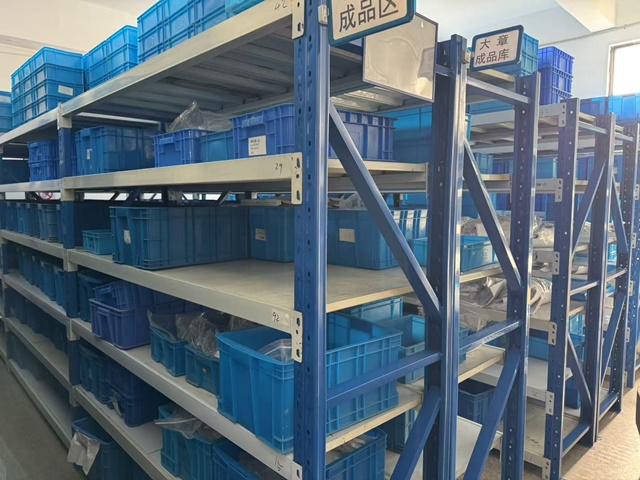
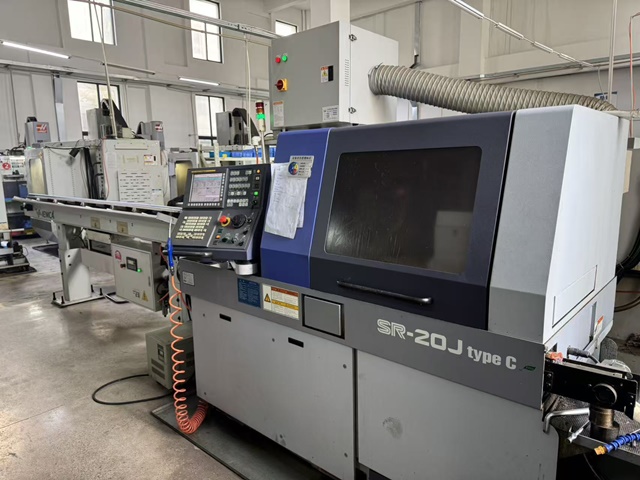
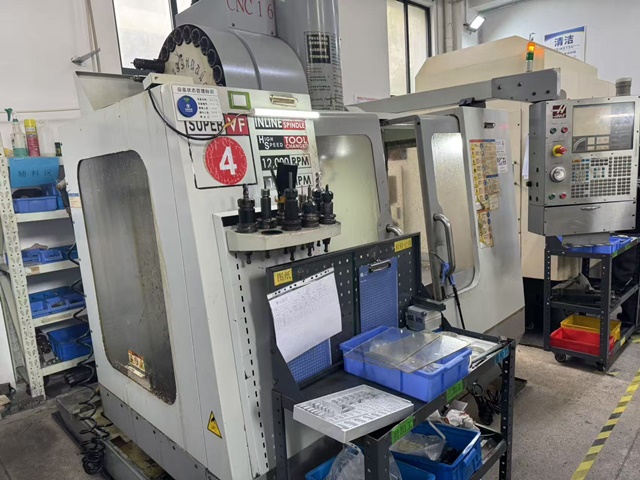
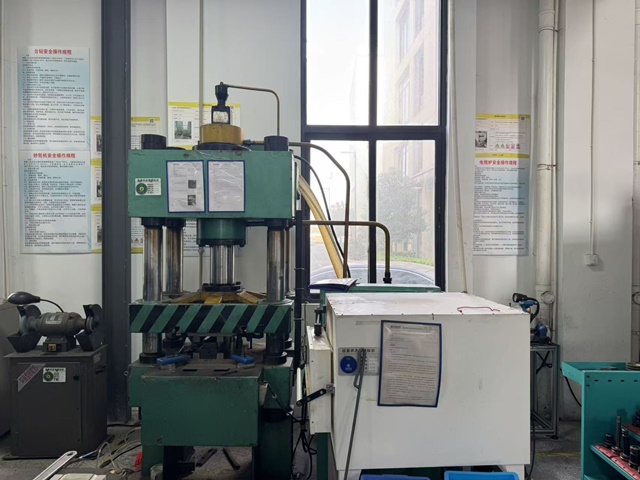
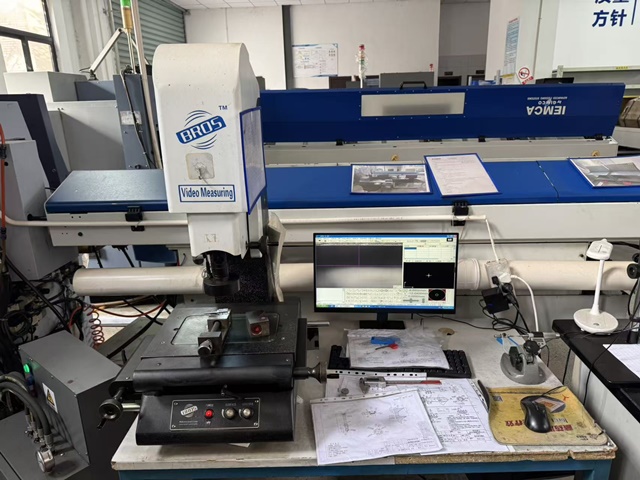
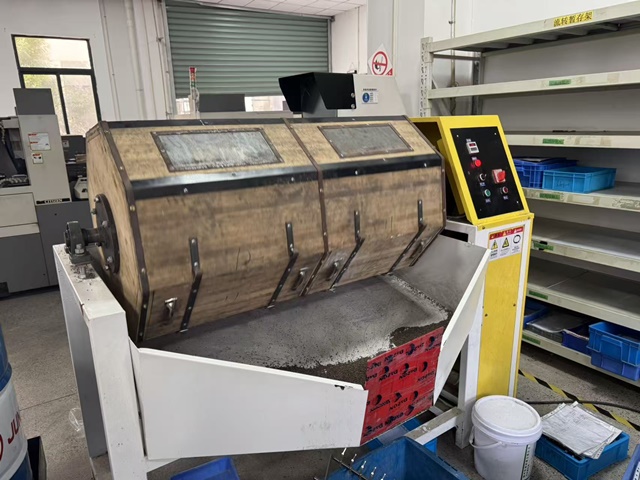
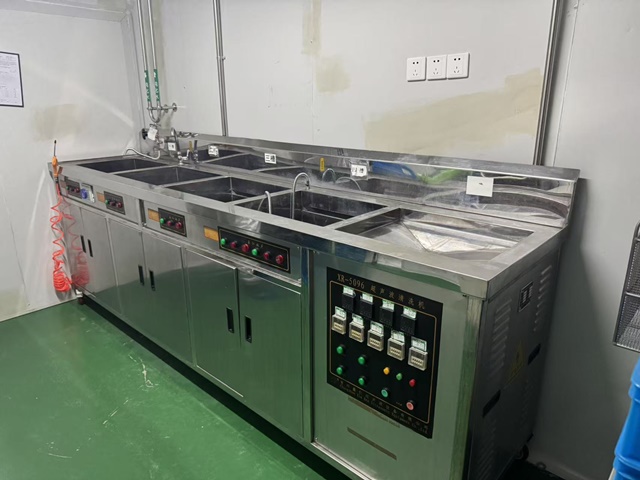
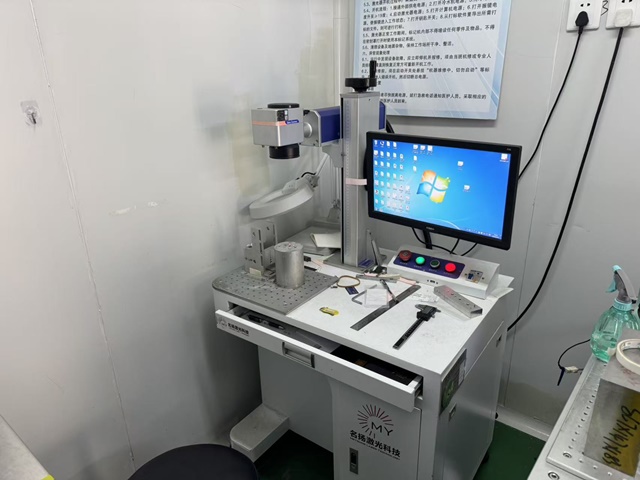
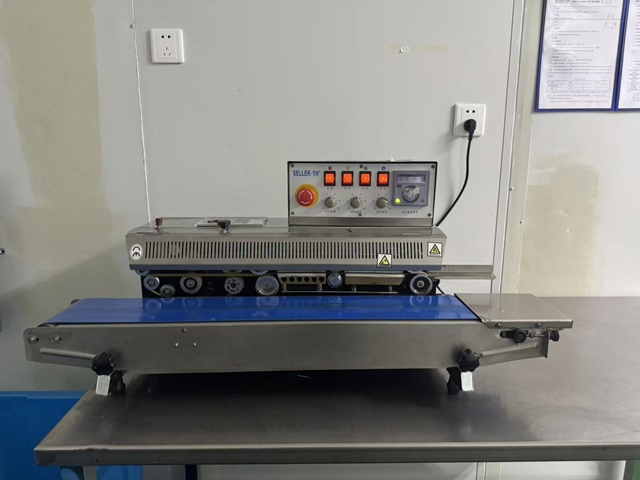
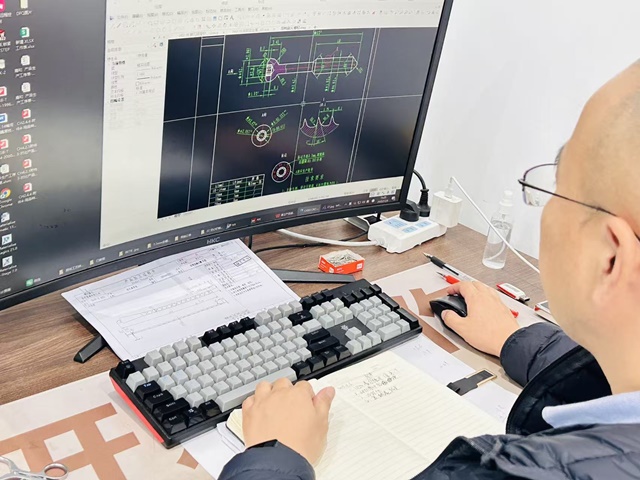
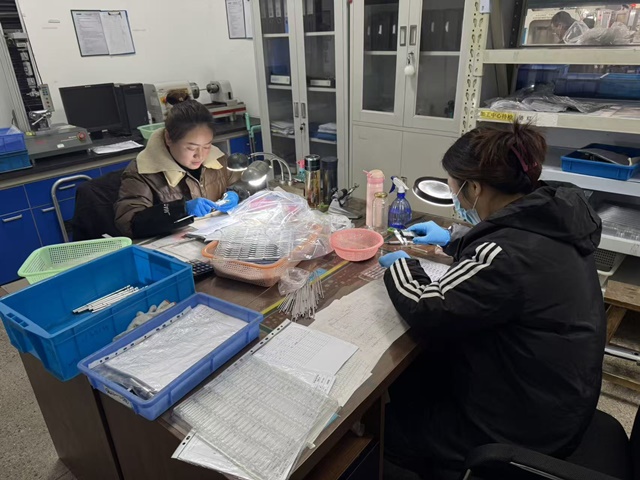
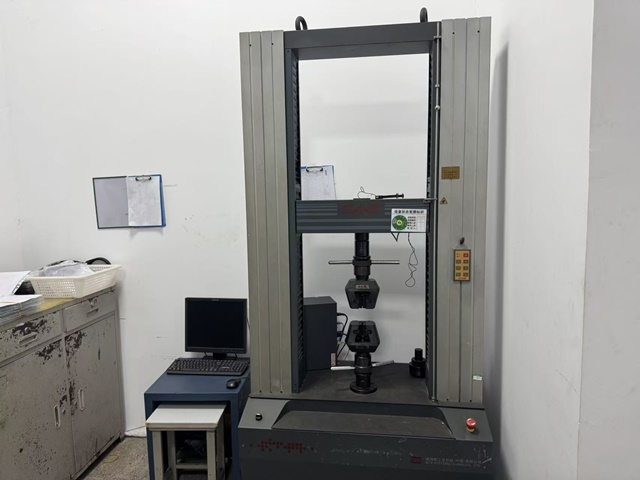
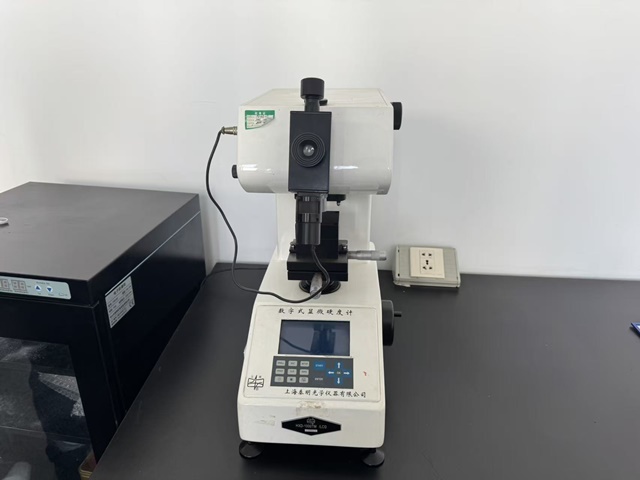
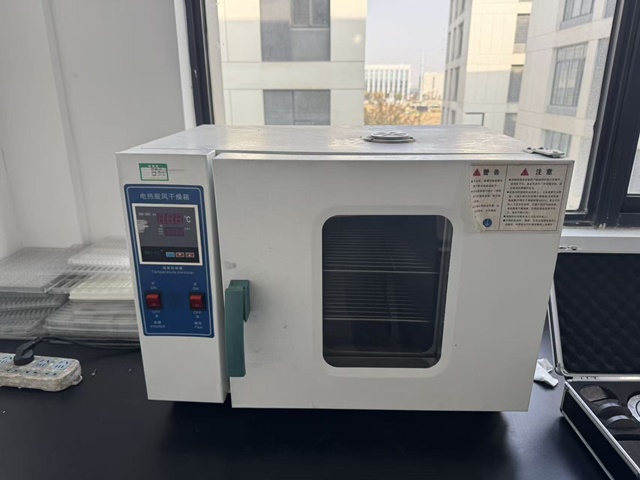
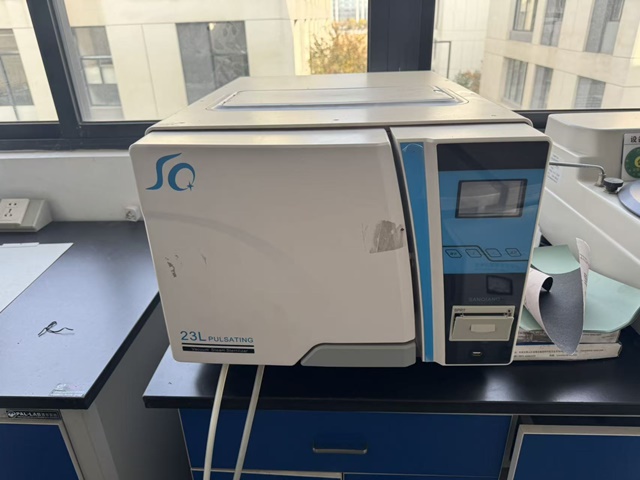
Producing reliable anterior cervical plates requires advanced manufacturing technology. Each implant undergoes a multi-step sequence designed to preserve biocompatibility, achieve sub-micron dimensional tolerances, and ensure mechanical fatigue resistance. Below is a structured view of our production floor and validation equipment:
From rigid systems to dynamic load-sharing structures optimizing bone-graft fusion rates.
Modern plates utilize ultra-low profiles (typically 1.5mm to 2.0mm in thickness) with smooth, rounded borders. This minimizes mechanical irritation to the esophagus and reduces the incidence of post-operative dysphagia.
Dynamic plate systems facilitate micro-settling of the graft. This maintains axial load across the bone graft interface, promoting fusion according to Wolff's Law while reducing the risk of stress shielding.
Advanced tactile and visual locking mechanisms prevent screw back-out. They offer variable and fixed angulation options to customize rigidity based on patient anatomy.
Modern implant engineering relies heavily on advanced material science. Titanium alloy (specifically Ti-6Al-4V ELI / Grade 5) is the material of choice due to its high strength-to-weight ratio, biocompatibility, and low modulus of elasticity, which is closer to human bone than stainless steel. Surface treatments like anodization or acid-etching create a micro-textured surface that enhances osseointegration. Additionally, PEEK (Polyetheretherketone) is often paired with titanium components to allow for radiolucent monitoring of bone fusion during post-operative follow-ups.
Navigating complex medical device approvals to ensure risk-free import and clinical utilization.
Orthopedic implants are classified as Class IIb (under EU MDR) or Class II (under US FDA regulations) high-risk medical devices. Sourcing anterior cervical plates requires verifying and maintaining trace documents at every stage of production.
OEM/ODM Capabilities: Osteora provides comprehensive engineering support for customized plate profiles, specialized screw thread designs, and targeted instrument kits. Custom branding, sterile blister packaging, and sterilization validation dossiers can be tailored to meet regional regulatory submissions.
Expert technical insights to assist medical device distributors and procurement teams.
Our anterior cervical plates and screws are manufactured using high-grade Ti-6Al-4V ELI (Extra Low Interstitial) titanium alloy. This material complies with ASTM F136 specifications, providing excellent biocompatibility, corrosion resistance, and high fatigue strength required for spinal reconstructive applications.
Every batch of implants undergoes dimensional verification using optical vision measuring instruments, surface finish inspections, and mechanical validation via Vickers hardness and tensile testing. Final batch inspections are conducted by our QA team before products are sterile-packaged and dispatched.
For customized plate designs or specialized surgical instrument sets, typical design-to-prototype phases range from 4 to 6 weeks. Mass production and sterile packaging take approximately 30 to 45 days after prototype approval, depending on order size and complexity.
Yes, Osteora products are registered in markets across Southeast Asia, Europe, South America, and the Middle East. We provide full dossier support, raw material certificates, biocompatibility studies, and mechanical fatigue test results to assist with local registration processes.
Our dynamic cervical plates permit controlled settling at individual levels. This maintains axial load across the graft, which helps stimulate osteoblast activity and increases fusion success rates while reducing post-operative complications like hardware loosening or segment collapse.
Complete your catalog with high-precision trauma plates, total joint replacement kits, and veterinary power tools.