Osteora
Osteora
Osteora
As orthopedic surgeries transition rapidly towards minimally invasive operations, the mechanical integrity and bio-compatibility of orthopedic implants determine the pathway to patient recovery. Osteora Medical Devices Co., Ltd., founded in 2016, stands at the frontier of premium orthopedic implant design and production. Operating under our internationally recognized brand Osteora, we deliver robust solutions across trauma fixation, spinal fusion, and joint reconstruction technologies.
Our expansive, state-of-the-art facility covers approximately 18,500㎡. Designed to integrate vertical production methodologies, it houses modern manufacturing cells, class-10,000 cleanrooms, and testing facilities to manage everything from raw titanium bar inspection to final sterile packaging.
With 12 years of industry expertise and 8 years of global export experience, Osteora has earned an authoritative voice among orthopedic clinics, surgical centers, and major distributors. We operate with an annual export revenue of USD 6 million to 14 million, delivering surgical confidence to partners across Europe, South America, the Middle East, and Southeast Asia.
"Precision is not just a dimension; it is a clinical obligation. A cannulated screw must withstand complex shear, bending, and torsional forces during osteosynthesis, while providing the guide wire accuracy necessary to minimize intraoperative tissue trauma."
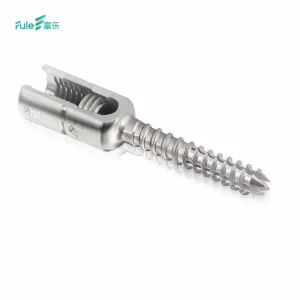
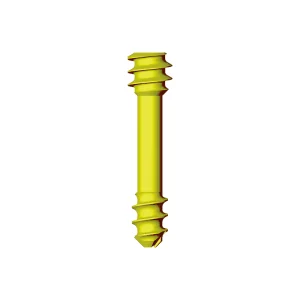
Titanium cannulated screws have revolutionized internal fixation for fractures of the femoral neck, tibial plateau, calcaneus, and distal humerus. The defining engineering challenge is the optimization of the core diameter vs. thread depth to maximize pull-out strength while preserving a central hollow channel for guide wire placement. High-strength titanium alloys, specifically Ti-6Al-4V ELI (Extra Low Interstitial), are standard because of their superior strength-to-weight ratio and low Young's modulus, which reduces stress shielding.
Currently, the market demands advanced surface treatments, such as Type II anodization and hydroxyapatite (HA) coatings, to promote rapid osseointegration and reduce bacterial colonization. Additionally, variable pitch thread profiles allow for superior interfragmentary compression, which accelerates bone healing and recovery times.
Hospital groups and medical device distributors encounter complex supply chain and regulatory hurdles. A major bottleneck is obtaining CE, FDA, and MDR compliant inventory from reliable suppliers. To mitigate risk, procurement officers look for manufacturers that provide complete material traceability, including raw material heat numbers and gas spectrometry analysis.
Additionally, consistent lead times are critical. By partnering with Osteora, clients leverage our supply network of 1,200 certified upstream and downstream partners. This deep integration allows us to keep raw materials on hand and maintain stable production capacity, preventing stockouts even during periods of high global demand.
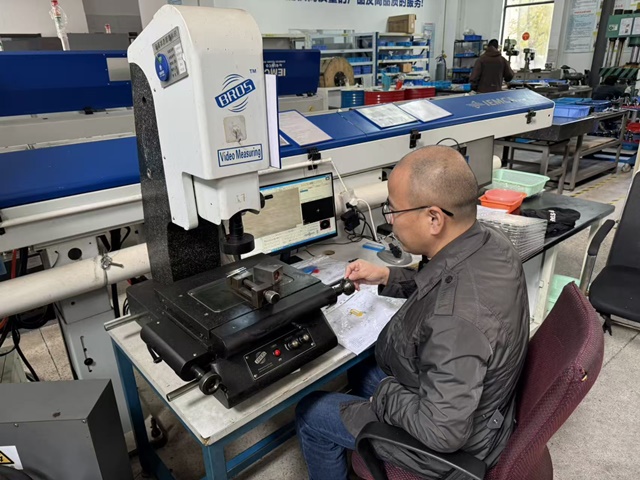
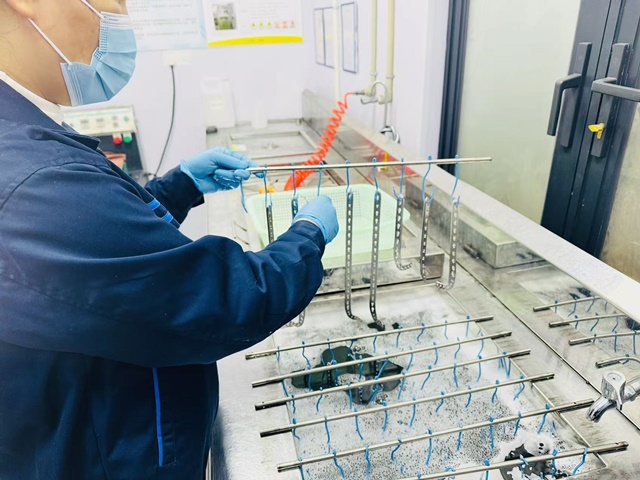
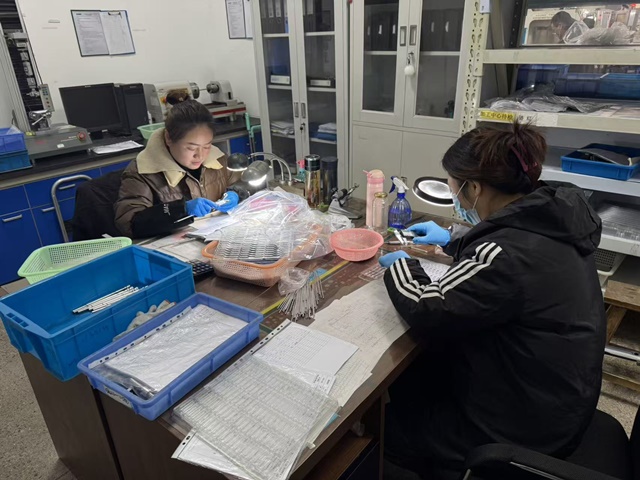
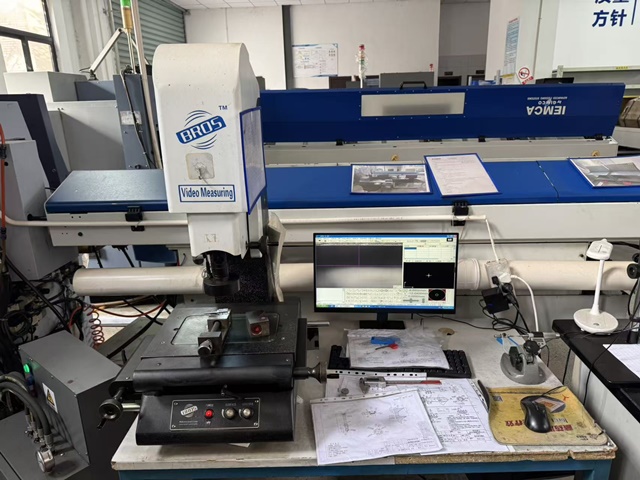
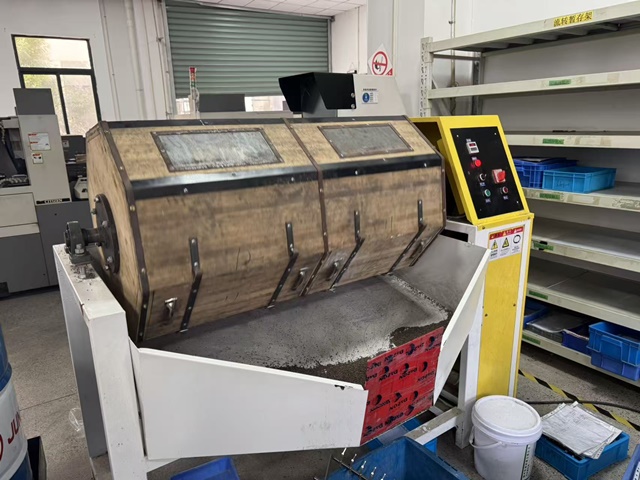
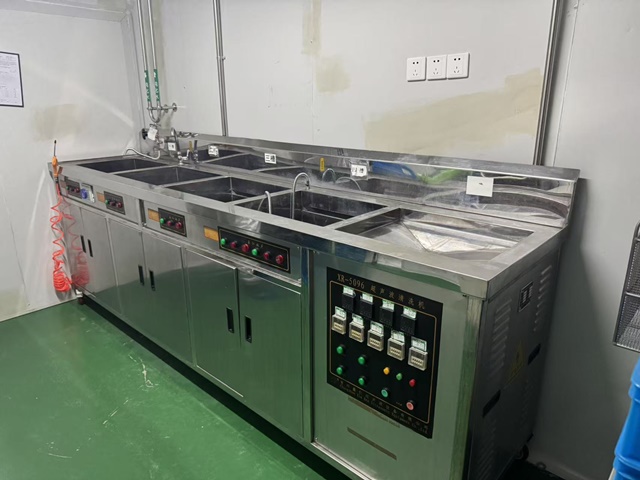
Every titanium implant produced in the Osteora facility undergoes a detailed, multi-stage production sequence. Below is a breakdown of our manufacturing, finishing, and testing assets.
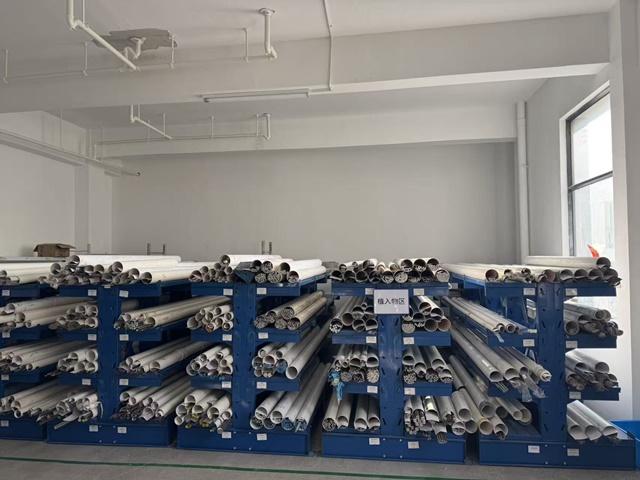
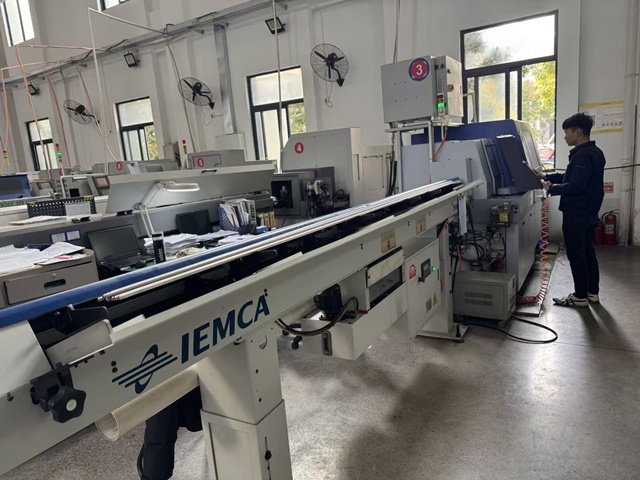
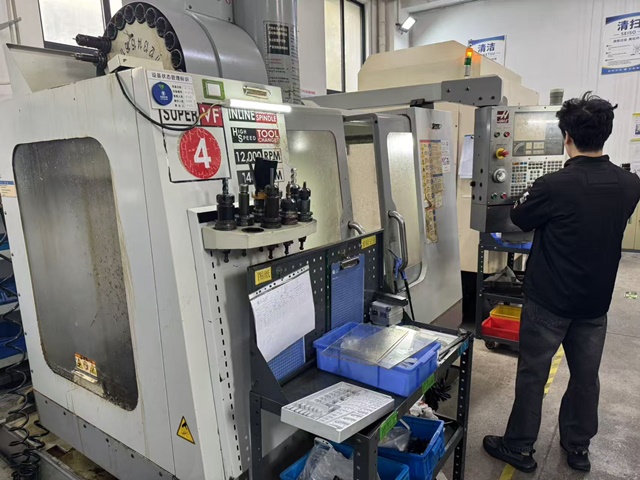
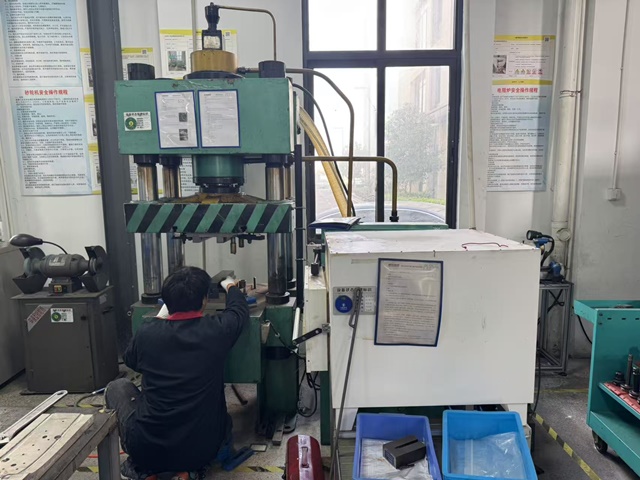
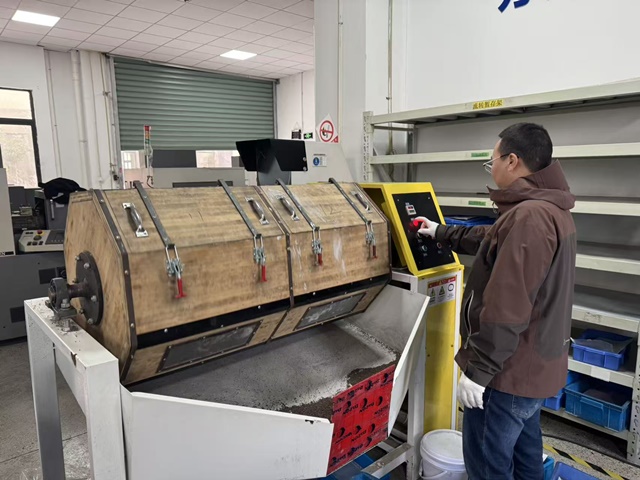
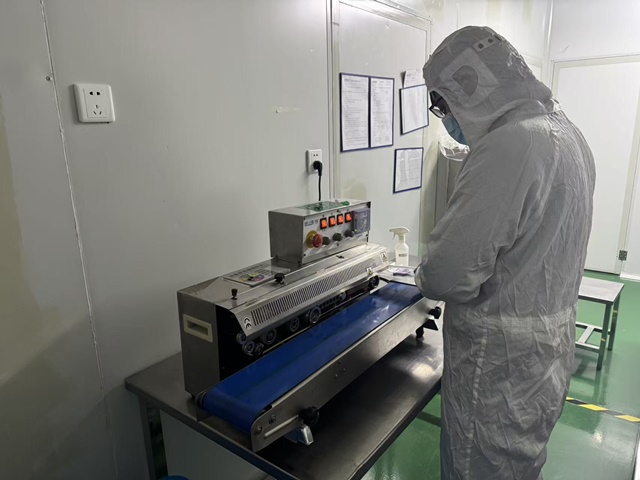
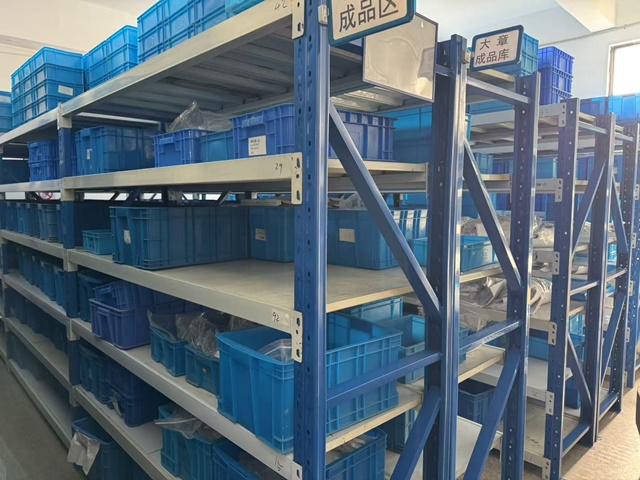
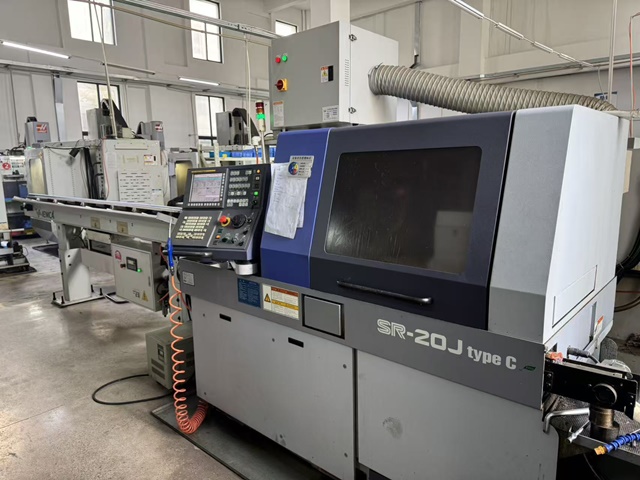
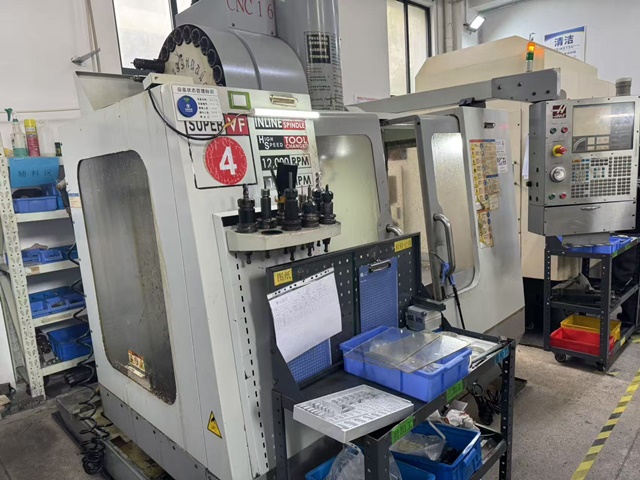
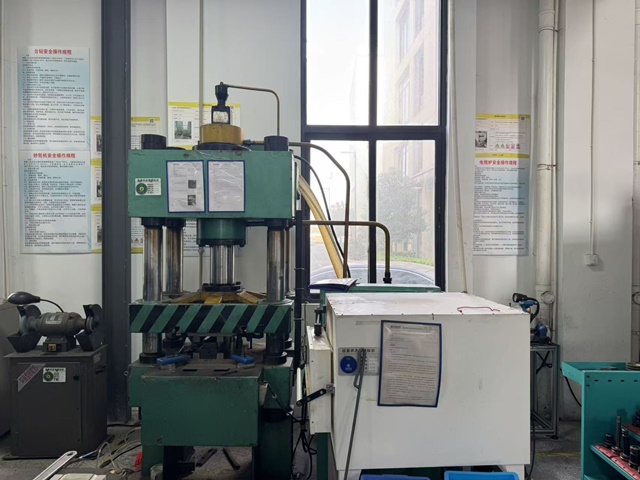
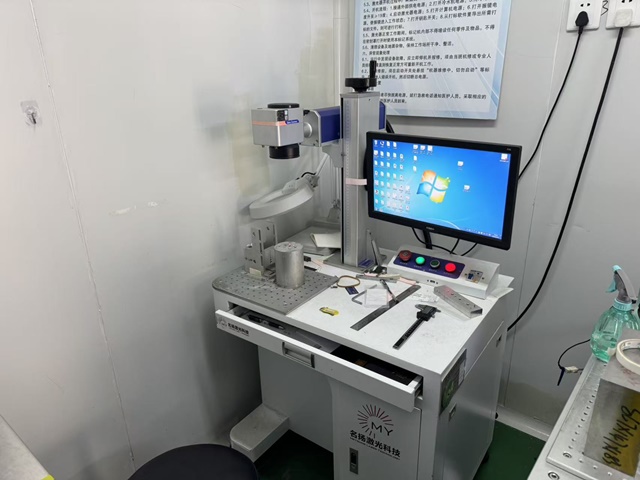
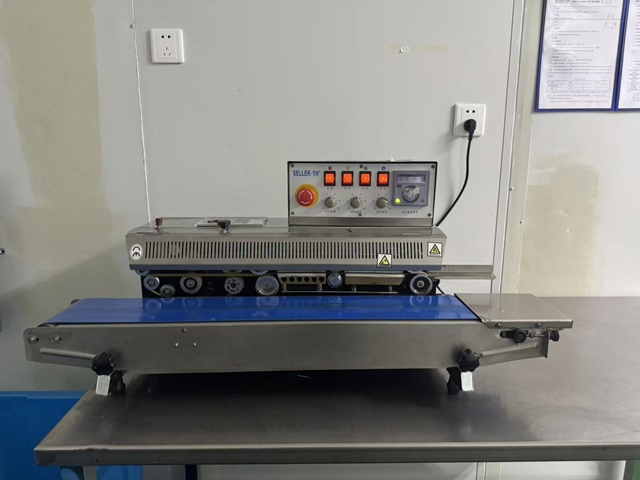
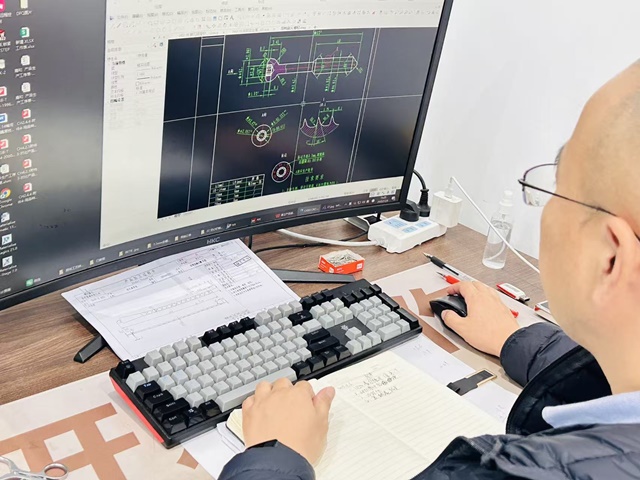
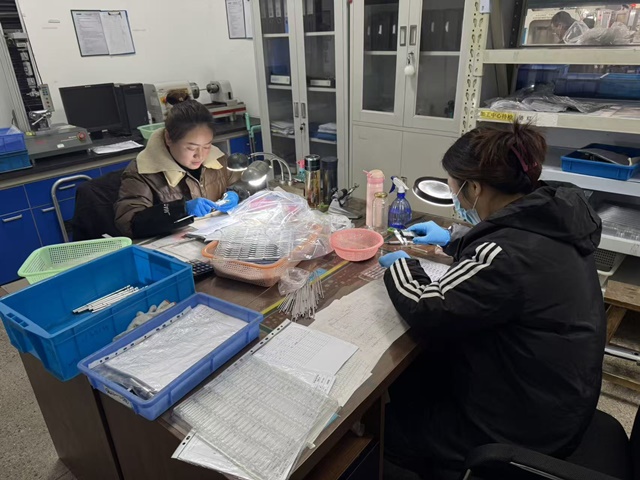
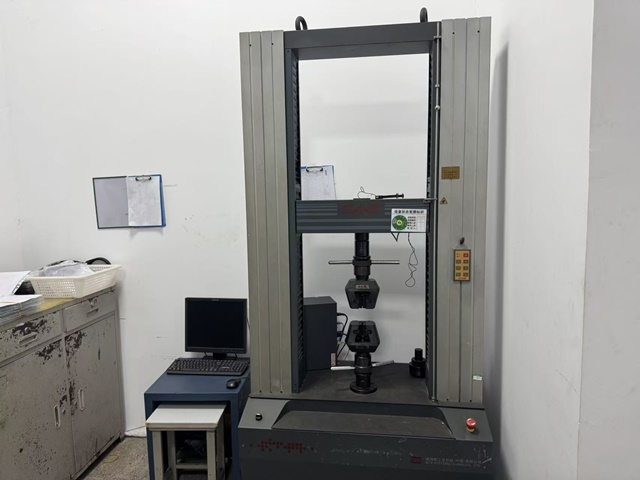
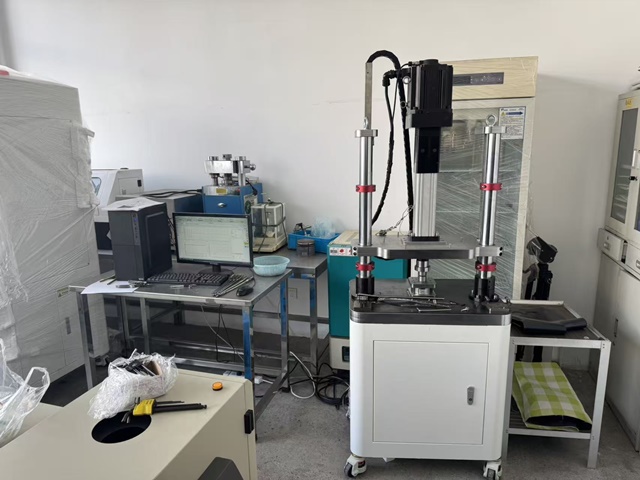
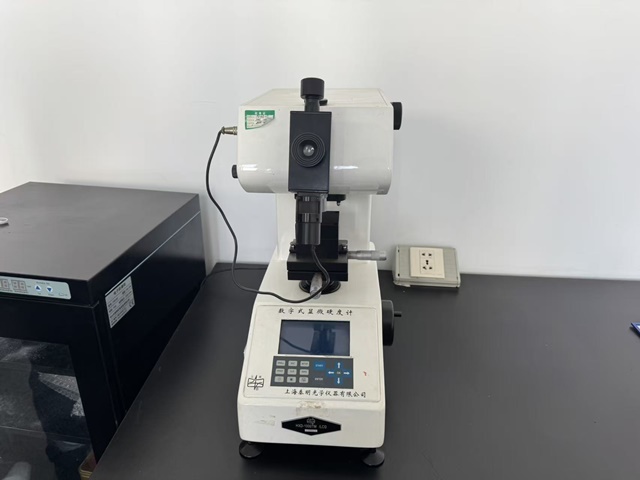
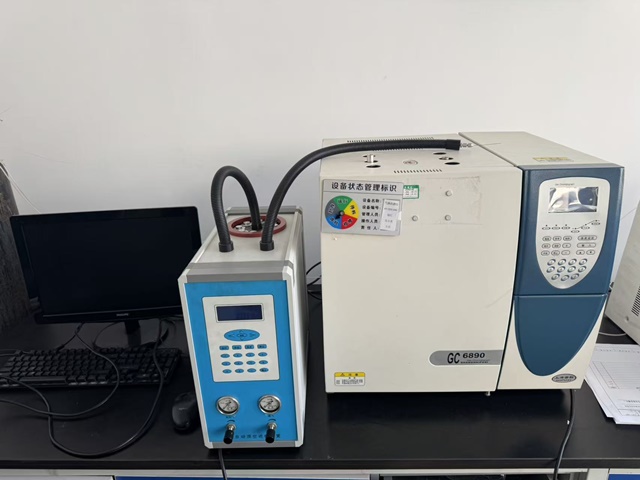
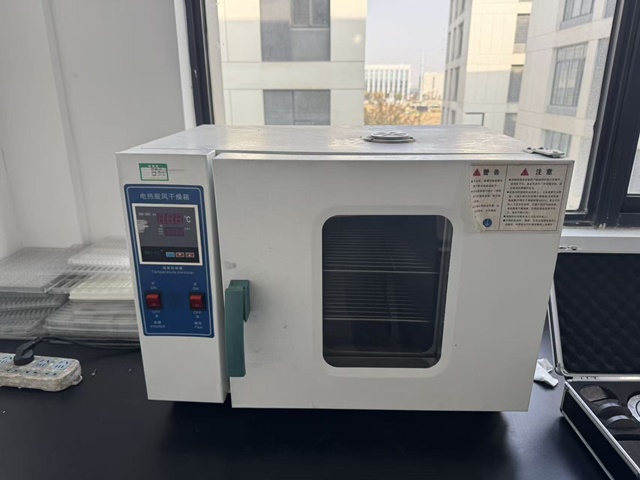
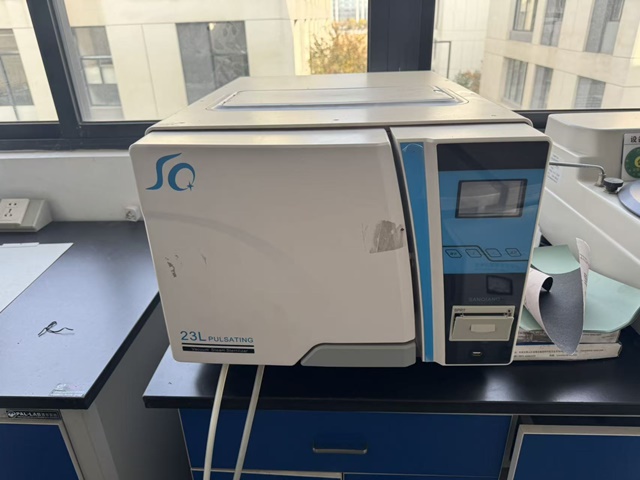
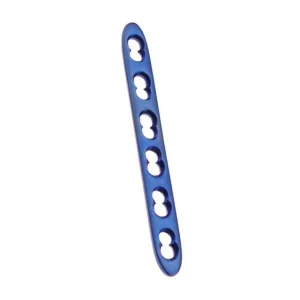
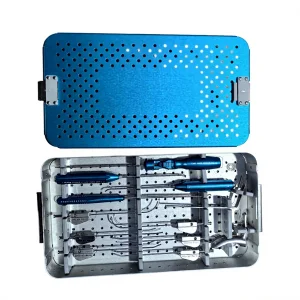
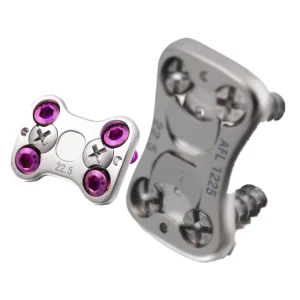
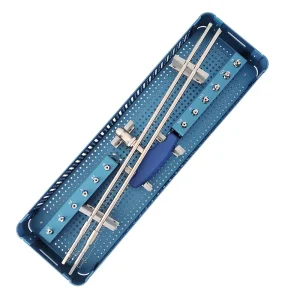
No single clinical scenario fits all implant profiles. Recognizing this, Osteora's 85 R&D engineers offer deep customization capabilities, ranging from dimensional modifications (screw lengths, core diameters, pitch configurations) to custom private labeling and implant kit configurations. Whether fabricating specialized self-tapping thread systems or designing custom bone plates, our engineers construct designs using advanced CAD models. We then prototype these designs using Swiss-type lathes and HAAS CNC machinery for precise material execution.
Our OEM/ODM pipeline operates under a strict verification standard, confirming that every custom piece preserves the biocompatibility and fatigue resistance properties of our standard catalog items.
The next phase of trauma osteosynthesis points to smart implants. Osteora is directing resources towards developing magnesium-alloy bio-absorbable screws, which eliminate the need for a secondary implant retrieval surgery. Additionally, our R&D center is testing advanced antimicrobial surfaces using dual-acid etching and calcium-phosphate deposition. This technology aims to prevent biofilm formation in complex orthopedic surgeries.
By investing heavily in new product development (launching 120 new products in the last year alone), we keep our distributors and clients ahead of the technical curve, helping them capture market share in competitive medical markets.
Our quality assurance framework is built to satisfy strict global regulatory standards. With 42 specialized inspectors managing in-process and final random sampling, we verify the dimensional accuracy, thread pitch tolerance, and cannulation concentricity of every manufacturing batch.
Additionally, we conduct mechanical fatigue testing and Vickers microhardness testing on every alloy lot. Using gas spectrometers, we confirm the exact chemical composition of our titanium, preventing impurities that could lead to implant failure or adverse tissue reactions.