Osteora
Osteora
Osteora
High-precision orthopedic traumatology implants, arthroscopic equipment, and customized surgical devices certified for global distribution.
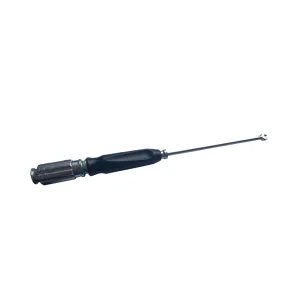
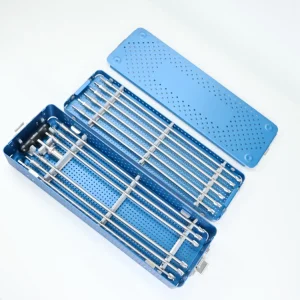
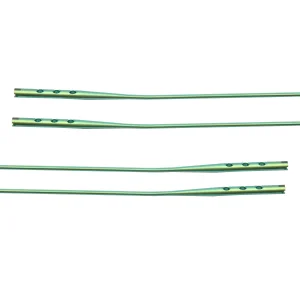
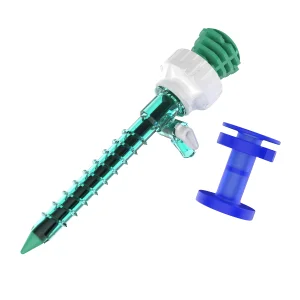
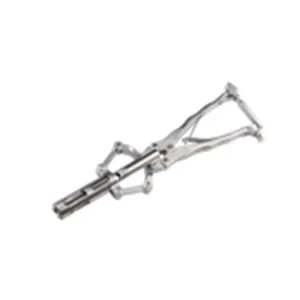
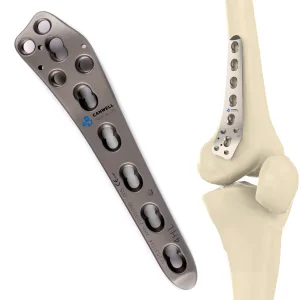
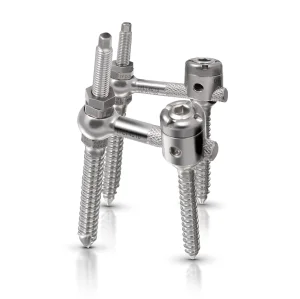
In modern orthopedic surgery and traumatology, structural stabilization is the cornerstone of successful patient outcomes. Among various internal fixation devices, self-tapping bone screws have revolutionized the surgical workflow. By integrating cutting flutes at their tip, these implants eliminate the clinical need for separate pre-tapping steps, significantly minimizing operation times, reduce mechanical thermal necrosis of the surrounding osseous tissue, and enhance initial mechanical purchase.
Osteora Medical Devices Co., Ltd., established in 2016, stands at the absolute vanguard of this industrial segment. Operating under the globally recognized brand Osteora, the organization specializes in high-precision trauma systems, spinal fixation components, and customized reconstruction solutions. By bridging the gap between rigorous biomedical research and advanced metallurgy, Osteora delivers exceptional self-tapping bone screws designed to withstand complex biomechanical stress in both human and veterinary clinical environments.
"Precision is not merely an engineering tolerance; in orthopedic implants, it is the margin between absolute implant stability and structural failure. The integration of high-grade titanium alloys and optimized flute geometry guarantees that every self-tapping screw achieves maximum pull-out force while preserving structural bone integrity."
- Principal Biomechanical Engineer, Osteora R&D
Understanding market dynamics, clinical demands, and material requirements across international health systems.
The global demand for orthopedic implants has seen exponential growth due to an aging population, rising rates of motor vehicle accidents, and the expansion of sports medicine. Bone screws serve as the foundational component in osteosynthesis plates, intramedullary locking systems, and spinal pedicle assemblies. The market has shifted heavily toward Titanium Alloy (Ti-6Al-4V ELI) conforming to ASTM F136 and ISO 5832-3 standards, alongside medical-grade Stainless Steels (316LVM) conforming to ASTM F138.
Crucially, clinical buyers focus on mechanical standards like ASTM F543, which outlines structural guidelines for medical bone screws, including:
Globally, healthcare providers look for reliable distribution lines to avoid surgical delays. Large medical networks require biocompatible, anodized titanium implants that minimize immune response and promote rapid osseointegration. As regulatory requirements (such as the EU MDR and FDA 510k processes) become increasingly complex, purchasing managers prioritize manufacturers that offer comprehensive documentation, ISO 13485 certification, and batch-to-batch traceability.
How Osteora combines technological innovation and specialized industrial supply chains to benefit global distributors.
The efficiency of Chinese manufacturing is driven by extensive automation and concentrated supply chain ecosystems. At Osteora's 18,500㎡ facility, the manufacturing workflow relies on Swiss-type CNC micro-machining systems and HAAS CNC units. These highly automated lathes process raw medical-grade titanium rods with micron-level tolerances.
This high level of automation reduces the labor cost per unit while ensuring dimensional uniformity across millions of units. Compared to Western counterparts, Chinese manufacturing clusters offer short turnaround times, deep integration with raw material suppliers, and low logistics overhead, translating to direct cost savings for healthcare providers and international distributors.
To address E-E-A-T principles, Osteora maintains a dedicated quality assurance division staffed by 42 specialized inspectors. Rather than relying on simple end-of-line inspections, the quality loop is integrated into every step of the process.
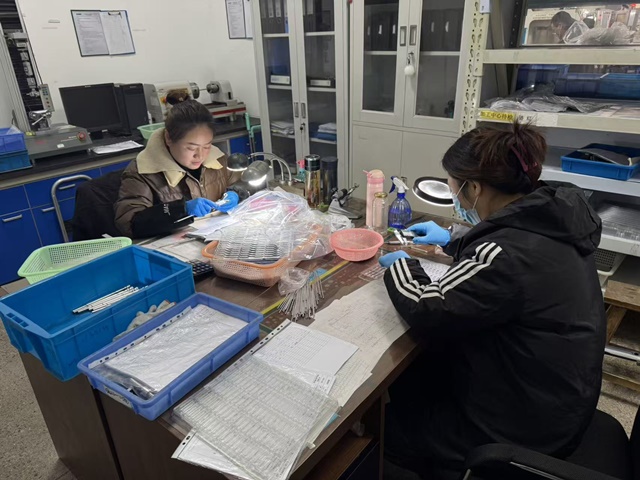
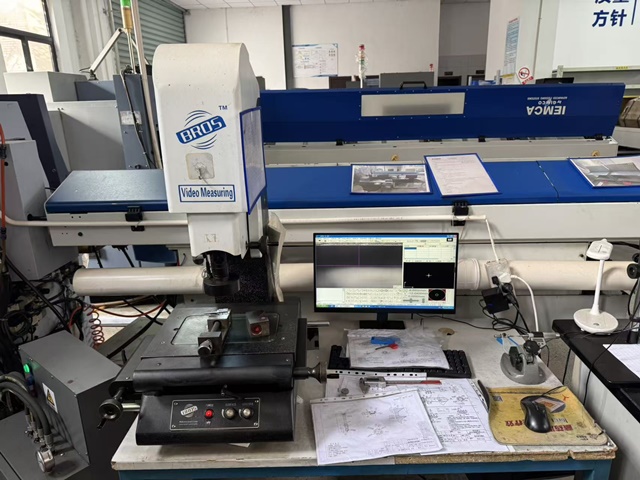
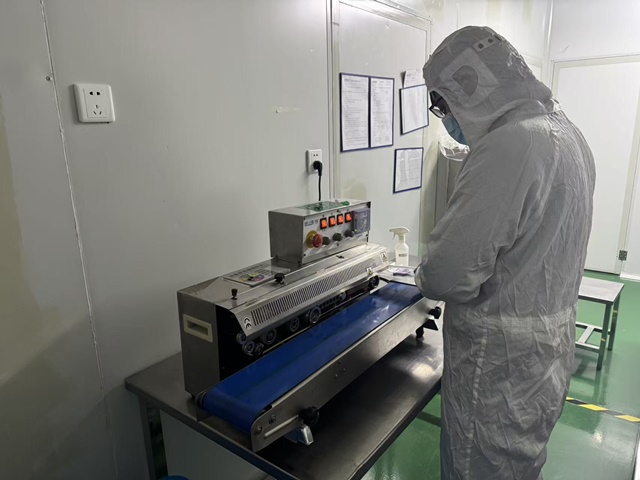
This starts with incoming raw materials checking using gas spectrometers, and continues through in-process vision measurements, mechanical fatigue testing, Vickers hardness testing, multi-stage ultrasonic cleaning, and cleanroom packaging. Every single batch of screws is accompanied by structural test reports and materials traceability documentation, protecting purchasers from performance failures.
Analyzing the relationship between screw thread designs and physiological performance in bone structures.
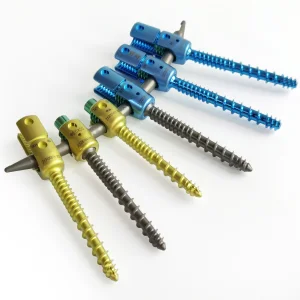
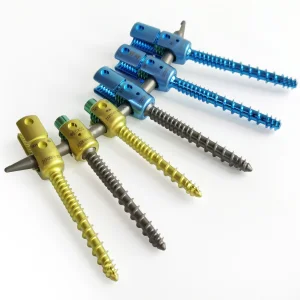
Self-tapping bone screws are broadly categorized into two structural varieties: Cortical Screws and Cancellous Screws. Cortical screws feature a shallow thread profile with a fine pitch, designed to anchor in the dense, outer cortical bone. Cancellous screws feature a deeper, wider thread pitch to grip the softer, trabecular bone in the epiphysis or metaphysis.
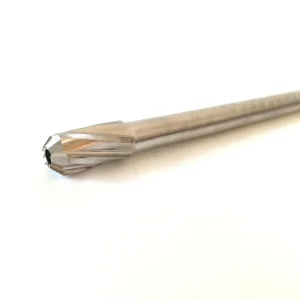
The mechanical benefit of the self-tapping flute lies in its ability to clear bone debris. As the screw is driven into a pre-drilled pilot hole, the cutting edge cuts a matching female thread in the bone wall. If the flute design is inefficient, bone chips can accumulate, causing high insertion torque and potential micro-fractures. Osteora's designers use CAD modeling and mechanical simulator verification to optimize the flute angle, ensuring easy insertion and a secure fit.
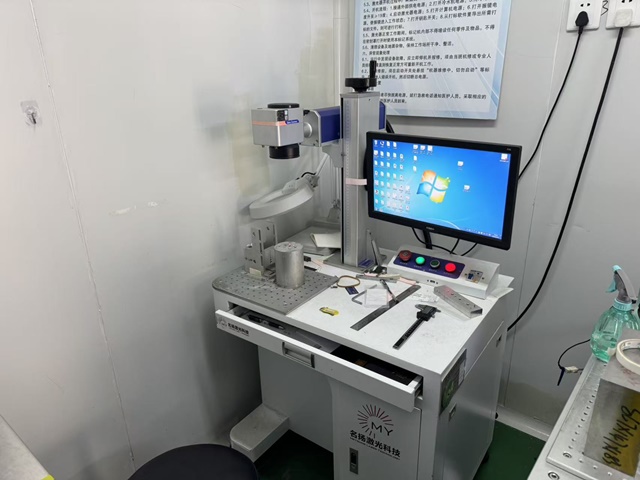
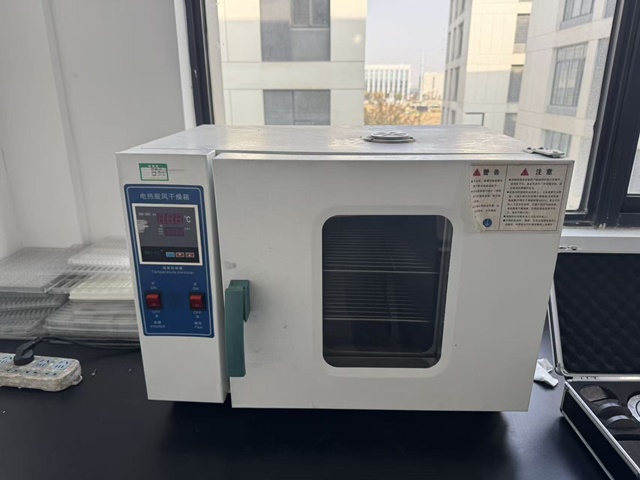
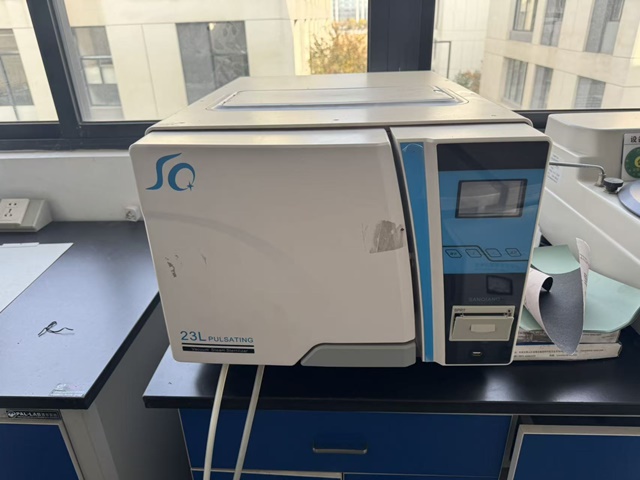
A transparent visual journey through our ISO-certified production lines, raw materials check, machining, and metrology labs.
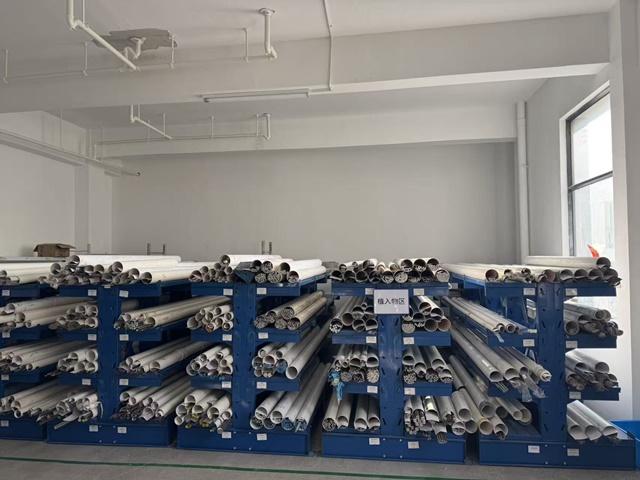
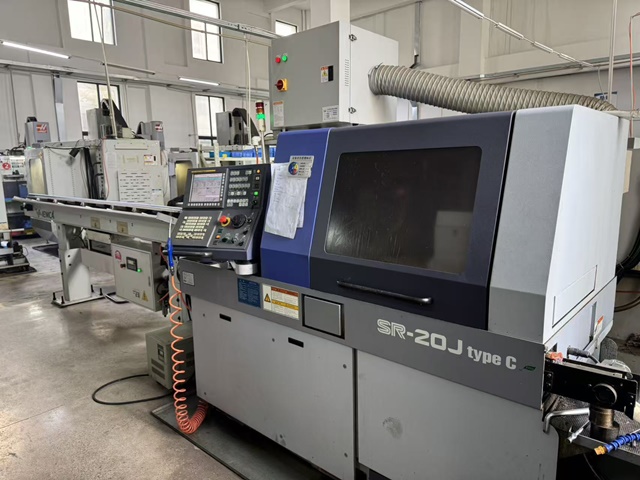
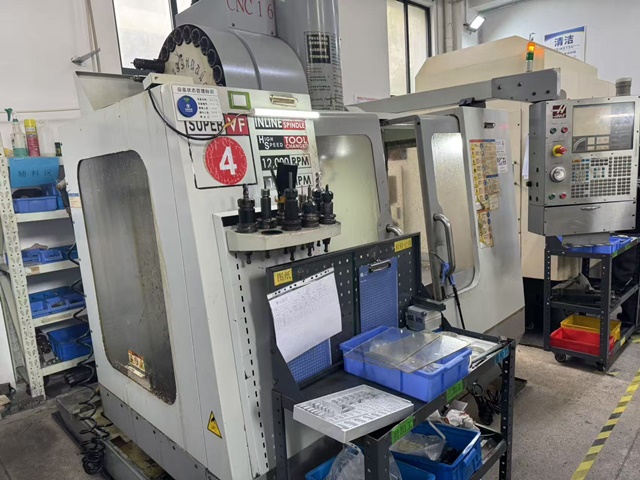
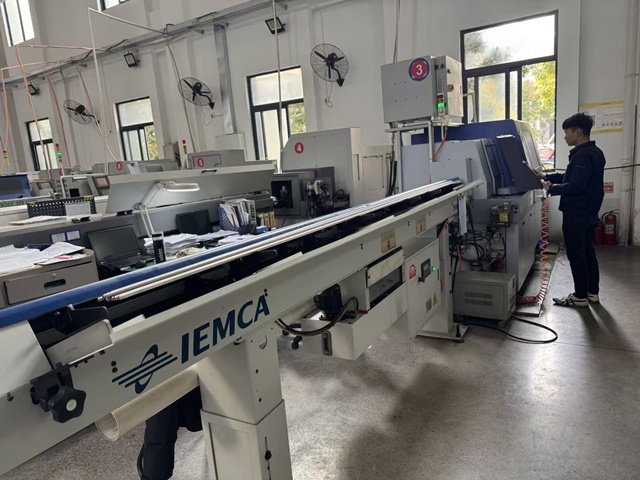
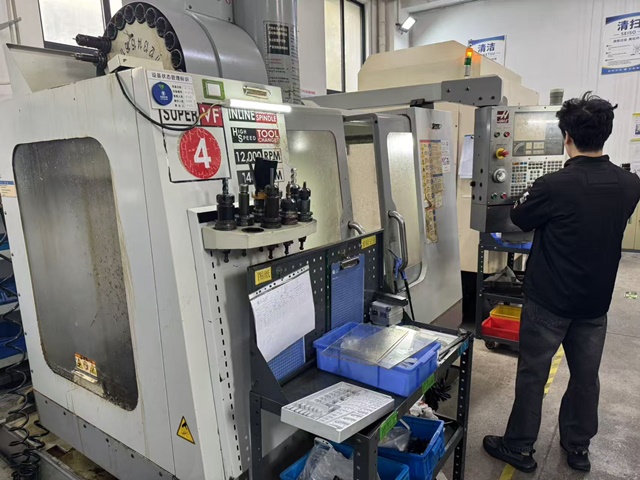
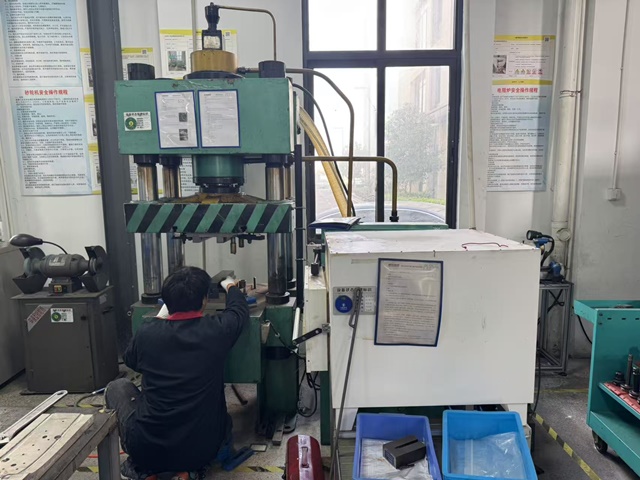
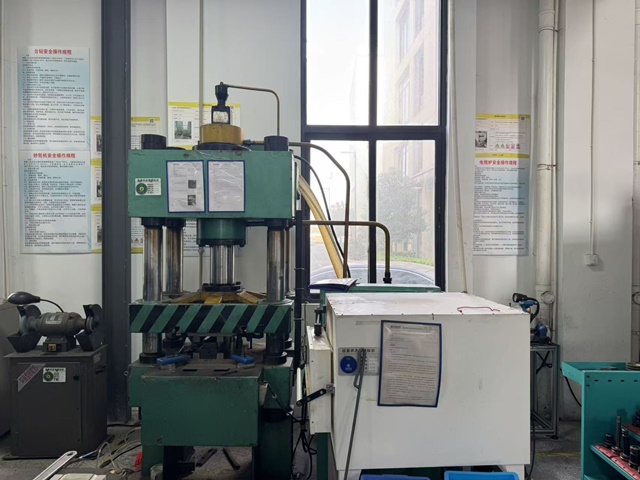
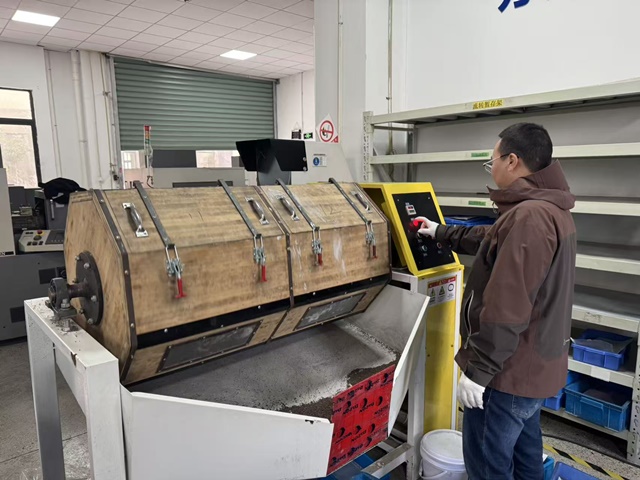
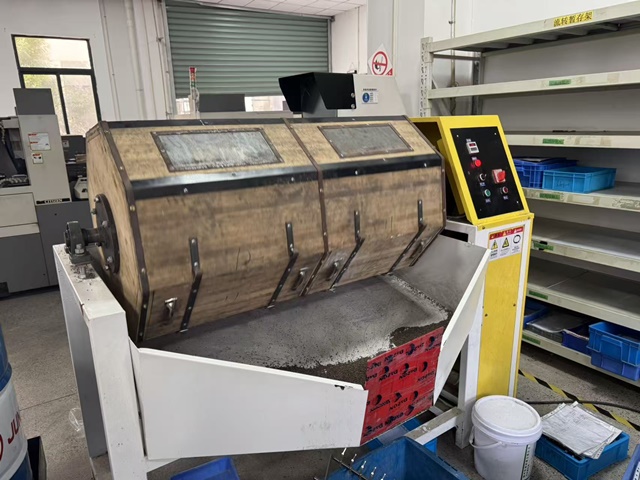
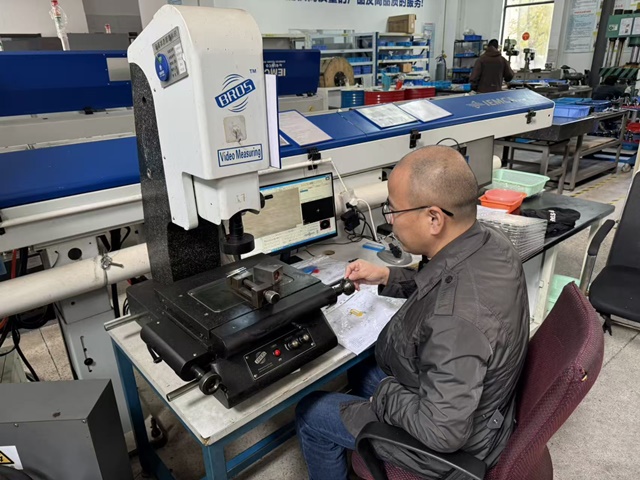
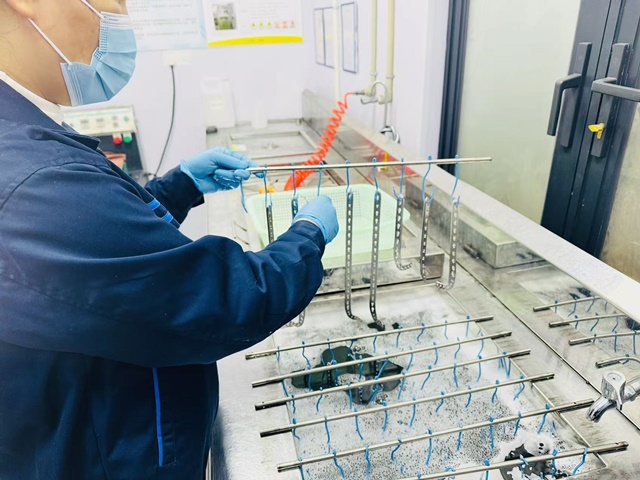
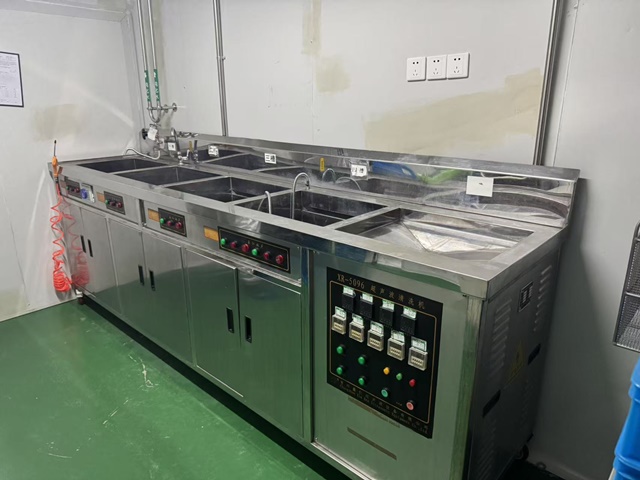
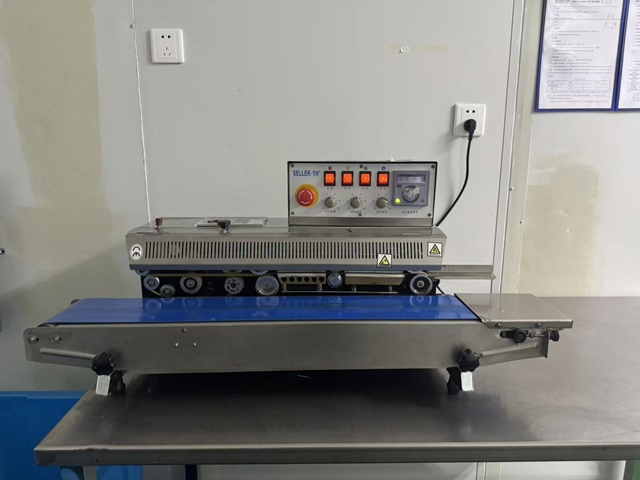
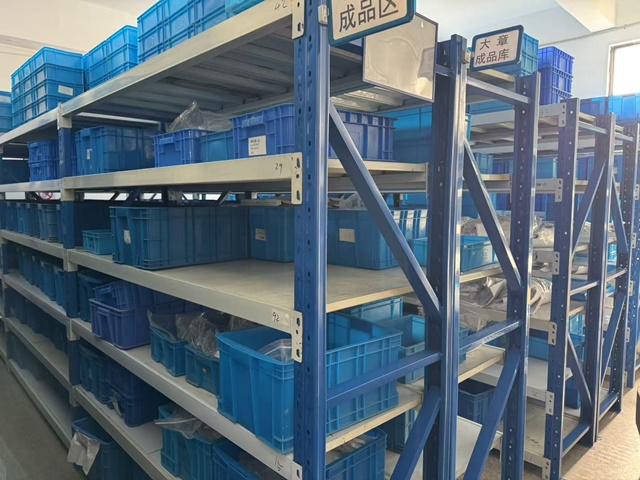
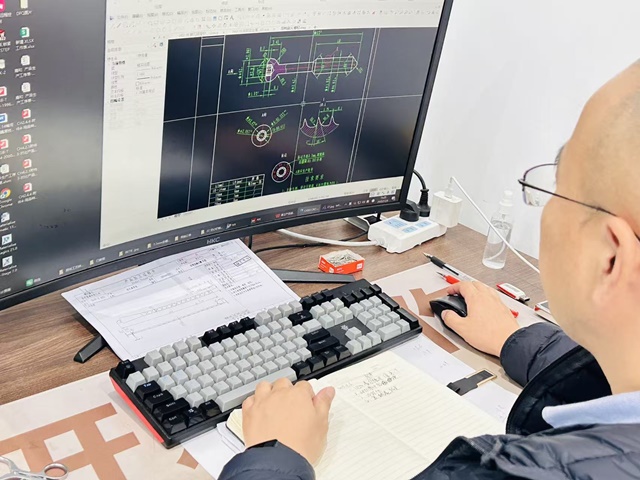
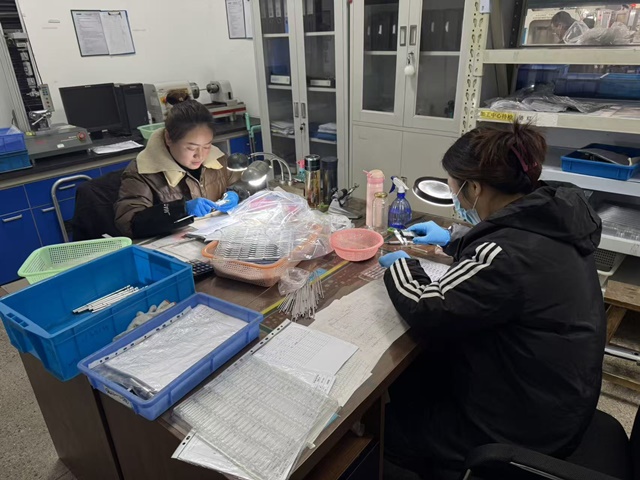
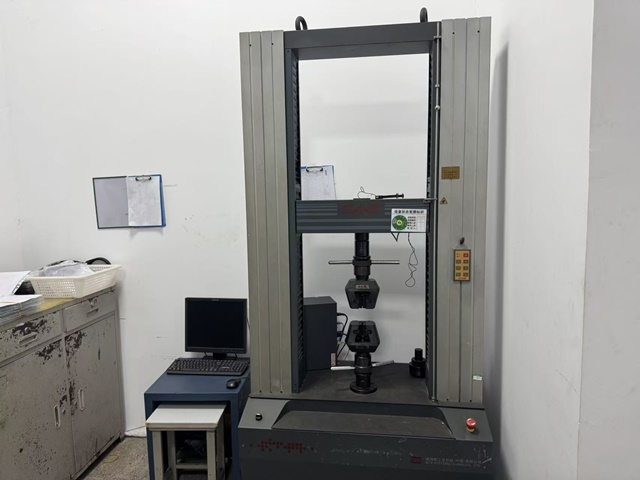
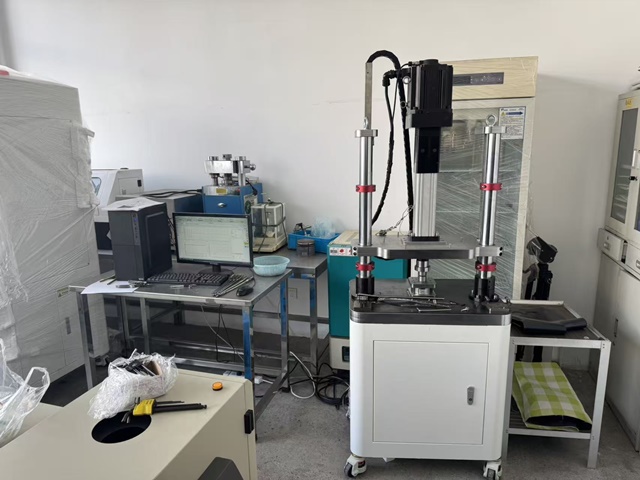
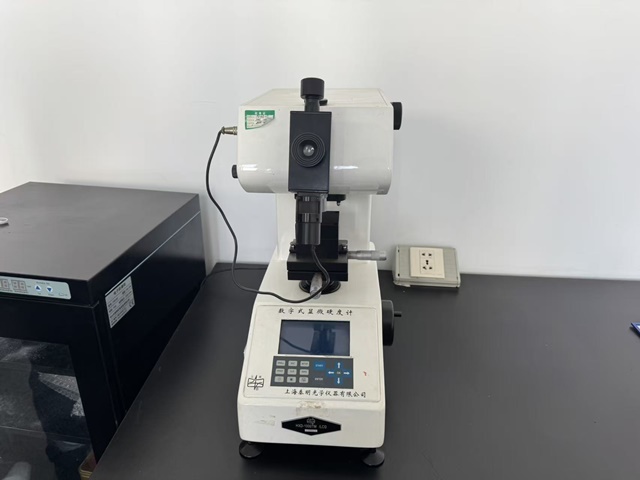
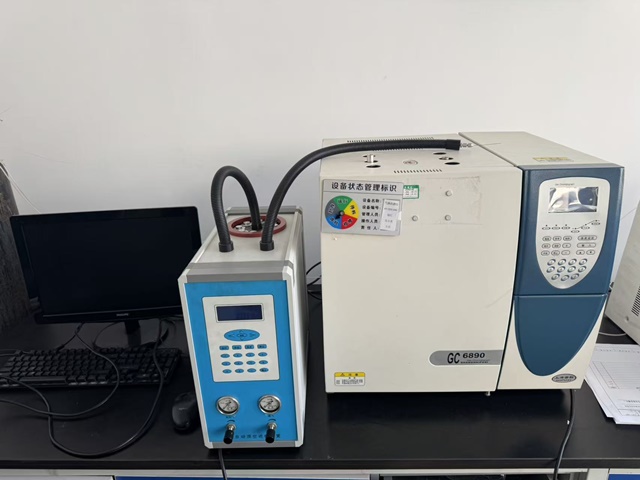
Tailoring medical devices to regional clinical requirements, custom branding, and private labeling.
Recognizing that patient anatomy and healthcare regulations vary by market, Osteora provides extensive OEM/ODM services. Backed by 85 R&D engineers, we offer custom thread designs, specialized lengths, unique driver head connections, and raw material variations (such as selecting Cobalt-Chrome for heavy load applications). Last year alone, our engineering team launched over 120 new products to meet specialized clinical demands.
For medical device distributors and hospital networks looking to establish private brands, we offer laser marking, custom anodization coloring, and cleanroom packaging under customer labels. This allows distributors to maintain consistent supply while scaling their brand presence.
Our supply chain includes approximately 1,200 certified upstream and downstream partners, allowing us to maintain stable production and pricing, even during global material shortages. Whether shipping to Europe, Southeast Asia, South America, or the Middle East, our team manages the documentation required to ensure smooth customs clearance and regulatory alignment.
Answers to critical engineering and logistical questions for hospital procurement managers and medical device distributors.
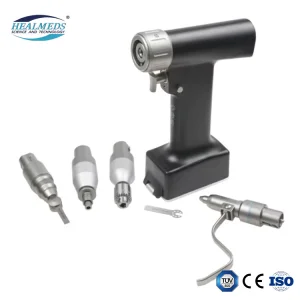
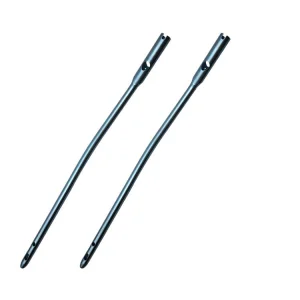
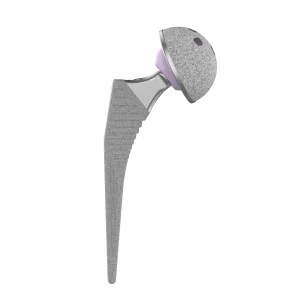
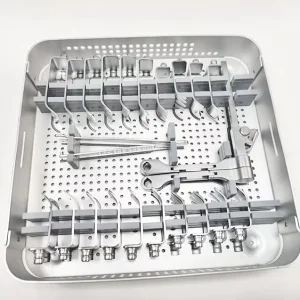
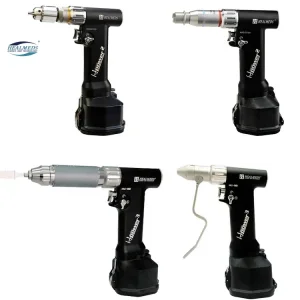
Explore our full line of surgical tools and replacement prosthetics, designed for human and veterinary applications.