Osteora
Osteora
Osteora
Proximal humeral fractures remain one of the most challenging orthopedic injuries to manage, particularly within aging populations where osteoporotic bone presents severe limits to stable implant fixation. Over the past two decades, the transition from conventional compression plates to anatomically contoured proximal humeral locking plates has fundamentally changed clinical outcomes. Osteora Medical Devices Co., Ltd., founded in 2016, stands at the intersection of medical engineering and precision manufacturing, driving the development of next-generation trauma fixation systems.
Operating a state-of-the-art 18,500㎡ facility, Osteora has positioned itself as a leading China-based supplier and manufacturer of trauma, spine, and joint reconstruction technologies. With 12 years of industry experience and 8 years of export capabilities, Osteora serves an international customer base consisting of hospitals, orthopedic clinics, and medical distributors across Europe, Southeast Asia, the Middle East, and South America. Generating between USD 6 million to 14 million in annual export revenue, the company demonstrates the scale, clinical trust, and logistical infrastructure necessary to supply healthcare providers worldwide.
Fixing proximal humeral fractures (especially 3-part and 4-part fractures as classified by Neer) requires a delicate balance between mechanical rigidity and biological preservation. The key biomechanical objective is to counteract the dislocating pull of the rotator cuff muscles while preserving the blood supply to the humeral head, minimizing the risk of avascular necrosis (AVN).
Dedicated suture holes along the perimeter of the proximal plate allow clinicians to suture the insertion point of the subscapularis, supraspinatus, and infraspinatus tendons directly to the plate, distributing mechanical loading forces.
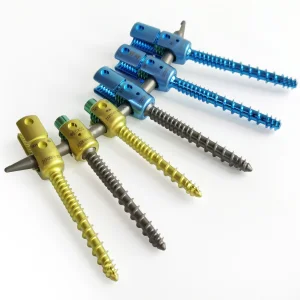
Locking screw technology transforms the plate-screw construct into a single rigid frame. This mechanism eliminates the need to compress the plate against the periosteum, protecting vital local microcirculation.
Pre-shaped plate anatomy fits the lateral margin of the proximal humerus, reducing the need for intraoperative plate bending, minimizing surgery duration, and reducing soft tissue irritation.
Clinical Insight: The primary failure mode of traditional non-locking implants in osteoporotic bone is screw pullout, leading to varus collapse of the humeral head. Osteora's proximal humeral locking plates resolve this through convergent/divergent screw configurations that optimize mechanical purchase within the trabecular bone of the humeral head.
Choosing the right material is essential to match the young modulus of bone, prevent stress shielding, and ensure long-term biocompatibility. Osteora utilizes medical-grade Titanium Alloys (Ti-6Al-4V ELI) and Pure Titanium (Grade 2/4), providing high tensile strength, fatigue resistance, and excellent MRI/CT compatibility.
| Parameter | Titanium Alloy (Ti-6Al-4V ELI) | Pure Titanium (Grade 4) | Clinical Benefit |
|---|---|---|---|
| Ultimate Tensile Strength | ≥ 860 MPa | ≥ 550 MPa | High load tolerance; prevents plate deformation. |
| Yield Strength (0.2% offset) | ≥ 795 MPa | ≥ 480 MPa | Resists permanent structural bending under muscle force. |
| Elongation at Break | ≥ 10% | ≥ 15% | Allows anatomical adaptation without micro-fracturing. |
| Modulus of Elasticity | 110-114 GPa | 105 GPa | Reduces stress shielding, encouraging healthy bone healing. |
| Surface Finish | Anodized (Type II) | Acid Etched / Passive Oxide | Reduces bacterial adhesion and improves soft tissue healing. |
The global demand for trauma implants is growing rapidly, driven by aging populations, rising sports injuries, and better access to trauma care in developing markets. The Asia-Pacific region, led by advanced manufacturing centers in China, is shifting from low-cost manufacturing to high-tech innovation. Osteora is at the forefront of this shift, producing implants that match or exceed Western OEM equivalents.
By using Swiss-type lathes, HAAS CNC machinery, and high-precision milling, Osteora helps hospitals and distributors reduce their procurement costs by 30% to 50% compared to tier-one global brands, without compromising mechanical stability or biological safety. This cost-efficiency is crucial for public healthcare systems and insurance providers managing global inflation.
A look inside our ISO 13485 facility, showing every stage from raw titanium bar stock to sterile packaging.
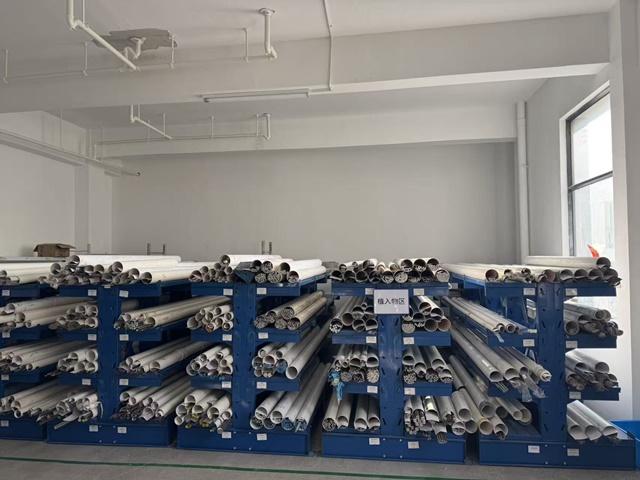
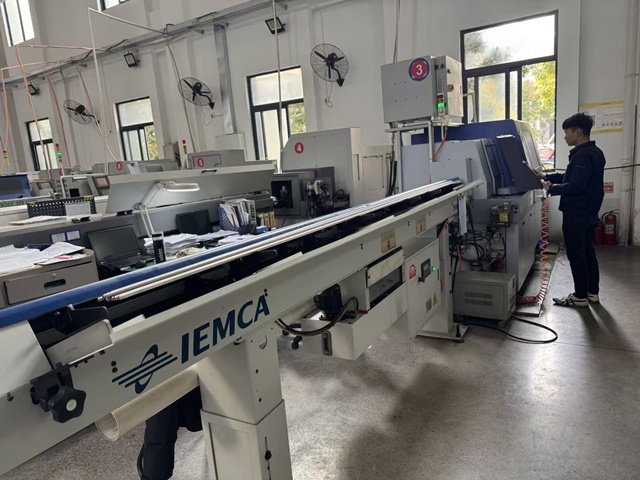
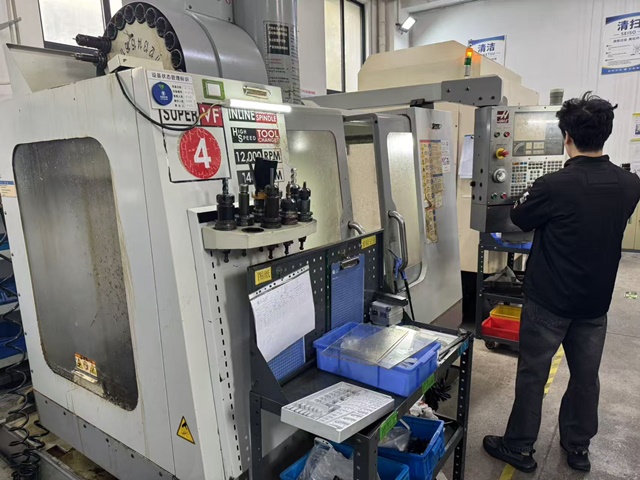
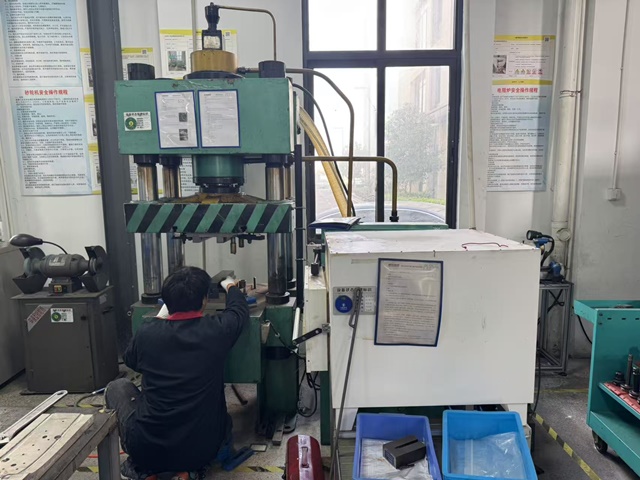
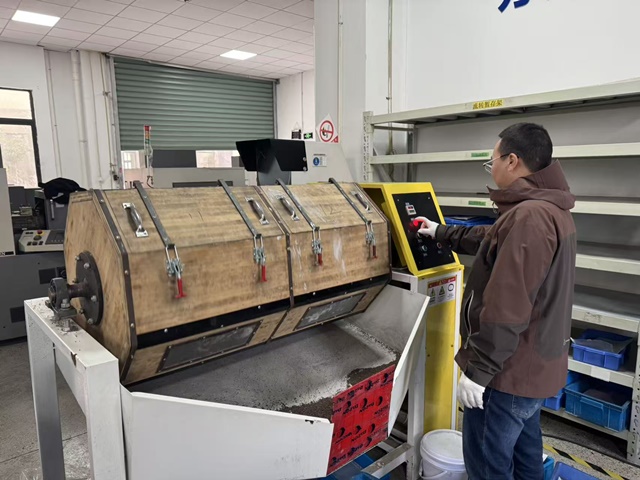
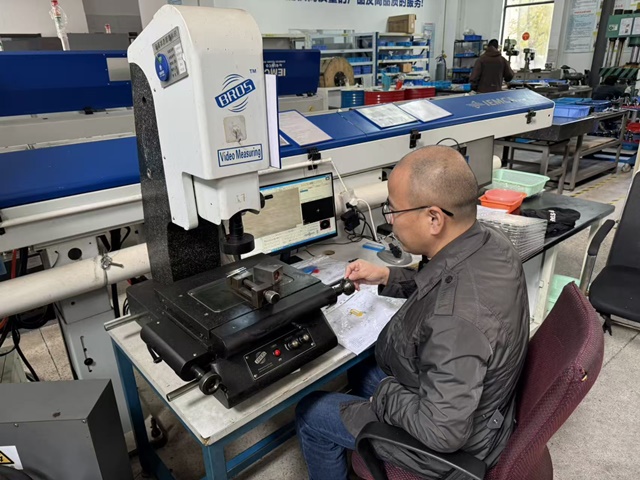
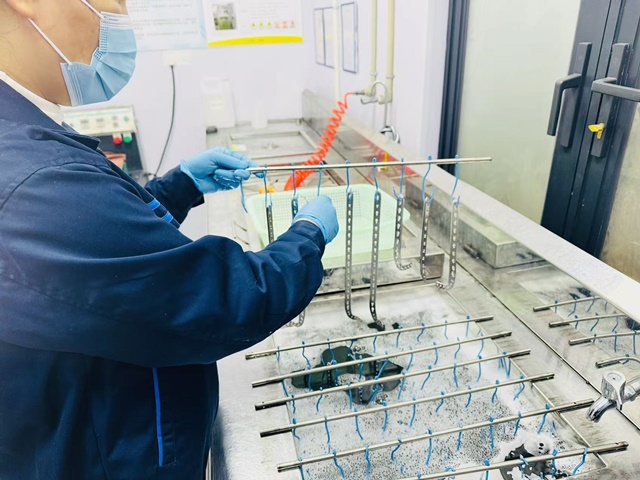
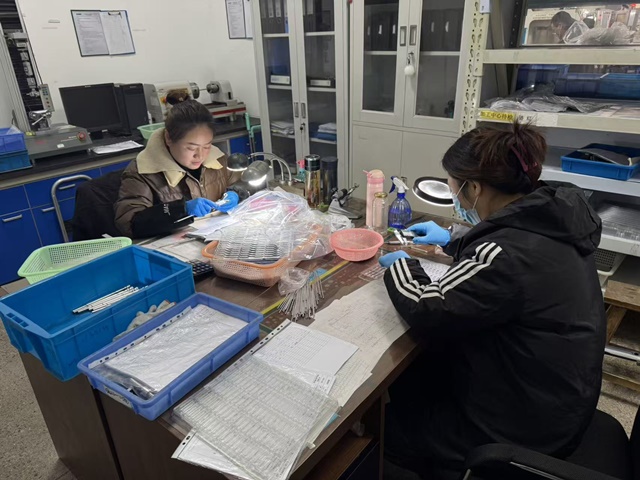
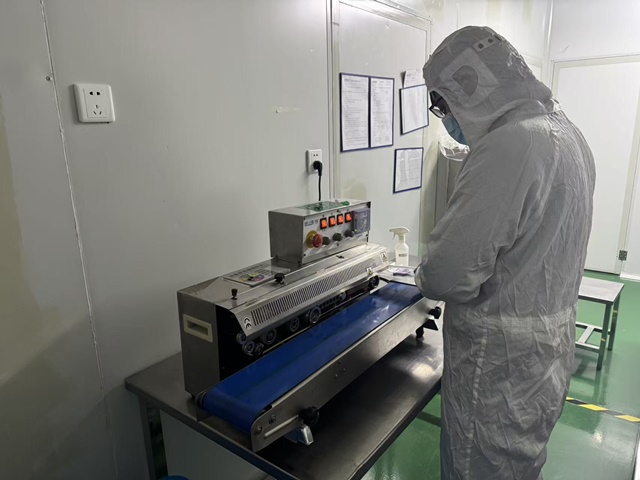
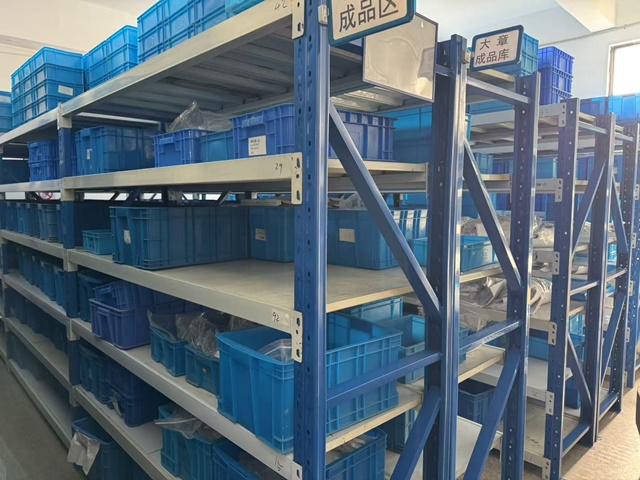
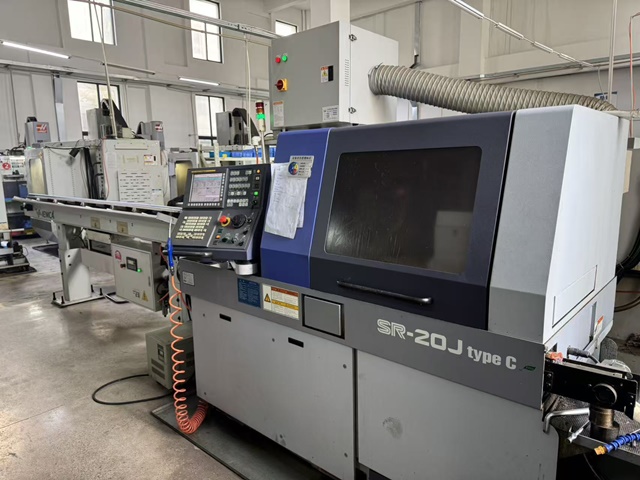
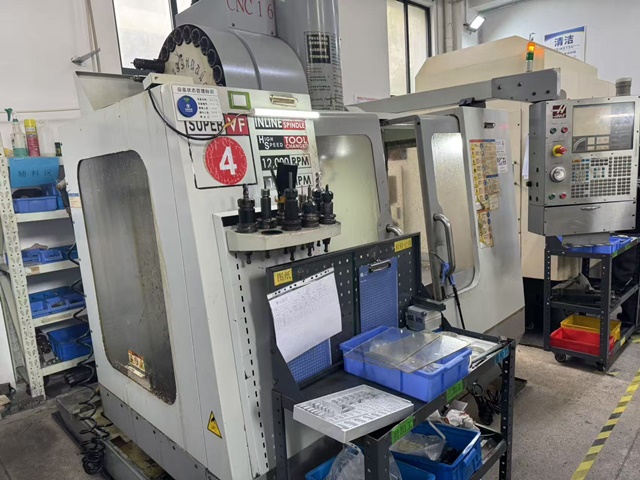
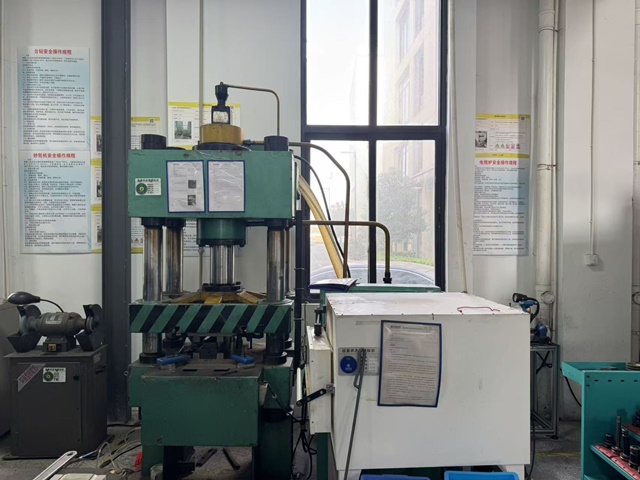
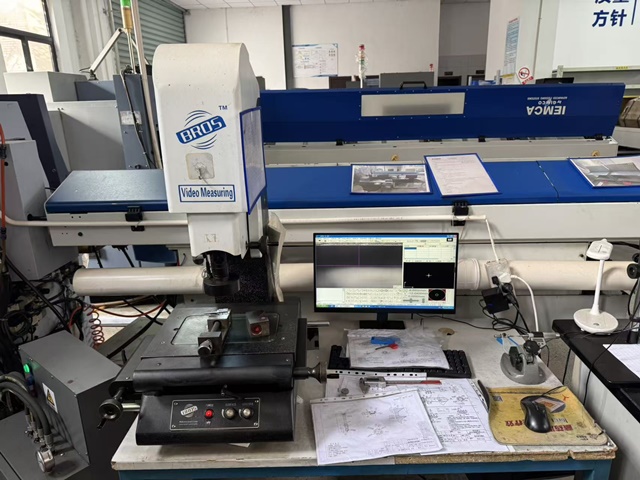
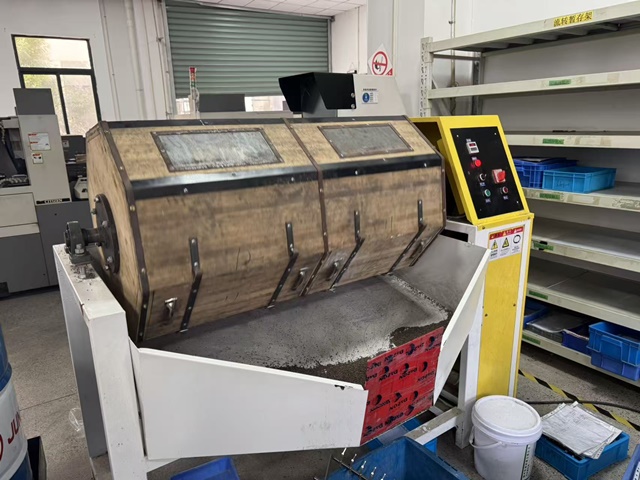
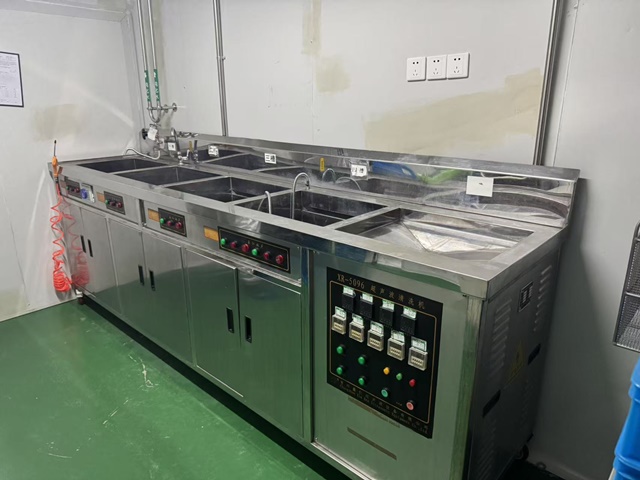
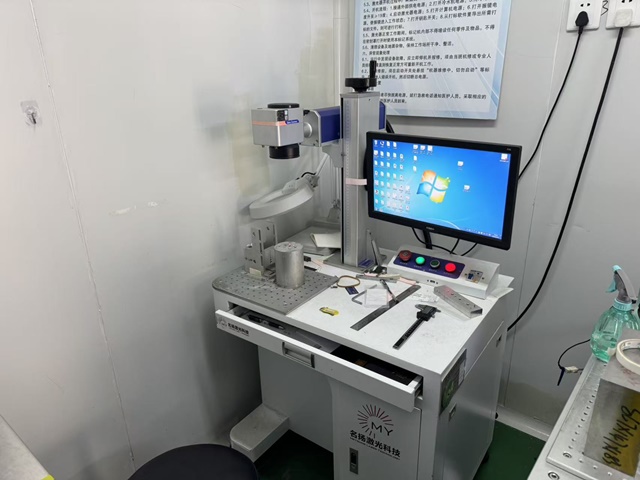
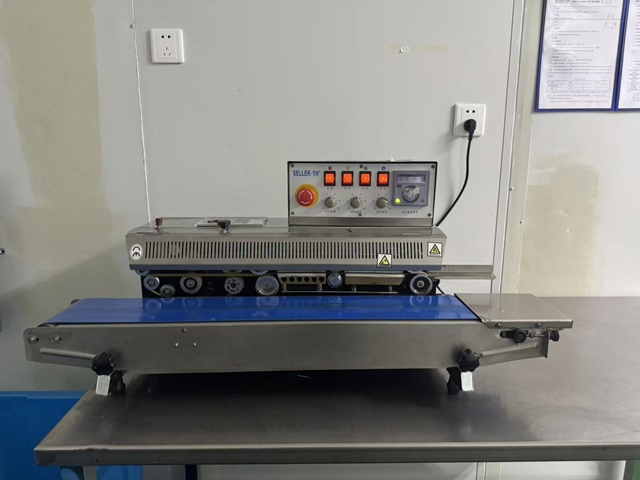
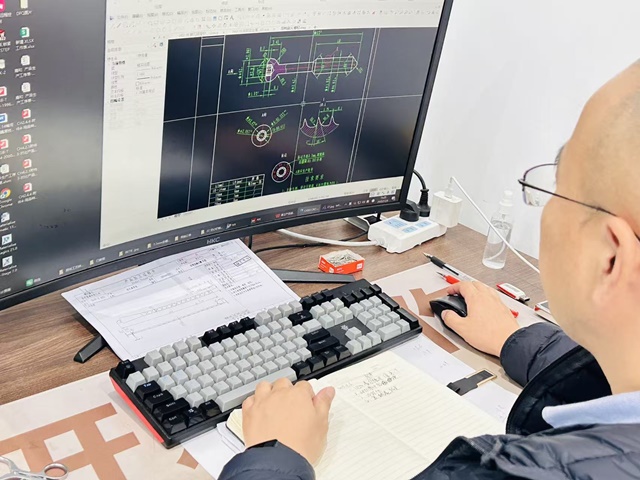
Because bone implants stay in the human body long-term, our quality control process enforces a zero-tolerance policy for errors. Our quality department features 42 specialized inspectors and advanced inspection equipment, ensuring every step from raw materials to final packaging meets global ISO 13485 standards.
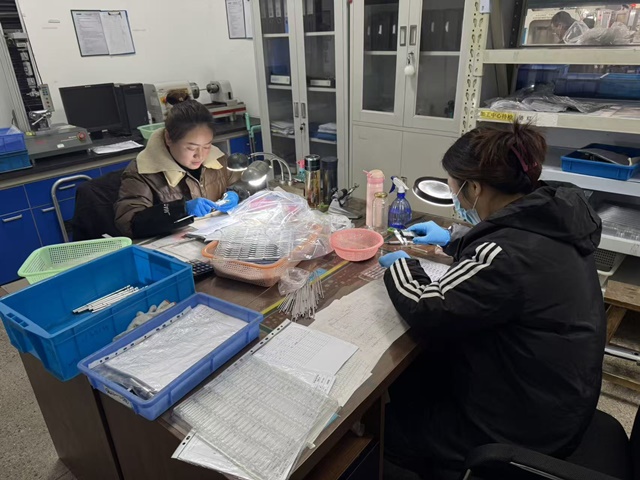
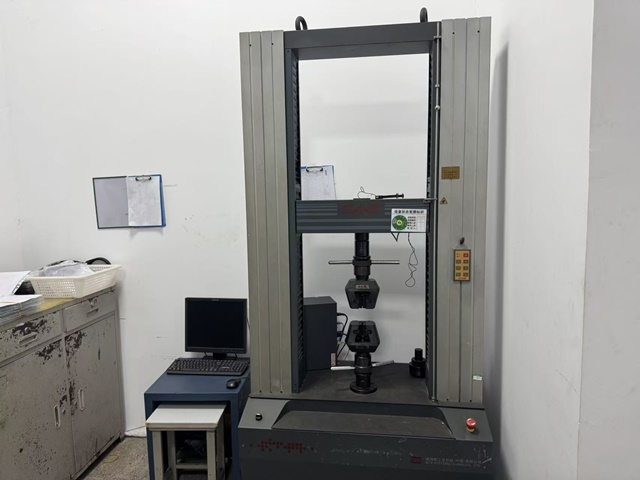
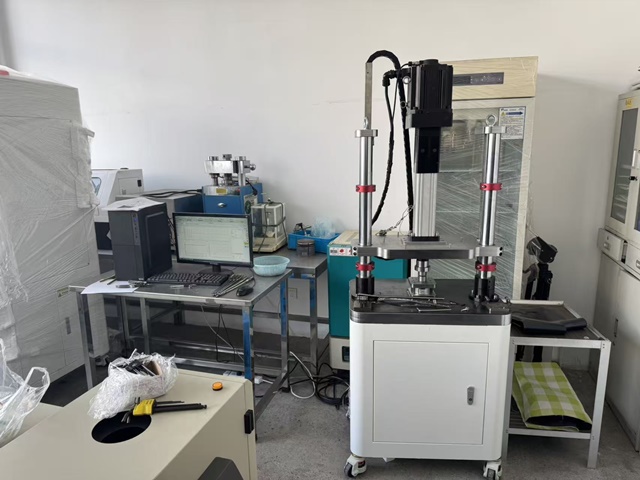
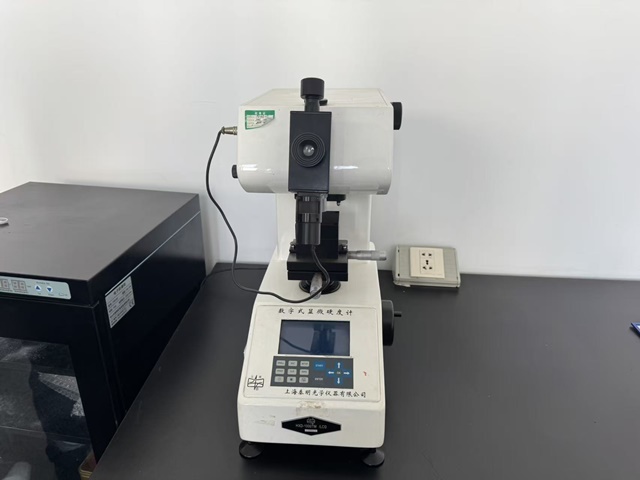
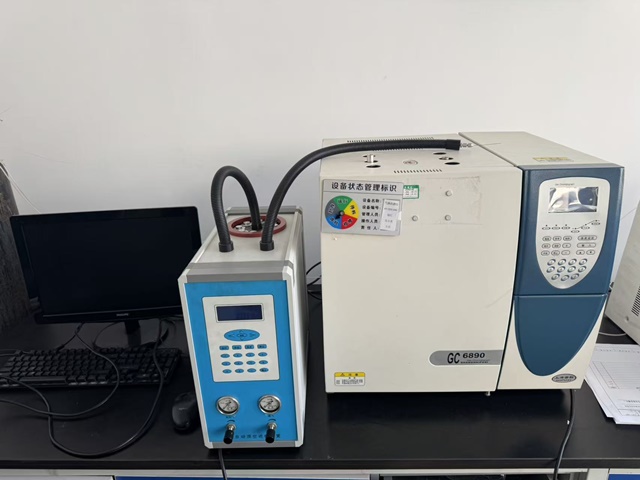
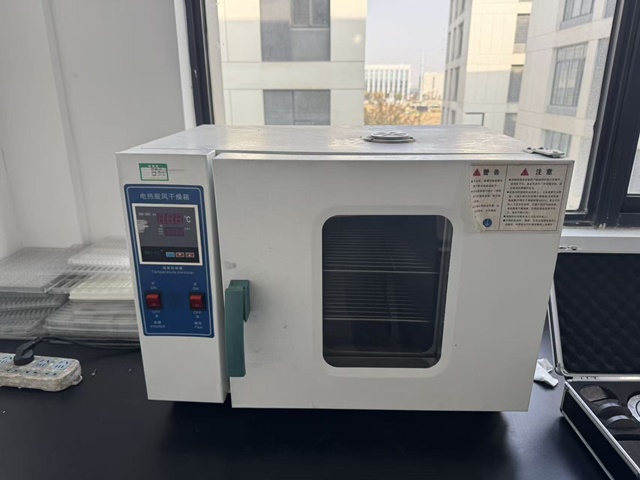
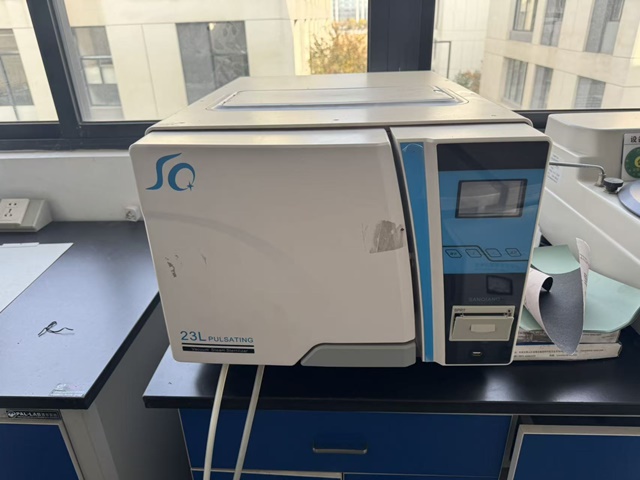
Our testing processes cover three key areas:
Securing regulatory approval is one of the biggest challenges for medical device distributors. Osteora supports our global partners with complete documentation and regulatory support.
Our regulatory affairs team prepares full documentation for local ministries of health, including CE certification, ISO 13485 quality audit reports, raw material certificates, and biocompatibility studies. This support helps reduce local registration timelines from years to months.
Additionally, our 85 in-house R&D engineers provide extensive OEM/ODM support. Whether you need custom plate sizes for local anatomical variations, custom material finishes, or co-developed surgical instrument sets, Osteora delivers tailored manufacturing solutions quickly and reliably.
The field of osteosynthesis is evolving rapidly, and Osteora is investing in advanced technologies to stay ahead:
Our humeral plates undergo fatigue testing in accordance with ASTM F382 standards, simulating dynamic load environments over 5 million cycles without mechanical failure. Hardness and tensile properties are verified with Vickers hardness testers and tensile testing machines.
Yes. Backed by 85 R&D engineers, we provide complete OEM/ODM services including custom plate lengths, local anatomical contour modifications, private labeling, and packaging customization. We also develop matching surgical instrument kits to fit your clinical preferences.
Our plates go through automated cleaning and passivation processes, followed by final inspection under cleanroom conditions. The surface is treated to form a stable titanium dioxide layer, which limits bacterial adhesion and improves biocompatibility.
For standard items, our lead time ranges from 15 to 30 days depending on the order size. For custom OEM orders, design validation and manufacturing usually take 45 to 60 days. Our logistics department coordinates shipping via sea, air, and express to ensure on-time delivery.
We supply CE Certificates, ISO 13485 Quality Management System certificates, Certificates of Free Sale (CFS), raw material analysis reports, and biological safety testing files (ISO 10993) to help you clear customs smoothly.