Osteora
Osteora
Osteora
High-precision clinical implants and surgical trays engineered for modern trauma, spine, and joint applications.
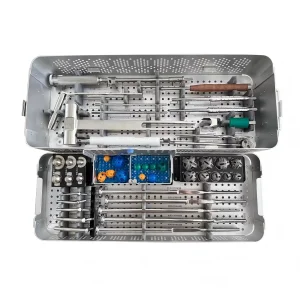
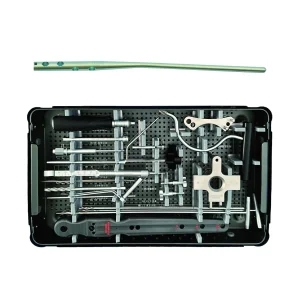
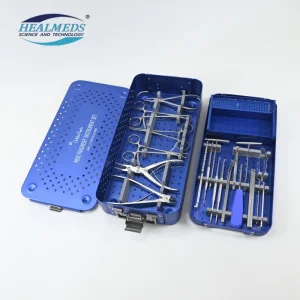
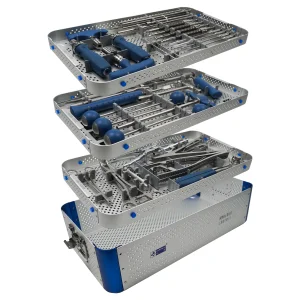
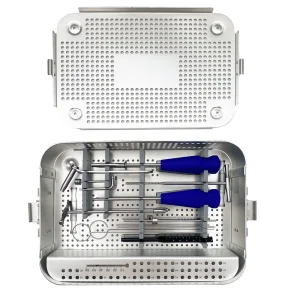
In the high-stakes environment of orthopedic surgery—spanning intricate spinal fusions, complex fracture fixations, and joint arthroplasties—the efficiency of the operating room (OR) and the absolute sterility of devices are non-negotiable. Orthopedic instrument trays (often designated as sterilization cassettes, cases, or organizers) are not mere storage units. They represent the foundational framework that safeguards complex toolsets, ensures flawless sterilization cycles, and streamlines surgical workflows. Designed to withstand hundreds of high-temperature autoclaving cycles, these trays must offer structural integrity, thermal stability, and precise component layout. As hospitals globally grapple with increasing patient loads and strict contamination-prevention mandates, selecting a highly capable manufacturing partner for orthopedic surgical trays becomes a critical strategic decision.
Modern sterilization trays rely on precise thermodynamic and fluid dynamics designs. Perforations must be calculated to maximize steam penetration during autoclave pre-vacuum phases while maintaining rigid barrier properties to prevent post-cycle biological contamination. At Osteora Medical Devices Co., Ltd., we balance structural load distribution with airflow optimization to guarantee rapid drying cycles and long-term mechanical reliability.
The global market for orthopedic instrument sterilization systems is experiencing rapid technological evolution. Historically, stainless steel wire mesh trays dominated the market due to their durability. However, the rise of minimally invasive surgeries (MIS), sports medicine, and specialized trauma treatments has accelerated the transition to hybrid materials. High-performance polymers, such as polyphenylsulfone (PPSU / Radel), combined with anodized aluminum alloys, have redefined weight parameters and chemical resistance in medical environments.
Geographically, procurement strategies differ by region:
| Material Type | Thermal Resistance (Max) | Corrosion & Chemical Resistance | Weight Ratio | Primary Surgical Application |
|---|---|---|---|---|
| Medical-Grade Stainless Steel | Up to 134°C (Standard) | Excellent (Requires passivation) | High (Heavy weight) | Large joint arthroplasty sets, heavy impactors |
| Anodized Aluminum Alloy | Up to 134°C (Accelerated drying) | Good (pH-sensitive cleaning agents) | Medium-Low | Trauma locking plate systems, mini fragment sets |
| Polyphenylsulfone (PPSU/Radel) | Up to 134°C (Continuous cycles) | Outstanding (Highly resistant to alkali/acid) | Very Low | Spinal pedicle screw systems, precision micro-instruments |
As the global center for medical-grade hardware and precision components, China offers unmatched structural advantages in production scalability, material sourcing, and specialized engineering clusters. This ecosystem enables high-volume manufacturing while maintaining tight dimensional tolerances. Leading this industry is Osteora Medical Devices Co., Ltd. (operating under the global brand Osteora).
Founded in 2016, Osteora has established a reputation for manufacturing excellence and strict quality compliance. Key advantages of our advanced manufacturing model include:
Our 18,500㎡ facility integrates cutting-edge CNC technologies, including HAAS vertical machining centers and Swiss-type lathes. This allows us to manufacture complex instrument parts and tray components with tolerances of less than 5 microns.
With an engineering team of 85 R&D experts, Osteora provides complete OEM and ODM capabilities. We specialize in layout configuration, structural customization, multi-colored anodization for tool grouping, and laser etching for product branding.
Supported by a certified network of over 1,200 upstream raw material suppliers and downstream specialized finishing partners, we ensure stable delivery. This enables us to maintain an annual export revenue of USD 6 million to 14 million.
This integrated infrastructure enables Osteora to launch approximately 120 new products per year. This continuous innovation ensures that our trauma, spinal, and joint reconstruction instrument organizers consistently meet changing clinical demands.
Every stage of production—from raw material verification to advanced testing and cleanroom packaging—adheres strictly to ISO 13485 guidelines.
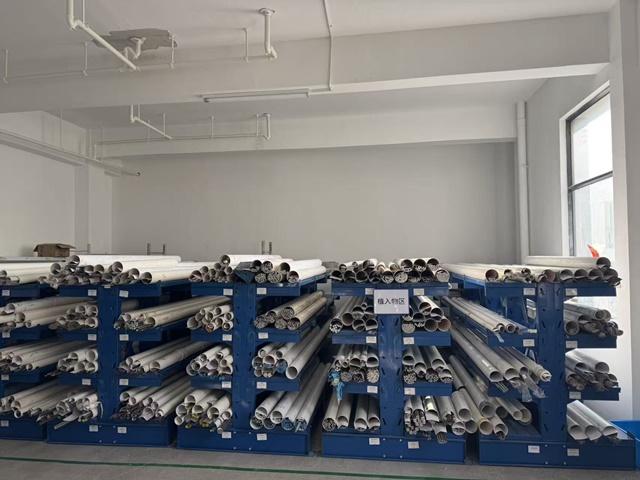
Raw Material
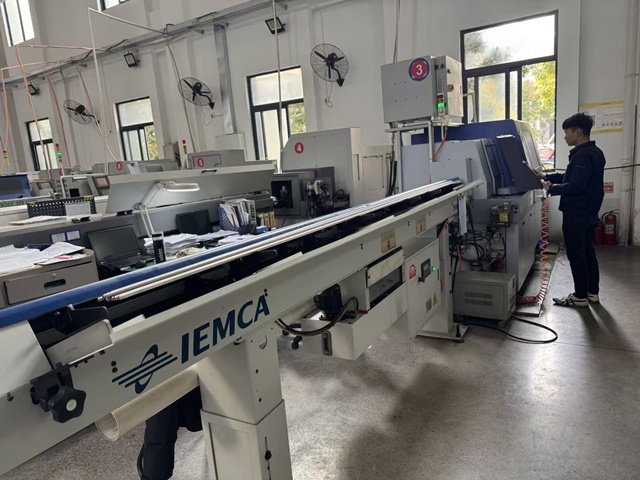
Finishing Process (A)
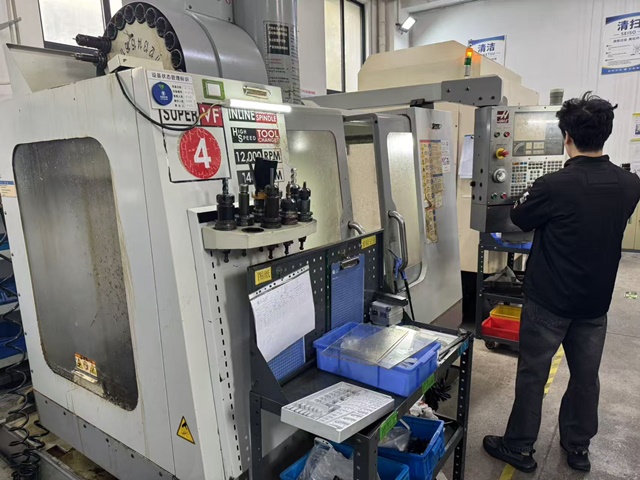
Finishing Process (B)
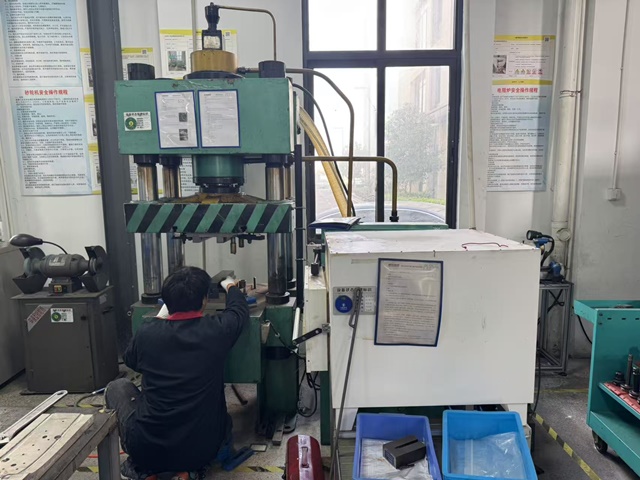
Stamping Process
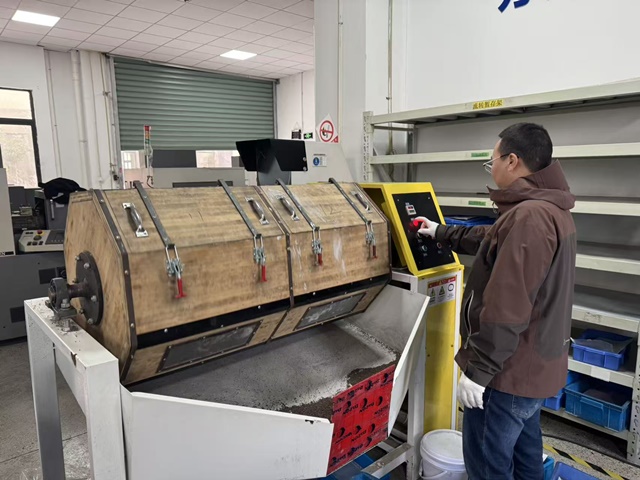
Grinding Process
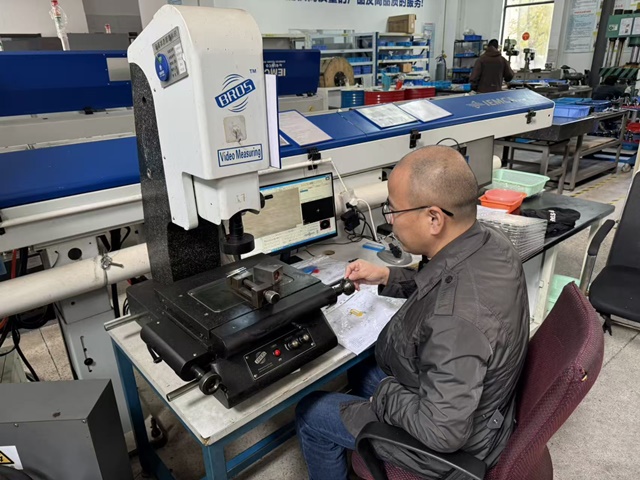
Checking Process
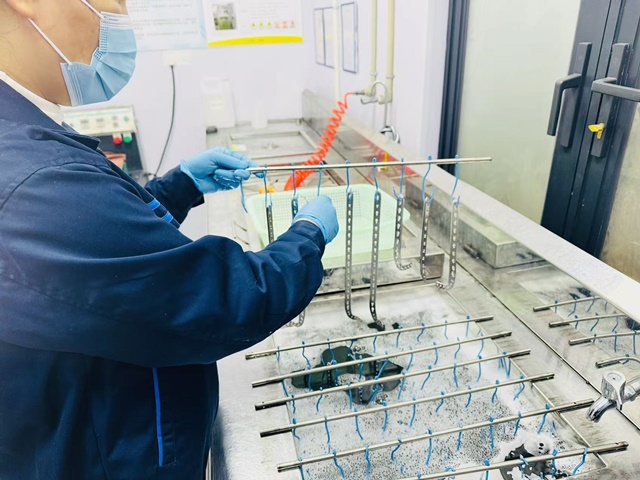
Cleaning Process
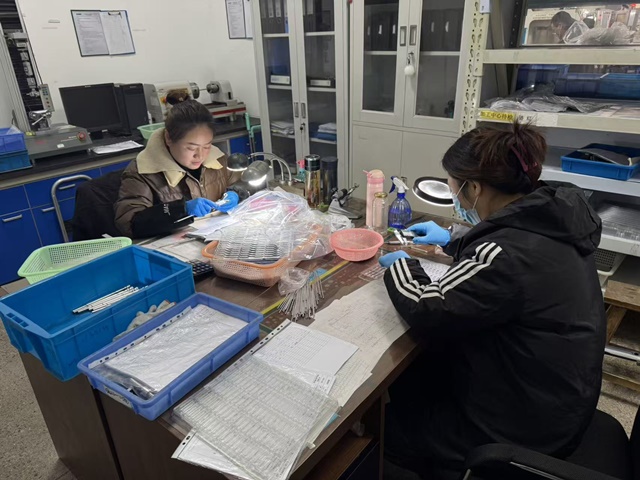
Inspecting Process
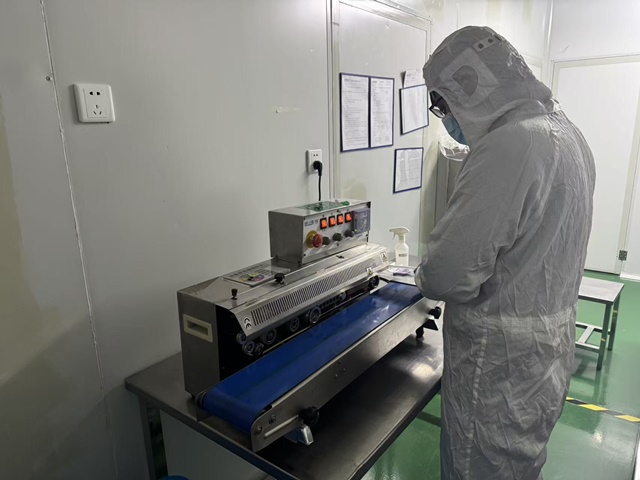
Packing Process
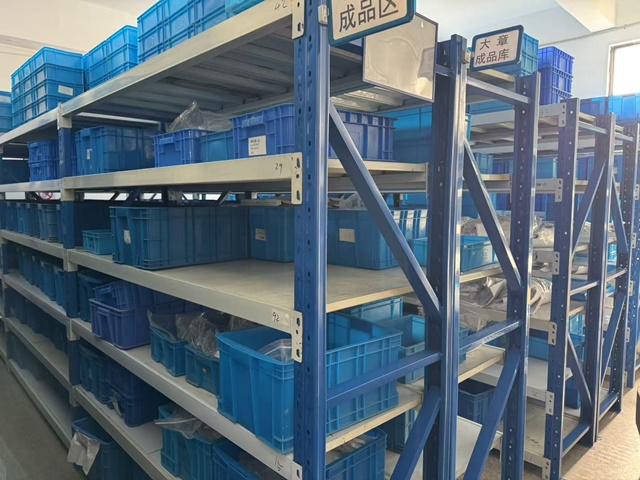
Storehouse
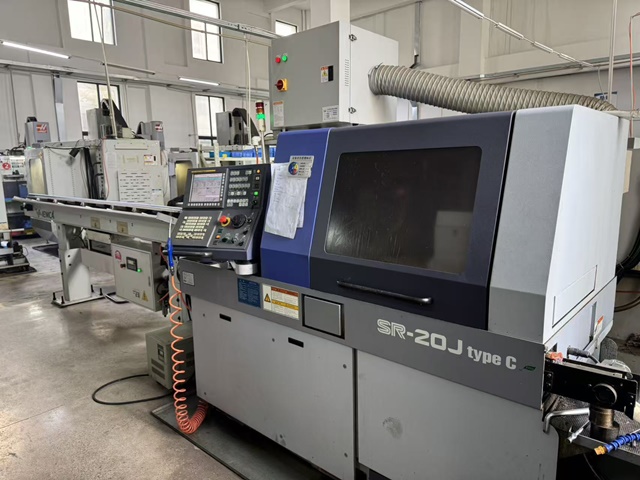
Swiss-type Lathe Equipment
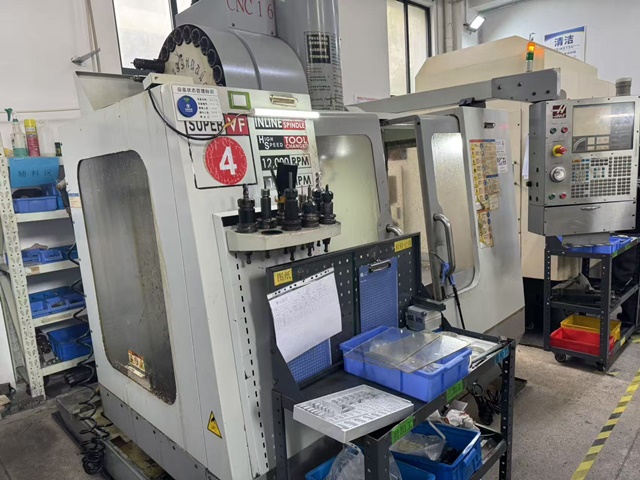
HAAS CNC
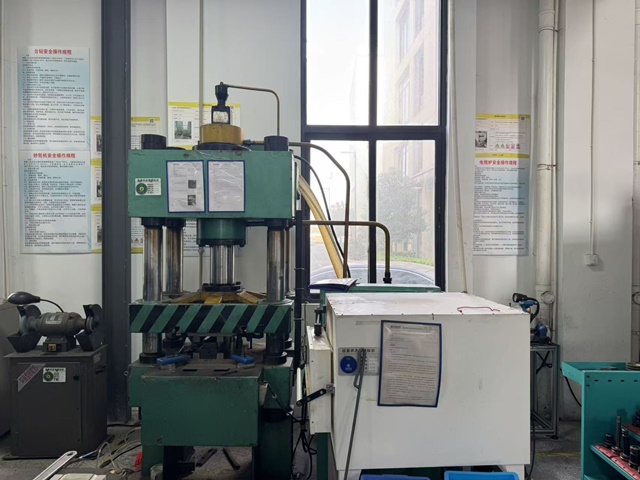
Stamping Machine
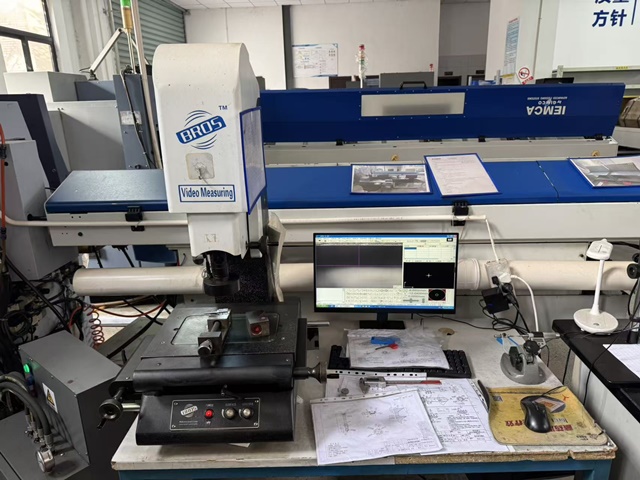
Vision Measuring Instrument
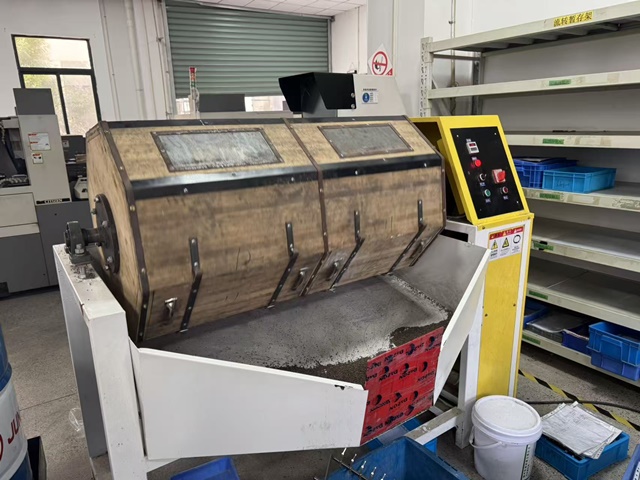
Grinding Machine
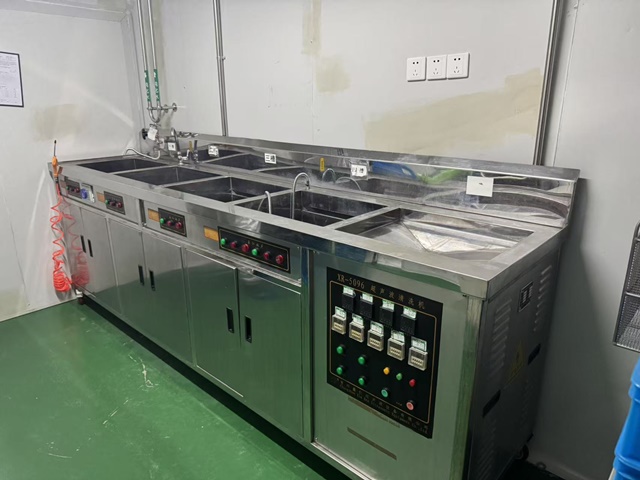
Cleaning Machine
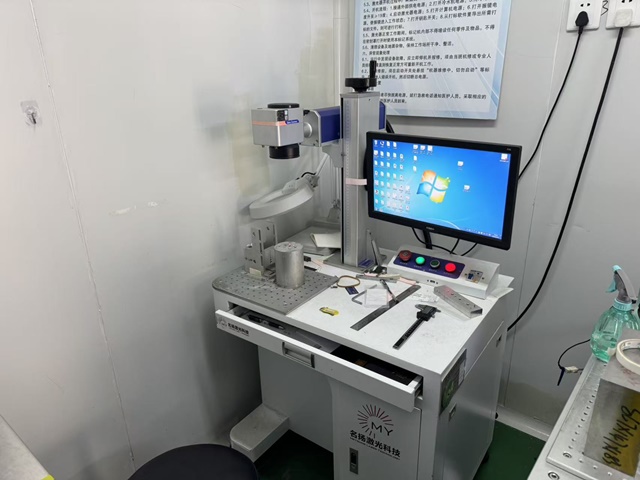
Laser Marking Machine
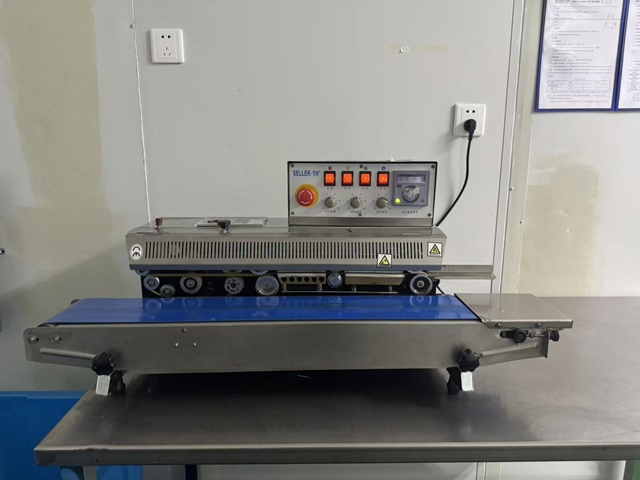
Packing Machine
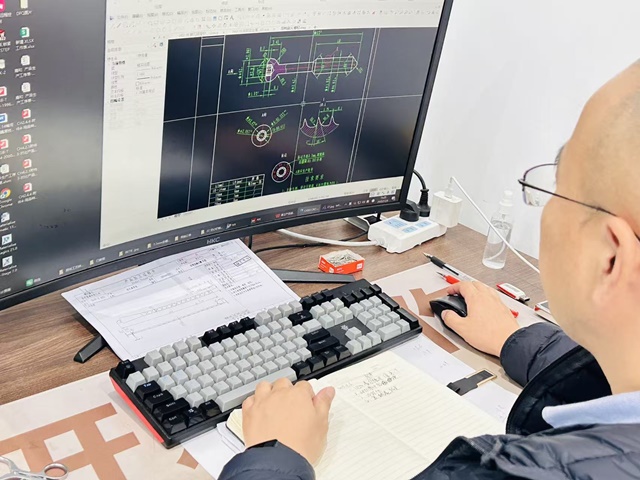
Designer Drawing
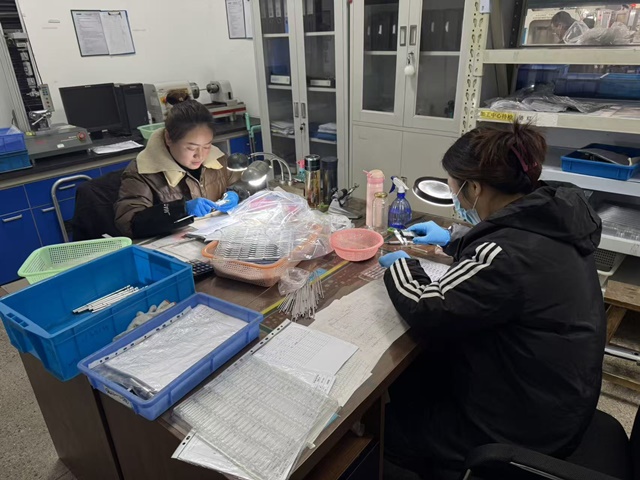
Final Metrology Inspection (2 Specialists)
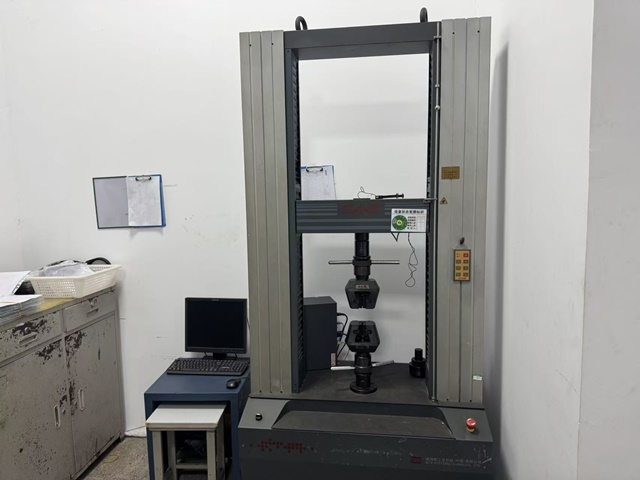
Multifunctional Mechanical Tester
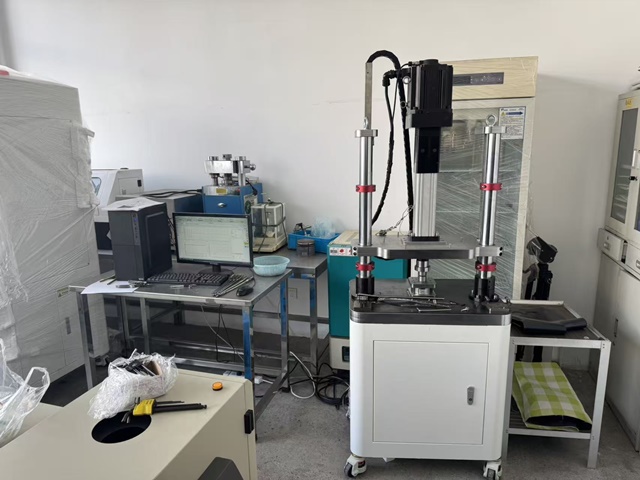
Mechanical Testing Machine
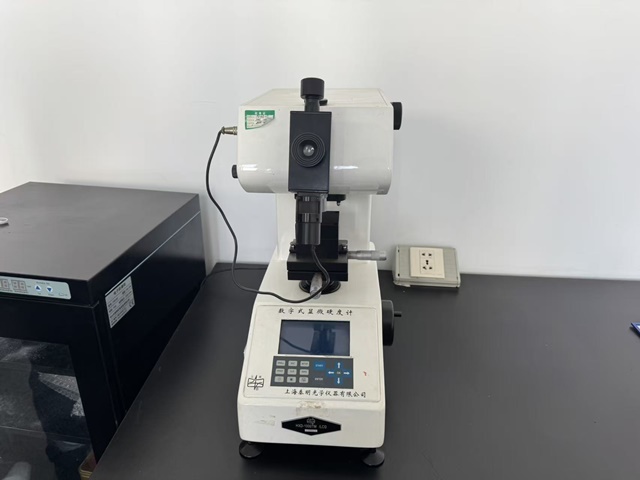
Vickers Hardness Tester
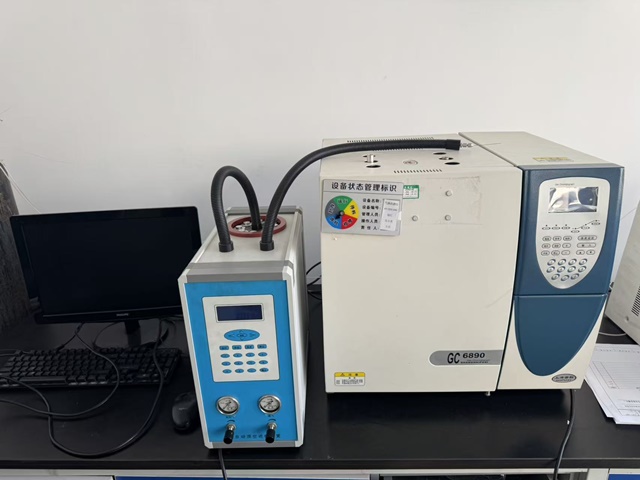
Gas Spectrometer
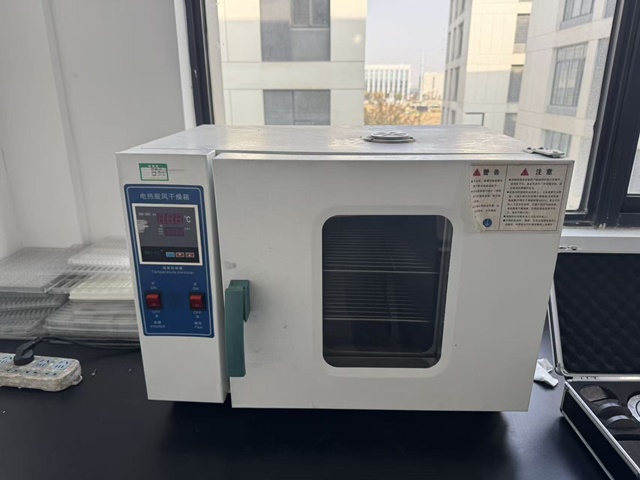
Drying Oven
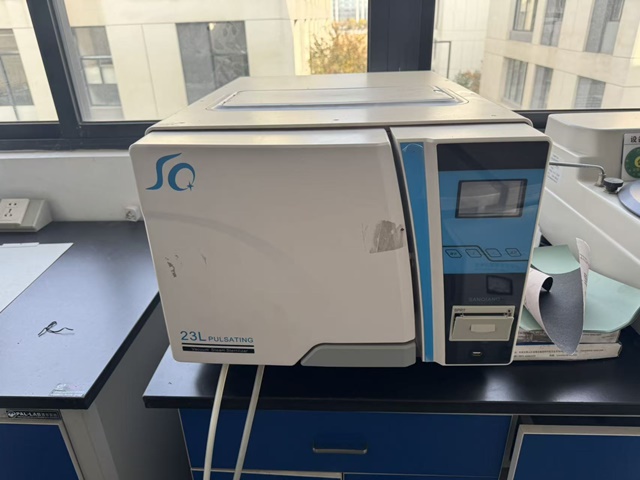
Pulsating Fatigue Testing Machine
Medical devices require rigorous validation. To maintain absolute safety, every step of our manufacturing workflow is monitored by 42 specialized inspectors. This quality control protocol operates at three levels:
Before production starts, raw titanium and aluminum rods undergo spectral verification using our in-house Gas Spectrometer. This process ensures the raw material matches chemical certifications (such as Ti-6Al-4V ELI ELI Grade 23 or medical-grade Al6061-T6), eliminating alloy composition risks.
During machining, parts are evaluated using Vision Measuring Instruments and Vickers Hardness Testers. For complex trays, the tolerance of locating slots, silicone inserts, and secure-lock hinges must be strictly maintained. This level of precision prevents loose instrumentation during transit or sterilization, protecting delicate surgical edges.
We subject prototypes and batch samples to cyclic testing using Multifunctional Mechanical Testing Machines and Pulsating Fatigue Testers. Trays are tested under simulated weight loads and continuous vibration to ensure they withstand the rigors of hospital transport systems without bending or fracturing.
Orthopedic trays must be optimized for the specific clinical environments in which they are used. Osteora tailors its product solutions to meet the demands of different medical setups:
As digital technology increasingly integrates into modern healthcare, the design of orthopedic instrument trays is evolving rapidly. We are tracking three key developments that are shaping the future of this sector:
International regulatory authorities increasingly require medical devices to have traceable lifecycles. Modern trays are designed with dedicated slots for integrated passive RFID chips. This feature allows central sterile supply departments (CSSD) to monitor the sterilization status, usage count, and location of trays in real-time, reducing manual documentation errors.
While metals remain essential for heavy instruments, high-performance PPSU composites are increasingly used for structural components. These lightweight materials improve heat dissipation, shorten autoclave drying cycles, and reduce overall transport weight, improving ergonomics for surgical staff.
The industry is moving toward modular inserts that can be reconfigured for different surgical needs. This design approach reduces waste, lowers production costs, and allows hospitals to update individual tray layouts without replacing the entire sterilization container.
Answers to common questions from hospital procurement officers, medical distributors, and surgical product managers.
We manufacture trays using medical-grade anodized aluminum (series 5000 and 6000), 304/316L stainless steel, and PPSU (Radel) polymers. These materials are chosen for their durability under standard steam sterilization conditions (134°C) and resistance to common clinical cleaning chemicals.
Our operations comply with the ISO 13485 quality standard. Our quality control team includes 42 specialized inspectors who perform comprehensive validation testing, including dimensional tolerance verification, hardness checks, and mechanical stress testing, ensuring compliance with international medical device standards.
We provide full customization, including CAD/CAM layout design, custom compartment spacing, colorful anodizing, laser marking (for UDI, logos, and sizing), and tailored silicone holding brackets. We can configure trays to fit standard or unique surgical kits.
Lead times vary depending on the degree of customization and order volume. Standard configurations generally ship within 15–30 days, while custom-engineered OEM solutions typically require 45–60 days, which includes CAD design, prototyping, testing, and final production.
To support growing distributors and hospital trials, we offer flexible MOQs. Standard product branding can start with as few as 10–50 units, while highly customized tray molds and structural designs are evaluated based on tooling complexity and project scope.
High-performance implants, specialized surgical instruments, and trauma systems optimized for global healthcare providers.