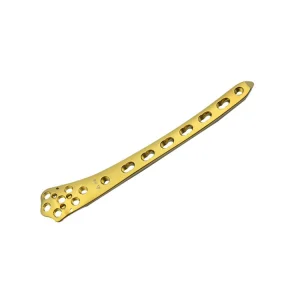
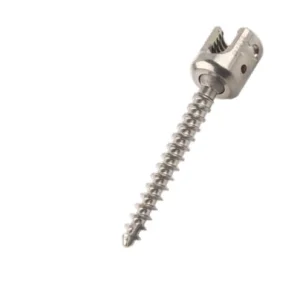
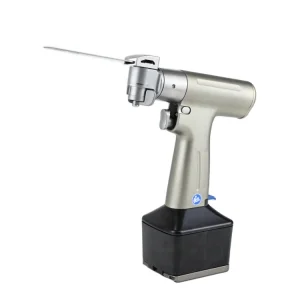
Osteora
Osteora
Osteora
Explore our high-precision implant portfolio, engineered using biomedical-grade alloys and advanced ISO-certified production lines.
The global spinal surgery segment has undergone a paradigm shift from rigid static interbody spacers to dynamic expandable systems.
Modern spinal reconstructive surgery increasingly favors Minimally Invasive Surgery (MIS) techniques. Within this framework, expandable spine cages have emerged as a critical technological leap. Unlike traditional static cages, which require large surgical windows for insertion, expandable interbody devices are designed with a low insertion profile. Once correctly positioned within the intervertebral disc space, they are expanded in situ to achieve optimal restoration of disk height and local sagittal balance. This minimizes nerve root retraction, limits soft-tissue trauma, and reduces intraoperative complications.
The integration of 3D-printed porous titanium surfaces mimics the osteoconductive properties of trabecular bone, promoting accelerated osseointegration compared to traditional smooth PEEK designs.
By offering step-less expansion and adaptive lordotic angle adjustment, expandable cages distribute biomechanical loads evenly, reducing the risk of endplate violation and implant subsidence.
Modern clinical systems use continuous vertical and lordotic expansion options to adapt precisely to the unique structural spinal variations of each patient.
From a global market perspective, the clinical migration toward expandable devices is driven by superior clinical outcomes: shorter hospital stays, reduced post-operative pain, and higher fusion rates. Consequently, medical distributors and hospital networks are prioritizing suppliers that can provide high-tolerance, reliable mechanical designs at competitive price points.
A benchmark of manufacturing capability, technical innovation, and global scale in the orthopedic implant sector.
As healthcare costs face intense downward pressure globally, procurement teams require solutions that maintain high standards of patient safety without compromising financial viability. Osteora Medical Devices Co., Ltd. bridge this gap by transitioning toward Factory 4.0 operations. This transition integrates automated Swiss-type lathes, multi-axis CNC machines (including HAAS centers), and integrated cleanroom packaging workflows.
This automated ecosystem yields critical advantages for global distributors:
Furthermore, the physical characteristics of our production systems are subject to continuous validation. For instance, dynamic fatigue testing is performed under ISO 12189 / ASTM F2077 configurations to simulate millions of load cycles in virtual physiological environments, confirming structural integrity prior to commercialization.
Real-world visualizations of our raw material warehousing, mechanical testing, precision grinding, and final inspection cleanrooms.
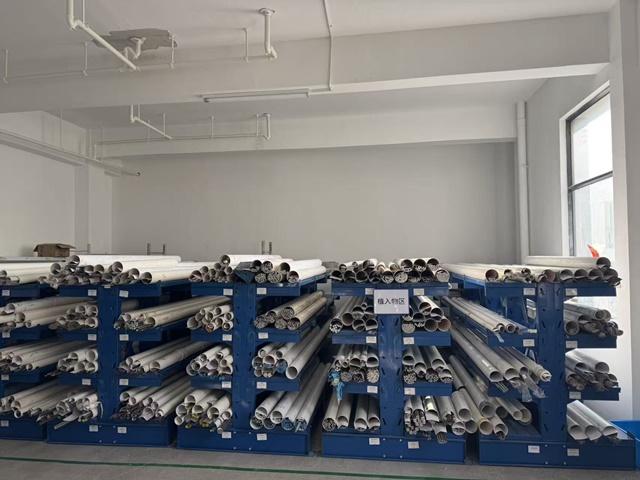
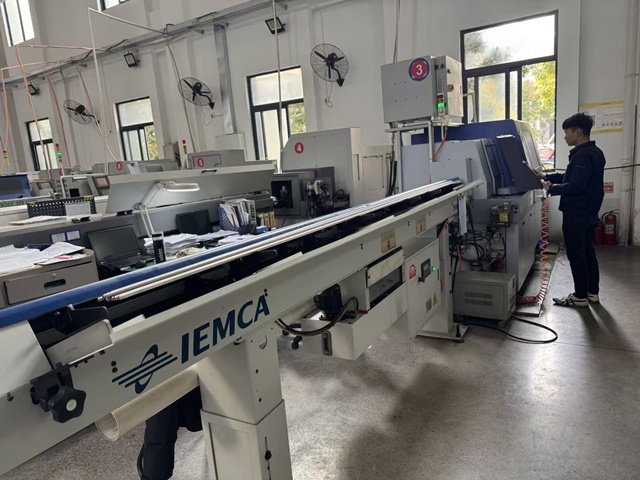
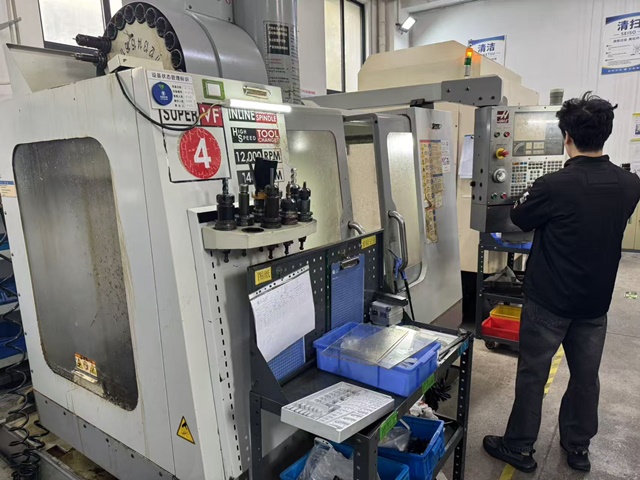
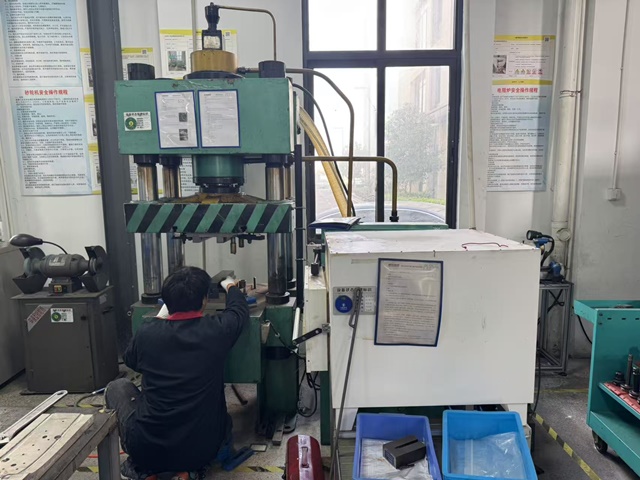
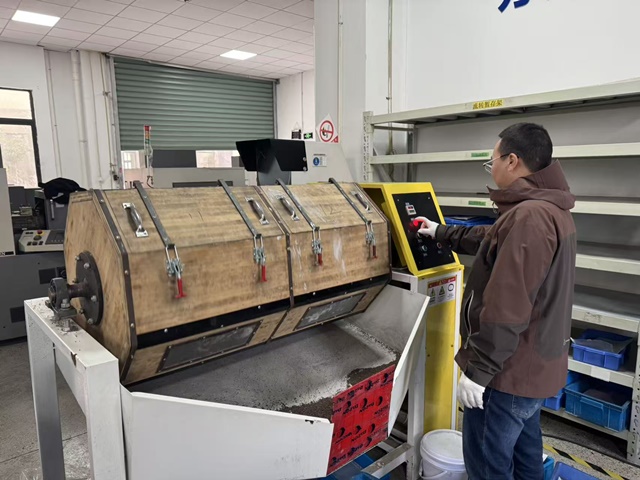
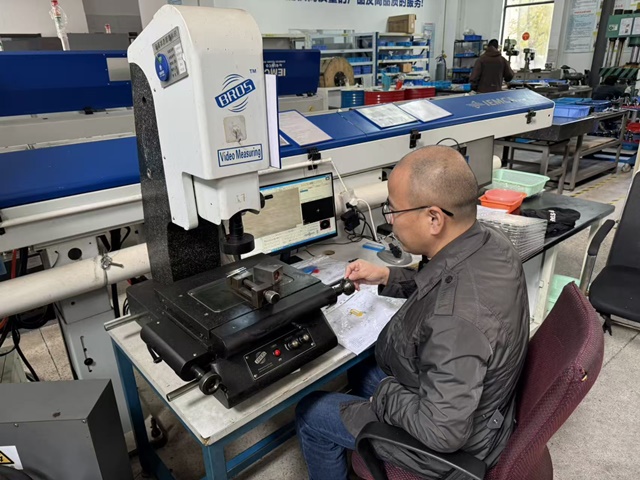
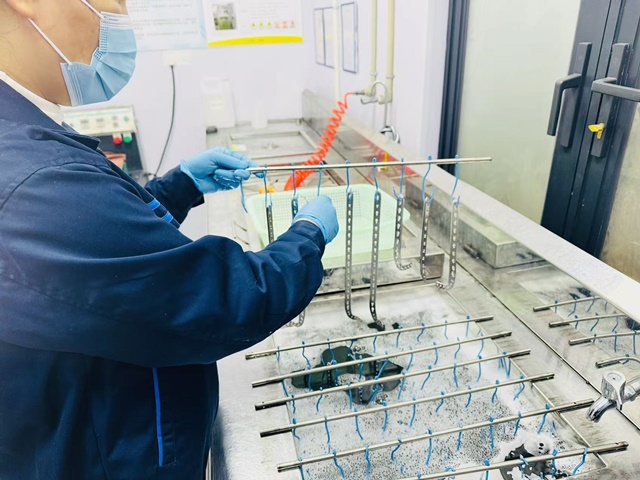
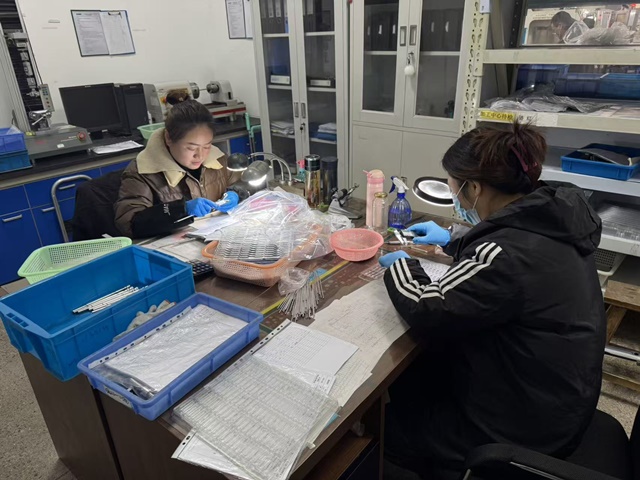
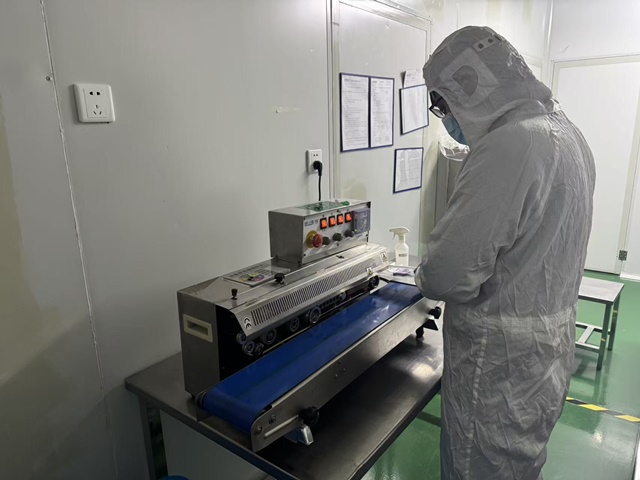
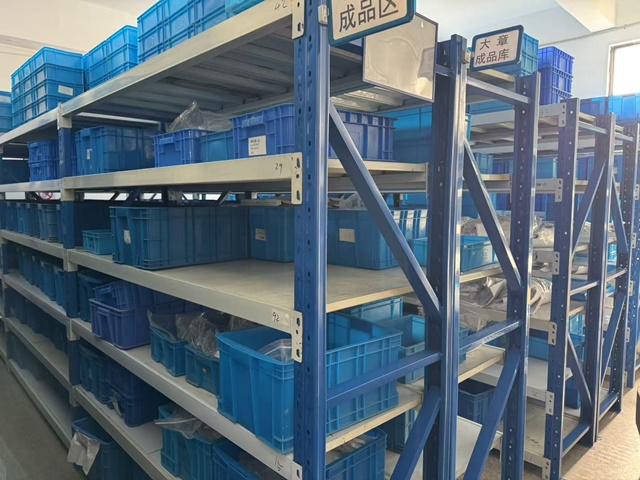
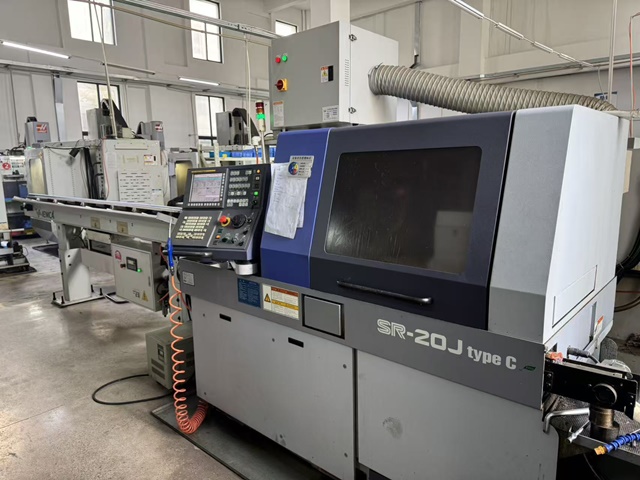
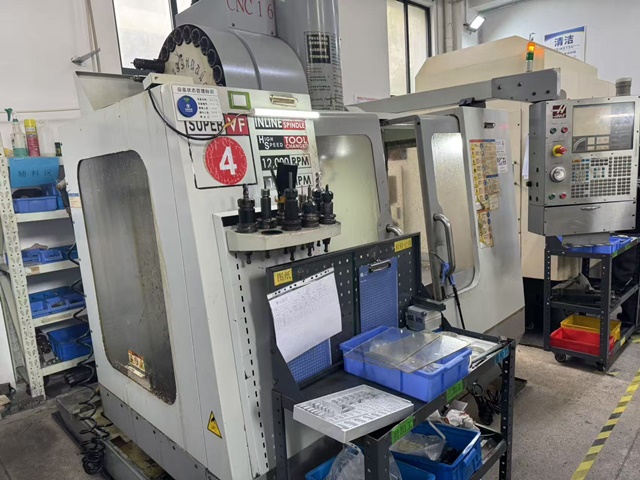
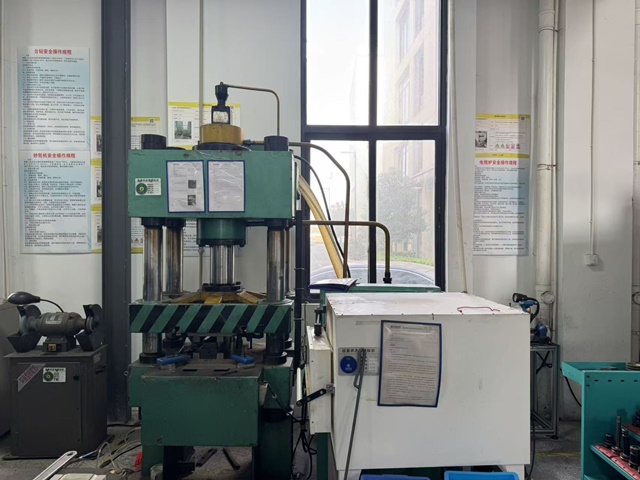
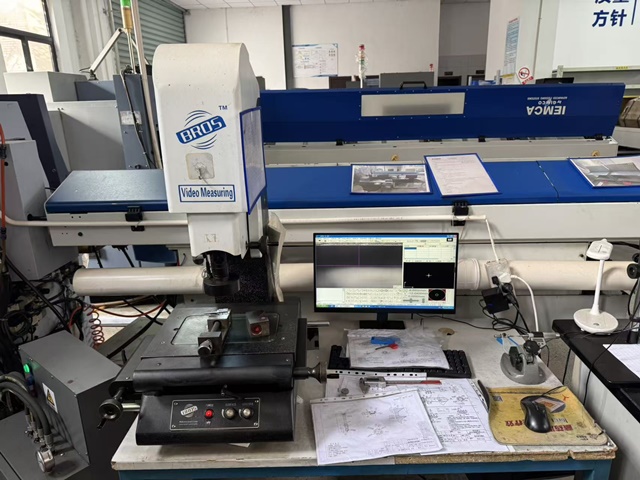
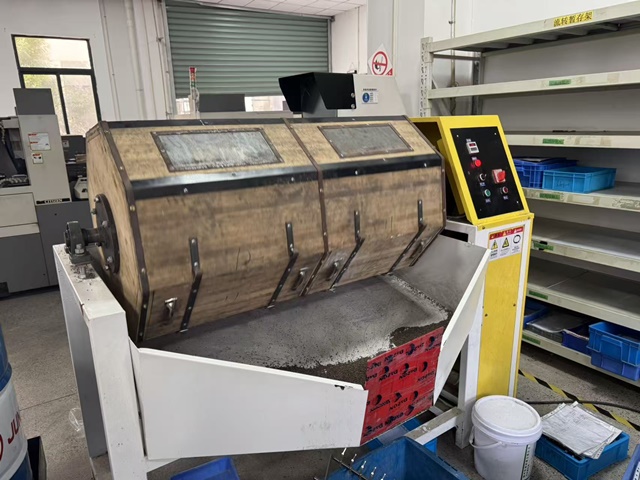
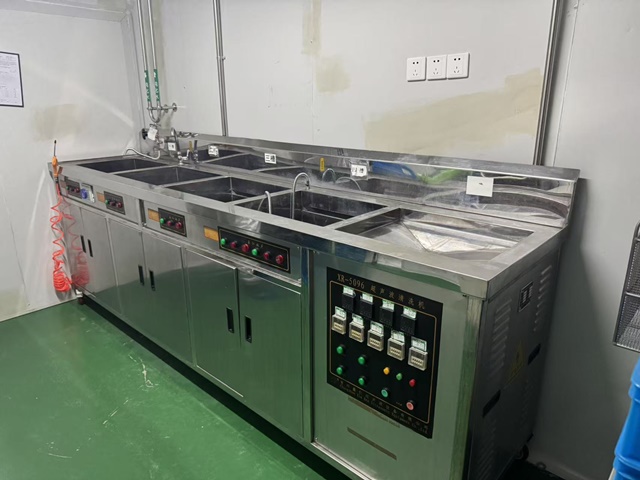
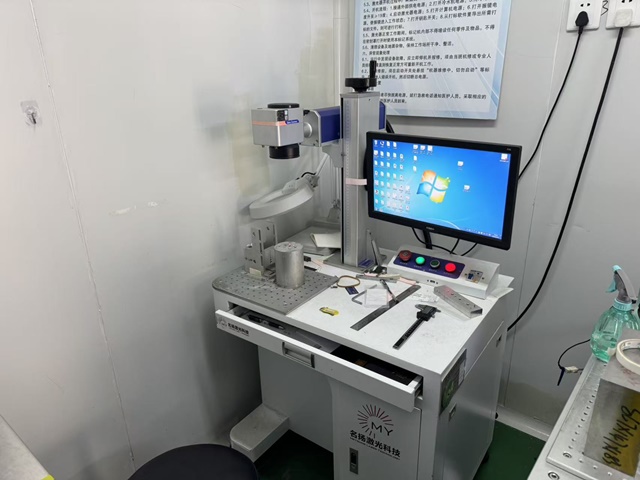
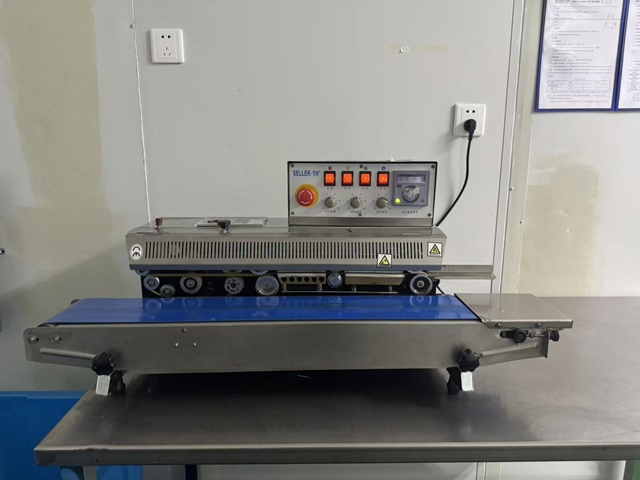
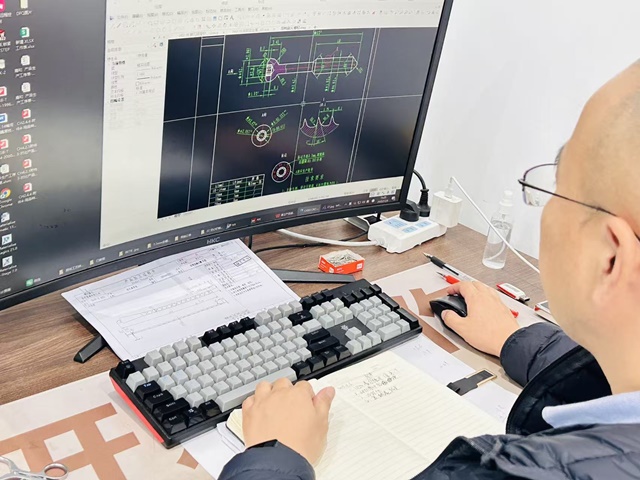
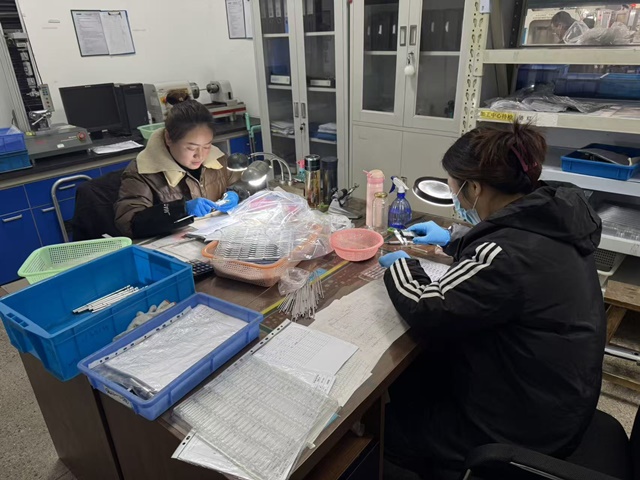
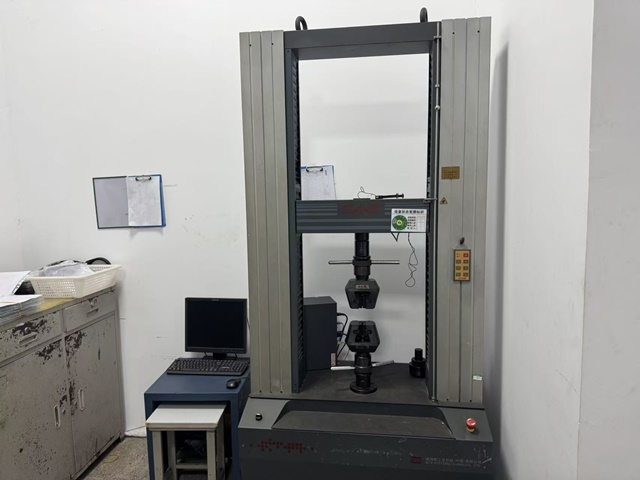
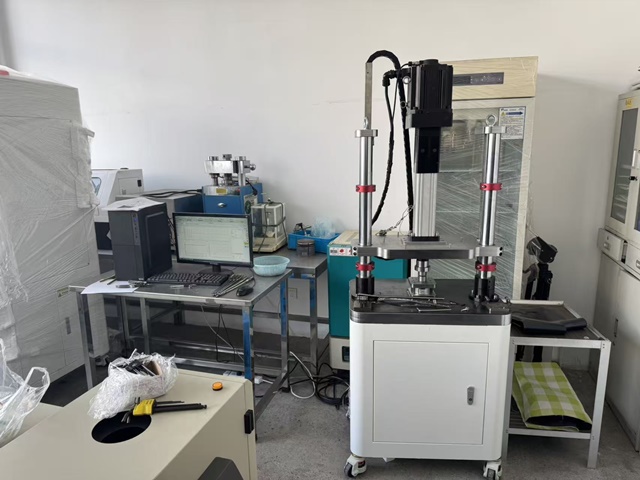
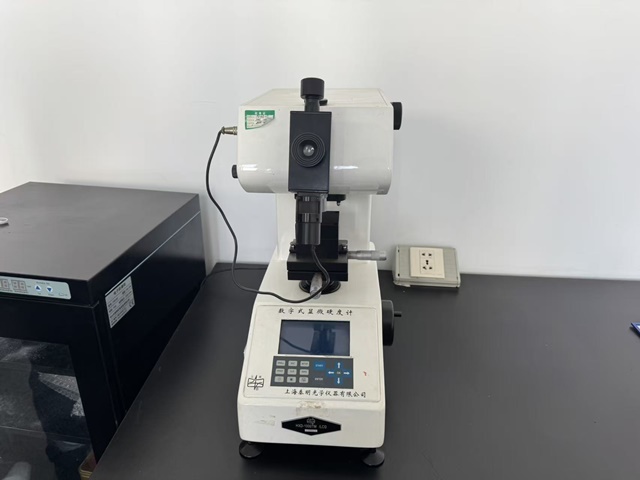
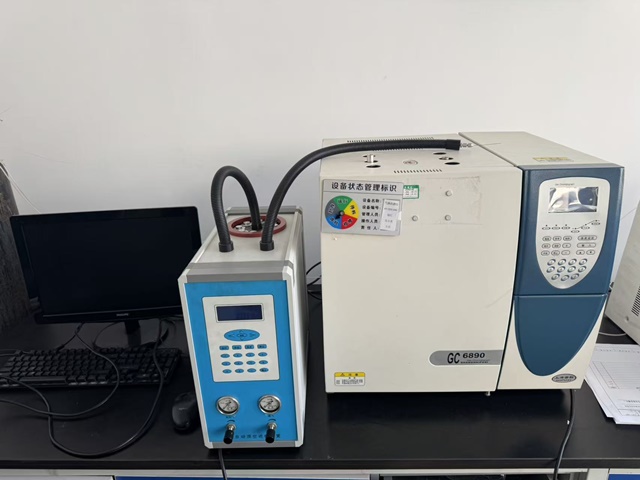
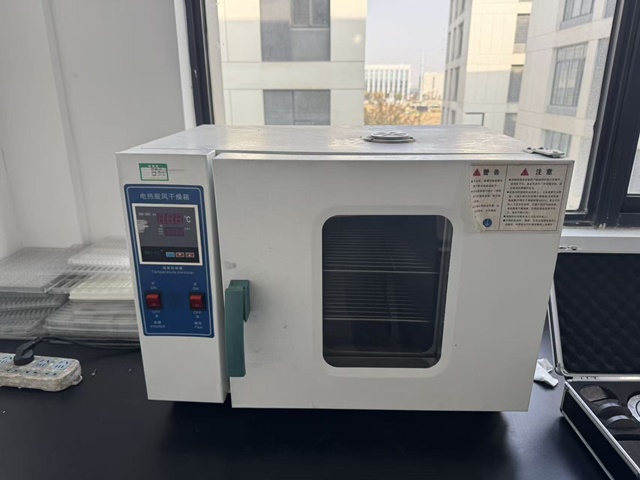
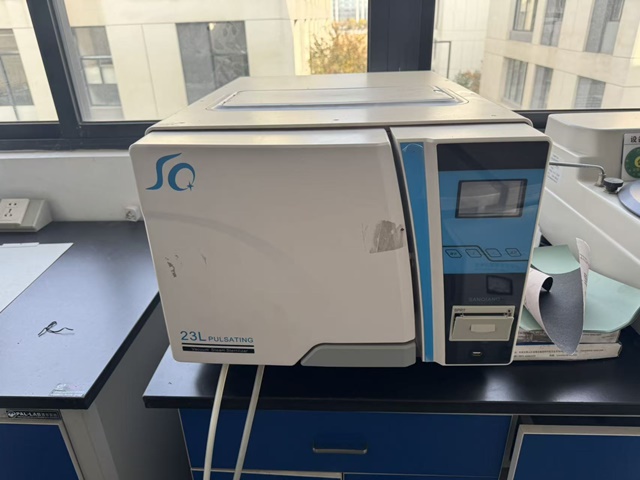
Founded in 2016, Osteora Medical Devices Co., Ltd. has grown into a highly specialized manufacturer of orthopedic implants and surgical instrumentation. Spanning an integrated facility of approximately 18,500㎡, the company manages everything from initial biocompatibility testing to raw material sourcing, automated machining, surface processing, and cleanroom sterile packaging.
Our capabilities are backed by solid industry experience and market expansion:
Through our comprehensive supply chain network consisting of approximately 1,200 certified upstream and downstream partners, Osteora guarantees stable production volumes and reliable delivery schedules for hospitals, private clinics, specialized surgical hubs, and global medical device distributors across Europe, Southeast Asia, South America, and the Middle East.
Operating across multiple continents requires strict attention to regional demands. In Western markets, focus is oriented around regulatory filings, detailed surgical planning templates, and specific instrument sterilization tray layouts. In rapidly growing markets like Southeast Asia and South America, the focus shifts to maximizing value through long-term clinical instrumentation loans and training support programs.
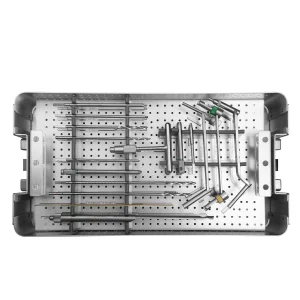
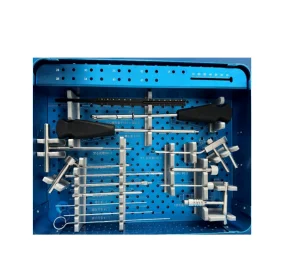
Osteora meets these regional parameters by supplying modular surgical instrument sets, custom implant sizing, private label (OEM) packaging designs, and detailed regulatory documentation files designed for local medical ministry approvals.
Addressing key engineering, procurement, and regulatory questions from medical device distributors and clinical partners.
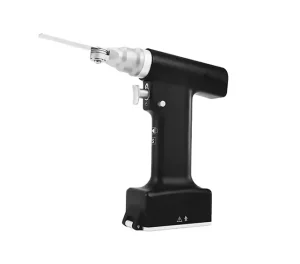
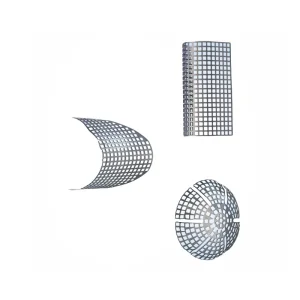
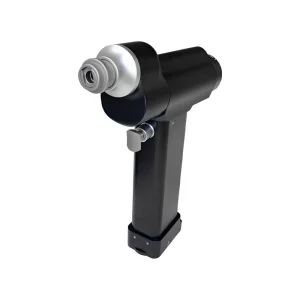
Explore our broader traumatology, orthopedic power tools, and spinal fixation systems engineered for high-performance surgical applications.