Osteora
Osteora
Osteora
Spinal fusion surgeries have experienced a profound paradigm shift over the past three decades. The quest for the ideal interbody spacer has led to intensive clinical evaluations comparing autologous bone grafts, Polyetheretherketone (PEEK), and titanium alloys. Historically, titanium was praised for its unmatched tensile strength and biocompatibility, though early dense designs exhibited a modulus of elasticity higher than that of cancellous bone, occasionally leading to stress shielding and device subsidence.
However, the orthopedic industry has undergone a technological renaissance. The integration of 3D-printed porous titanium topologies and advanced sub-micron surface treatments has positioned titanium at the forefront of spinal reconstruction. Modern medical-grade titanium (specifically Ti-6Al-4V ELI conforming to ASTM F136) offers custom elastic moduli comparable to trabecular bone structure. This engineered porosity not only mitigates the risk of subsidence but also initiates rapid osteogenesis by facilitating capillary action and nutrient flow directly through the implant matrix.
Distributors and hospital procurement systems evaluating suppliers must understand that today's titanium cages are no longer simple static spacers. They are dynamic biomaterial interfaces designed to achieve mechanical locking (primary stability) and biological fixation (secondary stability). In the global surgical center market, the demand is heavily shifting toward anatomical designs that restore lumbar lordosis, optimize sagittal alignment, and maximize graft window volume to accelerate fusion rates.
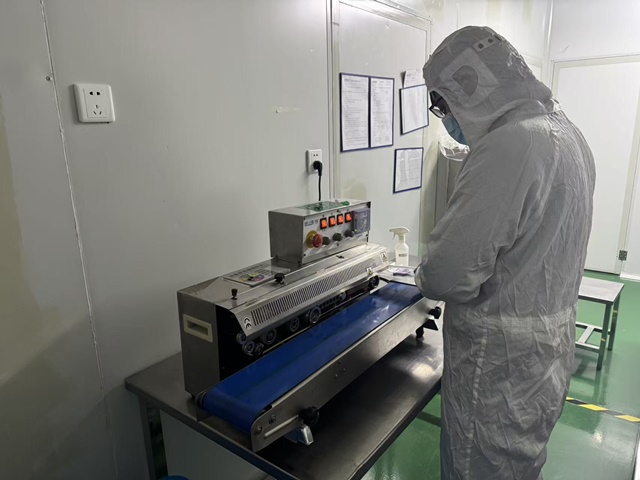
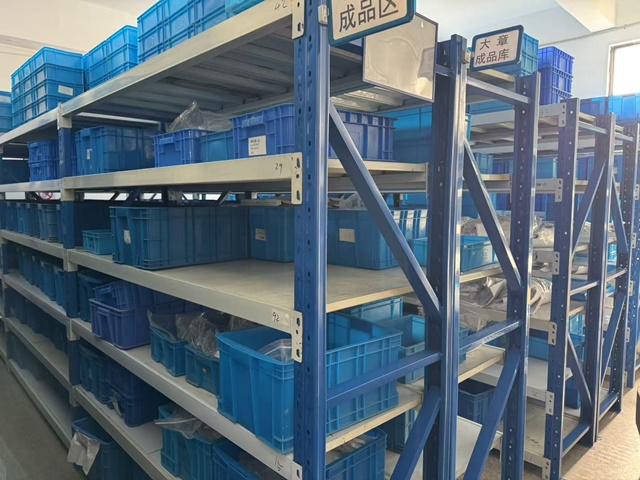
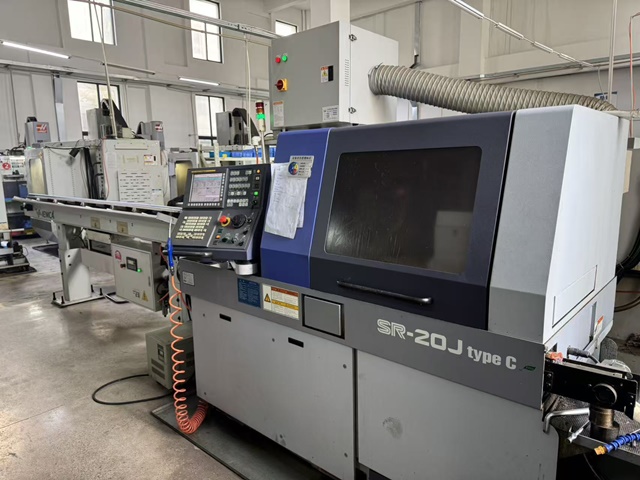
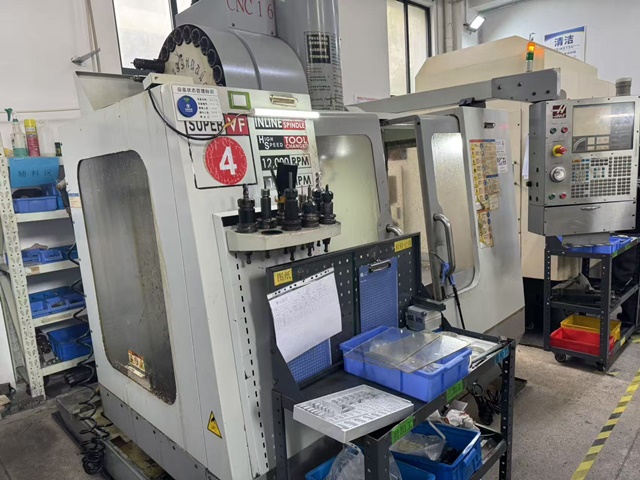
Under the flagship brand Osteora, Osteora Medical Devices Co., Ltd. has established itself as an authoritative leader in the development and precision engineering of orthopedic implants and spinal fixation systems. Founded in 2016, the enterprise leverages a state-of-the-art 18,500㎡ manufacturing facility to combine raw material processing, multi-axis CNC machining, sterile-packaging operations, and rigorous mechanical validation under one roof.
With 8 years of export excellence, Osteora serves a diversified network of international medical distributors, private hospital networks, and surgical centers in Europe, Southeast Asia, the Middle East, and South America. Backed by a supply chain of over 1,200 certified upstream and downstream partners, the organization maintains stable production throughput even during macroeconomic disruptions.
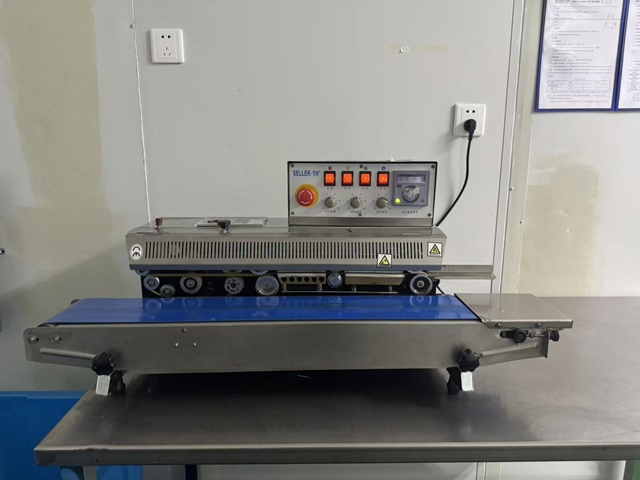
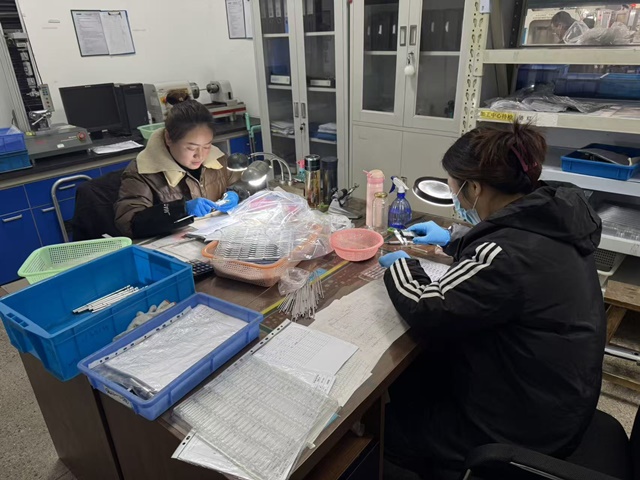
Every spinal implant produced by Osteora undergoes a structured 24-step manufacturing, finishing, and mechanical validation sequence to guarantee compliance with international regulatory frameworks (ISO 13485).
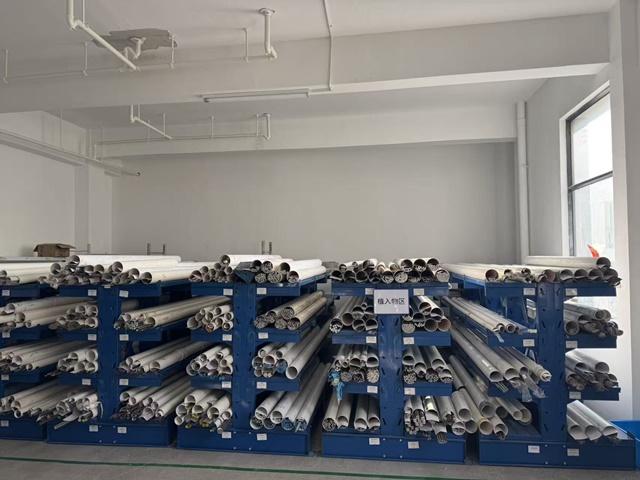
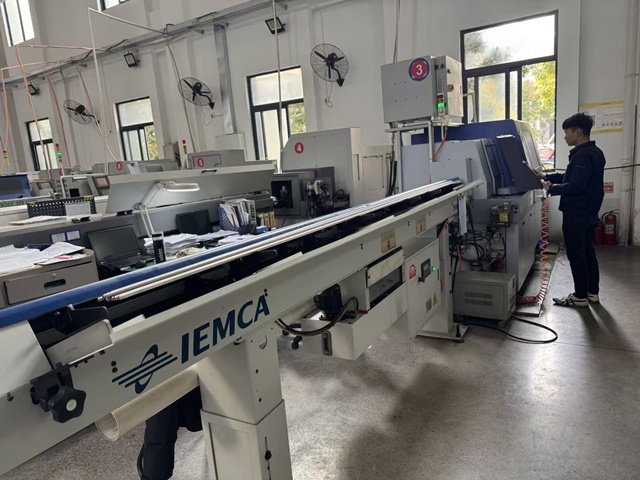
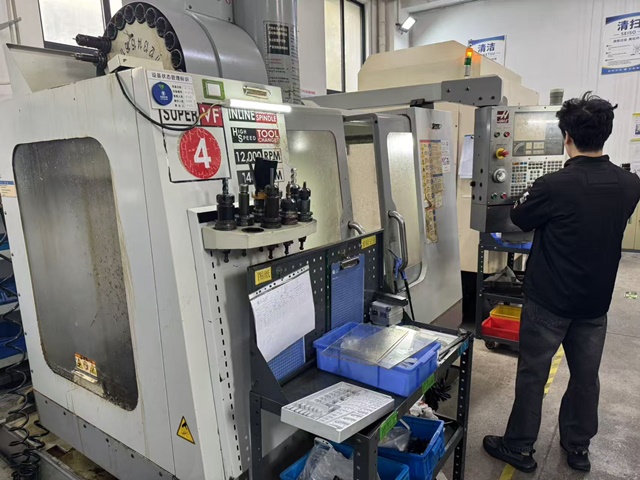
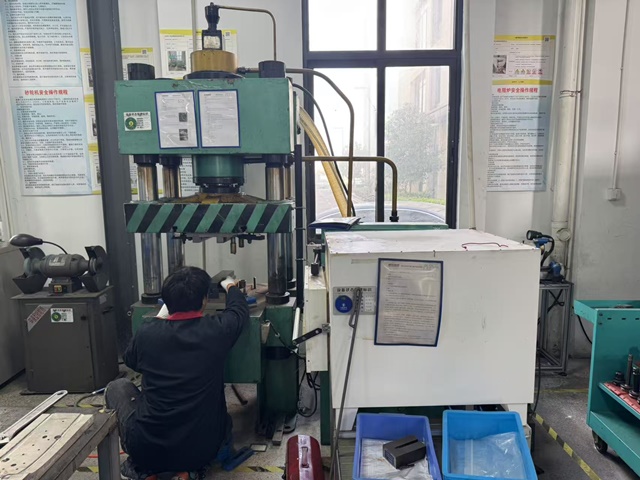
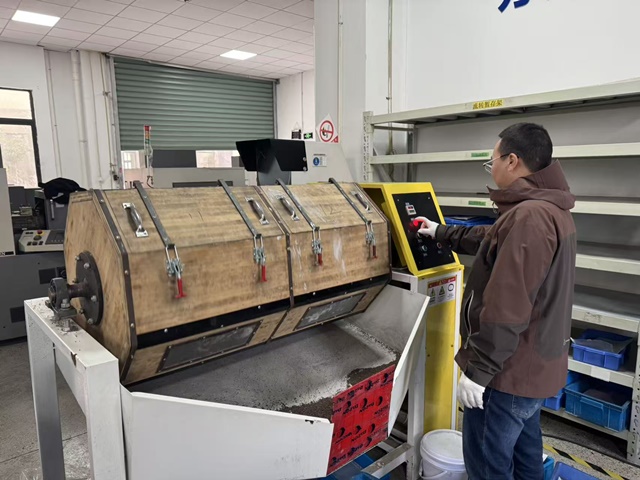
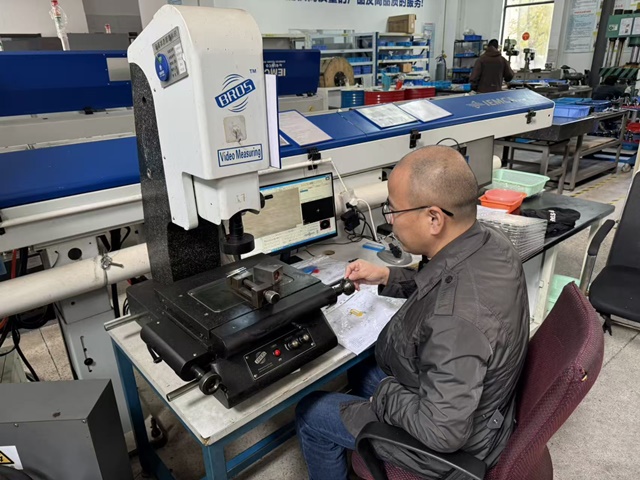
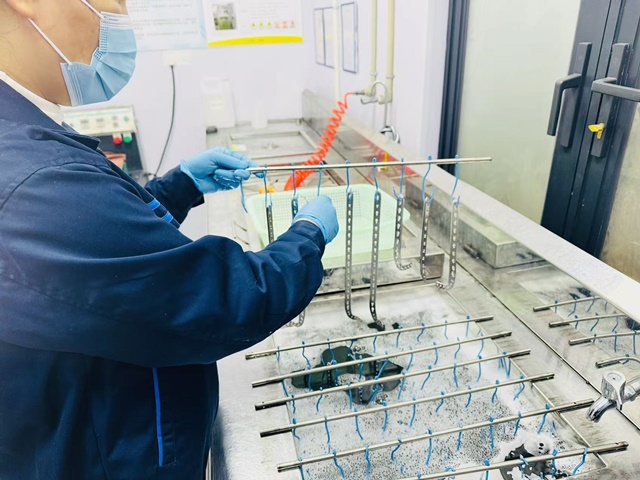
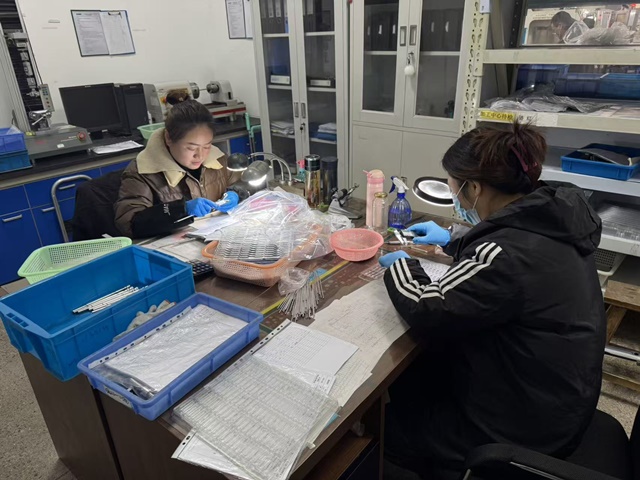
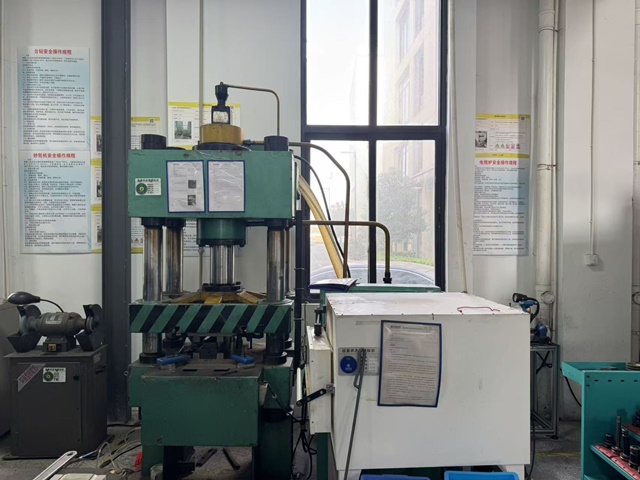
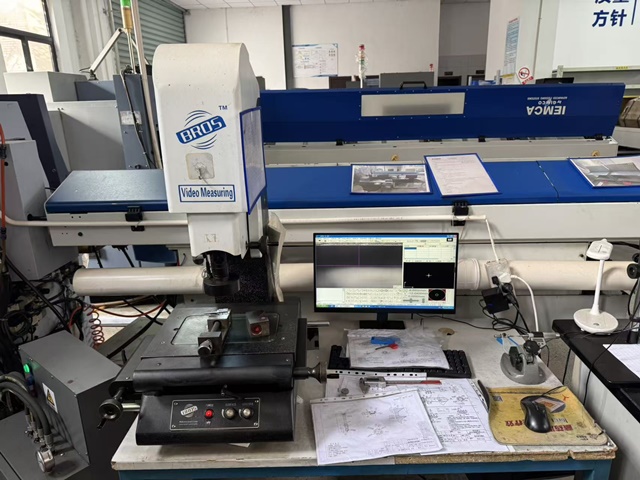
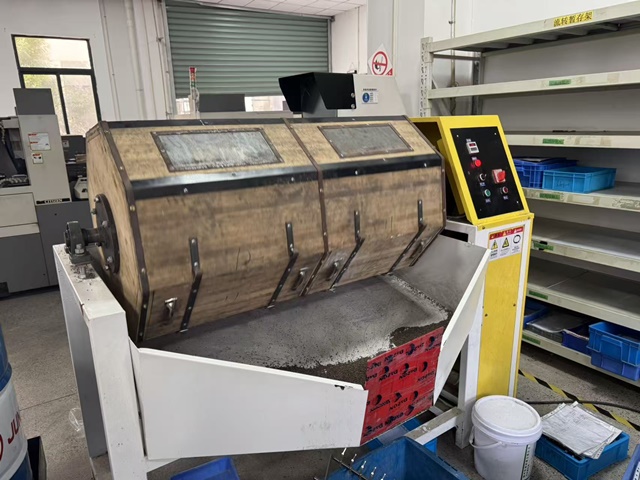
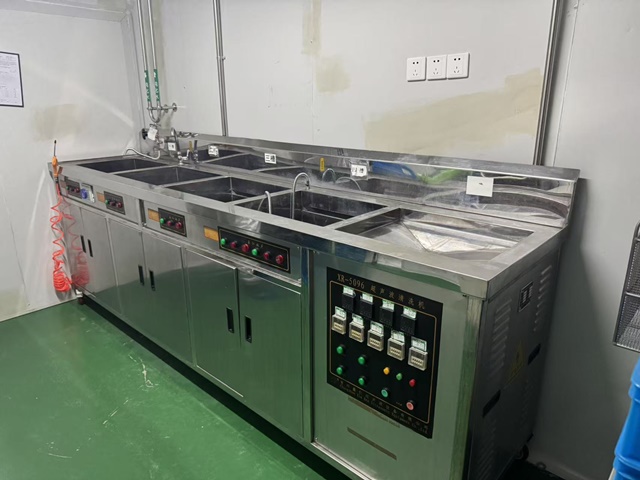
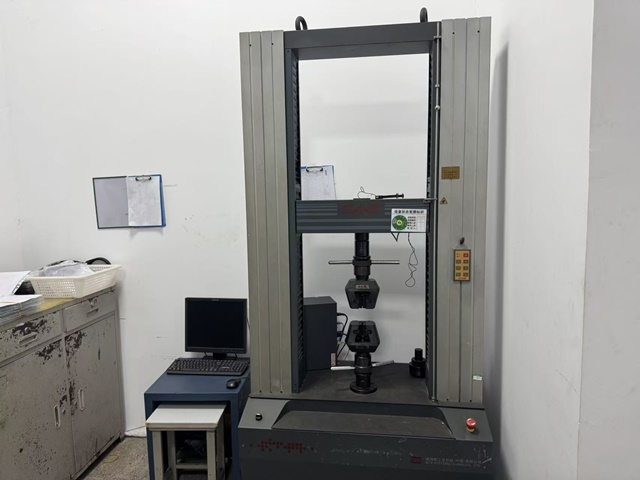
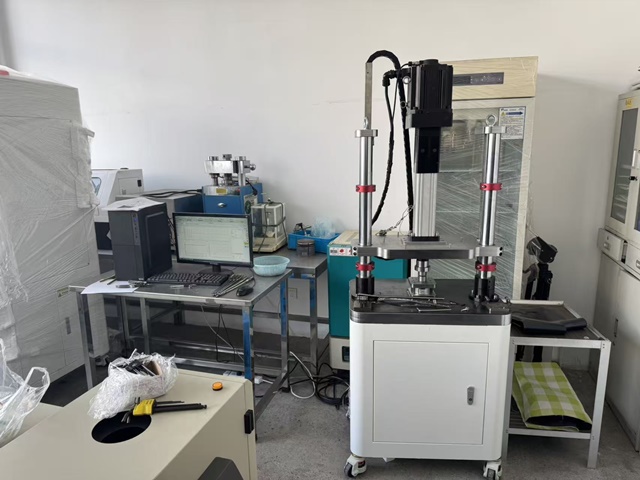
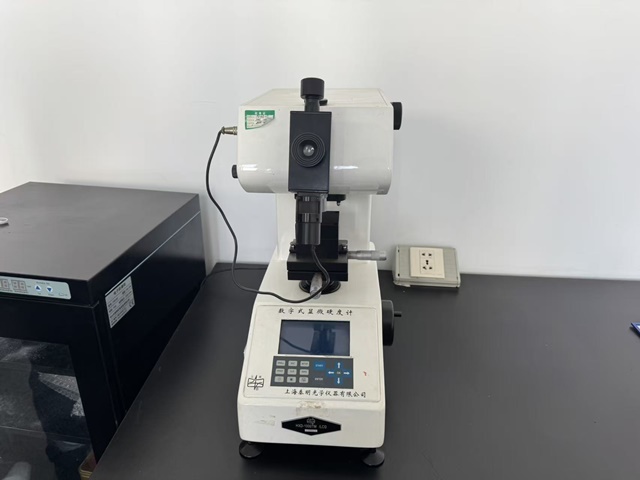
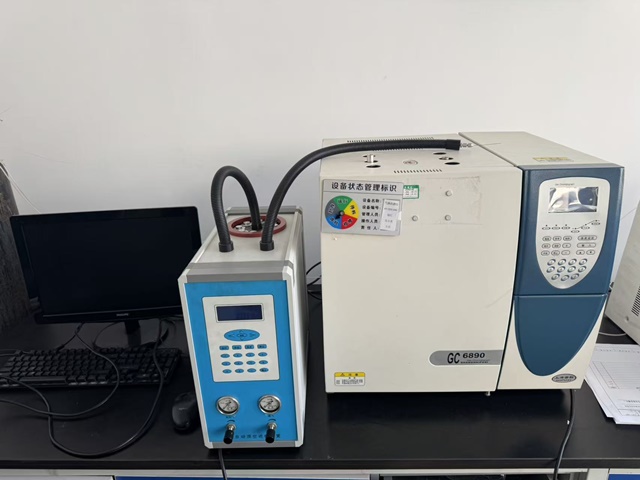
Spinal hardware procurement managers face challenges when sourcing implants. The product must satisfy three distinct stakeholders: Regulatory auditors (demanding compliance & biocompatibility validations), surgeons (demanding anatomical fit, tactile insertion feedback, and radiolucency/fusion visualization), and hospital financial directors (demanding favorable unit cost structures and supply chain predictability).
| Criteria / Feature | Osteora Titanium Cages | Standard Dense Titanium Spacers | Polyetheretherketone (PEEK) Spacers |
|---|---|---|---|
| Osseointegration Capacity | Excellent (High bio-activity & porous surface integration) | Moderate (Relies mainly on mechanical press-fit) | Poor (Fibrous capsule formation risk) |
| Elastic Modulus Compatibility | Optimized (Matches cancellous bone structures) | High (Risk of localized stress concentration) | Matches bone (But lacks active bony growth) |
| Subsidence Rates | Extremely Low (Due to balanced distribution of load) | High (Elevated focal stiffness profiles) | Low-Medium (Stiffness matches but lacks grip) |
| Imaging Compatibility | Optimized (Porous lattice allows radiographic evaluation) | High artifact interference (Obscures fusion zone) | Excellent radiolucency (Requires marker pins) |
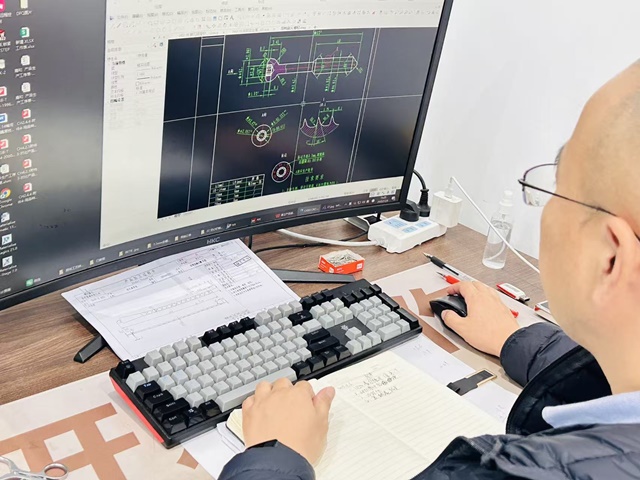
| OEM/ODM Customization | Yes (Supported by in-house CAD/CAM team) | Rigid catalog options (High mold costs) | Restricted to standardized extrusion molds |
Procurement channels must shift from measuring *purchase cost* to analyzing *Total Cost of Care*. An implant that costs 20% less but exhibits a 5% higher non-union or subsidence rate will result in expensive secondary revision surgeries. Our mechanical and clinical studies ensure that Osteora implants reduce revision risks, offering long-term cost benefits to healthcare providers.
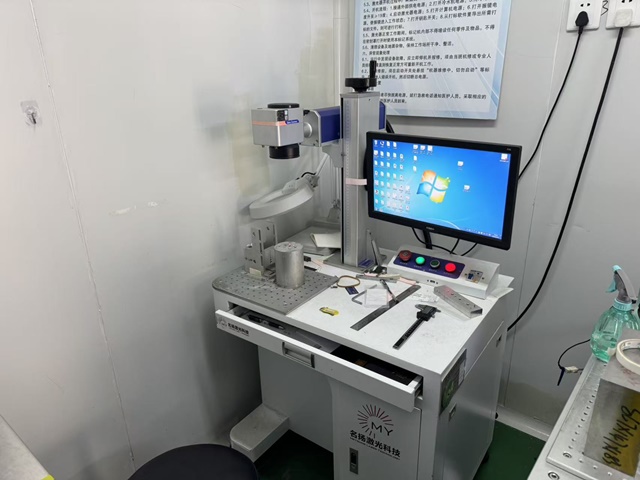
Expanding into highly regulated territories demands comprehensive verification frameworks. Osteora provides comprehensive validation folders comprising chemical characterization (including GC-MS gas spectrometry raw material verification), mechanical stress profiles (static compression, shear, and dynamic fatigue tests conforming to ASTM F2077), and sterilizing validation reports. We provide localized labeling, laser markings following UDI regulations, and customized shipping validation to maintain sterile barrier integrity.
The next generation of Osteora interbody devices centers on smart bio-active implants. By integrating custom-engineered porous lattices with specialized surface coatings, we aim to facilitate faster fusion times. Furthermore, our R&D group is prototyping patient-specific custom devices printed directly from pre-operative high-resolution CT scans for complex revision surgeries.