Osteora
Osteora
Osteora
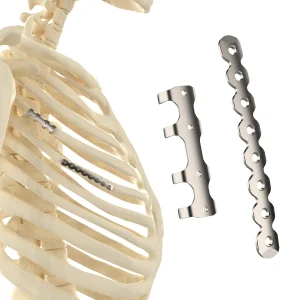
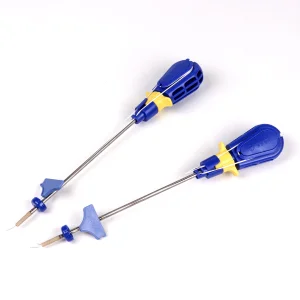
Explore our highly-engineered medical devices designed for trauma, spine stabilization, and minimally invasive surgeries.
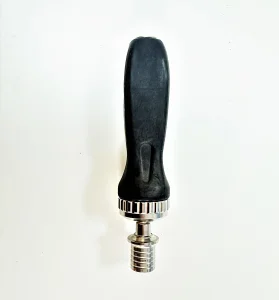
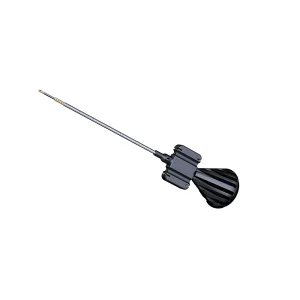
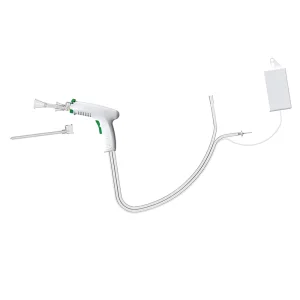
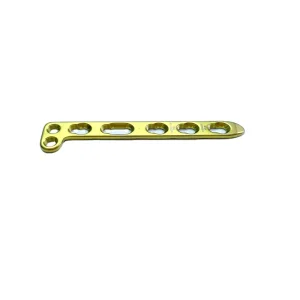
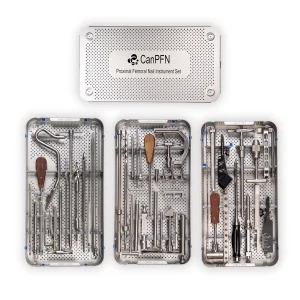
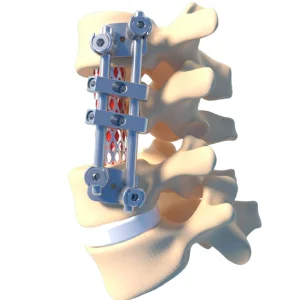
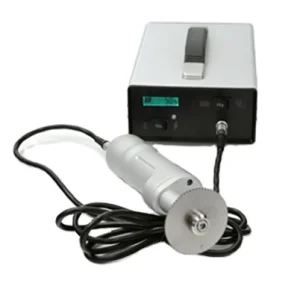
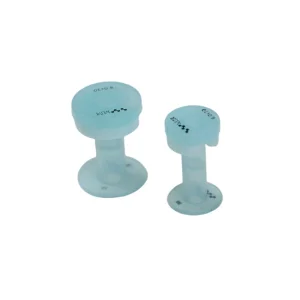
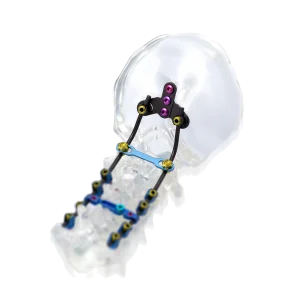
The global spinal internal fixation systems market is experiencing rapid transformation driven by an aging demographic, the escalation of degenerative spinal conditions, and technological advances in minimally invasive surgery (MIS). As surgical methodologies shift towards minimizing anatomical disruption, the demand for high-precision implants—such as pedicle screws, occipitocervical connectors, posterior fixation plates, and dynamic stabilizing rods—has grown exponentially.
Internationally, standard clinical applications require fixation components constructed from highly biocompatible materials. Grade 5 Titanium (Ti-6Al-4V ELI) and Polyetheretherketone (PEEK) remain the industry standards. These materials offer optimal biomechanical properties, such as a modulus of elasticity comparable to cortical bone, reducing the risks of stress shielding and subsequent implant failure. As spinal surgeries demand higher tactile feedback and structural longevity, manufacturers must produce systems with extremely tight dimensional tolerances and validated fatigue resistances.
Historically, global medical device supply chains were highly centralized in North America and Western Europe. However, Chinese precision manufacturers like Osteora Medical Devices Co., Ltd. have bridged the quality gap by combining high-end CNC machining technologies with dynamic cost structures.
Looking toward the next decade, three key trends dominate the spinal implant landscape:
1. Additive Manufacturing (3D Printing): The creation of trabecular structures on interbody fusion cages using selective laser melting (SLM) has accelerated osseointegration. This facilitates a faster biological lock between the host bone and the implant.
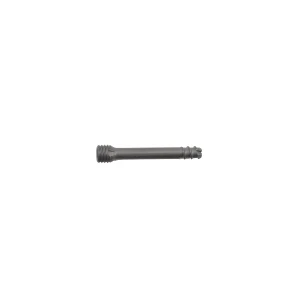
2. Minimally Invasive Percutaneous Systems: Specialized insertion paths demand long-arm cannulated pedicle screws and targeted rod guidance systems. This reduces muscle dissection, limits intraoperative blood loss, and shortens patient recovery times.
3. Biomedical Surface Enhancements: Advanced anodic oxidation techniques, such as type-II acid-etched titanium anodization and plasma-sprayed hydroxyapatite, are standard. They improve the implant's surface topography, which helps prevent biofilm formation while promoting osteogenic cellular attachment.
Our ISO 13485-certified facilities control every step of production, from raw titanium analysis to class-10,000 cleanroom packaging.
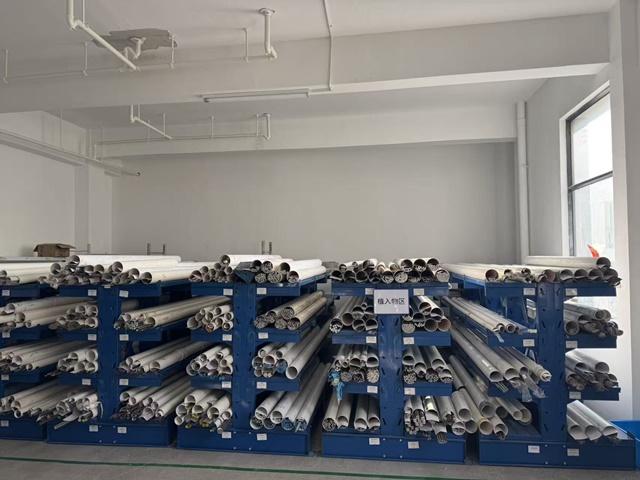
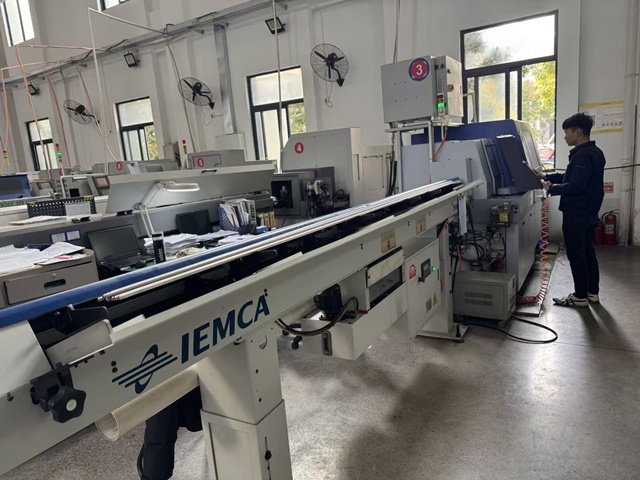
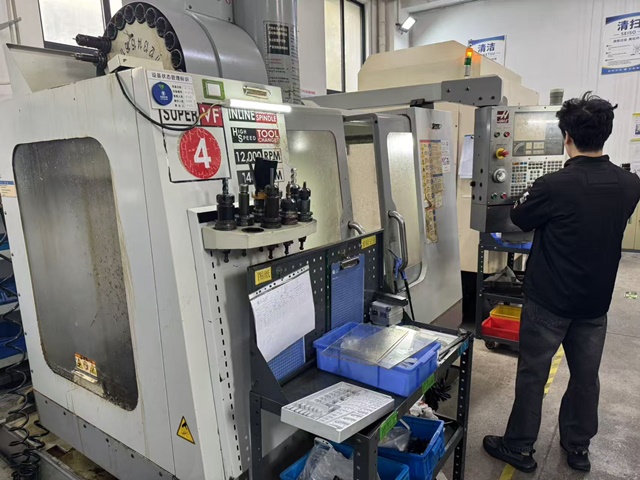
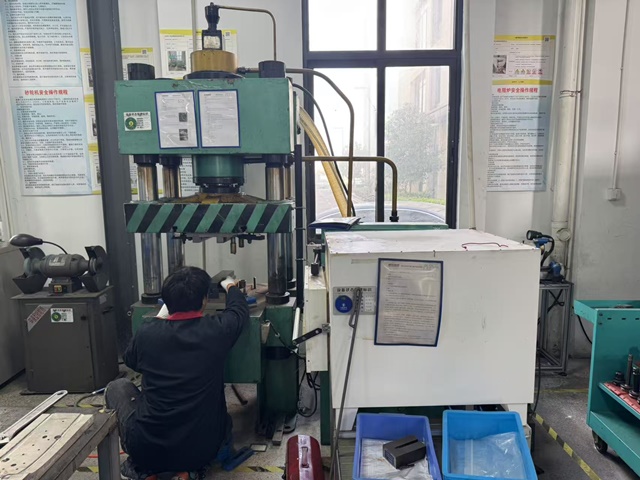
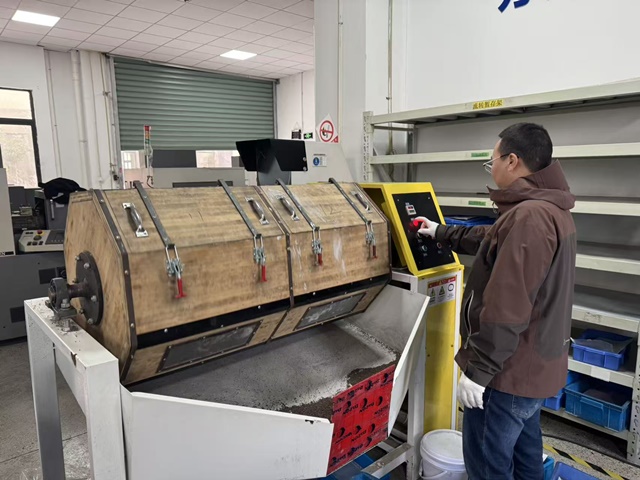
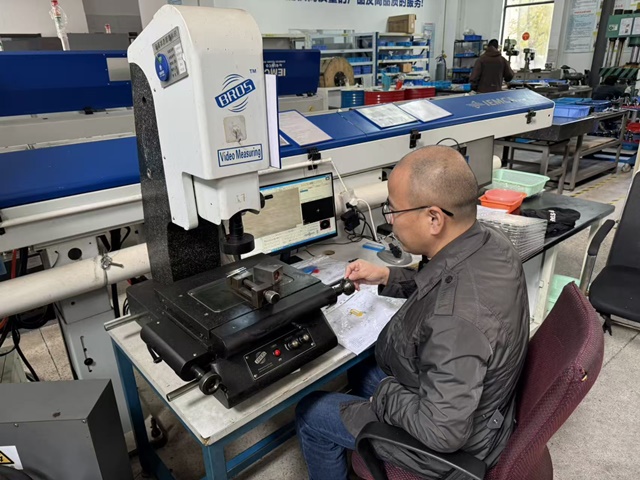
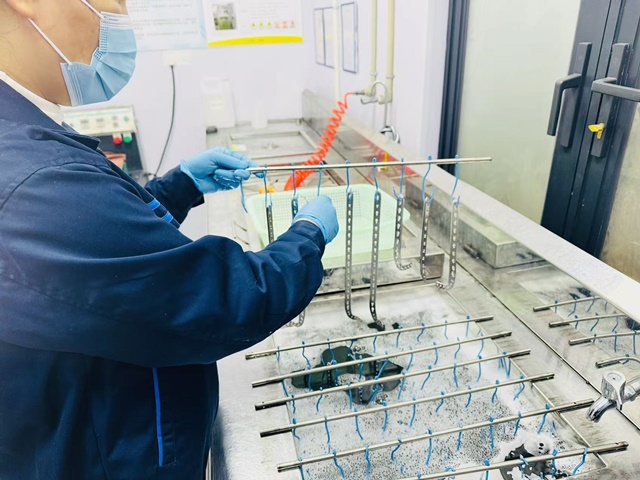
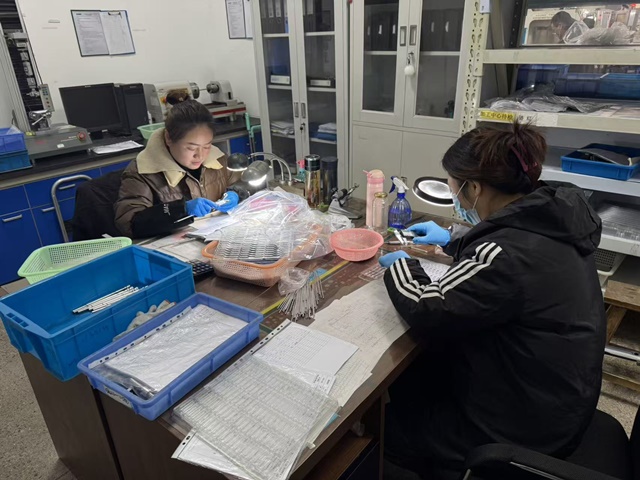
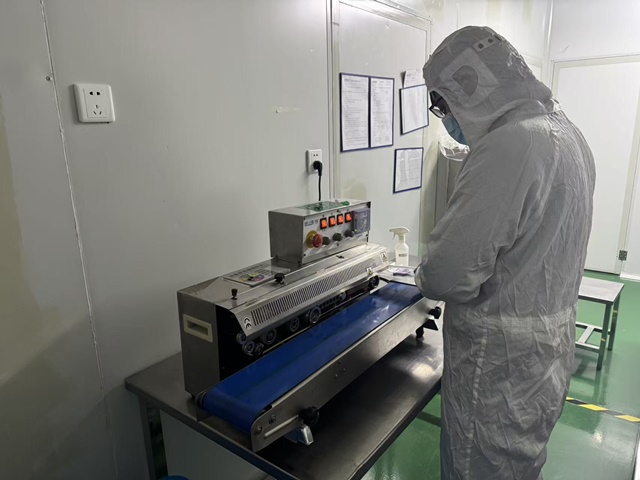
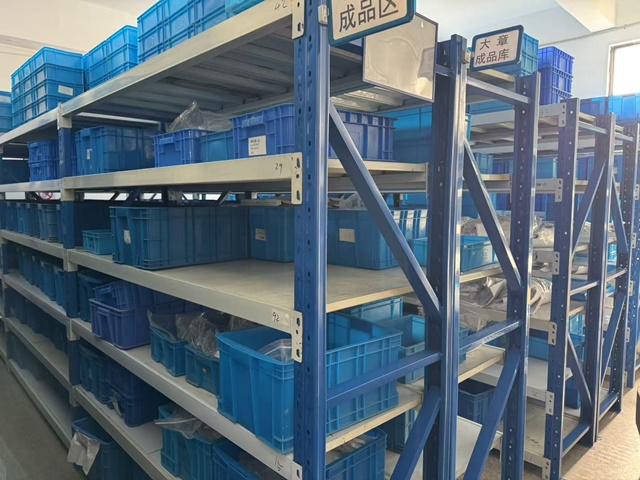
Our capital equipment inventory features advanced CNC machinery and professional testing apparatus to guarantee compliance with ISO 13485 and CE standards.
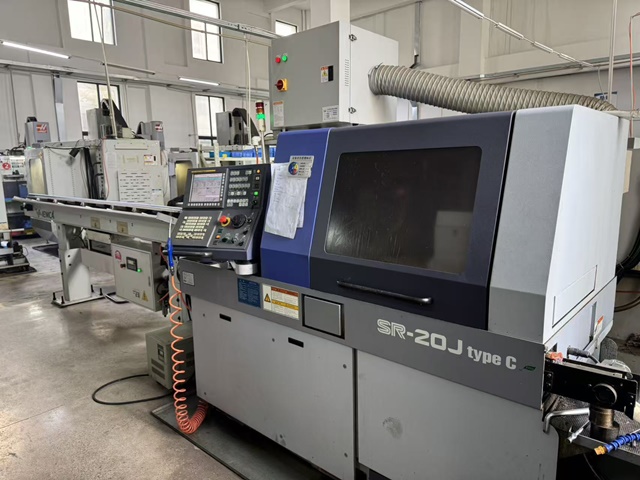
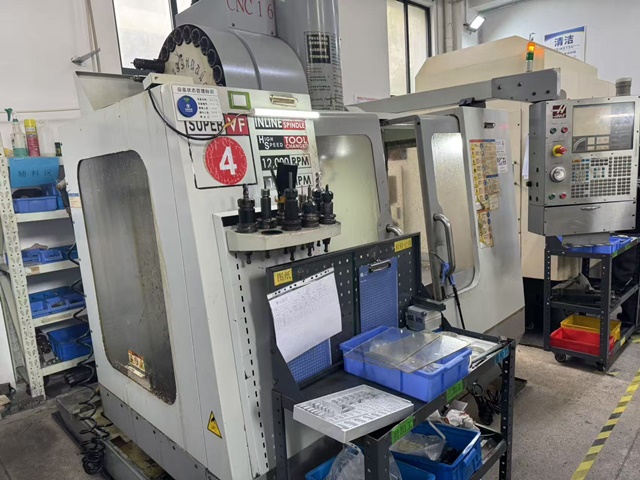
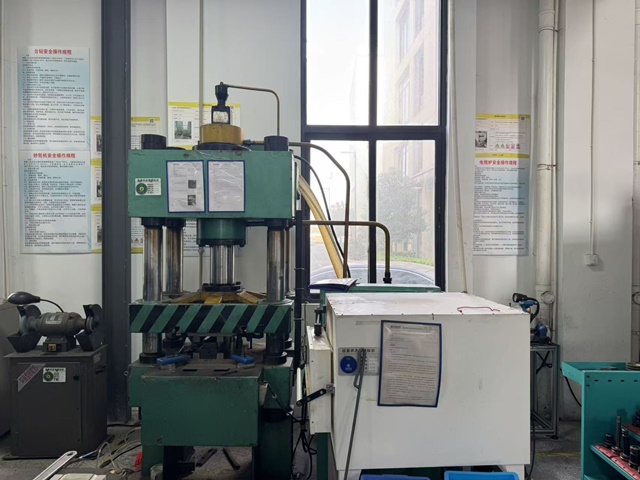
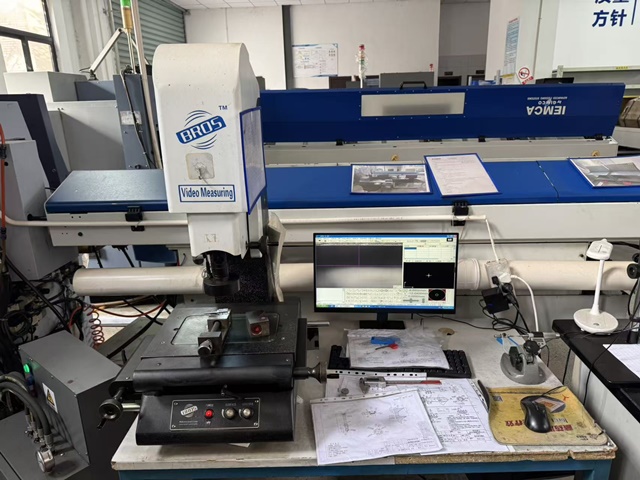
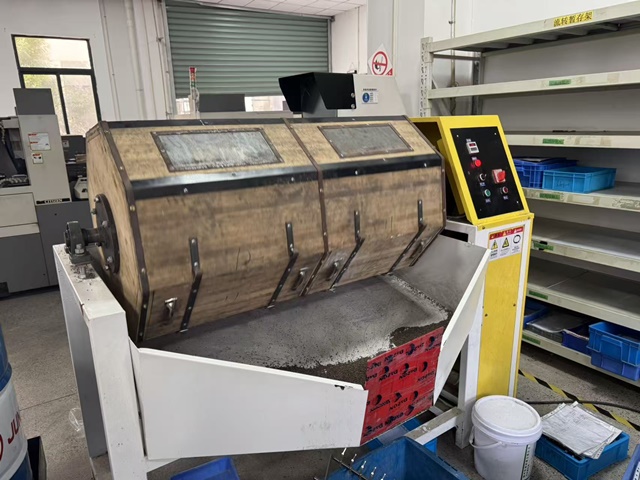
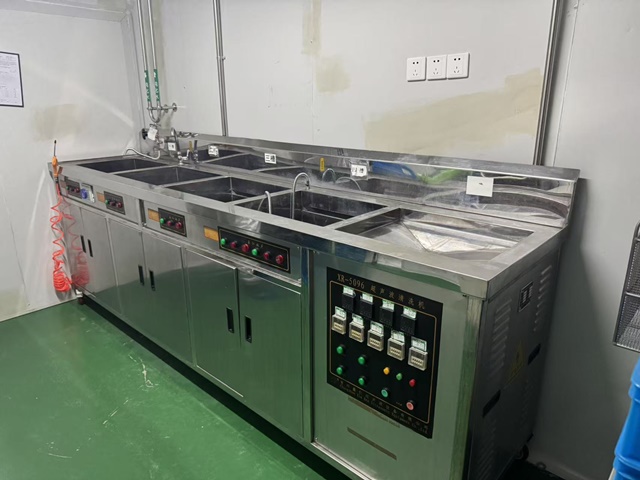
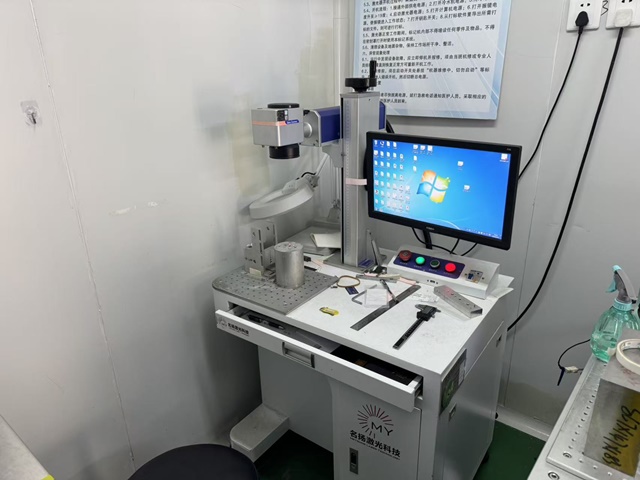
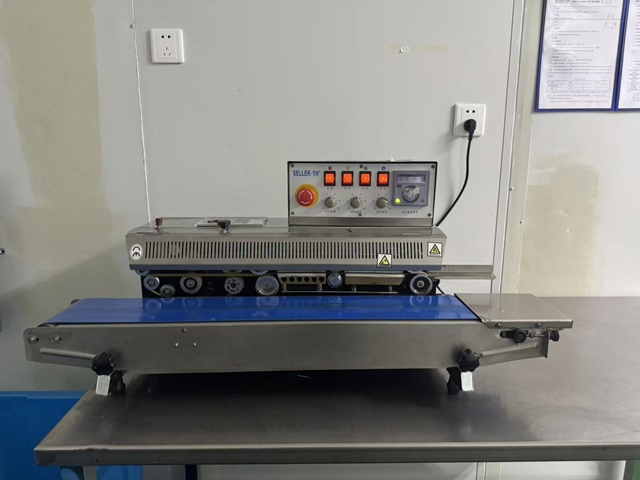
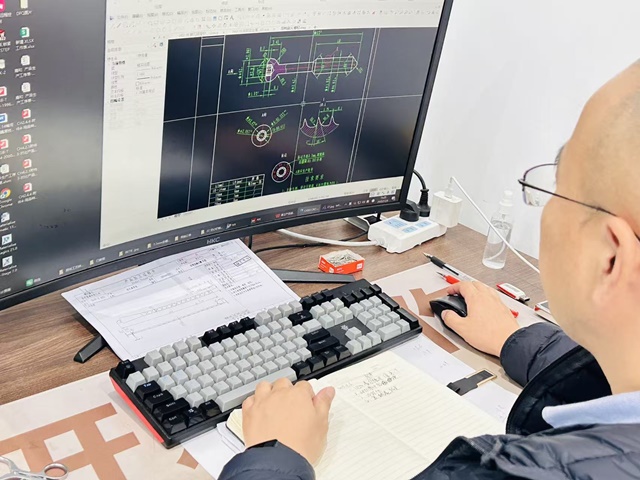
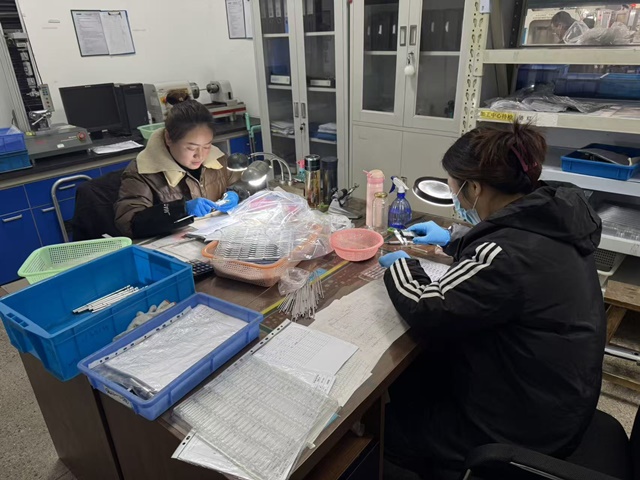
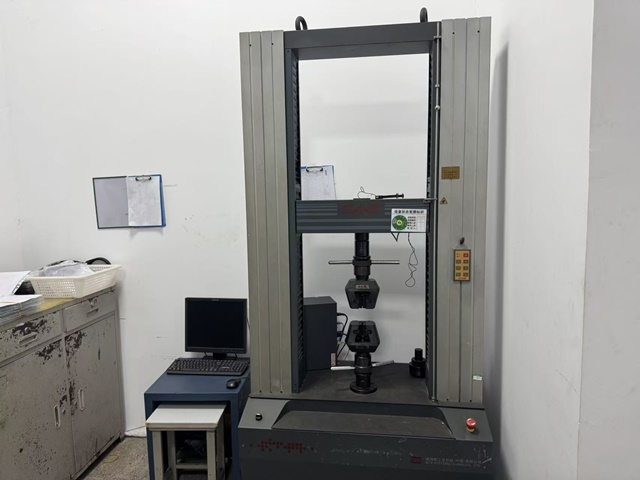
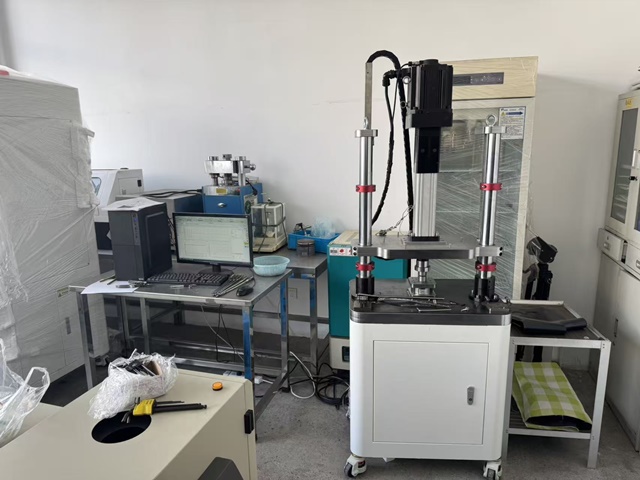
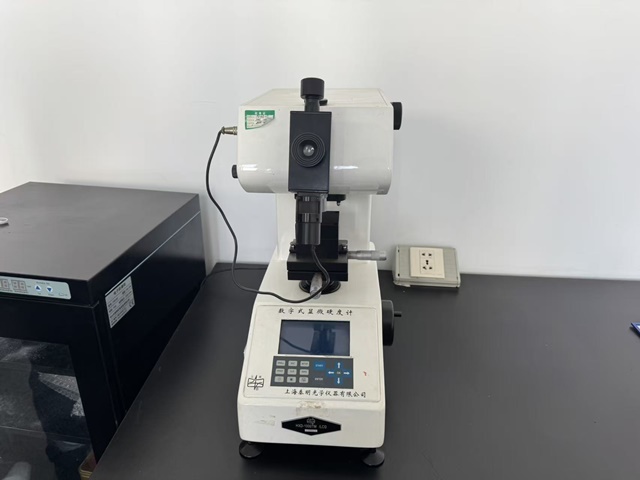
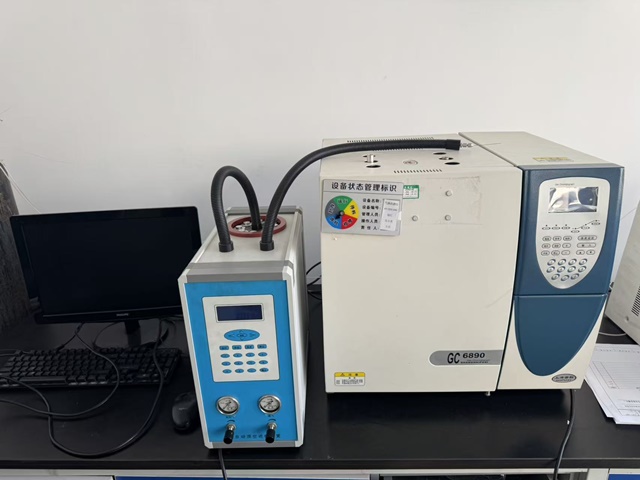
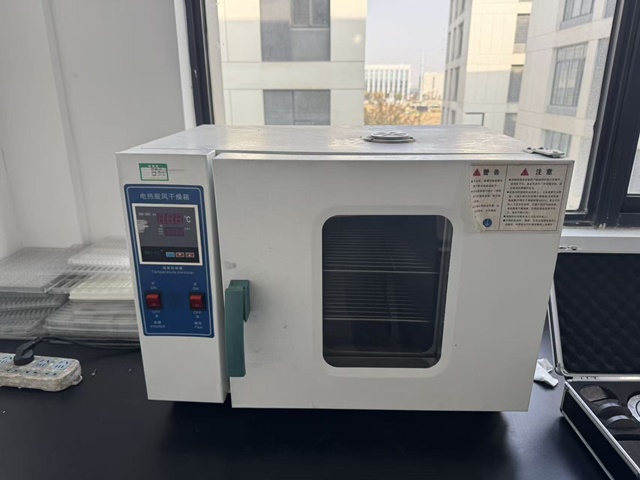
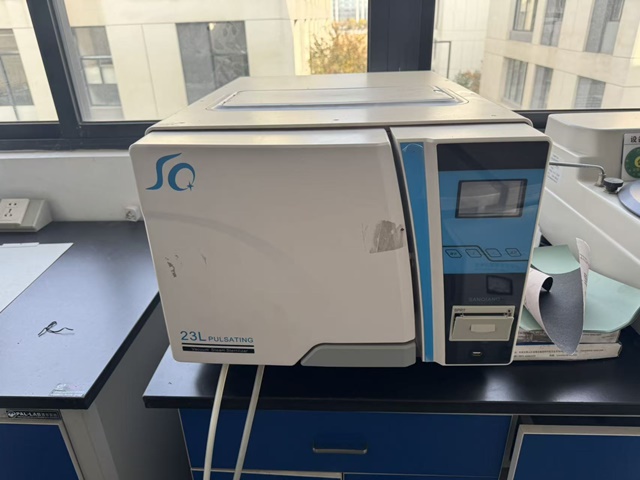
A major challenge for global distributors is finding implant configurations that meet regional surgical habits. European medical institutions prefer ultra-low-profile spinal components to minimize post-operative tissue friction. Conversely, orthopedic surgeons in various South American and Middle Eastern markets often prioritize cost-effective, high-torque implants that accommodate severe post-traumatic reconstructions.
To address these diverse needs, Osteora provides extensive OEM and ODM customization services. This includes modifying screw thread profiles, offering various material options (such as medical-grade titanium alloy versus carbon-fiber PEEK), and providing private labeling options. This allows local medical suppliers to register products under their own brands while maintaining compliance with domestic regulatory bodies.
Implant failure in spinal fixation can lead to critical patient complications. To mitigate these risks, our quality control team employs a rigorous, multi-layered quality control protocol:
With 42 dedicated quality inspectors monitoring every batch, we ensure that every spinal system shipped conforms to standard international requirements. This level of quality control helps minimize field recalls and protects the reputation of our distribution partners worldwide.
Expert answers regarding material specifications, regulatory compliance, quality control, and supply chain capabilities.
Explore our additional systems, including feline trauma plates, posterior cervical configurations, and targeted bone screws.