Osteora
Osteora
Osteora
Direct access to raw materials, instruments, and CE-marked titanium orthopedic solutions manufactured to international standards.
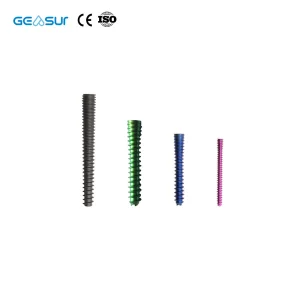
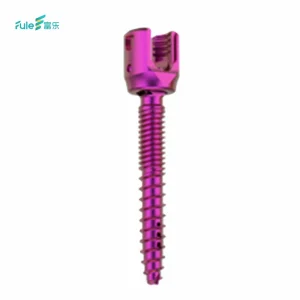
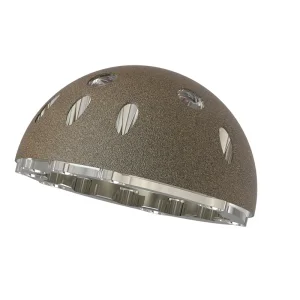
The global demand for orthopedic trauma implants, specifically small fragment locking plates (typically featuring plate profiles of 2.7mm to 3.5mm), has scaled dramatically. This growth is driven by rising geriatric fracture incidents, complex high-energy trauma cases, and the clinical shift toward anatomical pre-contoured plating systems. Medical distributors, procurement managers in hospital networks, and orthopedic clinics seek suppliers that can offer high mechanical performance, certified biocompatibility, and consistent supply lines.
Locking plate systems represent a fundamental paradigm shift in osteosynthesis. Unlike dynamic compression plates (DCP) which rely on plate-to-bone friction for stability, locking plates act as internal fixators. The fixed-angle construct preserves periosteal vascularization, reduces the risk of primary reduction loss, and delivers superior mechanical stability in osteoporotic bone. As an industry growth officer, we recognize that evaluating the "Top 10 Suppliers" requires deep technical analysis of manufacturing capabilities, R&D agility, and strict regulatory adherence (CE, ISO 13485, and Class III medical device certifications).
Founded in 2016, Osteora Medical Devices Co., Ltd. has established itself as an innovative, high-caliber developer and manufacturer of orthopedic implants and comprehensive surgical solutions under the flagship brand Osteora. Specializing in trauma systems, spinal fixation, joint reconstruction, and dedicated veterinary orthopedics, Osteora serves as a reliable strategic OEM/ODM partner for medical organizations globally.
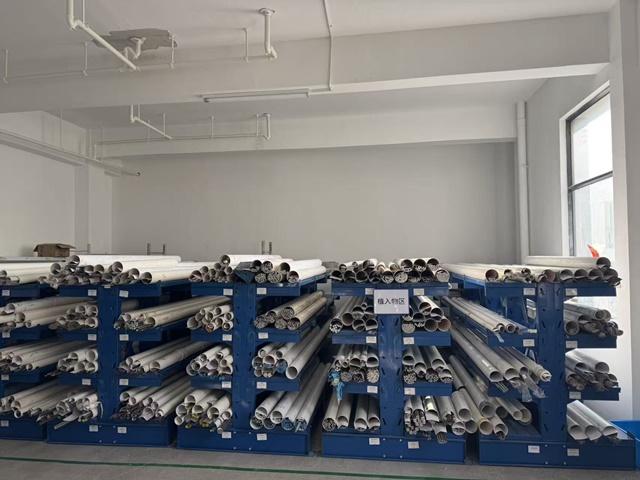
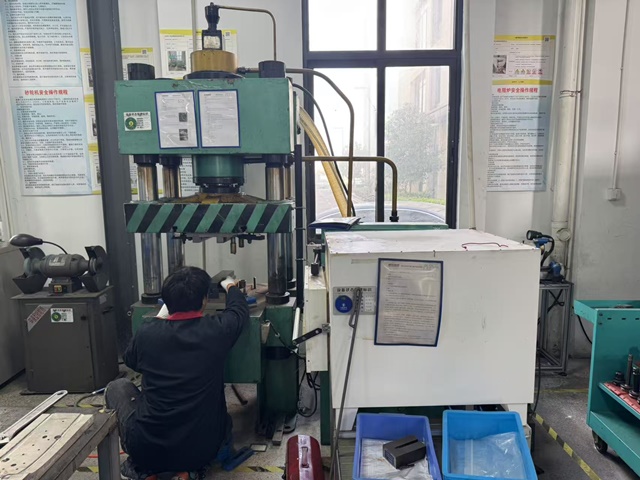
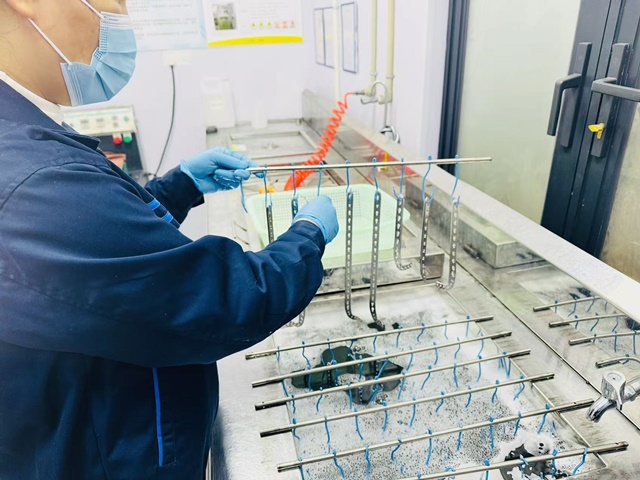
Operating out of an expansive, state-of-the-art facility supporting integrated manufacturing, mechanical assembly, cleanroom packaging, and dynamic bio-testing, Osteora maintains a supply chain network of roughly 1,200 certified upstream and downstream partners. By coordinating design engineering, material refinement, precision CNC milling, and high-standard surface treatments in-house, Osteora guarantees stable lead times and unparalleled product uniformity.
As hospital budgets and reimbursement models tighten globally, purchasing authorities demand high quality implants without inflated premiums. Advanced Chinese manufacturers like Osteora have bridged the gap by implementing Factory 4.0 frameworks. By combining advanced CNC automation with high-density inspection technology, Osteora drives cost efficiencies and delivers robust product consistency that rivals traditional Western manufacturers.
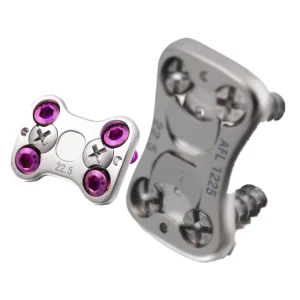
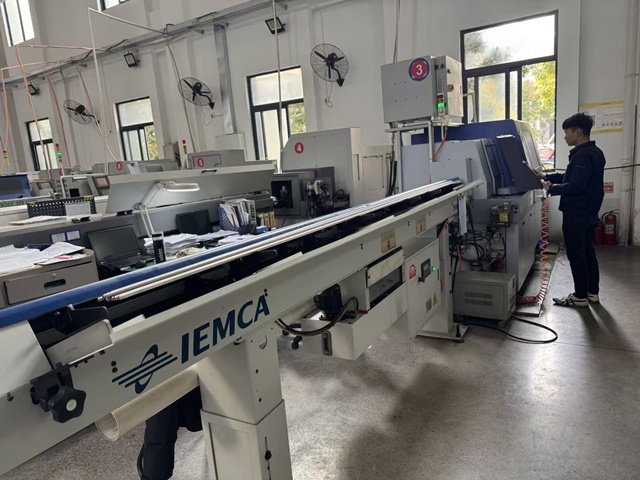
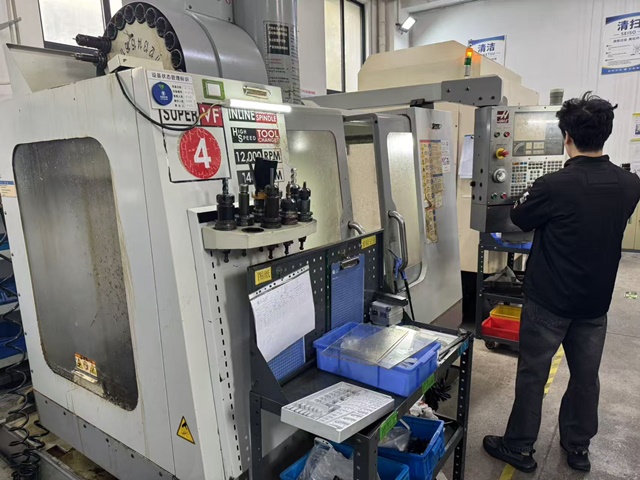
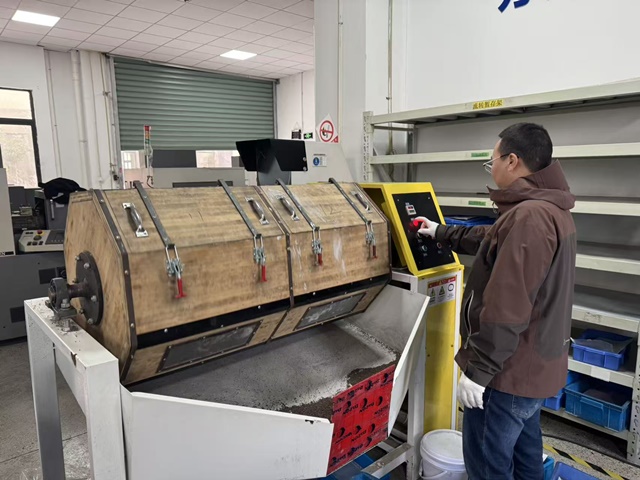
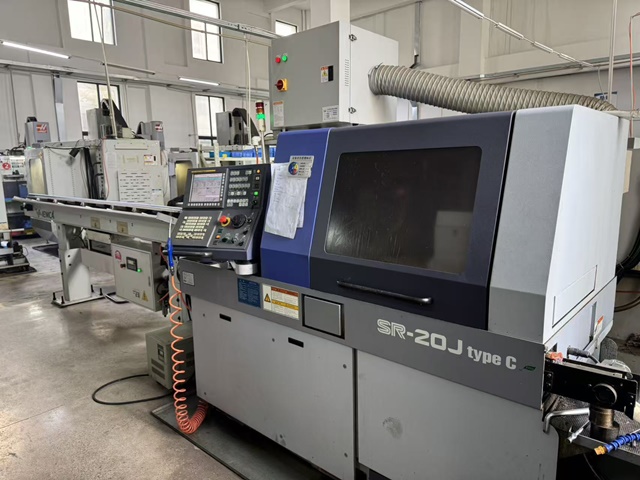
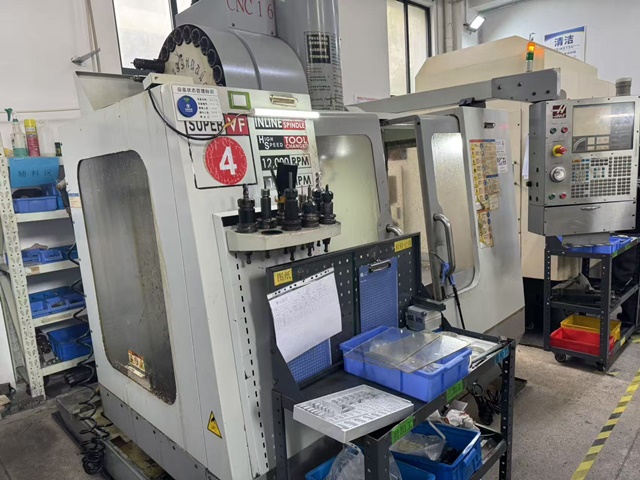
Osteora utilizes Swiss-type automatic lathes and 5-axis HAAS CNC machining centers to process complex geometries of small fragment anatomically pre-contoured plates. This guarantees micro-meter precision, consistent screw-hole alignment, and burr-free threads.
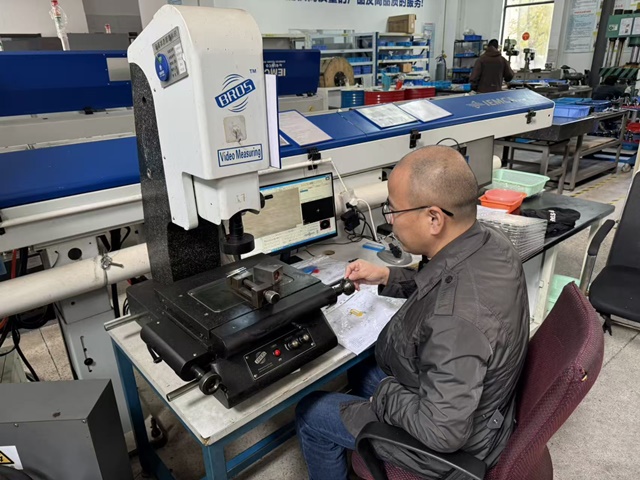
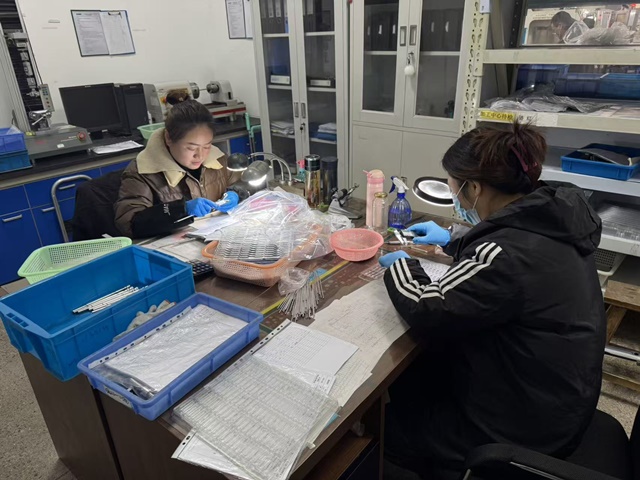
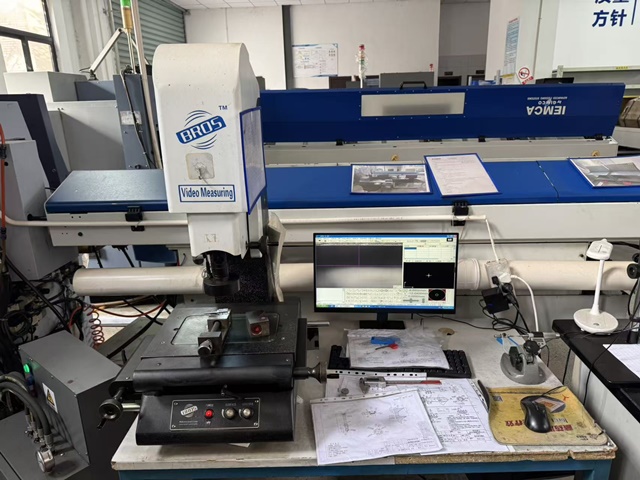
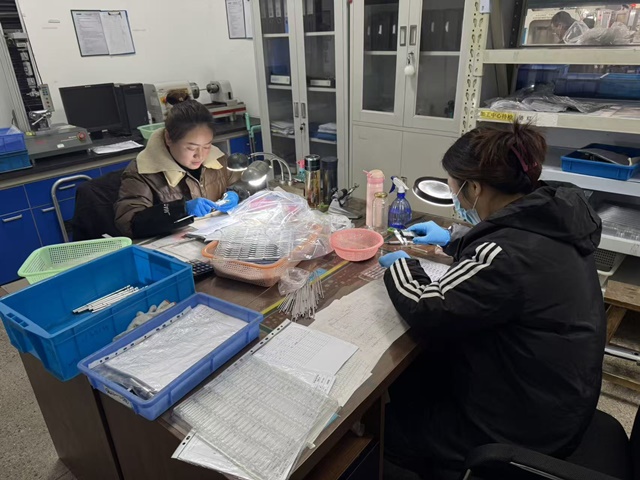
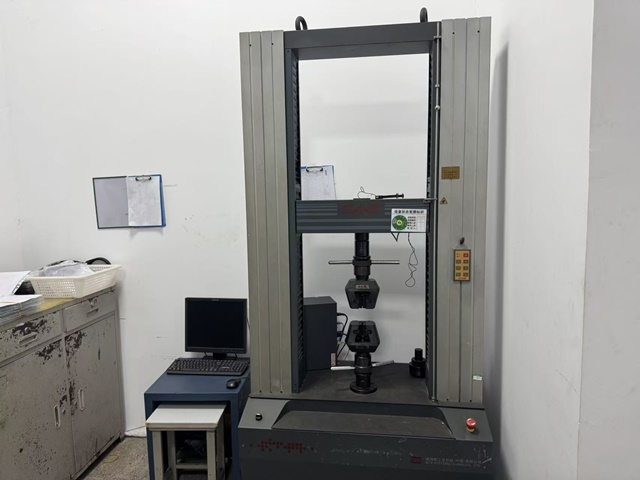
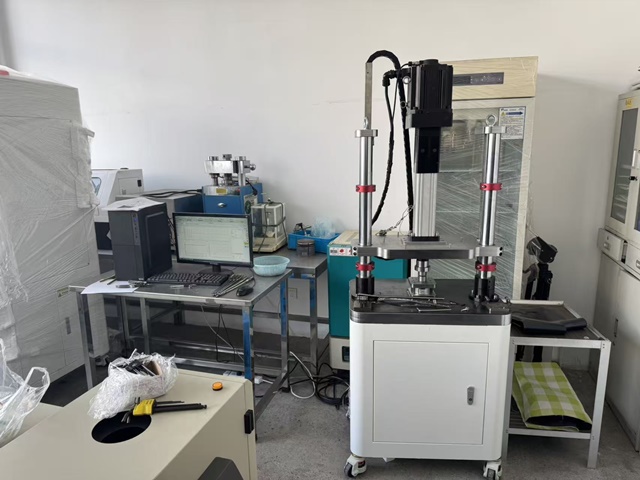
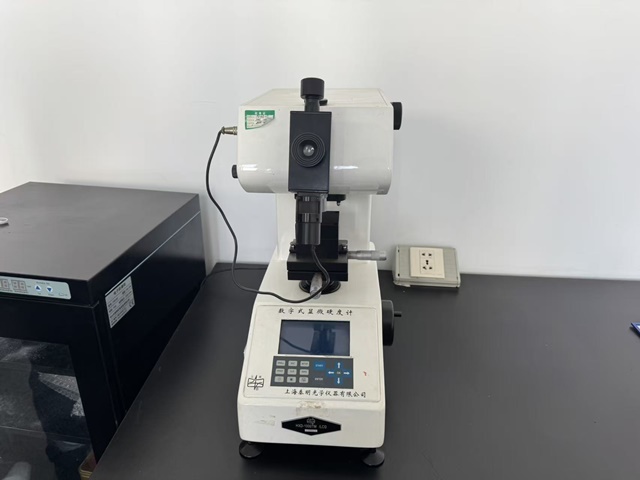
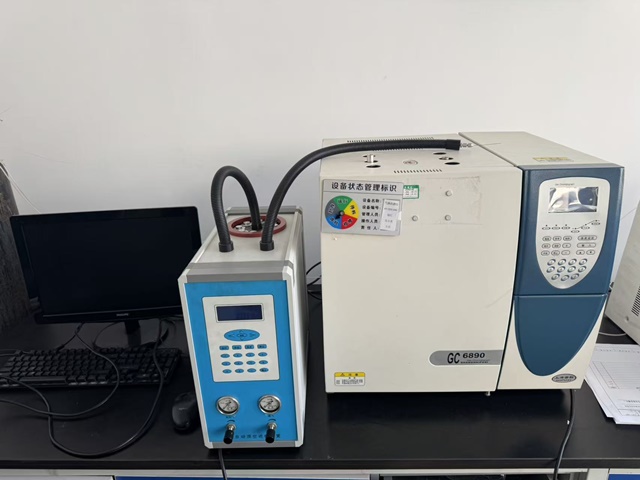
Backed by a team of 42 specialized inspectors, every batch undergoes chemical gas spectrometry verification, Vickers hardness assessment, mechanical fatiguing trials, and vision measurement verification to eliminate micro-fracture defects.
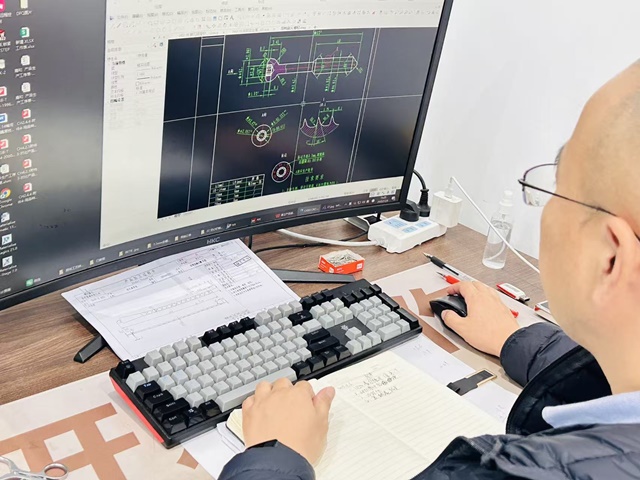
With 85 dedicated in-house mechanical and biomedical engineers, Osteora can transition a CAD prototype into a certified production run within short timeframes. Over 120 new products were added last year to address evolving clinical needs.
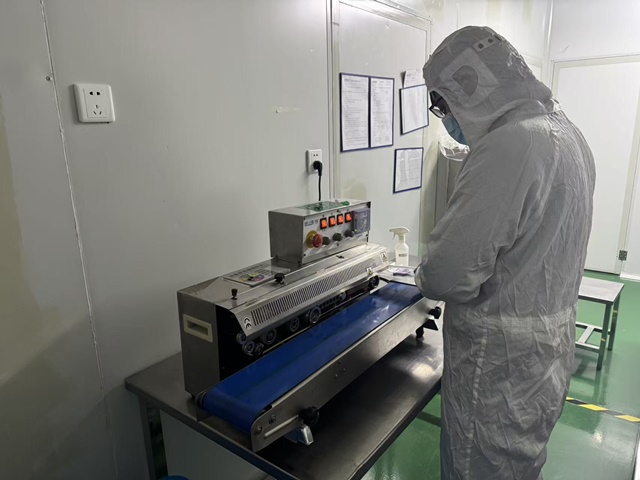
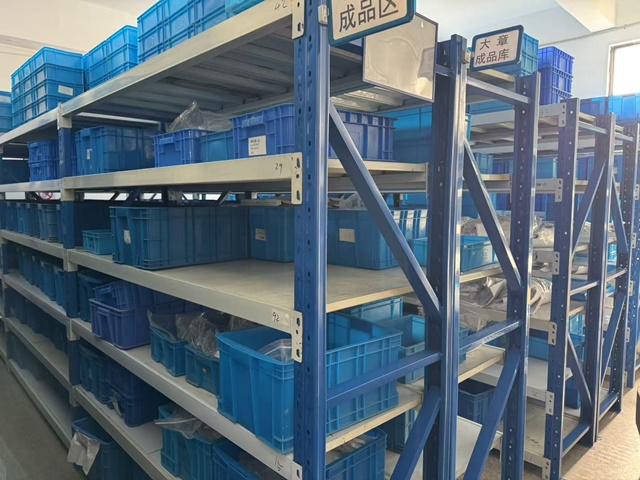
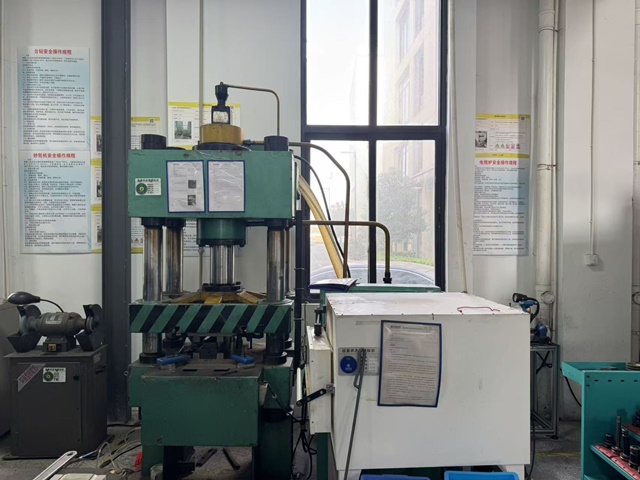
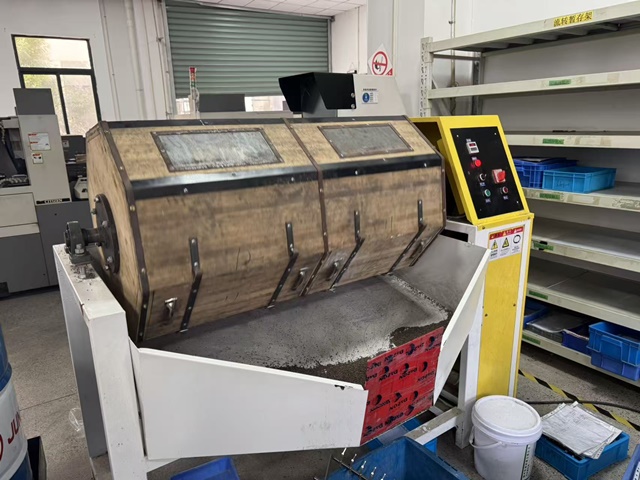
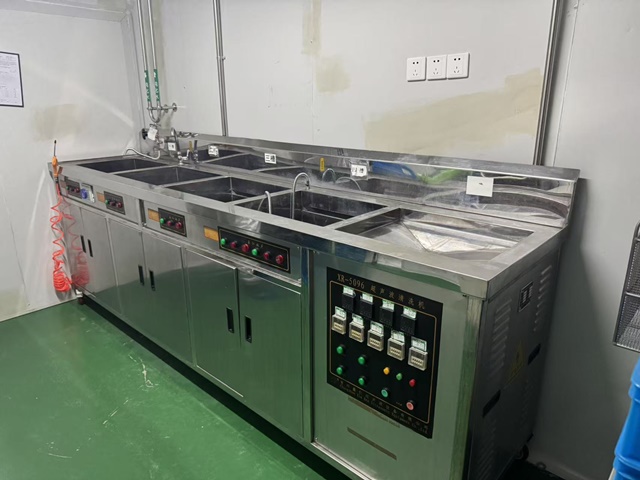
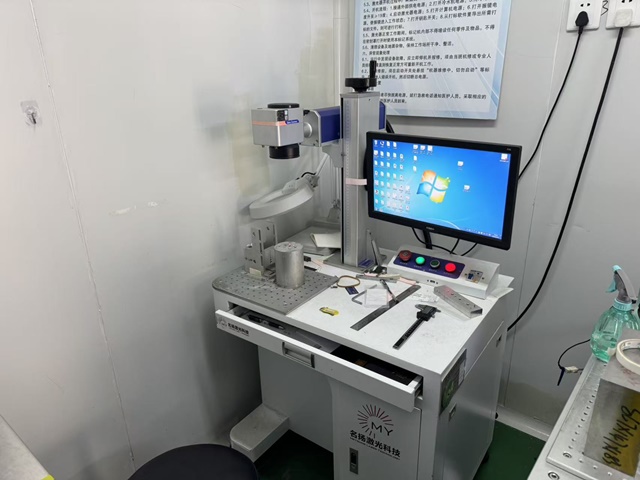
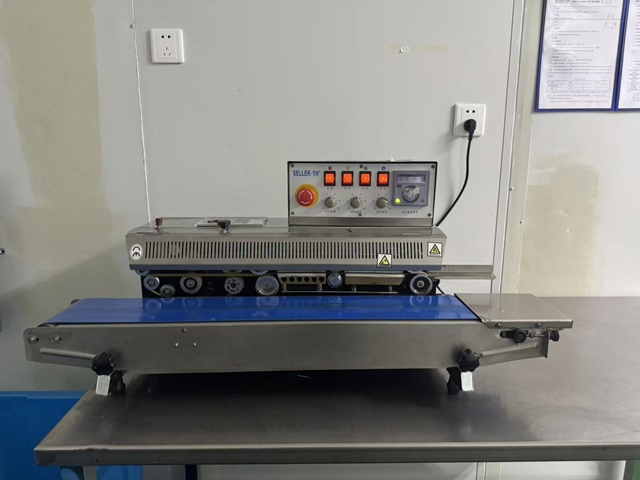
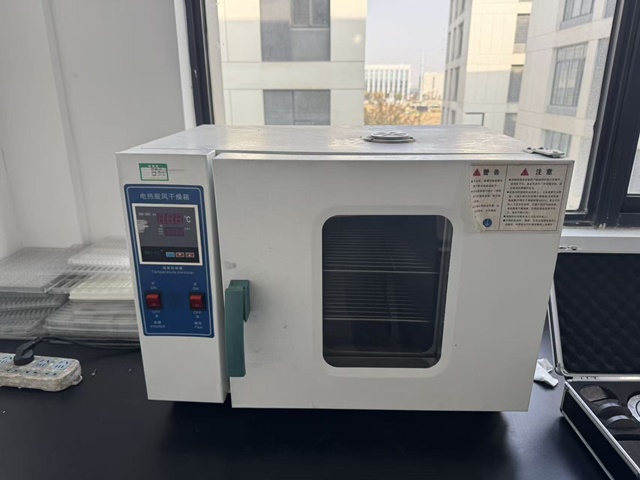
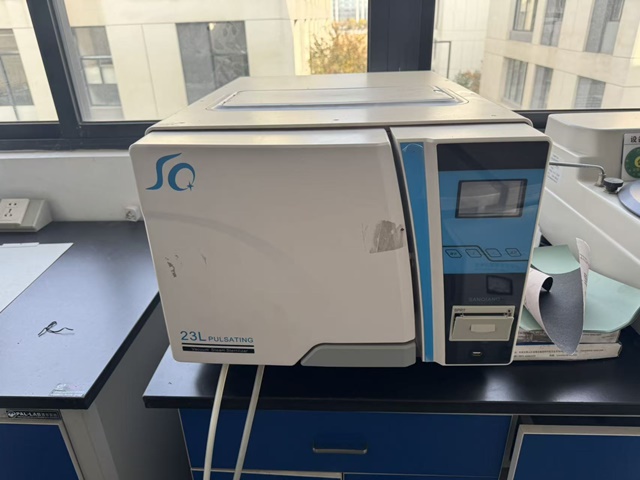
Our manufacturing facility operates under tight ISO 13485 restrictions. Below is the step-by-step production flow, utilizing advanced mechanical tooling and rigorous verification testing:
Small fragment implants are used across distinct clinical settings, each requiring customized instrumentations and tailored plate geometry configurations:
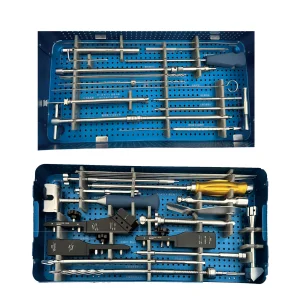
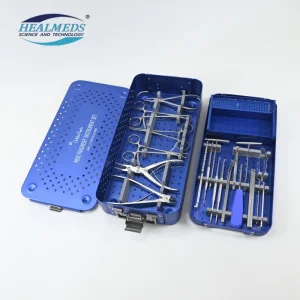
Specialized Level 1 and Level 2 trauma centers require comprehensive, reliable sets (typically 2.7mm/3.5mm systems) with anatomical configurations for distal radius, clavicle, fibula, and humeral fractures. Low plate profiles and rounded borders minimize soft-tissue friction, accelerating post-operative mobility.
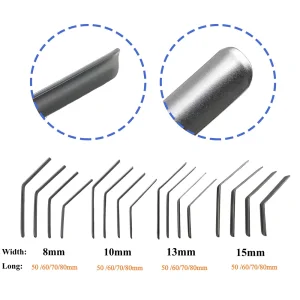
Veterinary clinical work demands robust mini fragment setups (1.5mm, 2.0mm, and 2.4mm configurations). These arrays support small breed dogs and feline fracture fixations. Systems like the QSWTITAN Spine Retractor and Meniscal Repair Blades are essential tools in modern animal surgical facilities.
National healthcare bids prioritize extensive testing dossiers, ISO 13485 certification, reliable scale-up capacity, and clean, double-sterile barrier packaging. Osteora's 42-inspector QC division ensures every batch meets international compliance standards.
When conventional non-locking screws are tightened, they press the bone plate against the periosteum. While this creates friction-induced stability, it can restrict local vascular flow and compromise cortical bone nutrition.
Locking systems feature threaded heads that lock directly into the plate's matching holes. This forms a rigid, single-body construct. The plate does not need to press against the bone to achieve stability, preserving the periosteal blood supply and supporting primary bone healing.
From a mechanical perspective, small fragment locking plates must balance fatigue resistance with optimal flexibility. High rigidity can cause stress shielding, where the plate bears all the load, leaving the underlying bone understressed and prone to osteopenia.
Osteora addresses this by using certified Grade 5 Titanium (Ti-6Al-4V). Titanium offers an elastic modulus closer to cortical bone than stainless steel, reducing stress shielding. In addition, its natural bio-inertia and rapid osseointegration properties minimize chronic inflammatory responses, resulting in superior clinical outcomes.
Key technical answers compiled by our product engineering and regulatory departments for global procurement specialists:
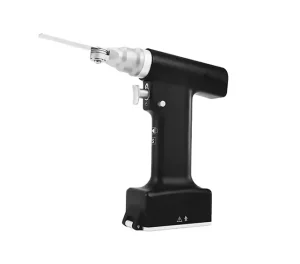
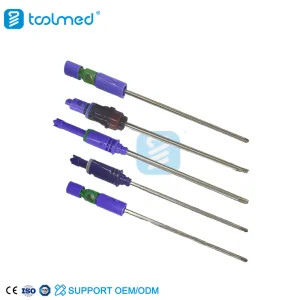
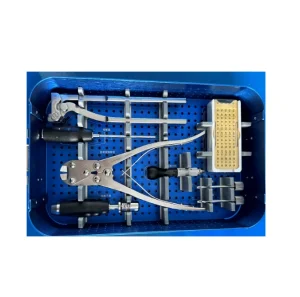
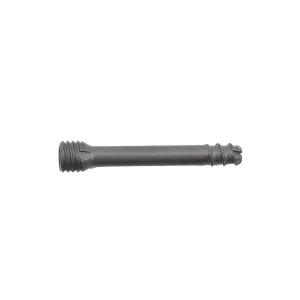
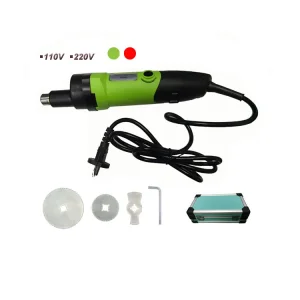
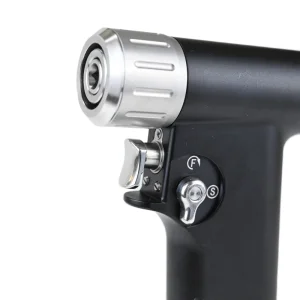
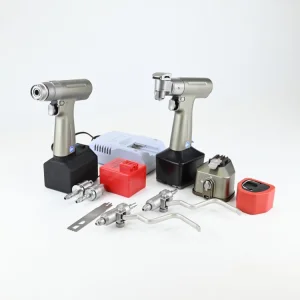
Explore our complete range of surgical power drills, specialized reconstructive components, and orthotic accessories: