Osteora
Osteora
Osteora
High-precision implants engineered for trauma, reconstruction, and spinal fusion surgeries.
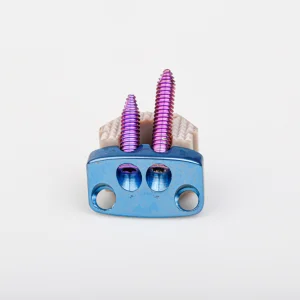
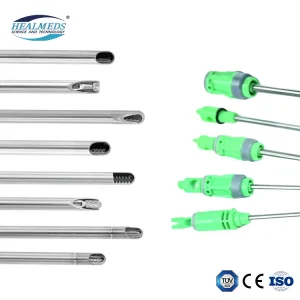
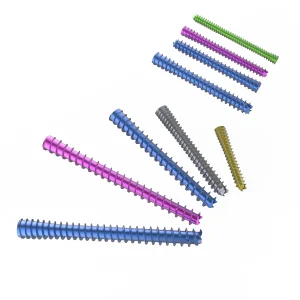

Founded in 2016, Osteora Medical Devices Co., Ltd. has established itself as an elite global manufacturer and exporter of orthopedic implants and surgical instruments. Specializing in advanced trauma systems, spinal reconstruction systems, and complex joint replacements under the proprietary brand Osteora, the enterprise drives technological breakthroughs that improve clinical outcomes across international healthcare ecosystems.
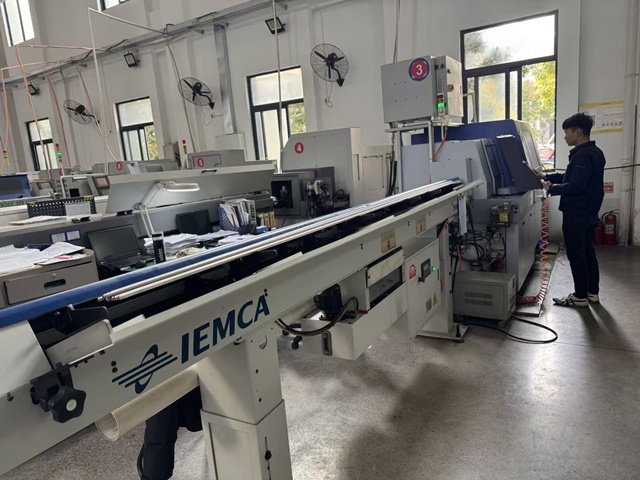
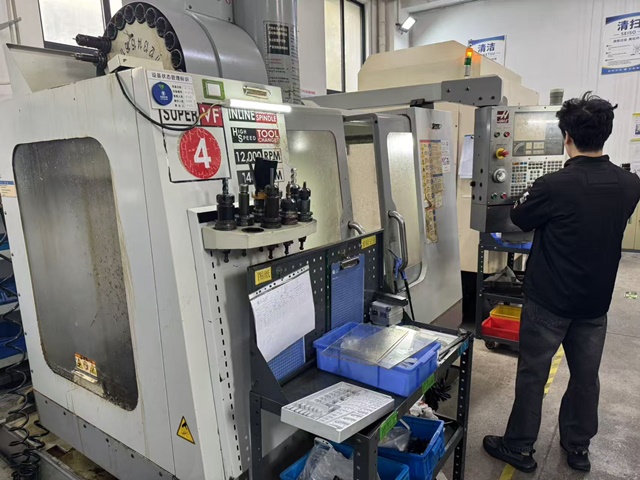
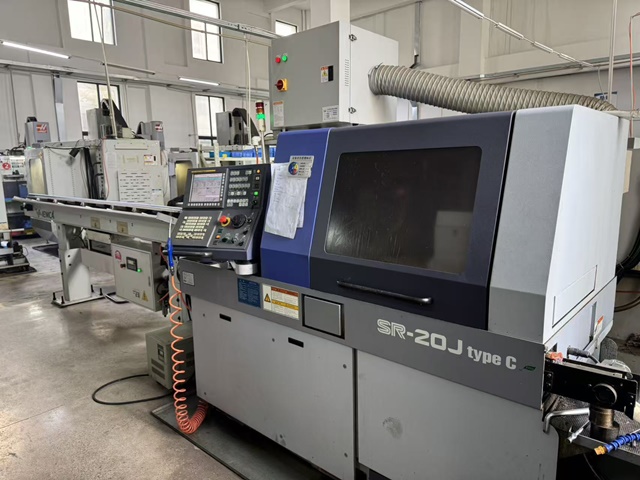
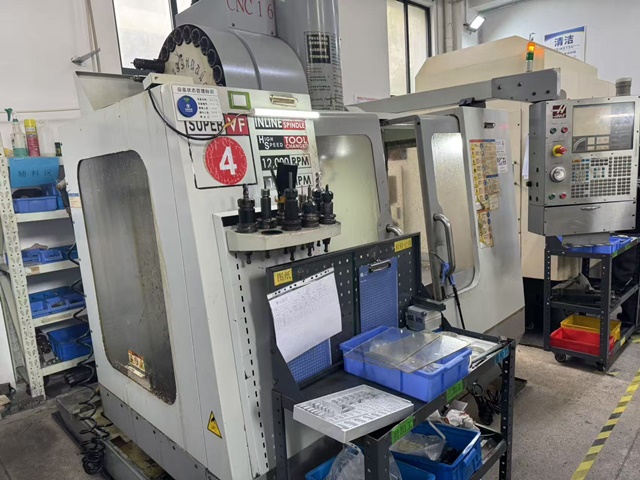
Spanning an impressive, integrated footprint of 18,500 square meters, our state-of-the-art facility integrates advanced engineering, precision Swiss-type lathes, HAAS CNC machining, and biological testing cleanrooms. Over our 12 years of industry expertise, paired with 8 years of direct export trade experience, we have consistently met the demand for customized medical solutions with high cost-efficiency and clinical reliability.
Osteora operates with a robust capital base and steady international trade performance, reaching an annual export value between USD 6 million and 14 million. Our extensive network services primary medical markets in Europe, Southeast Asia, South America, and the Middle East, making Osteora a recognized manufacturing hub for demanding medical distributors and multi-specialty clinical institutions.
Understanding the transition from monolithic implants to customized modular systems under evolving regulatory landscapes.
The global market for orthopedic implants is witnessing an unprecedented architectural transition. Traditional monolithic joint systems and bone plates are increasingly being superseded by modular orthopedic implant systems. Modularity allows orthopedic surgeons to intraoperatively customize structural layouts—such as altering head-neck offset lengths in hip arthroplasty or matching patient-specific vertebral curvature profiles in spinal fusion surgeries. This paradigm shift minimizes patient anatomical rejection, optimizes biomechanical load distributions, and accelerates post-operative rehabilitation timelines.
By decoupling the component segments (e.g., utilizing interchangeable acetabular liners, femoral stems, and variable cervical fusion spacers), modularity allows orthopedic assemblies to match complex structural stress lines, lowering rates of revision surgeries due to stress shielding.
Global regulatory bodies like the European Union (under MDR) and the US FDA require high-order validation of raw materials. Biocompatible Titanium alloys (Grade 5, Ti-6Al-4V ELI) and PEEK (Polyetheretherketone) polymers have become industry benchmarks for chemical inertness and corrosion resistance.
Hospitals globally are struggling with healthcare operational expenses. B2B procurement managers now target direct-from-factory partnerships in major production corridors, such as China, to bypass intermediary markups while retaining full regulatory compliance.
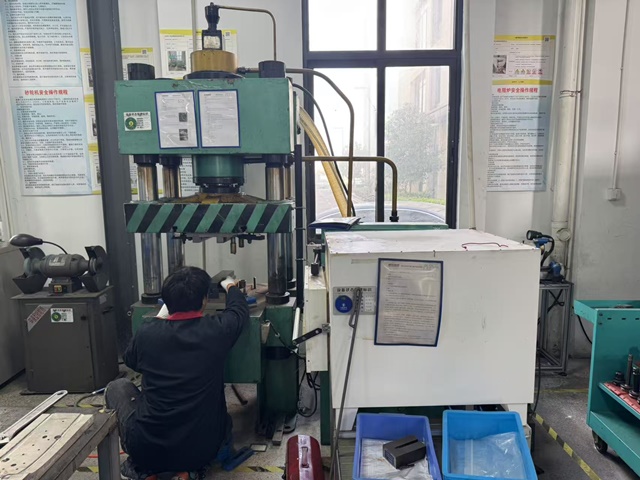
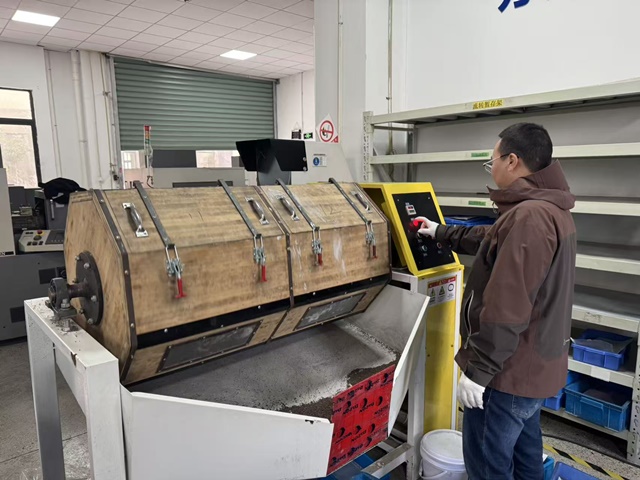
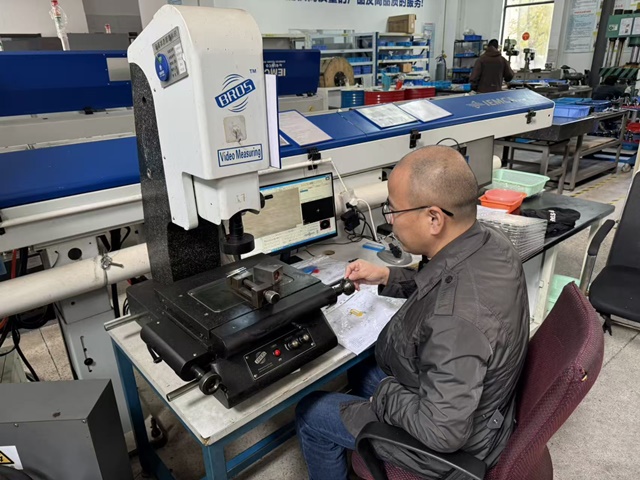
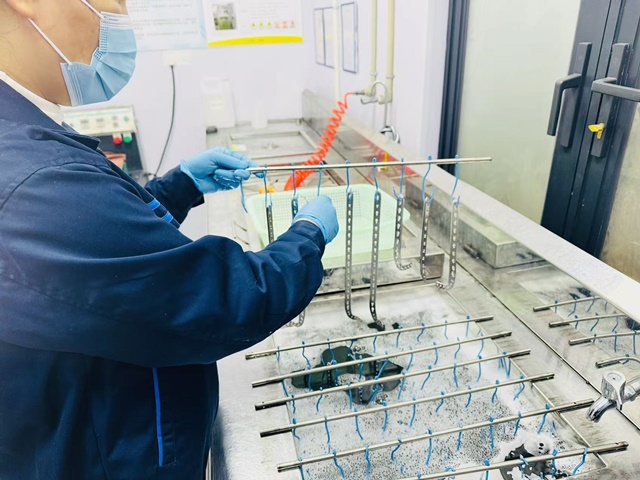
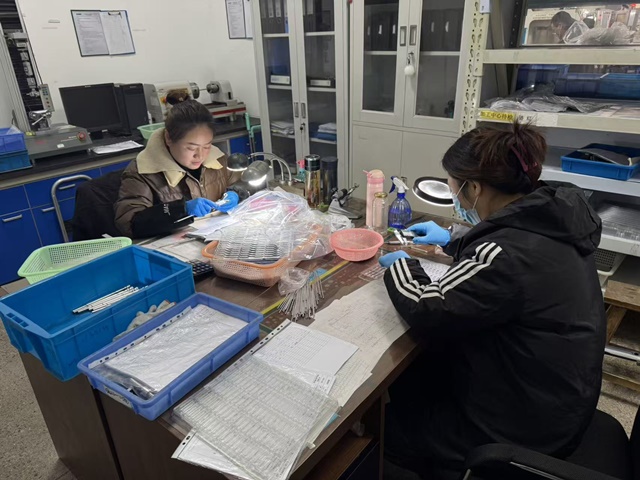
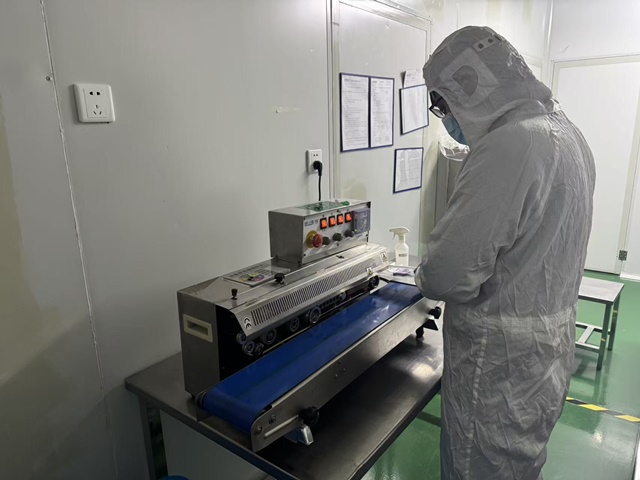
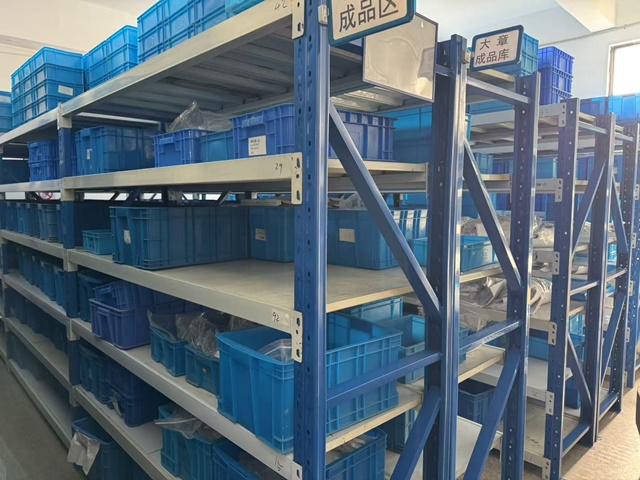
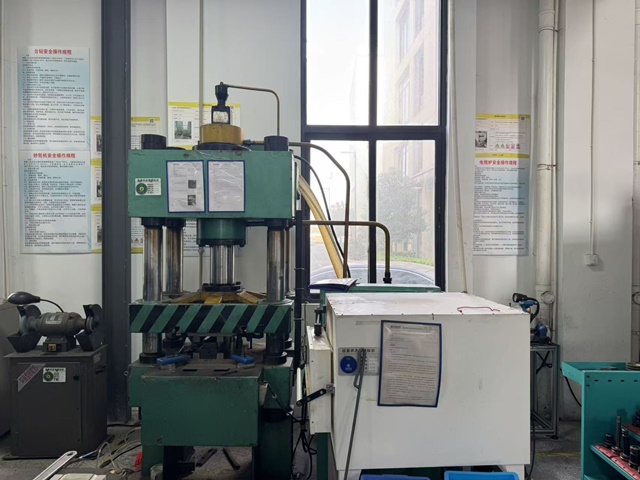
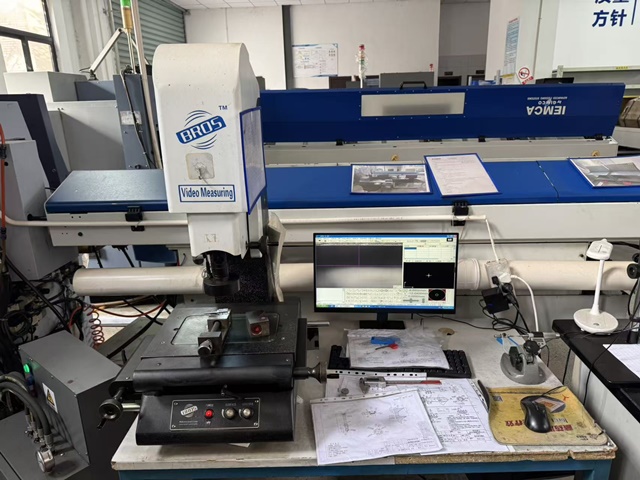
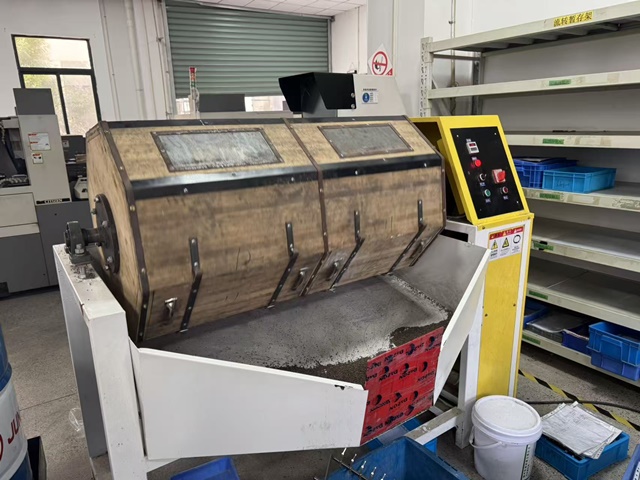
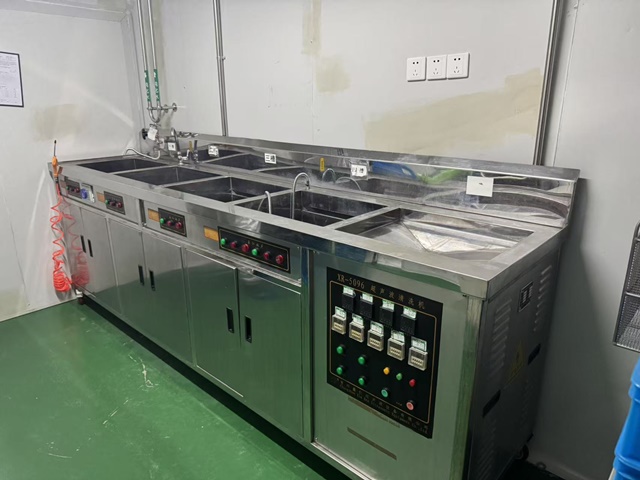
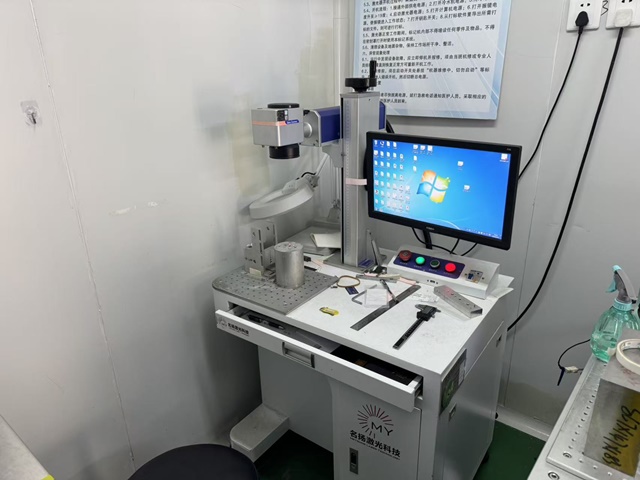
Every step in our ISO 13485-certified manufacturing process is designed to guarantee dimensional accuracy and biocompatibility.
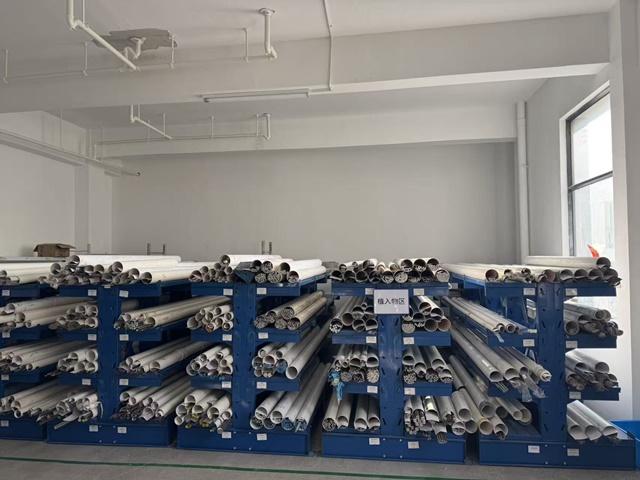
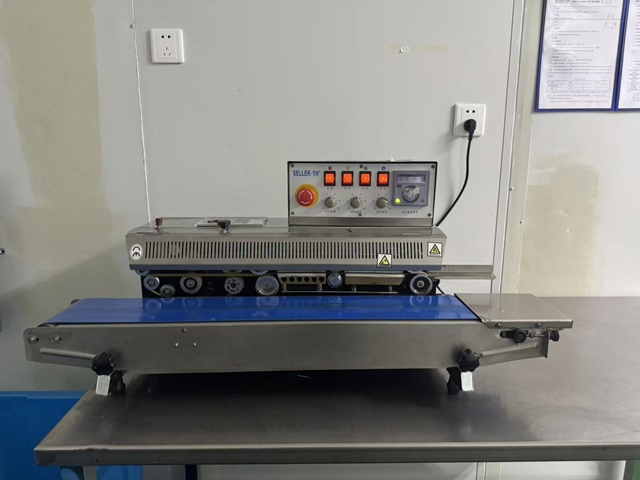
Why sourcing modular implants from direct Chinese manufacturers is strategically advantageous for global buyers.
Understanding the business benefits of sourcing from China requires looking beyond basic production cost sheets. Modern clinical orthopedic supply chains depend on speed-to-market, raw material availability, and production capacity. Osteora leverages China's industrial clusters to provide a reliable, efficient supply chain for modular medical devices.
Osteora works with a network of 1,200 certified partner suppliers. This ecosystem guarantees immediate access to certified Titanium rods, PEEK polymers, high-durability UHMWPE liners, and specialized surgical-grade stainless steels without global shipping delays.
With 18,500 square meters of production space, we run simultaneous manufacturing lines for trauma plates, spinal cages, and joint prostheses. This setup prevents operational bottlenecks, allowing us to manage bulk purchase orders with short lead times.
Sourcing from a direct exporter reduces intermediary margins. The savings are reinvested directly into quality control processes and automated machinery like HAAS CNC units, delivering premium quality at competitive price points.
Modulating patient care to align with specific regional medical guidelines and demographic profiles.
Customizable implants must adapt to the medical guidelines, surgical practices, and biological traits of different regional populations. Osteora designs systems to meet these specific clinical needs:
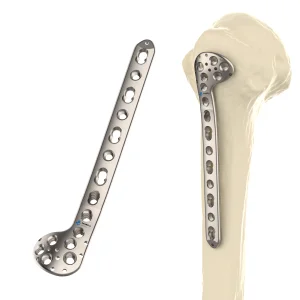
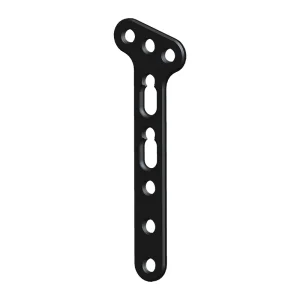
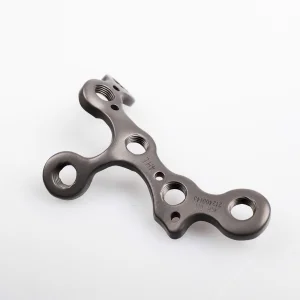
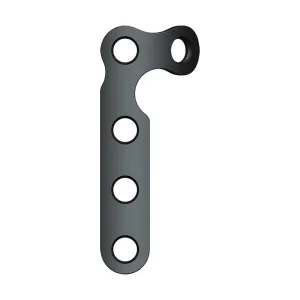
Bone geometries vary across demographics. Osteora's Anatomic Plate Systems for hand, foot, and distal limbs are contoured to fit specific regional bone profiles, reducing the need for intraoperative plate bending by surgical teams.
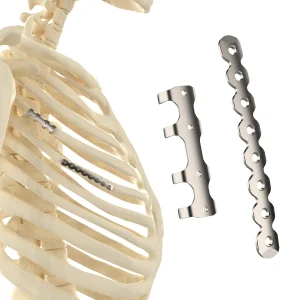
For chest reconstruction, the Titanium Rib Locking Plate System provides customizable fixation. It offers the flexibility needed to match rib contours, supporting thoracic stability and patient comfort during recovery.
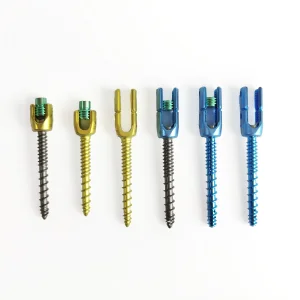
Our Cervical Fusion Cages and Interspinous Spacers utilize advanced titanium and PEEK materials, offering structural options that help surgeons restore natural disc height and lordotic angles.
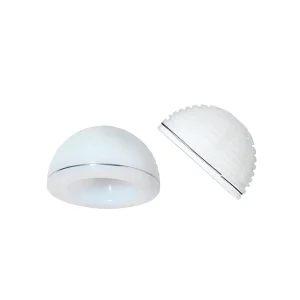
In hip reconstruction, the Dual Mobility Acetabular Cup System helps reduce post-operative dislocation risk in active patients, providing structural stability and an improved range of motion.
How our in-house engineering and testing protocols ensure safety and compliance with international standards.
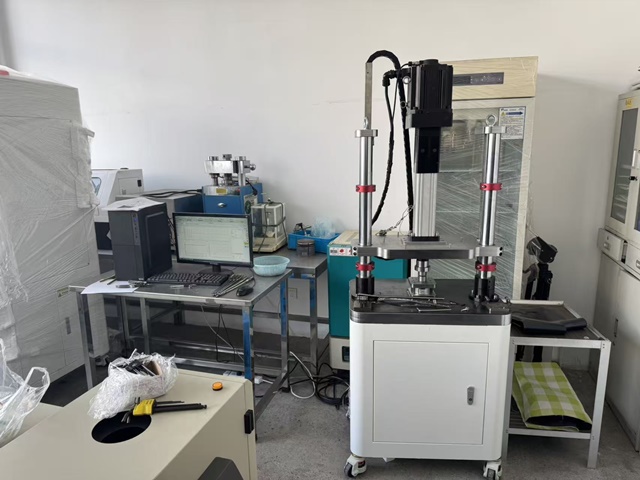
The R&D division at Osteora consists of 85 dedicated engineering specialists. This team focuses on mechanical design, material science, and mechanical testing, ensuring every implant matches natural bone performance under load.
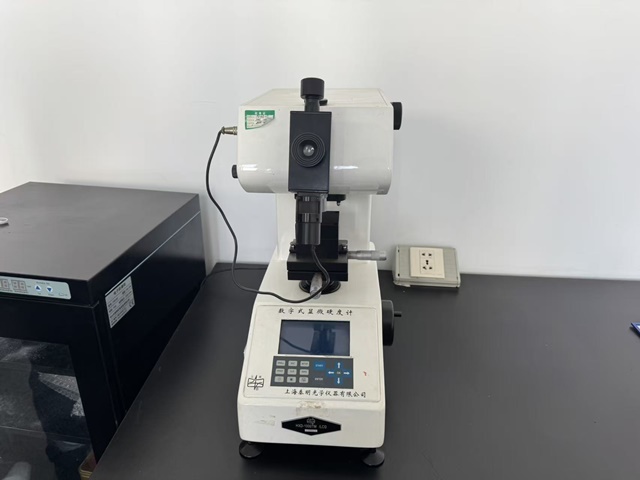
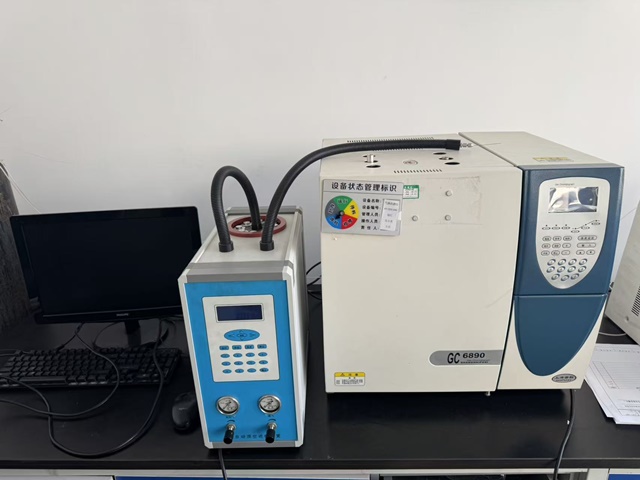
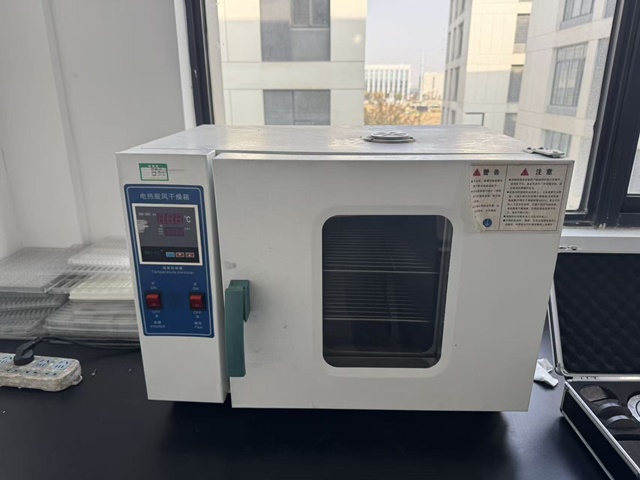
Our quality assurance team includes 42 specialized inspectors. They use advanced testing methods to verify material properties, dimensional accuracy, and mechanical strength before dispatch:
Through this continuous R&D focus, Osteora introduced 120 new products last year, showing our commitment to updating and expanding our clinical portfolio.
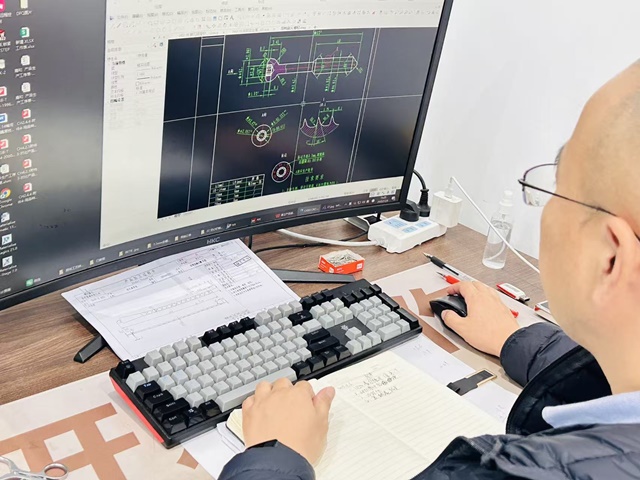
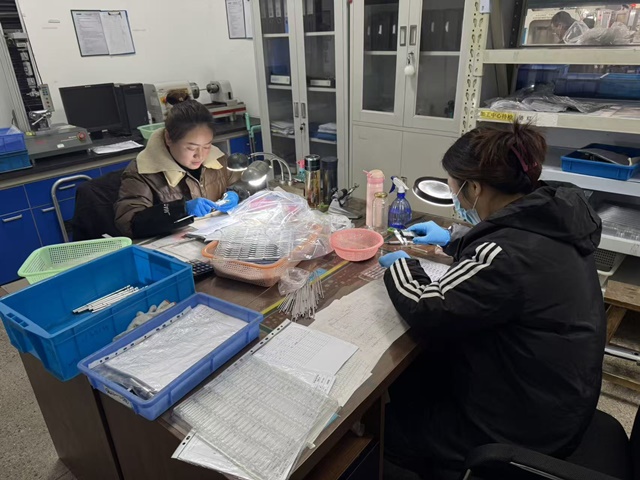
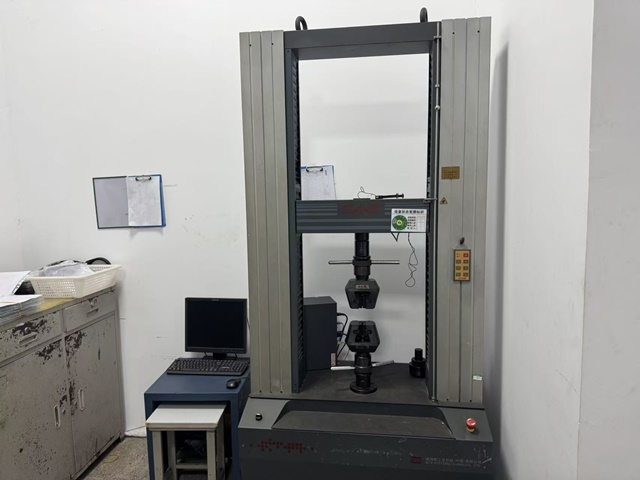
The future of reconstructive surgery lies in advanced surface finishes, custom 3D printing, and smart sensor integration.
Moving from subtractive CNC machining to laser powder bed fusion (3D metal printing) enables the production of custom porous structures. These designs support natural bone ingrowth and improve long-term implant stability.
Developing bioactive finishes, such as hydroxyapatite and plasma-sprayed coatings, to improve bone integration and reduce the risk of implant loosening over time.
Researching bioabsorbable implants for temporary fixation, such as pediatric plates and anchors, which dissolve naturally in the body and eliminate the need for removal surgeries.
Integrating miniature strain sensors into trauma assemblies to track real-time bone healing progress, helping clinicians optimize post-operative load-bearing plans.
Meeting international healthcare regulatory requirements with dedicated customer support.
Our manufacturing lines operate under ISO 13485 quality management systems. Osteora trauma, spine, and joint products carry CE marking, meeting strict safety and performance criteria. We manage cleanroom assembly, sterilization preparation, and trace markings using UDI laser protocols, helping distributors navigate local import requirements.
Osteora provides tailored OEM and ODM solutions to meet specific market demands. From adjusting anatomical dimensions and materials (such as PEEK or Titanium) to custom packaging and private labeling, our R&D and engineering teams support your product requirements from design to final delivery.
Technical and commercial answers for healthcare providers, clinical procurement managers, and distributors.
Engineered for durability and anatomical alignment in demanding surgical procedures.