Osteora
Osteora
Osteora
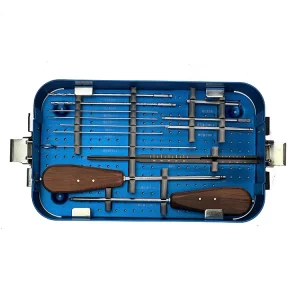
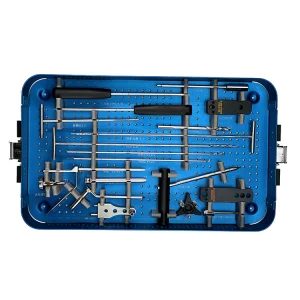
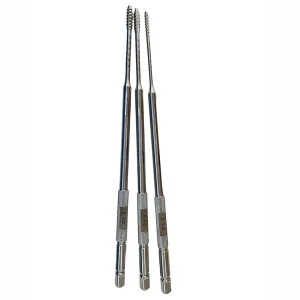
Explore our foundational range of precision-manufactured spinal instrument systems, orthopedic sutures, and surgical kits designed for seamless clinical workflow.
An in-depth review of advanced material processing, clinical alignment, and supply chain efficiencies in orthopedic instrument set manufacturing.
The global demand for orthopedic surgical solutions has entered a phase of rapid technical evolution, spurred on by aging demographics, expanding access to spine procedures, and the continuous refinement of minimally invasive surgery (MISS) protocols. At the core of these clinical advancements is the instrumentation. Spinal fusion cages, posterior laminoplasty plate systems, pedicle screws, and complex thoracic/lumbar instrument sets must deliver absolute precision, absolute durability, and absolute biocompatibility. For global medical device distributors, sourcing hubs, and hospital purchasing groups, choosing the right manufacturing partner is not merely a question of unit economics; it is a critical clinical risk decision.
Osteora Medical Devices Co., Ltd. stands at the forefront of this sector. Founded in 2016, the company has built its reputation upon meticulous engineering, extensive material science verification, and rigorous quality control. Operating from an integrated 18,500㎡ production, assembly, and testing facility, Osteora has combined 12 years of industry expertise with 8 years of international export experience to yield reliable, highly competitive spinal solutions. With export structures driving annual revenues between USD 6 million and 14 million, Osteora has successfully bridged the gap between state-of-the-art Chinese medical manufacturing capacity and the strict regulatory, clinical, and mechanical requirements of the European, Southeast Asian, Middle Eastern, and South American markets.
By integrating 85 specialized research and development engineers with an analytical testing suite that checks for everything from mechanical fatigue limits to biocompatibility validation, Osteora has achieved a high degree of vertical integration. The launch of over 120 new products in the last calendar year alone demonstrates a robust pipeline designed to match rapid changes in orthopedic surgical protocols.
Why modern, vertically integrated Chinese facilities lead the global supply chain in high-precision orthopedic instruments.
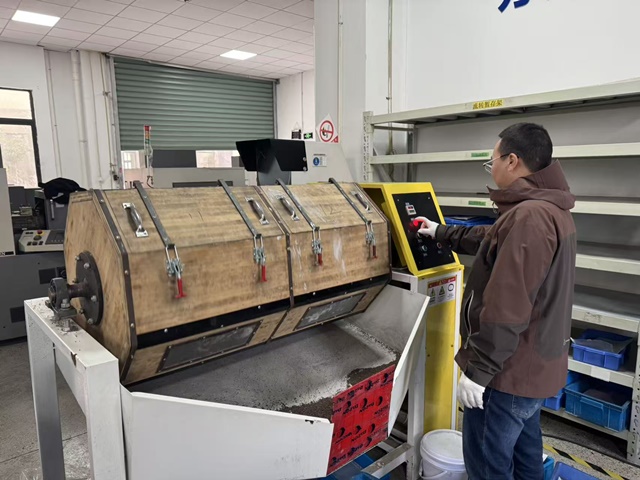
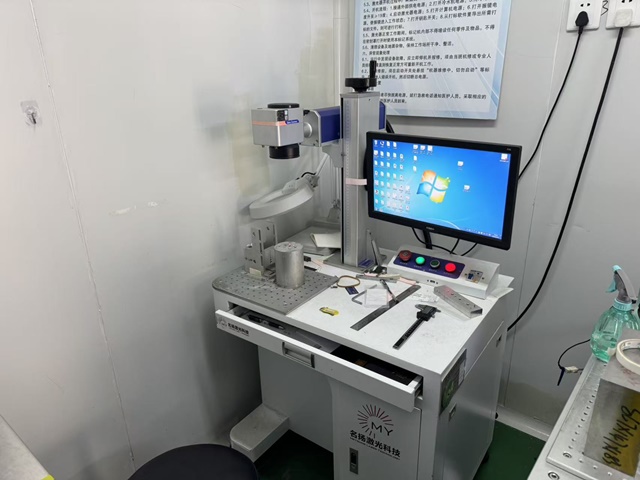
Utilizing high-end Swiss-type lathes, HAAS CNC milling centers, and specialized grinding machinery. Our production process maintains geometric tolerances within single-digit micrometer margins, ensuring perfect mechanical coupling in spinal implant assemblies.
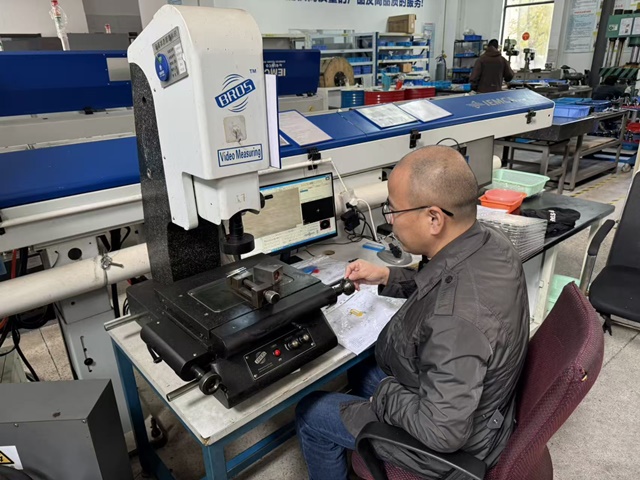
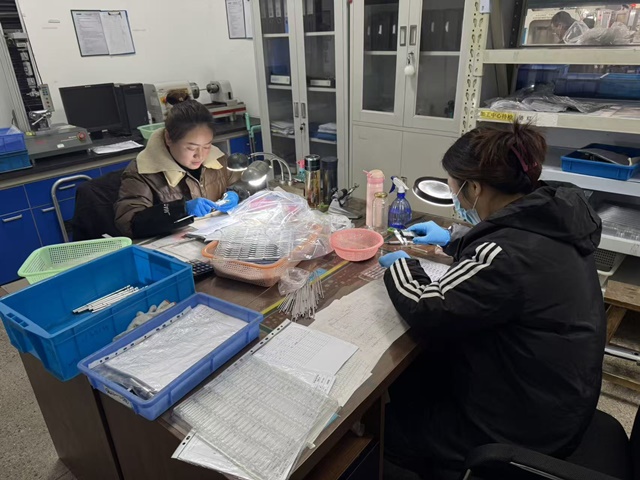
Backed by 42 dedicated quality control inspectors. The inspection pipeline utilizes vision measuring instruments, Vickers hardness testers, and gas spectrometers. All processes are fully aligned with ISO 13485 standards for comprehensive tractability.
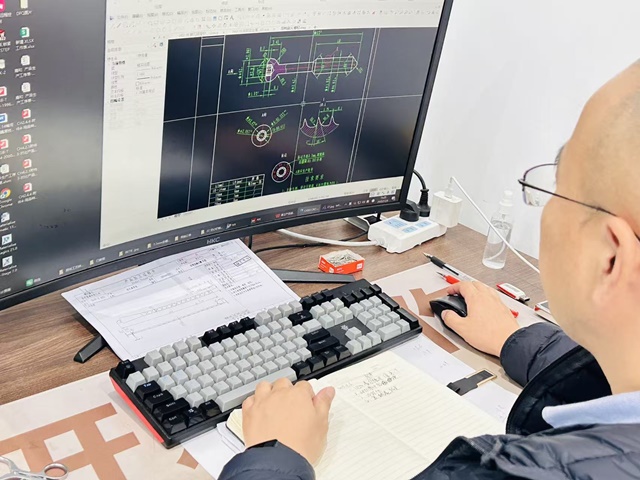
From design blueprints and designer drawing reviews to mechanical fatigue testing, Osteora tailors implants and tool sets based on custom sizing, alloy compositions (Grade 5 Titanium, PEEK), and custom-tailored private labeling requirements.
The manufacturing capabilities in modern Chinese orthopedic clusters have transitioned from simple component replication to complex, design-forward development. By sourcing medical-grade raw materials directly and maintaining close relationships with roughly 1,200 downstream and upstream partners, Chinese manufacturers can rapidly ramp up production capacity. This robust industrial network prevents material bottlenecks and keeps lead times predictable, despite volatile market fluctuations. Whether fabricating complex posterior cervical laminoplasty plates, porous 3D-printed spinal fusion cages (TLIF, PLIF, ALIF), or specialized veterinary implants, the technical and structural cost benefits remain unparalleled.
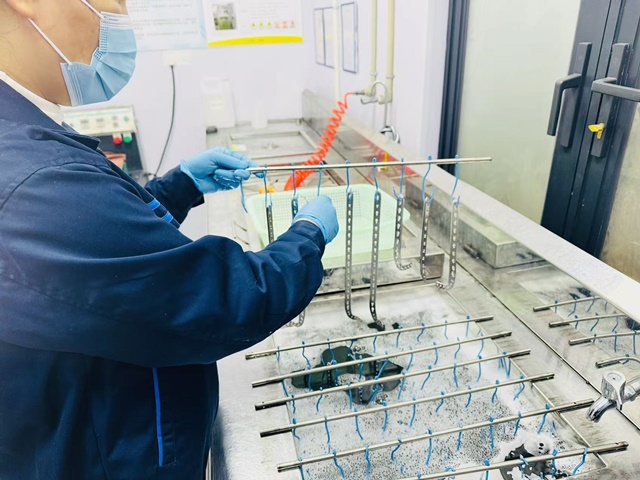
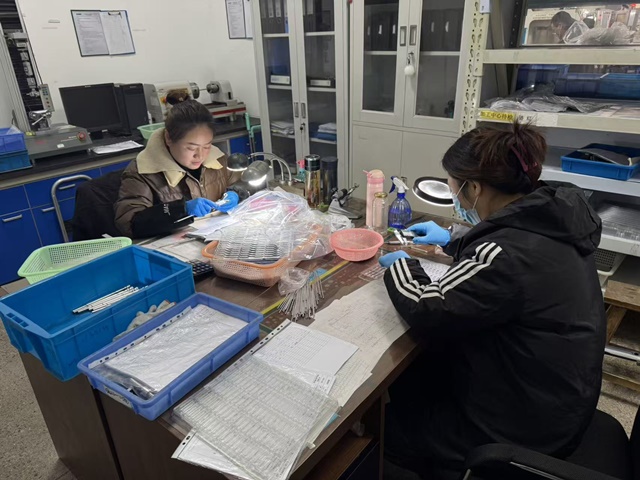
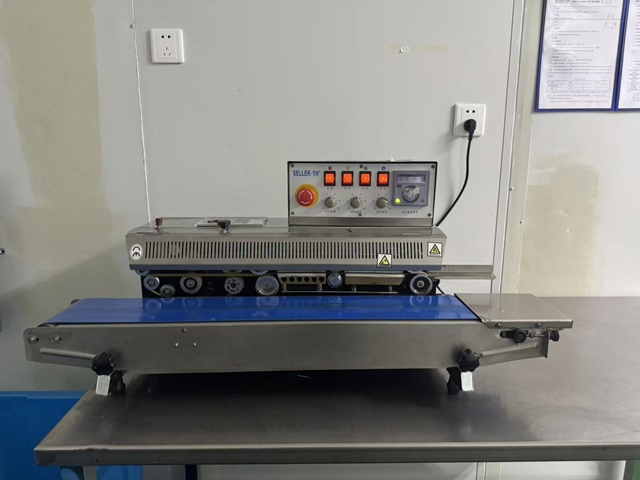
A transparent look inside our 18,500㎡ facility, showcasing the steps, equipment, and validation technologies used to secure mechanical perfection.
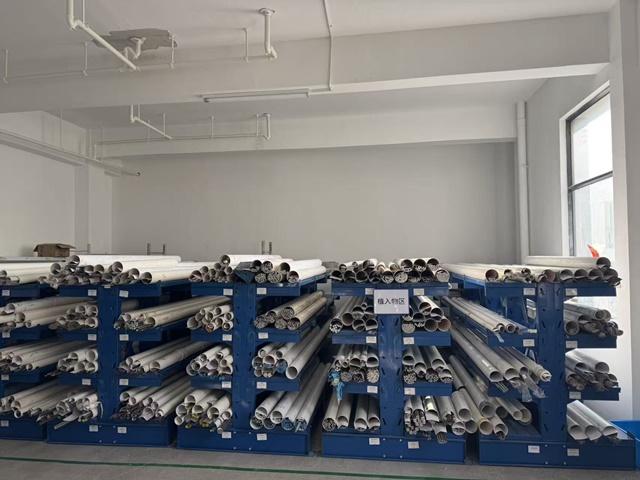
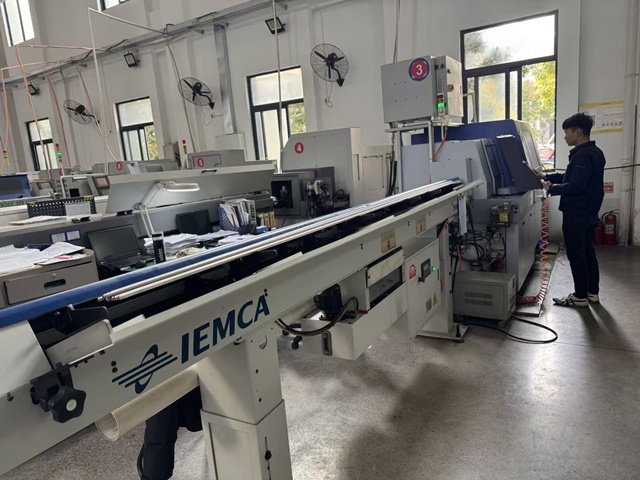
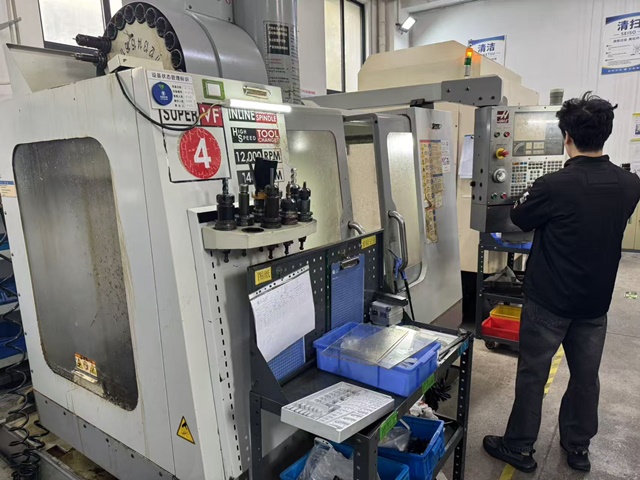
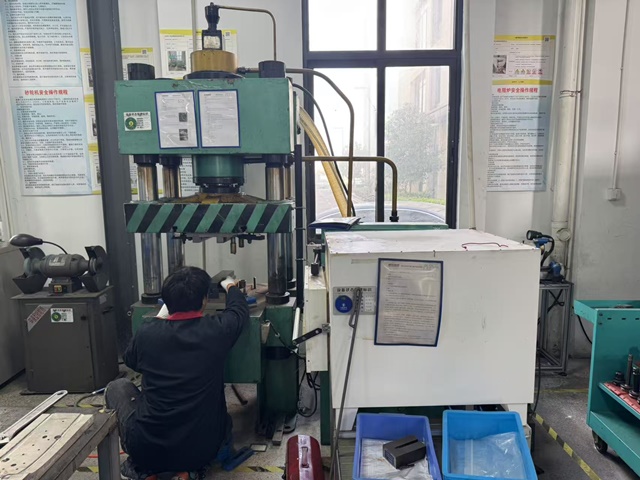
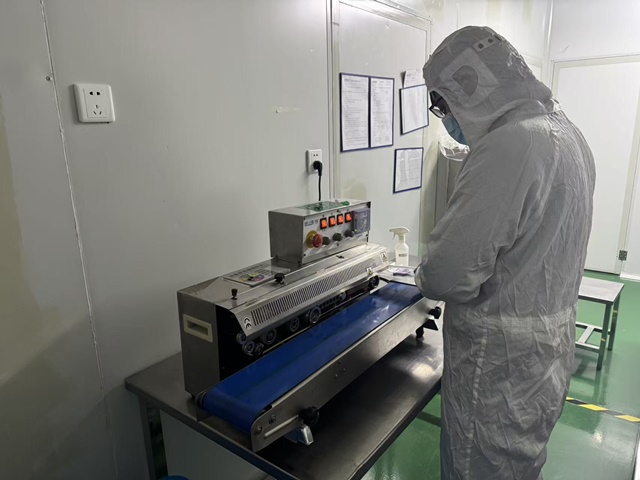
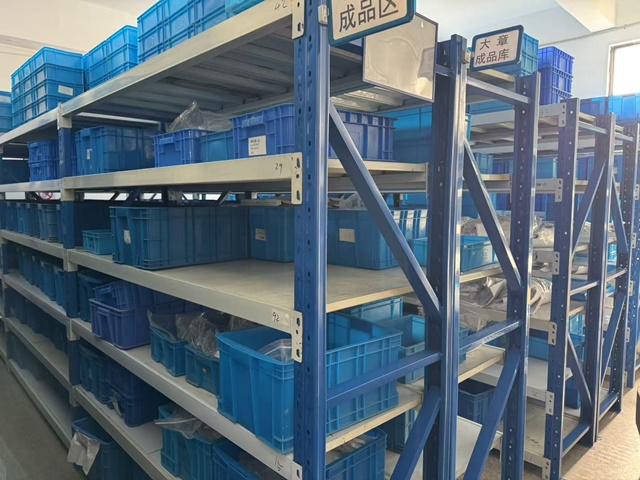
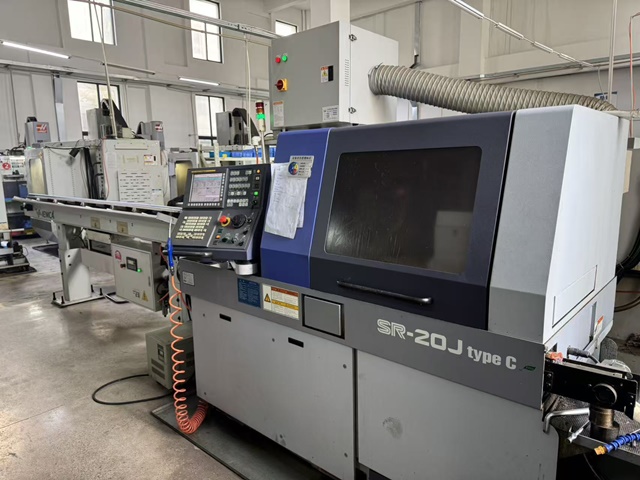
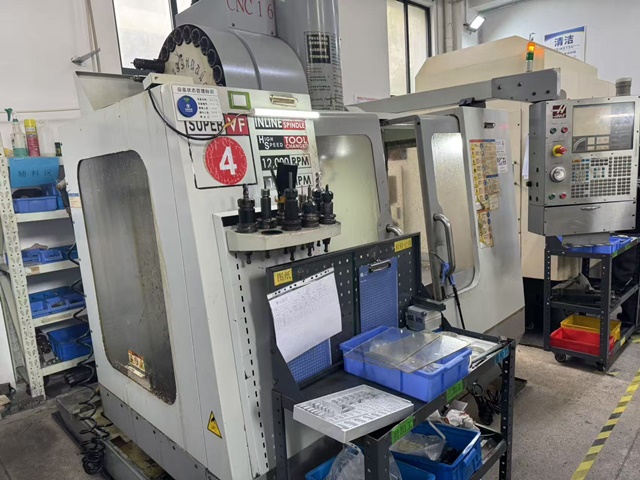
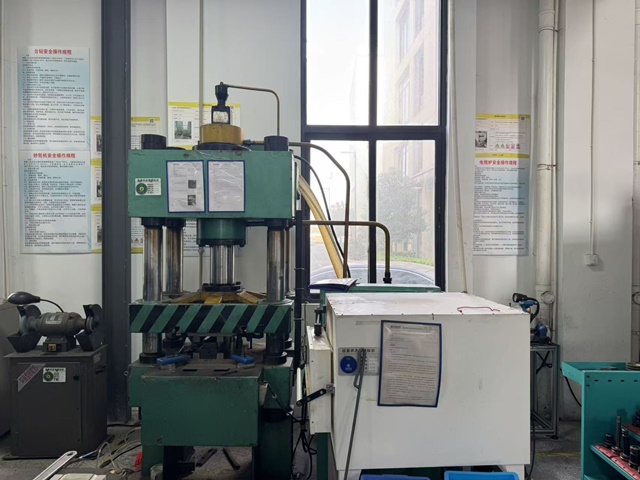
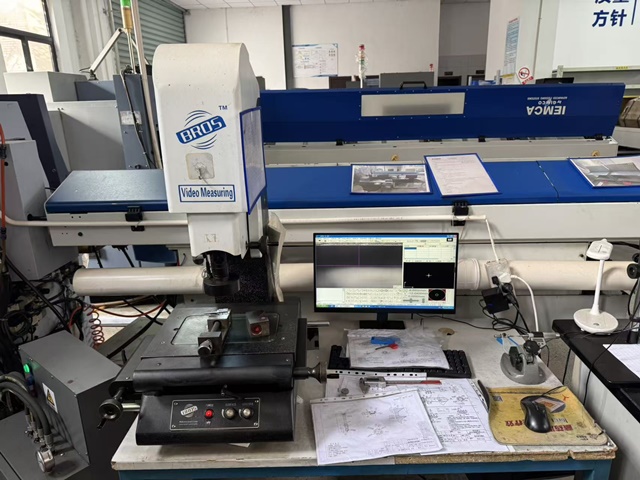
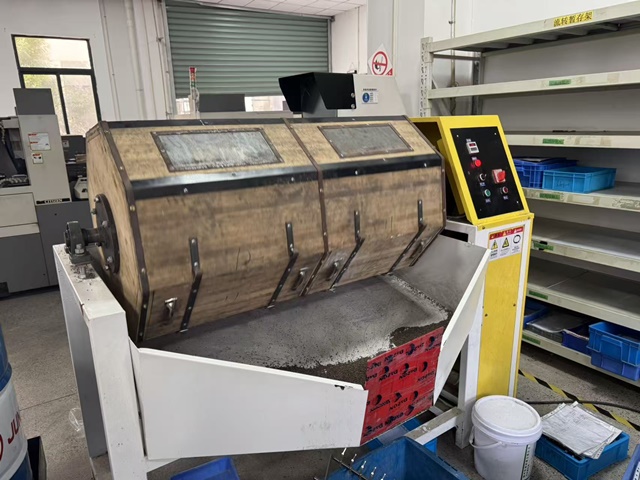
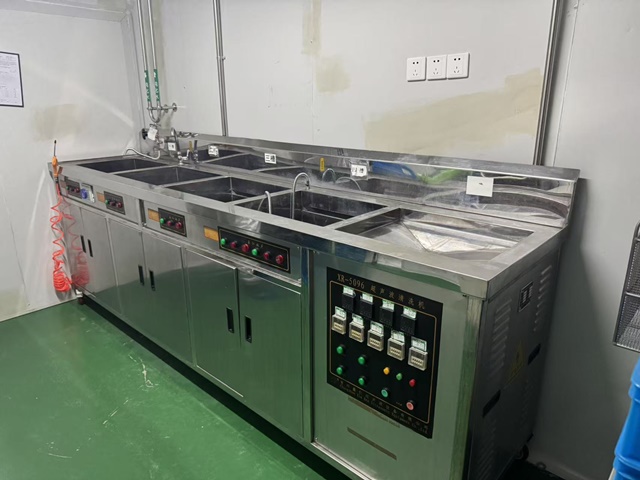
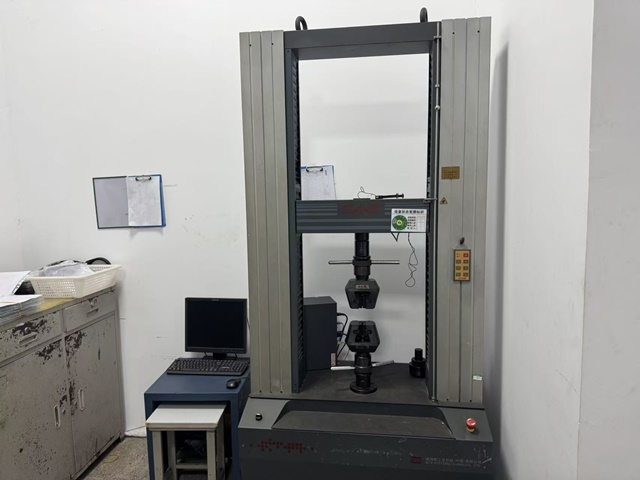
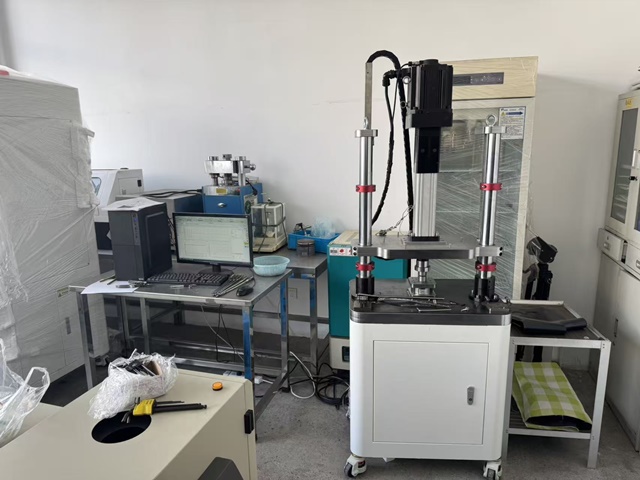
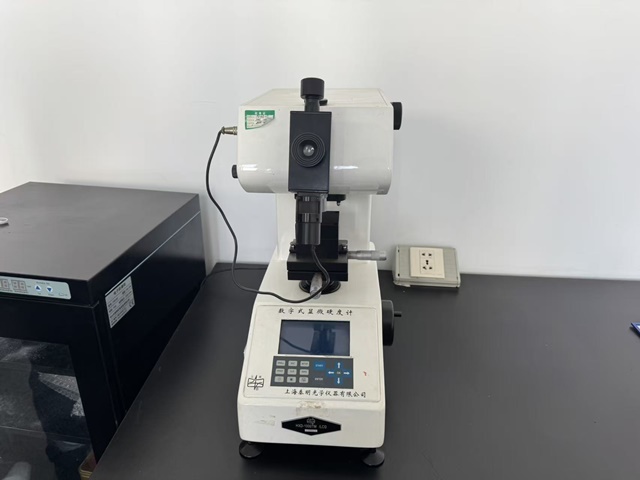
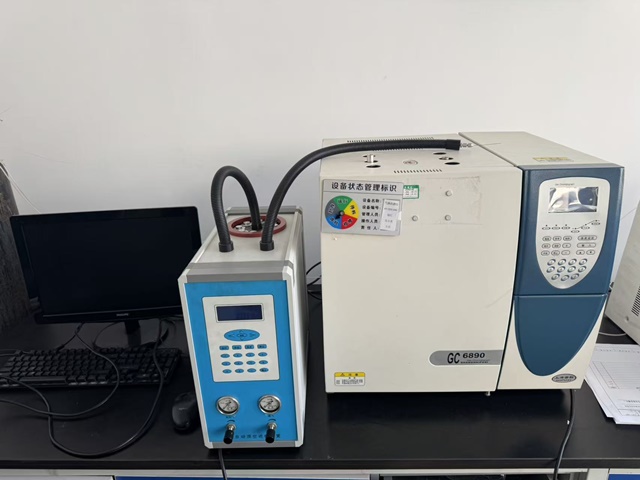
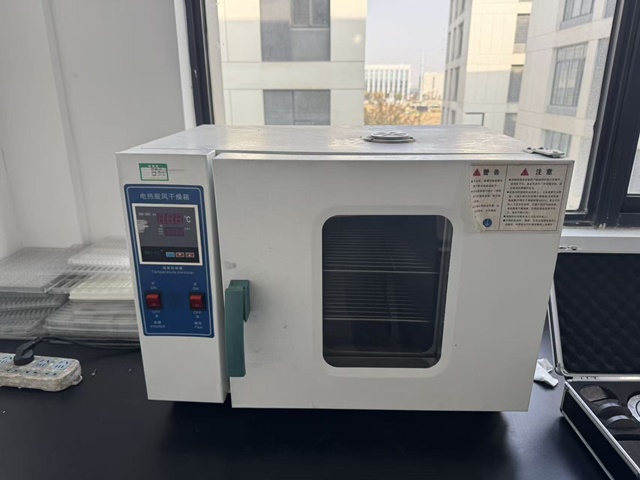
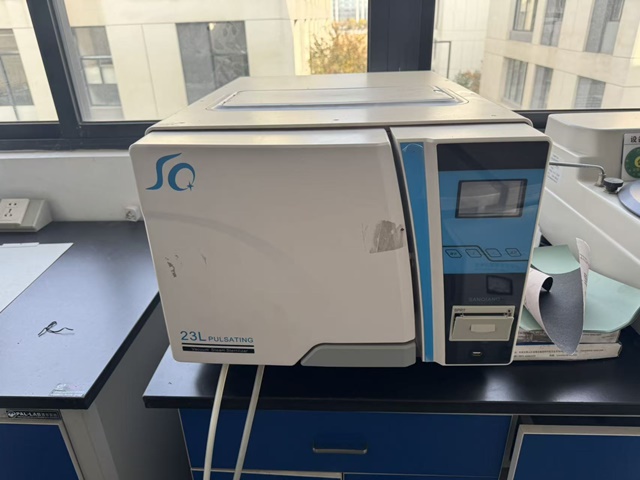
Adapting manufacturing strategies to match future spinal technologies, regulatory requirements, and local target market requirements.
Enterprise medical buyers prioritize trace-ability, material purity, and lead time reliability. The transition toward non-sterile and sterile medical packaging demands that manufacturers present highly standardized logistics networks. As hospital groups implement value-based healthcare, manufacturing centers must drive down production costs while continuously verifying surgical safety profiles.
Our global partnerships spanning Europe, Southeast Asia, South America, and the Middle East rely heavily on our deep regulatory understanding, ensuring compliance with local ministries of health. Our 42-inspector quality control team performs in-process inspections, final random sampling, and dimensional measurements for every single production batch.
The spinal surgery landscape is shifting rapidly toward customized patient interventions. 3D-printed porous implants that foster optimal bone integration are increasingly outperforming traditional solid PEEK materials. In tandem with these developments, minimal invasive spinal surgery (MISS) kits now require specialized, low-profile retractors and instruments that decrease tissue damage and patient recovery times.
At Osteora, our 85 R&D engineers continuously adapt to these trends, utilizing state-of-the-art 3D-printing systems, specialized titanium alloys, and surface treatment facilities to develop advanced implants. This helps us ensure our partners remain highly competitive in their respective regions.
How Osteora addresses clinical demands across diverse surgical procedures and local healthcare environments.
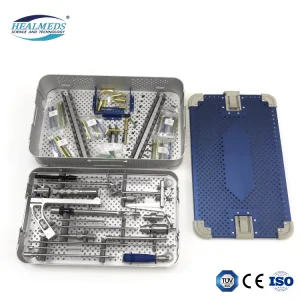
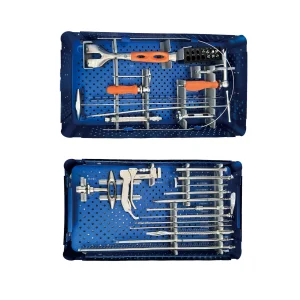
Modern orthopedic surgery demands integrated systems rather than disconnected instruments. Osteora provides comprehensive, specialized procedure kits designed to cover a broad spectrum of medical needs:
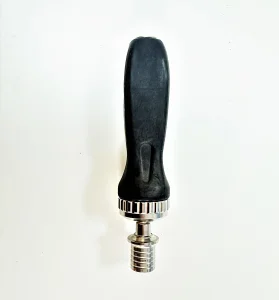
For complex pediatric and adult scoliosis adjustments, we supply customized spinal tap instruments (such as the Silk Tap 6.5) along with highly ergonomic rod benders. These tools provide surgeons with the tactile feedback needed to safely manipulate structural deformities.
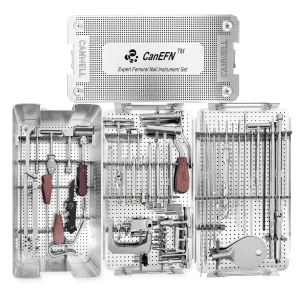
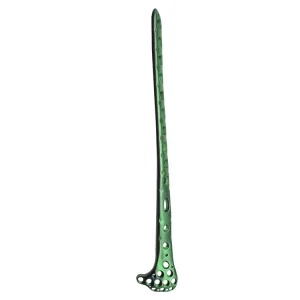
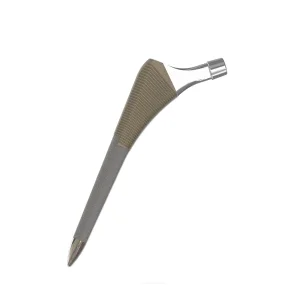
Our trauma instrument sets feature premium intramedullary nail systems (like the PFNA) alongside expert femoral nails. Designed for high mechanical stability and fatigue-free performance, these systems accelerate anatomical restoration in high-impact trauma procedures.
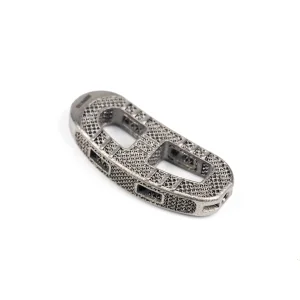
We supply specialized cervical and lumbar spinal fusion cages—engineered using advanced 3D-printed porous titanium—specifically for minimally invasive lateral, posterior, and transforaminal interbody fusions (ALIF, PLIF, TLIF).
Localization & Adaptability: Regulatory standards vary significantly by geography. In response, Osteora offers fully customized packaging configurations, multi-lingual private labeling, and tailored instrument sizes to align directly with clinical practices in Europe, South America, and Asia. This localization strategy minimizes registration bottlenecks and enables distributors to introduce new systems to market rapidly.
Get answers to critical technical, manufacturing, and regulatory questions from our senior engineering team.
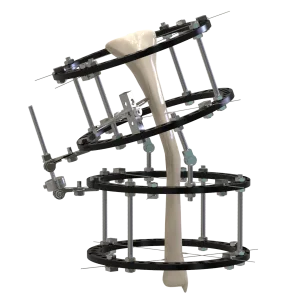
Browse our selection of advanced trauma nail kits, surgical buttons, and external fixators developed to perform in demanding clinical environments.