Osteora
Osteora
Osteora
Precision-engineered hardware and power systems designed for optimal clinical performance and patient outcomes.
A high-performing, certified manufacturer supporting the world's leading medical brands.
Osteora Medical Devices Co., Ltd. is a professional orthopedic implant and surgical solution manufacturer specializing in trauma, spine, and joint reconstruction systems under the brand Osteora.
Founded in 2016, the company has developed a strong reputation in the global orthopedic industry through continuous innovation and strict quality control standards. The facility covers an area of approximately 18,500㎡, supporting integrated production, assembly, and testing operations. With 8 years of export experience and 12 years of industry expertise, Osteora has established stable cooperation with international distributors and hospitals across multiple regions. Annual export revenue ranges from USD 6 million to 14 million, reflecting steady global market growth.
"Our commitment is to bridge advanced clinical需求 (clinical demand) with high-precision fabrication. By employing rigorous mechanical and chemical validations, Osteora products deliver the reliability that cranial and maxillofacial surgeons demand worldwide."
The company implements comprehensive quality assurance systems, including ISO 13485 compliance, in-process inspection, and final random sampling testing. Product inspection methods include dimensional measurement, mechanical fatigue testing, and biocompatibility validation. The quality control team consists of 42 specialized inspectors ensuring strict adherence to international medical device standards. Osteora has a strong trade background in global medical device export and maintains long-term partnerships with distributors in Europe, Southeast Asia, the Middle East, and South America, which are also its primary markets.
The company’s supply chain includes approximately 1,200 certified upstream and downstream partners, supporting stable production capacity and reliable delivery performance. Its main customer base consists of hospitals, orthopedic clinics, surgical centers, and medical distributors. With strong R&D capabilities, Osteora operates an in-house engineering team of 85 R&D engineers, focusing on innovation in trauma fixation systems, spinal implants, and joint reconstruction technologies. The company offers extensive customization options, including OEM/ODM services, size variations, material customization, and private labeling.
In the past year, Osteora launched approximately 120 new products, reflecting its continuous investment in innovation and product development to meet evolving clinical needs.
Pioneering the next generation of maxillofacial and orthopedic implants through materials science and digital surgery integration.
While Titanium alloy (Grade 5, Ti-6Al-4V ELI) remains the gold standard for rigid internal fixation in orthognathic surgery due to its exceptional biocompatibility and mechanical strength, our technical roadmap targets hybrid structures. Our R&D division is heavily investing in PEEK (Polyetheretherketone) composites and bioabsorbable magnesium-based alloys. These materials aim to mitigate "stress shielding" effects and reduce the requirement for secondary hardware removal surgeries, especially in pediatric and young adult maxillofacial reconstructions.
The future of corrective jaw surgery lies in patient-specific anatomy. Osteora's ODM framework integrates with DICOM data from CT/CBCT scans. Our engineering team converts patient bone anatomy into 3D models to design pre-bent or additive manufactured (3D-printed) custom reconstruction plates. This eliminates intraoperative bending, cuts operating room time by up to 35%, and guarantees unparalleled mechanical alignment for complex Le Fort osteotomies and bilateral sagittal split osteotomies (BSSO).
We are rolling out advanced anodization and micro-arc oxidation (MAO) surface treatments across all orthognathic plating lines. These surface alterations create a biomimetic nanoporous oxide layer that accelerates osteoblast attachment and proliferation. Research indicates this technology improves early implant stability by 40% and drastically lowers the risk of peri-implantitis and hardware exposure in compromised tissue environments.
How our localized ecosystem yields world-class efficiency, high quality, and unbeatable response times.
Osteora's strategic location within China's premier medical device manufacturing cluster enables immediate access to specialized upstream processing, high-grade biomedical raw materials, and top-tier logistics providers. The network of 1,200+ certified upstream and downstream partners reduces lead times for raw materials to hours rather than weeks, buffering our clients from sudden global supply shortages.
By leveraging Swiss-type lathe equipment, HAAS CNC machinery, and automatic stamping processes, we achieve high-throughput precision with minimal human error. This enables a lower cost-of-goods-sold (COGS) without sacrificing quality metrics. We pass these cost benefits to global distributors, allowing them to remain competitive in highly contested public hospital tenders.
In orthognathic and maxillofacial custom OEM operations, speed to market is critical. Our engineering team can translate a digital design concept into a physical prototype in under 5 working days, using high-performance 5-axis CNC machining centers and laser marking technologies. This capability facilitates iterative testing cycles and faster product registration timelines.
Our 18,500㎡ facility hosts state-of-the-art production environments and rigorous QA protocols.
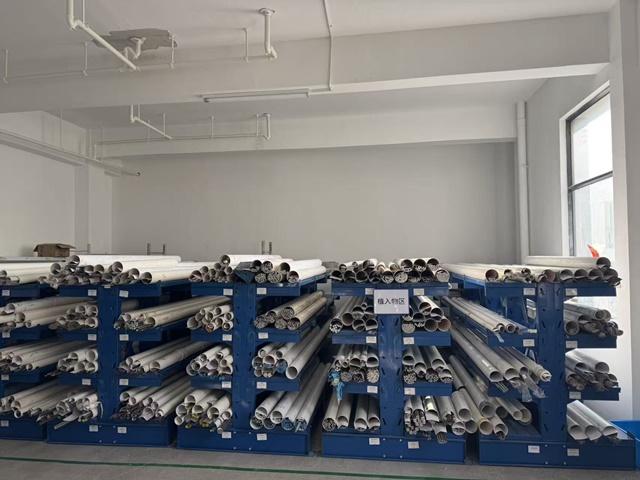
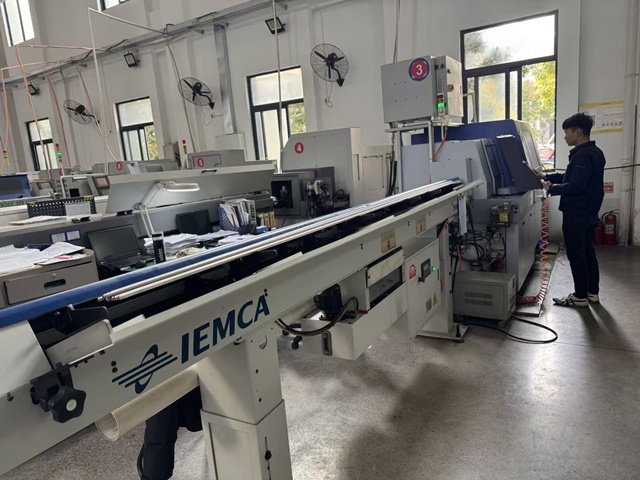
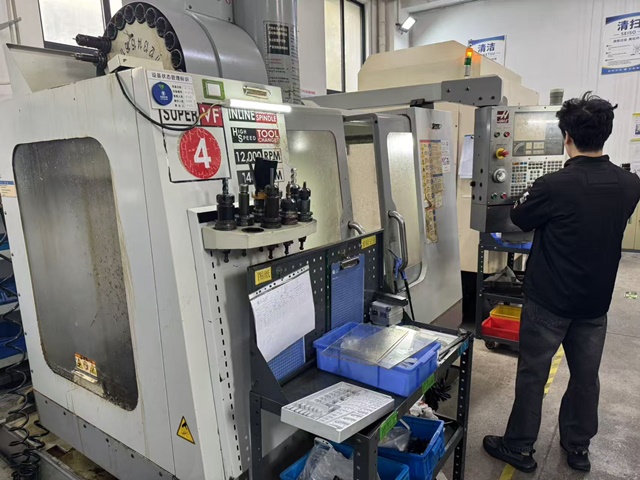
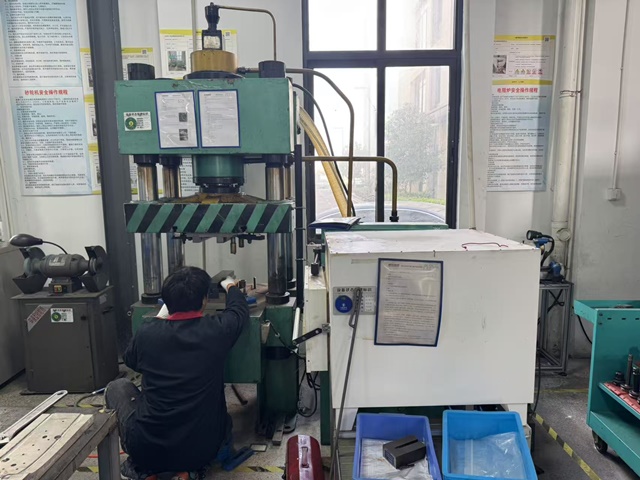
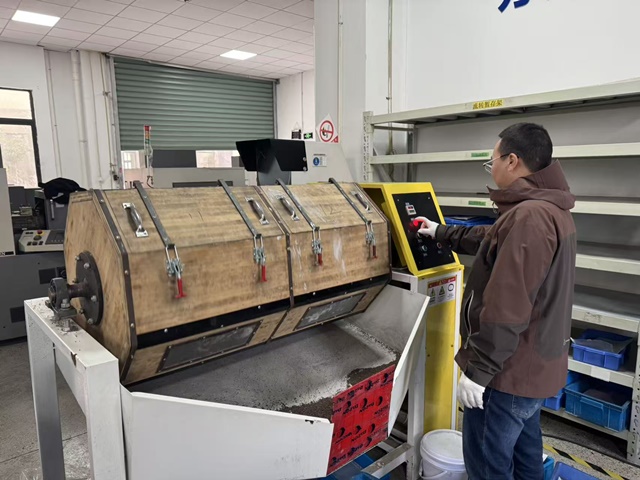
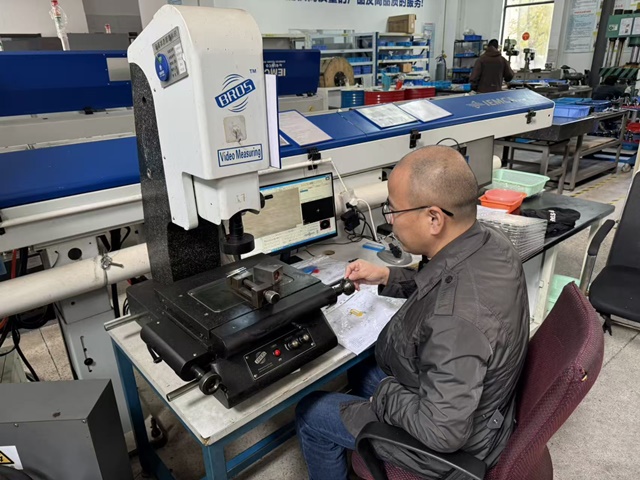
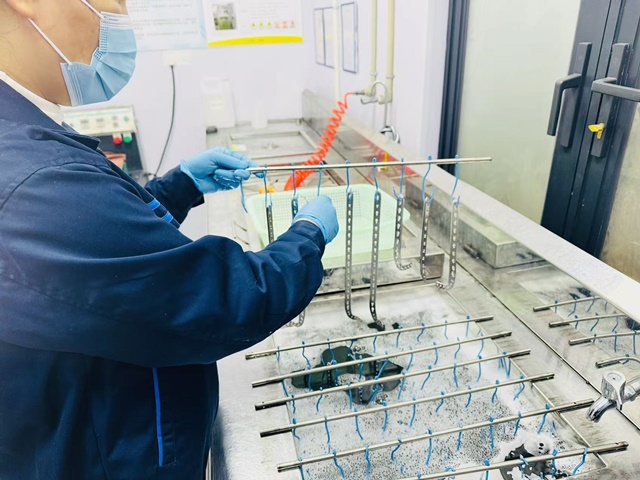
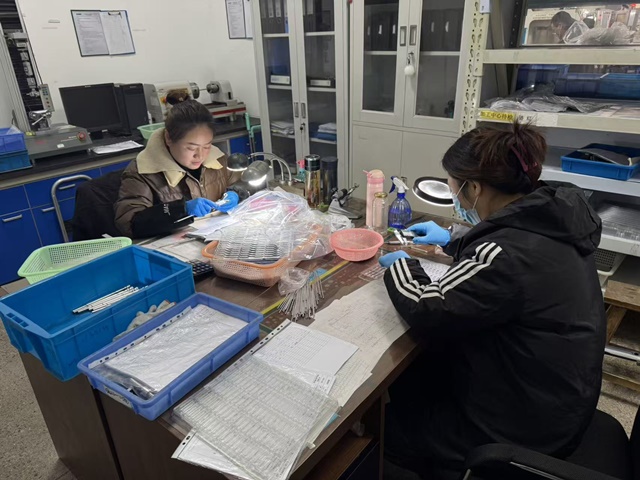
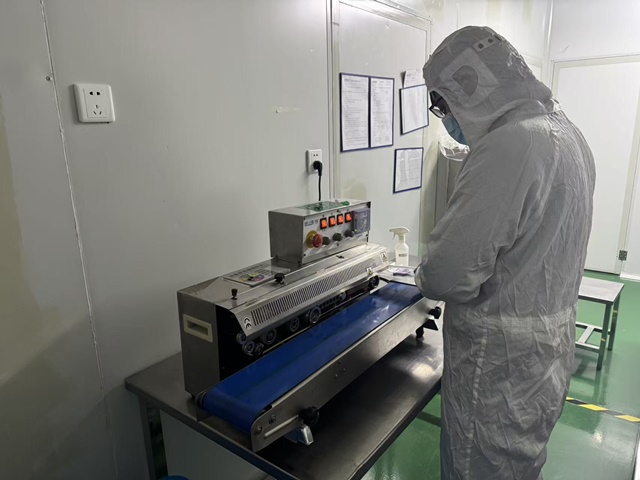
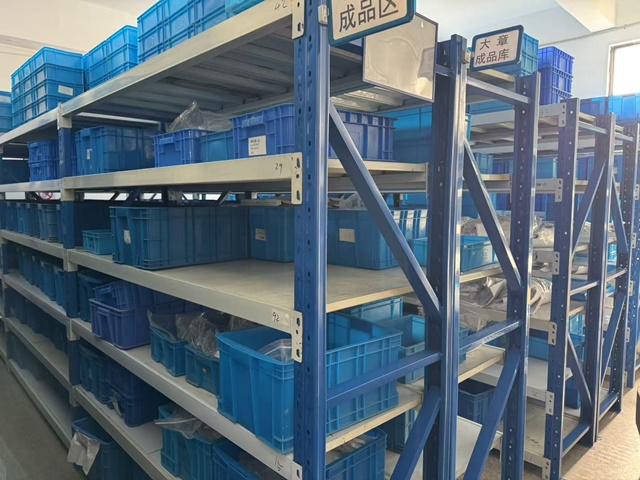
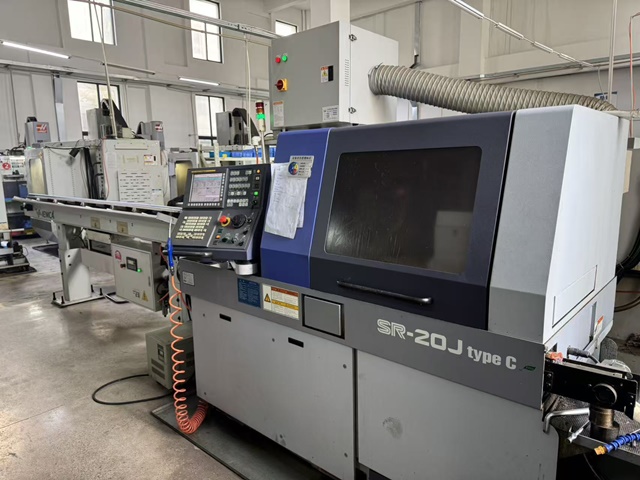
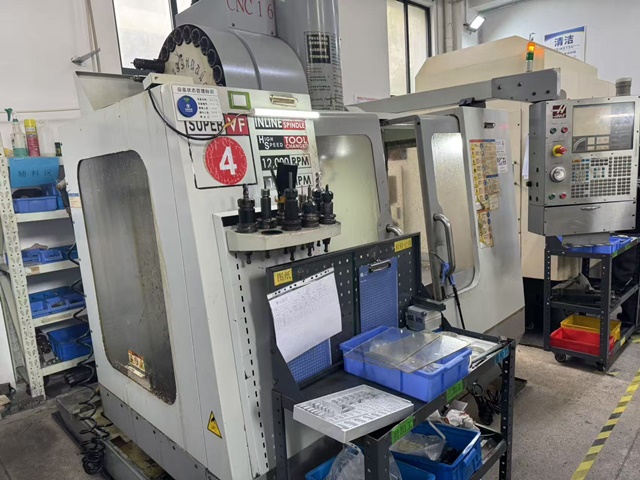
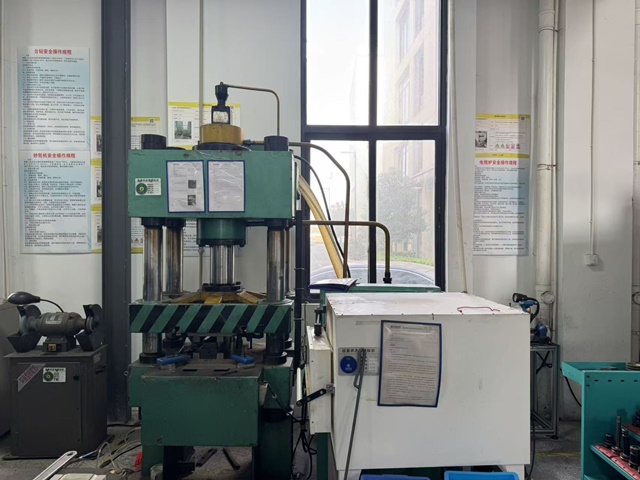
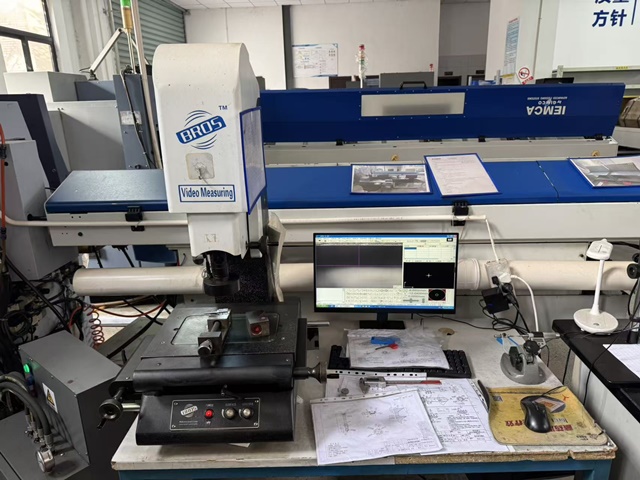
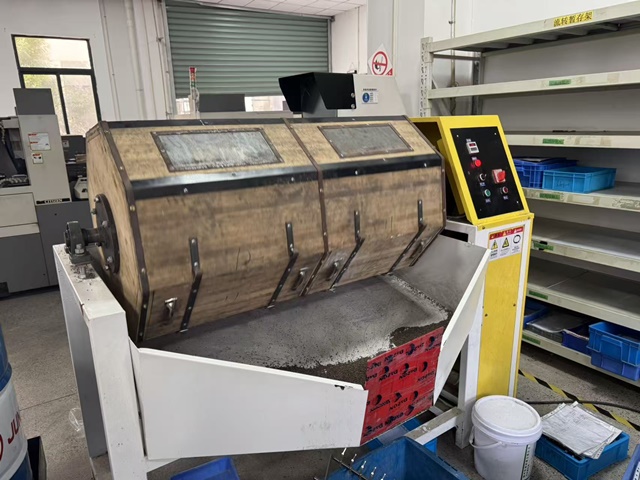
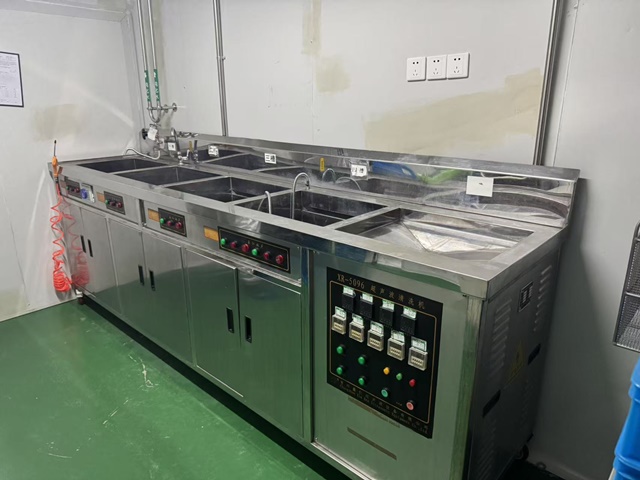
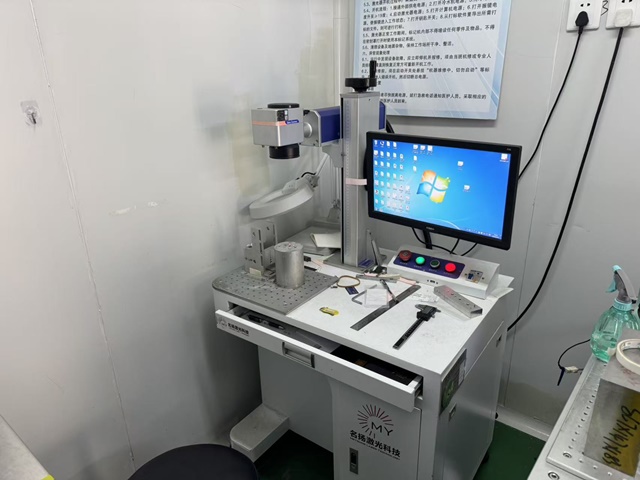
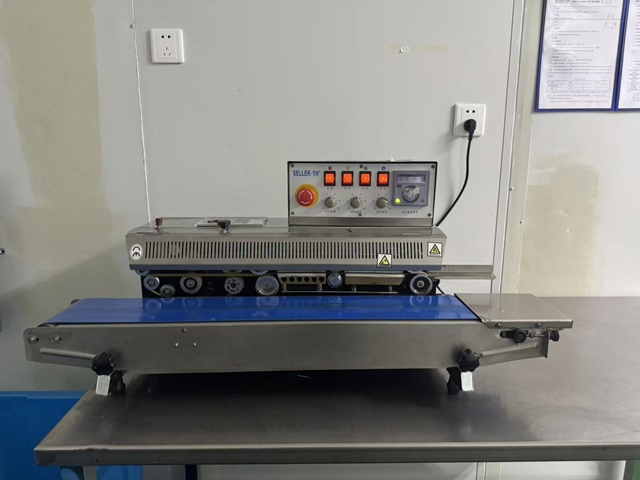
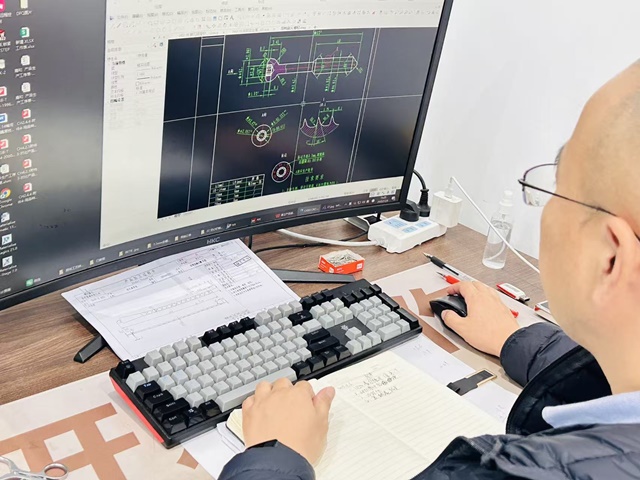
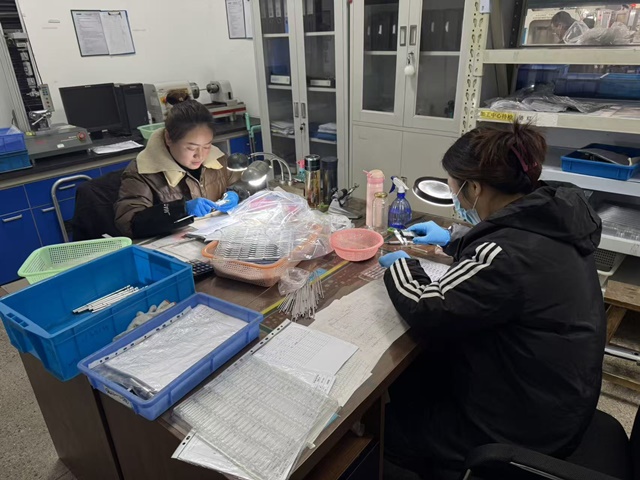
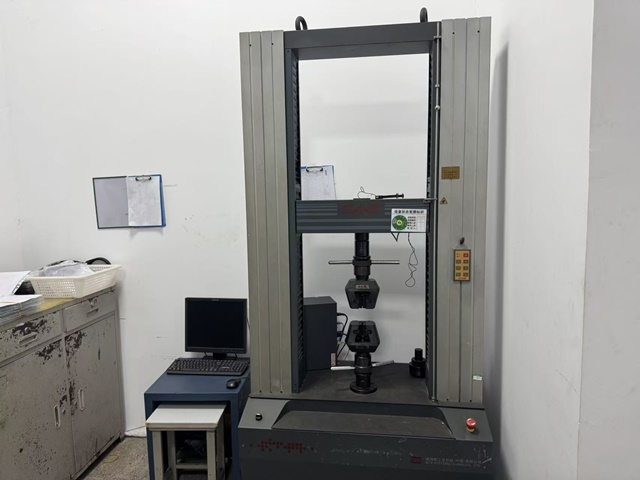
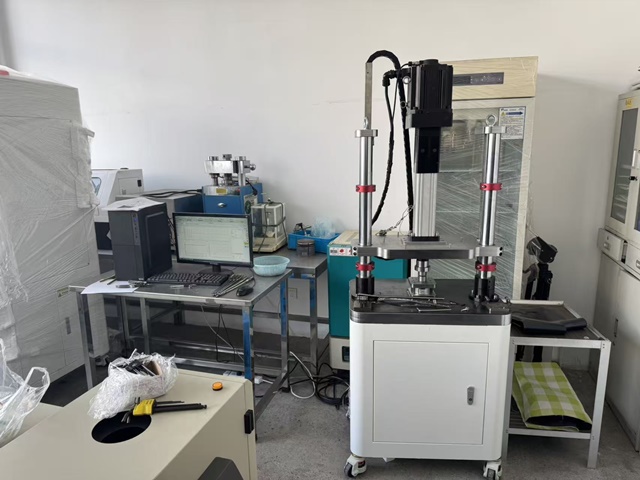
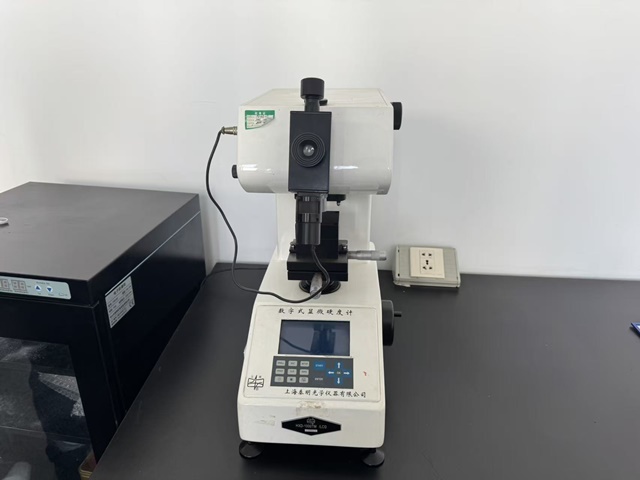
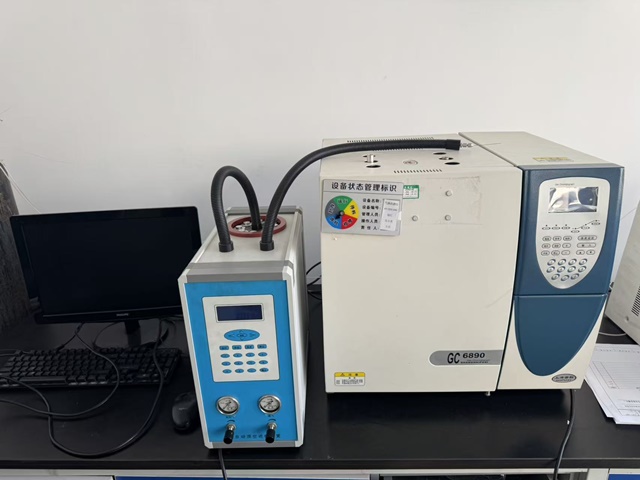
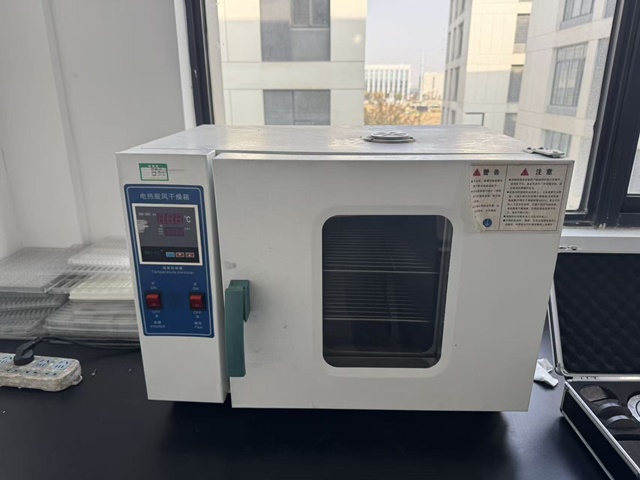
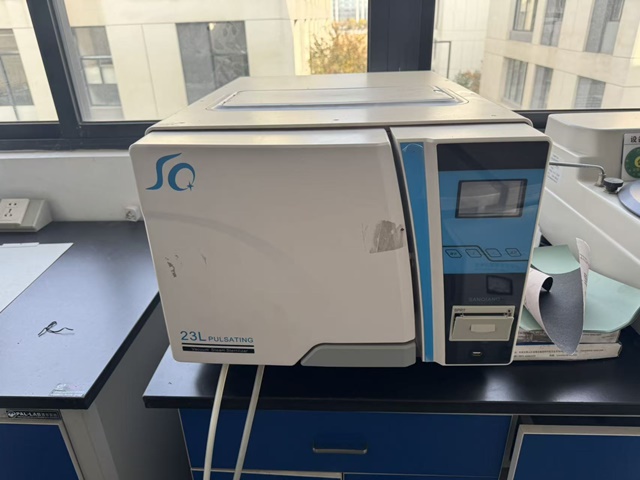
Providing customizable specifications tailored to the anatomical and regulatory requirements of diverse target markets.
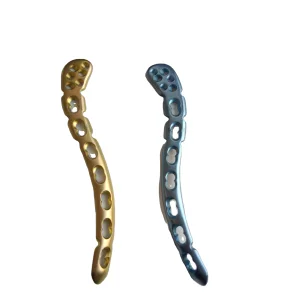
Different ethnic populations exhibit distinct craniofacial bone thicknesses and structural morphology. For example, patients in East Asian countries commonly present with skeletal Class III malocclusions requiring substantial mandibular setback and advancement procedures. Osteora's 85-strong R&D team works with regional surgeons to customize L-shaped, double-bent, and sagittal split plates to withstand these high shear forces. Conversely, European and North American clinics focus on low-profile, smooth-contoured plates to avoid soft tissue irritation in slender Caucasian facial skeletons.
Our regulatory team supports registrations across multiple regions. By ensuring strict ISO 13485 certification, and conducting biocompatibility validation and gas spectrometer assessments, we streamline the approval process. Whether meeting CE MDR requirements in Europe or local ANVISA, SFDA, or TFDA guidelines, Osteora provides full regulatory dossier support including technical files and validation data.
Key information concerning manufacturing, material purity, regulatory files, and order logistics.
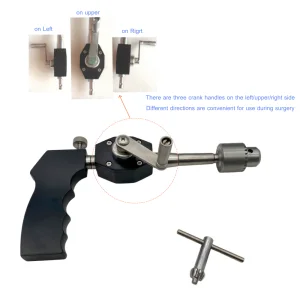
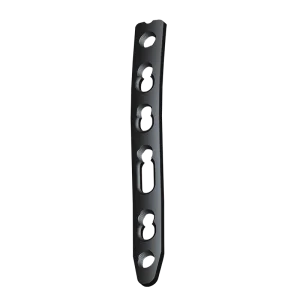
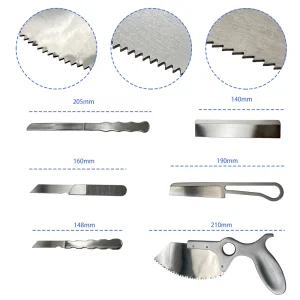
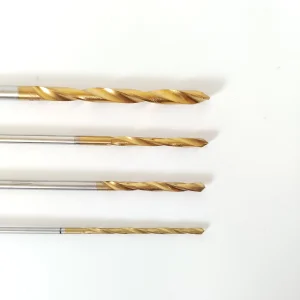
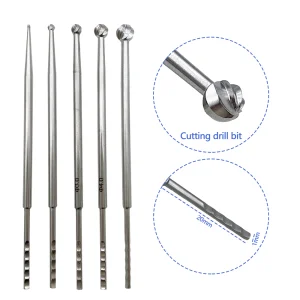
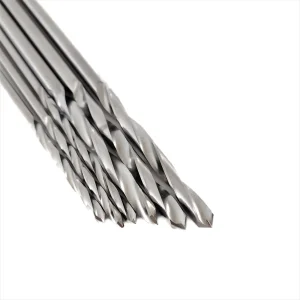
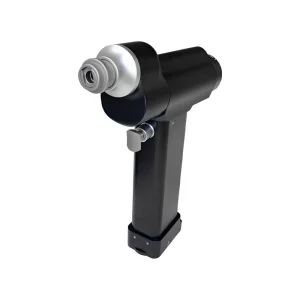
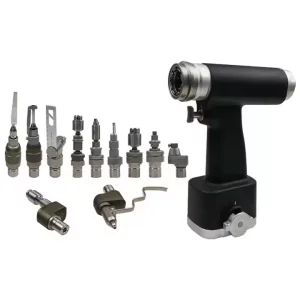
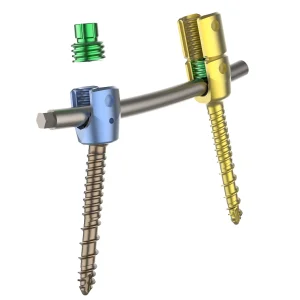
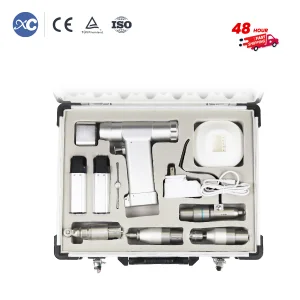
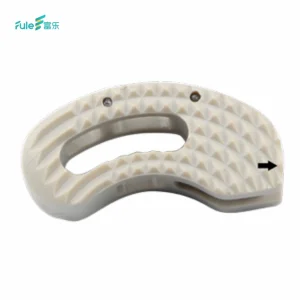
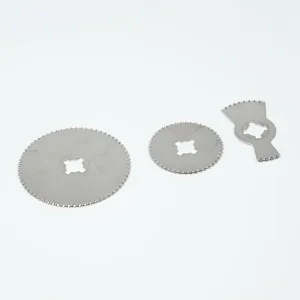
Explore our full line of surgical drill bits, fixation screws, plates, and specialized spinal cages.