Osteora
Osteora
Osteora
Explore our certified orthopedic systems including cervical cages, trauma locking plates, surgical sets, and precision bone implants.
A comprehensive examination of stabilization challenges, design mechanisms, and high-precision clinical manufacturing requirements.
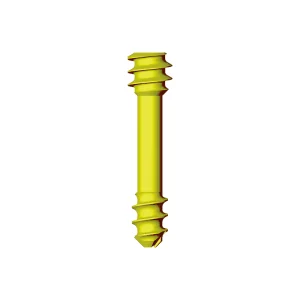
The occipito-cervical (OC) junction represents one of the most anatomically complex regions of the human spine. Pathological conditions including craniocervical trauma, rheumatoid arthritis, severe basilar invagination, tumors, and congenital instability demand absolute surgical fixation. Because of the critical neurovascular structures nearby, including the brainstem and vertebral arteries, occipito-cervical fixation devices must guarantee rigid biomechanical stability with zero tolerance for mechanical drift or fatigue failure.
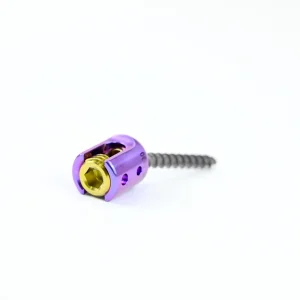
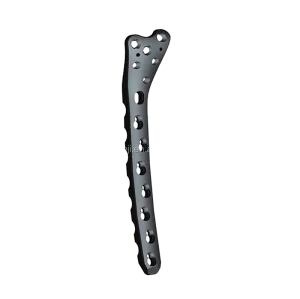
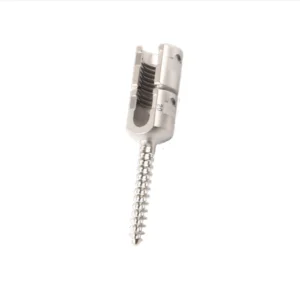
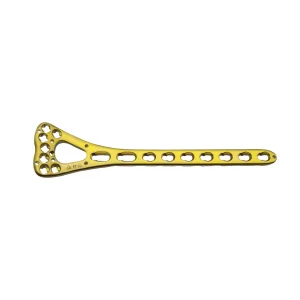
Occipito-cervical systems are designed to bridge the skull base and the upper cervical spine. Surgical intervention in this area requires custom contouring of plates to suit the unique posterior anatomy of the occiput, combined with polyaxial screw placement in the cervical pedicles, lateral masses, or pars. Finding the optimal balance between plate thickness, screw purchase, and construct profile is critical to avoiding post-operative patient discomfort and soft-tissue erosion.
A premier global developer and OEM/ODM manufacturer of orthopedic implants and advanced surgical solutions.
Founded in 2016, Osteora Medical Devices Co., Ltd. has established a stellar reputation in the international orthopedic sector under our premier proprietary brand Osteora. Specializing in advanced trauma fixation, comprehensive spinal correction systems, and complete joint reconstruction technologies, Osteora provides end-to-end services that align with the high-reliability expectations of global surgical institutions.
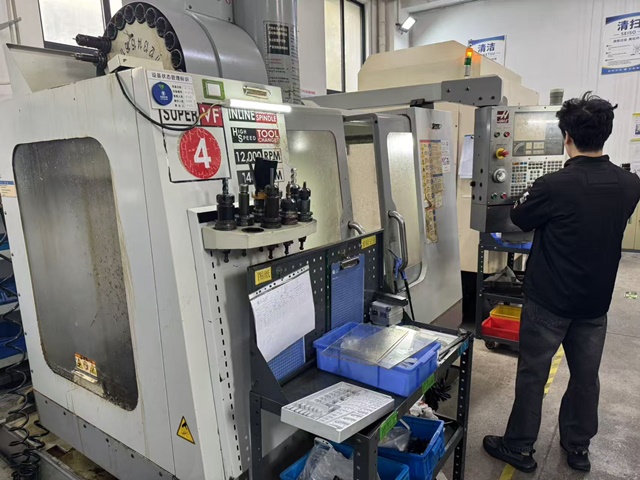
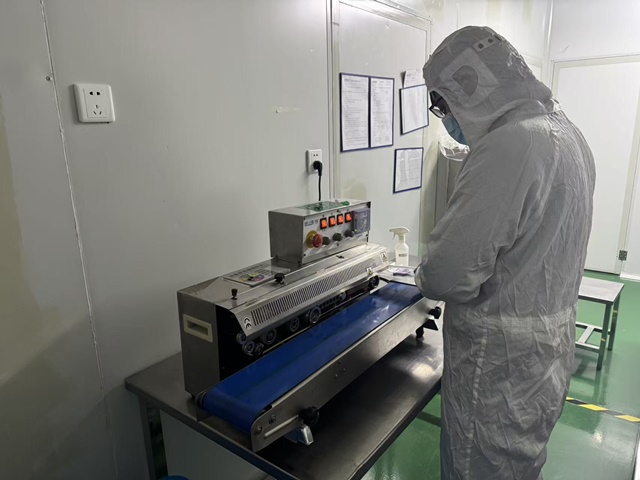
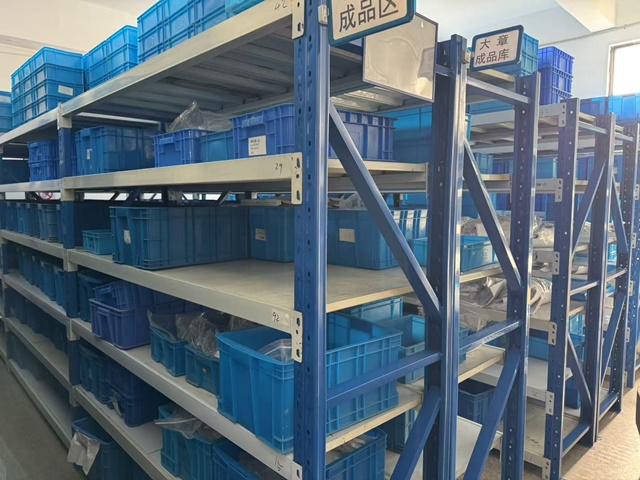
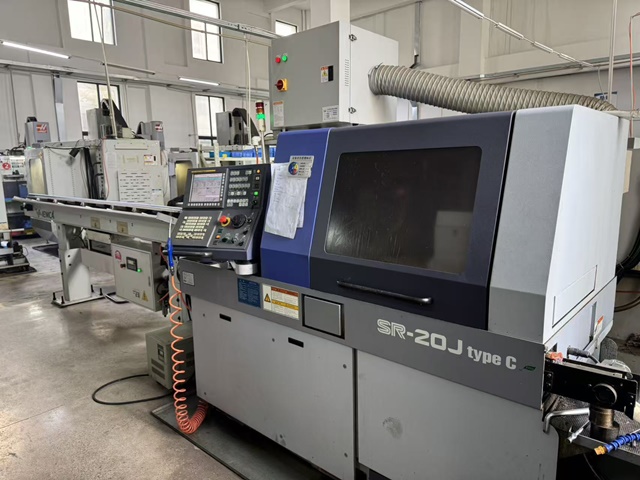
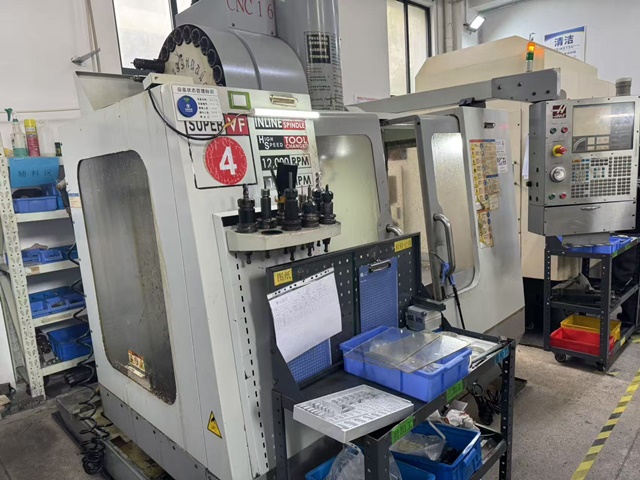
With an expansive state-of-the-art facility covering 18,500㎡, we host integrated production channels that span automated raw material processing, multi-axis precision CNC machining, specialized cleanroom assembly, and sterile packaging. Our active global market presence is supported by 12 years of core industry expertise and 8 years of international medical device export operations. Osteora's continuous business development yields a steady annual export revenue between USD 6 million and 14 million, highlighting our role as a trusted supply chain partner to markets across Europe, Southeast Asia, South America, and the Middle East.
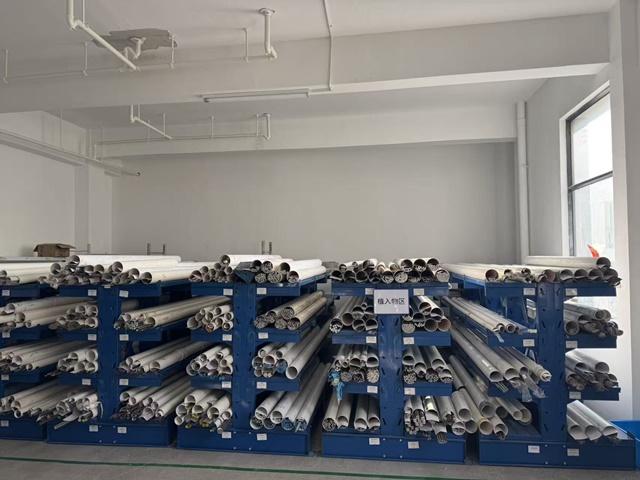
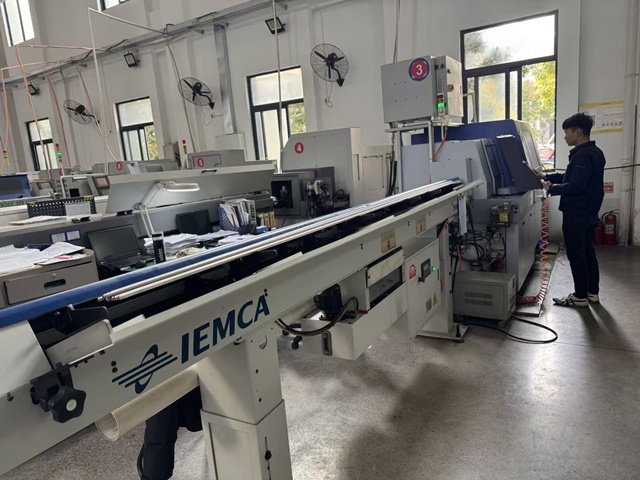
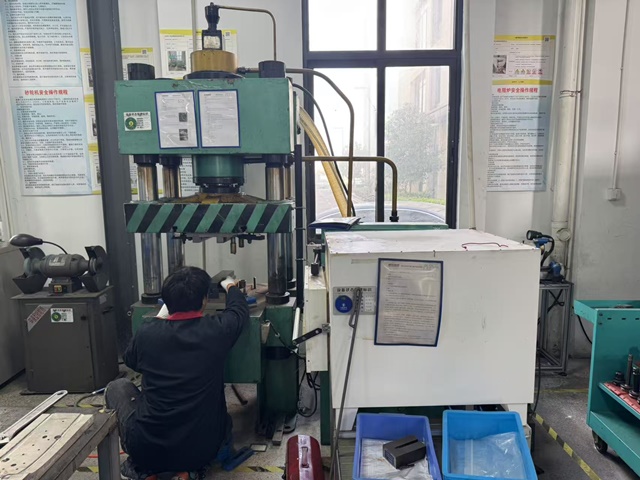
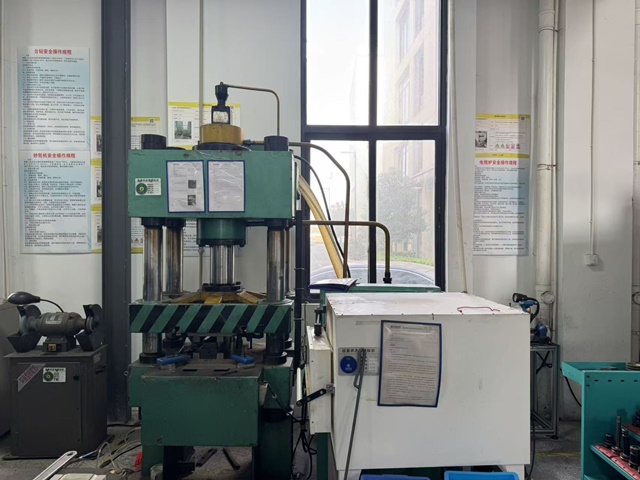
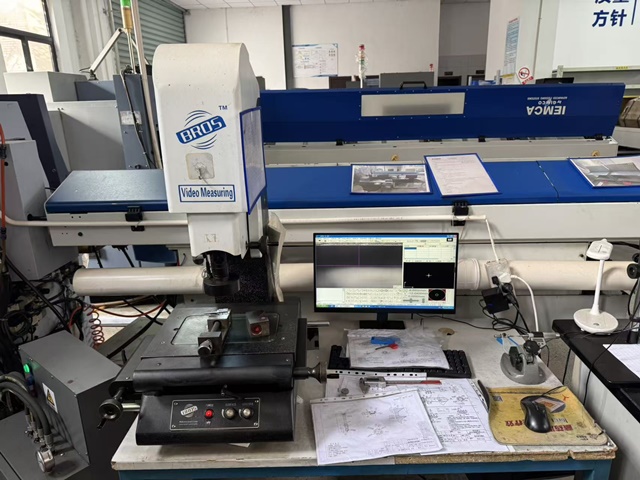
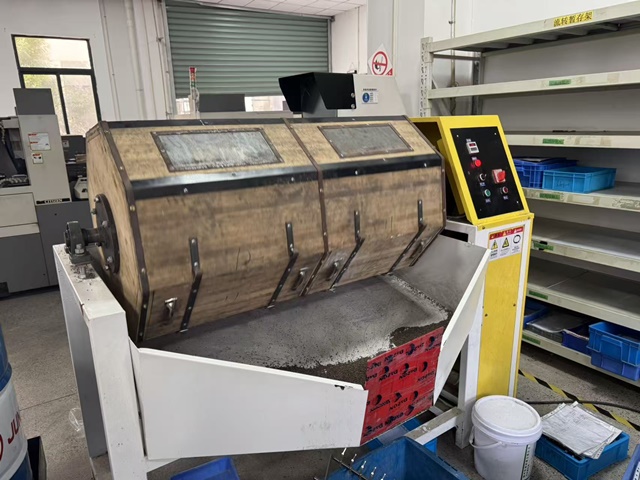
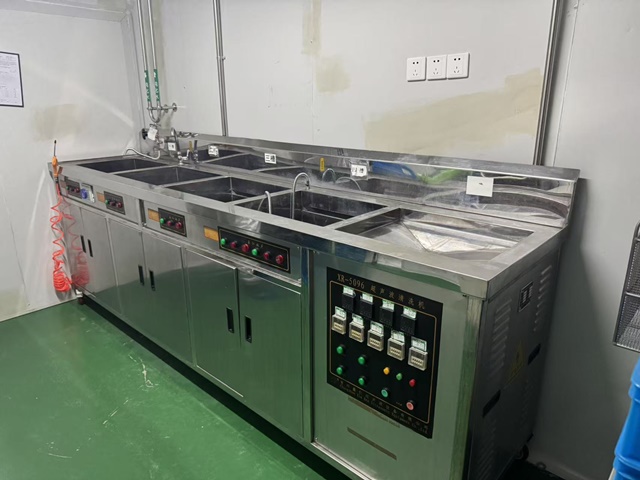
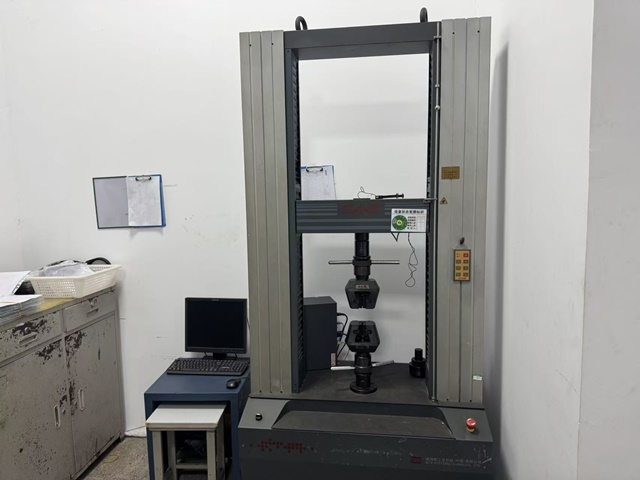
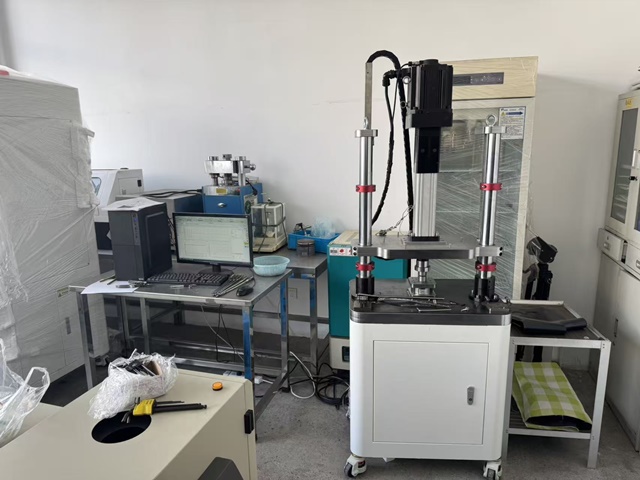
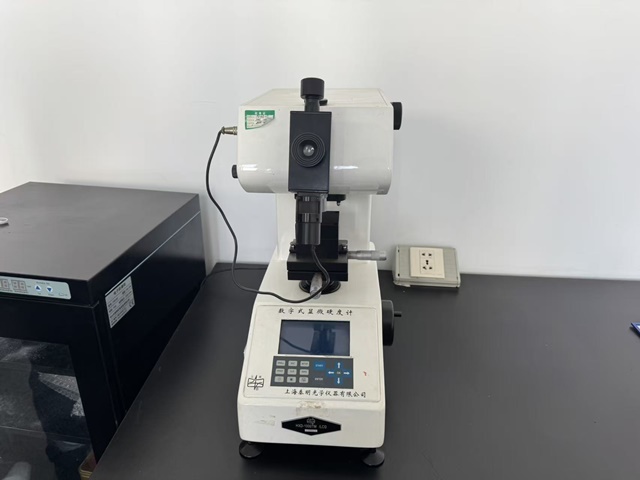
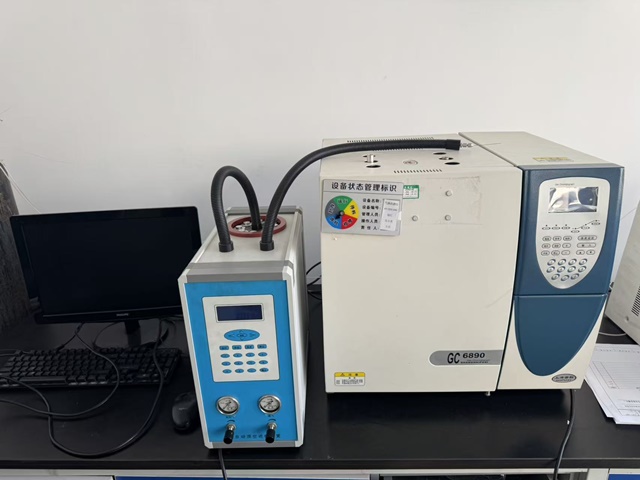
Explore our complete manufacturing line. From certified raw material procurement to meticulous final mechanical stress evaluation.
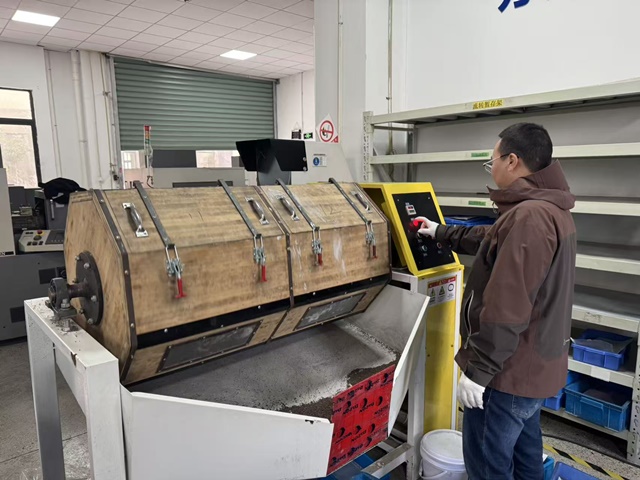
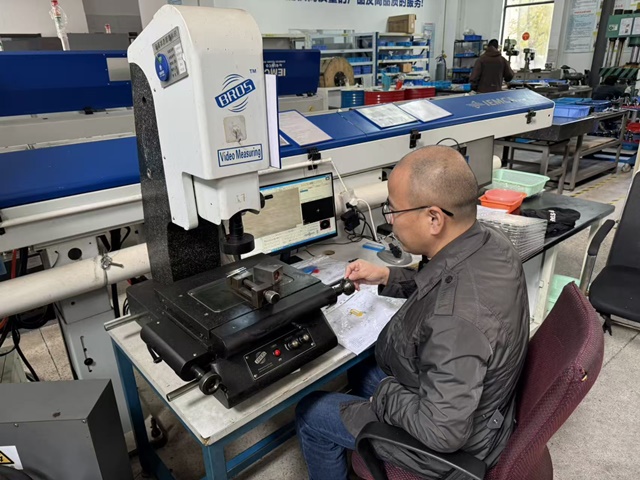
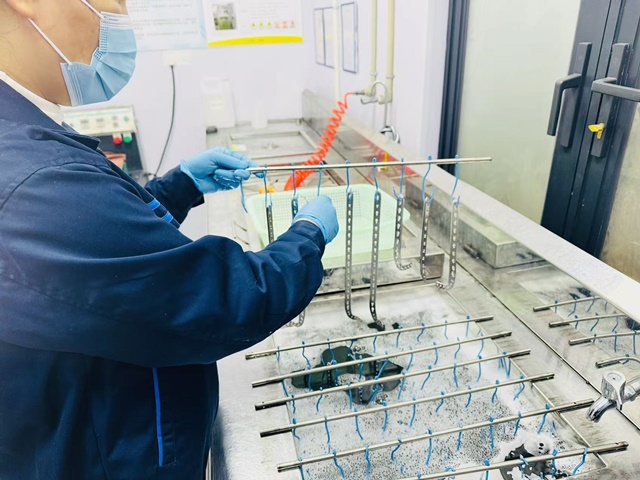
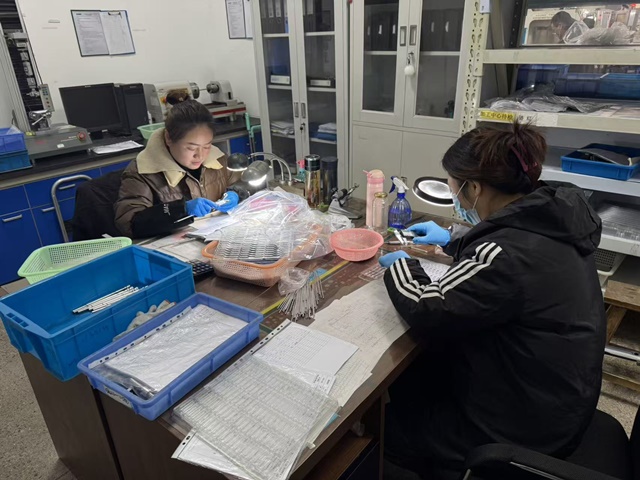
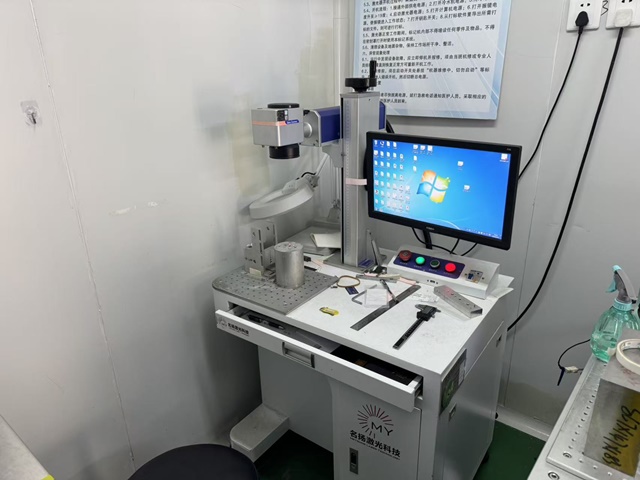
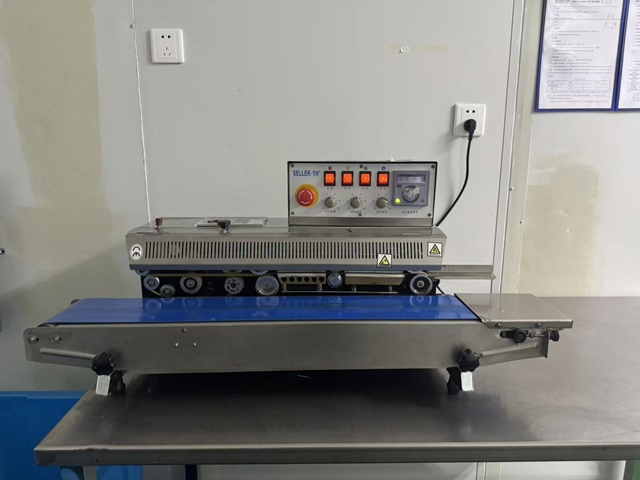
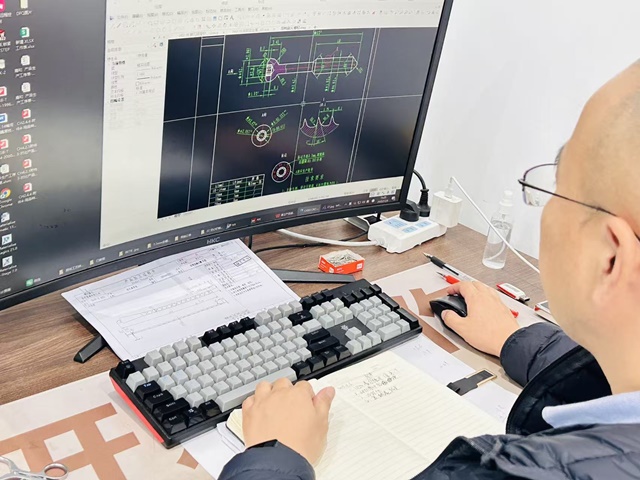
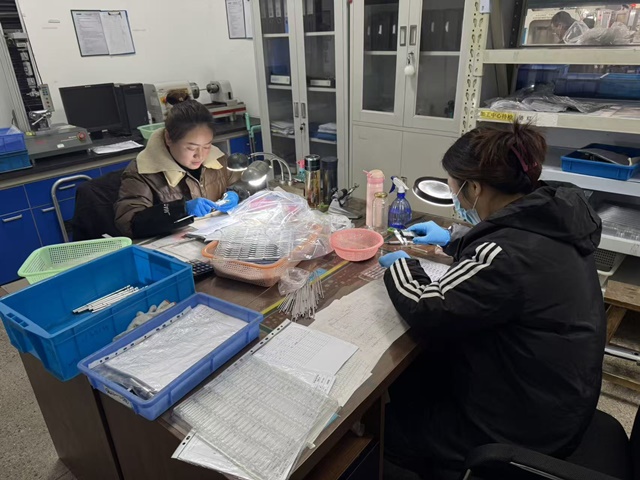
How we execute high-precision adaptations to conform with FDA, CE MDR, and localized medical device standards.
Osteora's core engineering competency lies in converting clinical input into high-performance mass production. With an active engineering core of 85 dedicated R&D engineers, we offer highly adaptable customization tracks:
To operate smoothly inside restricted markets like Europe and North America, regulatory conformity is non-negotiable. Osteora enforces an ISO 13485:2016 certified Quality Management System supported by 42 specialized inspectors. This group ensures that our implant designs exceed current ISO and ASTM testing thresholds.
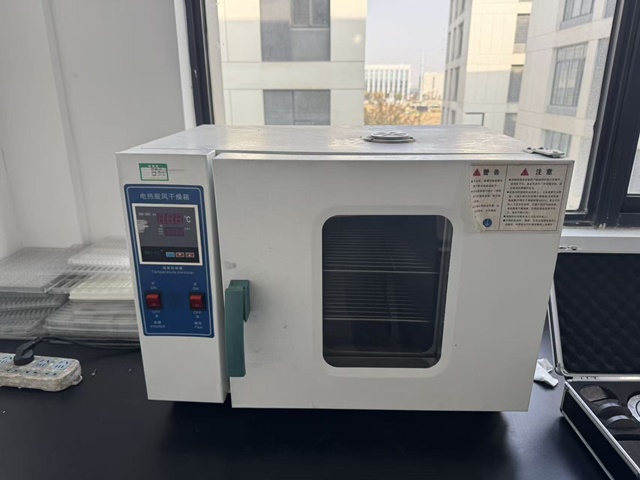
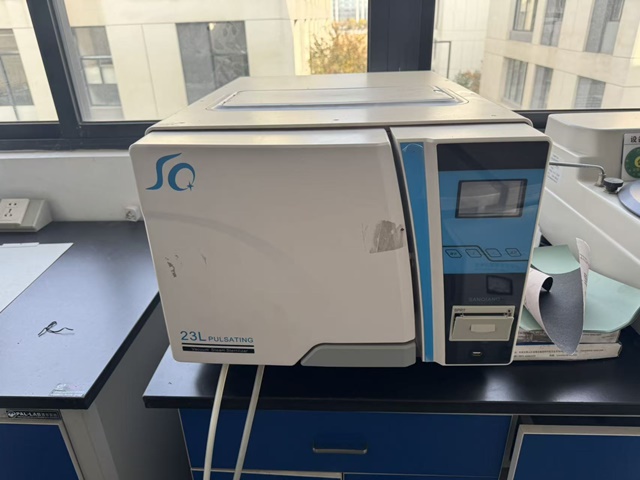
Our validation laboratory conducts in-house ASTM F1717 mechanical fatigue protocols (which subject cervical constructs to over 1,000,000 load cycles under simulated physiological stress profiles) alongside ASTM F2706 dynamic testing for occipital assemblies. Every production run undergoes complete physical and chemical inspection. We utilize raw material gas spectrometers, coordinate measuring machines (CMM), optical vision scanners, and Vickers microhardness instruments. All biocompatibility evaluations align strictly with the multi-phase requirements of ISO 10993.
Combining vertically integrated resources and localized technological hubs to deliver cost-effective, high-grade orthopedic implants.
Our strategic manufacturing base in China offers global medical companies unique logistical and economic advantages. By operating alongside 1,200 certified upstream and downstream partners, Osteora has established a highly integrated production pipeline. We procure medical-grade titanium bars, utilize multi-axis Swiss CNC lathe machinery, and conduct chemical anodization and micro-sterile cleaning processes within a single localized region. This close geographic proximity cuts transit delays, reduces waste, and stabilizes material lead times.
This localized supply chain architecture translates to clear financial benefits for our partners. Distributors and medical brands can achieve 30% to 50% savings on development costs compared to Western medical device suppliers, without compromising dimensional precision or mechanical performance. Furthermore, our substantial production capacity ensures scalability, enabling us to manage sudden increases in order volume for unexpected clinical demands.
Optimizing implants for distinct clinical settings, surgical centers, and regional regulatory jurisdictions.
Occipito-cervical constructs must perform under varying surgical protocols worldwide. For example, in European teaching hospitals, spinal hardware must integrate with advanced 3D intraoperative navigation systems and robotic placement tools. In these settings, Osteora provides high-tolerance constructs with precise registration nodes that sync seamlessly with optical tracking markers.
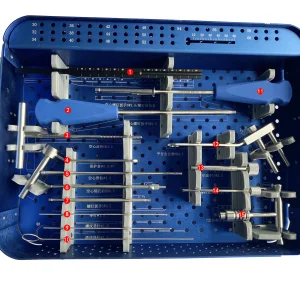
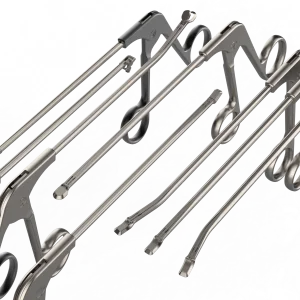
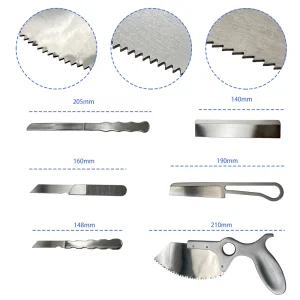
In contrast, fast-paced trauma centers across Latin America and Asia prioritize durable, versatile, and complete surgical instrument sets. Our systems feature self-retaining screwdrivers, pre-bent rods, and simplified locking mechanisms that help reduce procedure times. This modular approach allows surgical teams to adjust constructs in real-time, helping to lower surgical risks and improve post-operative outcomes.
Sourcing managers in the medical device sector face the challenge of balancing regulatory risks against target unit costs. Osteora addresses these concerns by providing complete design file trace histories, clear material certifications, and structured, batch-specific quality assurance records.
This thorough documentation helps simplify regional registration processes (such as the FDA 510(k) pathway or European MDR certification). Furthermore, our flexible production lines allow for custom minimum order quantities (MOQs) for specialized clinical groups, helping distributors optimize their inventory costs while introducing high-demand spinal implants to their markets.
Analyzing key advancements driving the next generation of occipito-cervical and general spinal fixations.
Additive manufacturing has changed the design parameters for orthopedic implants. By using selective laser melting (SLM) and electron beam melting (EBM), manufacturers can now produce porous titanium implants that closely mimic the trabecular structure of natural bone. This micro-porous architecture facilitates faster bone ingrowth, encouraging osseointegration and lowering the long-term risk of implant loosening.
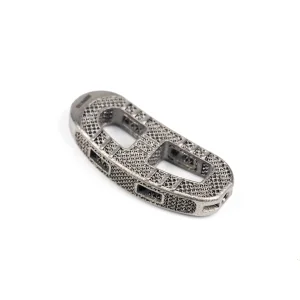
At Osteora, we integrate 3D printing technologies into our cervical and lumbar interbody fusion lines. This enables us to manufacture spinal cages that feature a highly porous internal structure combined with high-load solid support columns. This design ensures initial structural stability while creating a favorable environment for bone graft remodeling.
Standard implants do not always fit patients with complex congenital spine deformities or unique bone shapes. As a result, the industry is moving toward Patient-Specific Implants (PSIs). By converting patient CT scans into detailed 3D digital models, engineers can design and manufacture customized occipital plates and specialized screw configurations that match the patient's specific anatomy.
This design precision helps reduce the need for manual shaping during surgery, shortens operative time, and minimizes stress on the implant. In parallel, integrating these systems with computer-aided planning software and dynamic navigation systems ensures precise screw placement, improving safety during demanding spinal procedures.
Essential technical, regulatory, and logistical details for global medical procurement teams.
Complete surgical lines, orthopedic power systems, and specialized titanium plates for veterinary and human surgical applications.