Osteora
Osteora
Osteora
Explore our core product line featuring advanced clinical orthopedic instruments and trauma solutions engineered for long-term physiological integration.
Osteora Medical Devices Co., Ltd. is a leading orthopedic implant and surgical solution manufacturer specializing in trauma, spine, and joint reconstruction systems under our proprietary brand Osteora. Founded in 2016, our organization has earned an esteemed reputation in the global orthopedic manufacturing sector by integrating robust R&D processes, modern automation machinery, and stringent quality control protocols. Our state-of-the-art facility occupies approximately 18,500㎡, structured specifically to house cleanrooms, testing laboratories, and precision CNC manufacturing areas.
Supported by 8 years of export operations and a foundation of 12 years of industry experience, Osteora has formed highly reliable partnerships with medical device distributors, hospitals, and surgical centers across multiple global territories. Our annual export revenue averages between USD 6 million and 14 million, indicating our capacity to run high-volume manufacturing campaigns while keeping delivery times short.
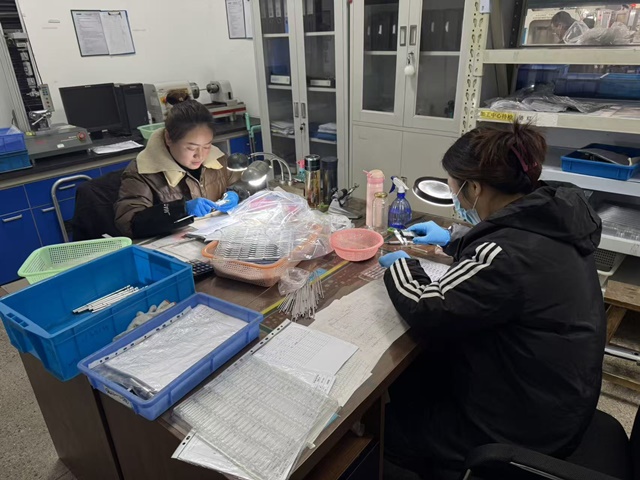
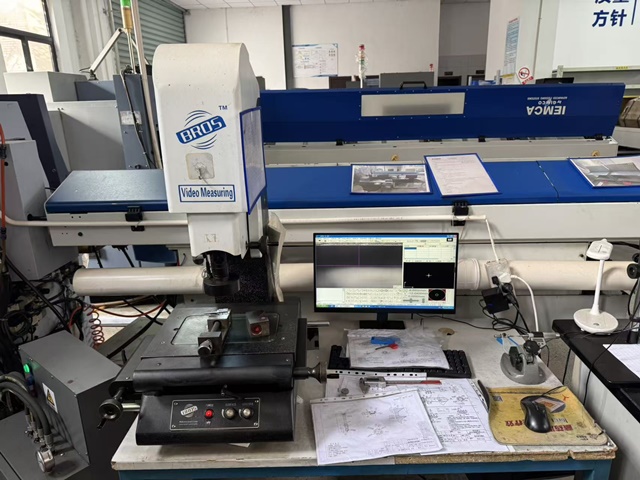
Our operation maintains a verified quality management system which centers around full ISO 13485 compliance. To achieve this, Osteora employs 42 specialized quality inspectors who handle checking raw materials, in-process production, and final random sampling testing. We implement multi-level inspection measures, such as dimensional measurement, mechanical fatigue testing, and biocompatibility validation, ensuring each product aligns with the clinical criteria expected by orthopedic surgeons globally.
Elbow replacement surgery, or elbow arthroplasty, is a highly specialized procedure that addresses severe joint destruction resulting from rheumatoid arthritis, post-traumatic osteoarthritis, acute distal humeral fractures, and bone loss from oncology cases. Biomechanically, the elbow is not a simple hinge joint; it operates as a complex three-joint system (humero-ulnar, humero-radial, and proximal radio-ulnar joints) that handles complex movements and withstands significant forces. Designing and manufacturing elbow replacement implants requires a deep understanding of these kinematics to avoid early implant failure.
Historically, early designs of total elbow replacements (TEA) suffered from high rates of aseptic loosening due to rigid hinge mechanisms that transferred all mechanical stress directly to the bone-cement interface. Modern orthopedic manufacturing has resolved this issue by developing semi-constrained linked systems and unconstrained resurfacing configurations. Semi-constrained models feature a loose hinge connection that allows controlled rotational and varus-valgus play, absorbing off-axis forces and mimicking the natural laxity of ligaments. Unconstrained systems rely entirely on the patient's existing soft tissues and ligaments for stability, requiring precise anatomic replication of the humeral trochlea and ulnar notch surfaces.
From an industrial perspective, global demand is rising due to aging demographics, more active lifestyles among older adults, and a higher rate of complex orthopedic trauma. This trend presents challenges for medical device distributors, who must source components that balance high structural strength, wear resistance, and long-term biocompatibility. As a dedicated OEM/ODM manufacturer, Osteora addresses these needs by combining medical-grade titanium alloys and ultra-high-molecular-weight polyethylene (UHMWPE) to design joint replacement components that replicate natural arm kinematics.
Implant geometries are designed based on anthropometric databases to ensure optimal humero-ulnar alignment, restore physiological carrying angles, and minimize bone resection.
Highly polished Cobalt-Chromium-Molybdenum (CoCrMo) articular surfaces paired with premium UHMWPE inserts deliver low friction coefficients and minimize wear debris.
Comprehensive customization covering sizing, mechanical properties, and surface coatings to help global brands expand their product portfolios efficiently.
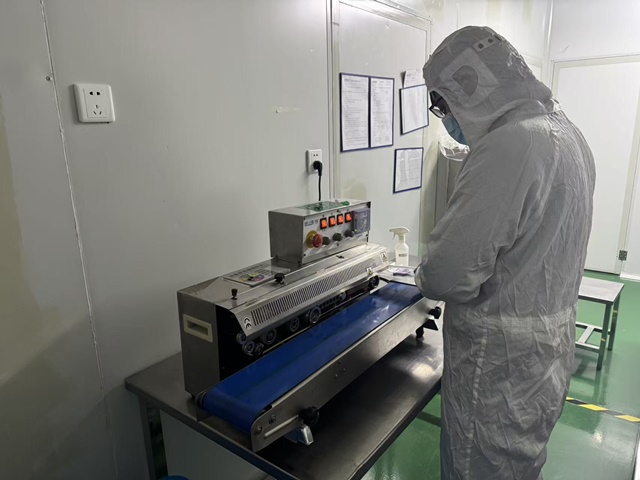
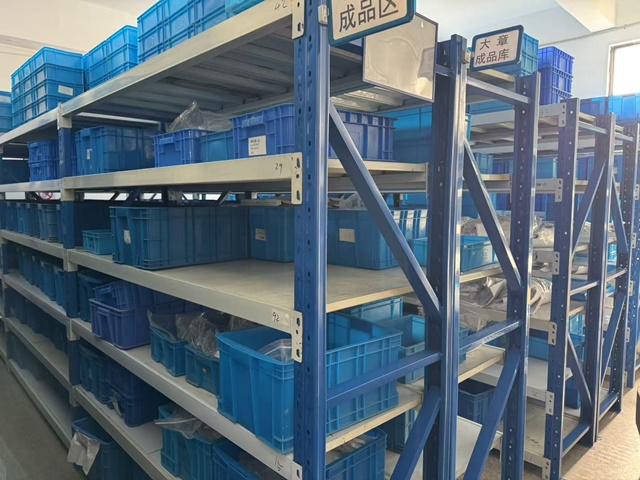
Our plant utilizes a series of structured manufacturing steps, from checking raw material chemistry to cleanroom packaging, verifying the quality of every orthopedic implant.
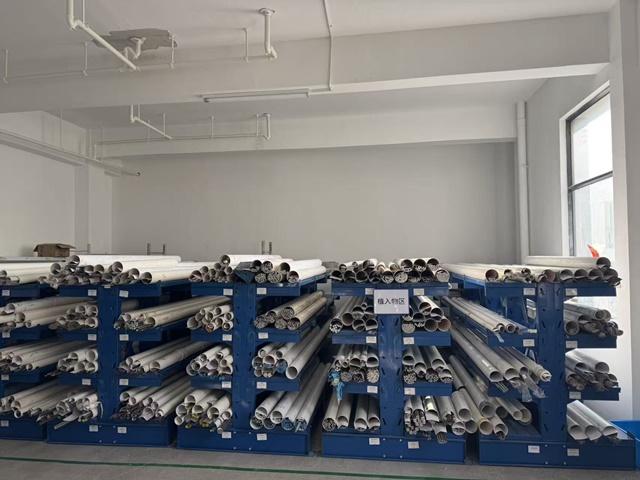
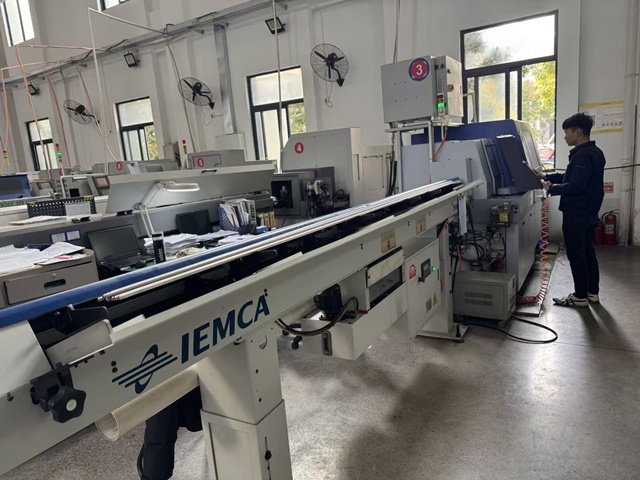
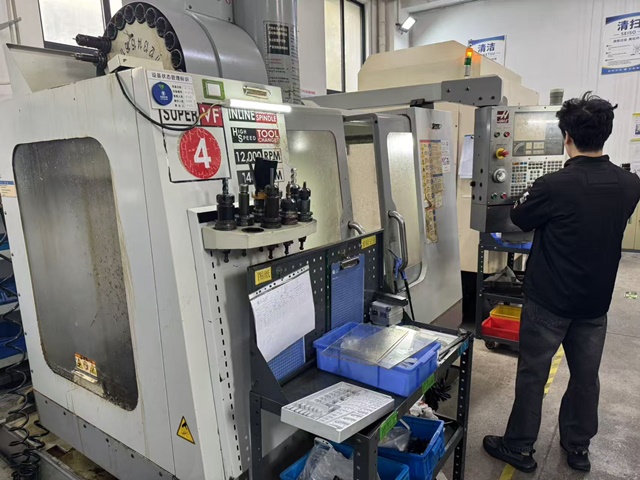
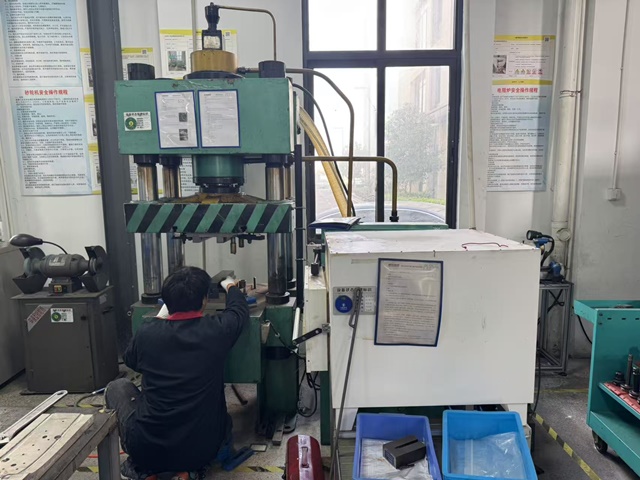
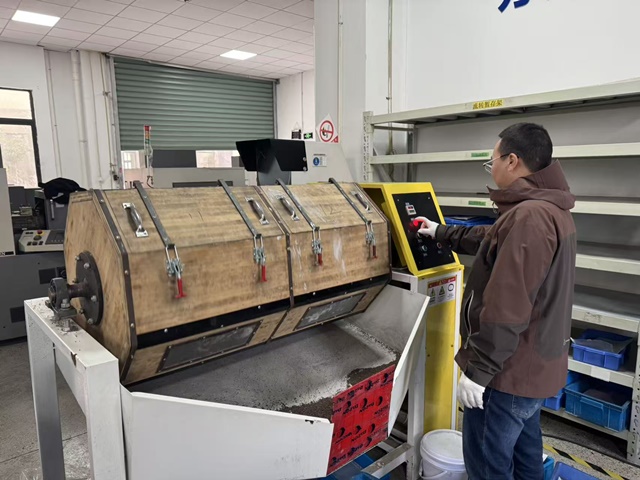
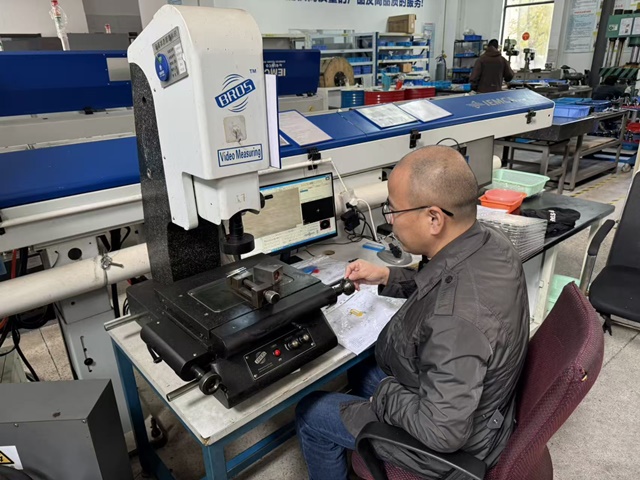
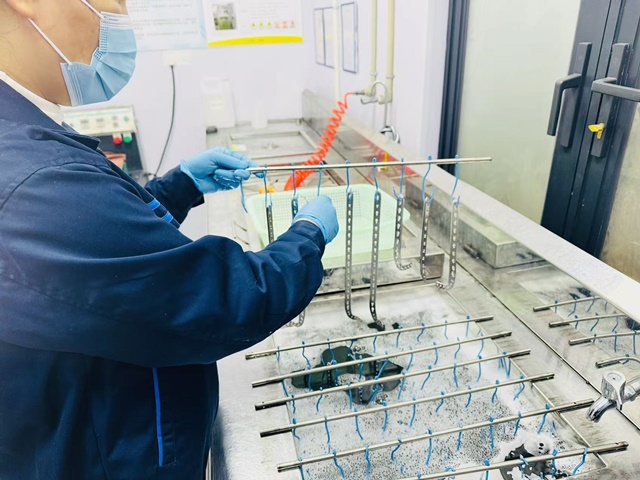
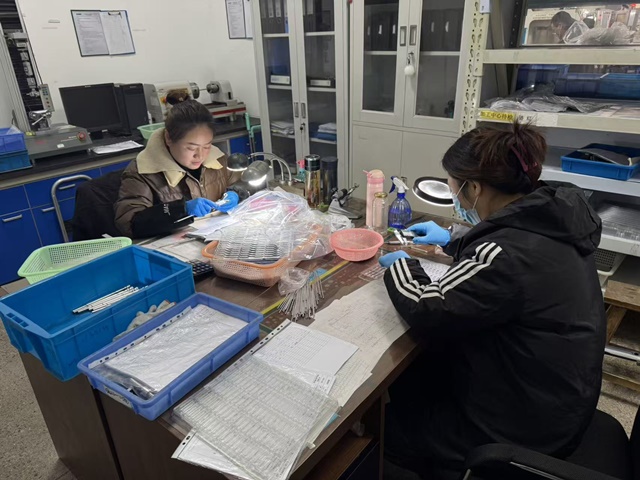
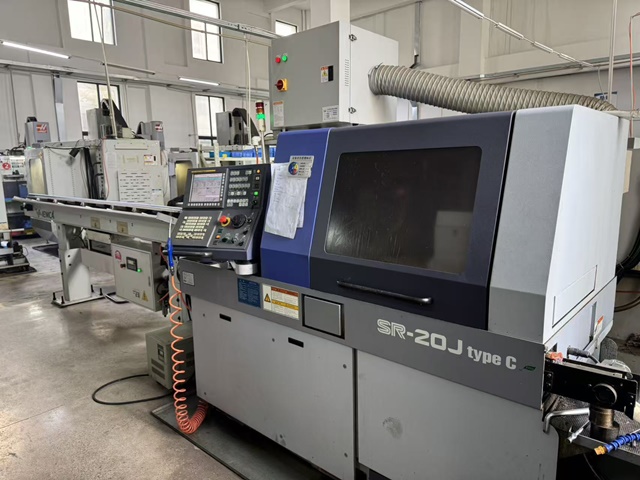
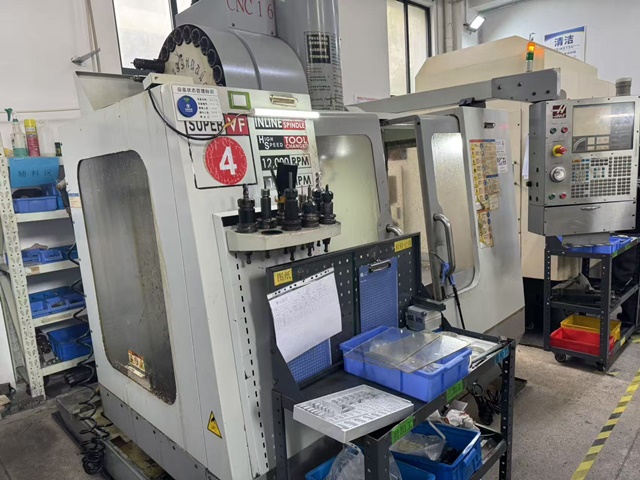
We invest in precision equipment, including HAAS CNC and Swiss-type lathes, to achieve the tight tolerances required for multi-axis joint designs.
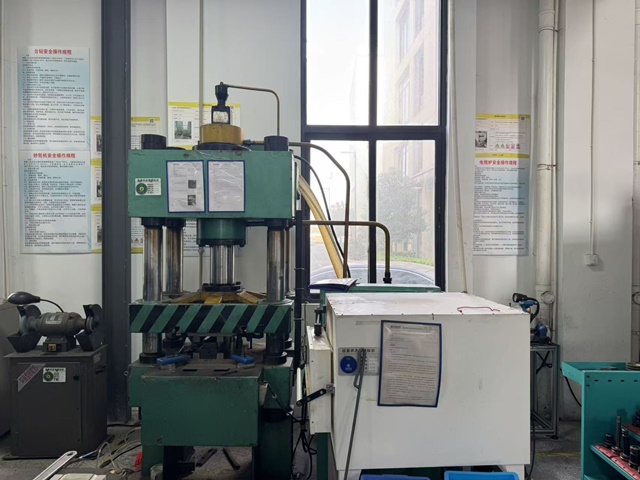
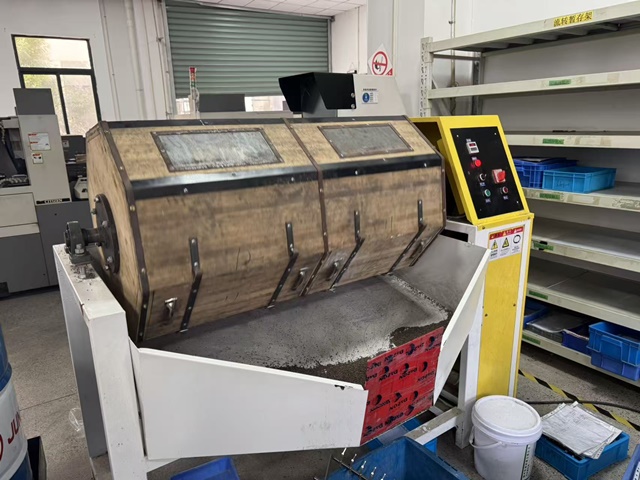
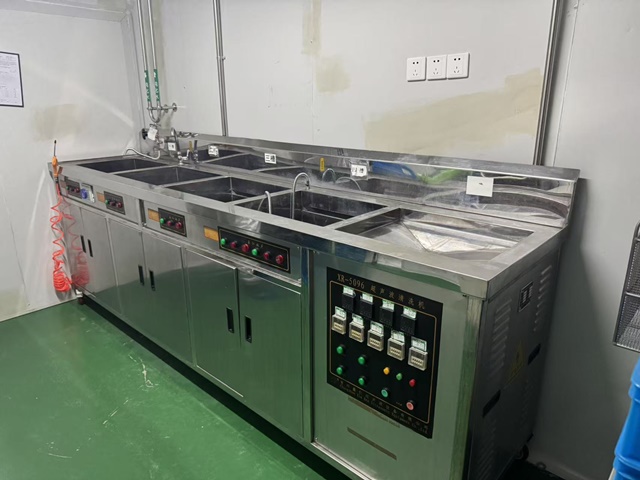
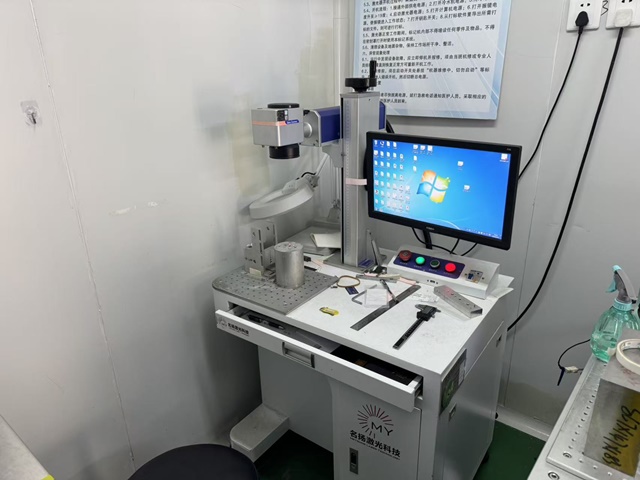
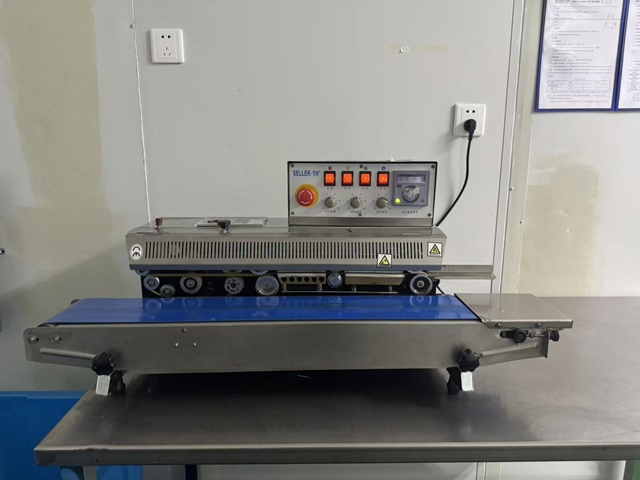
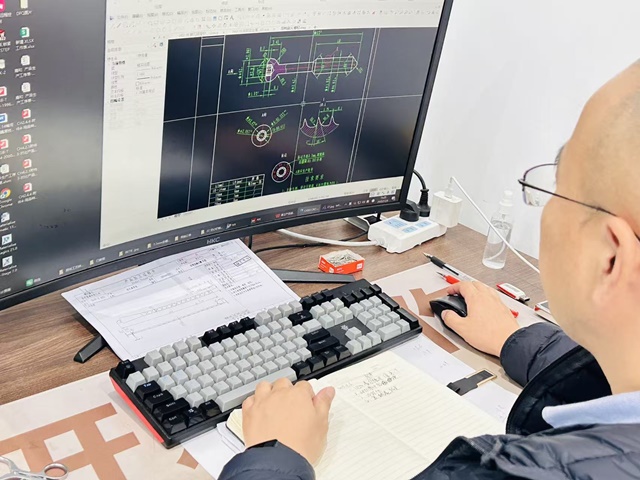
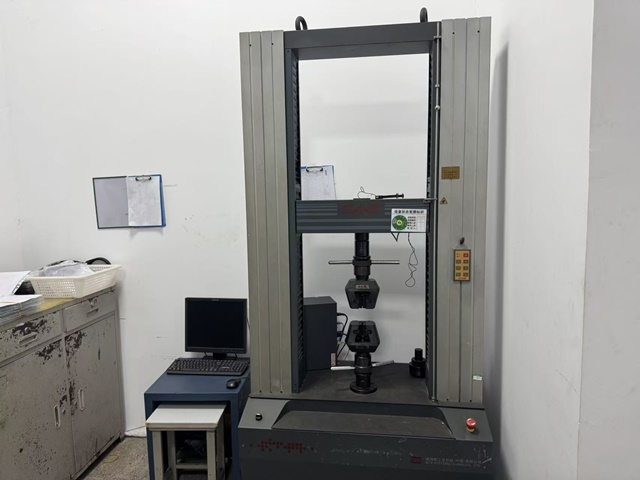
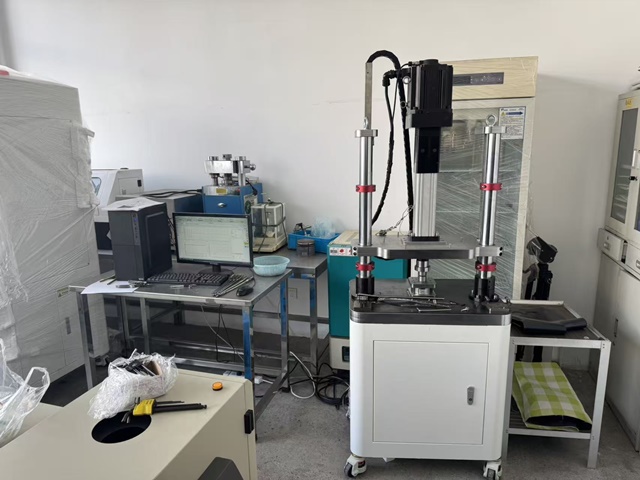
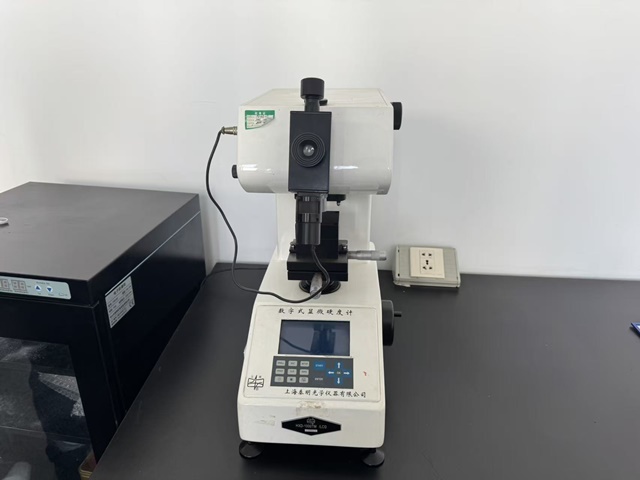
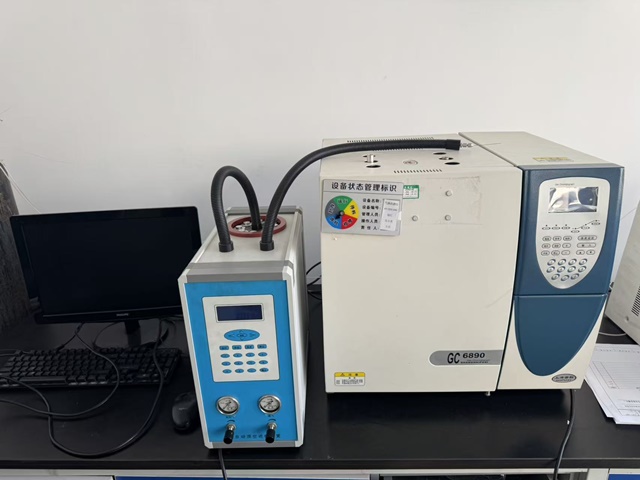
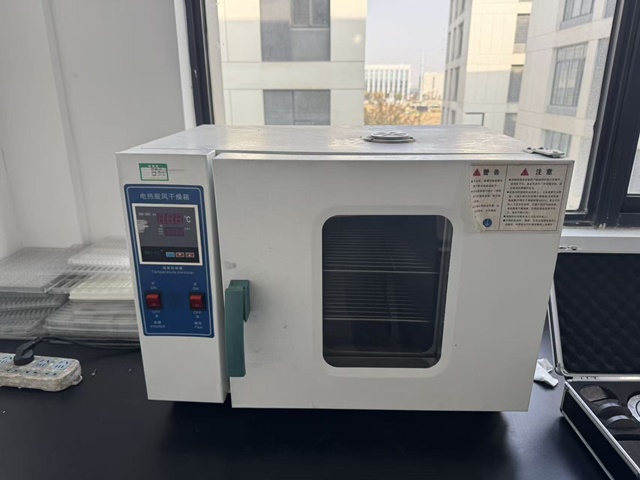
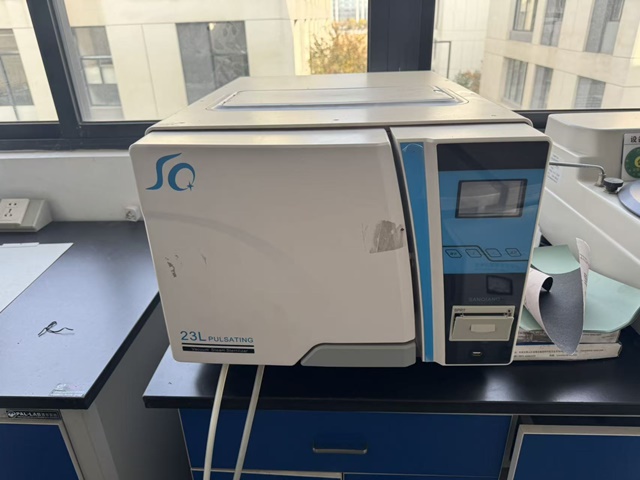
We use an array of specialized instrumentation to evaluate material properties and structural strength, ensuring implants perform safely throughout their lifespan.
The clinical survival rates of joint implants depend heavily on two main properties: osteointegration and wear minimization. Osteora's engineering team is actively researching advanced surface treatment options. For humeral and ulnar stems, we are developing 3D-printed porous titanium configurations that mimic natural trabecular bone structure. This allows bone tissue to grow directly into the metal pores, creating a stable mechanical bond that reduces reliance on bone cement and lowers the risk of aseptic loosening.
In terms of articulation surfaces, we use physical vapor deposition (PVD) to apply thin coatings, such as Titanium Nitride (TiN), to Cobalt-Chromium substrates. This hard barrier reduces metal ion release, protecting patients who have metal sensitivities. Additionally, our R&D team is working with cross-linked polyethylene materials infused with Vitamin E. This design neutralizes free radicals, limiting oxidation and keeping the material strong over long-term clinical use.
Our team is also exploring the role of surgical navigation guides and patient-specific instrumentation (PSI). Using preoperative CT scans, we can 3D print customized resection guides that allow surgeons to make precise bone cuts. This helps ensure proper implant positioning and balanced ligament tension, which can lead to better postoperative recovery and patient outcomes.
Marketing orthopedic implants globally requires strict adherence to regional medical device regulations. Osteora supports international distributors by providing complete technical documentation. Our systems conform to ISO 13485 standards, and we align our production files with the rigorous requirements of CE MDR (Medical Device Regulation) and FDA guidelines. Our quality team compiles all necessary data, including clinical evaluation documents, risk analysis papers, and sterilization validation records, to help local partners register products efficiently.
Our supply chain network is backed by 1,200 certified upstream and downstream partners. This broad network helps us source medical-grade metals and high-purity plastics reliably, keeping our production lines moving even during global supply shortages. Through structured planning, we maintain stable lead times for high-volume orders, assisting hospitals and medical groups with consistent inventory management.
Currently, Osteora's primary export markets include Europe, Southeast Asia, the Middle East, and South America. We offer flexible shipping arrangements, including specialized vacuum packaging, radiation-safe shipping crates, and complete customs documentation, to ensure products arrive safely and ready for clinical use.
Answers to common technical, quality, and regulatory questions from medical device distributors and purchasing managers.
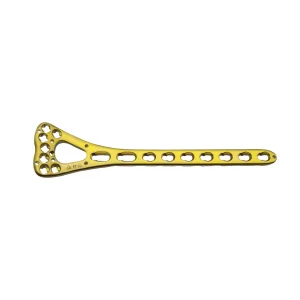
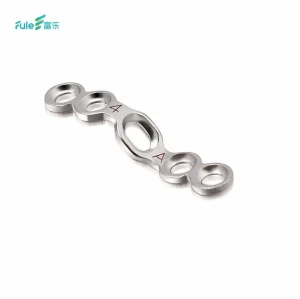
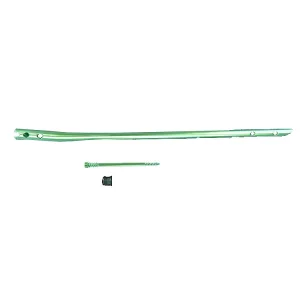
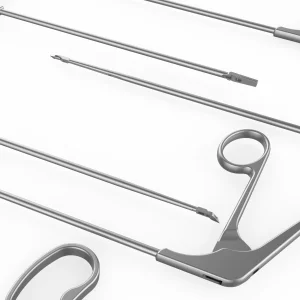
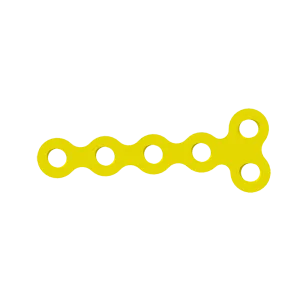
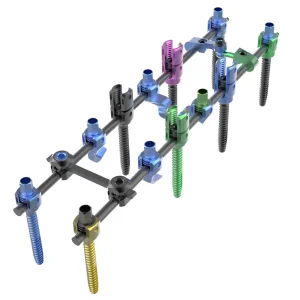
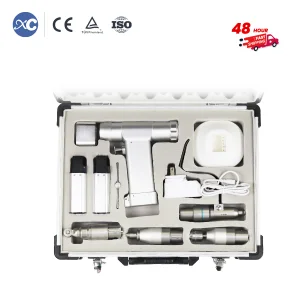
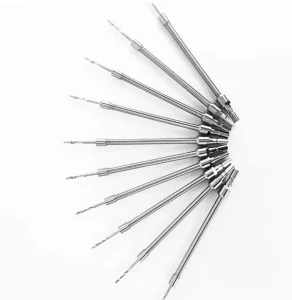
Select trauma plates, spine systems, and arthroscopic repair components designed to provide hospitals with a complete selection of surgical options.