Osteora
Osteora
Osteora
High-performance trauma and skeletal correction implants engineered for critical surgical procedures.
Founded in 2016, Osteora Medical Devices Co., Ltd. has established a strong reputation in the global orthopedic industry through continuous innovation and strict quality control standards. Spanning a modern 18,500㎡ facility, we support integrated production, assembly, and rigorous testing operations. Our brand Osteora represents specialized expertise in orthopedic implants, trauma fixation, and spinal and joint reconstruction systems.
With over 12 years of industry expertise and 8 years of export experience, Osteora serves as a trusted OEM/ODM manufacturing partner for hospitals, orthopedic clinics, surgical centers, and medical distributors across Europe, Southeast Asia, the Middle East, and South America.
Providing ultimate mechanical stability and customizable spatial adjustment mechanisms.
Circular external fixators are indispensable in managing severe open fractures, non-union, and malunion cases. Applying tensioned transfixion wires (Kirschner wires) and half-pins provides multi-planar stability. It reduces shear stresses across the fracture site while preserving bone vascularity compared to open reduction internal fixation.
Utilizing distraction osteogenesis based on the Ilizarov method, our rings, adjustable telescopic struts, and hinges offer precise biomechanical adjustments. This technology supports progressive leg lengthening, angular correction, and complex rotational realignment to restore functional limb length parity.
For bone defects caused by high-energy blast trauma, vehicle accidents, or osteomyelitis, circular fixator frames enable progressive bone transport. Moving a healthy bone segment across the defect gap promotes natural histogenesis, restoring both skeletal integrity and weight-bearing performance.
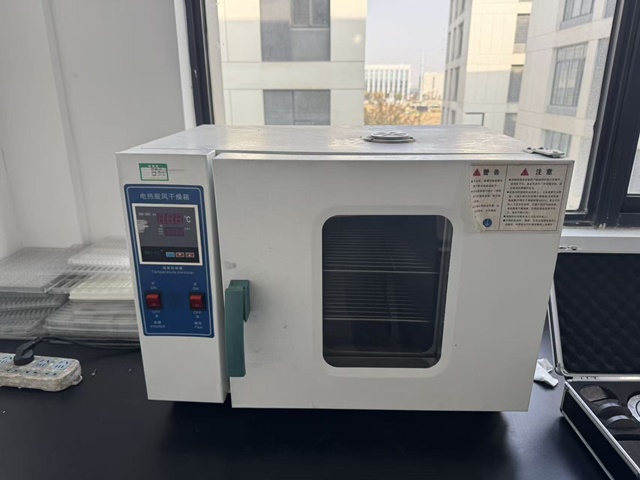
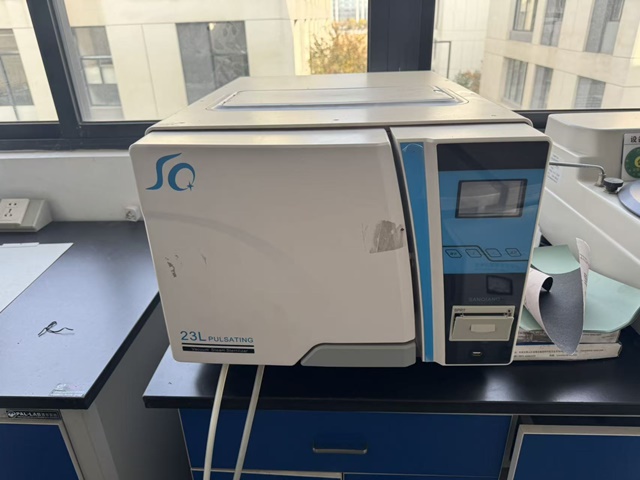
A transparent view into our precision-led manufacturing journey, ensuring quality in every orthopedic device.
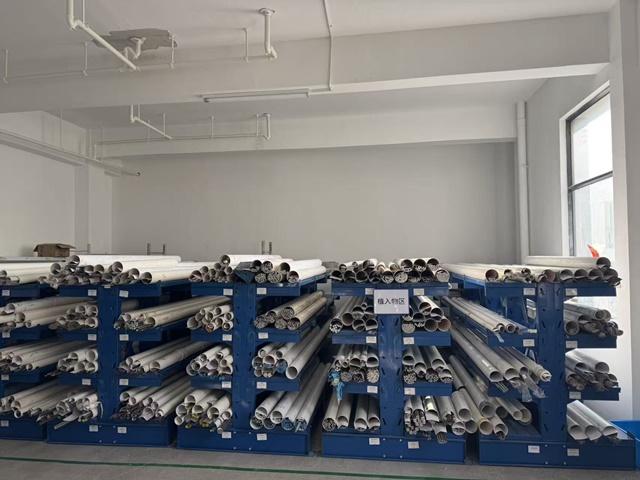
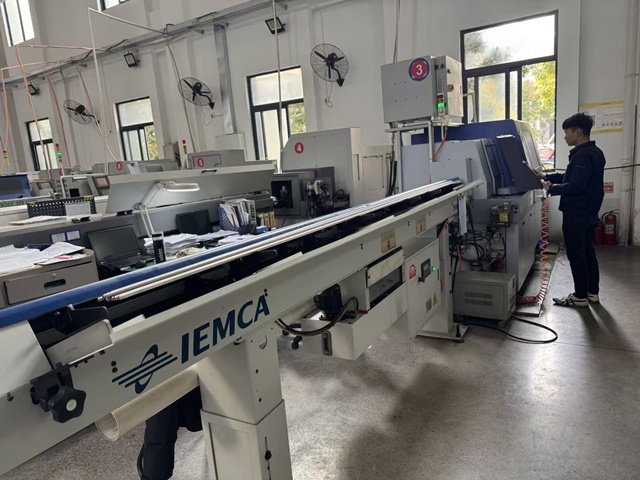
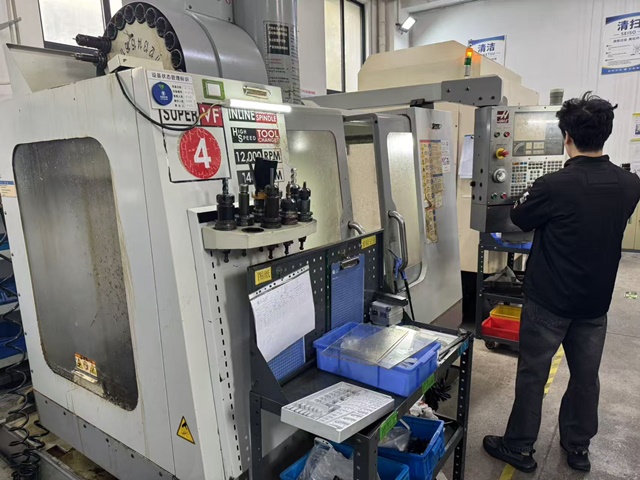
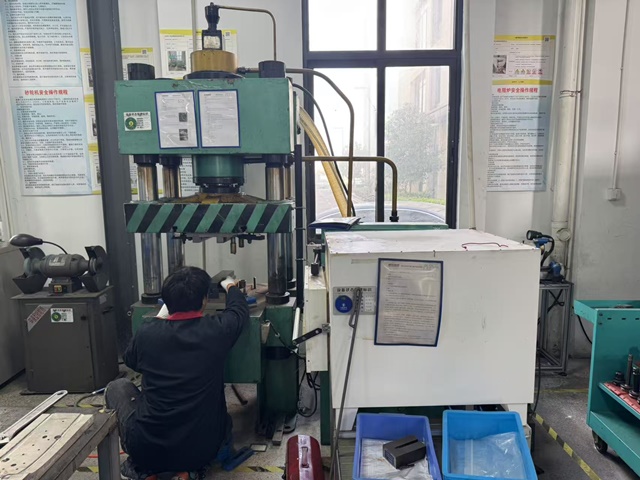
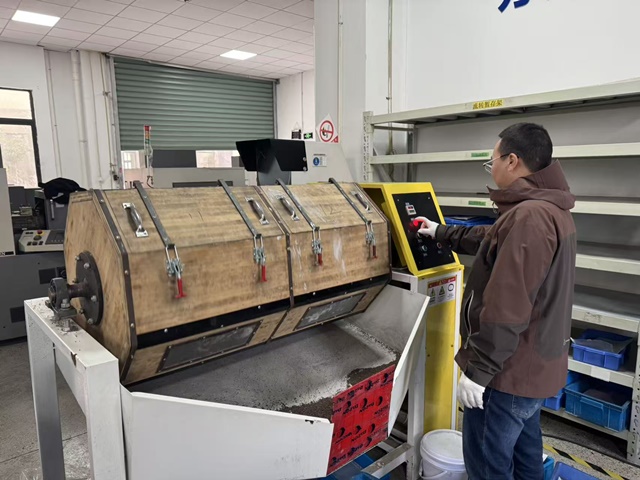
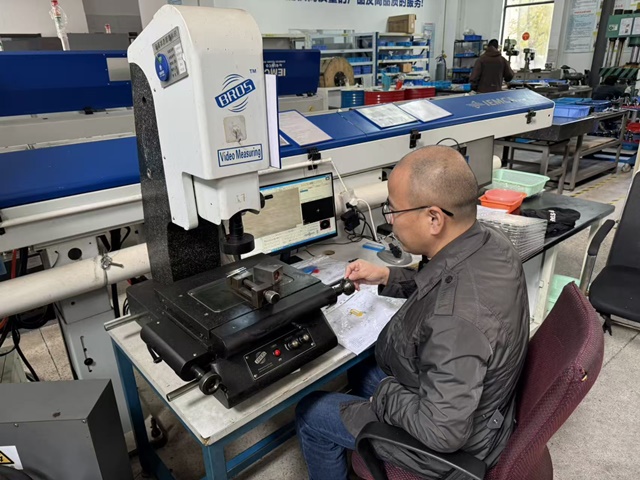
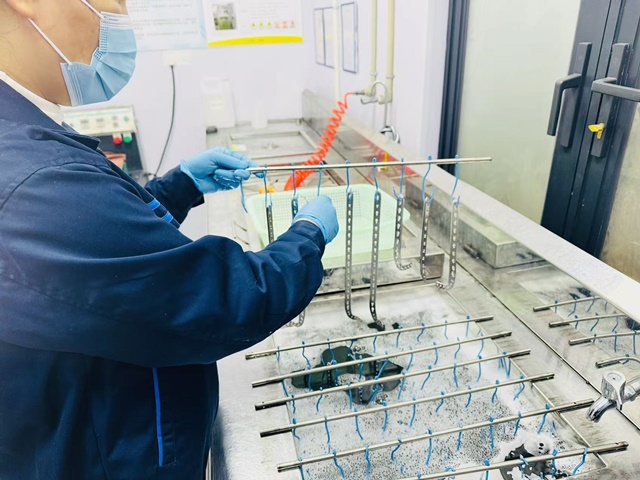
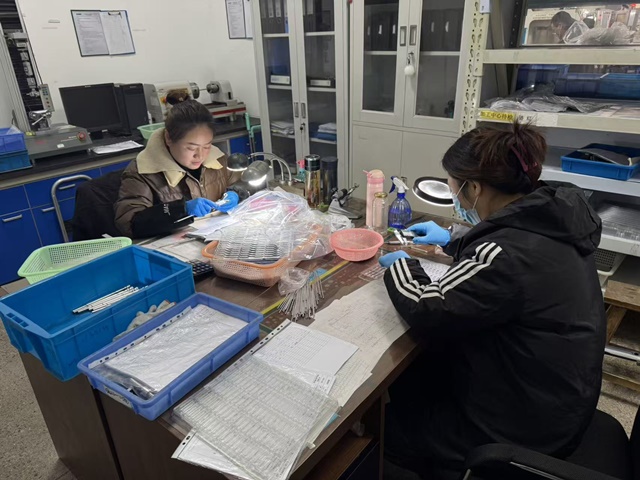
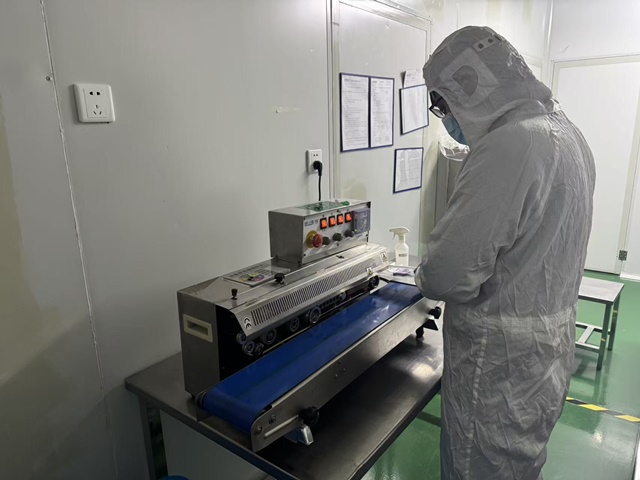
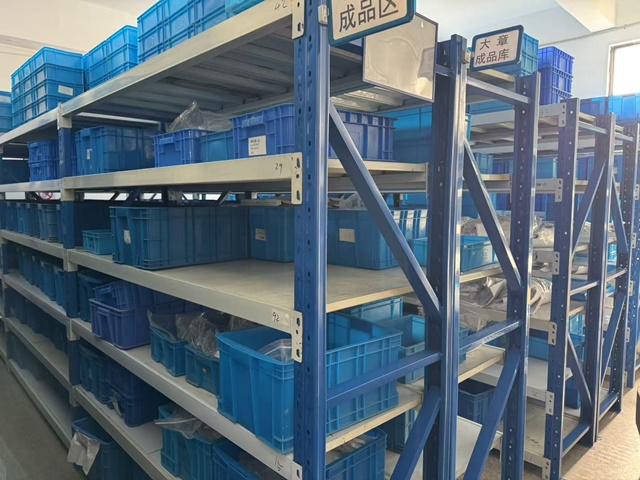
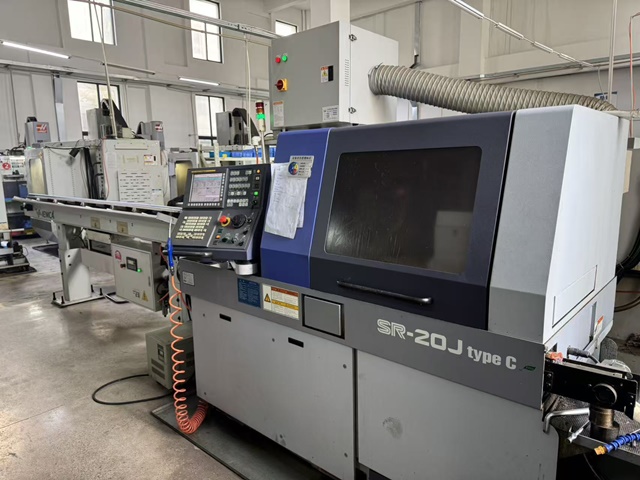
Precision manufacturing using Swiss-type CNC machine complexes and robust material testers.
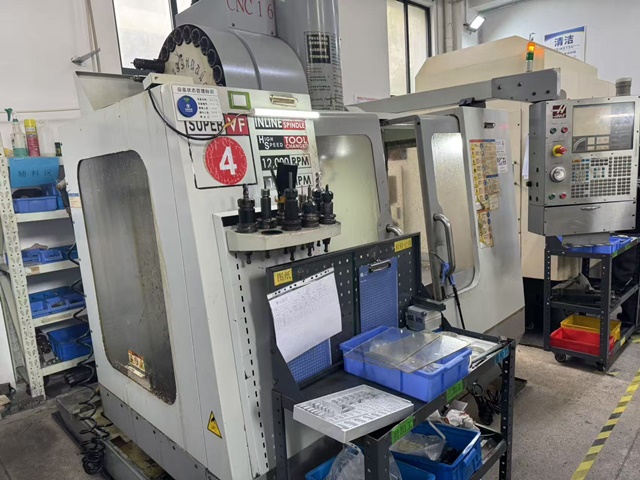
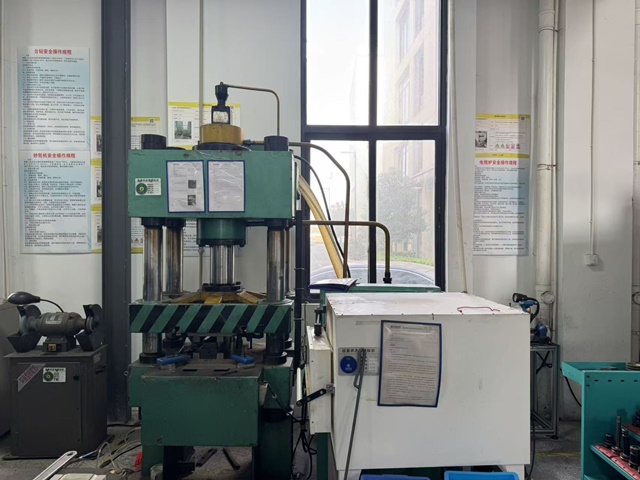
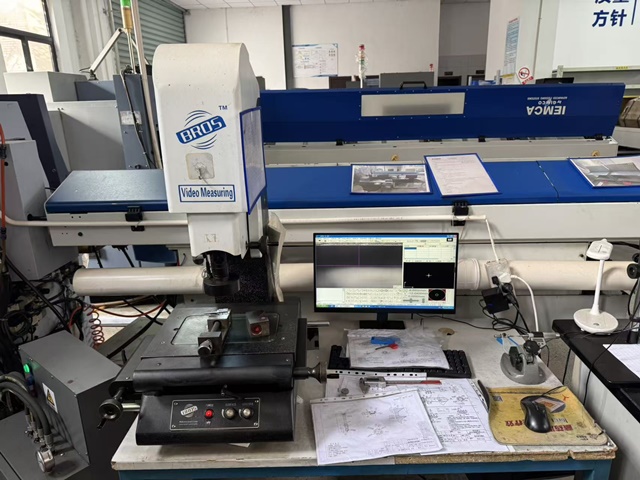
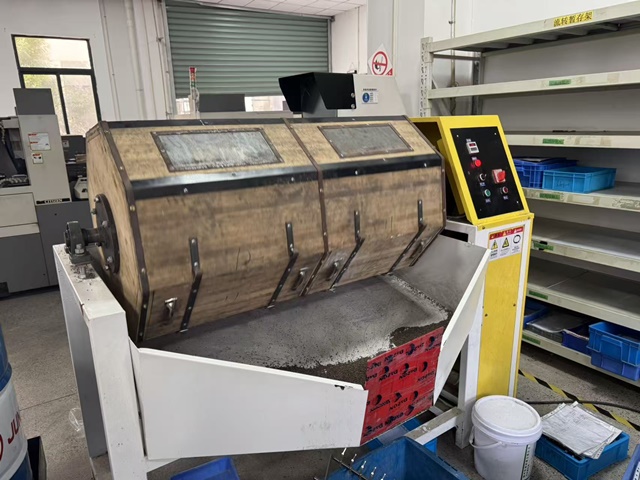
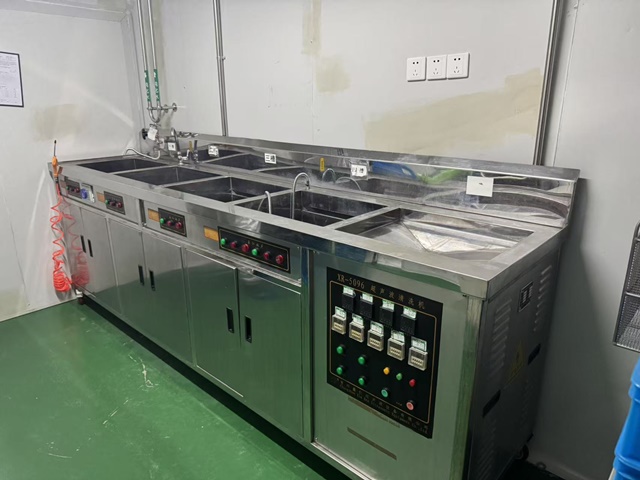
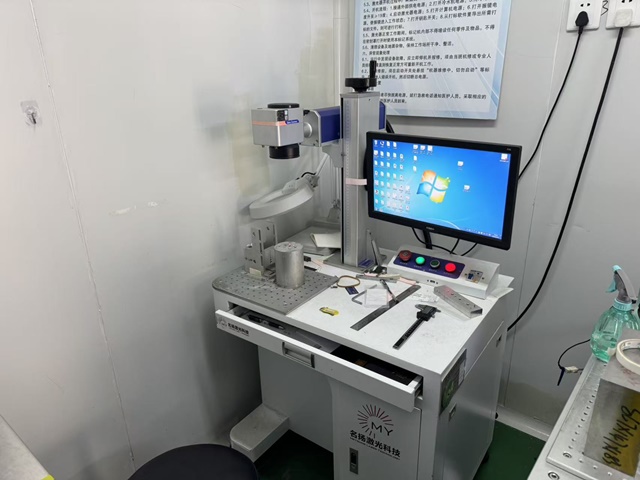
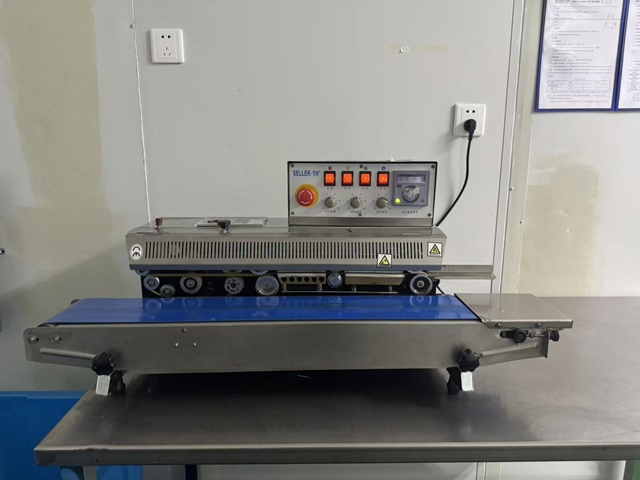
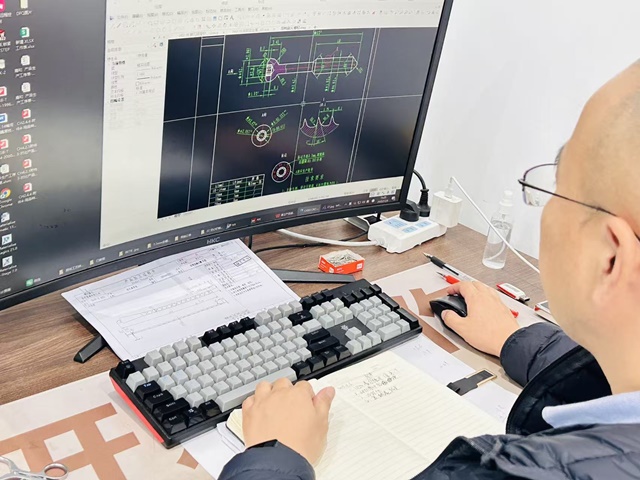
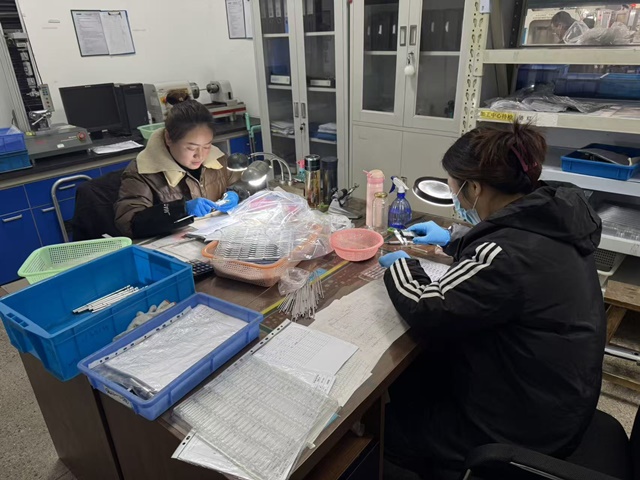
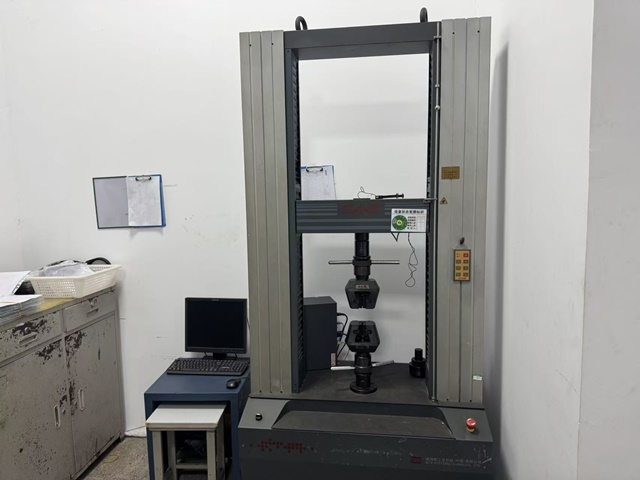
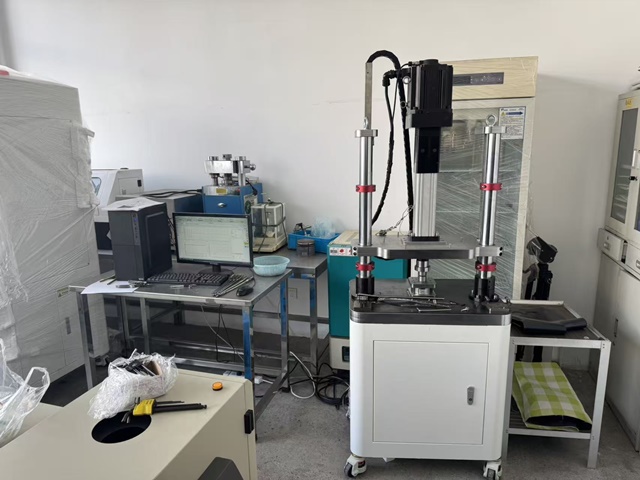
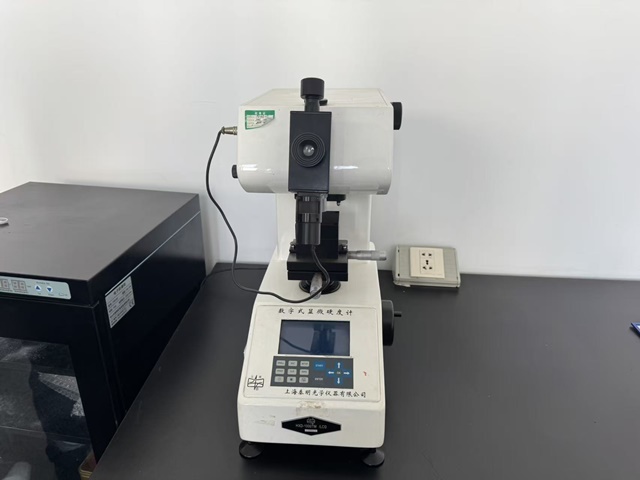
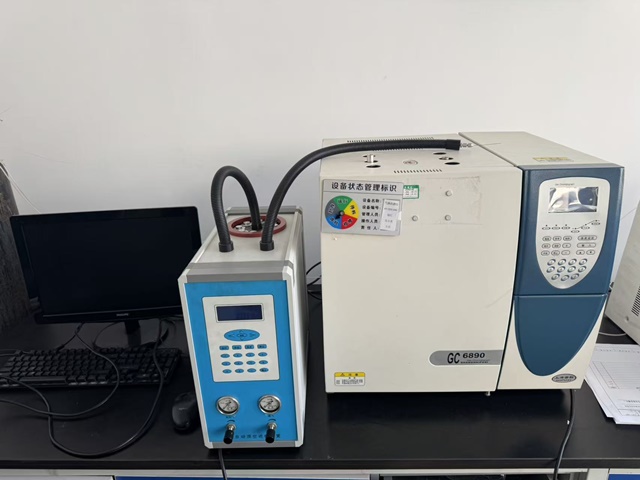
Why leading medical brands choose Chinese manufacturing partnerships for orthopedic implants.
Osteora coordinates with over 1,200 certified upstream and downstream partners within China's medical device cluster. This localized integration accelerates raw material sourcing of medical-grade titanium (Grades 4 & 5) and high-modulus carbon fiber. Consequently, it minimizes supply chain interruptions and ensures stable production capacity year-round.
By using modern machinery like HAAS CNC centers and Swiss-type lathes, we maintain tolerances within single microns (±0.005mm). Combined with cost-effective, high-output production, we deliver competitive solutions for high-volume healthcare organizations and distribution groups globally.
The orthopedic trauma industry is moving toward personalized treatments and radiolucent materials. Osteora's R&D team of 85 engineers is driving innovations in several key areas:
Transforming engineering sketches into clinically proven skeletal correction hardware.
Custom dimensions ranging from pediatric sizing to large adult frames. Option for partial/full rings, arches, and high-strength carbon composites.
Engineering customized struts, including quick-adjust threaded systems and click-adjustable telescopic struts with precise pitch values.
Compliant laser etching of private brand markings and Unique Device Identification (UDI) barcodes on all implant components.
Providing technical documentation, biocompatibility test results, and raw material reports to streamline CE, FDA, and local registration clearances.
Technical and regulatory insights for hospital procurement managers and medical distributors.
Osteora operates under an ISO 13485:2016 quality management system. Our trauma systems and circular fixators are manufactured in accordance with strict international guidelines. We employ 42 specialized inspectors who manage incoming materials, in-process checking (dimensions and surface quality), and final sampling. Biomechanical testing complies with ASTM F1541 standards to verify static and fatigue resistance under load.
We use high-grade Ti-6Al-4V ELI (Grade 5 Titanium Alloy) and Stainless Steel 316LVM. Additionally, we manufacture premium radiolucent rings using carbon fiber composites. These composites offer excellent strength-to-weight ratios and allow unobstructed radiological assessment of bone healing during treatment.
Standard prototype development ranges from 3 to 5 weeks. This speed is supported by our 85-engineer in-house R&D department and high-performance HAAS CNC and Swiss-type lathe complexes. High-volume manufacturing lead times depend on total order volume, typically ranging from 45 to 60 days.
We maintain 8 years of export history to Europe, Southeast Asia, South America, and the Middle East. Osteora provides full customs documentation. This includes certificates of origin, biocompatibility reports, chemical mill analysis sheets, sterilization validation packaging files, and commercial export paperwork. We help distributors navigate their local regulatory bodies.
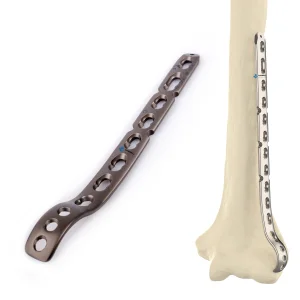
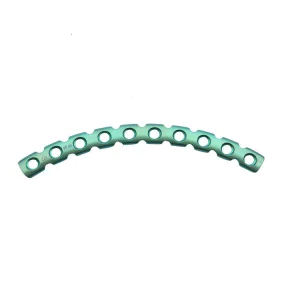
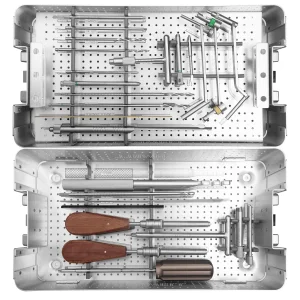
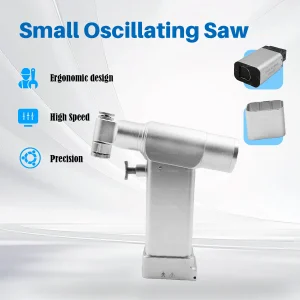
Extending surgical capability through specialized fixation plates, surgical instruments, and trauma systems.