Osteora
1. Global Landscape of Bone Plates & Screws Manufacturing
The global orthopedic implant market is experiencing a significant paradigm shift driven by demographic changes, rising clinical demands for osteosynthesis, and technological advancements. Bone plates and screws represent the cornerstone of orthopedic internal fixation, addressing complex fractures, skeletal reconstruction, and spinal instabilities. Today, hospitals, clinics, and distributors face the imperative of sourcing implants that meet stringent biomechanical demands while remaining economically viable.
As regulatory landscapes like the EU Medical Device Regulation (MDR) and the US FDA Class III guidelines tighten, sourcing from certified OEMs (Original Equipment Manufacturers) has become a strategic necessity. High-grade implant materials such as Titanium Alloys (Ti-6Al-4V ELI) and polyetheretherketone (PEEK) are now standard, requiring manufacturing sites to employ sophisticated testing methodologies to prove biocompatibility, mechanical durability, and fatigue resistance.
2. Osteora Medical Devices: A Benchmark of Manufacturing Expertise
Osteora Medical Devices Co., Ltd. is a leading-edge professional orthopedic implant and surgical solution manufacturer specializing in trauma, spine, and joint reconstruction systems. Under the flagship brand Osteora, the company delivers class-leading surgical hardware designed to improve clinical outcomes and simplify surgical interventions.
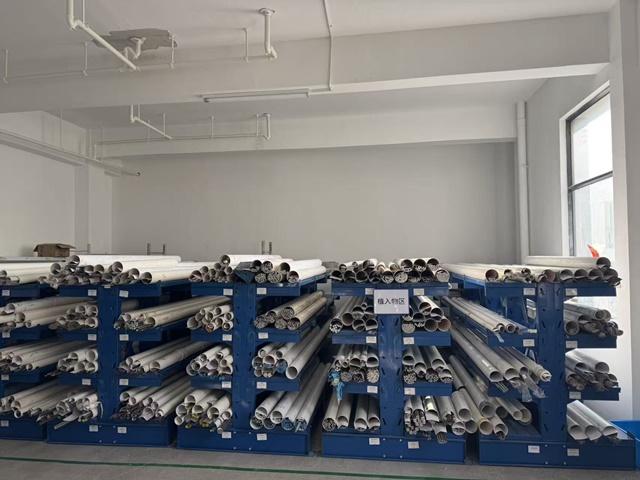
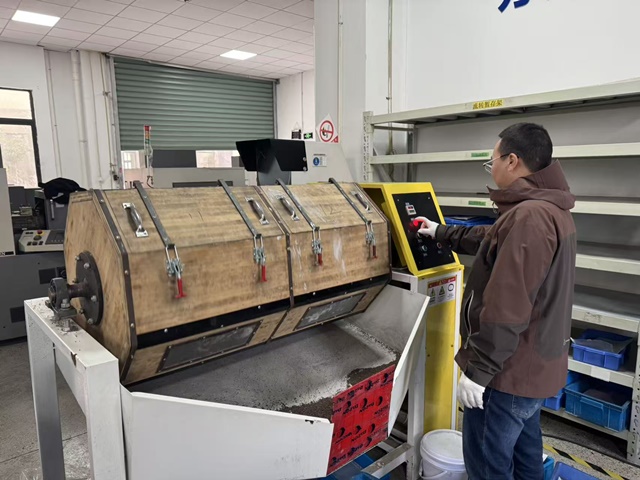
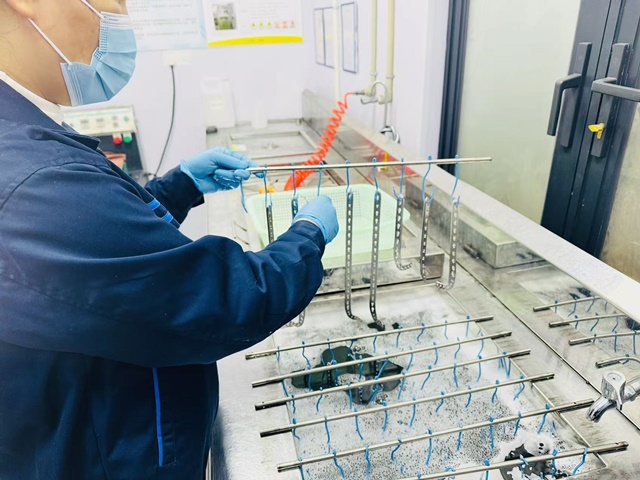
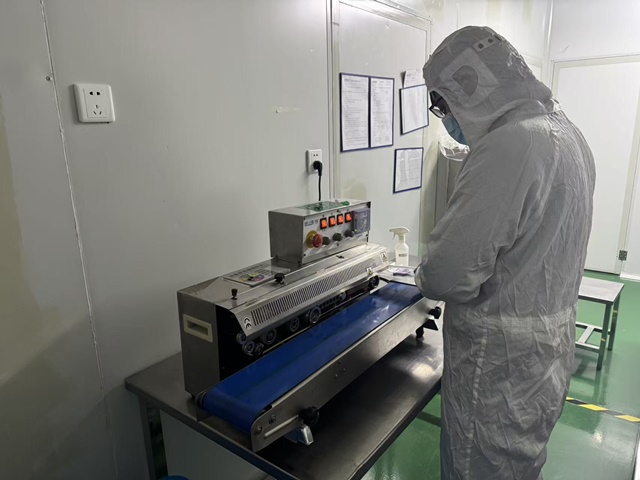
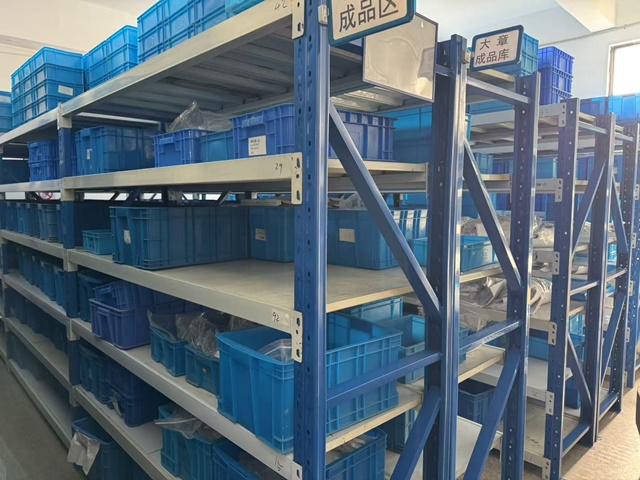
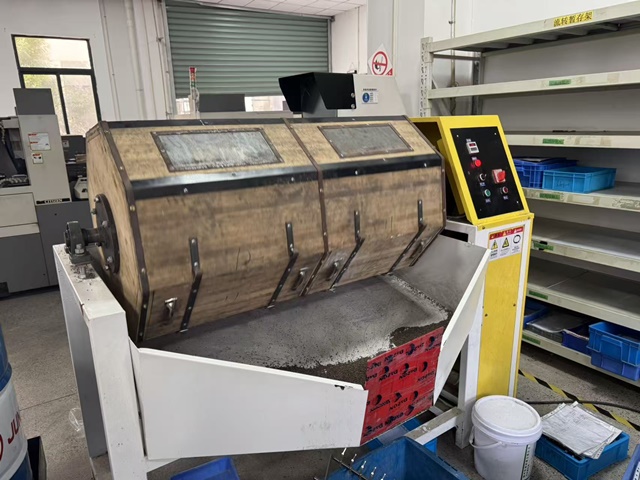
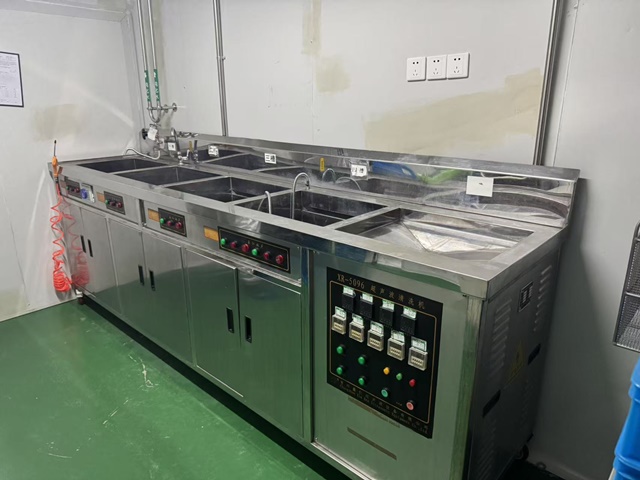
Founded in 2016, Osteora has established a highly reputable position in the global orthopedic arena through strict quality management and a commitment to innovation. Operating out of an advanced facility spanning 18,500㎡, we run integrated lines for raw material processing, precision machining, finishing, cleaning, clean-room assembly, and validation testing.
Through robust logistics and custom compliance support, Osteora maintains strong trading pathways with major healthcare distributors across Europe, Southeast Asia, the Middle East, and South America. Supported by an extensive network of 1,200 certified upstream and downstream partners, Osteora ensures reliable supply chain resilience, allowing us to maintain stable production runs and rapid delivery cycles for hospitals and surgical centers globally.
3. Strategic Advantages of OEM/ODM Manufacturing in China
Procuring orthopedic implants from China offers distinct structural benefits, combining high technical efficiency with unmatched industrial density. Osteora optimizes these advantages to provide value to global procurement partners:
- Integrated Supply Chain: Our proximity to raw material producers and specialized chemical processors enables us to execute orders efficiently, maintaining complete traceability from titanium ingot to packaged implant.
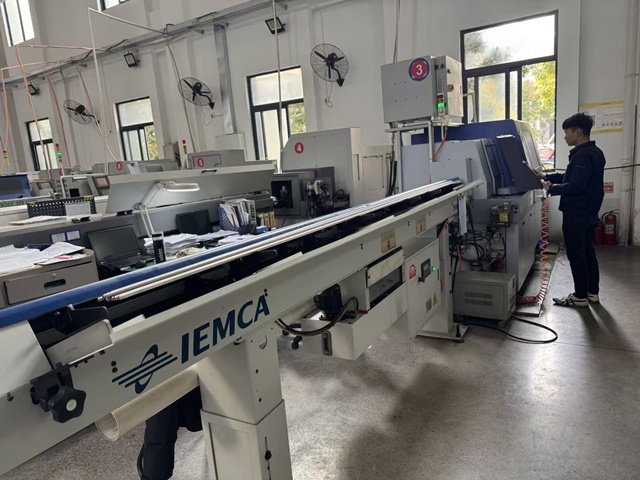
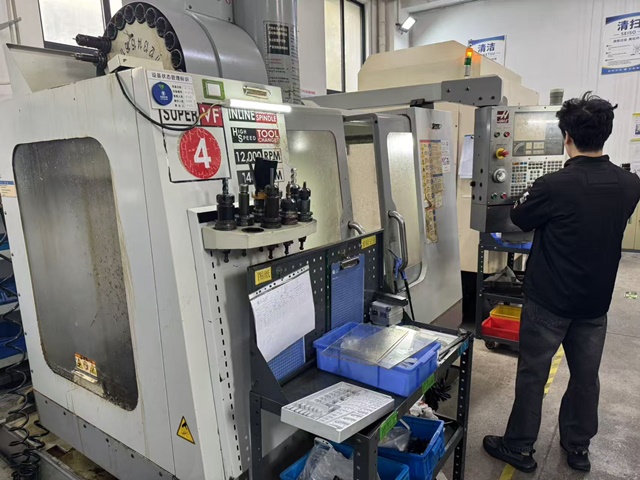
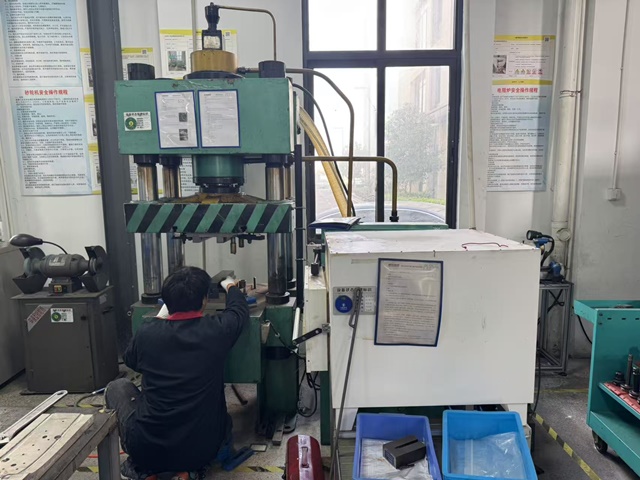
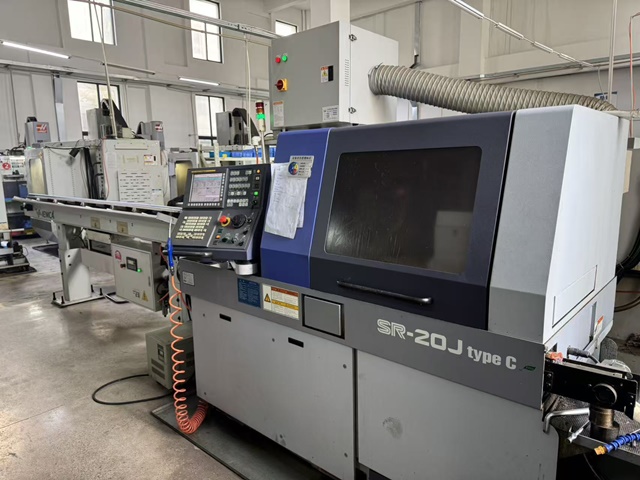
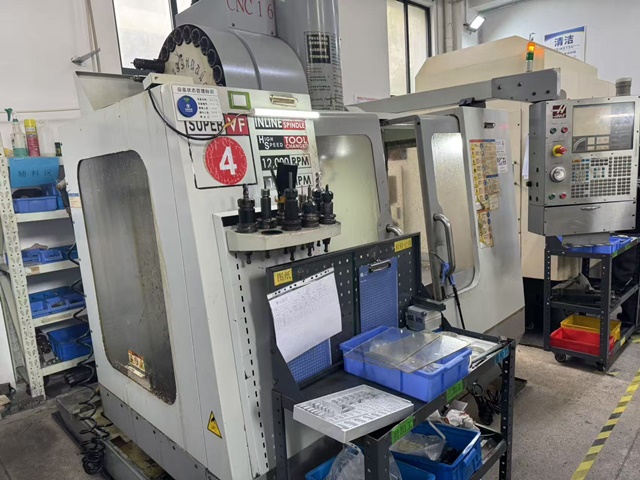
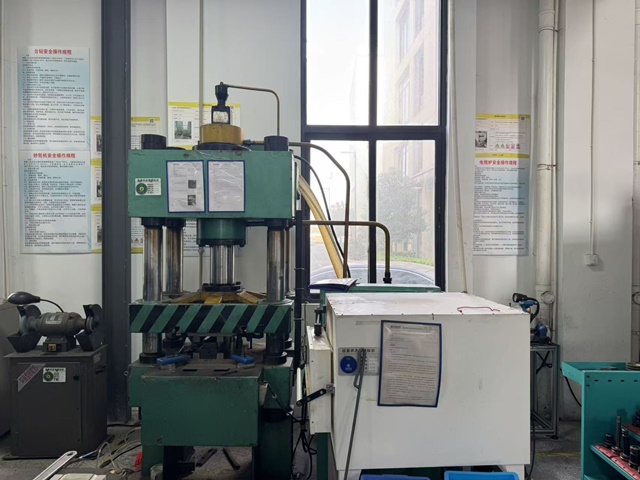
- Advanced Production Machinery: We utilize high-end European and American fabrication setups, including Swiss-type Lathes, HAAS CNC machinery, and high-precision stamping lines.
- Cost-Efficient Engineering: Dual-tier supply optimization allows us to provide competitively priced products without compromising quality. This ensures that clinical users receive implants made from biocompatible medical-grade materials that conform strictly to international benchmarks.
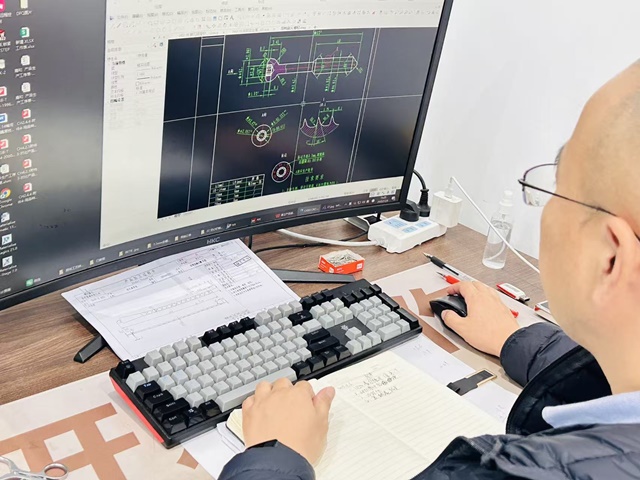
- Rapid Innovation & Customization: Driven by our 85-strong design department, Osteora launched approximately 120 new products last year alone, translating clinical feedback directly into surgical hardware solutions.
4. The Osteora Manufacturing Process
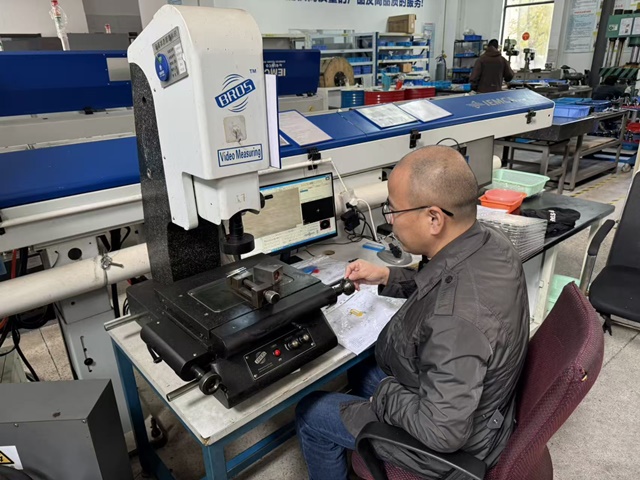
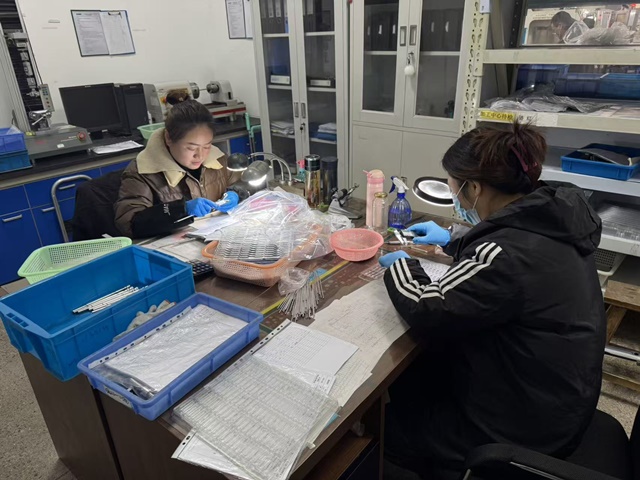
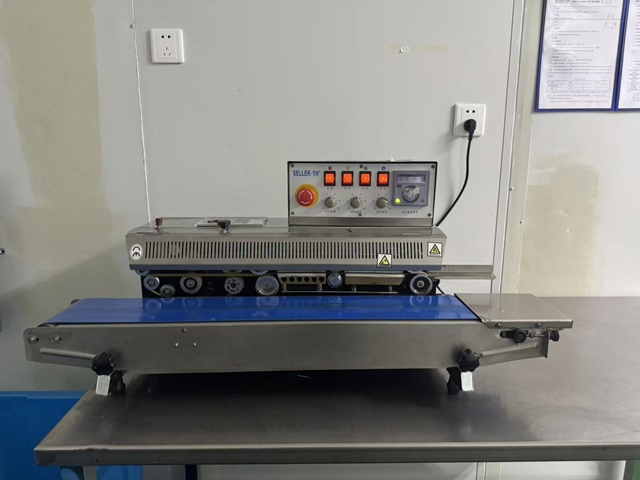
Every bone plate, intramedullary nail, and polyaxial locking screw goes through a highly regulated fabrication cycle inside our facility. Below is an overview of our workflow:
5. Advanced R&D, Testing Systems, and Technical Validation
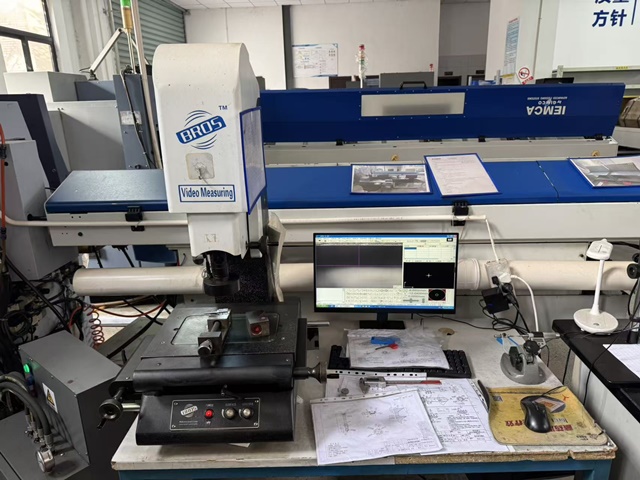
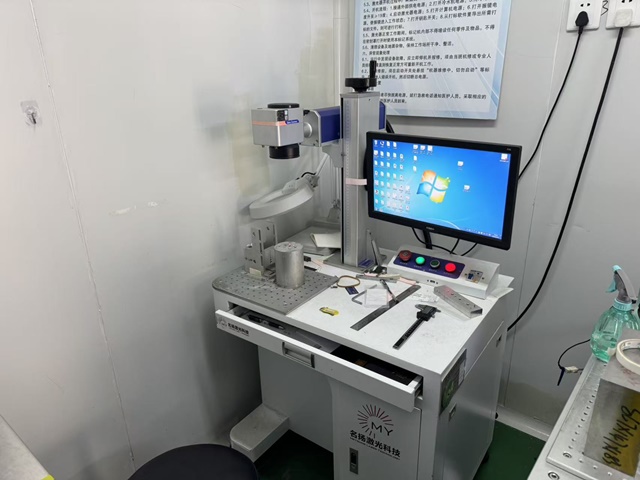
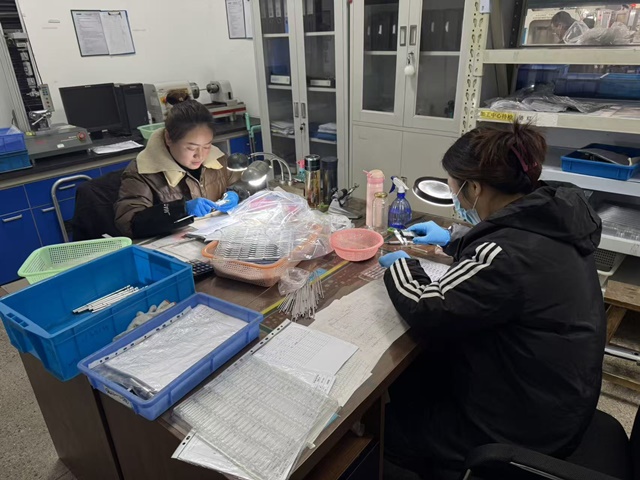
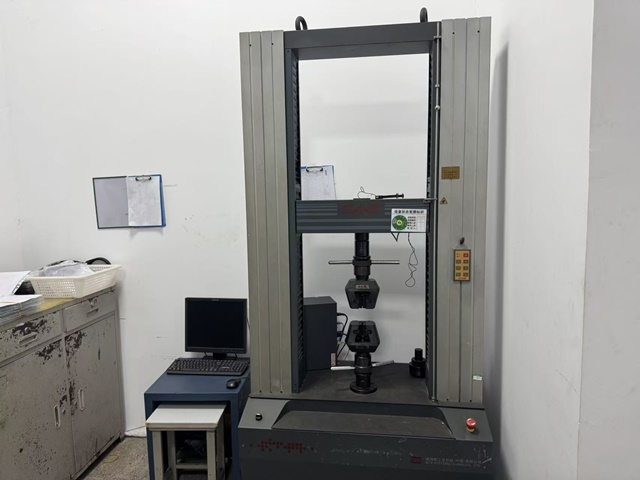
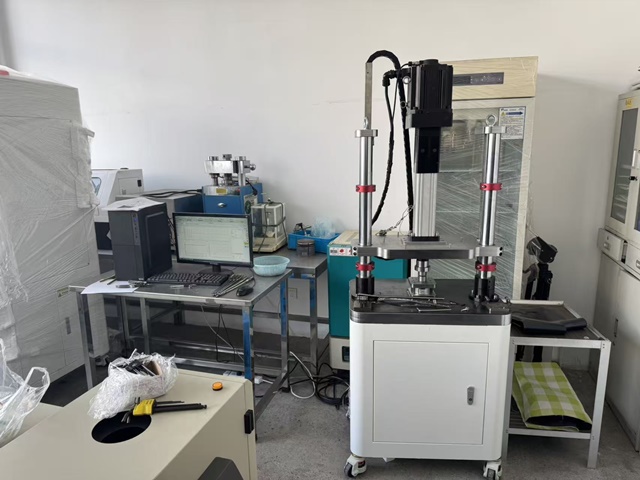
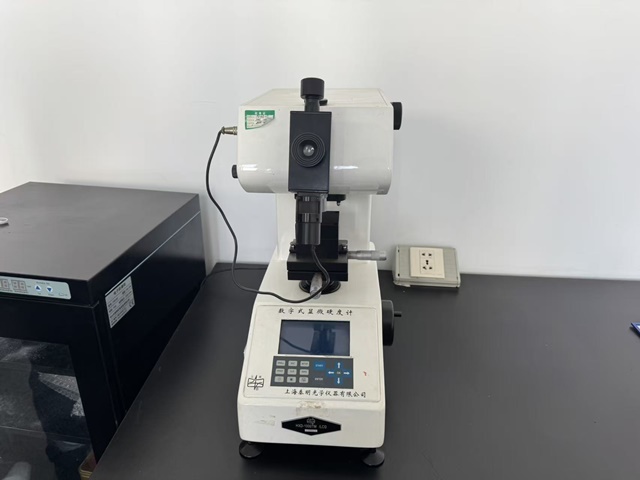
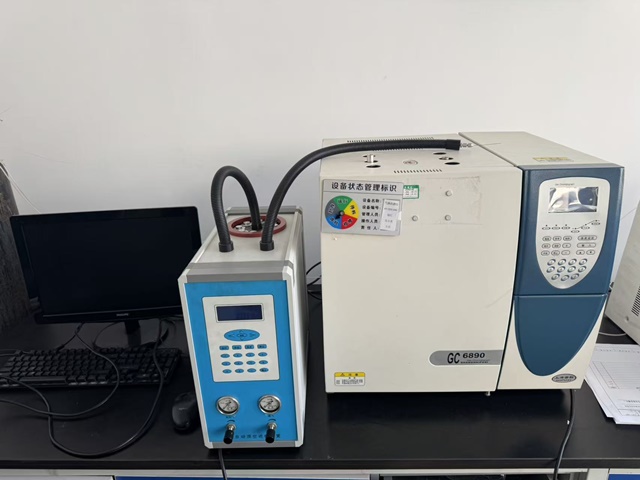
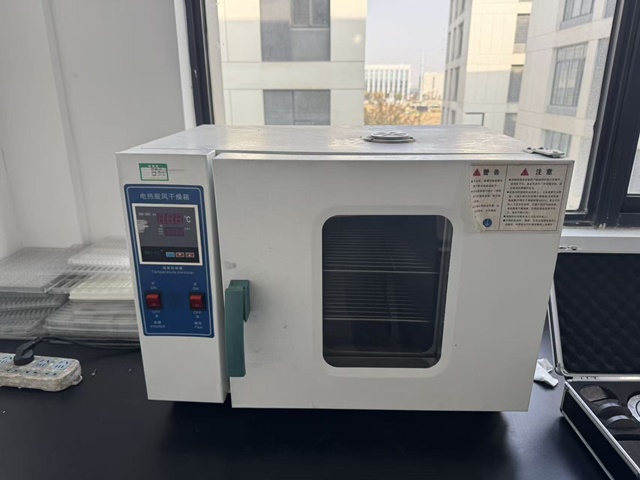
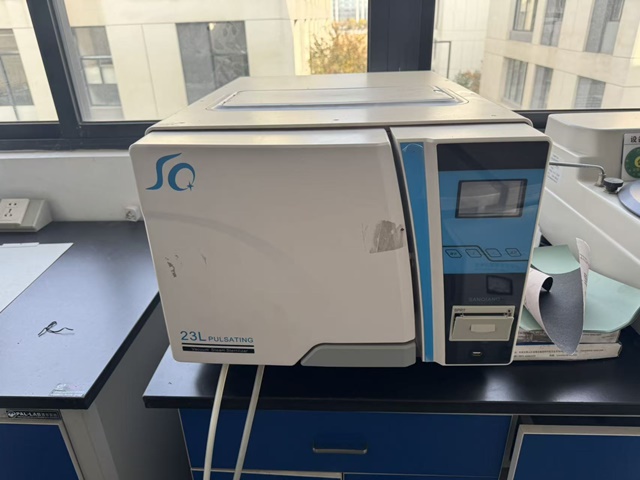
Osteora's commitment to the E-E-A-T principle is reflected in our dedicated quality assurance systems. Our testing operations involve 42 specialized inspectors using high-precision instruments to monitor every batch of implants.
Our quality verification processes check dimensional tolerances, mechanical performance, fatigue life, and material composition. From raw titanium bars to post-machining passivation, every production step is documented to support clean trace documentation for regulatory clearances.
6. Localized Clinical Applications & Global Sourcing Demands
The clinical demands for bone plates and screws vary depending on the target anatomy. Osteora develops customized product designs tailored to specific clinical scenarios:
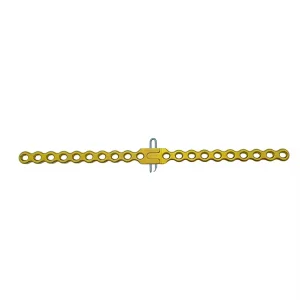
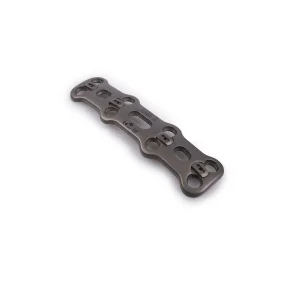
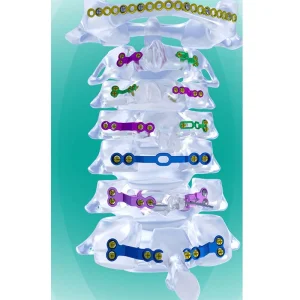
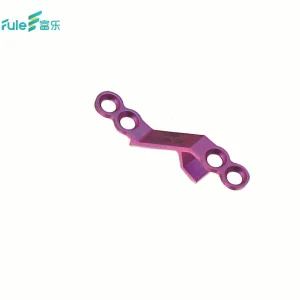
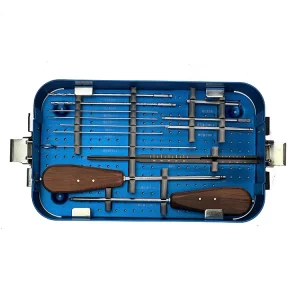
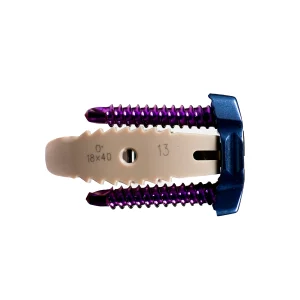
- Spine Decompression & Stabilization: Solutions like our Posterior Cervical Laminoplasty Surgical System and the Titanium Anterior Cervical Bone Plate System provide stabilization for patients suffering from spinal stenosis, cervical myelopathy, or disc degeneration.
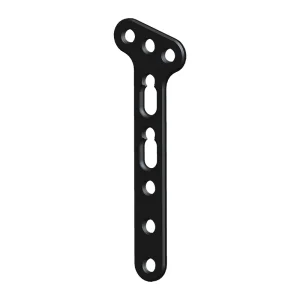
- Trauma Fixation: Implants such as the Distal Lateral Tibial Locking Plate and various intramedullary locking nails provide stable fixations for diaphyseal and articular fractures, supporting early patient mobilization.
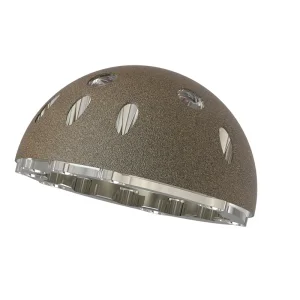
- Joint Arthroplasty: Our acetabular cups and hip prostheses use porous surfaces and optimized geometry to support long-term biological fixation and reduce the risk of aseptic loosening.
7. Future Trends in Orthopedic Implant Manufacturing
Looking ahead, the orthopedic industry is evolving toward three primary trends: additive manufacturing, smart implants, and advanced surface modifications. 3D-printed titanium implants are enabling customized structures that mimic trabecular bone, improving osseointegration. Additionally, the development of bioactive surface coatings helps reduce infection risks and accelerate bone healing, representing key growth areas for global medical device OEMs.