 Osteora
Osteora
Osteora
Premium class III orthopedic hardware designed for maximum osteointegration and clinical performance.
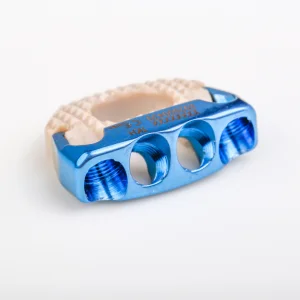
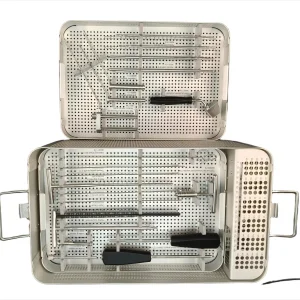
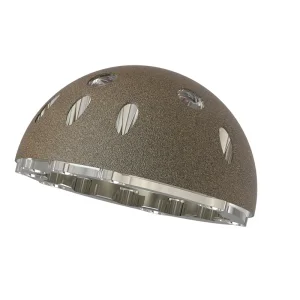
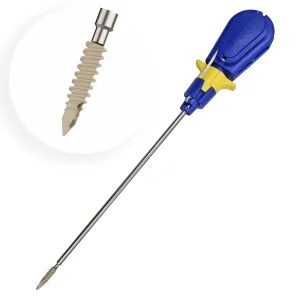
Founded in 2016, Osteora Medical Devices Co., Ltd. has grown to become an authoritative designer and manufacturer of Class III implantable medical hardware, specializing in trauma fixation systems, joint reconstruction, and complex spinal architectures. Engineered under our flagship brand Osteora, our products represent the convergence of high-grade raw materials and sophisticated manufacturing technology.
Our expansive industrial site covers 18,500㎡, integrating state-of-the-art production floors, ISO Class 7/Class 8 cleanrooms for cleaning and packaging, and high-performance testing laboratories. Combining 12 years of industry technical expertise with 8 years of dedicated medical export operations, we serve as a vital link in the international biomedical supply chain.
We are a certified OEM/ODM developer maintaining a robust network of over 1,200 validated partners worldwide, supporting clinical centers, distributors, and surgical institutions in Europe, Southeast Asia, the Middle East, and South America. Annually, our export volume commands between USD 6 million and 14 million, signifying strong market confidence in our engineering excellence.
Our global operations conform tightly to ISO 13485 (Medical Devices Quality Management Systems), featuring complete raw material traceability from premium medical-grade titanium alloys and polymer structures to final sterilized packaging.
Exploring the bio-material advancements and clinical demand driving next-generation spinal implants.
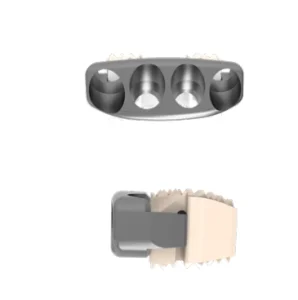
Polyetheretherketone (PEEK) has revolutionized interbody fusion. Featuring an elastic modulus (approx. 3.6 GPa) closely matching human cortical bone, it mitigates stress shielding and minimizes the risk of implant subsidence. Our custom OEM zero-profile cages offer superior radiolucency for unimpeded radiographic evaluation of osseous bridge formation.
Advanced additive manufacturing (3D printing) enables complex porous structures mimicking trabecular bone architecture. This maximizes surface micro-roughness, promoting direct osteoblast attachment, early vascularization, and superior mechanical anchorage without the need for additional osteoconductive coatings.
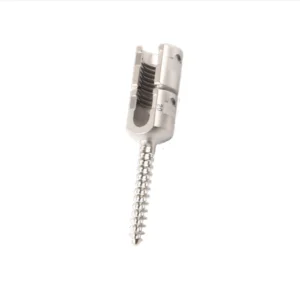
Minimally invasive pedicle screw systems and percutaneous instrumentation demand low-profile designs and streamlined delivery systems. Our engineering team focuses on ergonomic instrument integration, facilitating precise screw placement via guide-wires through micro-incisions to minimize soft tissue disruption.
Over the past decade, China has transitioned from a component supplier to a global powerhouse in high-precision biomedical instrumentation. When medical technology brands choose Osteora for their OEM/ODM contracts, they tap into key competitive advantages:
By employing robotic Swiss-type lathes, we ensure that every pedicle screw, cortical thread, and locking mechanism fits seamlessly with its corresponding driver, ensuring perfect surgical execution.
A look inside our integrated production line, from certified raw materials to advanced biomechanical verification.
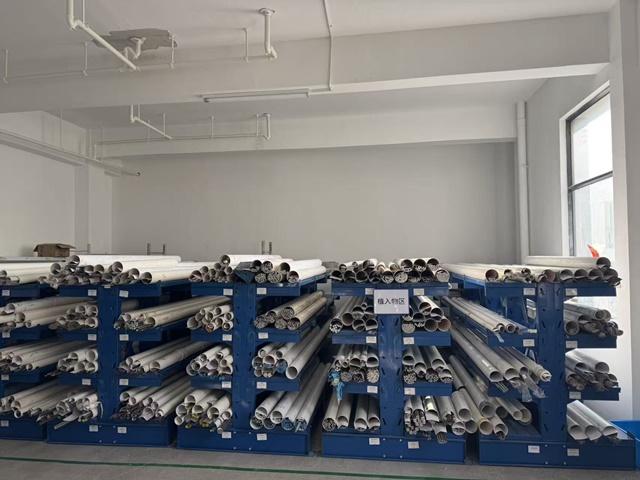
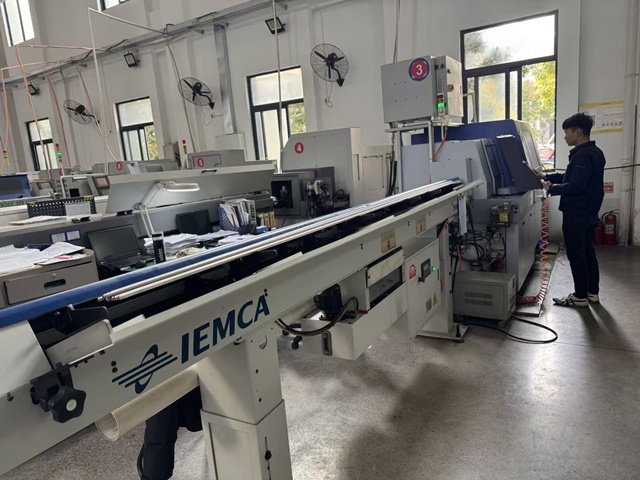
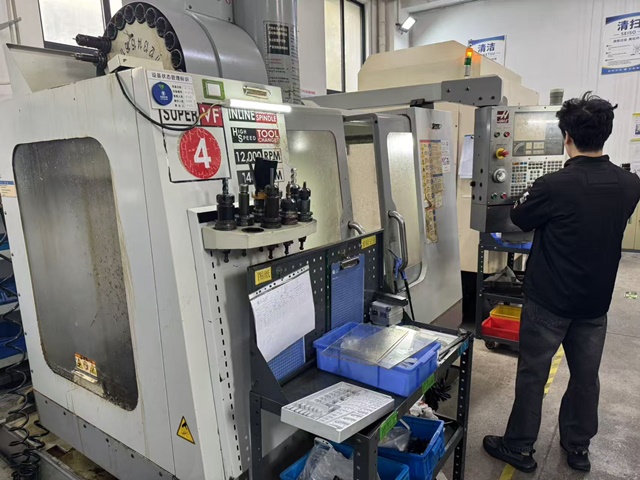
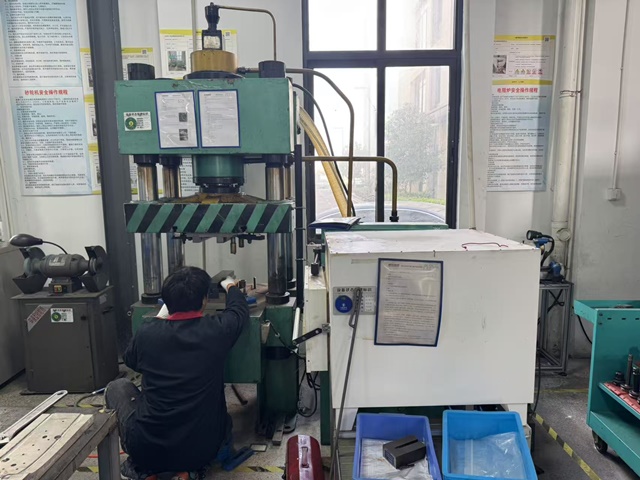
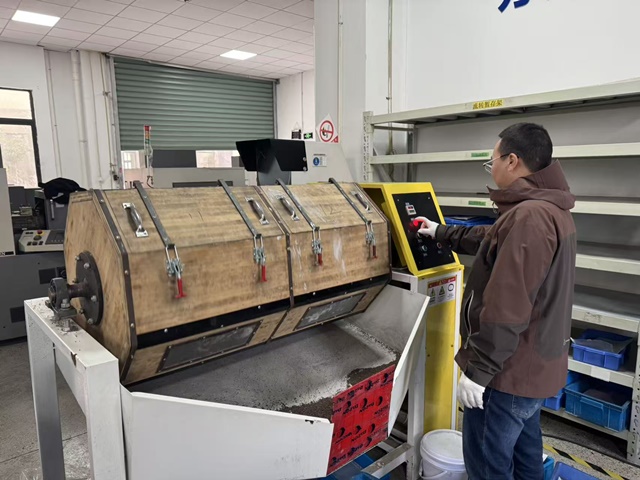
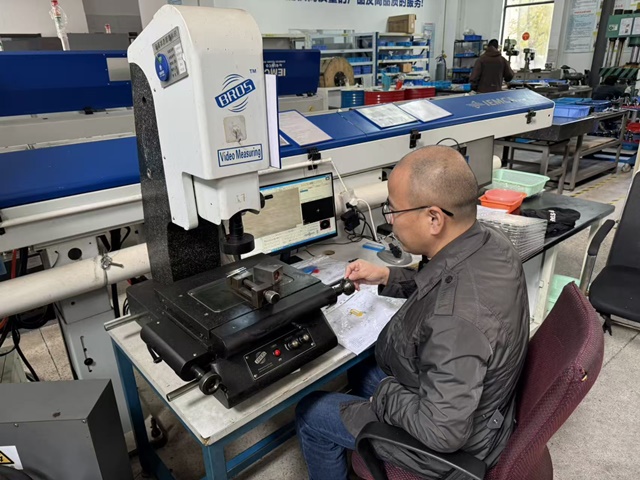
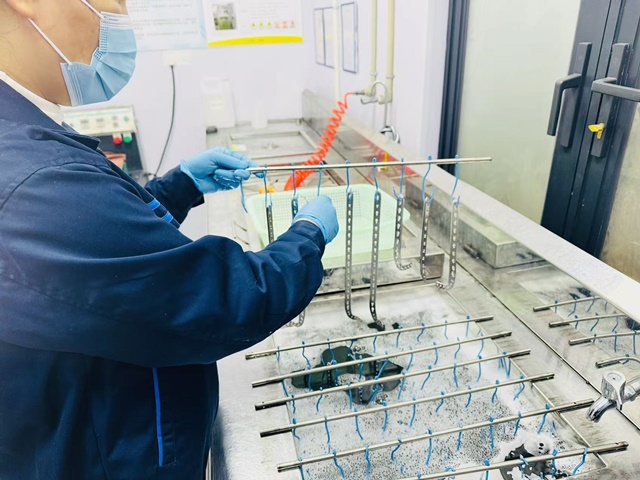
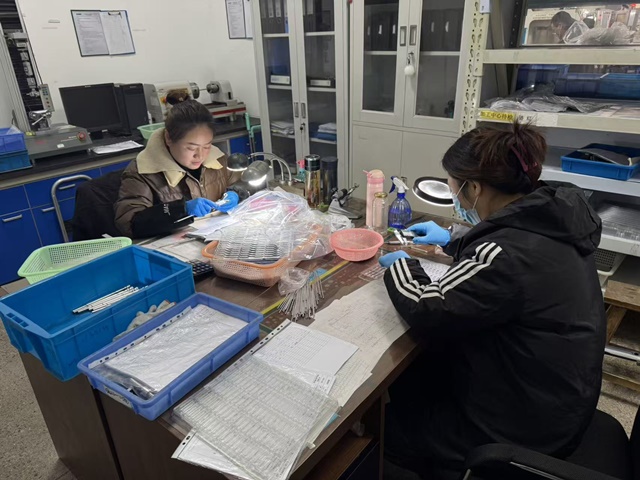
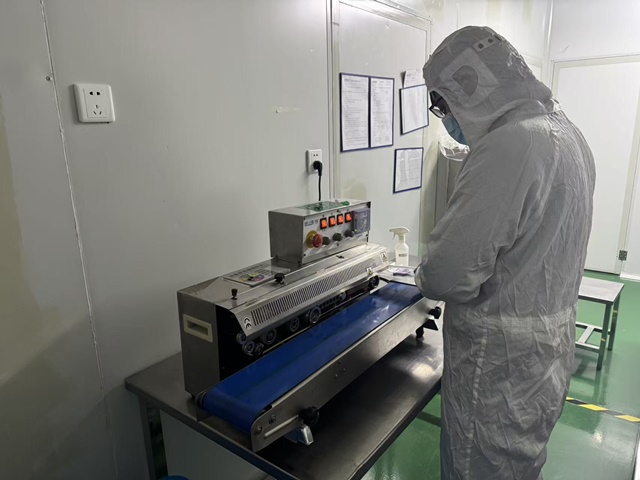
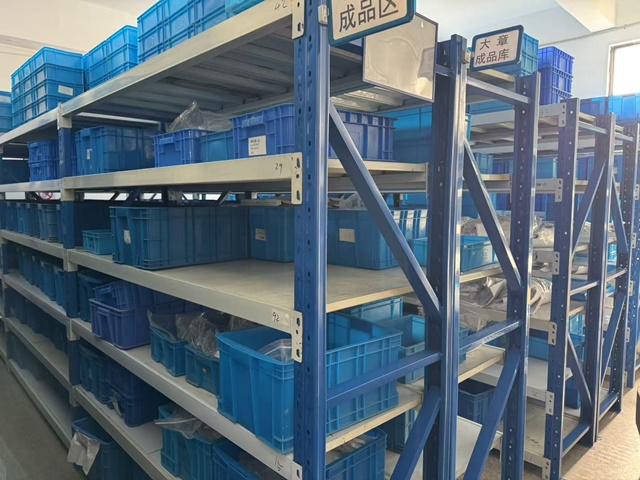
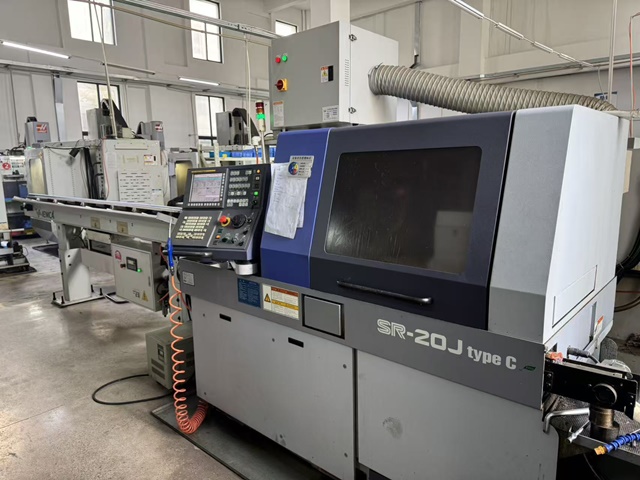
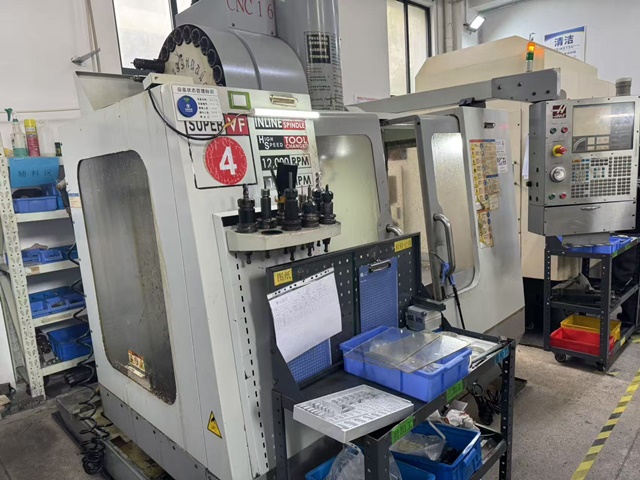
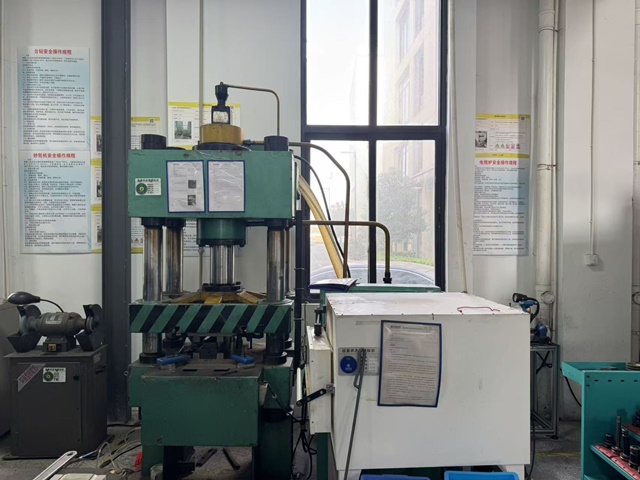
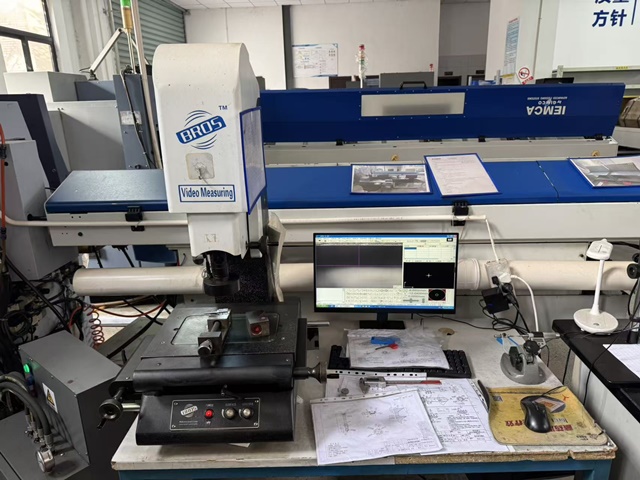
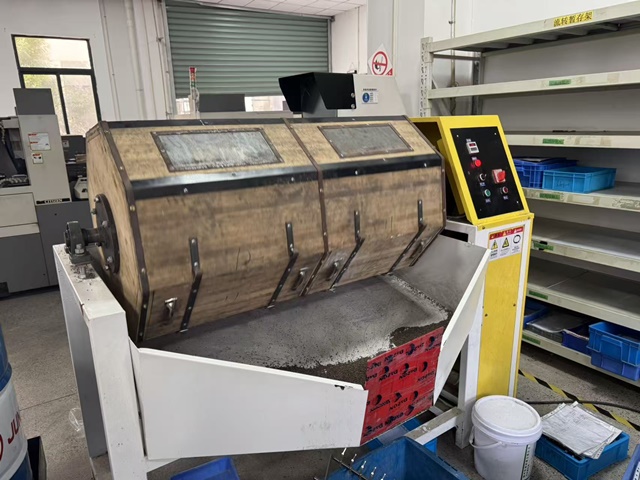
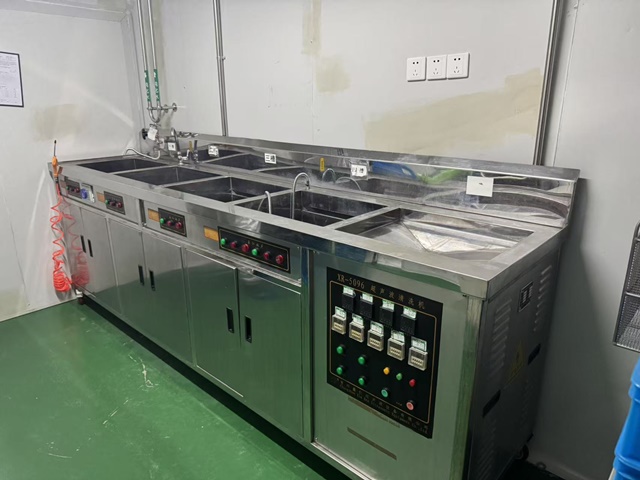
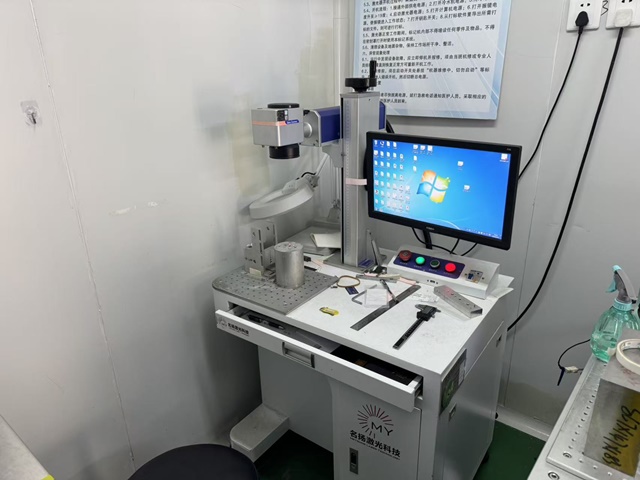
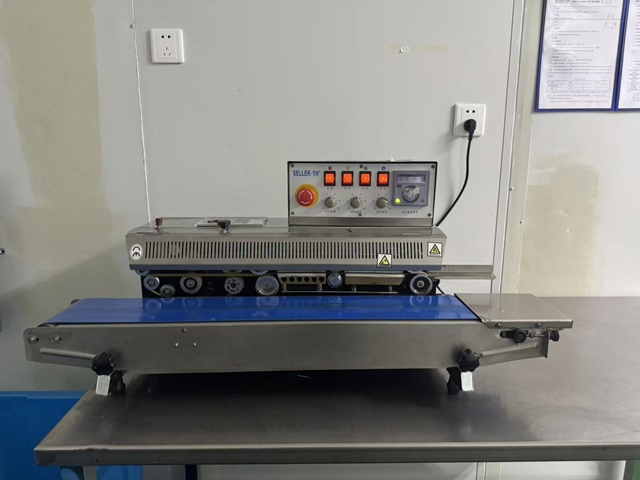
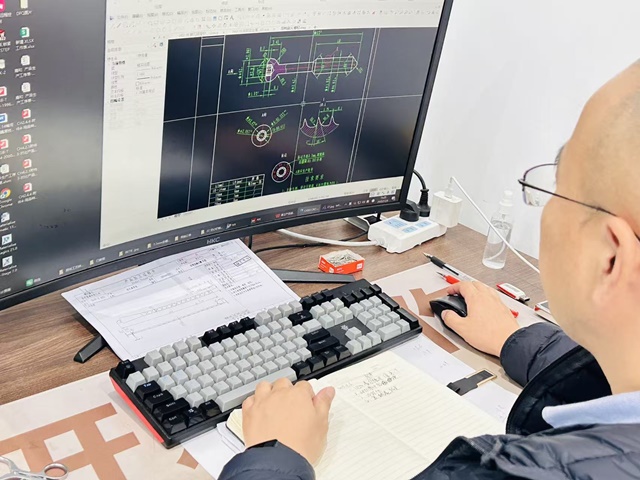
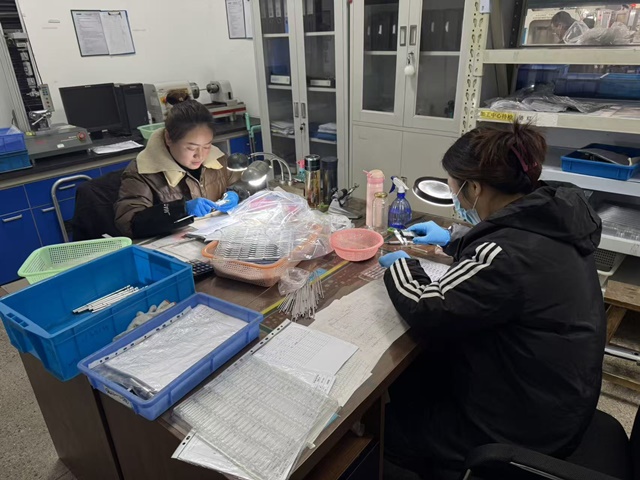
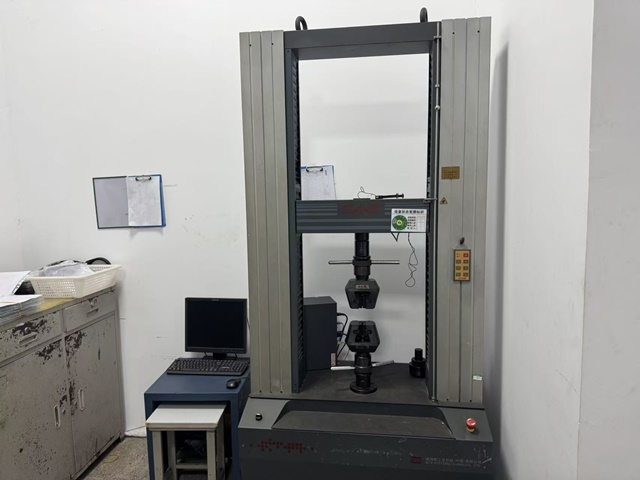
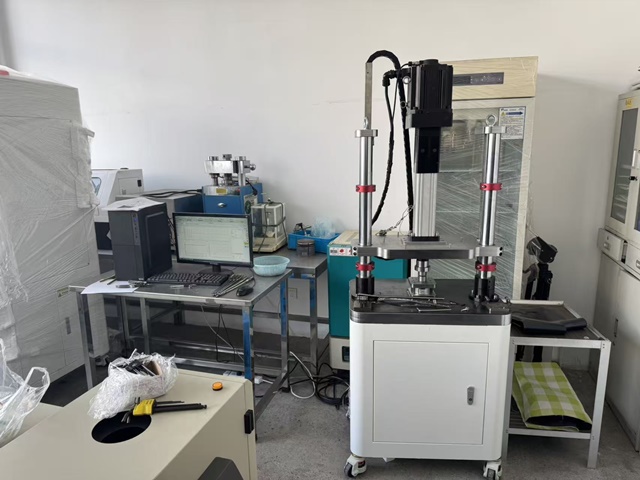
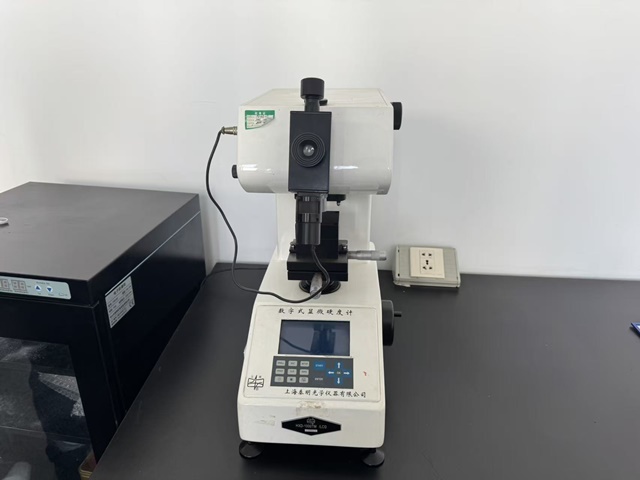
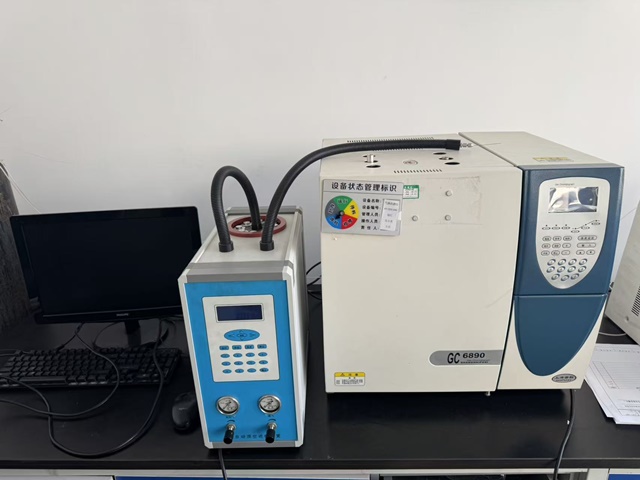
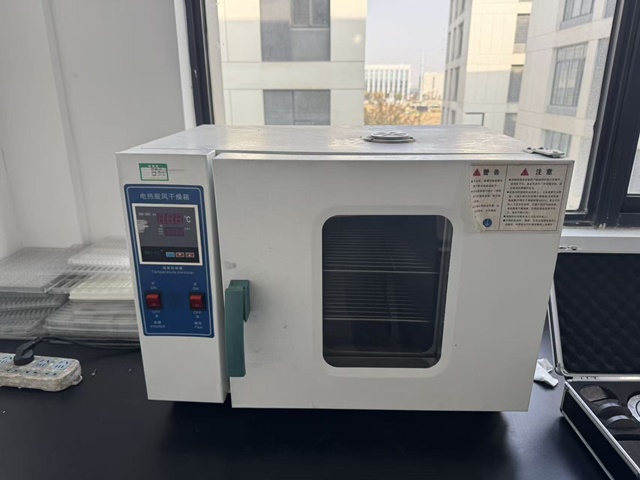
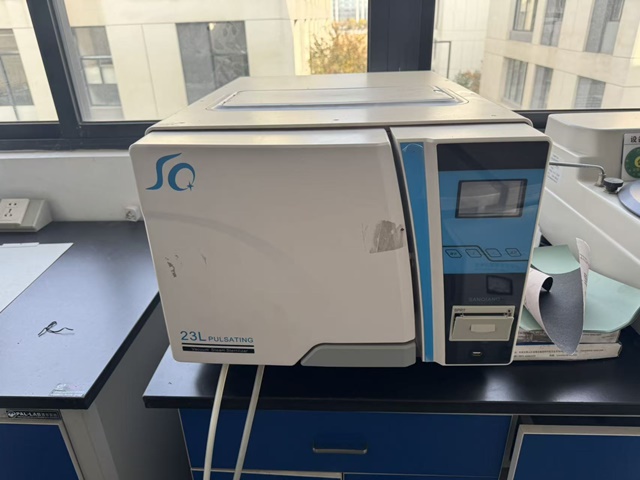
From single-level disc degeneration to complete trauma rebuilds, our system assemblies adapt seamlessly to clinical challenges.
| Anatomical Sector & Indication | Primary Surgical Objective | Core System Solution | Material Engineering Details |
|---|---|---|---|
| Cervical Intervertebral Space (C3 - C7 Degenerative Disease) |
Maintain lordotic correction and limit anterior profile height. | Zero-Profile PEEK Cervical Fusion Cage System | Implantable PEEK (ASTM F2026) paired with Ti-alloy anchoring plates (ASTM F136). |
| Thoracolumbar Segments (Degenerative spondylolisthesis) |
Provide robust posterior segmental fixation and restoration. | Thoracolumbar Posterior Pedicle Screw-Rod System | High strength Ti-6Al-4V ELI (Grade 5) featuring cannulated self-tapping screw threads. |
| Sports Medicine (Shoulder joint) (Rotator cuff, Bankart lesions) |
Secure soft tissue anchorage to bone cortex. | PEEK Suture Anchor System with high-tensile suture threads | Biocompatible PEEK body paired with ultra-high molecular weight polyethylene (UHMWPE) sutures. |
| Trauma Reconstruction (Clavicular, tibial diaphysis fractures) |
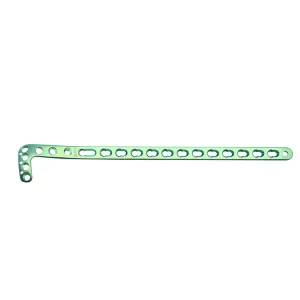
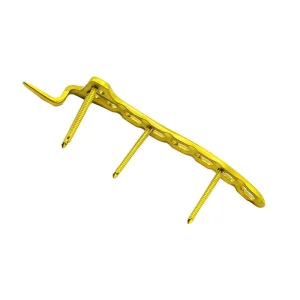
Stabilize fracture lines during active bone union processes. | Low-profile Anatomatic Locking Compression Plates (LCP) | Anodized medical titanium alloy with multi-directional locking screw options. |
We configure implant variables like thread pitch, cage geometry, tooth angles, and color anodization to match the specific clinical guidelines of target markets.
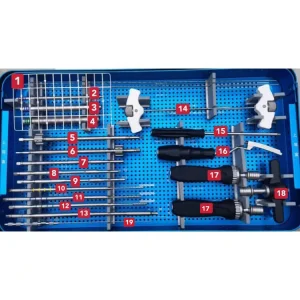
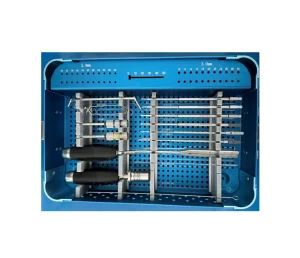
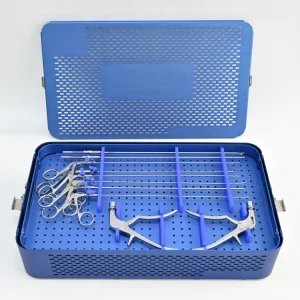
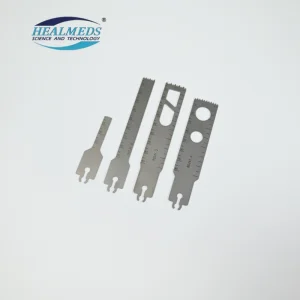
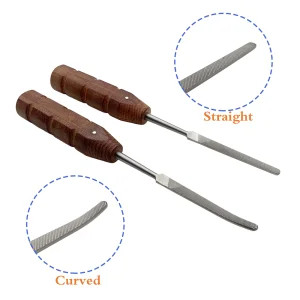
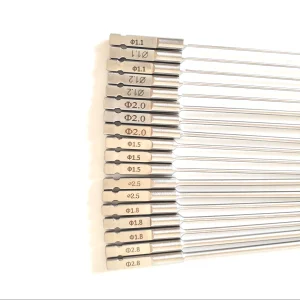
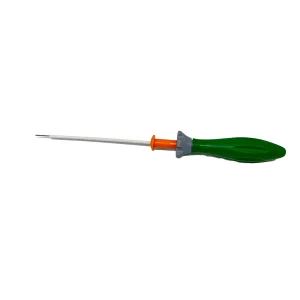
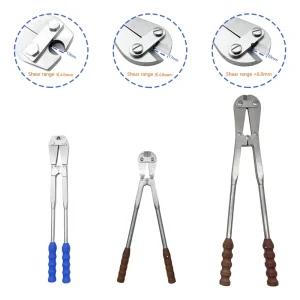
A surgeon's choice of implant is often decided by the quality of the instrumentation. We design custom orthopedic instrument kits (including cannulated screwdrivers, vertebral trial spacers, and bone files) to simplify workflows.
We assist our OEM clients in compiling mechanical and chemical characterization data (e.g., fatigue testing, biocompatibility verification) to streamline registration with various health authorities.
We understand the challenges faced by procurement departments in high-stakes biomedical supply chains. Our facilities utilize standard quality management workflows to ensure continuous supply chain predictability:
Orthopedic distributors face the constant challenge of maintaining optimal stock levels across varied anatomical configurations. Our flexible scheduling systems allow us to adjust batch production runs based on market demand projections. With over 1,200 downstream suppliers and supply partners, we manage lead times effectively even during peak demand cycles.
Additionally, we offer customized logistics options, including sterile individual blister packaging, protective foam enclosures for sensitive implant components, and custom labels detailing production batch codes and QR-code tracking indicators. Our team supports our partners every step of the way, ensuring seamless integration into modern hospital logistics environments.
Detailed technical answers to help clarify quality standards and support B2B procurement decisions.
We use medical-grade Polyetheretherketone (PEEK-OPTIMA® or equivalent complying with ASTM F2026) and Titanium Alloy (Ti-6Al-4V ELI complying with ASTM F136). PEEK provides an elastic modulus similar to human bone to minimize the risk of subsidence, while titanium alloy provides high mechanical strength and excellent biocompatibility.
We maintain complete traceability across our supply chain. Every batch of raw material is accompanied by a material test report (MTR) detailing chemical analysis and mechanical testing. Throughout manufacturing, each component is laser-marked with a unique batch number, linking it directly to its raw material source and quality control records.
Our products are evaluated using our dynamic and static mechanical testing systems. We perform tests like ASTM F1717 (Standard Test Methods for Spinal Implant Constructs in a Vertebrectomy Model) and ASTM F2077 (Test Methods for Intervertebral Body Fusion Devices), measuring static compression, shear, and dynamic fatigue strength up to 5,000,000 cycles.
Yes, we provide custom OEM/ODM solutions for orthopedic instruments. We can design and manufacture specialized instrument kits—including cannulated drill bits, surgical taps, screwdrivers, trials, and bone files—to match your clinical specifications and preferences.
Our manufacturing processes are certified to ISO 13485:2016 (Medical Devices Quality Management Systems). We perform in-process inspections, final quality audits, and random sampling testing. Our dedicated team of 42 QC inspectors ensures compliance with global medical device standards.
We offer both sterile and non-sterile packaging options. For sterile products, we use ISO 11607-compliant blister packs or sterile Tyvek bags sealed in our cleanrooms. For non-sterile bulk shipments, implants are securely packed in protective protective cases to prevent damage during transit.
Standard lead times typically range from 45 to 60 days, depending on the complexity of the design and order volume. For established custom components, we can implement rolling forecasting schedules to ensure consistent supply and shorter lead times.
Yes, we support our partners by providing detailed technical documentation—including material characterization, mechanical test results, cleaning validation data, and ISO certificates—to streamline the registration process with local health authorities.
High-precision locking plates, osteotomy systems, and specialized instruments for orthopedic procedures.