Osteora
Osteora
Osteora
Discover our highly specialized orthopedic power instruments, arthroscopic systems, spinal stabilization cages, and custom-manufactured hardware.
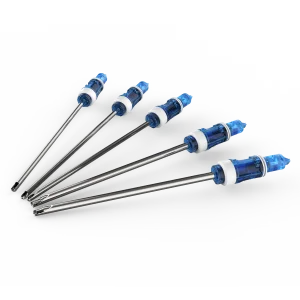
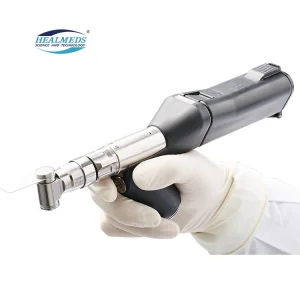
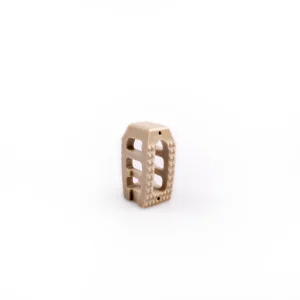
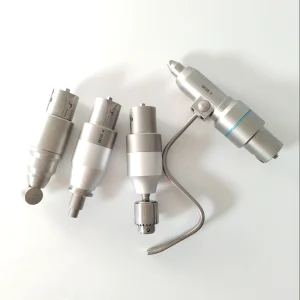
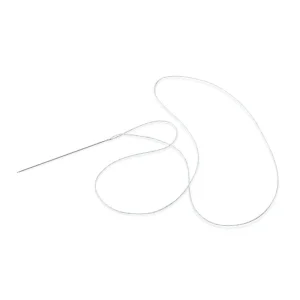
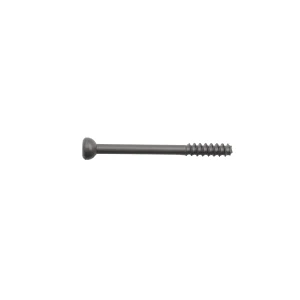
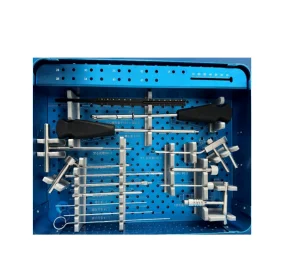
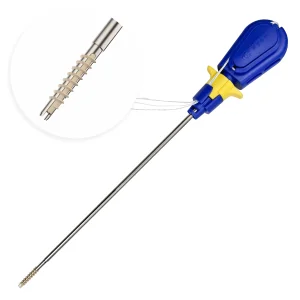
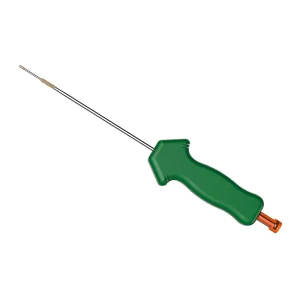
In the paradigm of modern spinal arthrodesis and stabilization, cannulated pedicle screws represent a critical nexus of biomedical engineering and clinical utility. Designed primarily for minimally invasive surgery (MIS) applications, these specialized orthopedic devices feature a hollow central longitudinal core (cannulation). This architectural feature permits the passage of guide wires (K-wires), which dictate precise trajectories through the osseous structures under fluoroscopic or computerized navigation control.
Advanced CAD modeling minimizes stress shielding at the bone-screw interface while maximizing inner-diameter cannulation stability without compromising torsional strength limits.
Surface topologies engineered through physical vapor deposition (PVD) or acid-etching protocols enhance the migration of osteoblasts for long-term mechanical stability.
Dual-lead threads, variable pitch designs, and self-tapping flutes ensure rapid insertion rates and decreased surgical torque profiles across diverse bone density distributions.
OEM/ODM customization of these devices must balance the internal diameter of the cannulation (typically ranging from 1.0mm to 1.8mm depending on the target guide wire) with the outer major diameter of the thread (commonly 4.5mm to 8.5mm for lumbar and thoracic pedicles). Utilizing medical-grade Titanium Alloy (Ti-6Al-4V ELI / ASTM F136), our factories execute high-precision deep-hole gun drilling processes to guarantee concentricity tolerances of < 0.05mm, preventing mechanical failure under cyclical spinal loads.
Understanding the market requirements for orthopedic implant manufacturing, logistics, and supply chain scaling.
Annual Global Export Volume
Active In-House R&D Engineers
Certified Upstream/Downstream Partners
Specialized QC Inspectors
The global market for spinal stabilization devices is experiencing significant structural growth, driven by an aging demographic, escalating demand for minimally invasive spinal procedures, and increased clinical trust in robot-assisted pedicle screw placement. From an industrial perspective, original equipment manufacturing (OEM) and original design manufacturing (ODM) suppliers must satisfy strict unit-cost demands while maintaining impeccable chemical, dimensional, and mechanical fidelity.
To survive in this highly regulated environment, suppliers must bridge the gap between material cost containment and stringent regulatory certifications. Leading global orthopedic centers prefer contract manufacturers that possess unified control over raw material procurement, advanced multi-axis CNC machining, computerized vision inspections, and automated validation facilities. This end-to-end integration mitigates supply chain risks and ensures zero-defect tolerance delivery.
Osteora Medical Devices Co., Ltd. is a professional orthopedic implant and surgical solution manufacturer specializing in trauma, spine, and joint reconstruction systems under the brand Osteora. Founded in 2016, the company has developed a strong reputation in the global orthopedic industry through continuous innovation and strict quality control standards. The facility covers an area of approximately 18,500㎡, supporting integrated production, assembly, and testing operations.
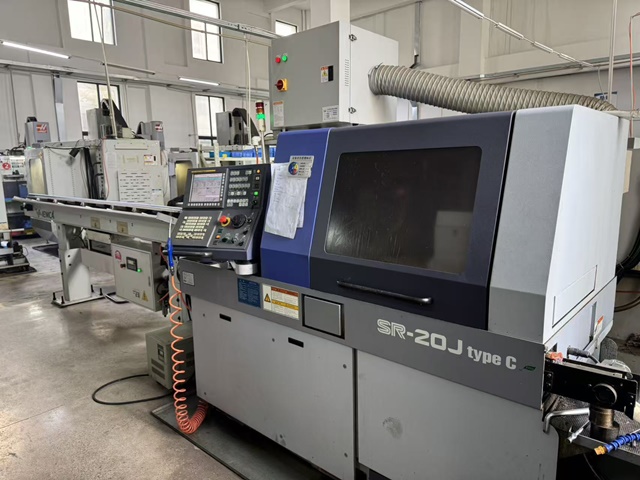
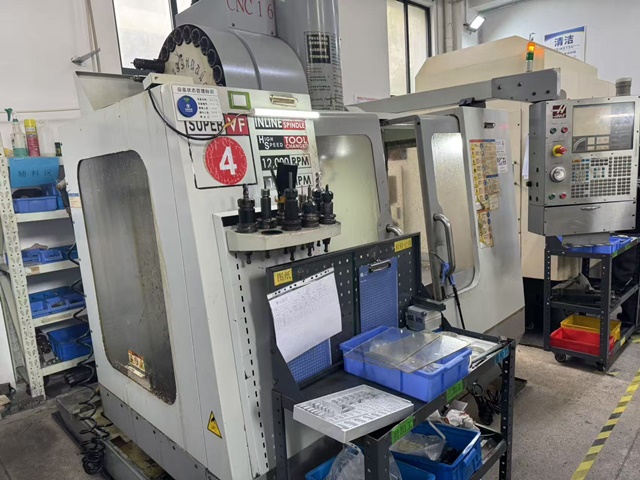
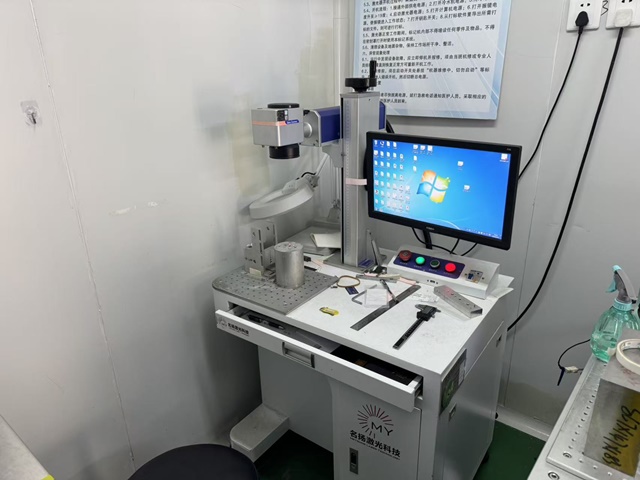
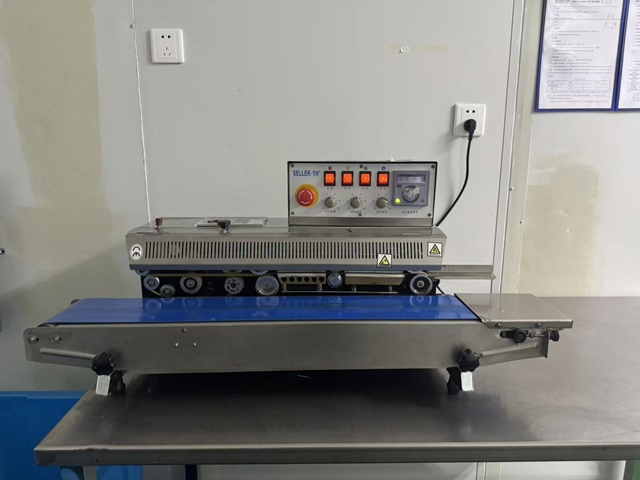
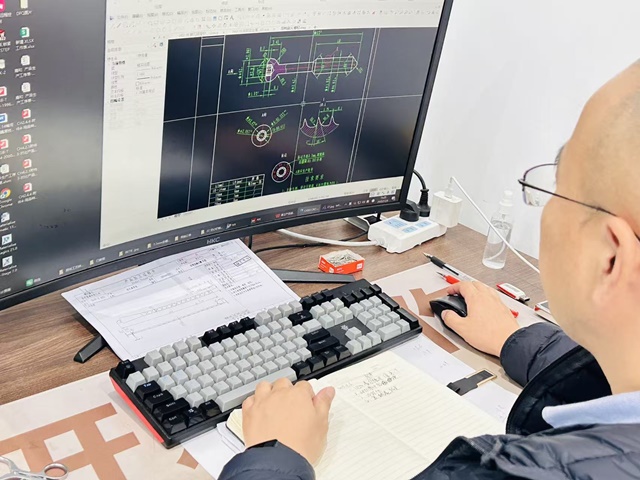
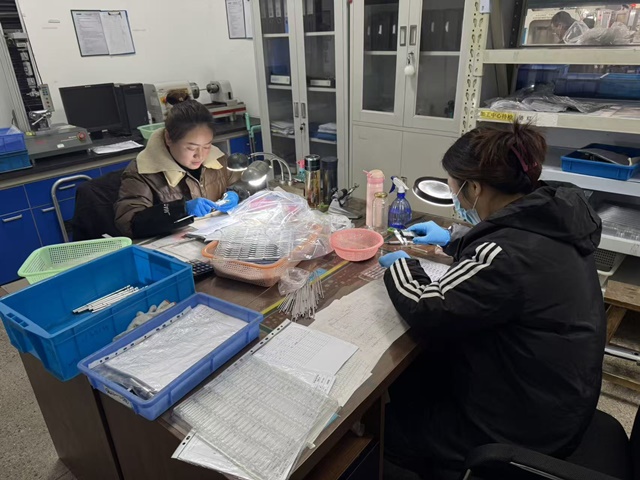
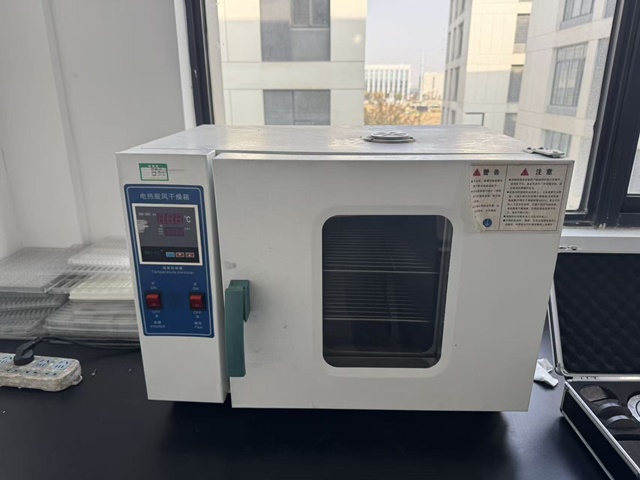
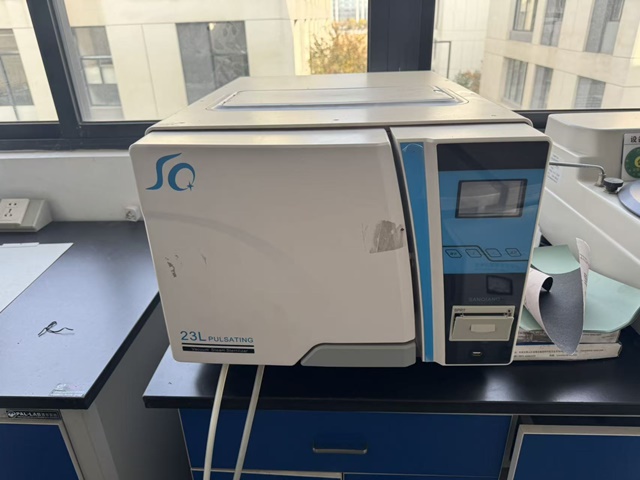
Our production sequence is strictly mapped according to medical manufacturing standards. Below is our actual step-by-step production flow, equipment utilization, and metrology laboratory setup:
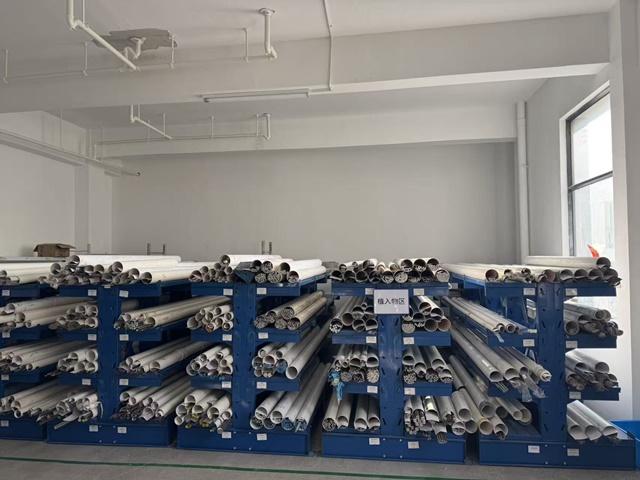
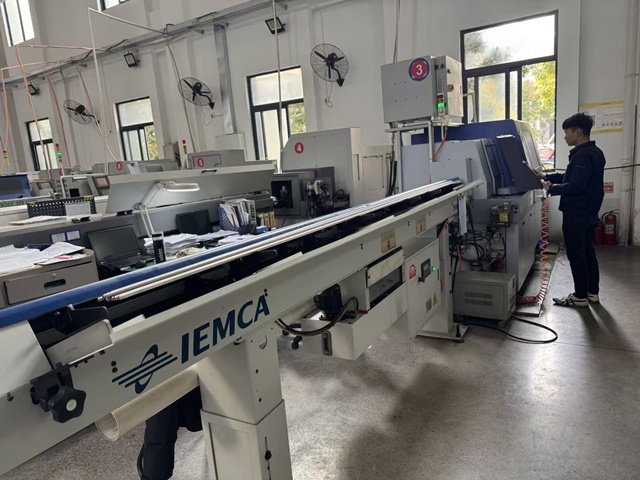
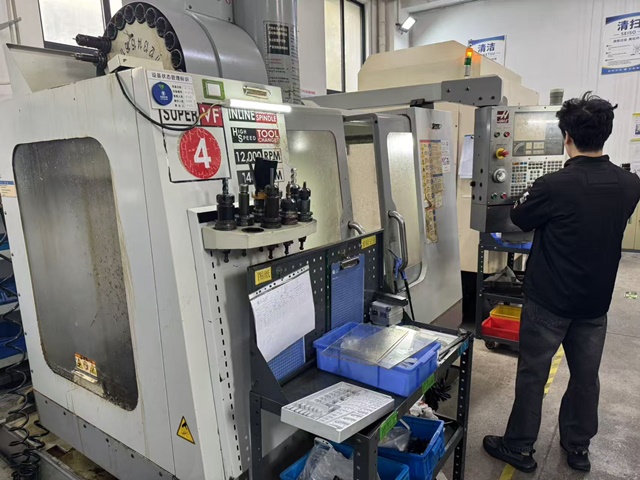
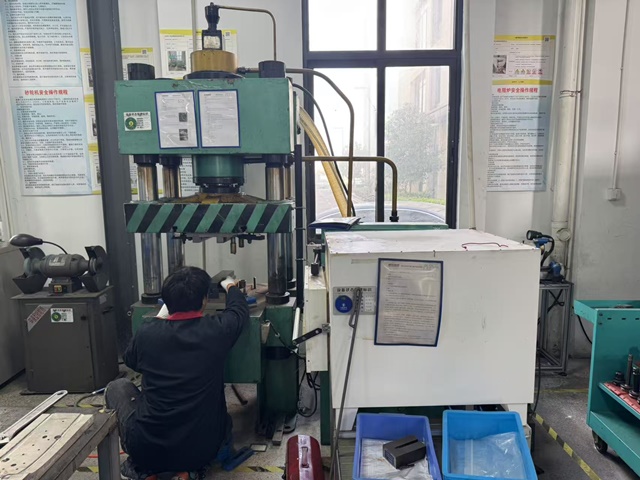
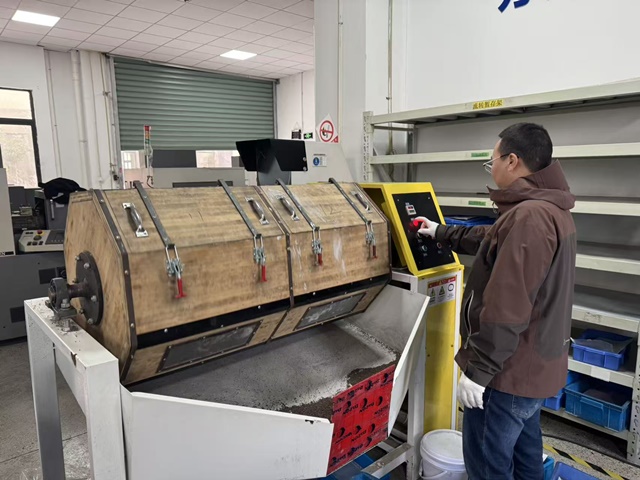
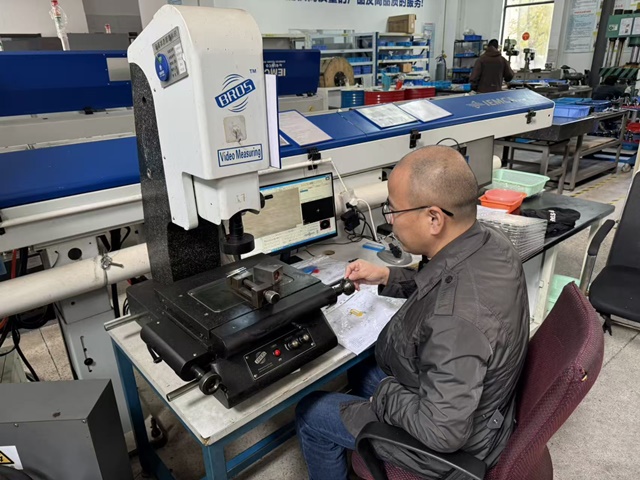
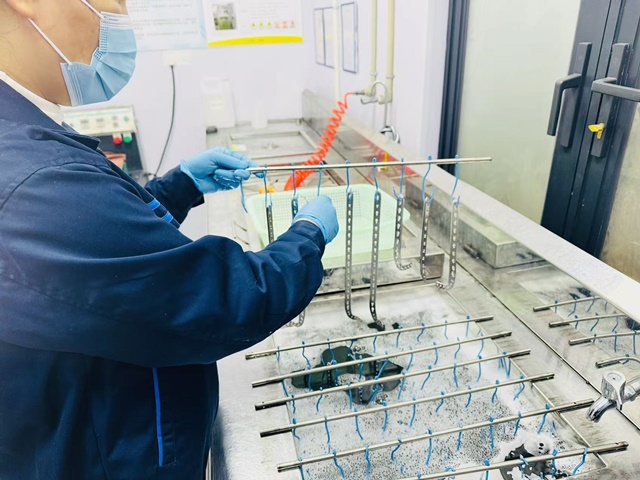
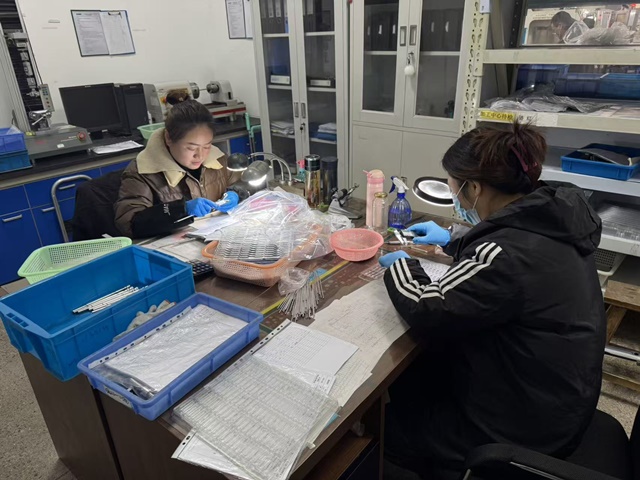
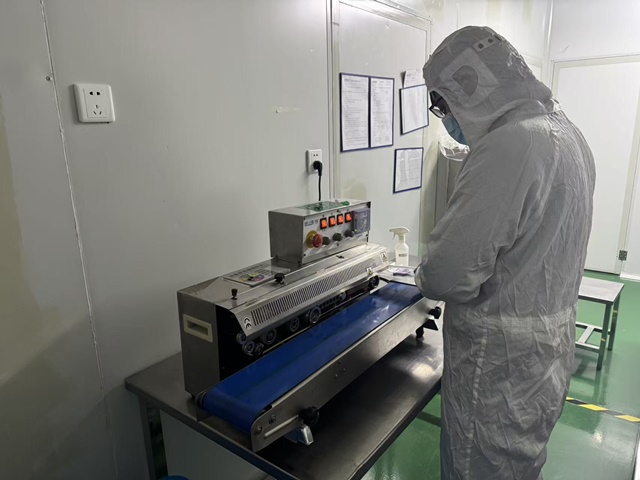
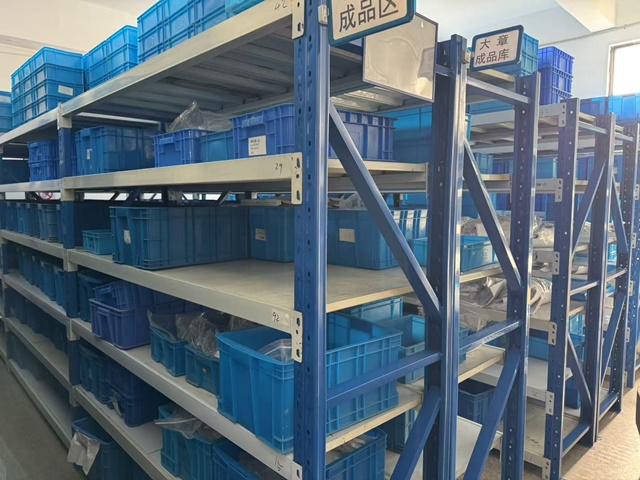
Osteora's core fabrication and testing lines use Swiss-type lathe, high-speed HAAS CNC processing machinery, and strict dimensional/material inspection devices to ensure 100% compliance with ISO 13485:
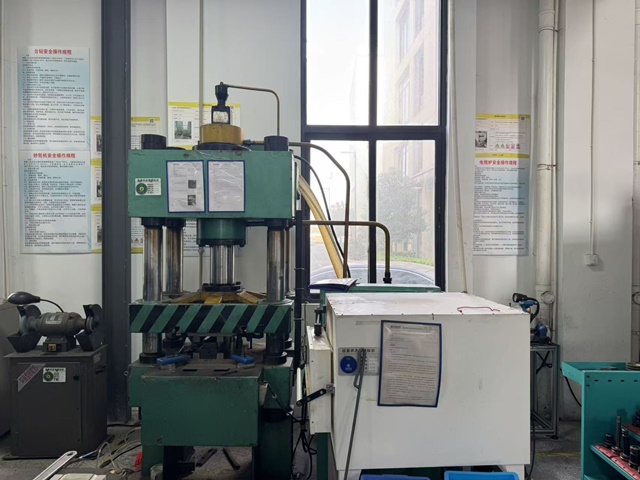
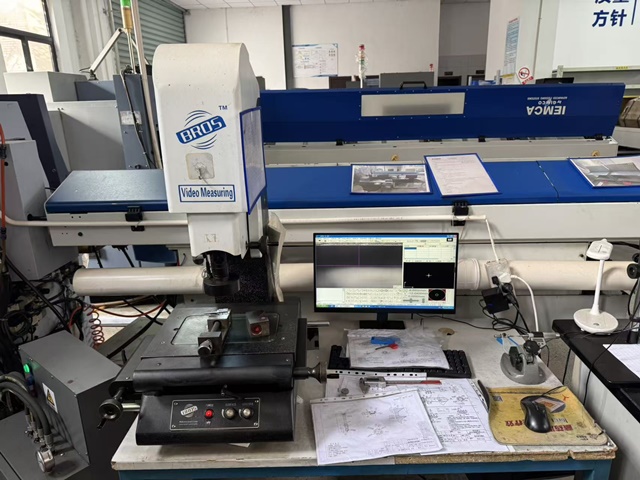
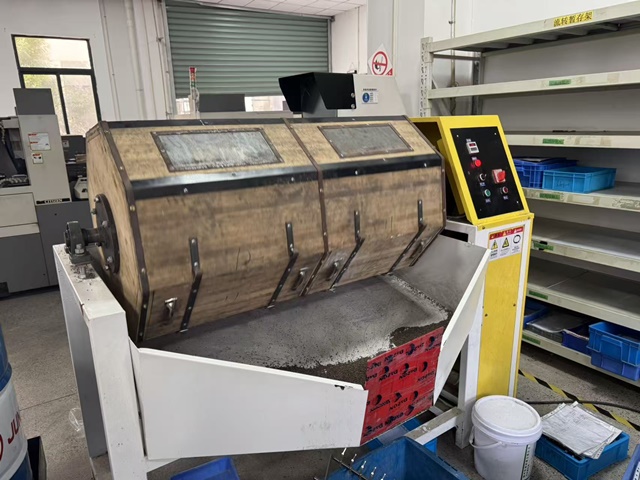
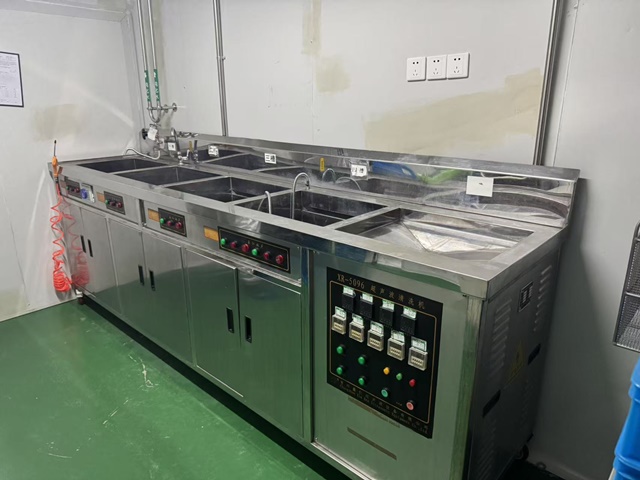
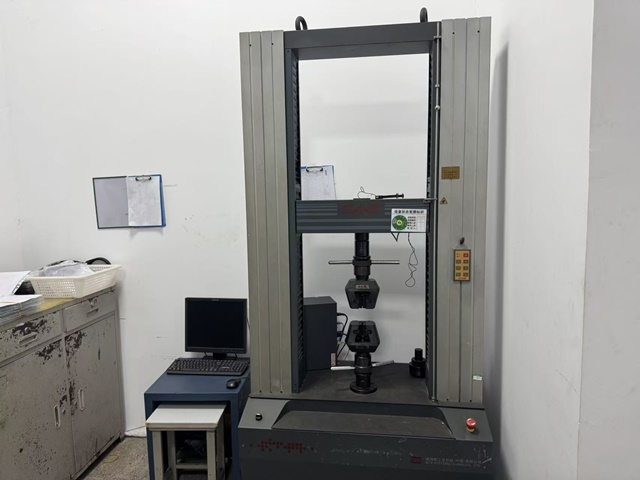
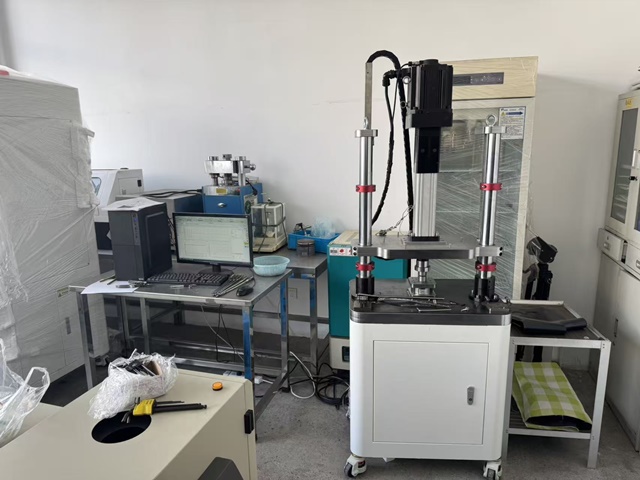
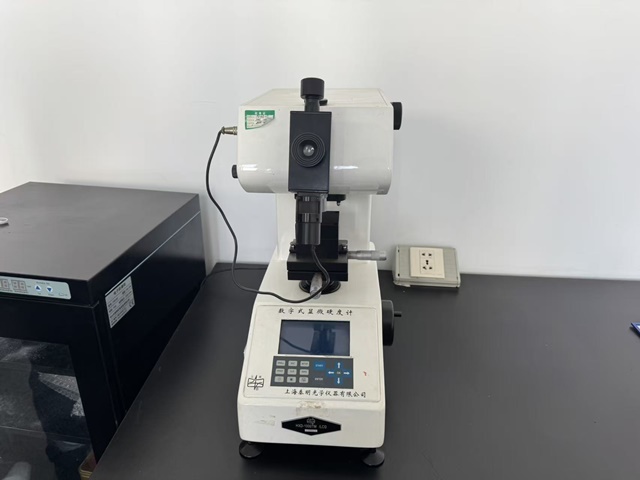
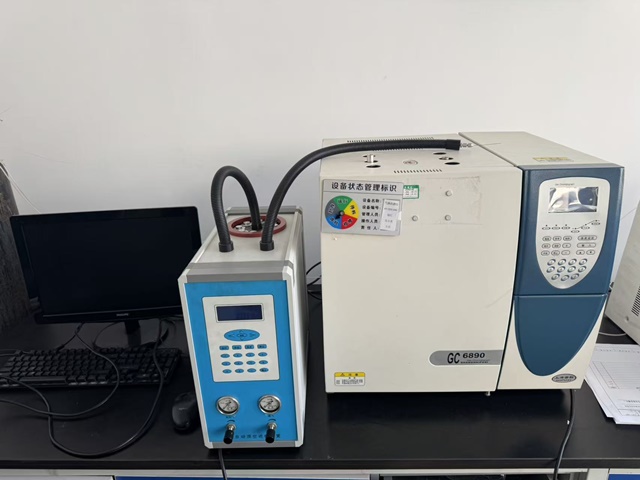
Spinal stabilization demands high dimensional uniformity. We produce a wide range of screw configurations, including polyaxial, monoaxial, reduction, and fenestrated (for cement injection) options, optimized for patient safety and clinical ease of use.
| Dimensional Metric | Standard Range Offered | Manufacturing Tolerances | Critical Biomechanical Target |
|---|---|---|---|
| Outer Thread Diameter | 4.0 mm – 8.5 mm | ± 0.02 mm | Secure purchase in trabecular bone structure. |
| Cannulation Inner Diameter | 1.2 mm – 1.8 mm | ± 0.03 mm | Frictionless clearance of guide wires (K-wires). |
| Total Insertion Length | 25 mm – 90 mm | ± 0.10 mm | Anatomical adaptation to varying pedicle pathways. |
| Polyaxial Head Articulation | Up to ± 30° Conical Range | ± 0.5° angle control | Angulation ease for multi-segment rod linking. |
| Material Integrity | Ti-6Al-4V ELI (Grade 23 / ASTM F136) | Certificate of Conformity | Optimum yield strength & fatigue limits. |
Our R&D team utilizes advanced Finite Element Analysis (FEA) to simulate and optimize stress concentrations under complex physiological loads. Through this engineering step, we refine thread profile transition angles and thin-wall boundaries along the cannulation corridor, lowering the risk of clinical head-neck separations or intraoperative structural failures.
Sourcing medical-grade implants globally requires strict adherence to international regulatory standards. Osteora works closely with regional medical device distributors and hospitals to ensure our production outputs satisfy both legal framework guidelines and regional clinical expectations.
All spine implants conform to CE Class III specifications, supported by complete clinical evaluation reports (CER), biocompatibility data (ISO 10993), and verified sterilization validations.
Production tolerances and mechanical performance validations align with ASTM F1717 and ASTM F2193 standards, ensuring safety profiles for spinal constructs.
Anatomical variations in pedicle dimensions across different global populations require custom thread-length configurations, which we design based on regional clinical feedback.
Our document management systems provide our international distributors with quick access to raw material traceability files, cleaning and sterilization validation data, and regulatory documents to streamline regional certification approvals.
Our engineering focus centers on incorporating advanced surface treatments, surface integration modifications, and digital instrumentation systems.
Our upcoming product line integrates additively manufactured porous outer structures with a solid, high-strength load-bearing core. This porous surface mimicking natural trabecular bone structure accelerates osseointegration, reducing the risk of long-term screw loosening in osteoporotic patients.
Our R&D team is working to integrate digital optical tracking arrays directly onto our reusable insertion instrument handles. This system interfaces with modern surgical navigation software, providing real-time feedback on trajectory angles and depth insertion limits.
Common questions from hospital purchase managers, orthopedic distributors, and clinical engineers.
We manufacture our screws using medical-grade Titanium Alloy (Ti-6Al-4V ELI) conforming strictly to ASTM F136 and ISO 5832-3 standards. Every shipment is delivered with traceable raw material chemical composition and mechanical test certificates.
We utilize high-precision Swiss-type turning centers equipped with automated deep-hole gun drilling mechanisms. In-process inspection systems maintain longitudinal concentricity deviation within ±0.03mm, preventing off-center paths that could compromise screw wall strength.
Yes. Supported by our 85-person R&D engineering team, we provide comprehensive OEM/ODM customization services. This includes modifying thread profiles, adjusting head articulation ranges, laser marking, and designing custom packaging under ISO 13485 regulations.
We run comprehensive mechanical evaluations, including static axial pull-out, static torsion, and dynamic fatigue tests (under ISO 12189 / ASTM F1717 guidelines), verifying that our screw constructs can withstand physiological loads over their expected clinical lifespan.
Our cleaning lines utilize multi-frequency ultrasonic cleaning stages followed by hot air drying ovens to remove all particulate contaminants. We perform regular bioburden testing and bio-compatibility validations (ISO 10993) to ensure products meet cleanroom packaging standards.
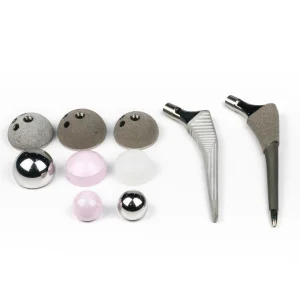
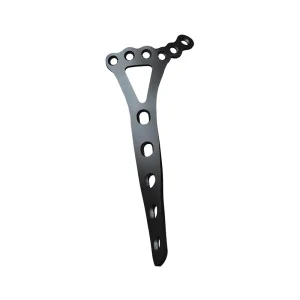
Our manufacturing system supports a wide range of orthopedic hardware, including joint replacement implants, locking plate systems, and surgical tools.