Osteora
Osteora
Osteora
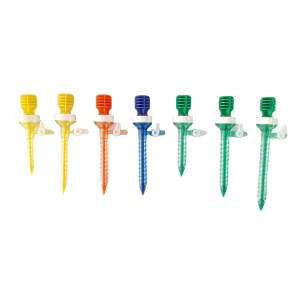
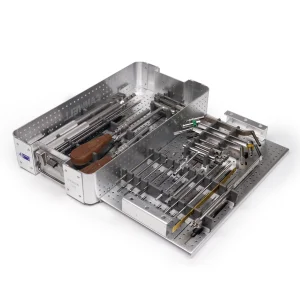
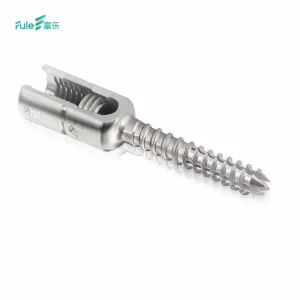
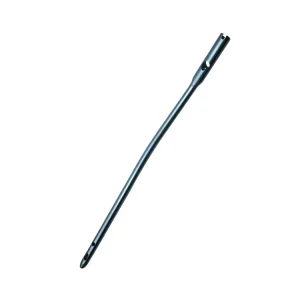
In the demanding field of trauma osteosynthesis, Osteora Medical Devices Co., Ltd. stands as a benchmark of engineering precision and clinical safety. Under the proprietary brand name Osteora, the enterprise executes advanced R&D and large-scale manufacturing of orthopedic implants and surgical solutions, with specialized emphasis on trauma fixation, spine systems, and joint reconstruction technologies.
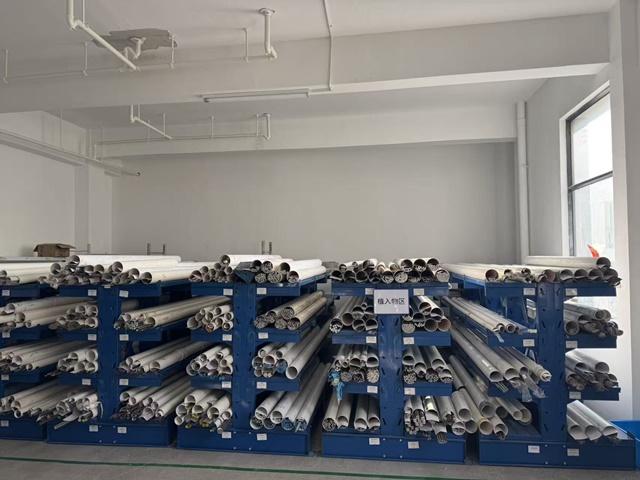
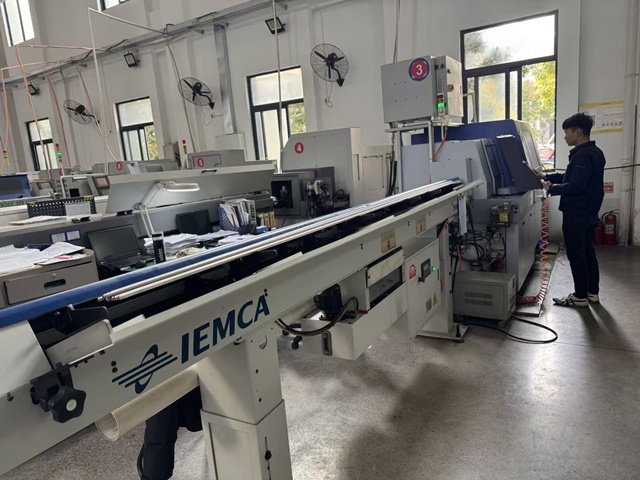
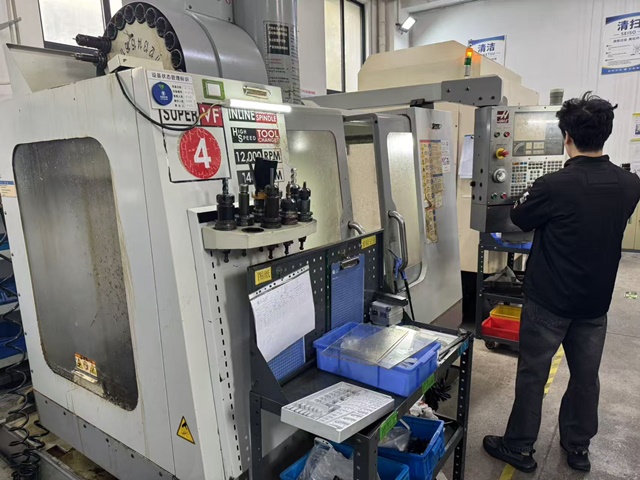
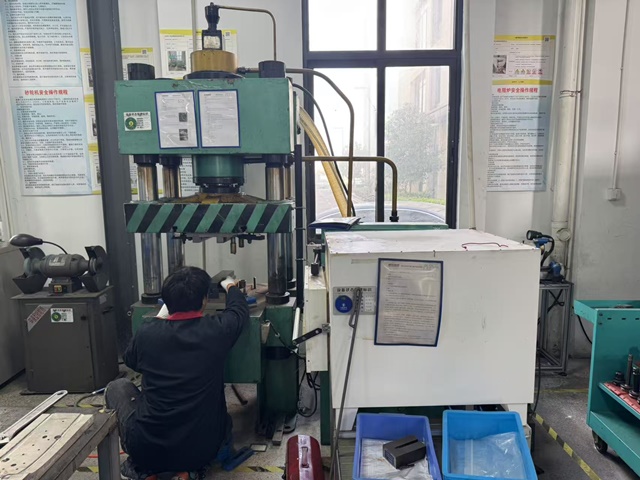
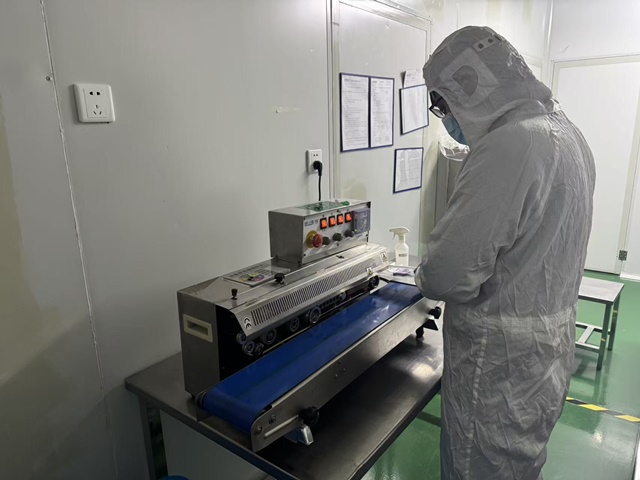
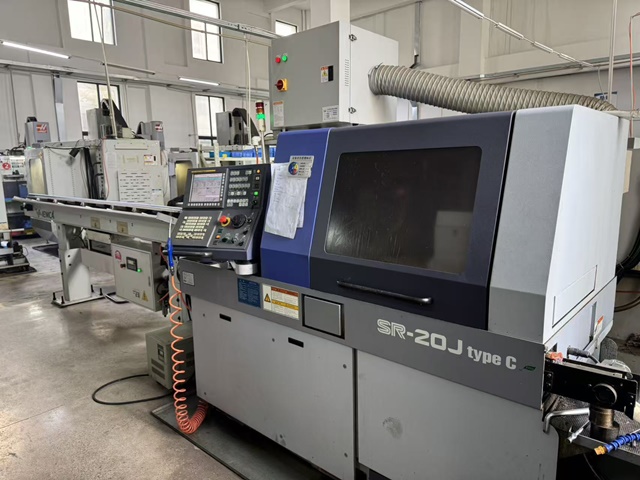
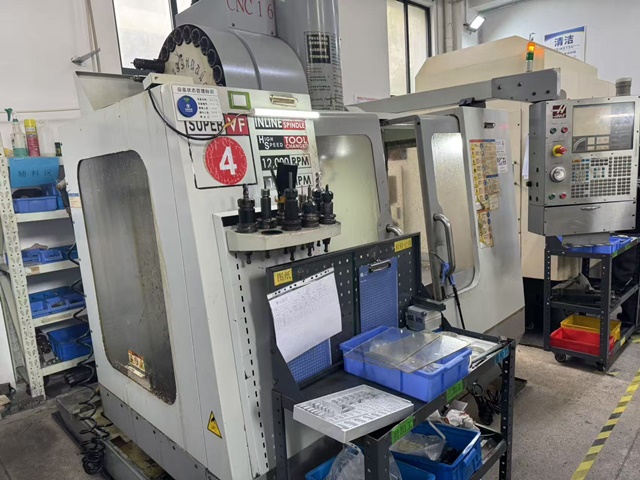
Established in 2016, Osteora has engineered a vertically integrated production infrastructure at its modern facility. Our operation spans advanced Swiss-type lathe processing, multi-axis HAAS CNC machining, precision grinding, cleanroom assembly, and validation testing.
This technological framework supports our dynamic pipeline, which in the past calendar year successfully introduced over 120 new products to meet evolving clinical protocols worldwide.
Procuring unilateral external fixator systems requires balancing clinical efficiency, mechanical reliability, and fiscal feasibility. Chinese medical manufacturing ecosystems, led by clusters like Osteora, offer distinct structural advantages.
Utilizing Swiss-type automatic lathes and state-of-the-art HAAS CNC centers, we achieve dimensional tolerances down to 5 microns. This guarantees seamless fitment between Schanz pins, carbon-fiber rods, and clamping blocks.
Every production batch undergoes strict mechanical evaluation, including fatigue testing, torsional analysis, and Vickers hardness validation, ensuring failure-free performance during critical load-bearing applications.
Collaborating with over 1,200 certified supply partners allows us to source raw materials, execute advanced surface treatments (anodizing/electropolishing), and perform cleanroom sterilization with short lead times.
Unilateral external fixators play a critical role in stabilization, soft tissue management, and limb reconstruction. They must withstand multi-directional mechanical stresses without loosening or losing alignment. The integration of advanced metallurgy, robotics, and cleanroom technologies in China's manufacturing centers ensures these products meet international quality standards at a competitive cost structure.
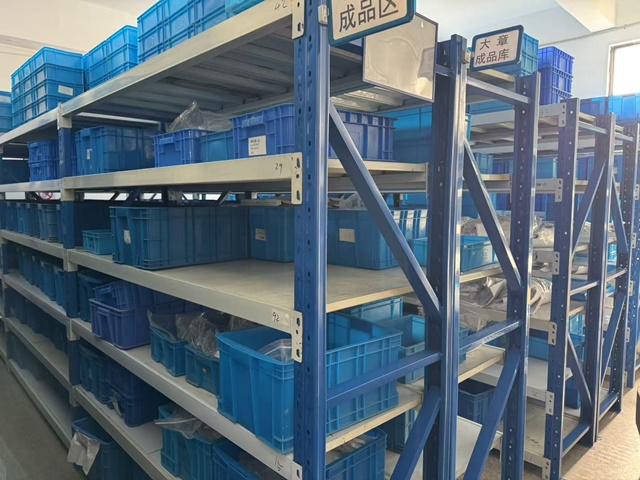
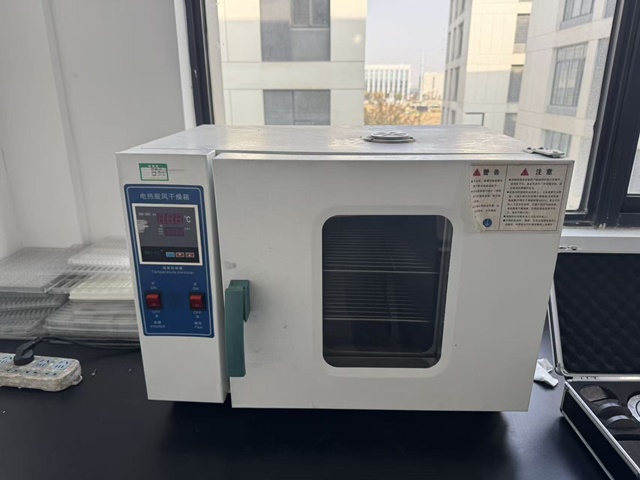
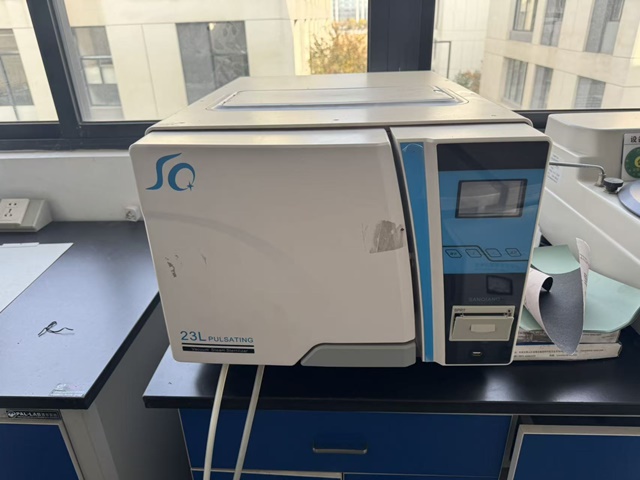
Transparency is essential for medical device reliability. Below is our complete production workflow, demonstrating the rigorous quality control and technical expertise built into every orthopedic solution we deliver.
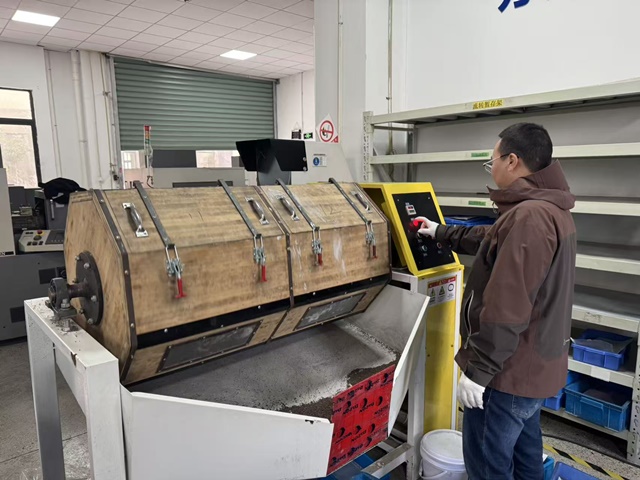
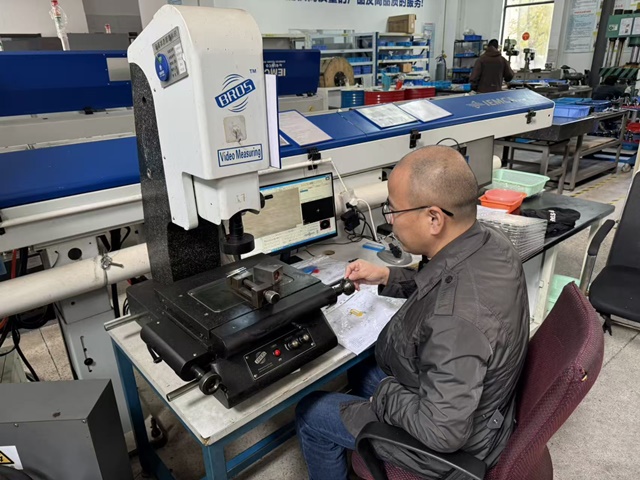
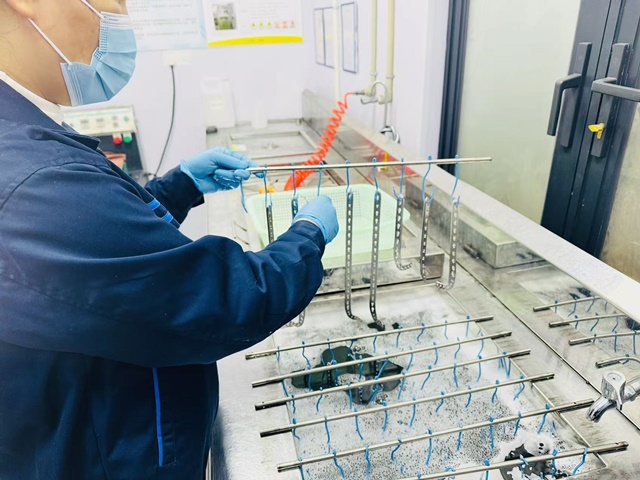
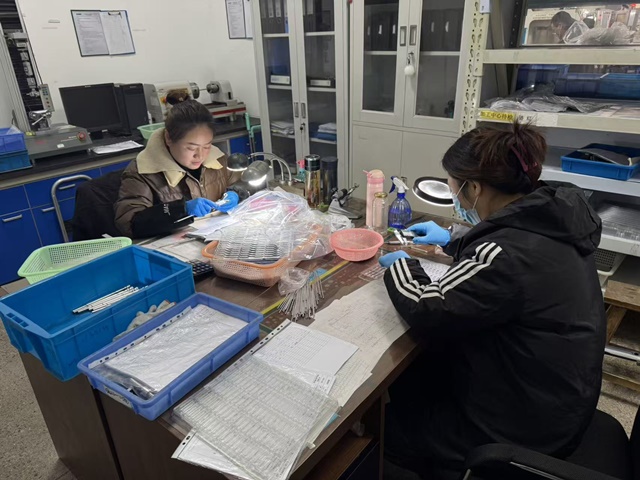
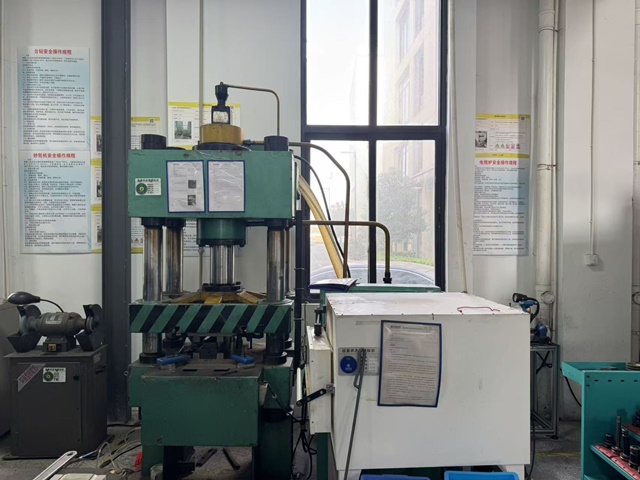
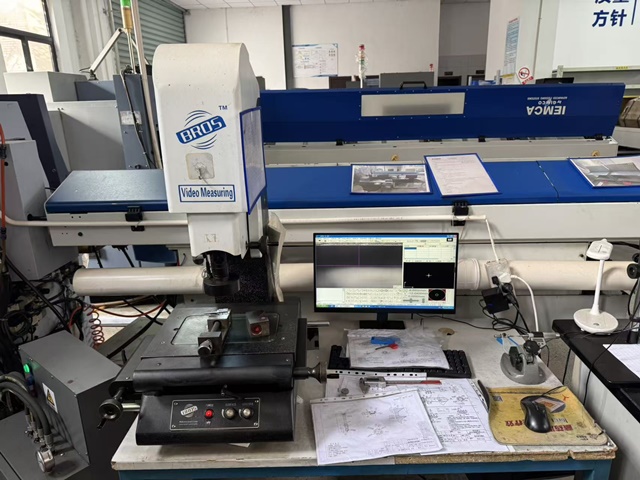
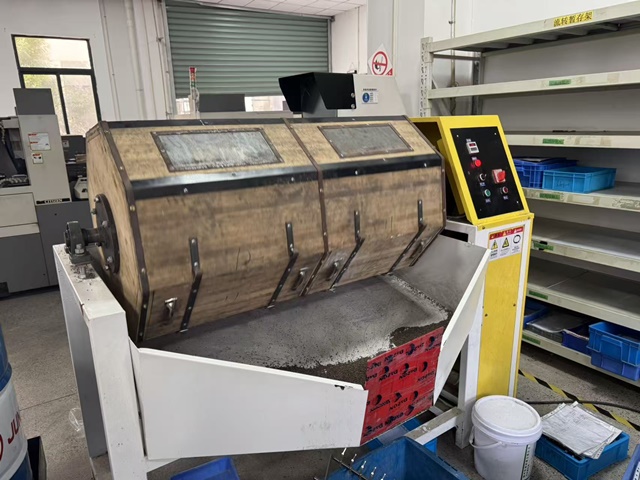
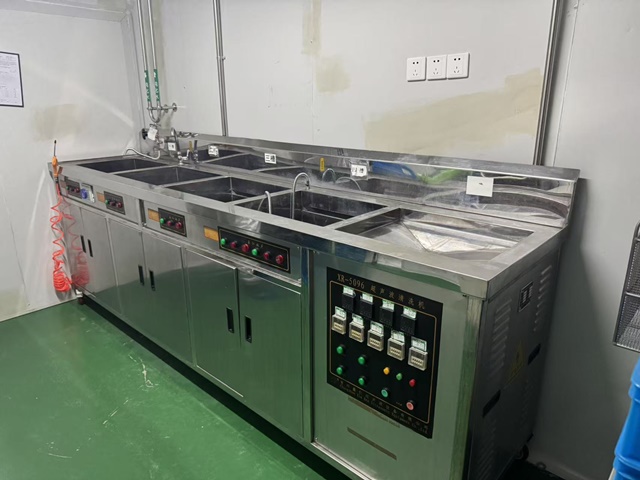
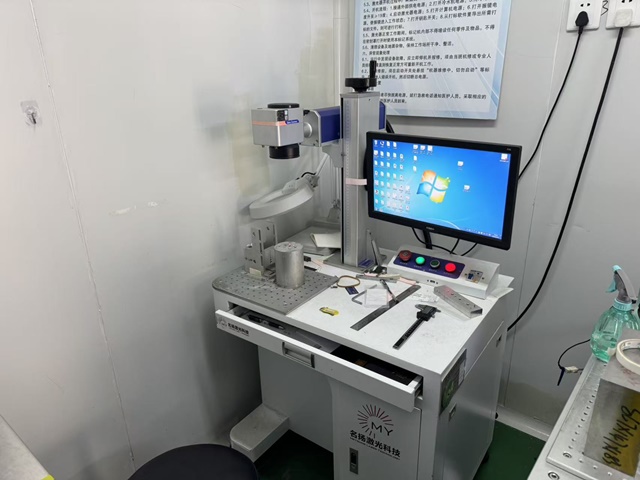
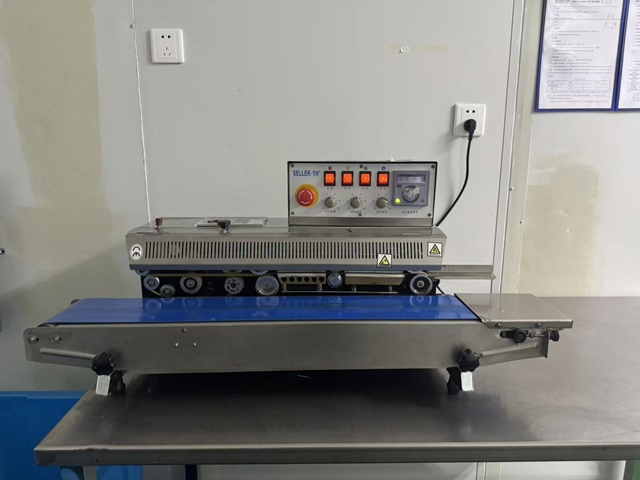
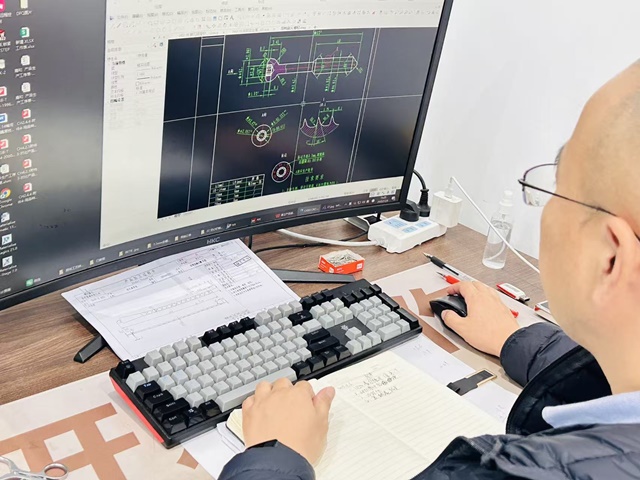
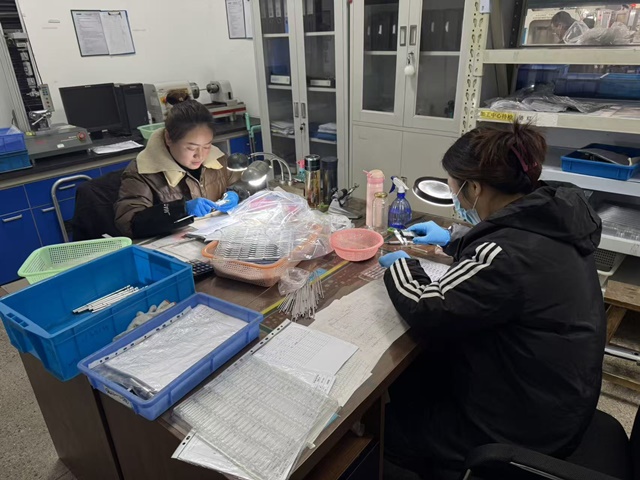
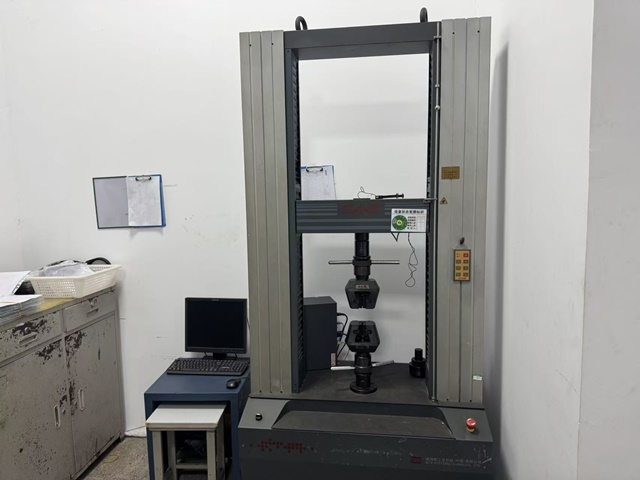
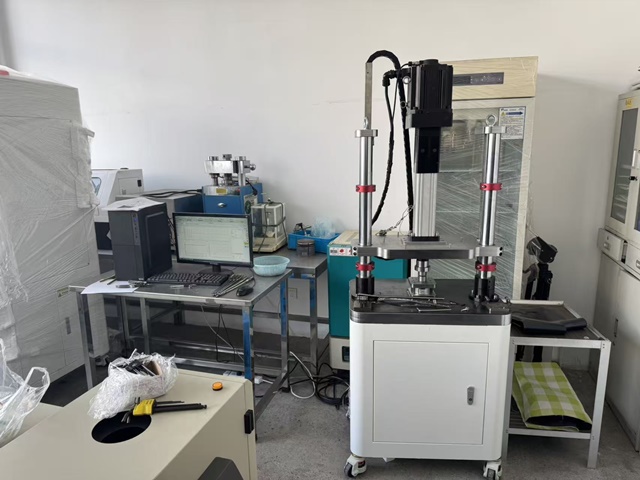
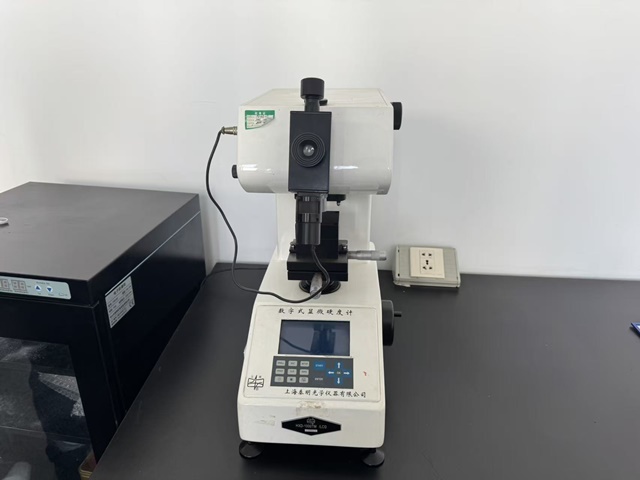
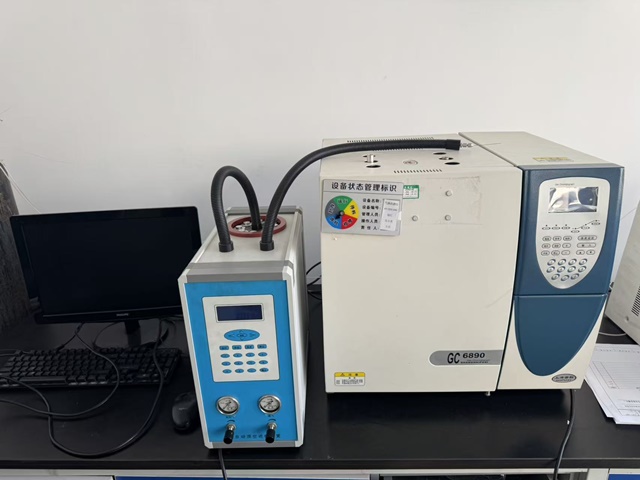
Unilateral external fixators are highly versatile trauma systems. Unlike bilateral or ring-type frames, unilateral systems are applied on a single aspect of the limb, minimizing anatomical disruption while offering rigid structural support.
In emergency triage and high-energy polytrauma cases, fast application of stabilization is vital. Unilateral fixators allow surgeons to quickly stabilize unstable fractures, manage open wounds, and address soft-tissue damage without delaying secondary surgical procedures.
For non-unions, osteotomies, and bone transport procedures, unilateral systems with integrated compression-distraction mechanisms offer precise mechanical control. This helps stimulate osteogenesis and manage structural bone defects.
The demand for scaled external fixation systems in veterinary medicine continues to grow. Miniaturized unilateral frames provide veterinarians with the precision tools needed to stabilize complex long-bone fractures in small animals and canine patients.
Osteora partners with international medical distributors and procurement managers to deliver customized OEM/ODM services, custom instruments, and private-label packaging. With an export footprint across Europe, Southeast Asia, South America, and the Middle East, we design logistics and regulatory packages tailored to your market's compliance standards.
The effectiveness of a unilateral frame depends on the rigidity of its pin-to-clamp and clamp-to-rod junctions. We manufacture external fixation rods using carbon fiber for radiolucency and high-grade titanium alloy (Ti-6Al-4V ELI) to provide an optimal strength-to-weight ratio.
Schanz screws and self-tapping pins feature thread geometries engineered to optimize bone-to-implant contact and reduce the risk of pin-track infections. Precision-machined locking clamps ensure reliable torque maintenance, preventing construct slipping under physiological loads.
As a trusted OEM/ODM exporter, Osteora is dedicated to transparency, technical quality, and regulatory compliance.
Our production processes comply with ISO 13485 standards. We offer complete documentation, material trace reports, and sterile packaging options to streamline international customs clearance and hospital audits.
Our quality control team of 42 specialized inspectors conducts systematic validation checks. From raw titanium analysis to final dual-inspector reviews, every component is tracked.
Exporting to Europe, Southeast Asia, South America, and the Middle East, we manage shipping, customs documents, and delivery timelines to ensure a secure supply chain.
An engineering team of 85 R&D professionals works directly on clinical designs, providing custom configurations, special instrument kits, and sizing variations.