Osteora
Osteora
Osteora
Explore our premium clinical products engineered under rigorous international guidelines for trauma, spine, and joint reconstruction systems.
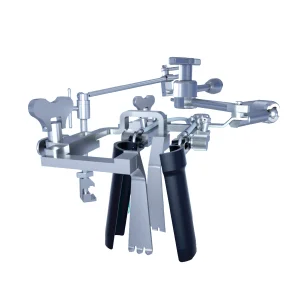
The global spinal surgery segment is experiencing structural expansion, driven by aging demography, rising incidences of complex spine degenerative diseases, and a shift towards minimally invasive spine surgery (MISS). In modern spine reconstructive procedures, polyaxial pedicle screws represent the gold standard. Global healthcare providers demand implant components that offer exceptional biomechanical load distribution, ease of insertion, and reduced intraoperative adjustments.
For medical distributors, hospital networks, and surgical centers, selecting a reliable manufacturer is crucial. Partners must supply implants that satisfy stringent international regulations while optimizing inventory cycles. In competitive healthcare landscapes, B2B buyers search for premium spine fixation devices that minimize implant complications—such as screw loosening, head-rod separation, and localized corrosion.
Osteora Medical Devices Co., Ltd. addresses these global demands by delivering state-of-the-art orthopaedic designs. Our polyaxial pedicle screw systems facilitate customizable placement angles, simplifying rod contouring and lessening stress on adjacent spinal anatomy.
Delivering high-integrity orthopedic and spinal surgical solutions to global medical distributors and hospitals since 2016.
Manufacturing Facility
Industry Expertise
Professional R&D Engineers
Specialized QC Inspectors
New Products Annually
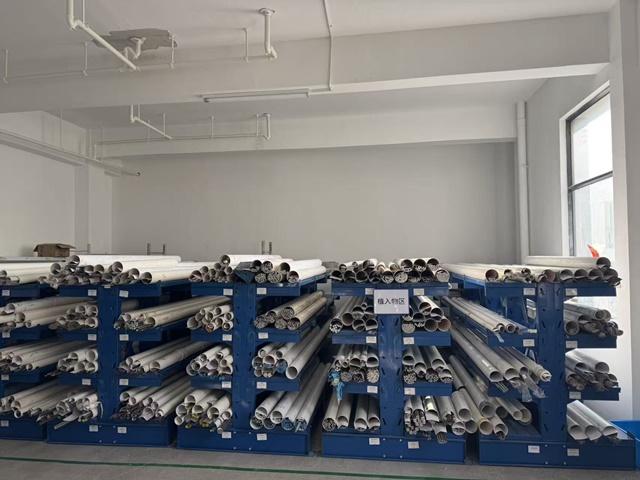
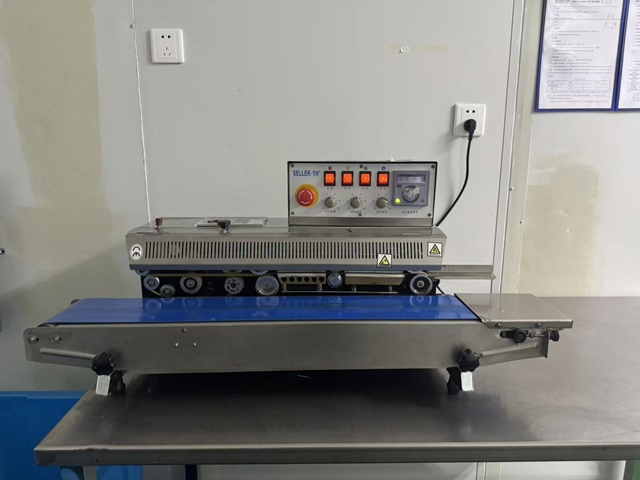
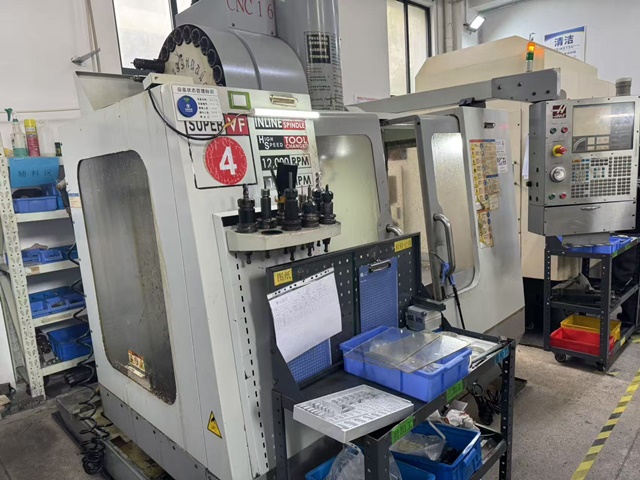
Operating out of a modern facility covering 18,500 square meters, Osteora manufactures orthopedic trauma, spine, and joint reconstruction implants under the brand Osteora. We integrate research and development, multi-axis machining, finishing, cleaning, and testing under one roof.
With 12 years of industry experience and 8 years of export presence, we export between USD 6 million and 14 million annually. Our network covers Europe, Southeast Asia, the Middle East, and South America. We support our distributors with a robust global supply chain featuring over 1,200 upstream and downstream partners, ensuring stable capacity and on-time shipment.
Innovation is key at Osteora. Led by an in-house engineering team of 85 R&D specialists, we design trauma systems, spinal cages, and pedicle systems. We support clinical customization requests, including bespoke dimensions, material adjustments (PEEK, Titanium Alloy, etc.), private labeling, and ODM/OEM collaborations.
Uncompromising structural integrity and metallurgical precision designed to deliver high fatigue resistance and clinical utility.
Features an omnidirectional articulation range, providing up to 50 degrees of freedom. This allows surgeons to place the screw along the natural pedicle pathway while correcting rod alignment without unnecessary bone reaming.
Our screw heads integrate a negative angle locking thread geometry. This reduces radial expansion stress on the screw head during set-screw tightening, preventing cross-threading and shear failure.
Fabricated exclusively from medical-grade Titanium alloy (ASTM F136). This ensures high biocompatibility, corrosion resistance, and excellent fatigue life under cyclical physiological spinal loading.
Our polyaxial pedicle screws are engineered to support axial stability while allowing intraoperative adjustment. In thoracic and lumbar spinal fusion, anatomies differ between patients. A rigid pedicle screw forces the surgeon to contour the rod precisely to meet the screw head, creating mechanical tension that can lead to screw pullout or bone fracture.
Osteora's polyaxial screw features a dual-lead thread profile. The cortical thread at the upper portion increases grip in the dense bone of the pedicle wall, while the deeper cancellous thread maximizes pullout resistance in the vertebral body. Combined with a micro-polished spherical collar, this design provides smooth intraoperative orientation and solid locking stability when set.
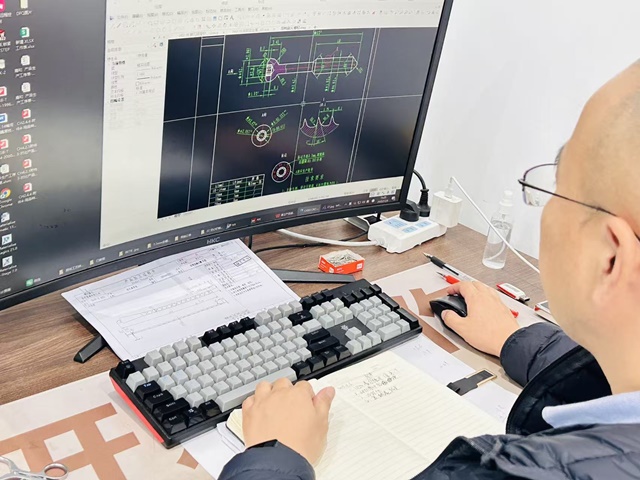
Visual breakdown of our end-to-end production lines, Swiss CNC machining hubs, and mechanical quality validation laboratories.
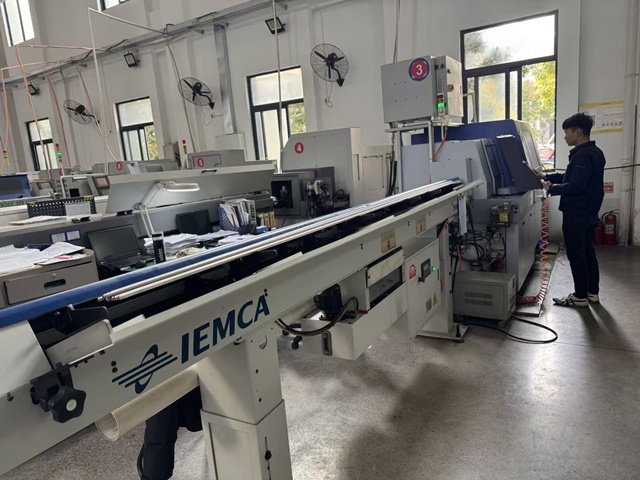
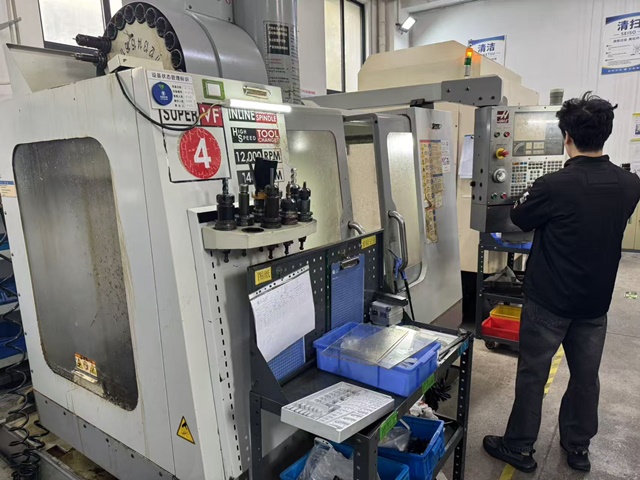
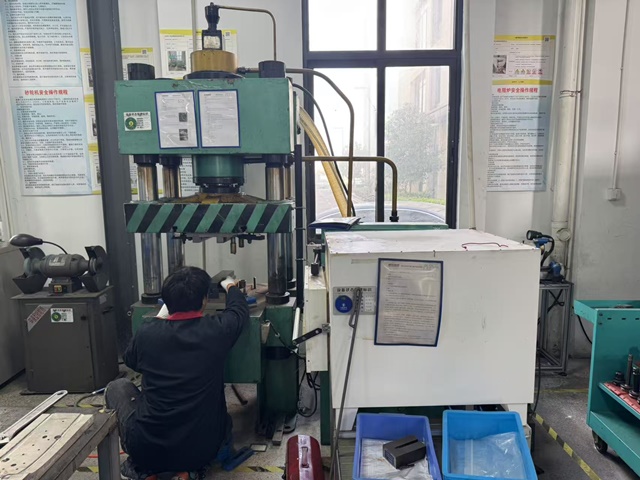
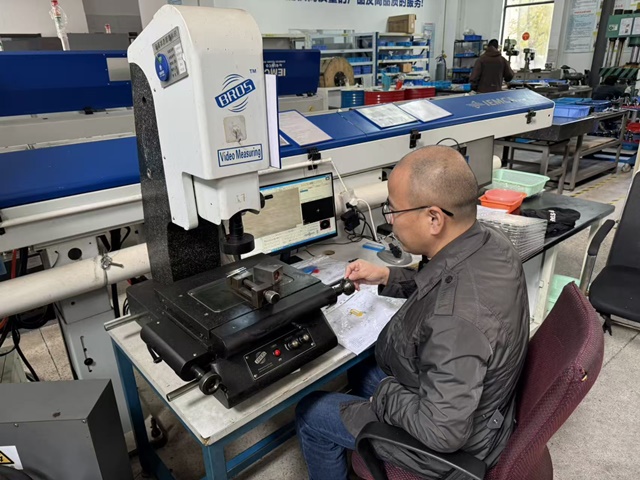
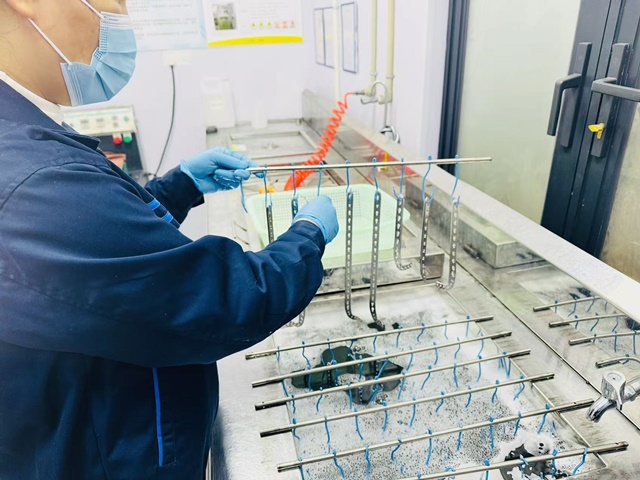
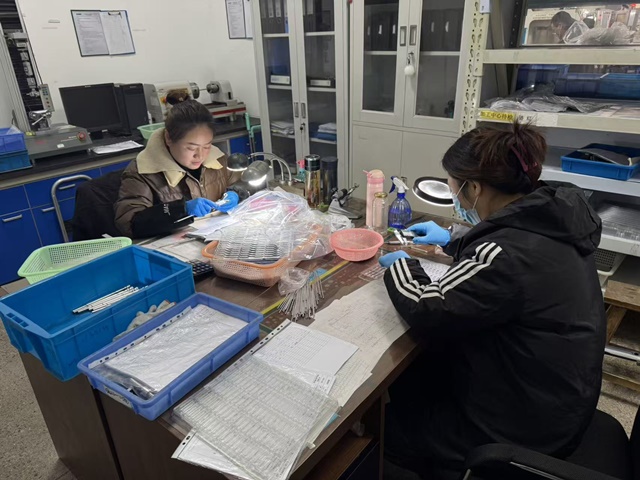
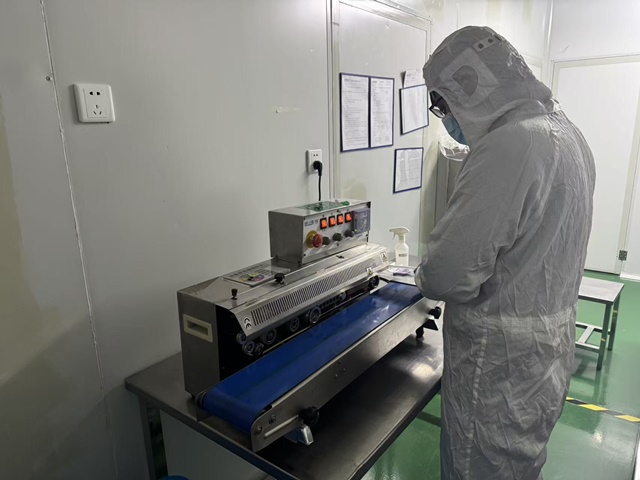
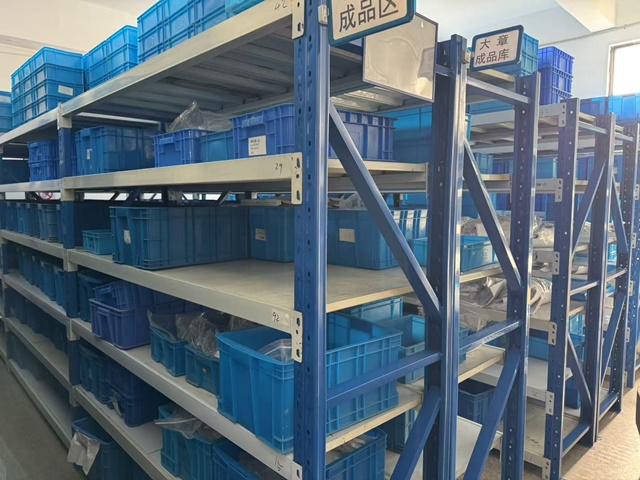
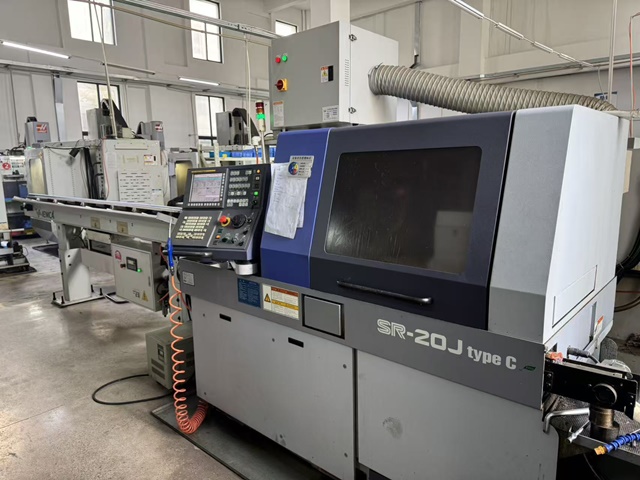
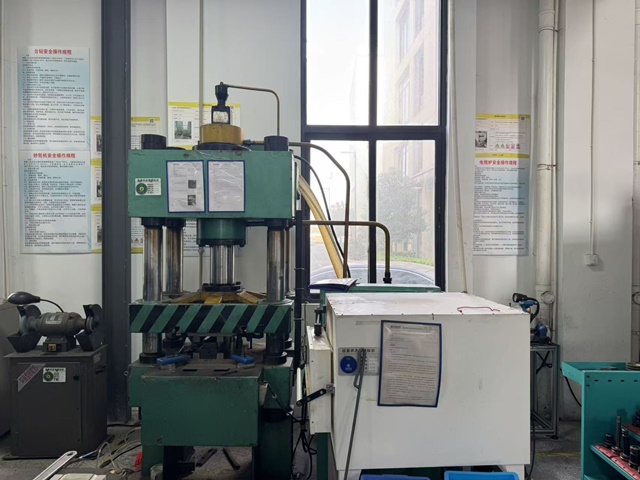
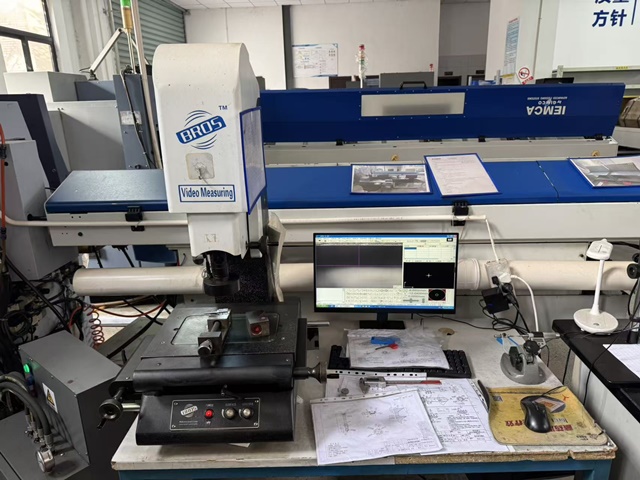
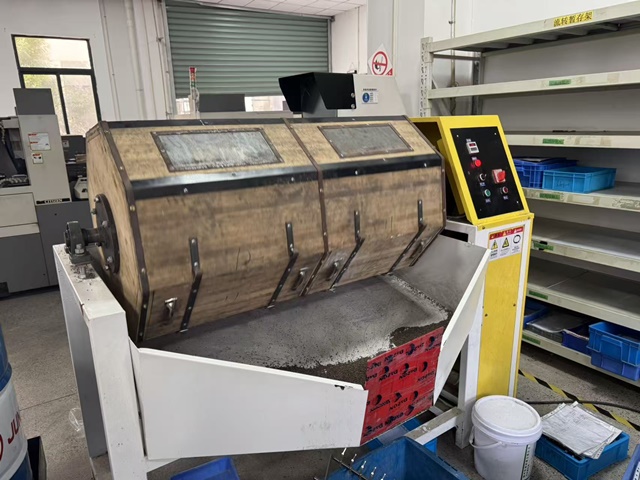
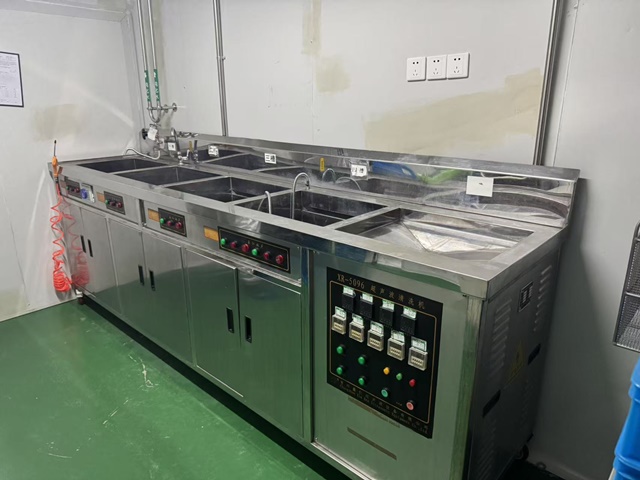
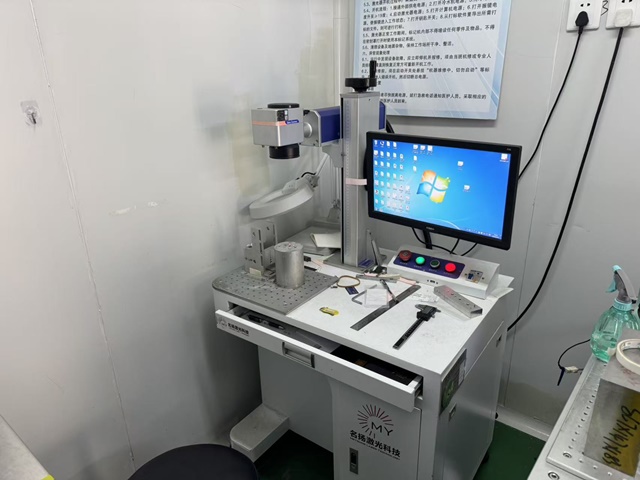
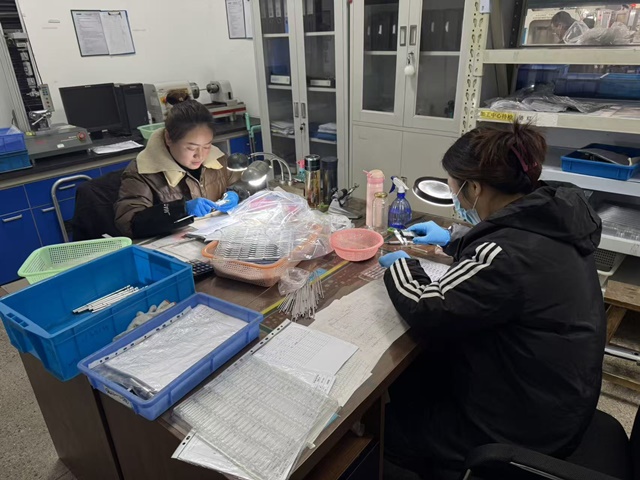
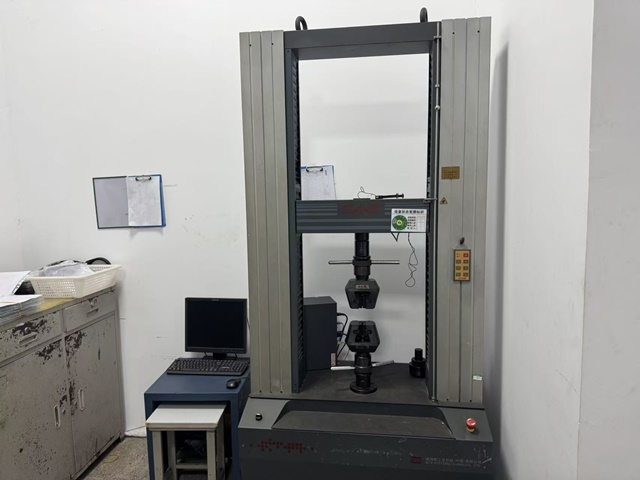
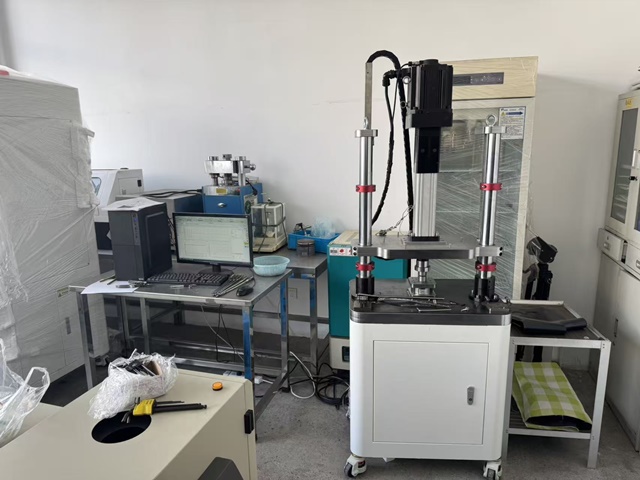
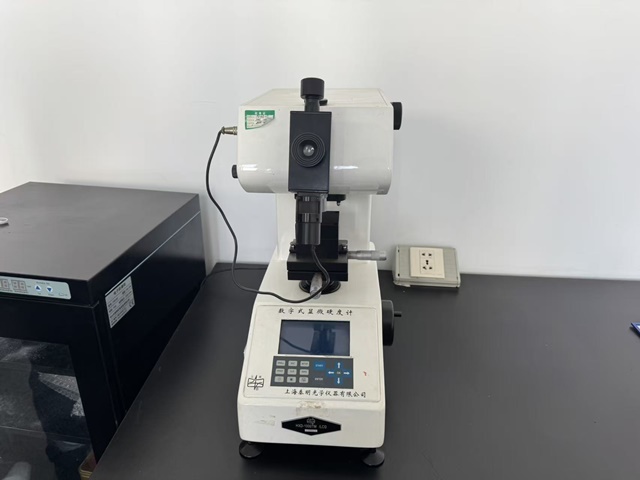
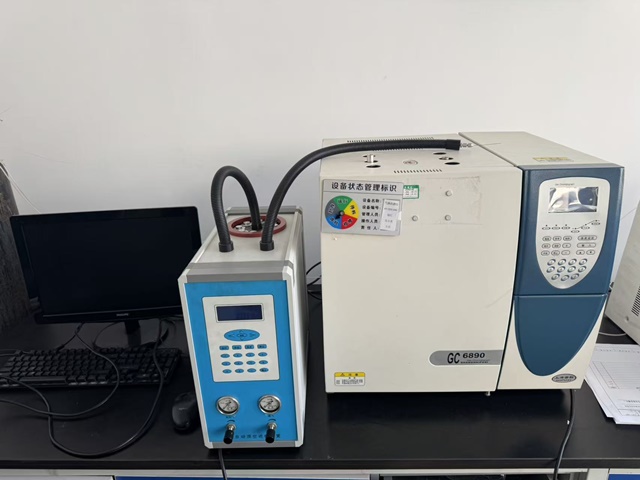
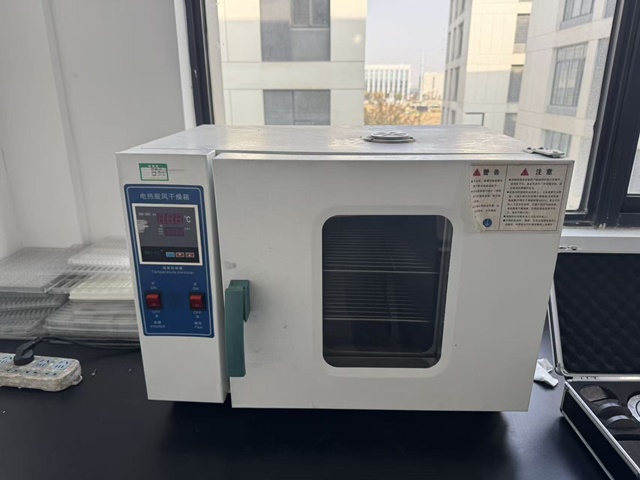
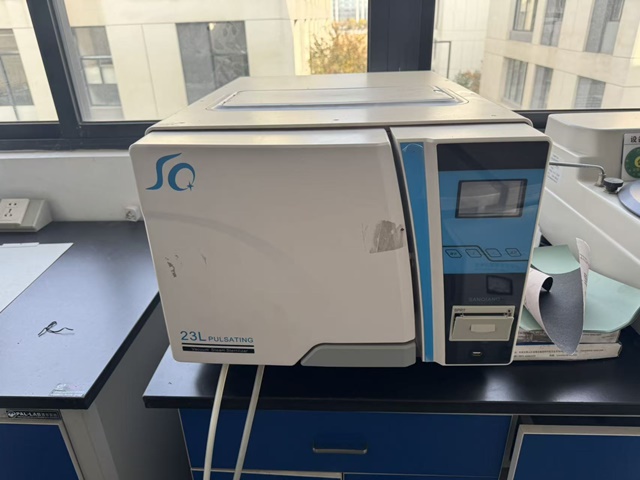
Our quality assurance program is designed to meet strict regulatory frameworks, ensuring each implant meets medical standards. Under our ISO 13485 compliance system, we perform raw material inspections, in-process verifications on Swiss-type lathes, and final random sampling checks.
We test mechanical properties using dimensional verification, mechanical fatigue testing, and biocompatibility assays. Our team includes 42 specialized quality control inspectors who manage and document testing protocols. This ensures every product batch has trace documentation from the titanium bar to the sterile field packaging.
By executing cyclical tensile and torsional fatigue tests using specialized testing equipment, we verify our screws' ability to withstand physical forces. This helps prevent head rotation failure or body fracture under cyclic patient movements.
Anticipating clinical needs through research, engineering, and digital surgical integration.
Spinal surgery continues to evolve. Our future roadmap focuses on additive manufacturing (3D printing) of porous structures, surface modifications to improve osseointegration, and sensor-integrated implants.
Osteora's research division is developing porous titanium pedicle screws that encourage direct bone ingrowth along the screw shaft, which can improve biological fixation and reduce dependency on PMMA cement. We are also optimizing low-profile screw head dimensions to reduce interference with soft tissues. This helps support post-operative healing and facilitates minimally invasive placement.
Our team works with computer-guided navigation systems to ensure compatibility with modern robotic platforms, enabling precise placement and reducing intraoperative radiation exposure for the surgical team.
Get answers to common technical, manufacturing, and distribution questions regarding Osteora spinal systems.
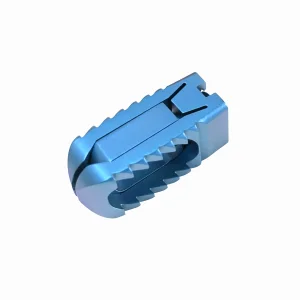
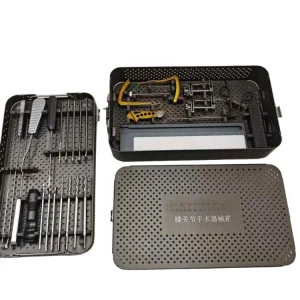
Explore our additional instrumentation sets, bone fusion cages, and joint replacement implants.