Osteora
Osteora
Osteora
Advanced surgical systems designed to optimize bone healing, reconstruct joint integrity, and satisfy the rigorous regulatory requirements of global healthcare systems.
Analyzing critical vectors driving hip fracture interventions, clinical selection criteria, and purchasing dynamics of global medical buyers.
Hemiarthroplasty remains the standard of care for displaced femoral neck fractures (Garden Stage III and IV) in elderly, low-demand populations, and selected younger cases presenting with significant co-morbidities. Unlike total hip arthroplasty (THA), which requires resurfacing both the femur and the acetabular socket, hemiarthroplasty replaces only the femoral head. This procedure dramatically reduces surgical duration, intraoperative blood loss, and systemic surgical stress, accelerating patient mobilization in geriatric cohorts.
From a biomechanical standpoint, the industry offers two primary design variations: Unipolar Implants and Bipolar Implants. Unipolar implants feature a single rigid component articulating directly against the natural articular cartilage of the acetabulum. Bipolar designs, which incorporate a secondary intra-prosthetic joint, distribute shear forces over two moving surfaces. This significantly reduces the rate of acetabular erosion, pain, and subsequent revision surgeries, establishing bipolar stems as the dominant choice for active patient populations.
As healthcare systems grapple with demographic aging, clinical buyers, medical distributors, and surgical centers demand implants that balance clinical durability with economic sustainability. Major medical institutions must evaluate total cost of care, making direct sourcing from optimized manufacturing hubs like China a key mechanism to protect operating margins.
A global leader in high-precision trauma, spinal systems, and joint reconstruction technologies.
Founded in 2016, Osteora Medical Devices Co., Ltd. has established itself as an authoritative manufacturer of premium orthopedic implants and advanced surgical solutions. Operating under the globally recognized brand Osteora, the enterprise spans a state-of-the-art facility of 18,500 square meters, housing integrated lines for mechanical milling, cleanroom assembly, testing, and sterile packaging.
Backed by 12 years of industry expertise and 8 years of dedicated medical export operations, Osteora has achieved an annual export volume ranging from USD 6 million to 14 million. The brand's products are widely accepted in key medical markets across Europe, Southeast Asia, the Middle East, and South America. With a robust customer base including tier-one hospitals, specialized orthopedic networks, and global medical device distributors, Osteora is a vital node in the orthopedic supply chain.
Our commitment to continuous innovation is supported by 85 in-house R&D engineers. This team designs, prototypes, and tests next-generation fixation systems, launching approximately 120 new products annually to adapt to evolving surgeon preferences and clinical indications.
| Operational Core Metric | Osteora System Specification | Strategic Value Proposition |
|---|---|---|
| Industrial Facility | 18,500 ㎡ Cleanroom and Machining Area | High-throughput batch production capacity |
| Quality Control Staff | 42 Specialized QA/QC Inspectors | Zero-defect assurance across critical dimensions |
| Materials Spectrum | Ti-6Al-4V ELI (ASTM F136), CoCrMo, UHMWPE | Biocompatible structural integrity and low wear rates |
| Customization Framework | OEM / ODM, Private Labeling, CAD/CAM Prototyping | Custom implant sizing for diverse demographics |
| Certification Standards | ISO 13485, CE Compliant Testing Protocols | Regulatory clearance and documentation support |
Understanding the cost, efficiency, and engineering factors that position China at the forefront of global orthopedic hardware production.
By coordinating a network of 1,200 audited upstream raw material vendors and downstream finishing suppliers, Osteora secures stable material supply, reduces lead times, and mitigates raw material price volatility.
Utilizing imported Swiss-type multi-axis lathes and HAAS CNC machining centers, Chinese factories eliminate human error in sub-micron manufacturing tolerances, guaranteeing consistent geometries across batches.
With an R&D force of 85 engineers, the gap between concept design, mechanical simulation, rapid prototyping, and commercial production is reduced by up to 40% compared to Western competitors.
The manufacturing efficiency of Chinese orthopedic implants is not merely a product of labor optimization. It stems from localized vertical integration. China's industrial zones gather medical-grade raw material refiners, metallurgical testing labs, surface modification centers, and regulatory consultancy groups within tight clusters. This integration allows Osteora to maintain rapid turnaround times for customized implants and custom-engineered trauma systems.
Visualizing the stage-by-stage engineering protocol from raw bar stock to micro-finished, certified implants.
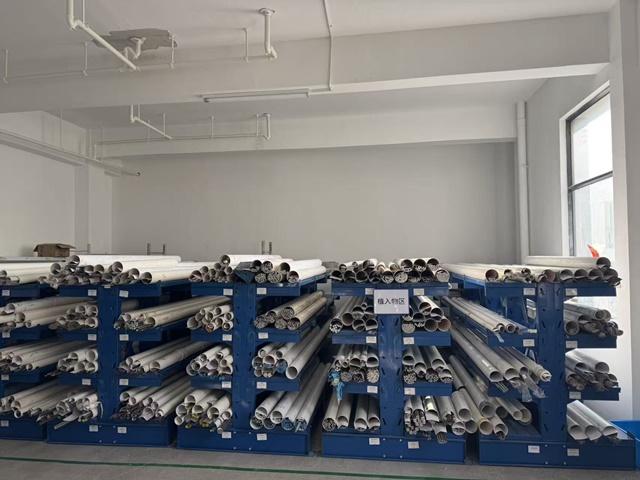
Every lot of titanium (Ti-6Al-4V ELI) and cobalt-chrome is validated via spectroscopy to ensure structural purity.
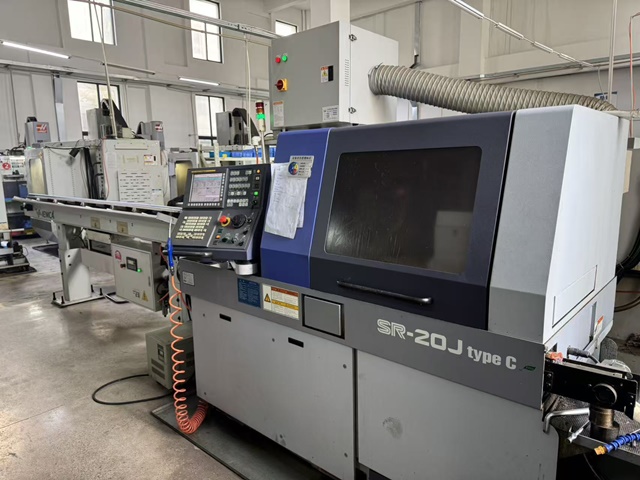
High-precision turning of complex femoral stems and neck architectures ensures minimal deviation from CAD models.
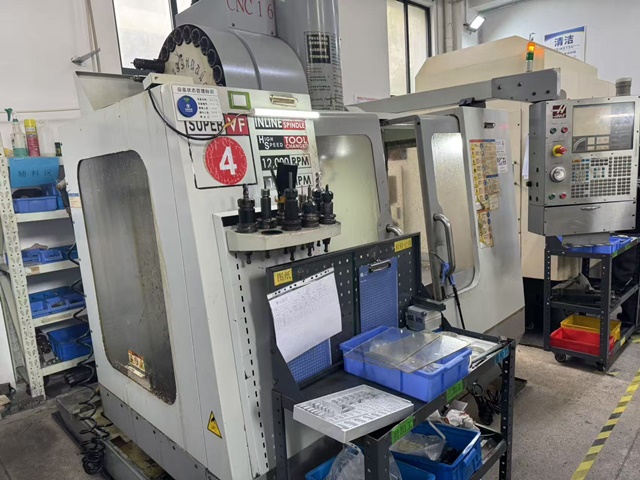
Advanced multi-axis CNC centers cut femoral head tapers and lateral flares, achieving complex 3D profiles.
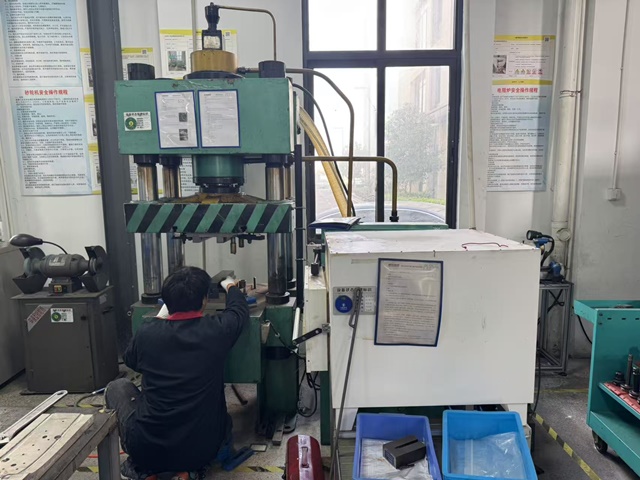
Cold and hot working shaping presses forge basic implant preforms with high structural density and grain alignment.
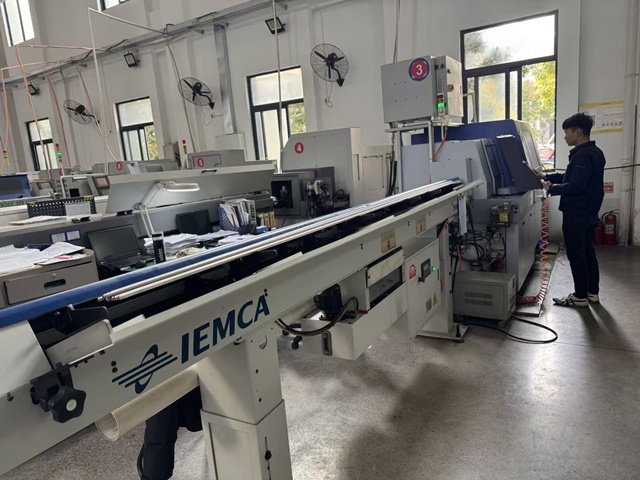
Manual and automated cleaning removes particulate flash and surface imperfections, preparing the substrate for coating.
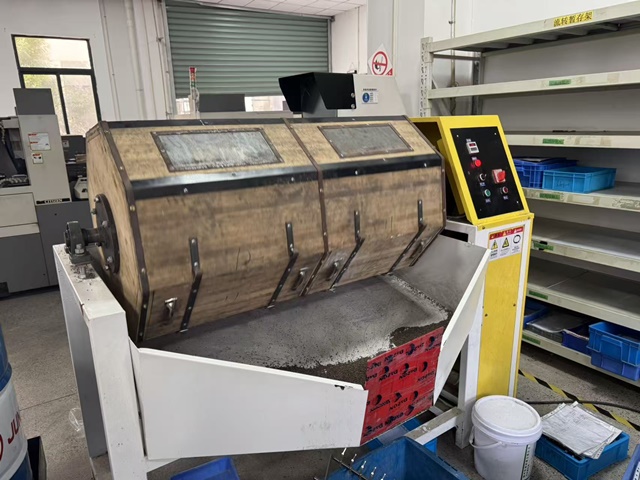
Ultra-fine abrasive grinding generates mirror-like finishes on articulation points, minimizing future friction.
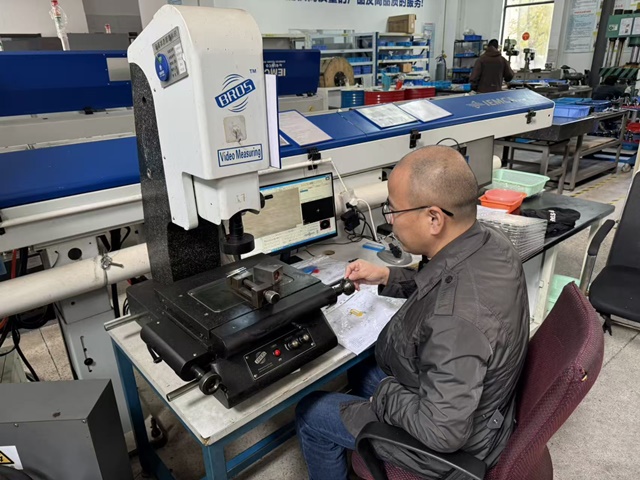
Inspectors verify tolerances at intermediate stages using gauges and profile projectors.
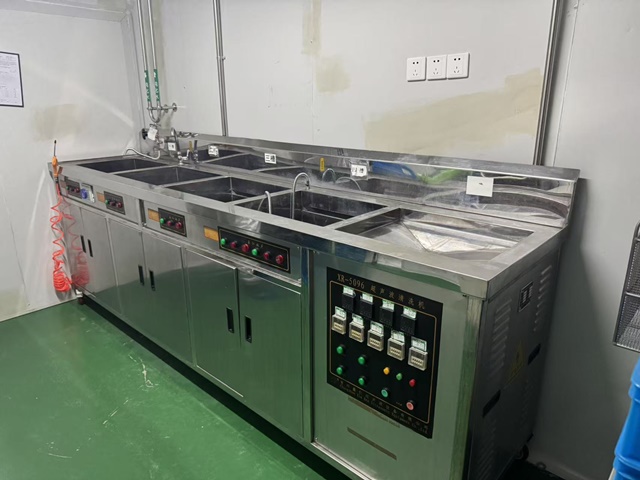
Implant surfaces undergo chemical and ultrasonic cleaning to remove trace lubricants and biological residues.
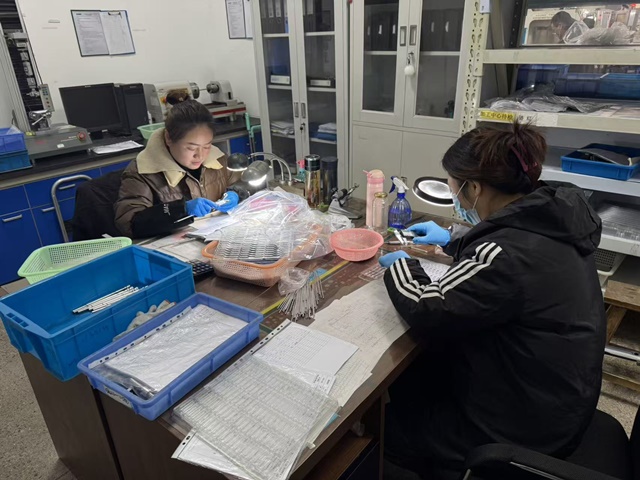
Specialized technicians inspect surfaces under magnification to verify that every implant meets aesthetics and geometric standards.
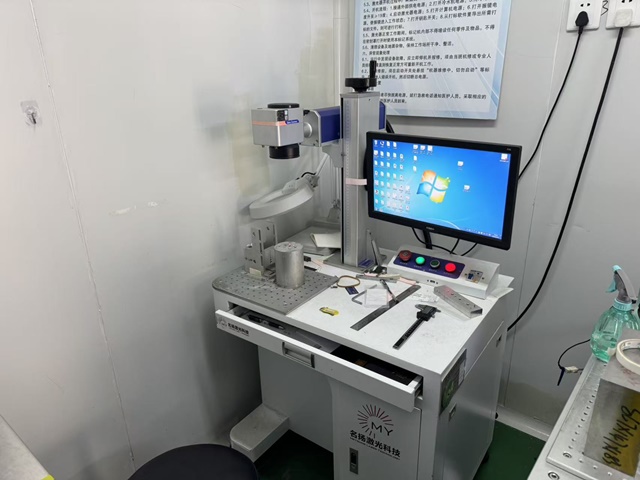
We laser etch serial numbers and manufacturing lots on each device to ensure comprehensive clinical traceability.
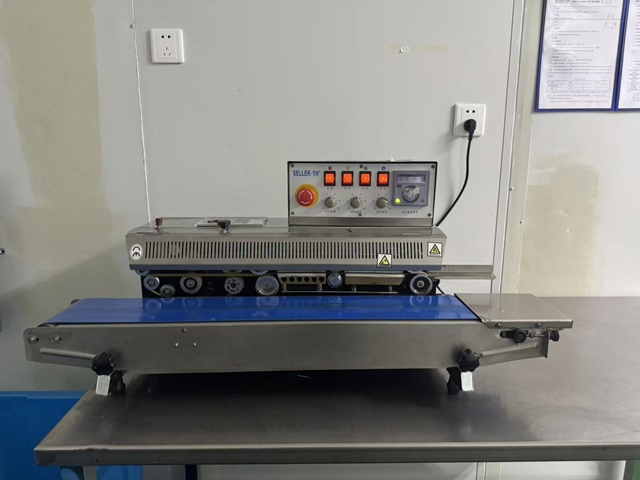
Sealing implants in double-barrier Tyvek packaging inside cleanrooms preserves sterility during distribution.
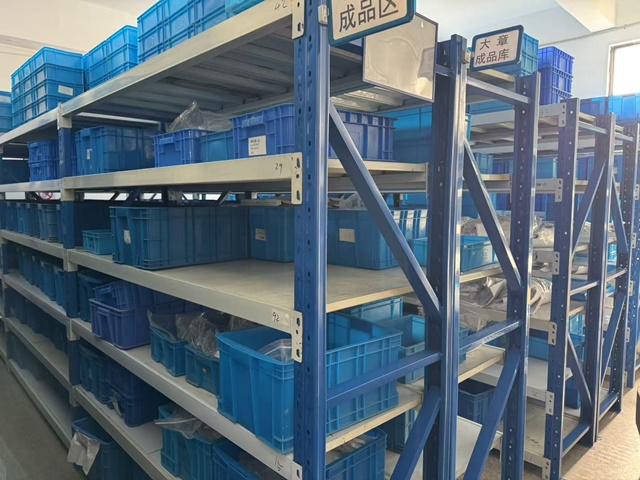
Maintaining products in temperature- and humidity-controlled storage preserves packaging integrity until final dispatch.
With 42 full-time inspectors and a state-of-the-art testing lab, Osteora maintains a comprehensive quality system to guarantee implant safety.
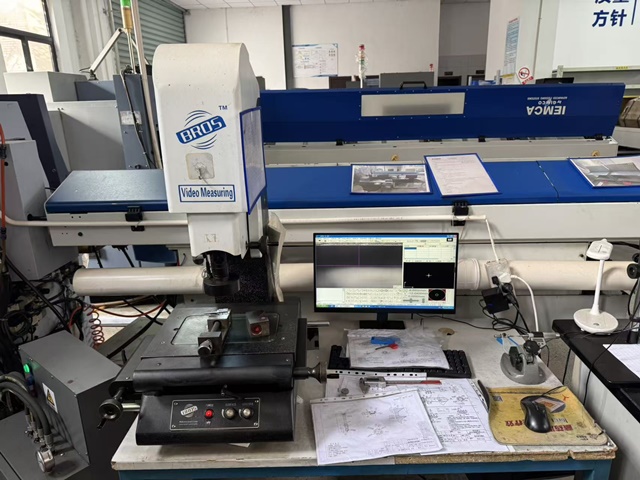
Provides non-contact 2.5D optical mapping of screw thread profiles, plate curvatures, and taper angles down to sub-micron tolerances.
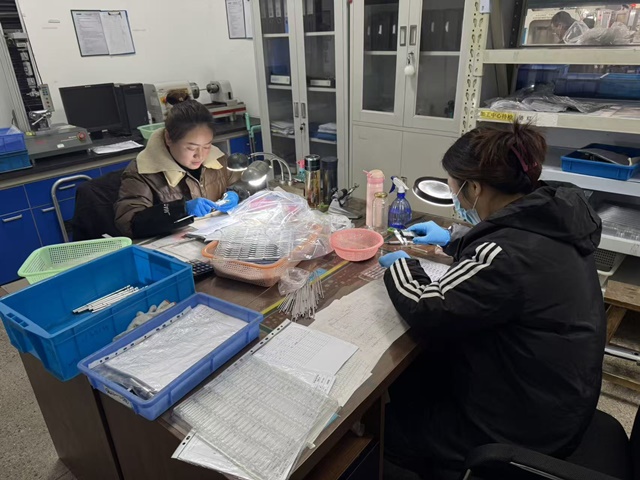
Every product batch undergoes manual inspection by two certified technicians to verify that surfaces are free of cosmetic defects.
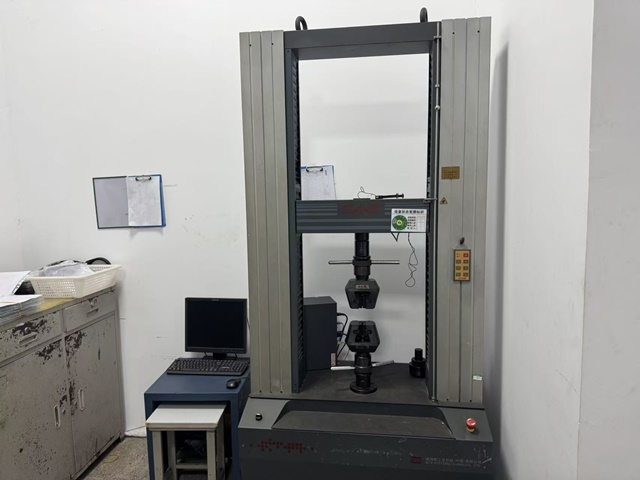
Measures compression and pull-out limits for medical-grade needles, plates, and locking screws under load conditions.
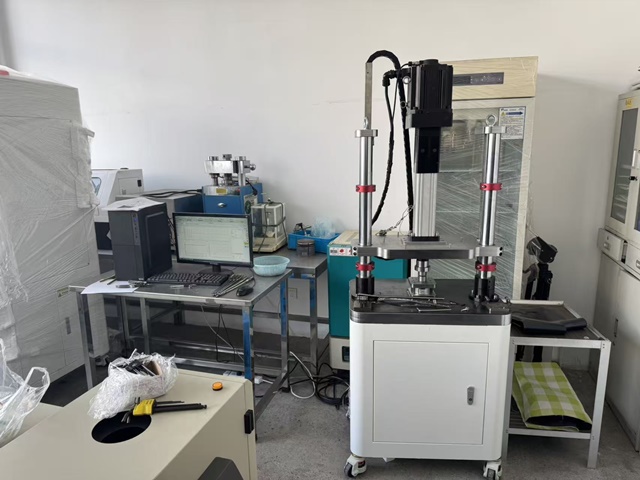
Simulates stress cycles to predict design life, ensuring our implants withstand over 5 million cycles without failure.
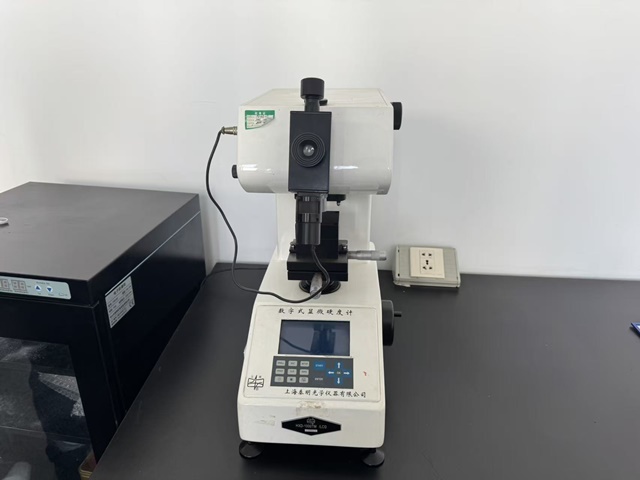
Measures material surface hardness and micro-hardness, validating that heat treatments achieve optimal mechanical strength.
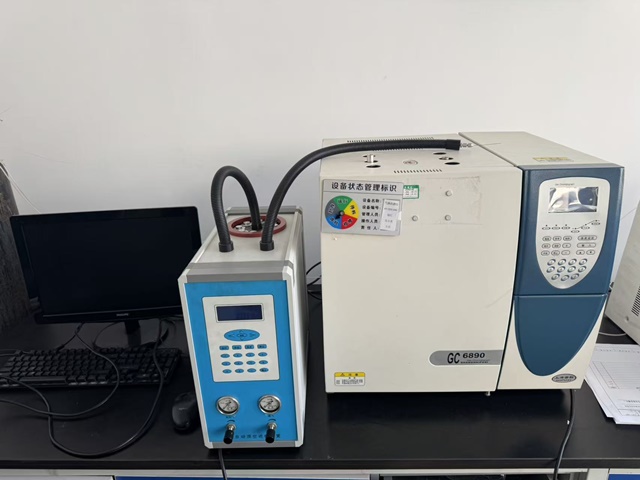
Measures trace elements like hydrogen, nitrogen, and oxygen in raw metal stock, preventing hydrogen embrittlement.
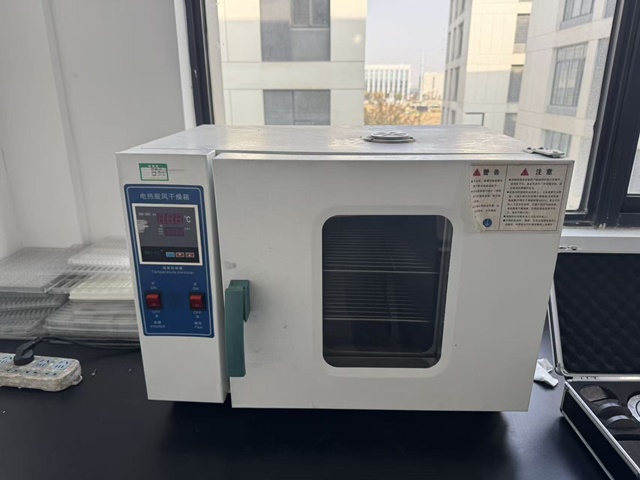
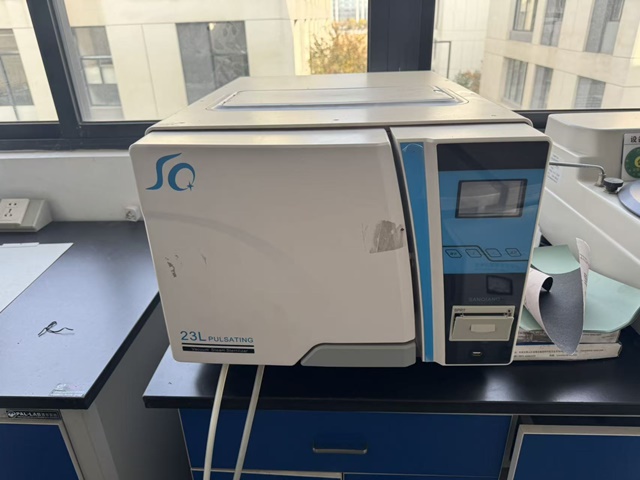
Removes moisture and solvent residues from sterile barriers, preparing implants for cleanroom packaging.
Simulates continuous gait dynamics on bipolar hip joints, evaluating long-term fatigue wear and structural stability.
Exploring next-generation technologies shaping orthopedic manufacturing, and how Osteora integrates them into product development.
The global joint reconstruction industry is undergoing a significant transition toward additive manufacturing and bioactive surface treatments. While traditional subtractive CNC machining remains essential for structural components like stems and tapered zones, 3D printing (Electron Beam Melting / Selective Laser Sintering) allows for the fabrication of complex, porous trabecular metal structures that mimic natural cancellous bone. This porous architecture stimulates osseointegration, improving long-term press-fit stability and reducing reliance on bone cement.
In addition, advanced hydroxyapatite (HA) and vacuum plasma sprayed titanium coatings are becoming standard features. These micro-coatings act as a scaffold for osteoblast proliferation, accelerating early bone-anchoring. Osteora's R&D department continues to develop new coatings to optimize biological anchorage in cementless applications, which are increasingly preferred for patients with good bone stock.
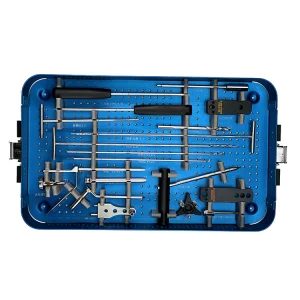
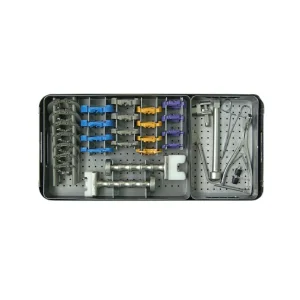
On the clinical side, the demand for minimally invasive surgery (MIS)-compatible instrumentation sets is growing. These instruments allow surgeons to perform hemiarthroplasty through smaller incisions, protecting surrounding soft tissue, reducing muscle damage, and accelerating rehabilitation. Osteora addresses this trend by offering complete, optimized instrumentation kits that facilitate accurate implant positioning through less invasive surgical approaches.
Essential points for clinical buyers, procurement leads, and international distributors evaluating volume supply agreements.
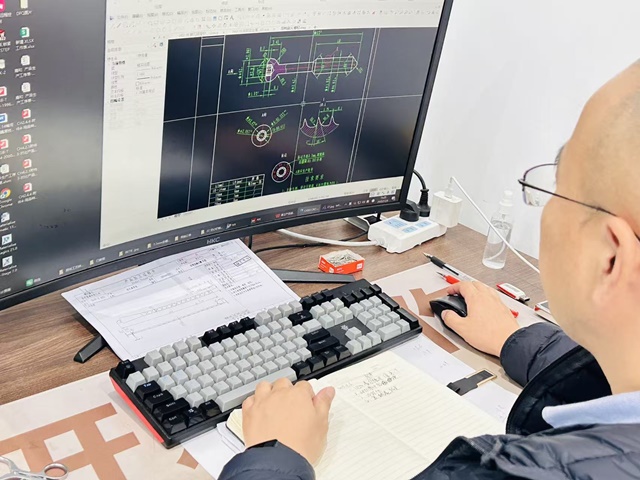
We provide full design services to customize neck-shaft angles, surface finishes, and anatomical stems. Using detailed 2D/3D technical drawings (like the designer drawing shown below), we customize implant profiles to fit regional patient demographics.
Osteora provides comprehensive regulatory support, offering technical files, raw material melt certificates, gamma sterilization validation records, and biocompatibility studies to streamline local registration.
Through our established shipping partnerships and automated inventory management, we support multiple distribution strategies, including small-batch air freight for trials and container shipping for national tenders.
Addressing core clinical, metallurgical, and supply-chain inquiries of procurement leads and international distributors.
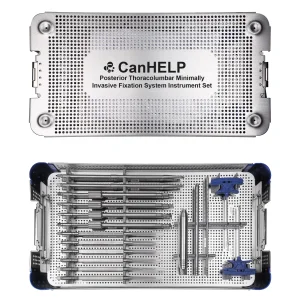
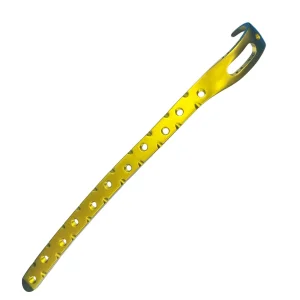
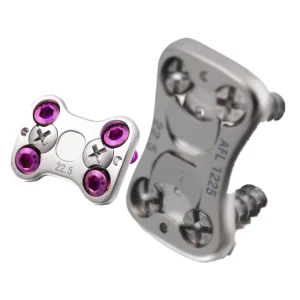
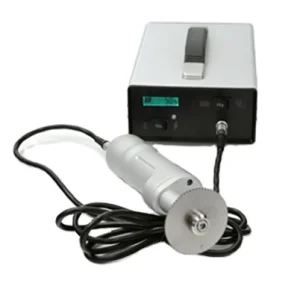
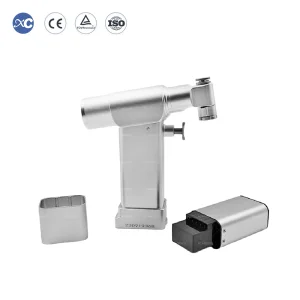
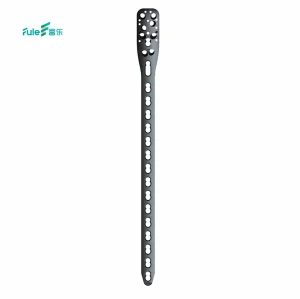
A comprehensive range of trauma systems, osteotomy saws, and specialized surgical instrumentation designed to ensure surgical accuracy and reliable clinical outcomes.