Osteora Osteora

China Best Veterinary Orthopedic Implants Manufacturers & Factories

Premium Grade Trauma, Spinal & Joint Reconstruction Systems for Global Veterinary Surgery

Industrial Leadership: Osteora Medical Devices Co., Ltd.

Osteora Medical Devices Co., Ltd. is a leading professional orthopedic implant and surgical solution manufacturer specializing in trauma, spine, and joint reconstruction systems. Operating under the renowned international brand Osteora, the company has dedicated its operational timeline to engineering elite-grade medical hardware designed specifically for complex clinical surgeries. Founded in 2016, the company has developed a strong reputation in the global orthopedic industry through continuous innovation and strict quality control standards.

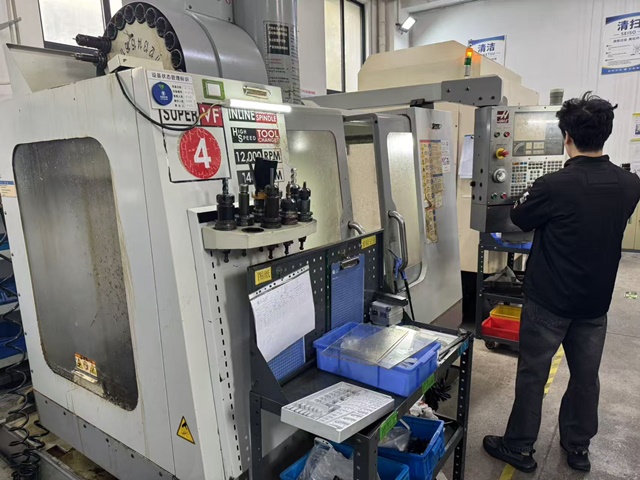
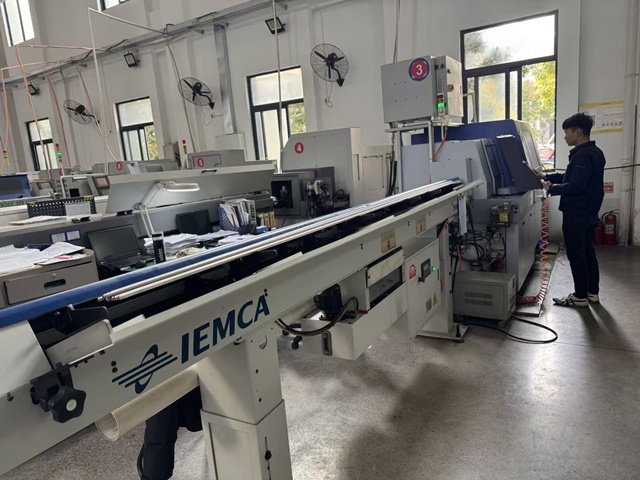
The production nucleus resides in an expansive facility covering approximately 18,500m², supporting integrated production, assembly, and testing operations. Equipped with advanced Swiss-type CNC lathes, HAAS machining systems, and cleanroom environments, the facility can respond to strict lead times while preserving the structural integrity of the metals and polymers processed.

18,500㎡
Production Facility
12+ Yrs
Industry Expertise
85+
R&D Engineers
42
QC Inspectors

With 8 years of export experience and 12 years of industry expertise, Osteora has established stable cooperation with international distributors and veterinary hospitals across multiple regions. Annual export revenue ranges from USD 6 million to 14 million, reflecting steady global market growth and widespread trust among surgical practitioners.

Macro-Industry Veterinary Orthopedic Solutions

The veterinary orthopedic landscape has transitioned from simple splinting and dynamic compression plating to highly sophisticated, anatomy-specific implants. Modern veterinary patients—ranging from toy-breed felines to heavy-weight canine working breeds—present biomechanical requirements that differ significantly from human orthopedic systems. Our product suite addresses these challenges directly:

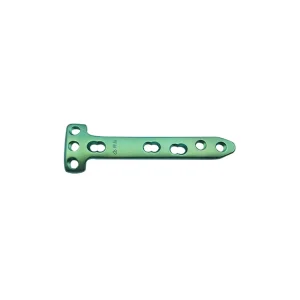
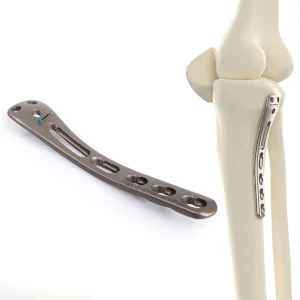
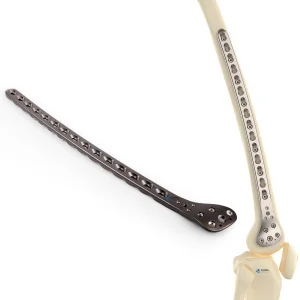
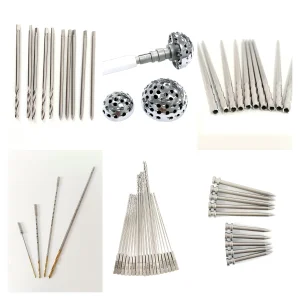
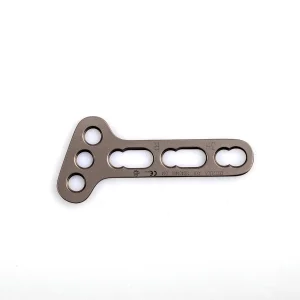
  • Trauma Fixation Systems: Specialized plates such as the CANWELL 3.5mm Proximal Posterior Tibial Locking Plate and the CANWELL 3.5mm Proximal Femoral Serpentine Locking Plate offer precise mechanical stabilization. Using locking screw technology, these systems preserve periosteal blood supply, which is critical for accelerating bone healing in animals.
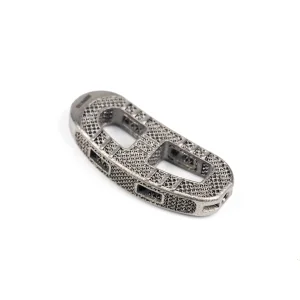
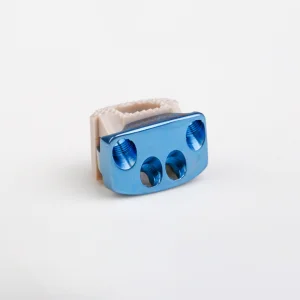
  • Spinal Fusion Systems: Products like the CANWELL Cervical Lumbar Spinal Fusion Cage leverage 3D-printed porous titanium. This structure mimics trabecular bone geometry, promoting rapid bone ingrowth and stabilizing spinal subluxations or degenerative disc diseases.
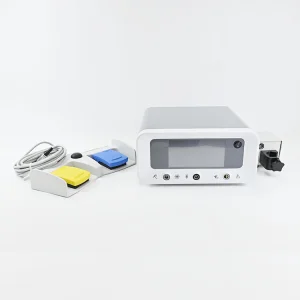
  • Joint Reconstruction & Sports Medicine: Features specialized suture anchors, RF plasma electrodes, and shaver blades designed to minimize tissue trauma during arthroscopic and reconstructive joint procedures.
Key Engineering Fact: Veterinary patients do not follow post-operative load-bearing restrictions. Implants must withstand significant immediate dynamic forces. Our titanium alloy (Ti-6Al-4V ELI) implants are engineered for high fatigue strength, ensuring stability even under immediate weight-bearing conditions.

Global Commercial and Industrial Status

The demand for premium-grade veterinary orthopedic implants is rising globally. This growth is driven by the humanization of companion animals, increased pet insurance coverage, and advanced diagnostic capabilities in veterinary clinics. Historically, veterinary clinics relied on human pediatric implants. Today, the industry demands dedicated, anatomically tailored systems.

Osteora maintains long-term partnerships with distributors in Europe, Southeast Asia, the Middle East, and South America. By utilizing an integrated supply chain that includes approximately 1,200 certified partners, we ensure stable raw material access (primarily medical-grade titanium and PEEK) and reliable worldwide delivery.

Core Competencies
  • ISO 13485 Compliance
  • In-Process Quality Auditing
  • In-house Biomechanical Testing
  • OEM / ODM Customization Services
  • CE & ISO Certification
Raw Materials
  • Titanium Alloy (Grade 5, Ti-6Al-4V)
  • Medical-Grade Stainless Steel (316LVM)
  • PEEK (Polyetheretherketone)
  • Ultra-High Molecular Weight PE

Precision Manufacturing Workflow

Our 10-stage processing line ensures raw materials are transformed into micromachined, biocompatible medical devices.
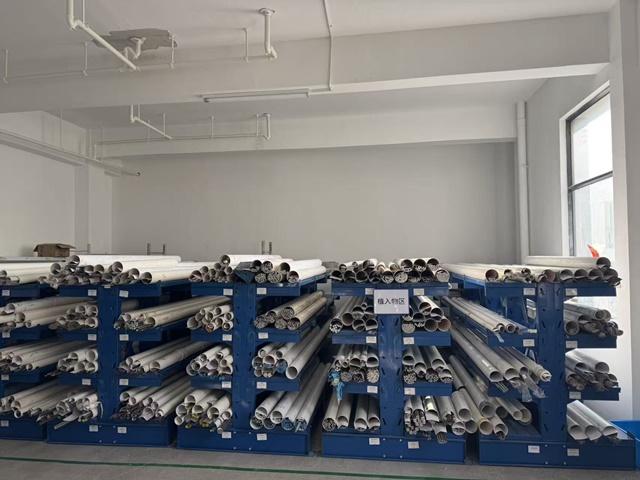
Raw Material Selection
1. Raw Material
Finishing Process Phase 1
2. Finishing Process I
Finishing Process Phase 2
3. Finishing Process II
Stamping Process
4. Stamping Process
Grinding Process
5. Grinding Process
Dimensional Checking Process
6. Checking Process
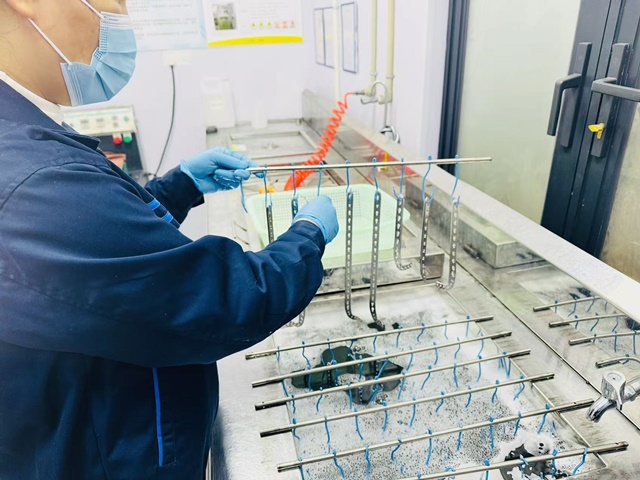
Ultrasonic Cleaning Process
7. Cleaning Process
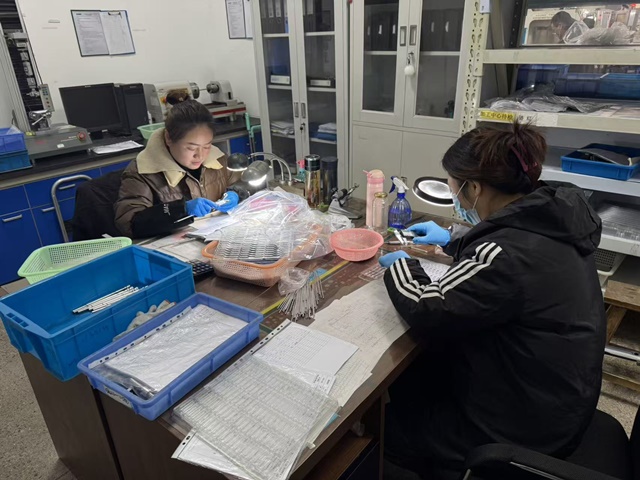
Final Inspecting Process
8. Inspecting Process
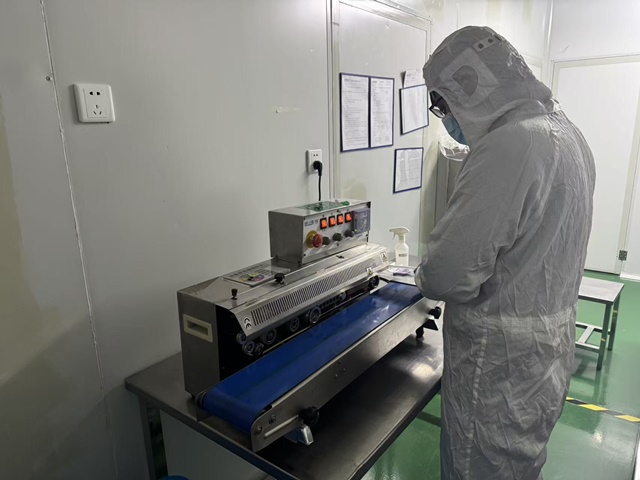
Packing Process
9. Packing Process
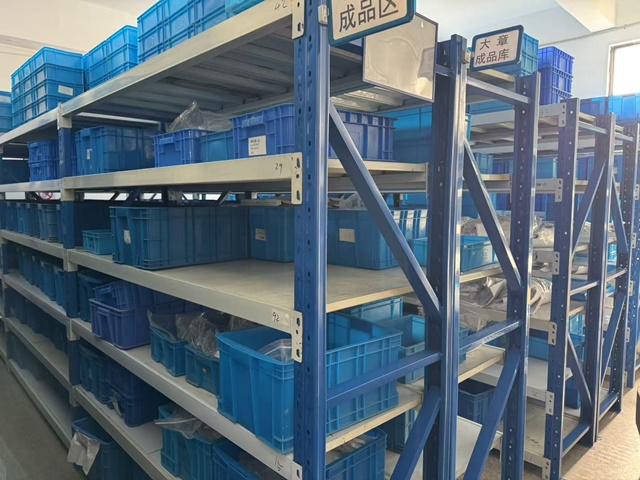
Clean Storehouse
10. Storehouse

Advanced Manufacturing Infrastructure

Our production floor features high-precision machinery capable of micro-tolerances down to ±0.005mm.
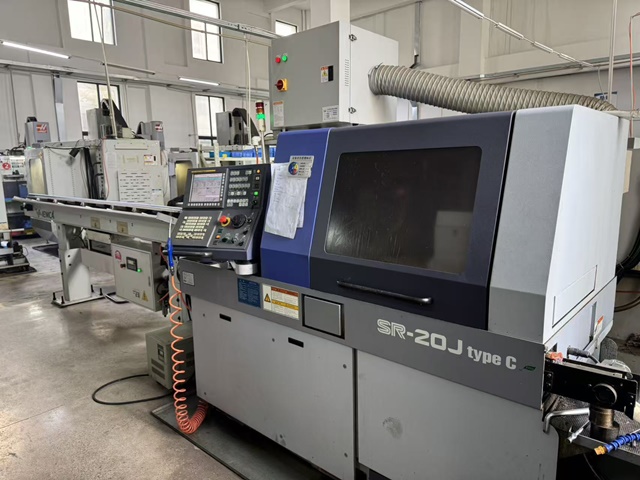
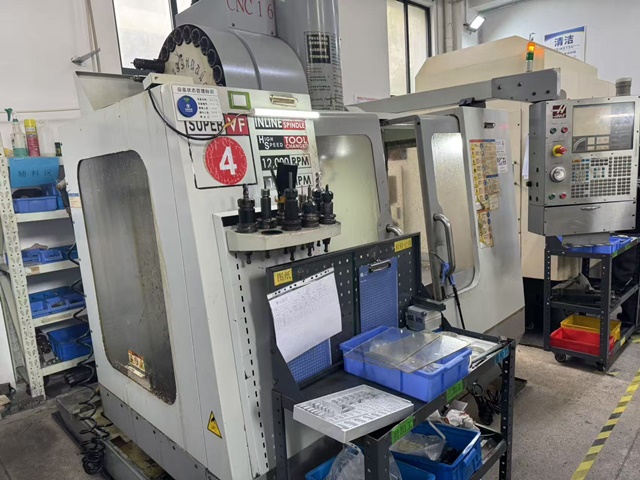
Swiss-type Lathe Equipment
Swiss-type Lathe
HAAS CNC Machine Center
HAAS CNC
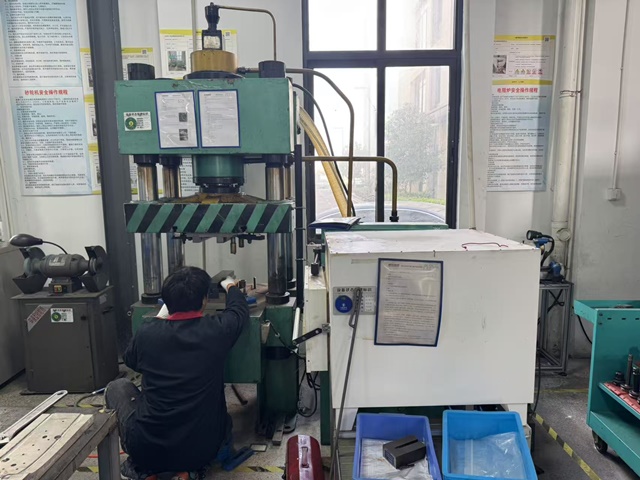
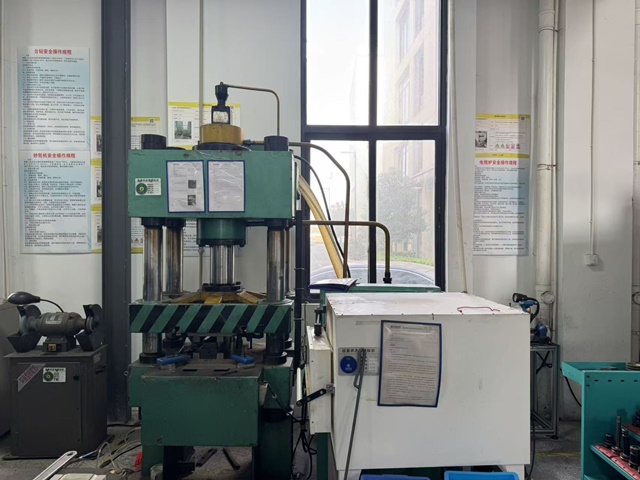
Precision Stamping Machine
Stamping Machine
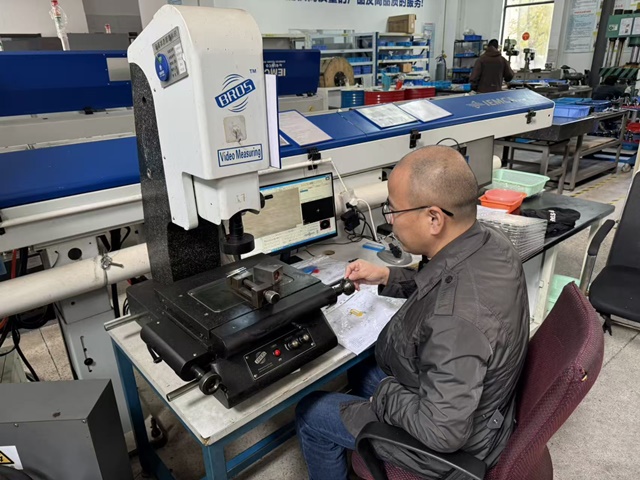
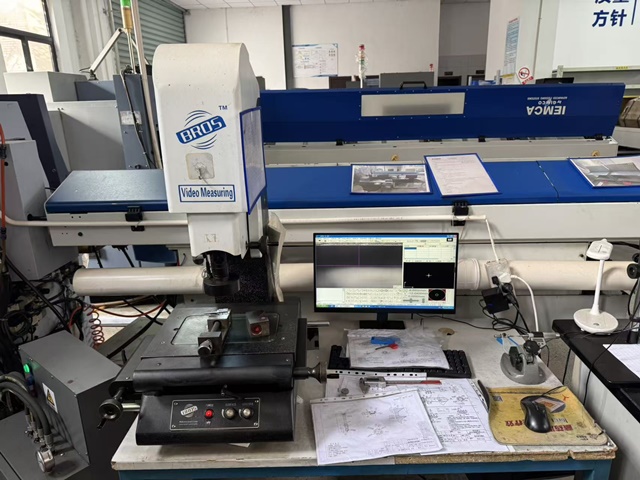
Vision Measuring Instrument
Vision Measuring
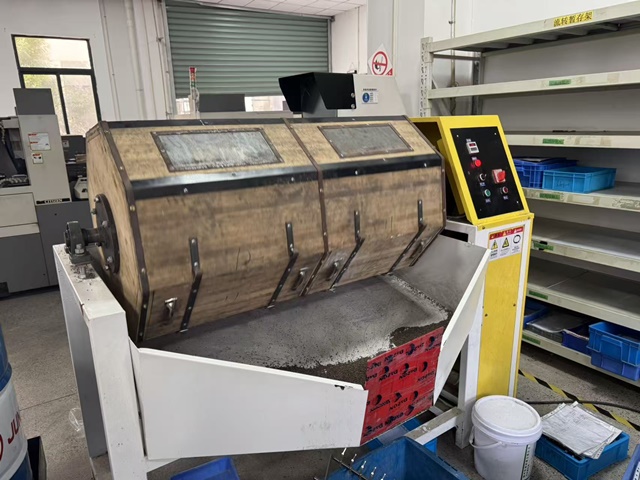
Grinding Machine
Grinding Machine
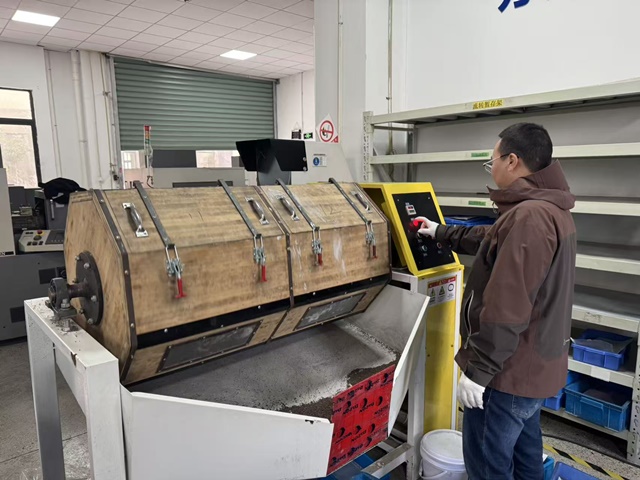
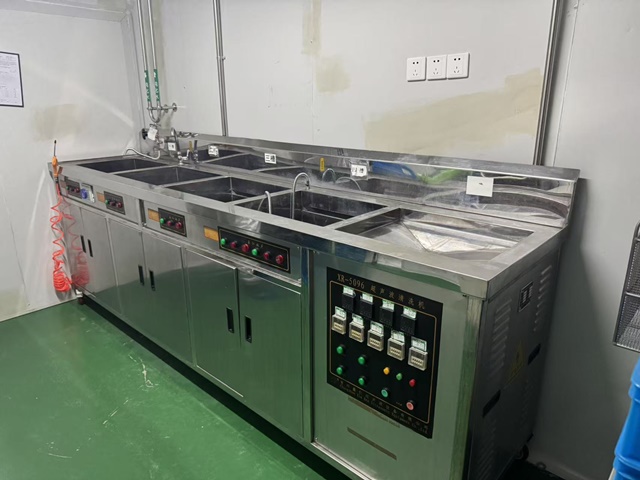
Cleaning Machine
Cleaning Machine
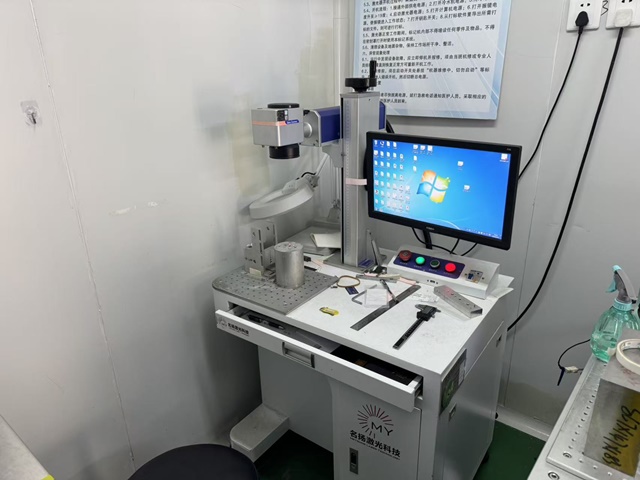
Laser Marking Machine
Laser Marking
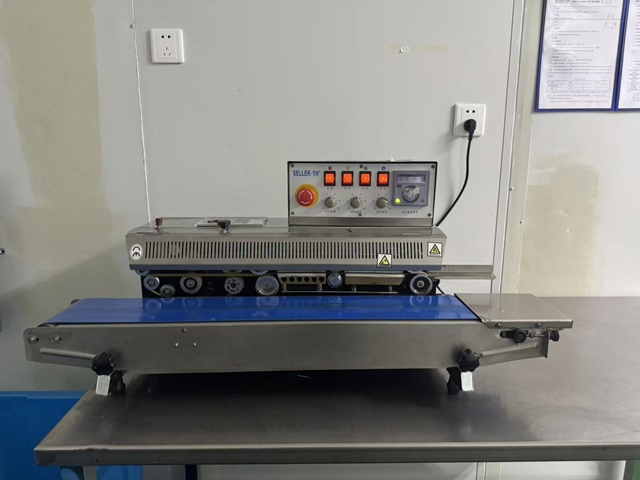
Packing Machine
Packing Machine

Rigorous Quality Control & Biomechanical Validation

Our quality assurance program employs 42 specialized inspectors and structural testing methods.

At Osteora, we operate a dual-level verification system: In-Process Control (IPC) and Final Quality Assurance (FQA). No single batch is approved for clinical use without clear mechanical profiling, validation of the passive oxide layer, and raw material verification via spectroscopy.

Our dedicated team of 42 specialized inspectors manages dimensional, chemical, and physical parameters to ensure full compliance with ISO 13485 standards.
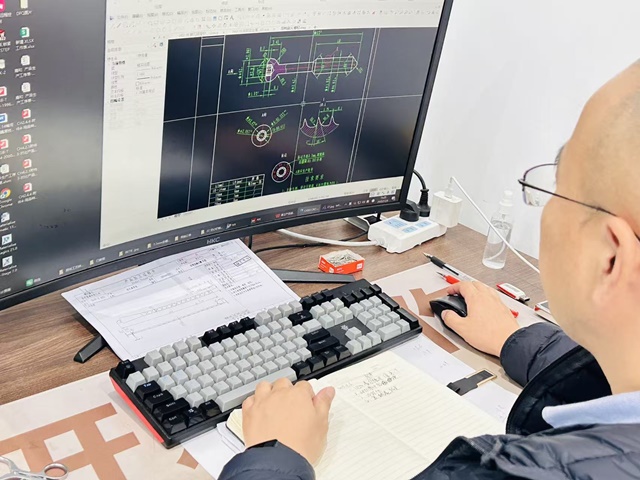
Designer Drawing and CAD blueprinting
Designer Drawing
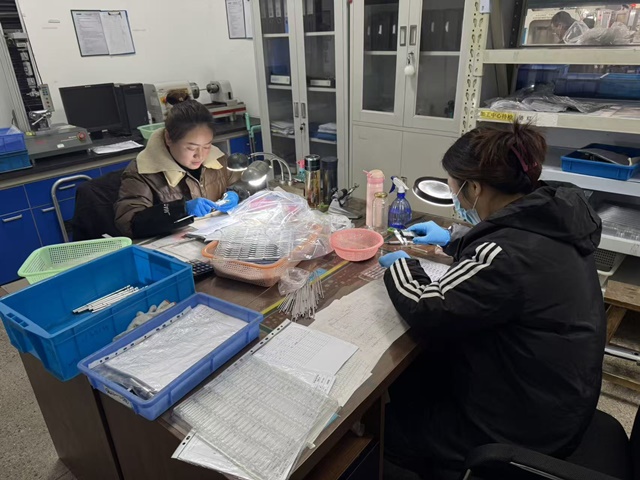
2 inspectors carrying out final QA check
Final Inspection (2 Inspectors)
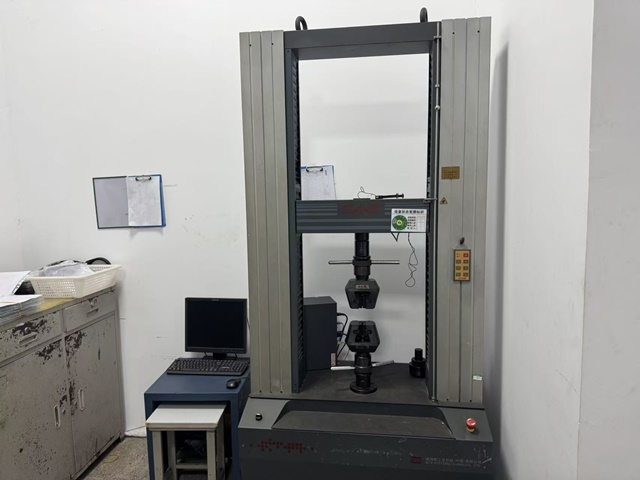
Multifunctional Mechanical Testing Machine
Multifunctional Testing
Mechanical Testing Machine for tensile and shear tests
Mechanical Testing
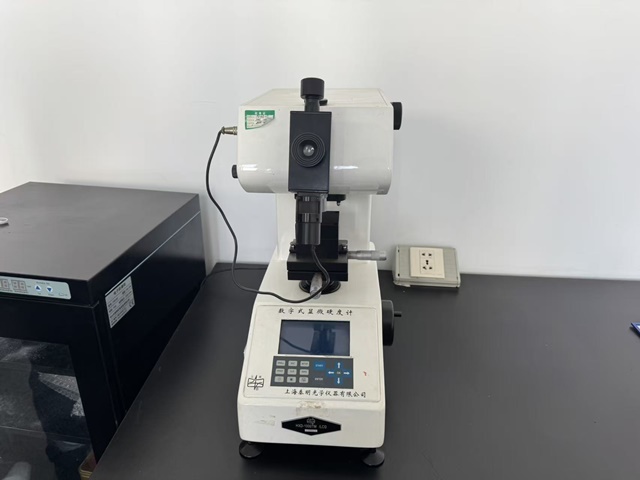
Vickers Hardness Tester
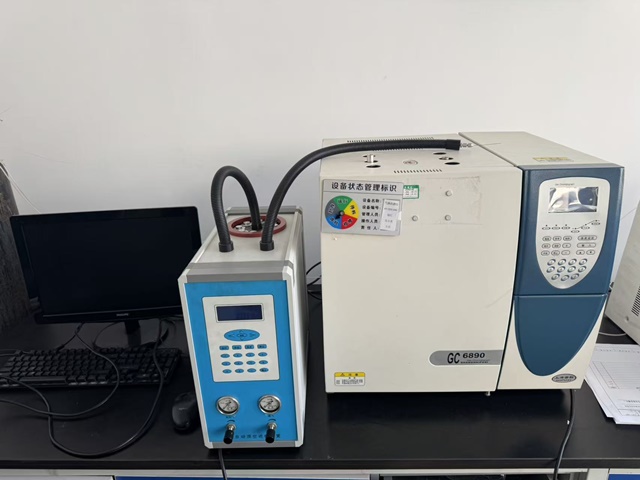
Gas Spectrometer
Gas Spectrometer
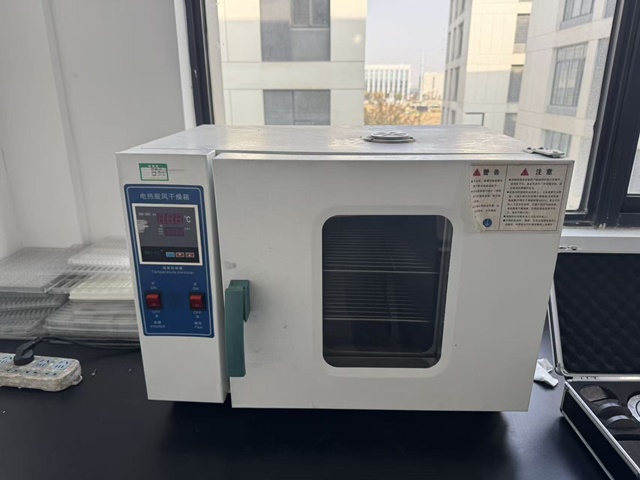
Drying Oven for material curing
Drying Oven
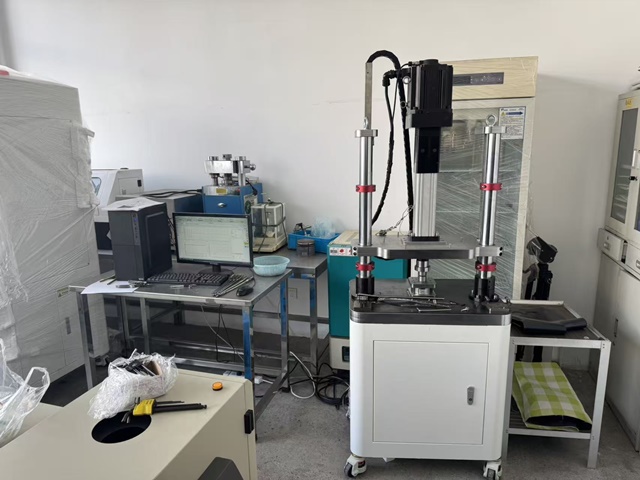
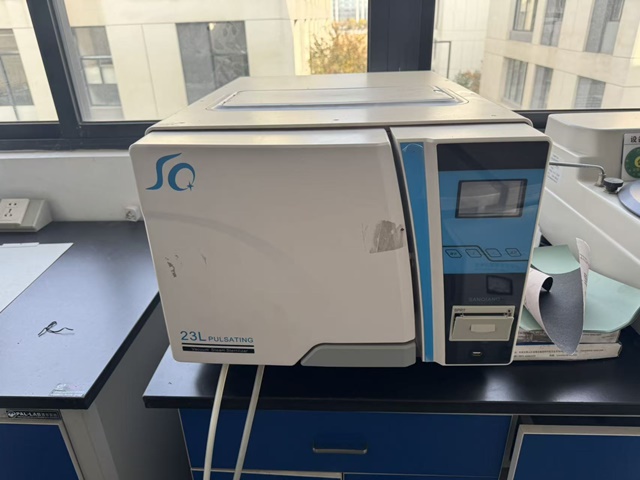
Pulsating Machine for fatigue simulation
Pulsating Machine
Quality Benchmarks
  • Dimensional Metrology: Visual measuring equipment verifies screw pitch tolerances within micrometer limits.
  • Chemical Inspection: Gas spectrometry confirms chemical composition limits for implants.
  • Dynamic Durability: Pulsating machines simulate over 1 million cycles of mechanical stress.
  • Surface Passivation: Ensures robust corrosion resistance and prevents metal-ion release.

Clinical Application Scenarios

How veterinary surgeons utilize our customized implant systems in key orthopedics scenarios.

1. Tibial Plateau Leveling Osteotomy (TPLO)

For cranial cruciate ligament (CCL) tears in large canine breeds, TPLO plates stabilize the osteotomized proximal tibia. Using contoured locking plates like our 3.5mm Tibial systems prevents implant migration under immediate loading, supporting rapid healing.

2. Spinal Decompression (ACDF/PLIF)

Used in small animal cervical and lumbar decompression procedures. Titanium 3D-printed porous spinal cages provide immediate axial stability and support bone tissue growth, reducing the risk of cage subsidence.

3. Complex Femoral Fractures

Distal or proximal femoral shaft fractures are stabilized using our Serpentine Titanium Locking Plates. This design allows custom screw positioning, bypassing comminuted zones to secure solid cortical bone anchorages.

Localized Support & Global Compliance Safeguards

Exporting medical devices requires compliance with regional regulatory frameworks. At Osteora, we provide comprehensive compliance documentation to support smooth market entry for our partners:

  • Regulatory Documentation: Certificates of Free Sale (CFS), ISO 13485 certifications, complete material traceability, and biocompatibility verification reports.
  • Customizable OEM/ODM Services: Tailored dimensional configurations, customized thread pitches for unique bone densities, custom laser-etched branding, and specialized packaging designs.
  • Sterile Logistics Protocols: Implants and surgical kits are packaged to protect their sterile barrier during long-distance shipping.
Global Exports

We export globally, supporting distributors and veterinary clinics across Europe, Southeast Asia, South America, and the Middle East with comprehensive regulatory documentation.

Future Technical Roadmap & Innovation

Pioneering advancements in veterinary orthopedic engineering to improve patient outcomes and shorten surgical times.

Biodegradable Magnesium Alloys

Developing temporary fixation systems that gradually degrade inside the body, eliminating the need for a second surgery to remove implants.

Patient-Specific Implants (PSI)

Utilizing 3D CT reconstruction to print anatomically precise custom implants for complex deformities and severe bone loss.

Bioactive Surface Modifications

Applying micro-arc oxidation and mineralized coatings to titanium surfaces to accelerate osseointegration and reduce infection risks.

Technical & Commercial FAQ

Detailed answers to key engineering, regulatory, and purchasing questions from international distributors.

Q1: What materials are primary for Osteora veterinary implants?
We use medical-grade Titanium Alloy (Grade 5, Ti-6Al-4V ELI) and PEEK (Polyetheretherketone) for our implants. These materials provide high biocompatibility, corrosion resistance, and excellent fatigue life under mechanical load.
Q2: How does Osteora ensure dimensional accuracy in locking plate profiles?
We utilize Swiss-type CNC lathe equipment and HAAS machining centers to maintain manufacturing tolerances within ±0.005mm. Automated vision measuring systems verify the dimensions of each batch.
Q3: Do you support custom OEM/ODM packaging and private labeling?
Yes. We provide complete OEM/ODM options, including customized sizes, materials, laser etching, private labeling, and custom packaging boxes. Our R&D team can develop solutions based on your CAD drawings.
Q4: Are your veterinary orthopedic implants certified for international distribution?
Yes. Our manufacturing facility complies with ISO 13485. We provide necessary export documentation, including Certificates of Free Sale (CFS) and material analysis reports, to support global distribution.
Q5: What is the typical lead time for volume orders?
Standard stock orders ship within 7–15 days. For OEM/ODM orders or custom production runs, the typical lead time is 30–45 days, depending on geometry complexity and volume requirements.
Q6: How do you verify the fatigue resistance of new implant designs?
We run dynamic tests using in-house pulsating machines. New implant designs undergo fatigue testing for up to 1 million cycles to verify mechanical durability under simulated load conditions.
Q7: Can your titanium 3D-printed spinal fusion cages be adjusted in pore size?
Yes. Our 3D printing process allows us to customize porosity and pore structure, typical ranges are 600–800 microns, to optimize bone ingrowth for different patient requirements.
Q8: What is your process for raw material quality verification?
Every batch of raw titanium or PEEK undergoes chemical verification using a gas spectrometer to ensure it matches medical-grade chemical limits.
Q9: Do you offer specialized orthopedic surgical instrument sets?
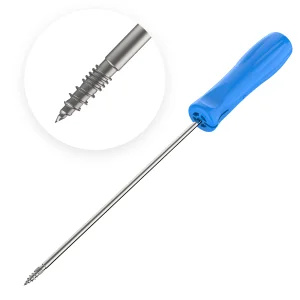
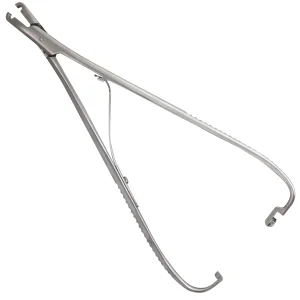
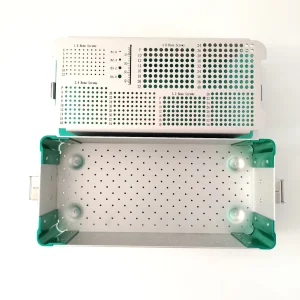
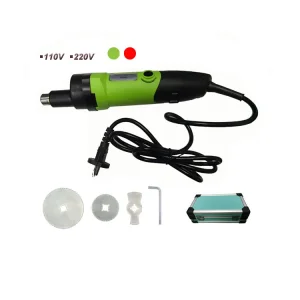
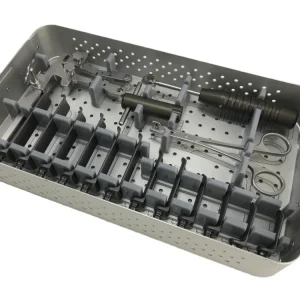
Yes. We supply comprehensive surgical instrument sets, including drill bits, bone cutters, retractor systems, and sterilization boxes, to support our implant systems.
Q10: What support do you offer for new product distribution partners?
We provide distributors with marketing materials, detailed technical datasheets, CAD drawings, compliance documents, and bulk pricing structures to support market entry.