Osteora
Osteora
Osteora
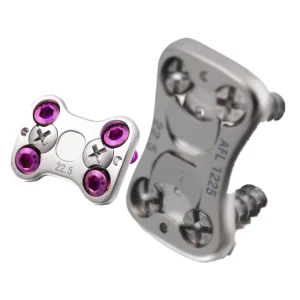
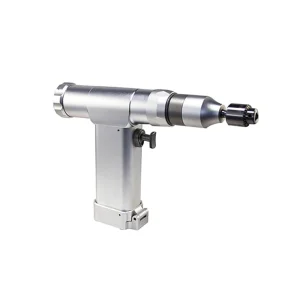
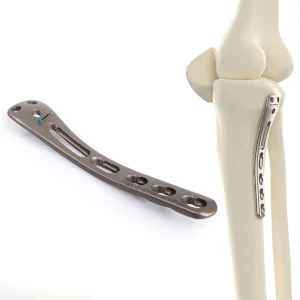
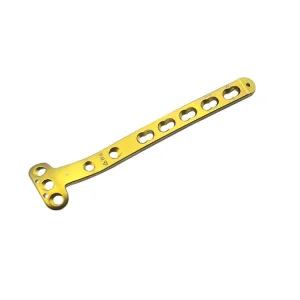
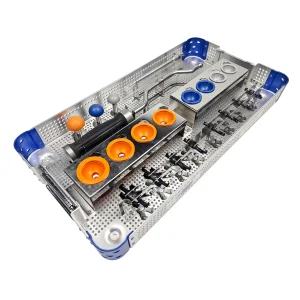
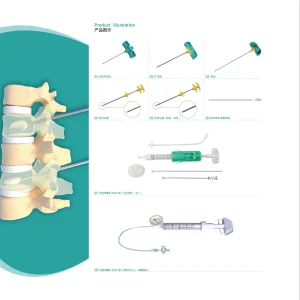
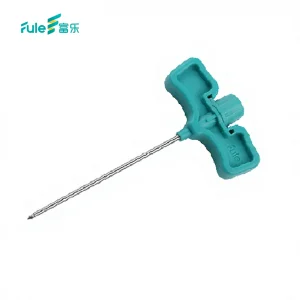
Osteora Medical Devices Co., Ltd. is a professional orthopedic implant and surgical solution manufacturer specializing in trauma, spine, and joint reconstruction systems under the brand Osteora.
Founded in 2016, the company has developed a strong reputation in the global orthopedic industry through continuous innovation and strict quality control standards. Operating out of a state-of-the-art facility covering an area of approximately 18,500㎡, we support fully integrated production, mechanical assembly, cleanroom packaging, and biochemical testing operations.
With 8 years of export experience and 12 years of industry expertise, Osteora has established stable, trust-based cooperation with international distributors, trauma centers, and hospitals across multiple regions. Our annual export revenue ranges from USD 6 million to 14 million, reflecting our solid presence and steady expansion in the global medical device market.
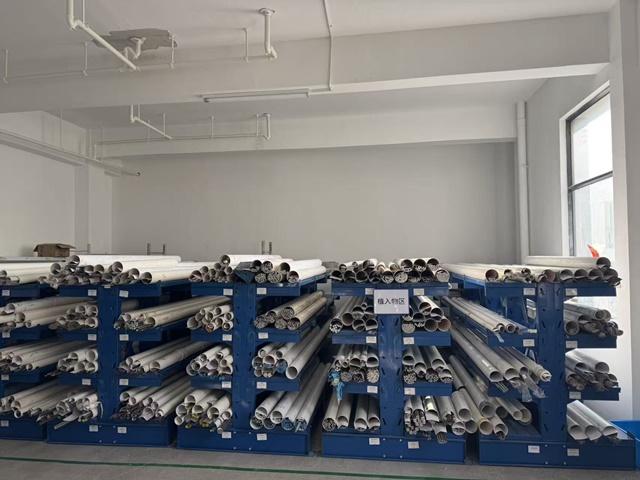 Premium Titanium Alloy Raw Materials Warehouse
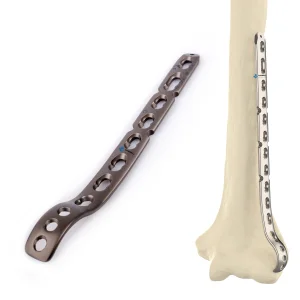
For bone fixation, the selection of the implant material and mechanical design determines the success of long-term healing. Modern traumatology relies heavily on Titanium Locking Plates because they act as external fixators internally. Unlike conventional compression plates, which rely on plate-to-bone friction to maintain stability, locking plates feature threaded screw holes that lock into the head of the locking screw. This creates a fixed-angle construct that maintains structural integrity under physiological load.
By preventing the plate from being pressed tightly against the periosteum, locking plate technology preserves the local vascular blood supply to the bone. This biological plating approach accelerates callus formation and reduces the risk of osteonecrosis and infection.
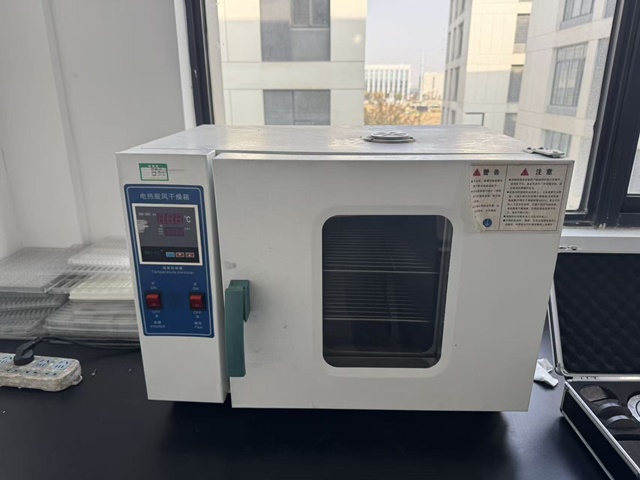
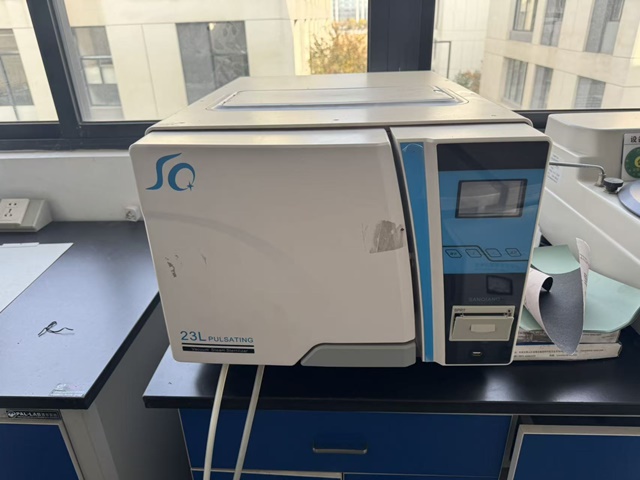
Each production batch of Osteora's locking plates undergoes strict mechanical evaluation. Using our in-house testing equipment, our engineering team measures fatigue limits, bending stiffness, and torsional resistance to ensure the implants meet international standards.
Every design is optimized using Finite Element Analysis (FEA) to simulate human walking cycles, ensuring the plate lasts long enough for complete bone consolidation.
Maintaining high quality requires strict control of the entire production process. Below is the step-by-step manufacturing cycle carried out at our ISO 13485-certified facility in China:
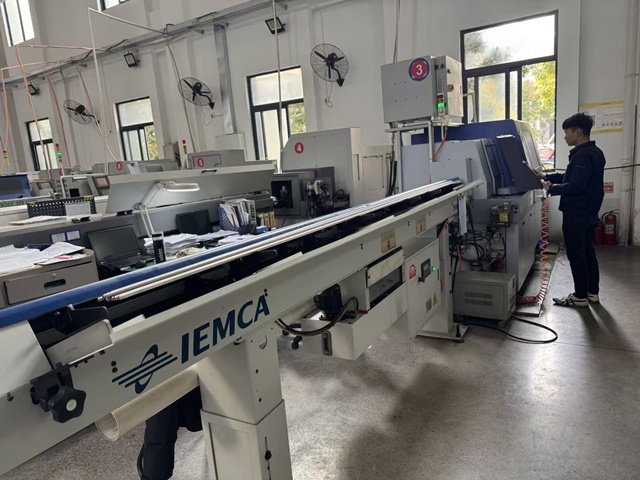
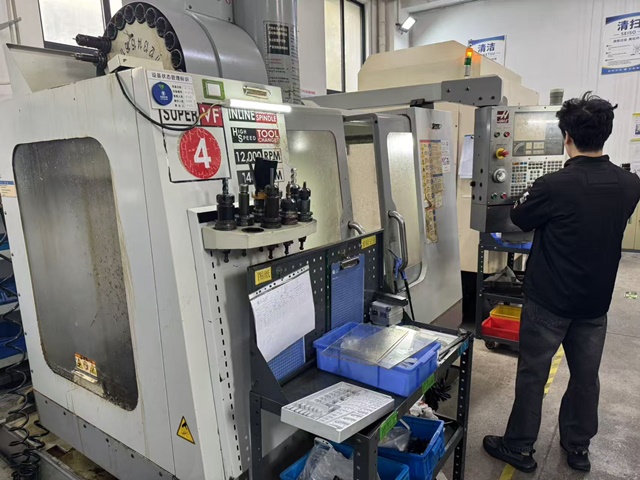
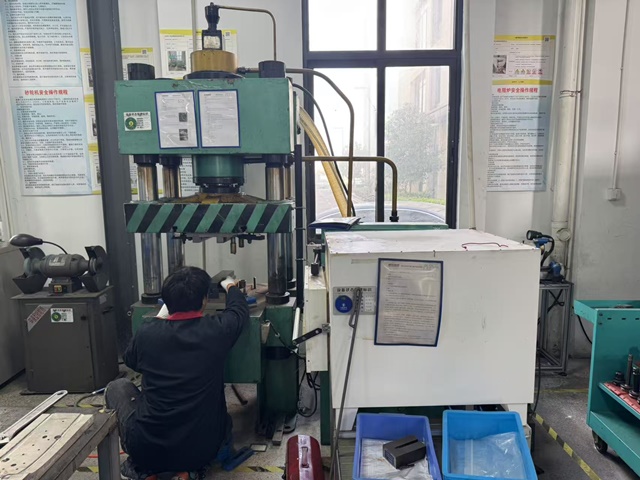
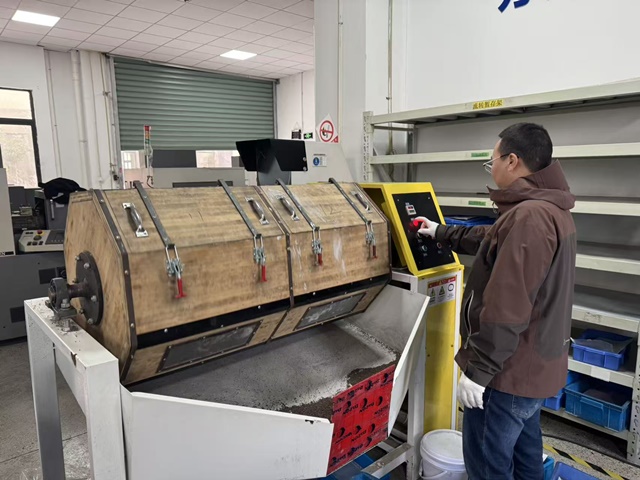
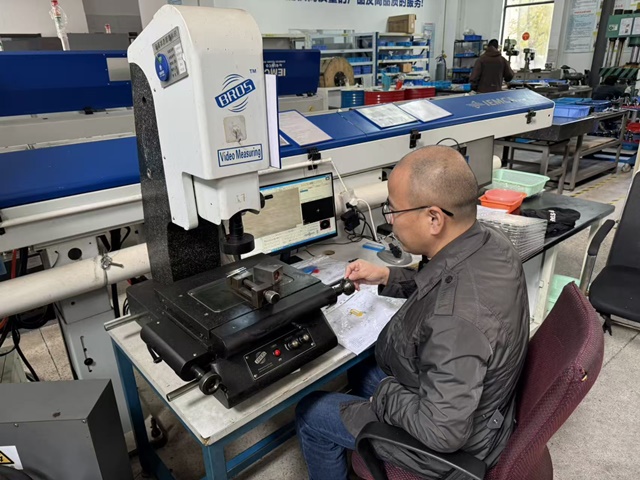
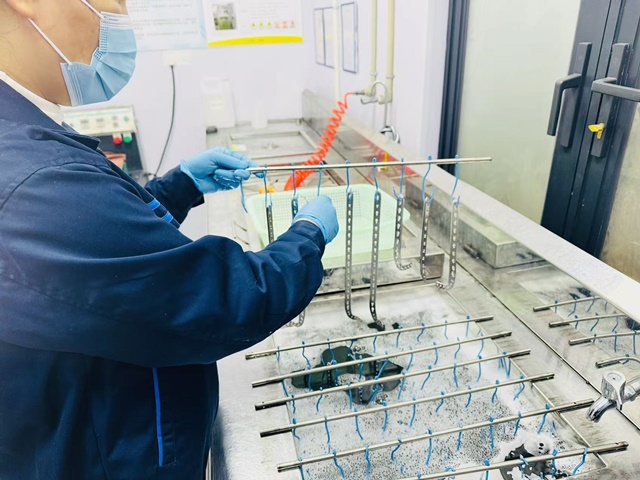
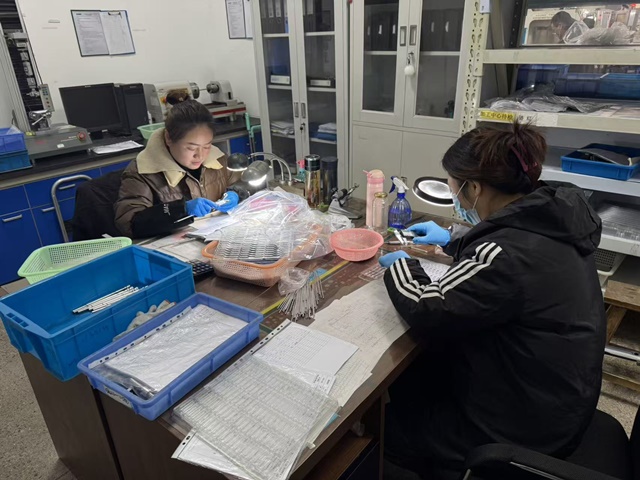
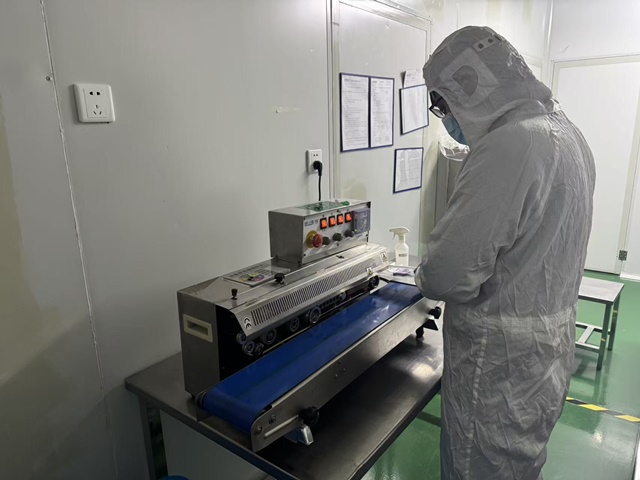
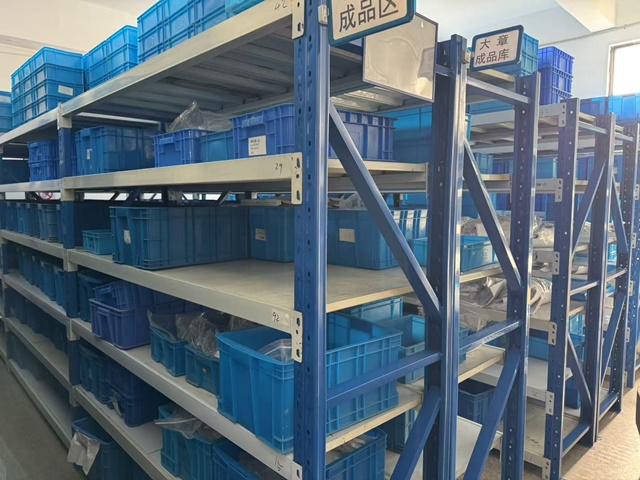
We use top-tier global equipment to ensure dimensional accuracy down to the micrometer level. Our manufacturing floor includes Swiss-type CNC lathes, vertical machining centers, and automated surface treatment setups.
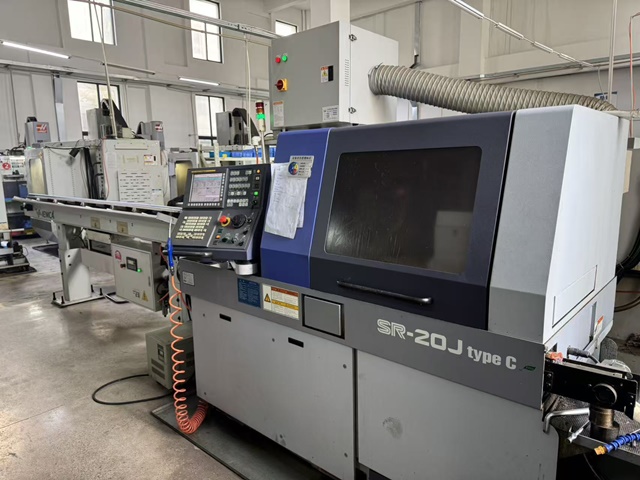
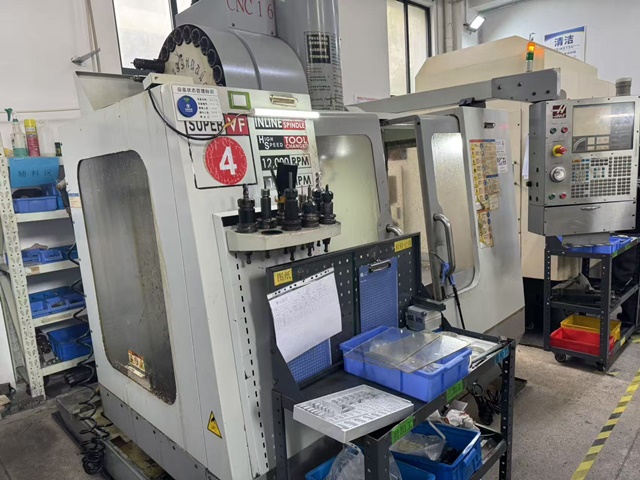
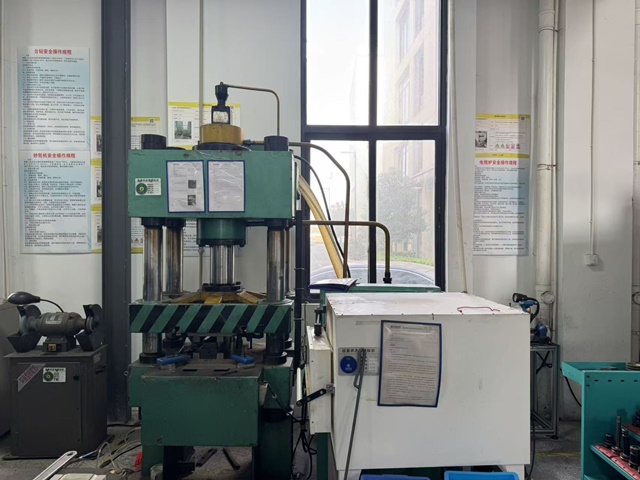
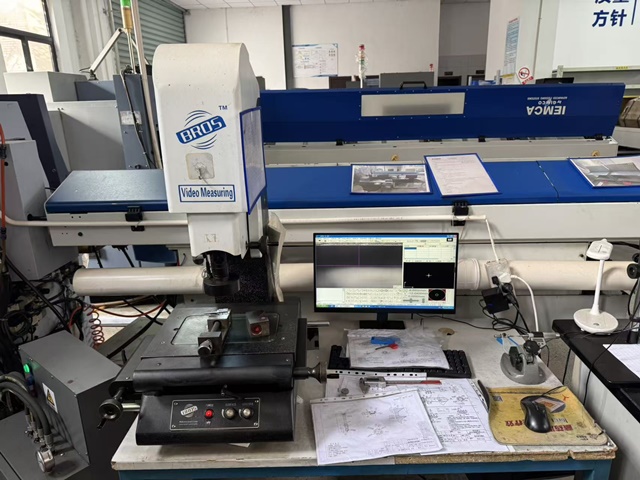
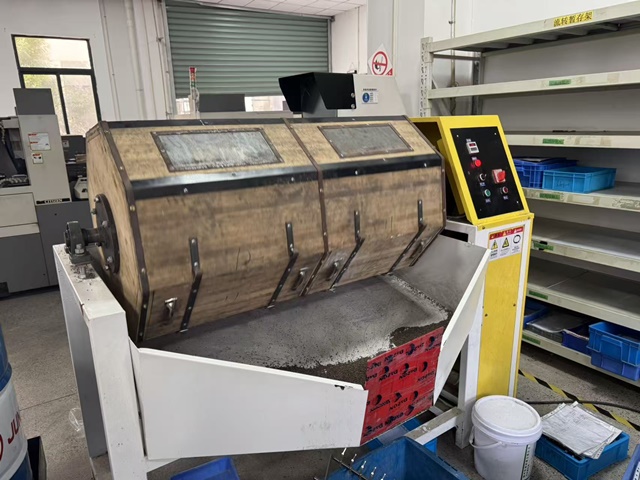
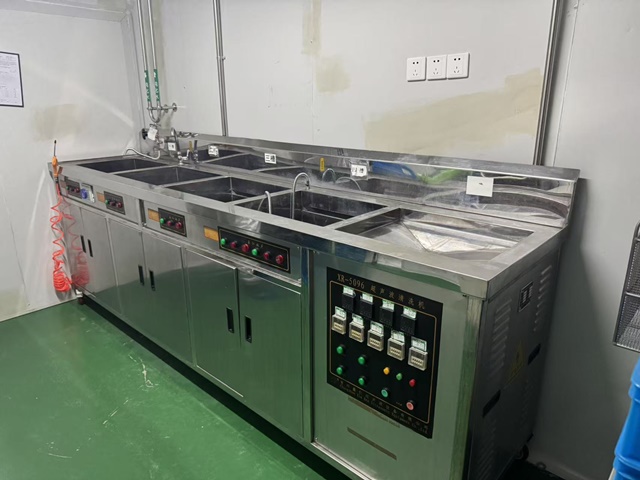
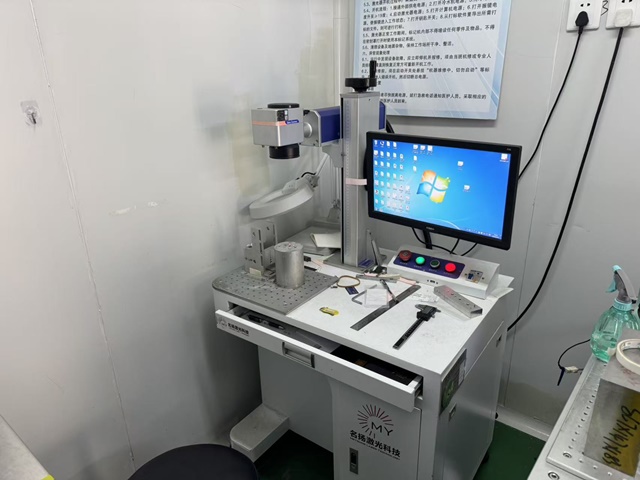
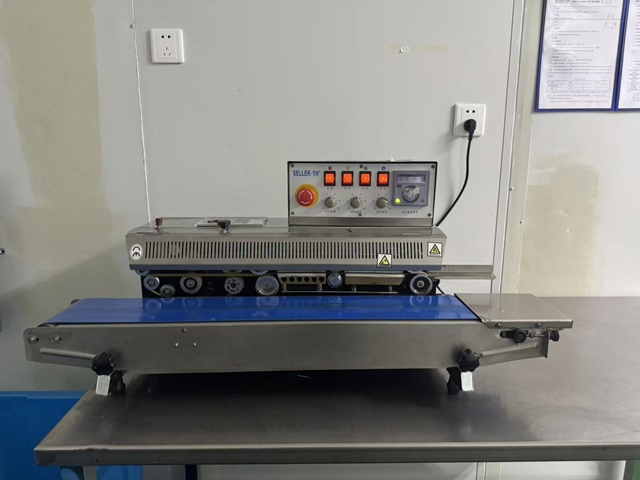
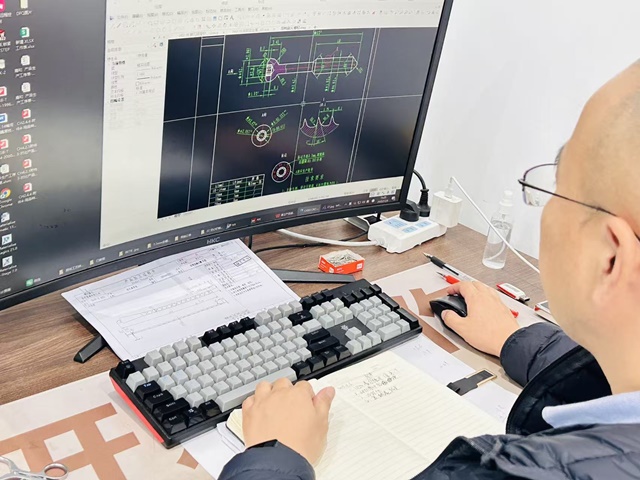
Patient safety is our primary focus. The company implements a complete quality assurance system, including ISO 13485 compliance, in-process inspection, and final random sampling testing. Product inspection methods include dimensional measurement, mechanical fatigue testing, and biocompatibility validation. The quality control team consists of 42 specialized inspectors ensuring strict adherence to international medical device standards.
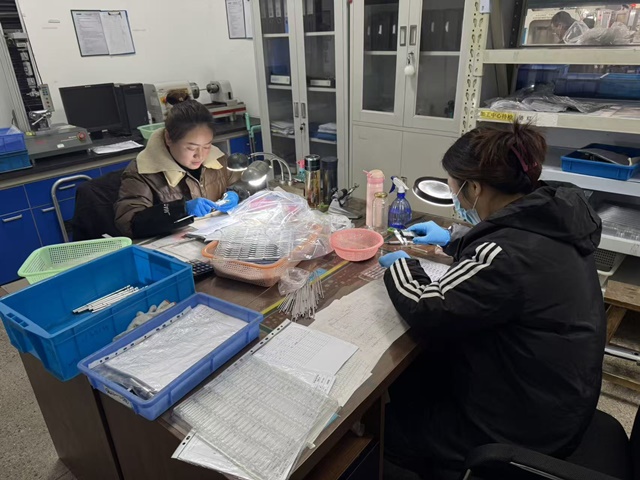
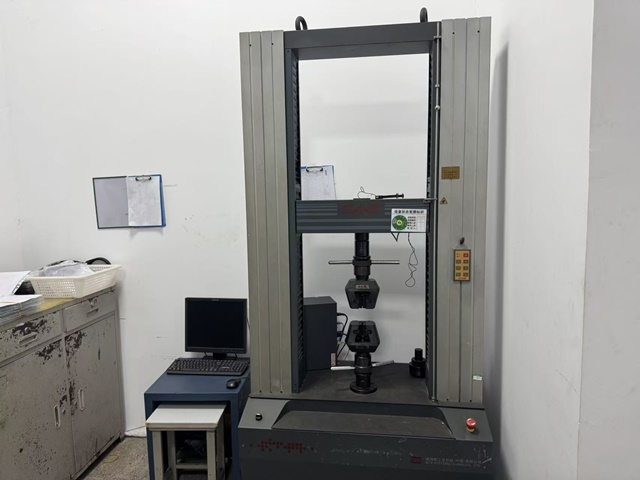
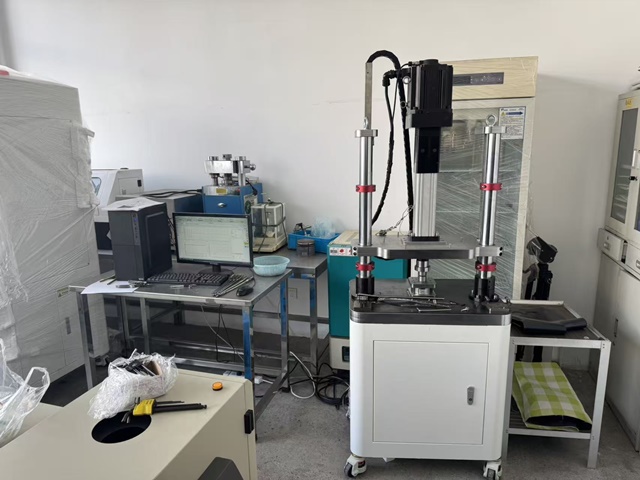
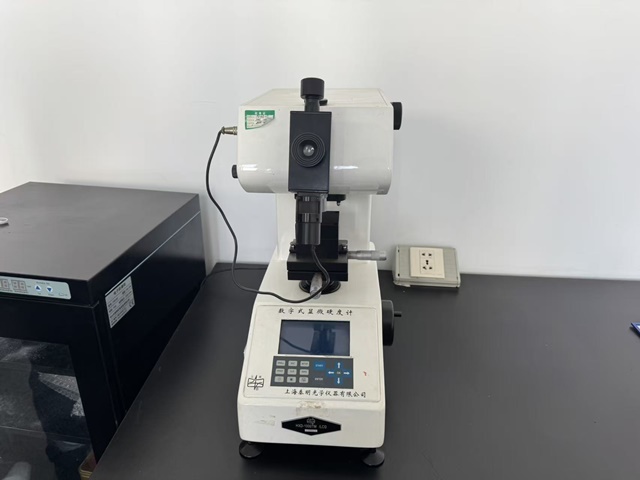
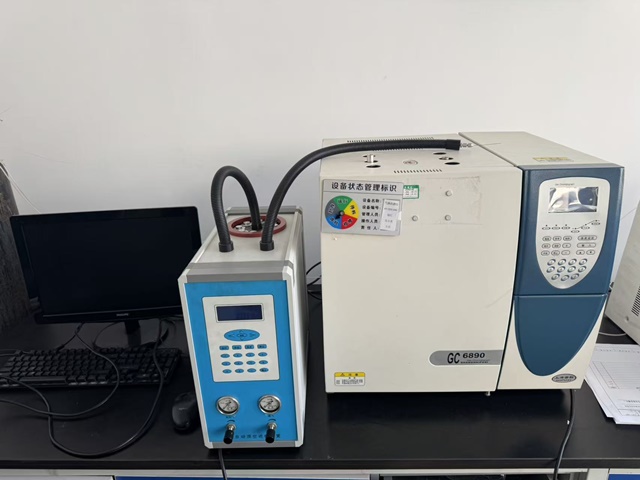
Global medical device distributors and hospital procurement departments look to China for high-quality manufacturing at scale. The reason is the country's comprehensive supply chain integration. At Osteora, we have optimized this dynamic to provide significant value to our global partners:
| Performance Metric | Osteora Standard | Industry Average |
|---|---|---|
| R&D Lifecycle (New Part) | 45 - 60 Days | 90 - 120 Days |
| Raw Material Verification | Double Gas Spectrometry | Single Inspection |
| Fatigue Cycles Target | 1.0 x 10^6 Cycles | 0.8 x 10^6 Cycles |
| Traceability Documentation | Fully Digital ERP | Semi-Manual |
Osteora's titanium locking plate systems are designed for a variety of clinical procedures, from orthopedic trauma surgery to elective reconstructions:
Provides stable fixation for diaphyseal, metaphyseal, and intra-articular fractures. Design features contour easily to match the local bone anatomy.
The fixed-angle construction is helpful for stabilizing osteoporotic bone, where conventional screws struggle to maintain a secure grip.
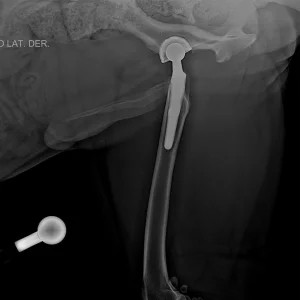
Customized implant sizes for small animal surgeries, including TPLO (Tibial Plateau Leveling Osteotomy) plates and micro-locking systems.
Navigating medical device registrations can be complex. Osteora maintains long-term partnerships with distributors in Europe, Southeast Asia, the Middle East, and South America, which are our primary export markets. We provide comprehensive documentation packages to assist with regulatory approvals:
Medical-grade Titanium alloy has a modulus of elasticity closer to cortical human bone compared to stainless steel. This reduces stress shielding, which can weaken the bone over time. Titanium also offers excellent biocompatibility, corrosion resistance, and is compatible with post-operative MRI scans.
Cold-welding occurs when a titanium screw and plate fuse together during insertion. Osteora prevents this through precise thread design and an anodizing surface treatment. This creates a protective oxide layer on the plate, reducing friction and preventing fusion during implant removal.
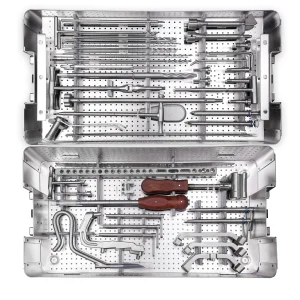
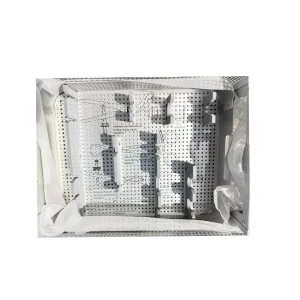
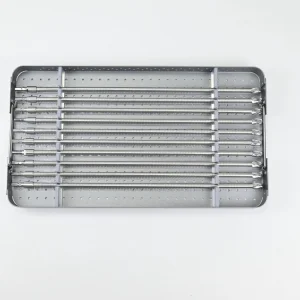
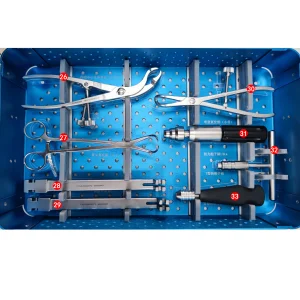
We offer customization options to suit your market, including private labeling (laser marking), custom sizing, optimized plate profiles, specialized screw patterns, and tailored surgical instrumentation kits.
Standard catalog items are generally shipped within 30 to 45 days, depending on order size. For custom OEM designs, the typical turnaround time is 60 to 90 days, which covers initial prototype design, mechanical validation, and final production.
We supply both sterile-packaged and non-sterile implants. Our sterile products are packed in medical-grade double Tyvek blisters and sterilized using ethylene oxide (EO) or gamma radiation, conforming to ISO 11137 standards to ensure long-term shelf stability.