Osteora
Osteora
Osteora
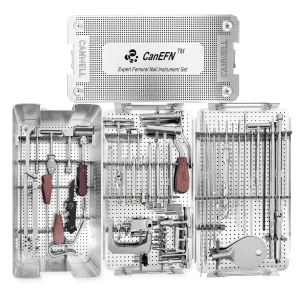
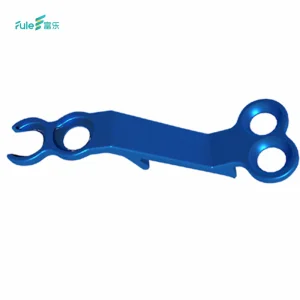
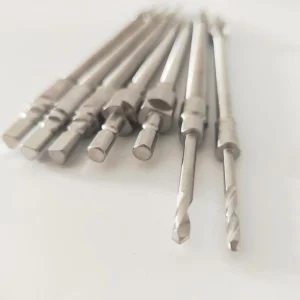
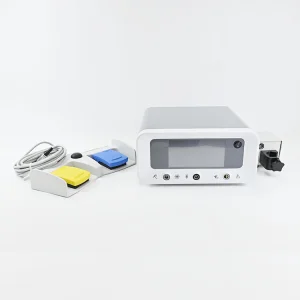
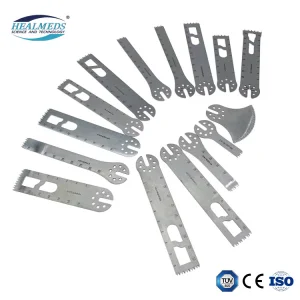
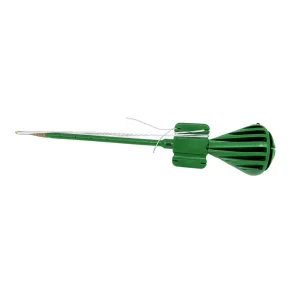
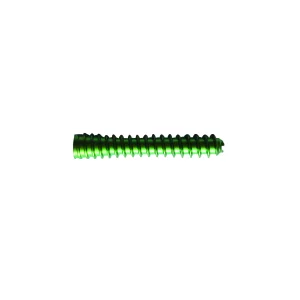
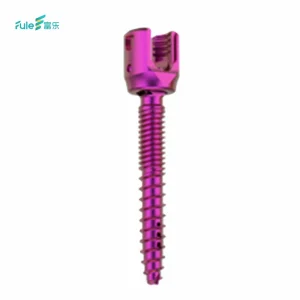
Explore our flagship selection of titanium implant systems, surgical instruments, and trauma reconstruction components developed for international operating rooms.
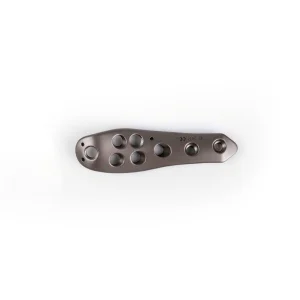
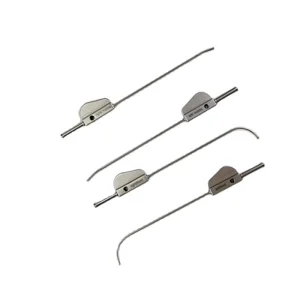
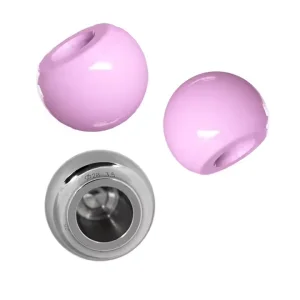
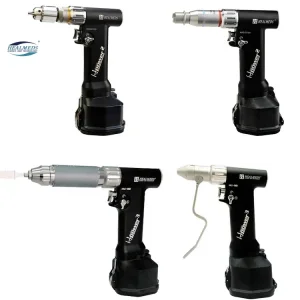
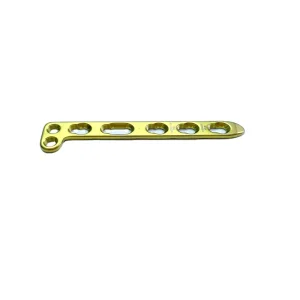
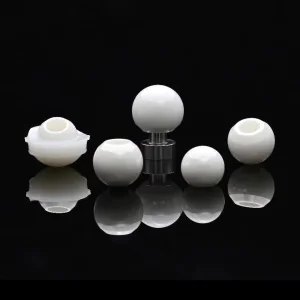
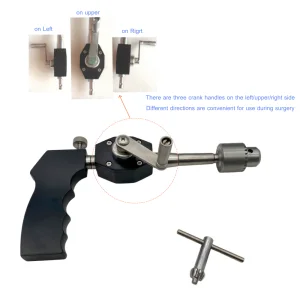
Founded in 2016, Osteora Medical Devices Co., Ltd. has established a formidable reputation as an elite trauma, spinal, and joint reconstruction implant manufacturer. Under our proprietary brand Osteora, we design, manufacture, and distribute biomechanically optimized systems to meet the strict demands of healthcare systems globally.
Operating a state-of-the-art facility covering 18,500㎡, we leverage advanced Swiss-type CNC lathes and HAAS machining centers. This integrates material sourcing, precision fabrication, microscopic inspection, and sterile packaging under a single, unified quality management system.
An analytical overview of modern osteosynthesis trends, regulatory shifts, and economic factors impacting global healthcare systems.
High-energy traffic accidents and sports-related trauma are driving global clinical demands. Distal and proximal tibial fractures present severe soft-tissue complications, necessitating low-profile, anatomical locking plates that minimize tissue disruption and prevent secondary loss of reduction.
The global market has completed its transition from conventional dynamic compression plates (DCP) to locking compression plates (LCP). Medical institutions prioritize hybrid locking constructs because they preserve periosteal vascularization and act as stable internal fixators for osteoporotic patients.
Distributors and hospital networks are bypassing high-margin multinational brands in favor of direct sourcing from ISO 13485 certified Chinese manufacturers. This dynamic provides substantial cost savings without compromising raw material specifications or safety outcomes.
Uncompromising precision at every stage of fabrication. Our components are manufactured from premium medical-grade titanium alloys to ensure biocompatibility and fatigue resistance.
Osteora's tibial locking plates are machined from extra-low interstitial (ELI) Grade 5 Titanium Alloy, conforming strictly to ASTM F136 and ISO 5832-3 standards. This material is chosen for its high strength-to-weight ratio, superior fatigue life, and a modulus of elasticity that reduces stress shielding compared to stainless steel alternatives.
Using advanced multi-axis CNC Swiss machining, our plates feature anatomically pre-contoured geometries. This significantly reduces the need for intraoperative plate bending, minimizing structural stresses within the implant and saving critical surgical time.
Our 18,500㎡ facility enforces rigorous stage-gate controls to turn raw materials into sterile, surgical implants ready for immediate deployment.
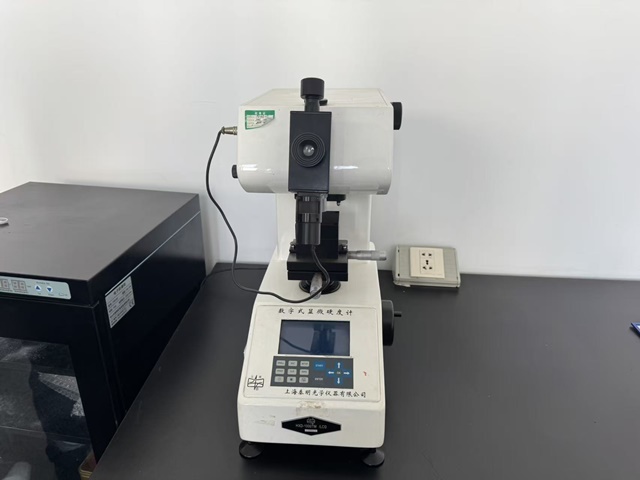
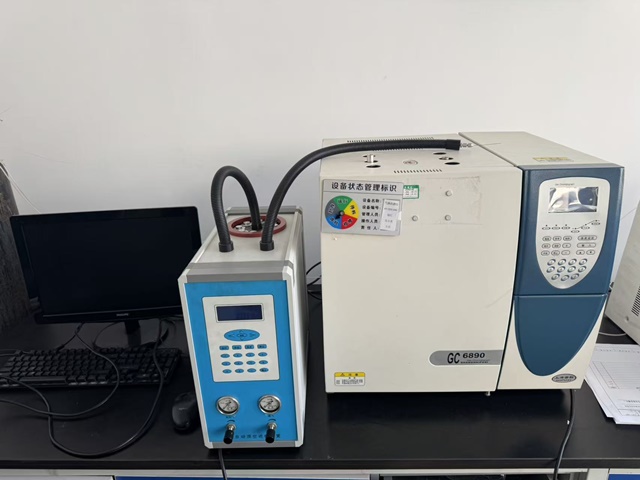
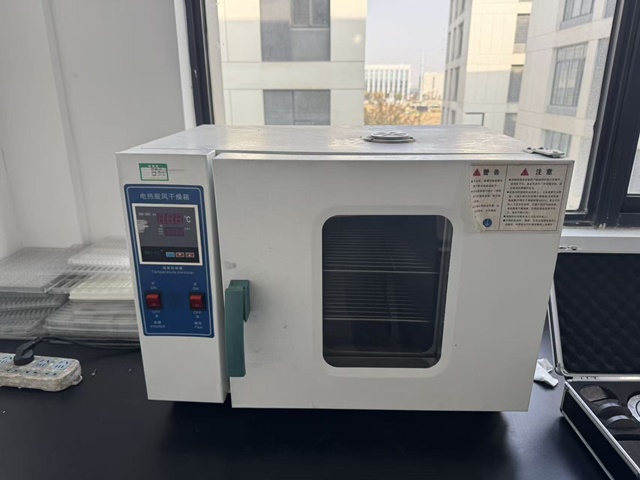
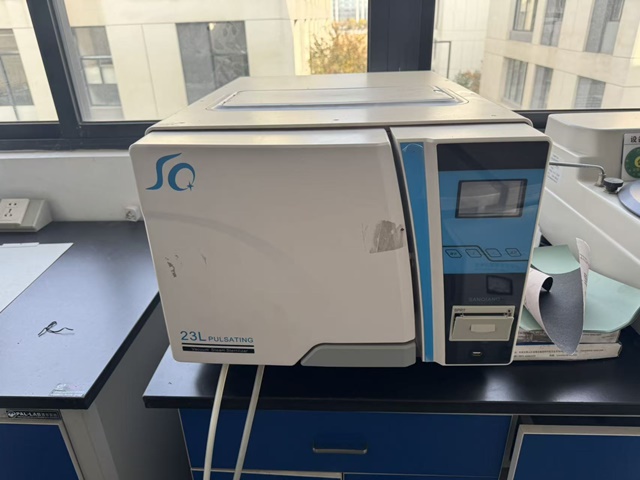
Visual evidence of our manufacturing excellence, showing production stages and CNC machinery inside the Osteora facility.
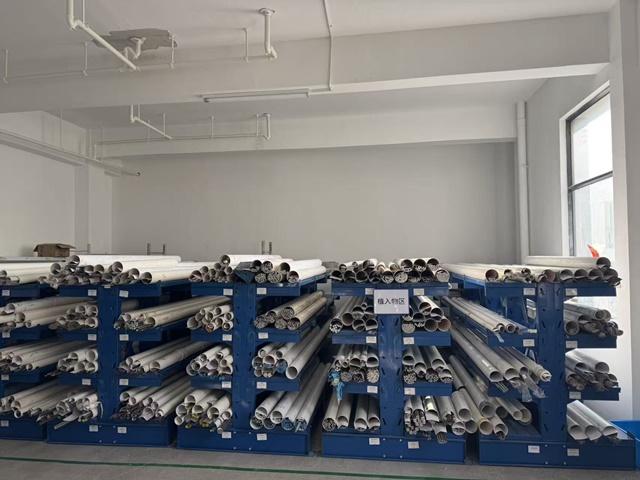
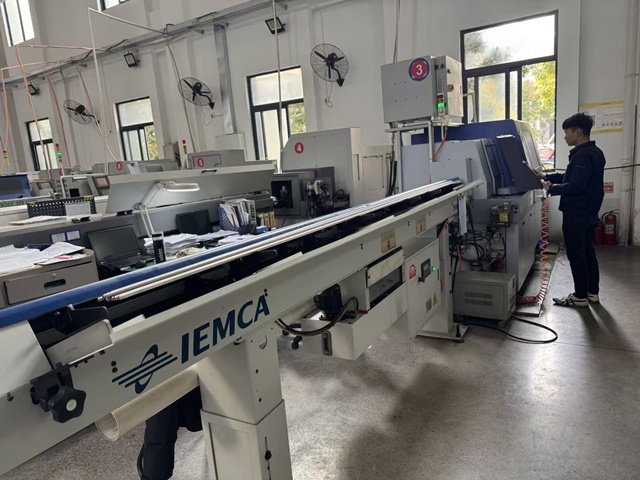
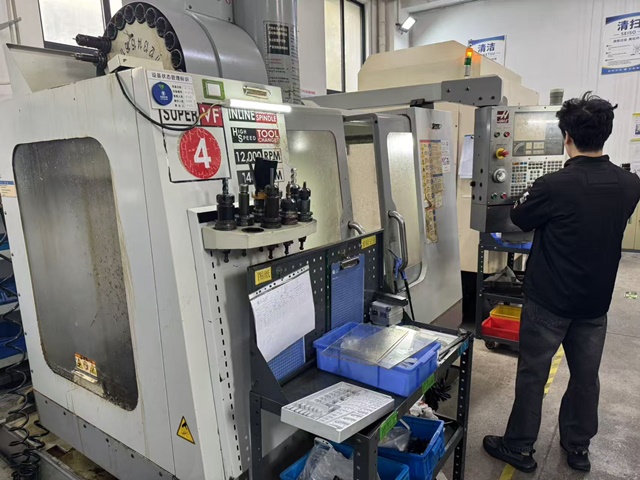
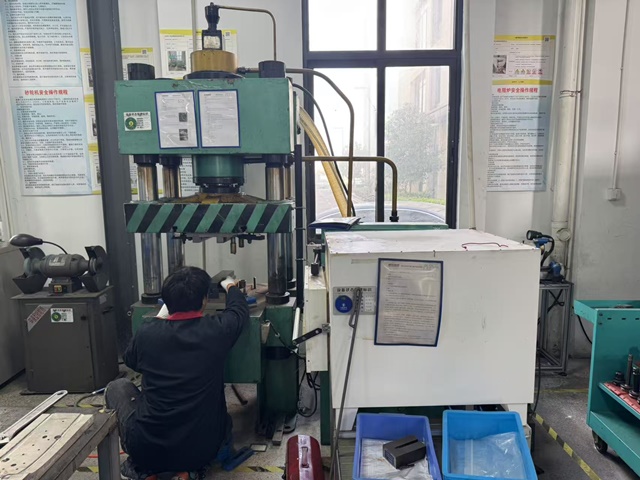
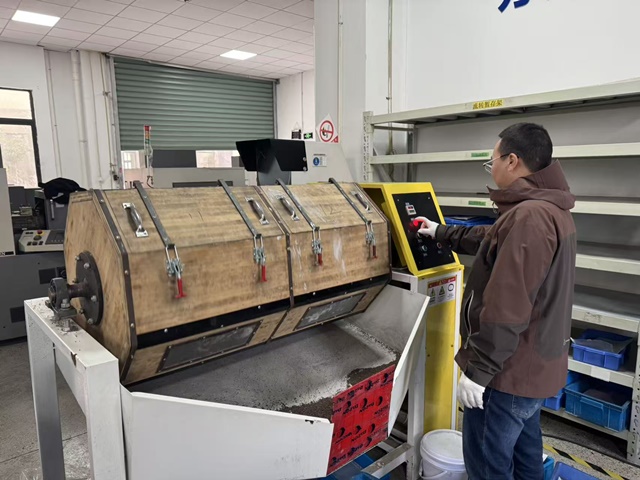
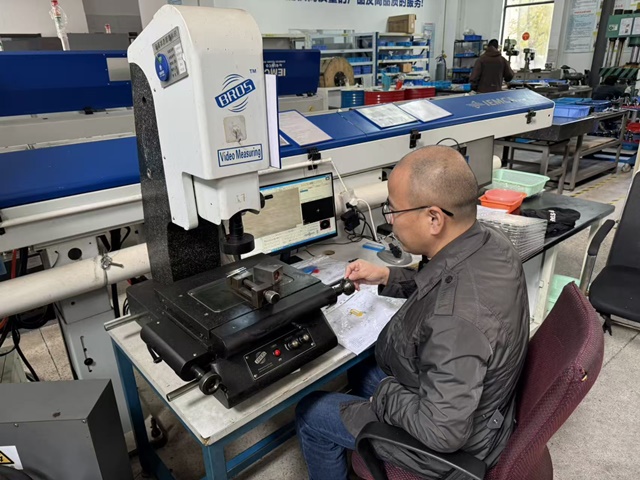
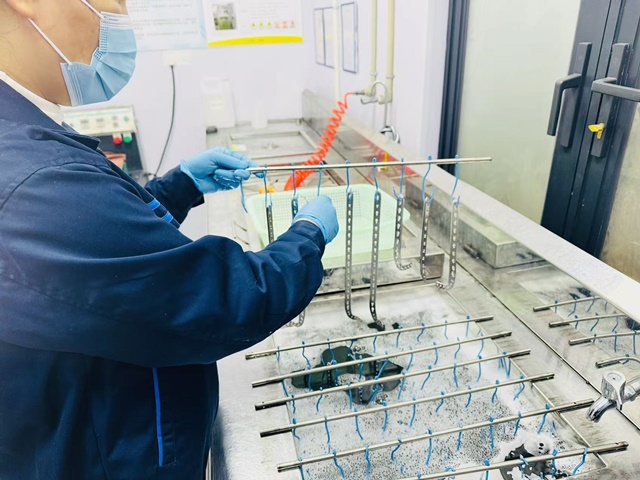
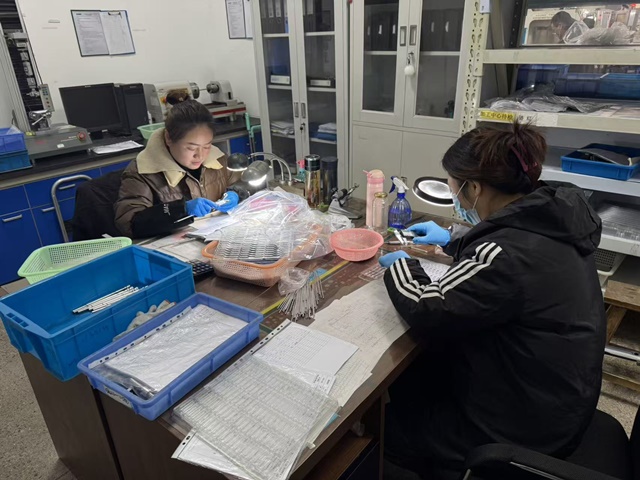
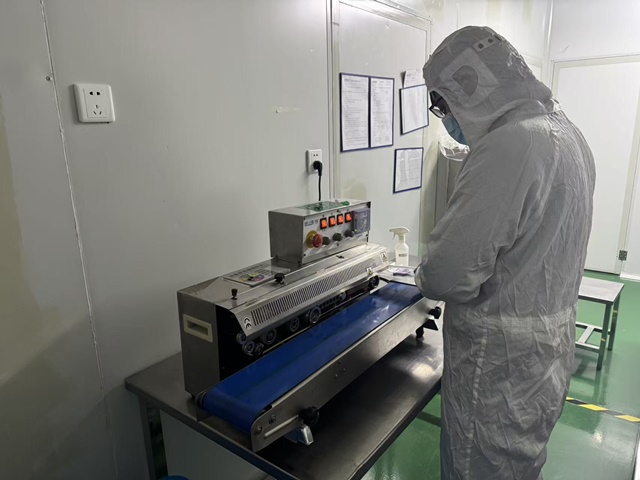
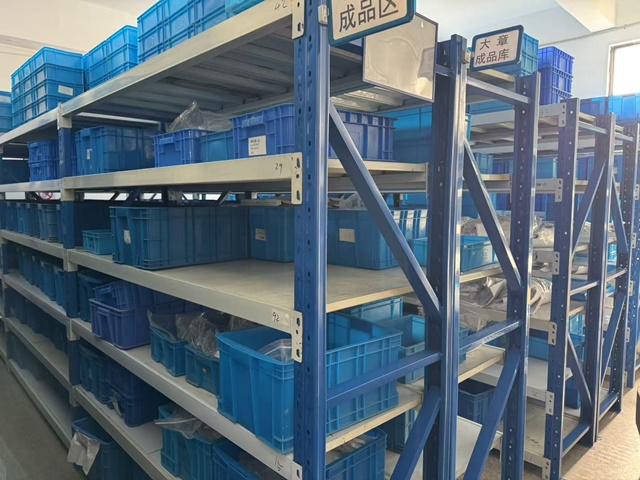
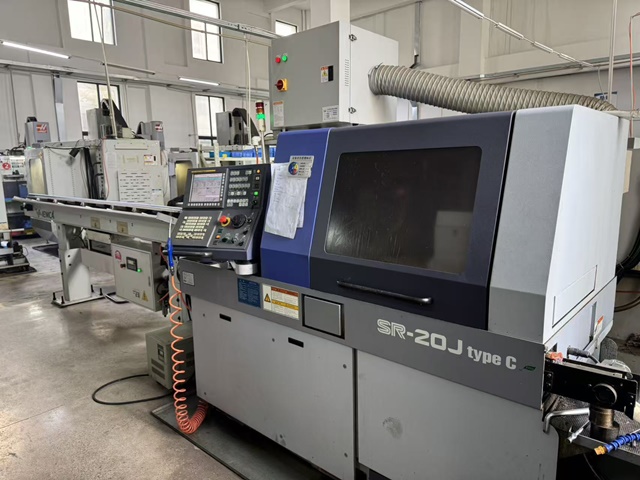
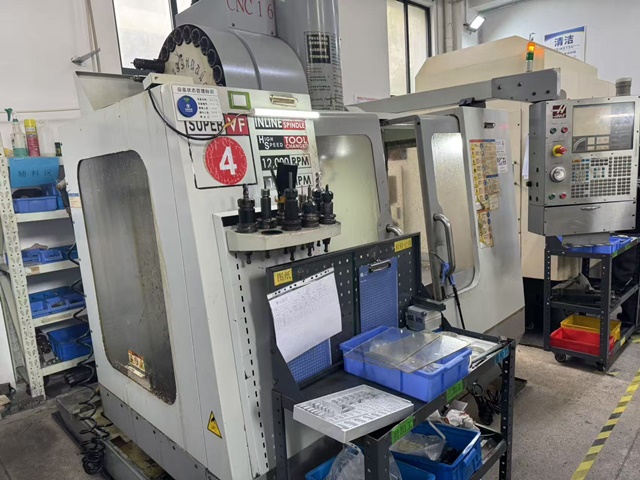
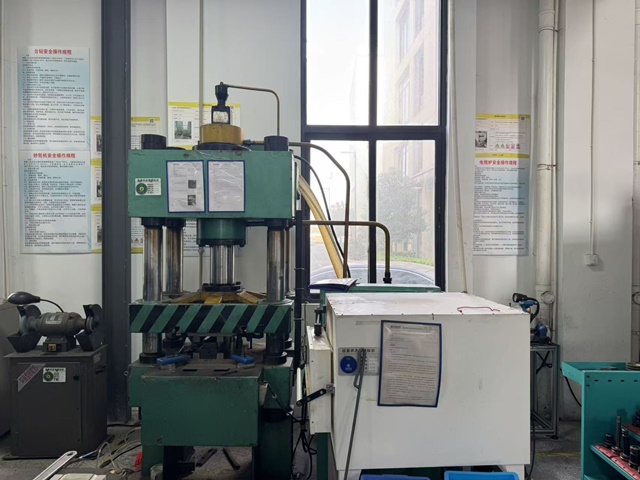
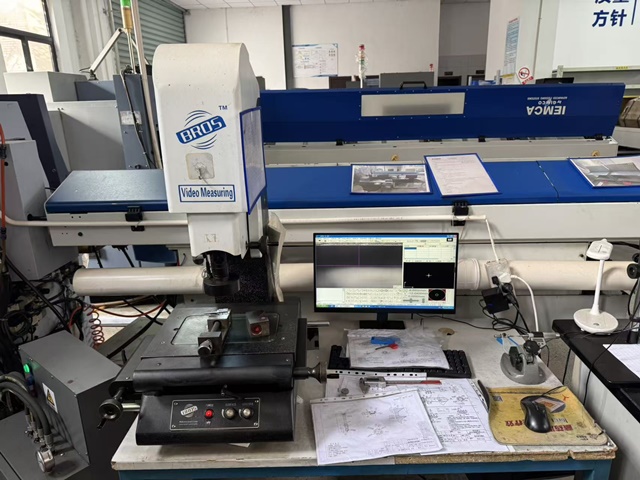
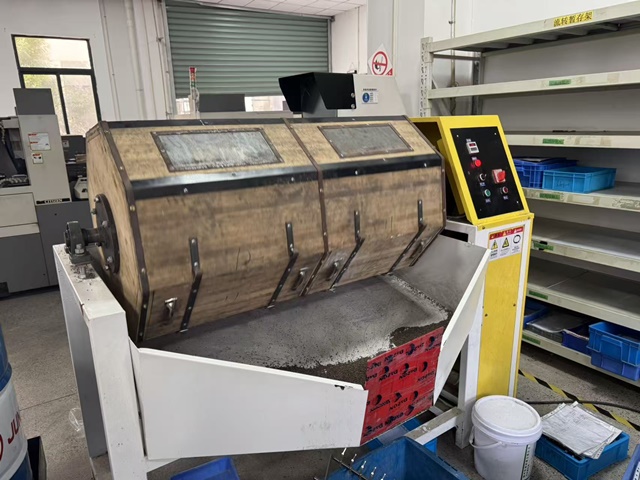
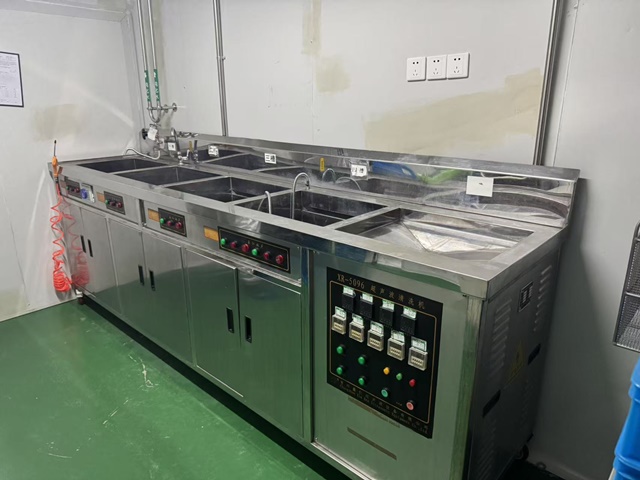
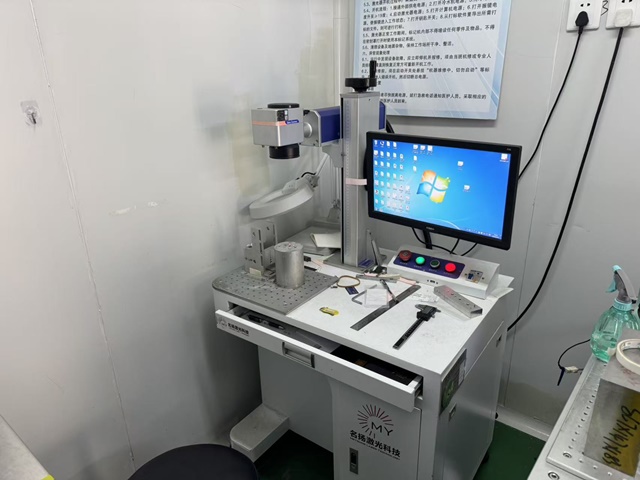
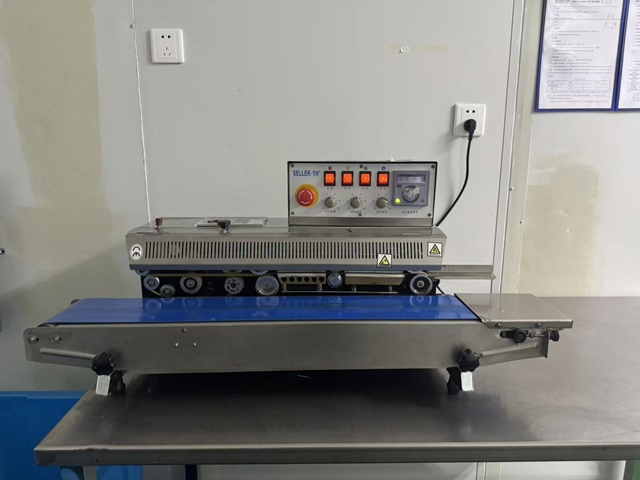
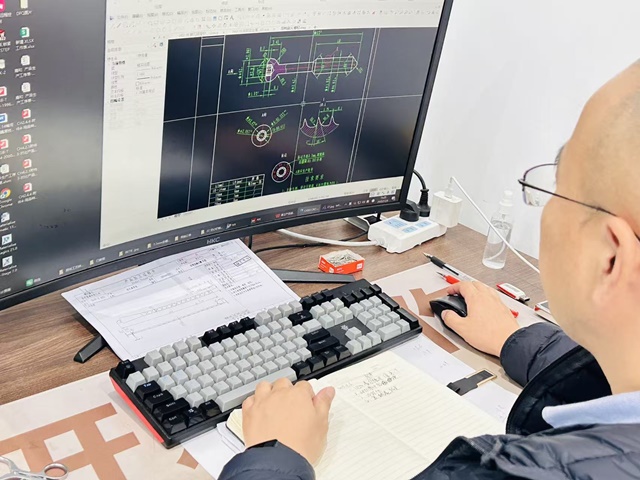
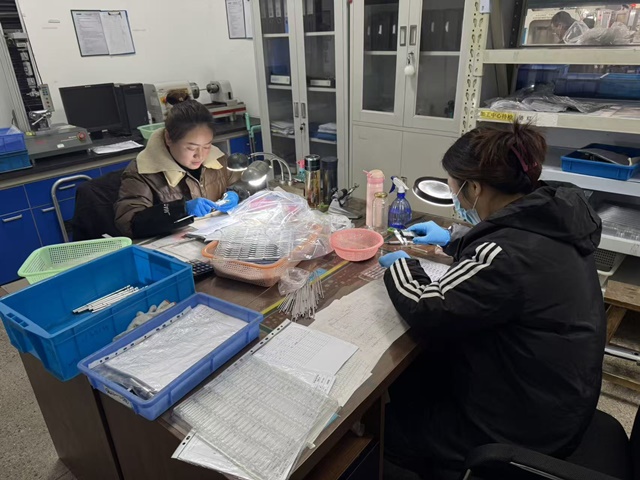
We employ 42 specialized quality inspectors working across physical, chemical, and structural performance domains to meet ISO 13485 requirements.
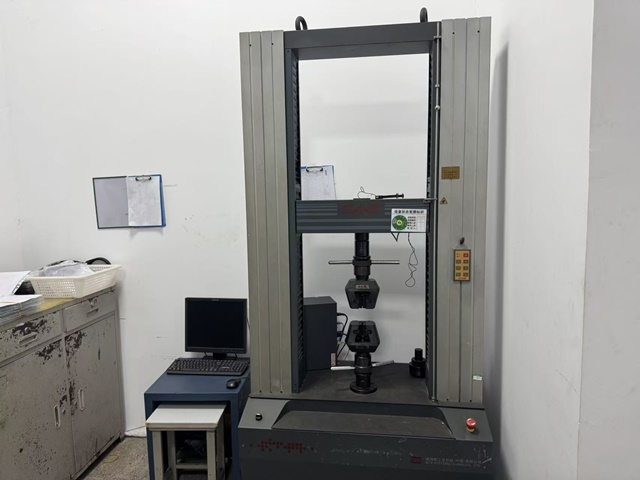
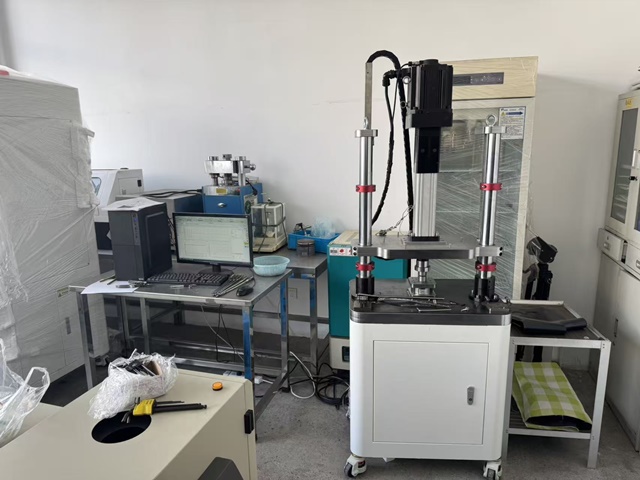
Every batch of Tibial Locking Plates undergoes mechanical fatigue testing to simulate in-vivo physiological stresses. Our Pulsating Fatigue Testing Machines run implants through millions of cycles to verify endurance limits and eliminate risk of fracture under load.
Additionally, Vickers Hardness Testers verify metallurgical uniformity, ensuring the titanium does not contain soft inclusions that lead to premature wear or thread stripping. In-process Inspections and final Random Sampling protocols are managed by our specialized inspectors.
How emerging biomaterials, intelligent designs, and robotic interventions are shaping the next generation of tibial fixation systems.
Future iterations of our trauma catalog integrate carbon-fiber-reinforced polyetheretherketone (CFR-PEEK). CFR-PEEK provides a modulus of elasticity closely matching cortical bone, reducing stress shielding and improving postoperative radiological imaging due to its radiolucent characteristics.
We are researching magnesium alloy coatings. These biocompatible alloys degrade over time, eliminating the need for a secondary hardware removal surgery while releasing magnesium ions that assist in osteoblast activity and bone healing.
Our R&D department is conceptualizing locking screws integrated with micro-sensors. These sensors transmit real-time telemetry on strain deformation and localized temperature, allowing surgeons to monitor bone healing progress remotely.
Answers to critical technical, chemical, and supply chain queries to support clinical procurement decisions.
Our comprehensive catalog of internal fixation implants, surgical instruments, and specialized trauma plates.