Osteora
Osteora
Osteora
Explore our top-tier surgical implants, external fixators, and high-precision instrument kits designed for trauma and joint reconstruction.
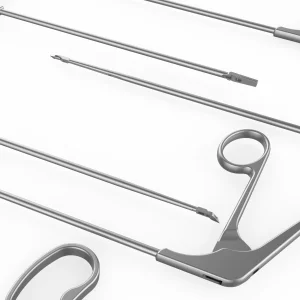
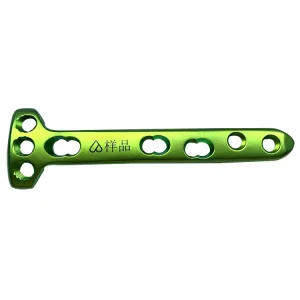
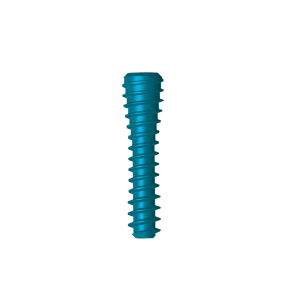
Osteora Medical Devices Co., Ltd. is a premier, highly recognized professional orthopedic implant and surgical solution manufacturer. We specialize in the development, manufacturing, and distribution of comprehensive systems for trauma surgery, spine stabilization, and joint reconstruction. All our high-precision products are engineered and marketed globally under the renowned brand Osteora.
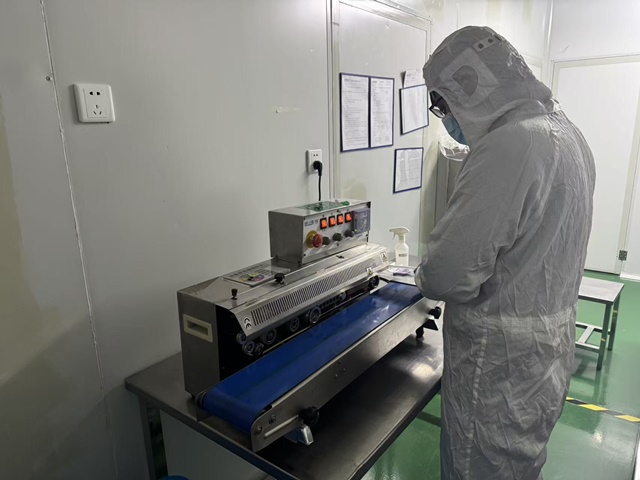
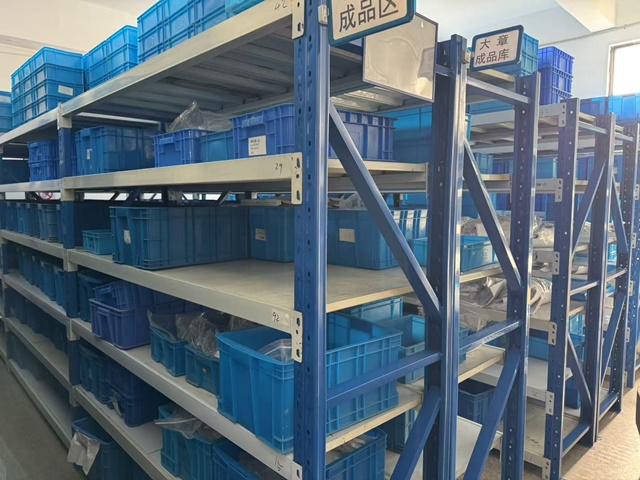
Founded in 2016, our enterprise has earned an exceptional reputation across the global orthopedic sector. This growth is driven by continuous innovation, cutting-edge material engineering, and an uncompromised dedication to international quality control standards. Our production plant spans an impressive, state-of-the-art facility of approximately 18,500㎡. This vast manufacturing setup supports fully integrated production lines, cleanroom assembly operations, and rigorous mechanical and metallurgical testing laboratories.
Patient safety and implant durability are the cornerstones of our operations. Osteora implements a comprehensive quality assurance framework, strictly conforming to ISO 13485 compliance guidelines for medical device design and manufacturing. Our quality workflow is divided into stringent stages, including raw material verification, in-process inspection (IPQC), and rigorous final random sampling validation.
Our dedicated team of 42 specialized medical-grade inspectors relies on advanced diagnostic tools. These inspection protocols include dimensional analysis, mechanical fatigue testing, static load test evaluations, and biological validation to ensure zero biocompatibility risks. Because we export globally, every batch of reconstruction nails, locking screws, and instruments is cross-inspected to match or exceed FDA, CE, and national regulatory guidelines.
With 8 years of dedicated export experience and a profound 12 years of core industry expertise, Osteora has formed deep-rooted partnerships with orthopedic distributors, governmental tender bureaus, trauma centers, and clinics worldwide. Our international sales revenue currently ranges between USD 6 million and 14 million annually. Our primary markets span Europe, Southeast Asia, the Middle East, and South America, reflecting our versatility in managing both cost-sensitive public healthcare bids and premium private clinic networks.
Our robust material sourcing network includes approximately 1,200 certified upstream and downstream partners. This ensures uninterrupted titanium supply, reliable surgical steel delivery, and stable pricing year-round.
Our division features 85 dedicated R&D engineers continuously refining implants. In the past fiscal year alone, we introduced 120 new products, targeting minimally invasive techniques, distal locking configurations, and retrograde nail advancements.
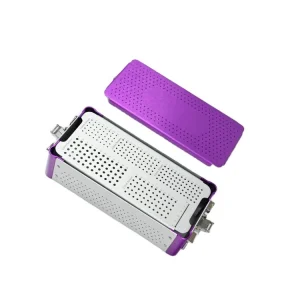
We provide full customization, including dimensional changes, custom cannulated drilling configurations, private labeling, custom anodized colors, and bespoke instrument box layouts.
How Osteora combines technological manufacturing scale with precise medical engineering to provide top-tier orthopedic implants.
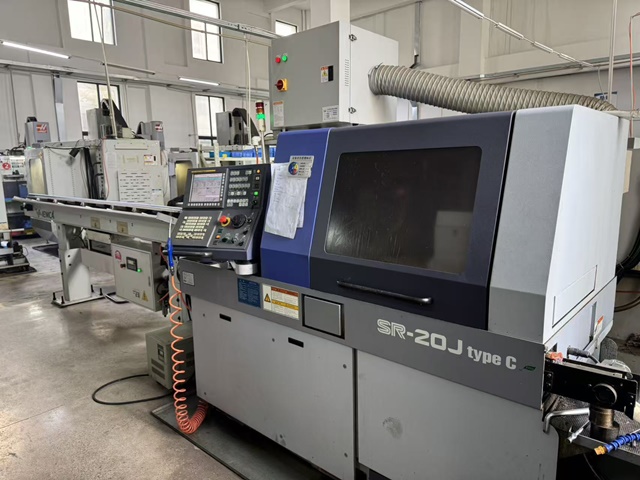
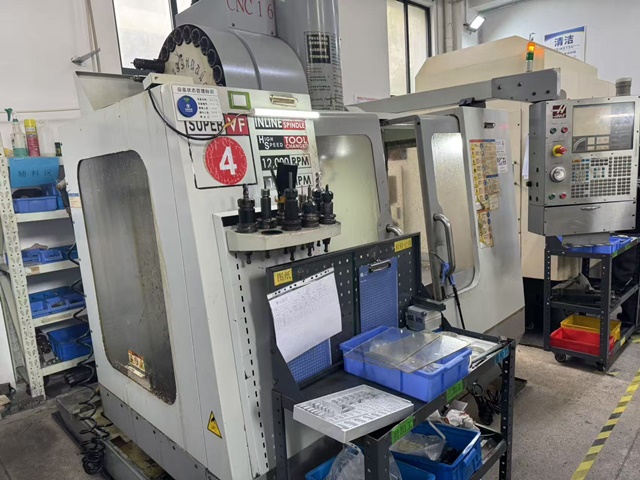
We utilize Swiss-type lathes and American HAAS CNC machines. This guarantees a dimensional tolerance profile of under 0.005mm, essential for precise distal-locking alignment and smooth nail insertion.
We source ultra-pure Titanium Alloy (Ti-6Al-4V ELI, conforming to ASTM F136 standards) and medical implant stainless steel. These alloys offer excellent biocompatibility and fatigue life under cyclic loads.
Our centralized industrial ecosystem in China lowers operational and logistics costs. We pass these savings directly to our global distributors without compromising material standards.
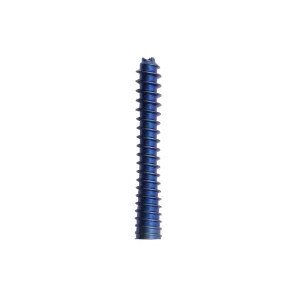
In modern trauma treatment, simple stabilization is no longer enough. Complete restoration of mechanical axis alignment, early mobilization, and minimizing stress shielding are critical for patient outcomes. Osteora's reconstruction intramedullary nails are engineered to handle complex load distributions. They transition seamlessly from standard interlocking configurations to dynamic, load-sharing modes, promoting optimal micro-motion at the fracture site to accelerate natural callus formation.
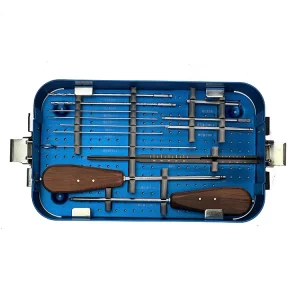
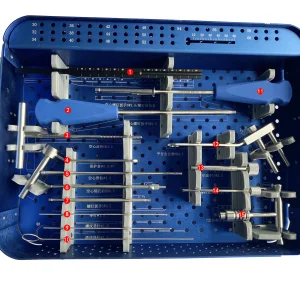
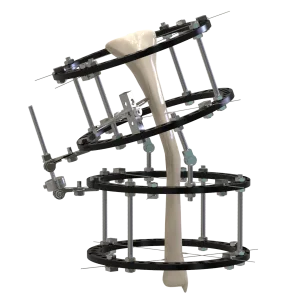
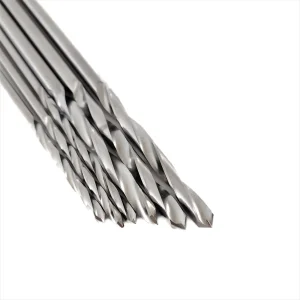
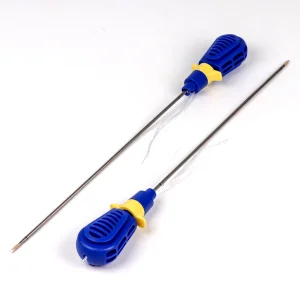
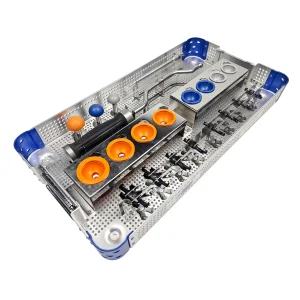
Furthermore, our product catalog supports macro-level orthopedic systems. Instead of supplying just isolated components, we deliver integrated clinical solutions. This includes targeted instruments, customizable locking bolts, dedicated guide wire sets, and drill bits. For healthcare organizations and hospital networks, this integrated approach ensures higher operating room efficiency, reduces surgical setup times, and lowers inventory management overheads.
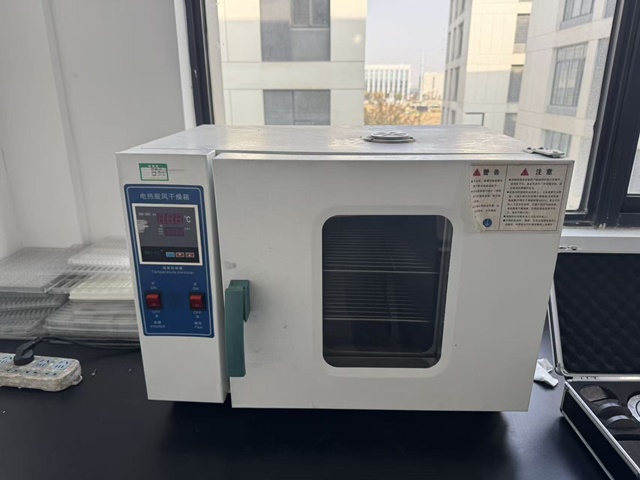
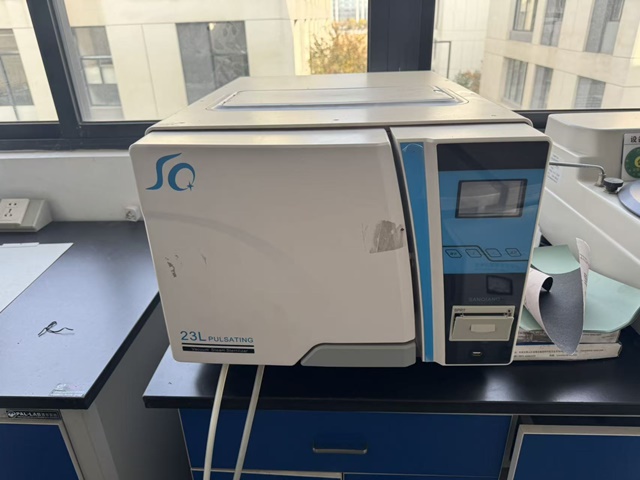
Take a tour of our high-precision machining, finishing, cleaning, and quality testing facility.
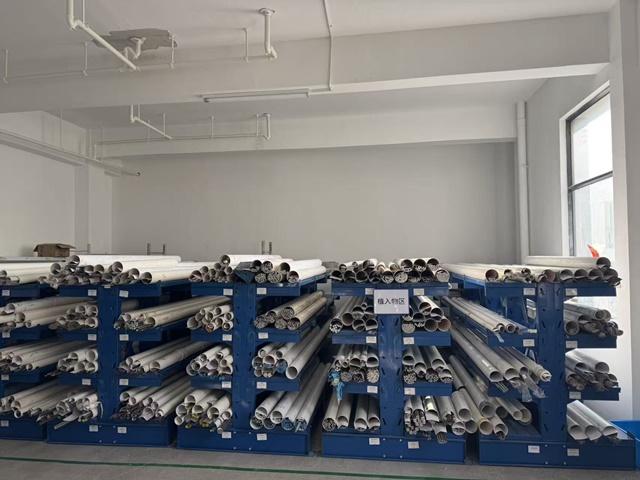
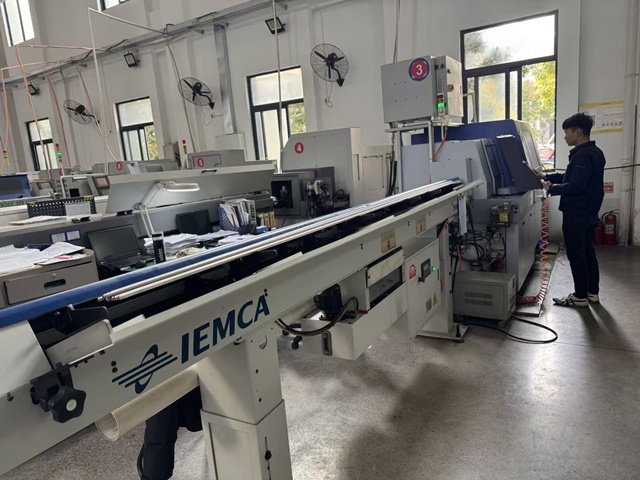
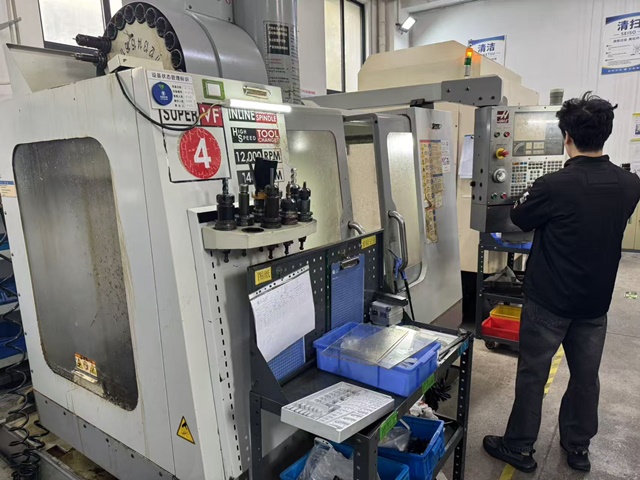
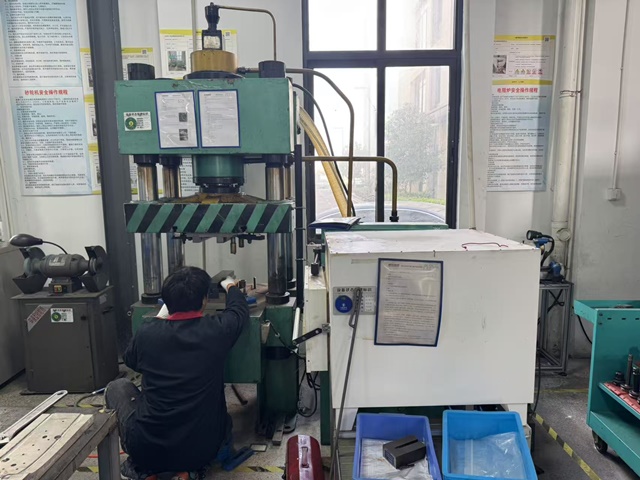
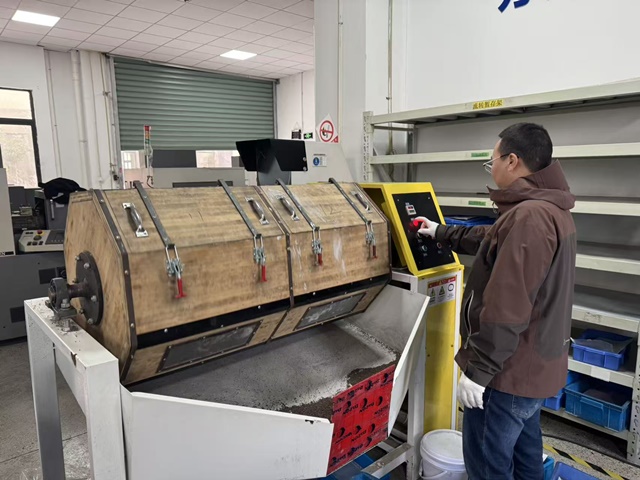
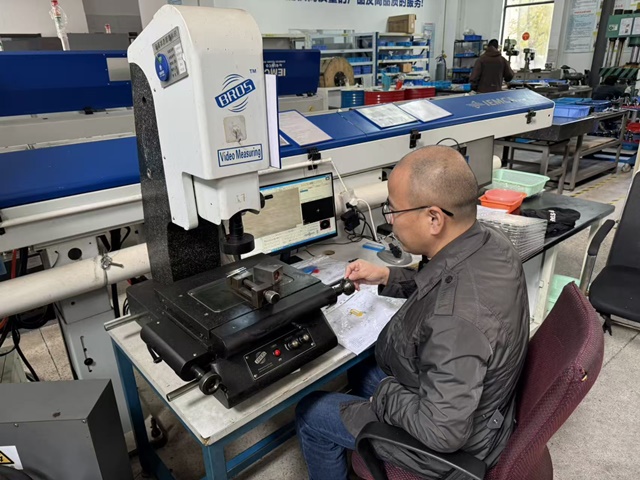
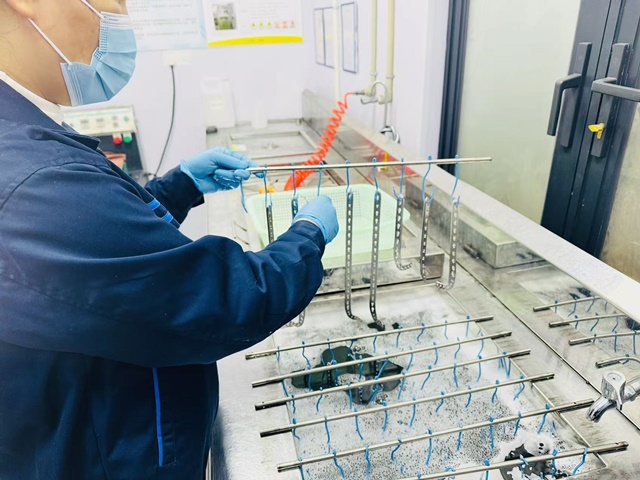
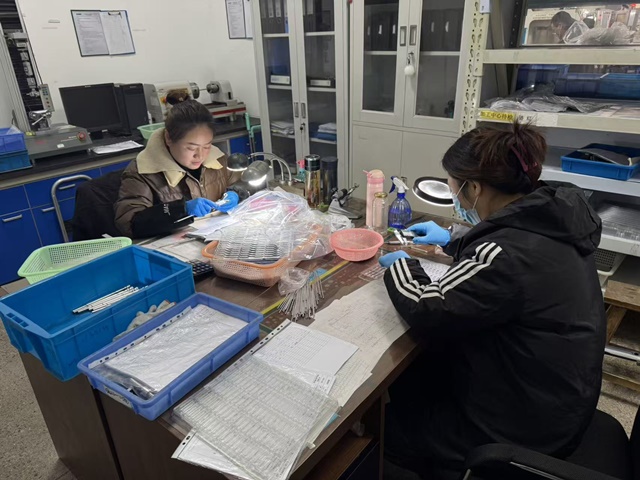
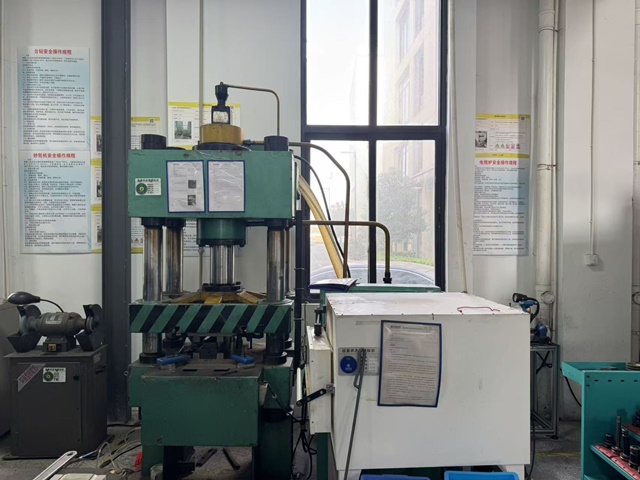
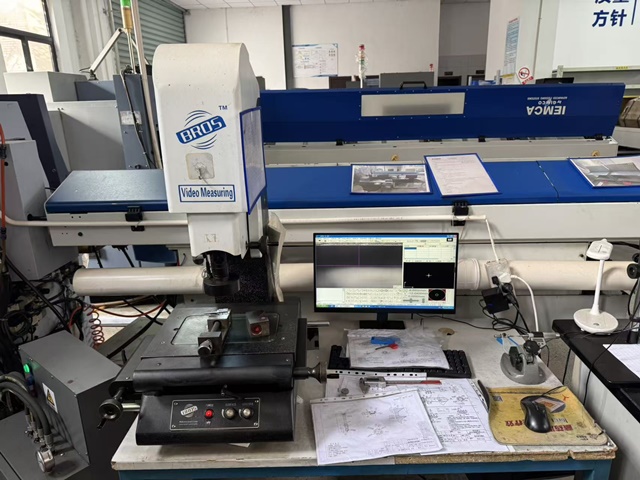
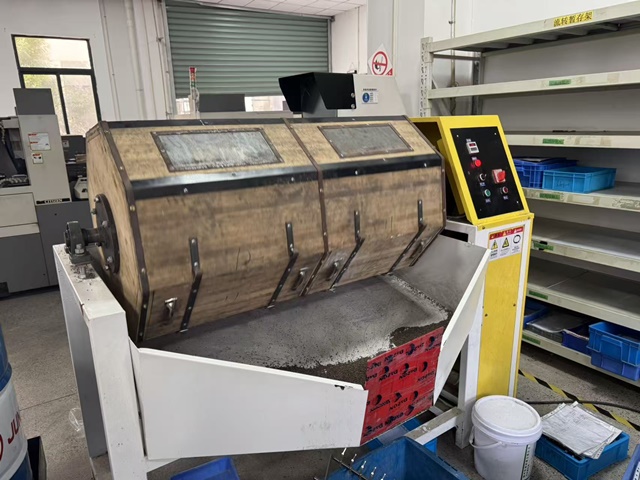
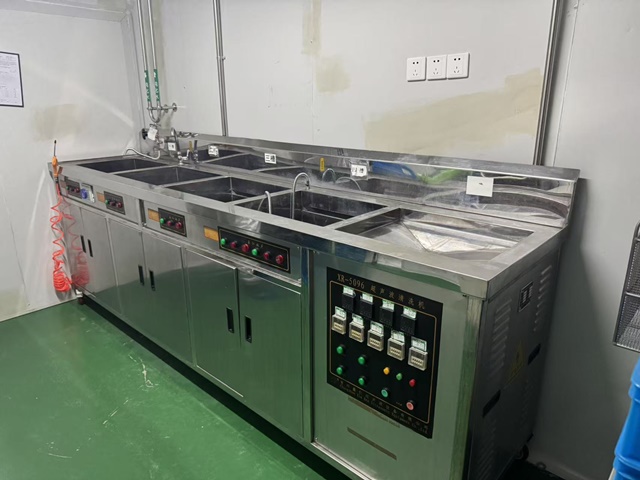
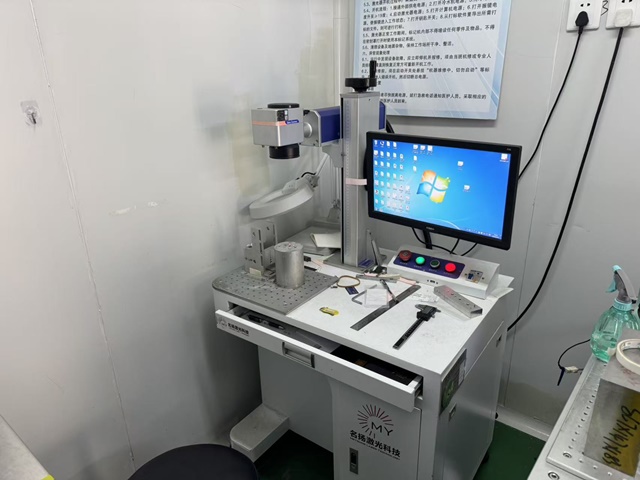
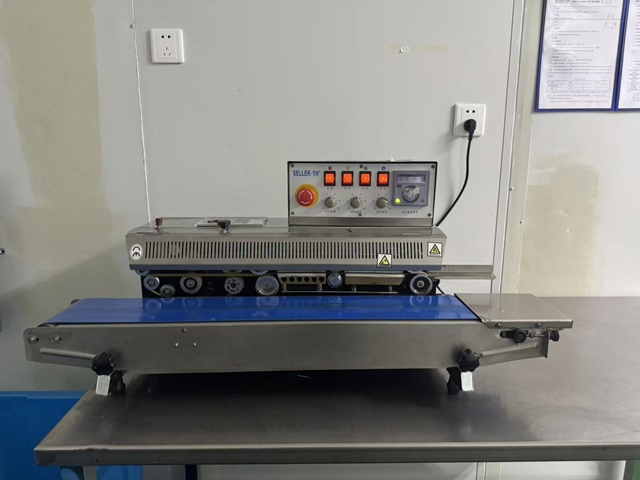
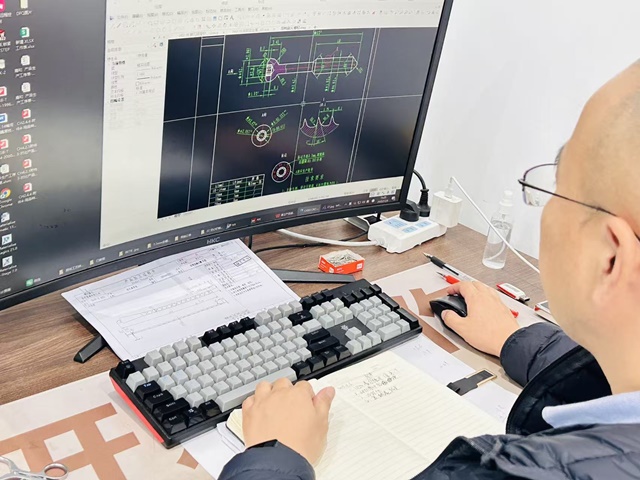
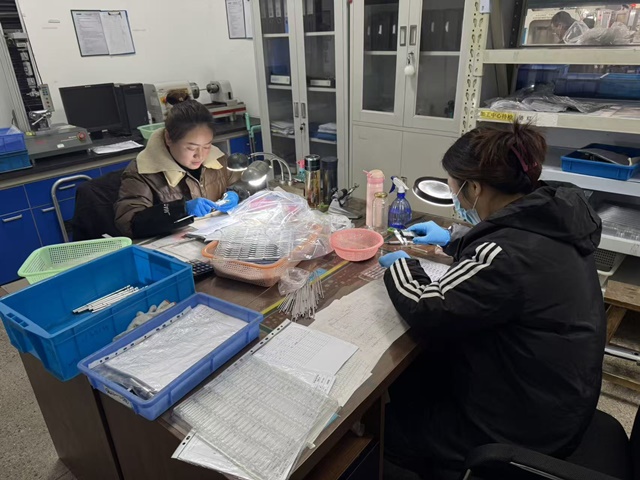
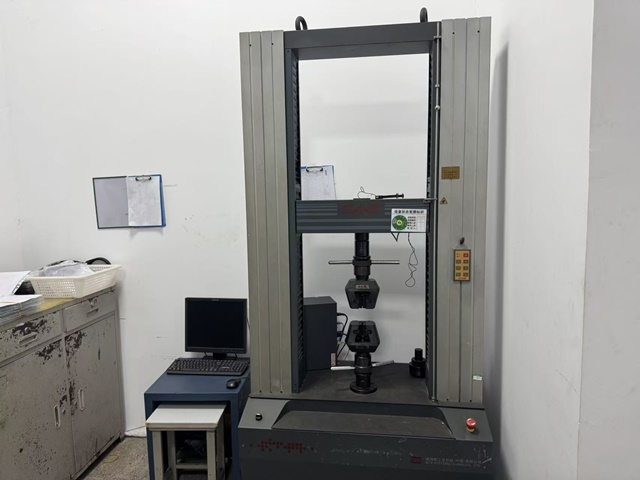
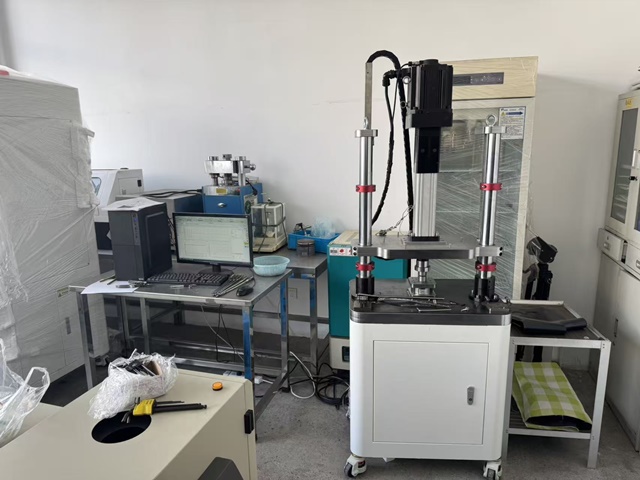
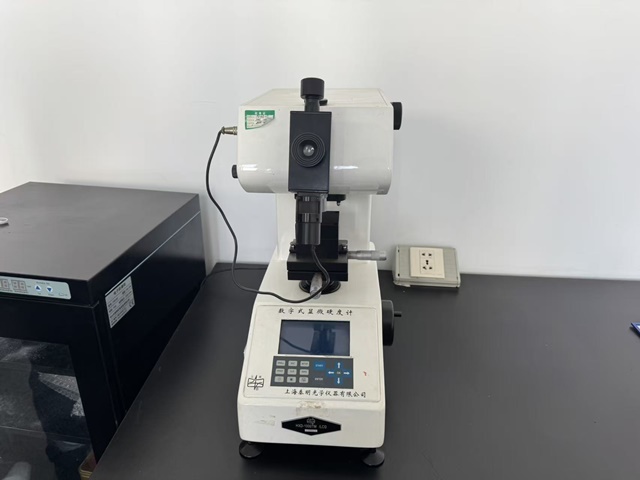
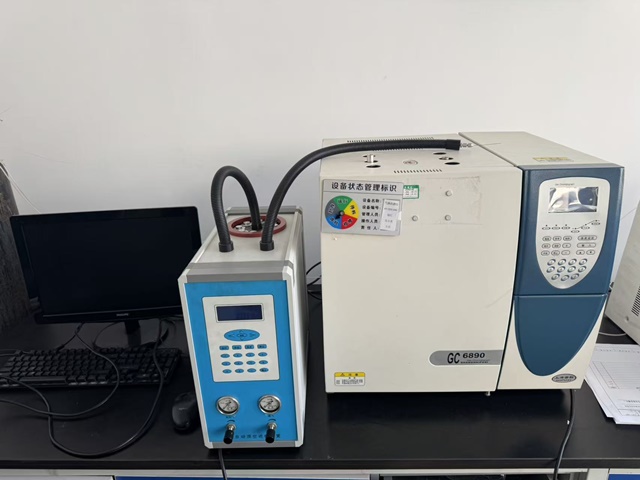
The global reconstruction nail market is undergoing rapid evolution. Key drivers include an aging global population, rising trauma rates from motor accidents, and the shift toward minimally invasive surgeries (MIS). To meet these clinical demands, modern reconstruction nails must optimize biomechanics to support immediate weight-bearing post-surgery.
Furthermore, biological response is a critical focus area. We utilize specialized surface treatment technologies such as micro-anodization and chemical passivation. These steps create a bio-inert surface oxide layer, helping to prevent heavy metal ion release and lowering the risk of bacterial biofilm formation.
Our reconstruction nail systems are designed to address a wide range of complex skeletal fractures:
Importing medical devices requires navigating strict regulatory pathways. Osteora assists clients through every stage:
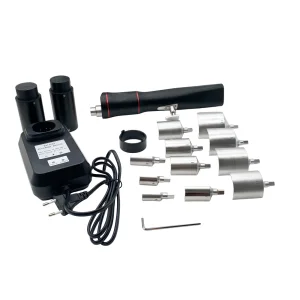
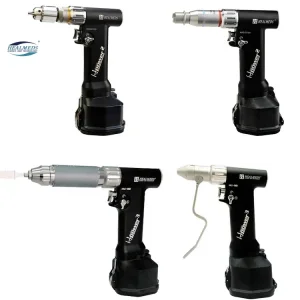
Our implant systems are engineered for seamless compatibility with standard surgical tools and navigation arrays. By pairing our implants with high-performance drills and specialized driver guides, surgical teams can achieve highly accurate locking bolt insertion, reducing operating times and radiation exposure.
In addition to human implants, Osteora designs specialized solutions for veterinary clinics, including TPLO saws and veterinary bone plates. These tools are optimized to support structural stability and rapid recovery in companion animals.
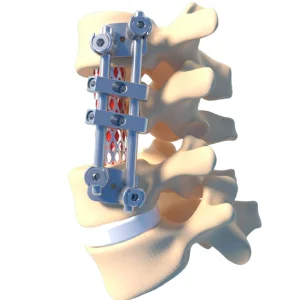
High-precision orthopedic hardware, specialized compression systems, and high-performance power tools for complex trauma procedures.
Technical, clinical, and regulatory guidance for biomedical engineers and procurement teams.