Osteora
Osteora
Osteora
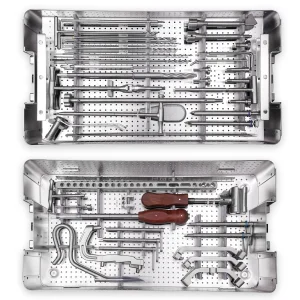
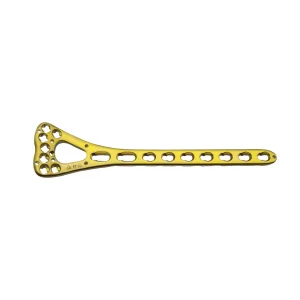
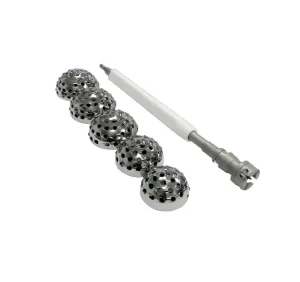
Discover our highly advanced implant systems and instruments designed for clinical precision and durability in orthopedic surgeries.
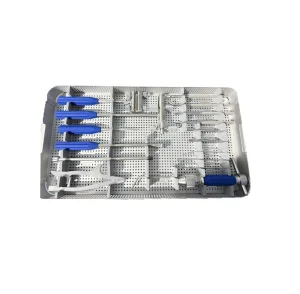
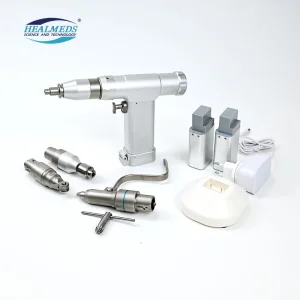
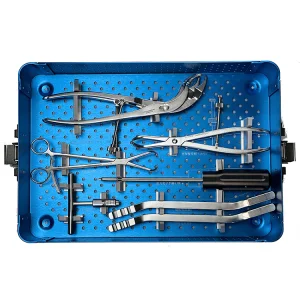
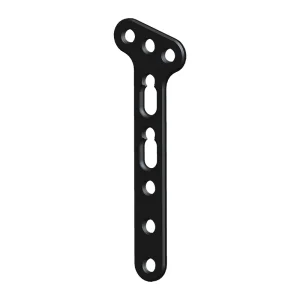
The global sports medicine landscape is undergoing a paradigm shift, transitioning from traditional resectional procedures (meniscectomy) to anatomical preservation techniques. The medical community consensus emphasizes that "preserving the meniscus is saving the joint." Consequently, the demand for sophisticated meniscal repair devices—such as all-inside suture anchors, inside-out suture needles, and hybrid fixation systems—has escalated exponentially.
With the rapid increase in sports-related injuries, aging active populations, and advancements in arthroscopic technologies, orthopedic surgeons globally require implant materials that offer high biocompatibility, excellent initial fixation strength, and low profile geometries to prevent chondral wear. As a primary hub for medical device manufacturing, China is leading the charge in delivering cost-effective, high-precision meniscal repair solutions designed to meet stringent global standards.
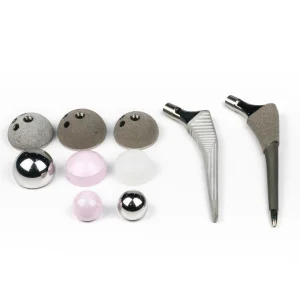
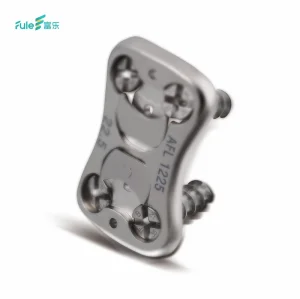
Under the brand name Osteora, we provide high-grade trauma, spine, joint reconstruction, and sports medicine systems to medical centers worldwide.
Every meniscal repair and orthopedic device undergoes a rigorous fabrication process leveraging state-of-the-art machinery.
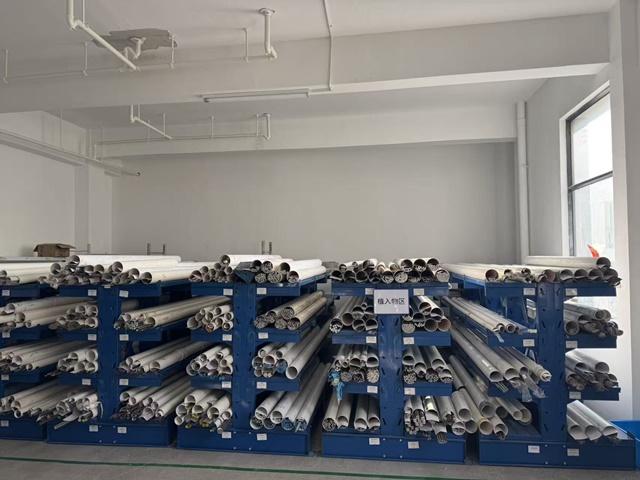
Ultra-pure titanium alloys and PEEK compounds are validated for biocompatibility.
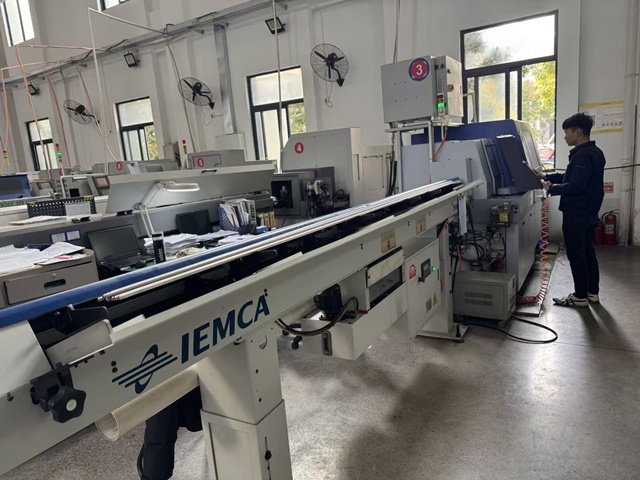
Ultra-precision surface finishing minimizes implant roughness values.
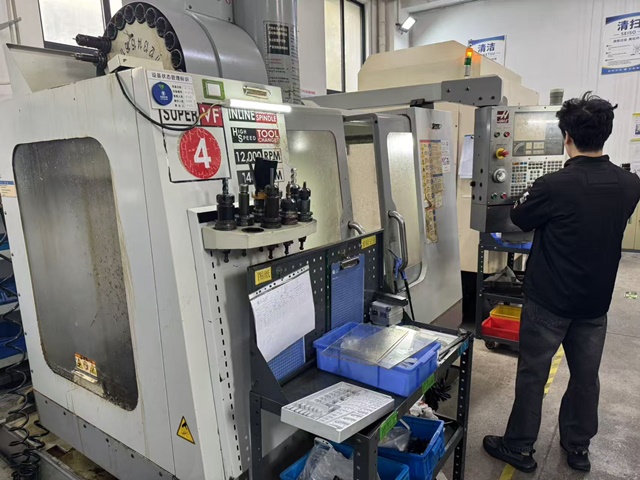
Secondary surface detailing enhances osteo-integration and biomechanical stability.
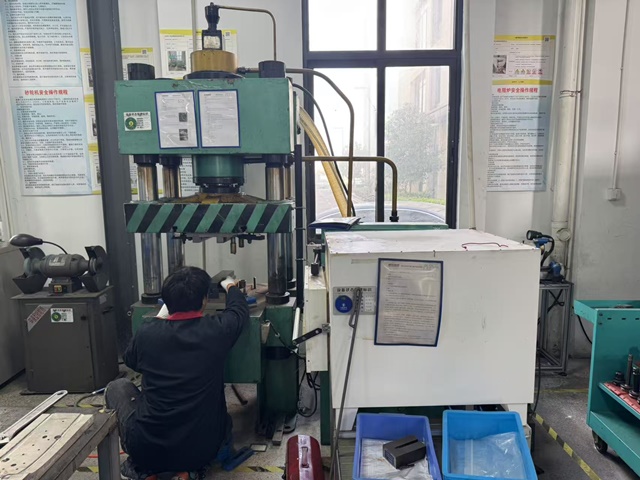
High-speed press operations fabricate complex structural components.
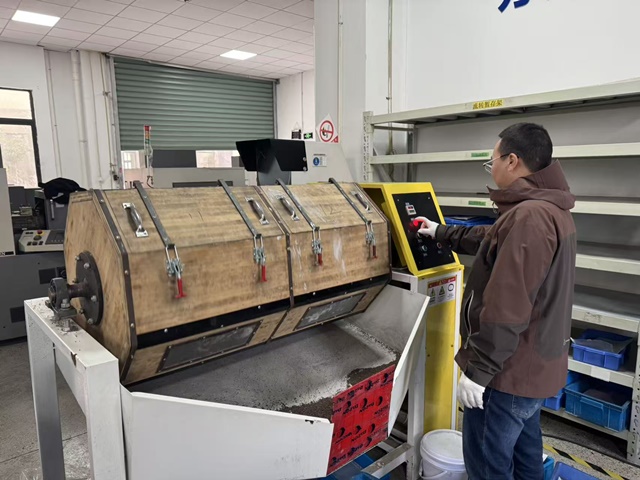
Ensures dimensional tolerance consistency down to single-digit microns.
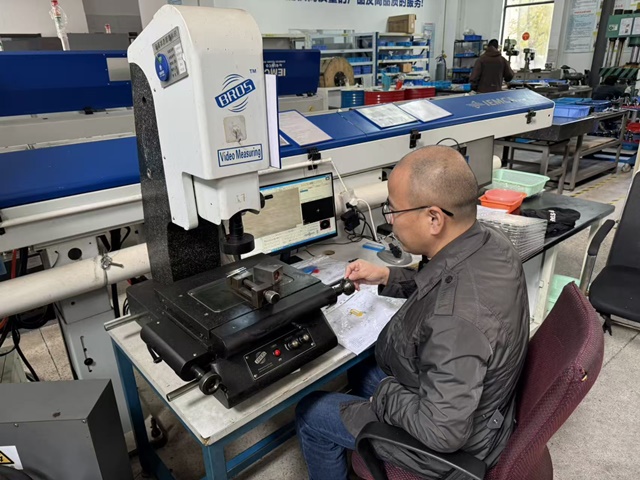
In-line technical verification steps carried out for zero-defect output.
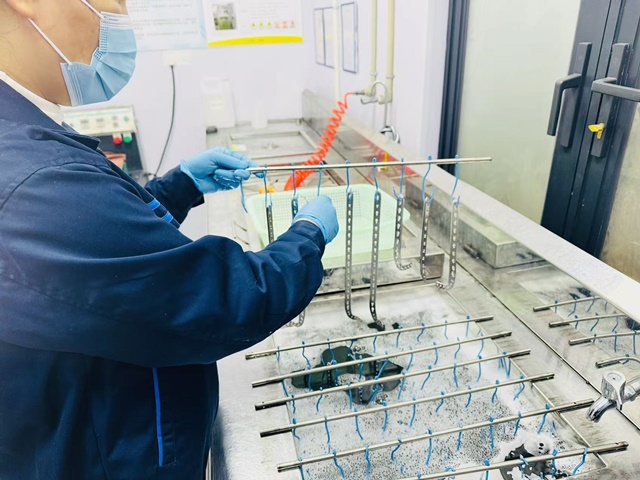
Multi-stage chemical cleaning cycles within classified sterile zones.
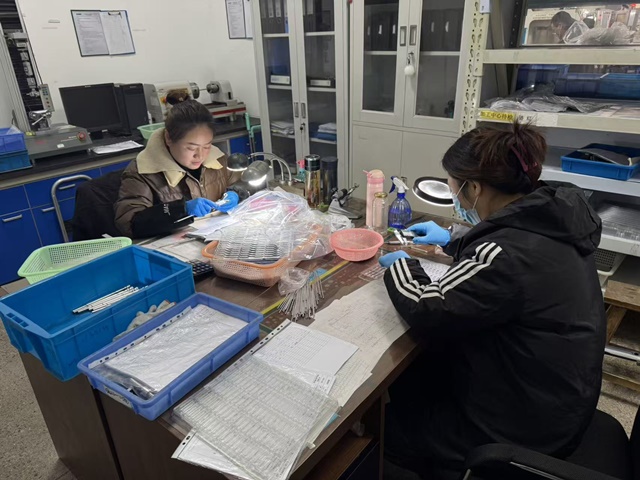
Detailed inspection ensures visual and physical consistency.
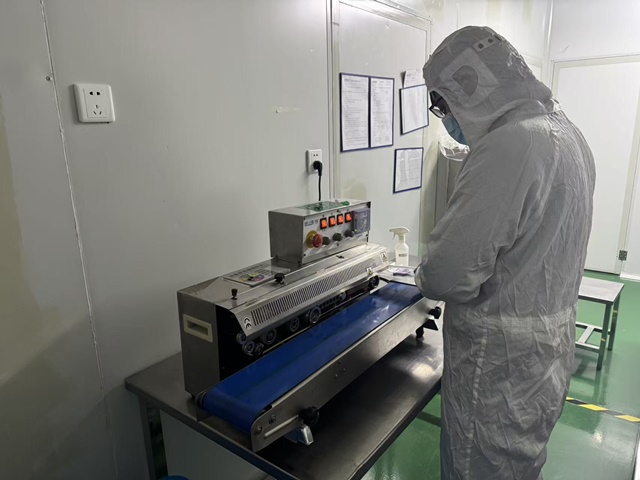
Medical-grade barrier packaging maintains sterilization integrity.
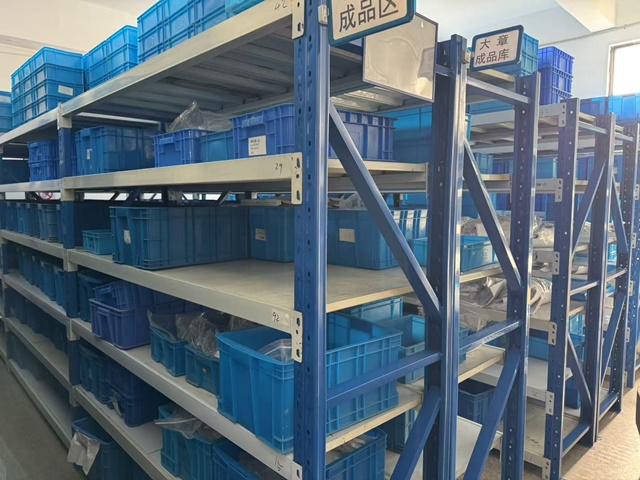
Environmentally controlled storage tracks inventory batches accurately.
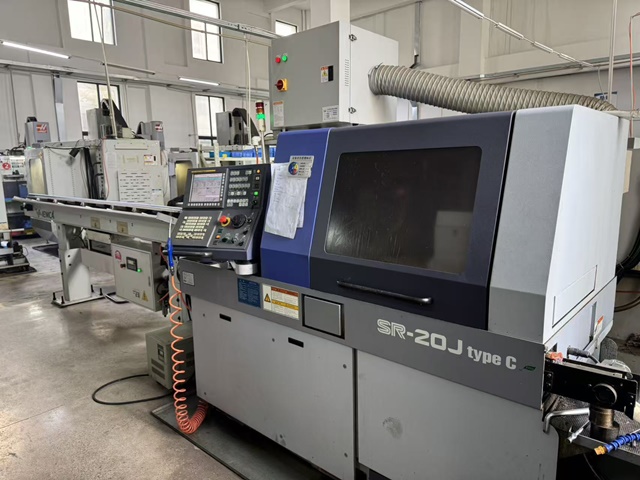
Swiss-type lathe machines construct complex cannulated components.
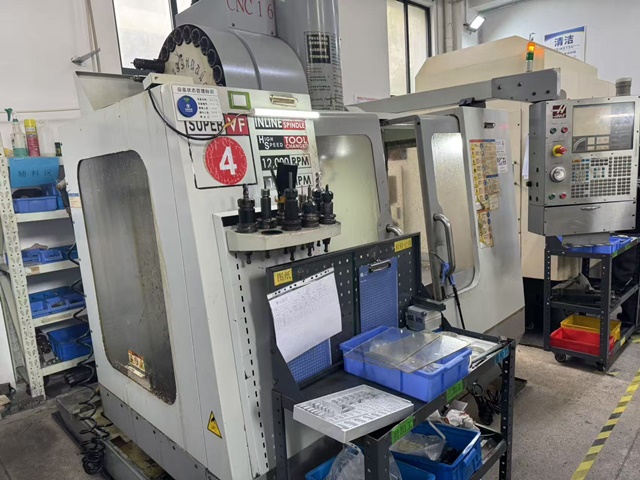
Multi-axis precision milling processes ensure micro-structural design compliance.
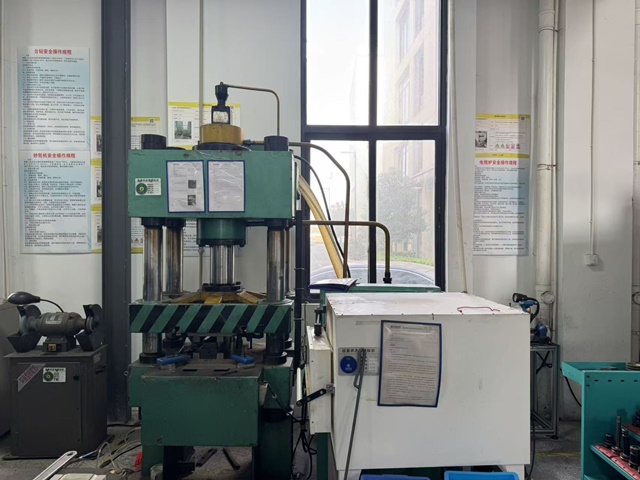
High-capacity stamping machines form dense orthopedic plates and anchors.
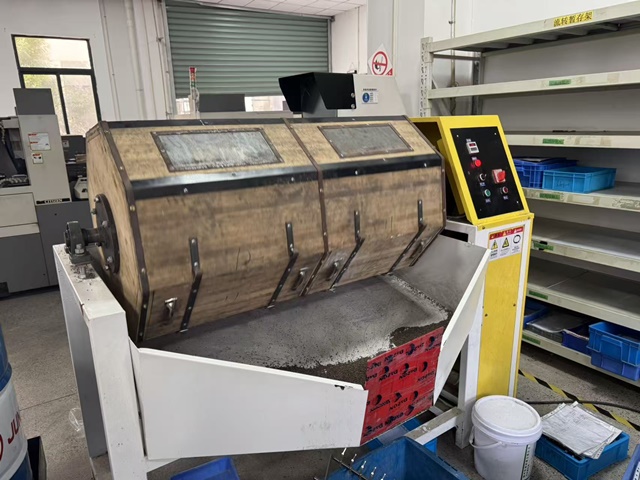
Refines surface interfaces to optimize fatigue limit profiles.
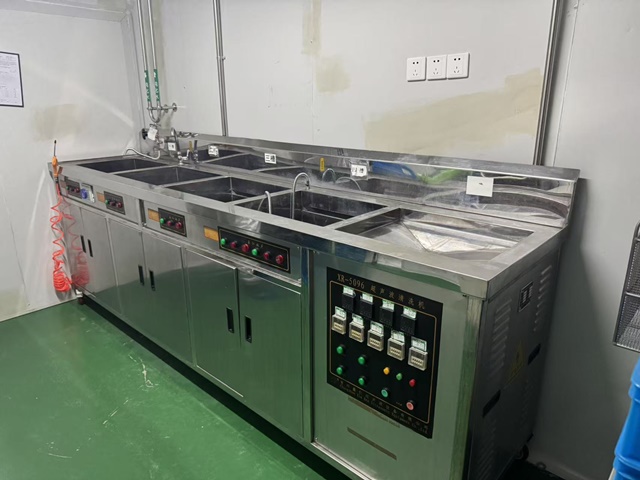
Removes all volatile chemicals and particulates.
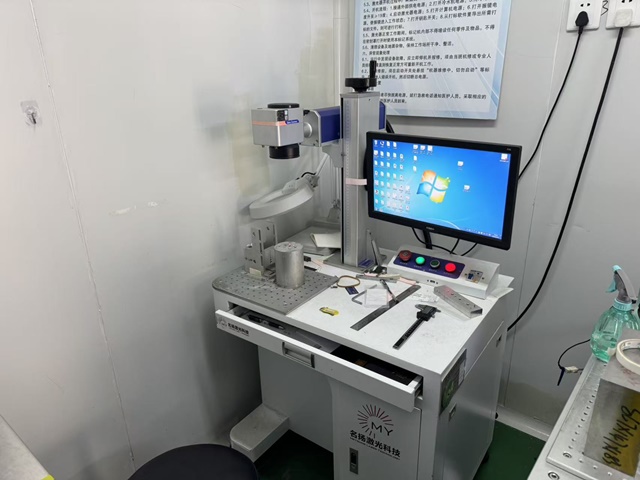
Permanent traceability markings, serial numbers, and medical barcodes.
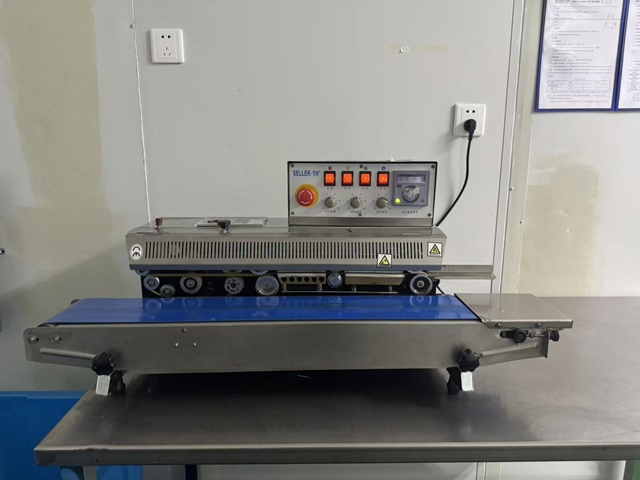
Seals medical devices in sterile-grade Tyvek/foil blister packs.
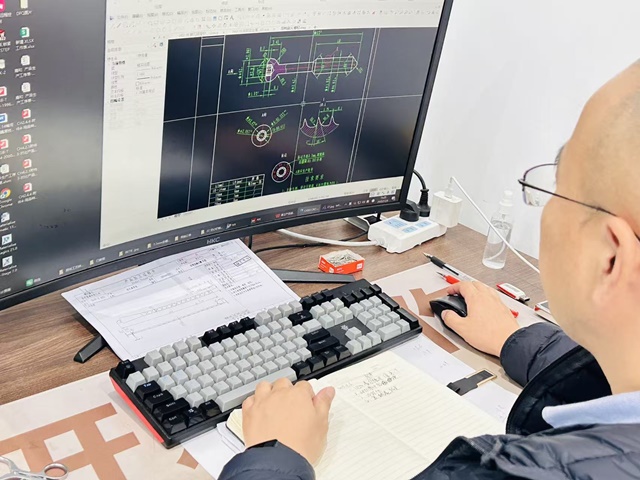
R&D engineers model advanced sports medicine implant parameters.
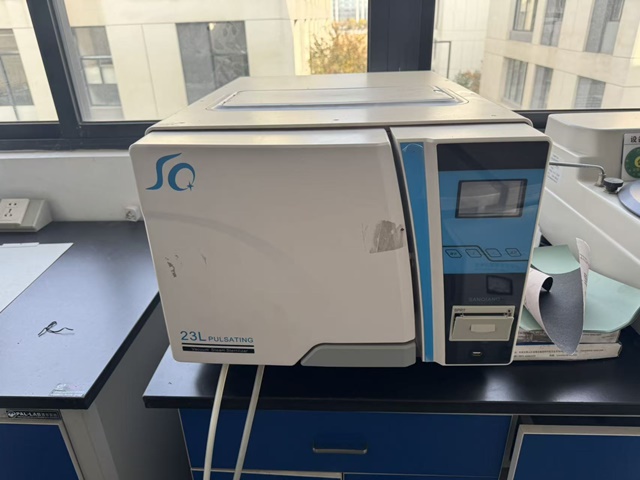
Pressurized fluids guarantee the elimination of interior residues.
Understanding the mechanical stress profiles, biomaterial chemistry, and surgical indications of modern repair systems.
Standard all-inside meniscal repair devices utilize sub-millimeter PEEK or titanium anchors connected via non-absorbable ultra-high molecular weight polyethylene (UHMWPE) sutures. This structural chemistry allows the device to pass through micro-arthroscopic portals without damaging soft articular cartilage.
The mechanical design criteria demand high pull-out force stability (typically >100 N) to withstand knee flexion forces during physical therapy. Furthermore, the deployment mechanism must prevent knot slippage, ensuring tissue compression across the tear interface is maintained for successful vascular healing.
Modern repair options cover red-red (highly vascularized) and red-white zone tears, such as longitudinal, bucket-handle, and radial tears. All-inside instruments streamline delivery by using pre-loaded, single-hand trigger guns, minimizing the risk of neurovascular damage behind the knee compared to older inside-out or outside-in suture methods.
Through OEM/ODM capabilities, manufacturers customize needle lengths, shaft curvature profiles, and suture tension ratings to align with various orthopedic preferences worldwide.
We deploy a testing team of 42 specialized inspectors using cutting-edge metrology and stress testing equipment.
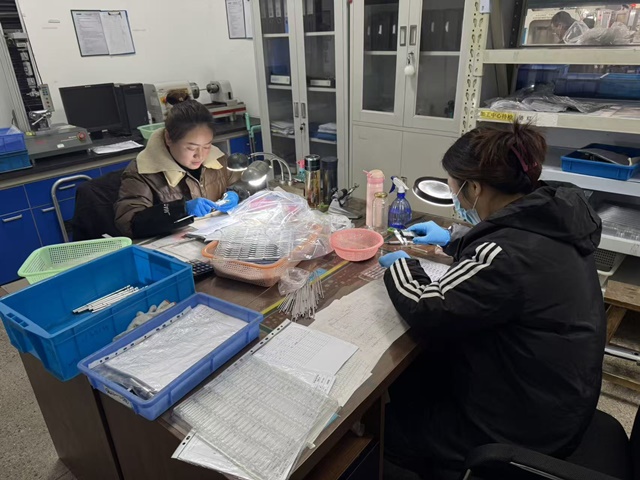
Independent double-verification processes confirm dimensional tolerances prior to batch sterilization release.
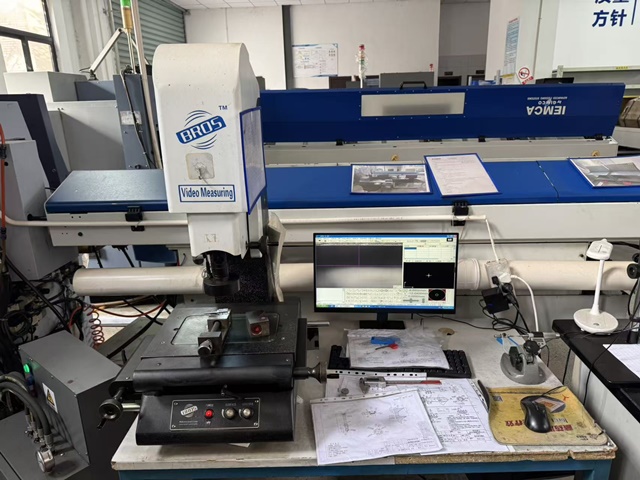
Non-contact optical dimensioning measures intricate micro-thread shapes down to the sub-micron scale.
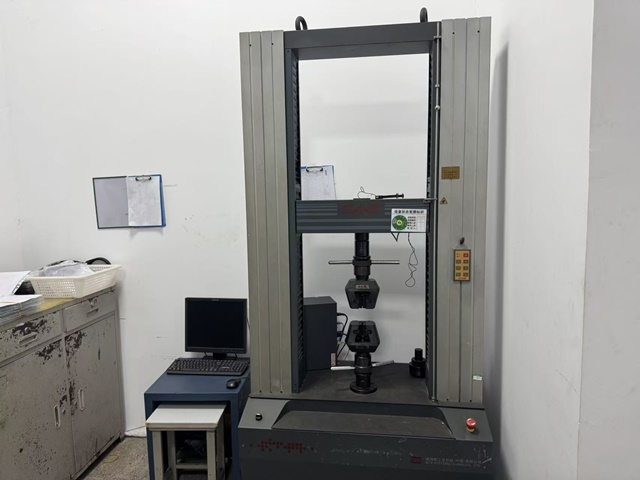
Simulates complex structural tension, pull-out force resistance, and rotational stress limits.
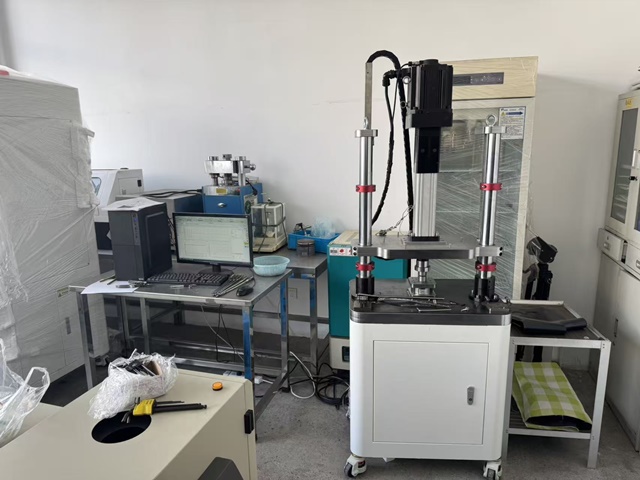
Applies cyclic loading tests to determine long-term implant performance limits.
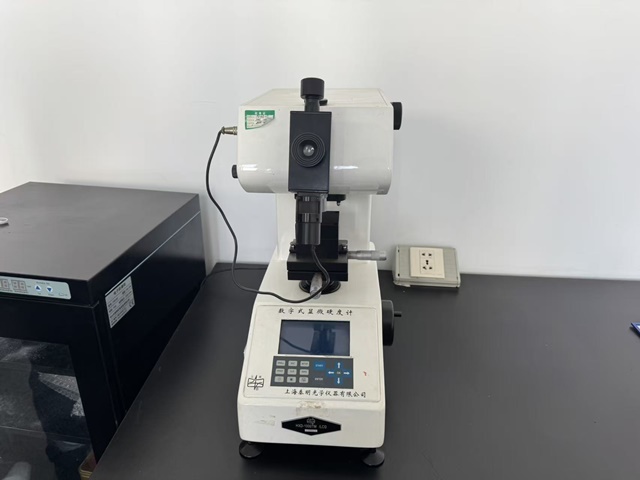
Verifies the surface and core hardness of titanium alloys and PEEK raw stock.
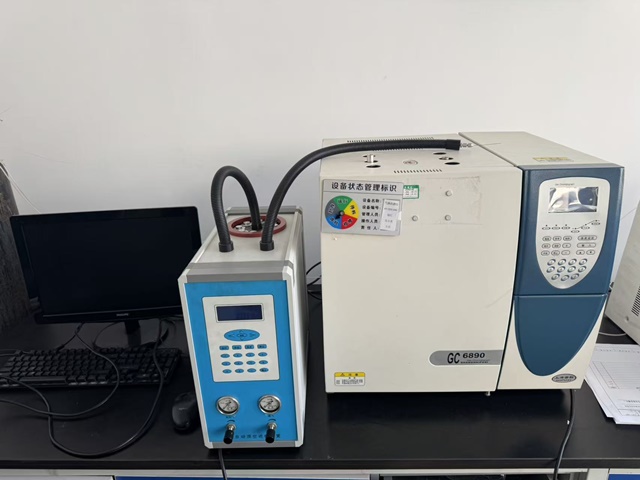
Determines alloy composition down to parts-per-million ratios, avoiding contaminants.
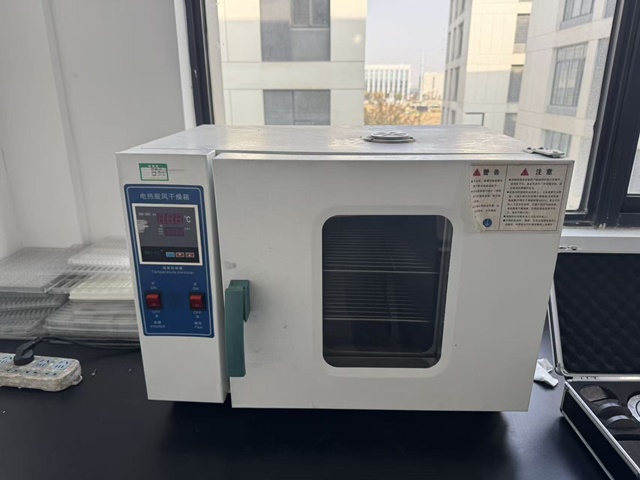
Controlled heating systems remove trace moisture and volatile elements.
Navigating complex international medical standards and localized logistics networks.
Our R&D engineering divisions are developing next-generation sports medicine implants.
Development of next-generation PLDLA (Poly L-lactide-co-D,L-lactide) polymers designed to degrade slowly as the meniscus heals. This prevents long-term joint friction while providing initial mechanical support.
Evaluating porous implant surfaces capable of carrying Platelet-Rich Plasma (PRP) or Bone Morphogenetic Proteins (BMP) directly to the avascular red-white zone of the meniscus to promote cellular growth.
Redesigning arthroscopic gun-type inserters to provide audible feedback on anchor deployment. This helps reduce hand fatigue and shortens the surgical learning curve for medical residents.
Common questions regarding procurement, device specifications, and distribution partnerships.
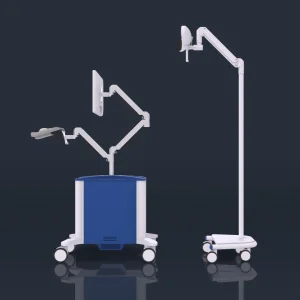
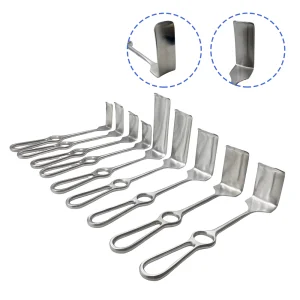
Explore our specialized orthopedic tools, intramedullary locking systems, and surgical navigation equipment.