Osteora
Osteora
Osteora
Engineered to meet stringent surgical standards, these systems offer optimum biocompatibility and precision mechanical locking mechanisms.
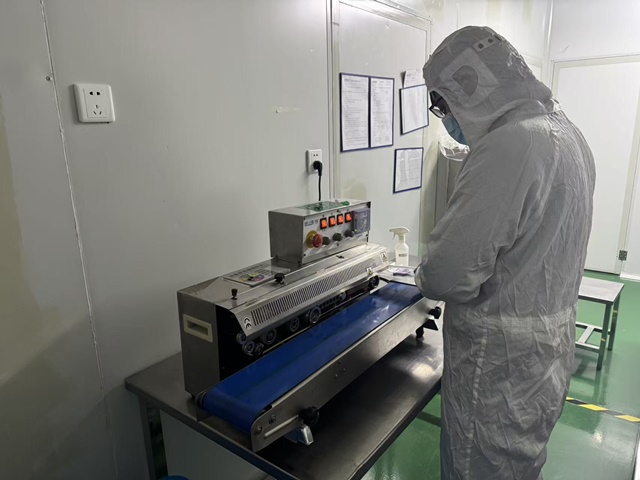
Founded in 2016, Osteora Medical Devices Co., Ltd. is a leading orthopedic implant and surgical solution manufacturer. Specializing in trauma, spine, joint reconstruction, and advanced cranio-maxillofacial plating systems, we serve high-demand clinical environments worldwide. Operating from an integrated 18,500㎡ facility, we support the entire product lifecycle—from CAD/CAM modeling to Class 100,000 cleanroom packaging.
With over 12 years of industry expertise and 8 years of dedicated export experience, Osteora has positioned itself as a key supplier for hospitals, orthopedic clinics, and surgical centers. Our commitment to information gain, continuous improvement, and the strict E-E-A-T criteria has established our brand as a reliable standard in osteosynthesis technology.
Understanding the clinical demand shifts in global cranio-maxillofacial osteosynthesis.
Surgeons are increasingly shifting toward patient-specific implants (PSIs). While standard titanium plates require manual bending intraoperatively, next-generation maxillofacial plates are pre-contoured using high-resolution 3D CT scan data. This significantly reduces operating time and risks of material fatigue.
Minimizing soft tissue irritation in the facial region is paramount. The market is trending towards ultra-low profile plating systems (0.5mm to 1.5mm thickness) coupled with locking screw technology, preventing backing-out issues and ensuring rigid primary stability even in thin bone fragments.
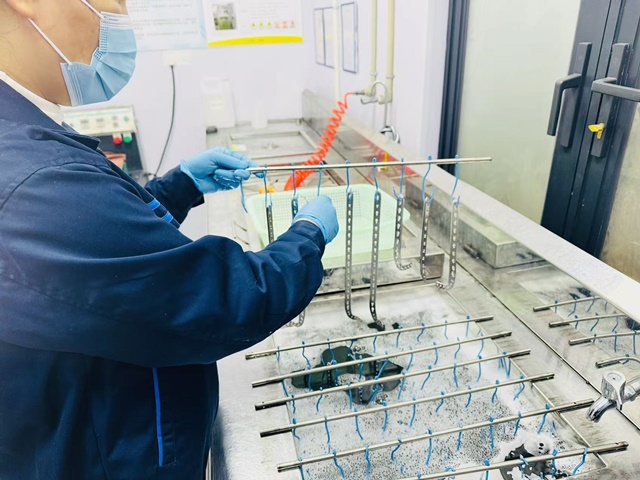
Bio-active surfaces optimized via anodization enhance osseointegration while discouraging bacterial colonization. Osteora employs Swiss-grade finishing techniques to deliver smooth margins and uniform passive layers, crucial for permanent facial implants.
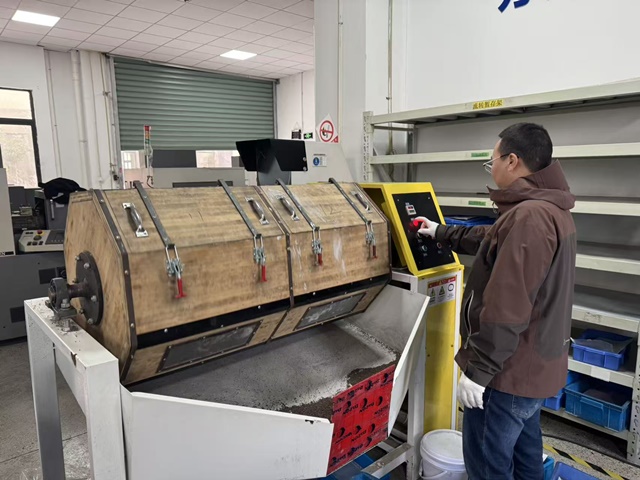
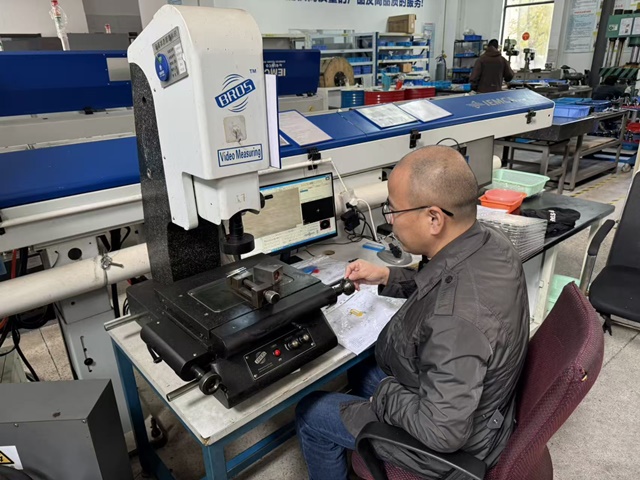
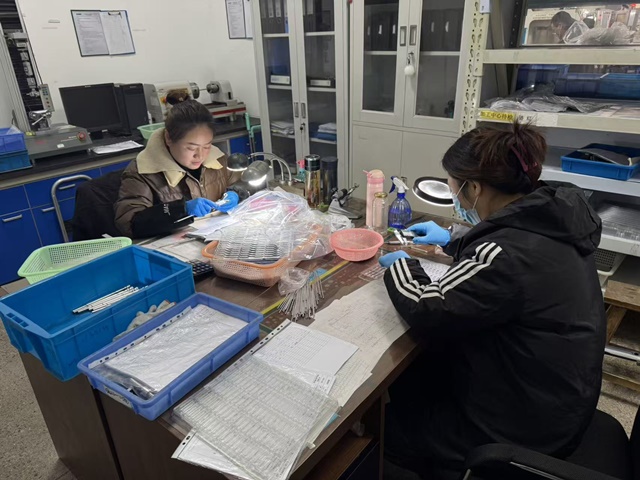
A step-by-step insight into Osteora's rigorous manufacturing sequence, guaranteeing high dimensional accuracy and biological safety.
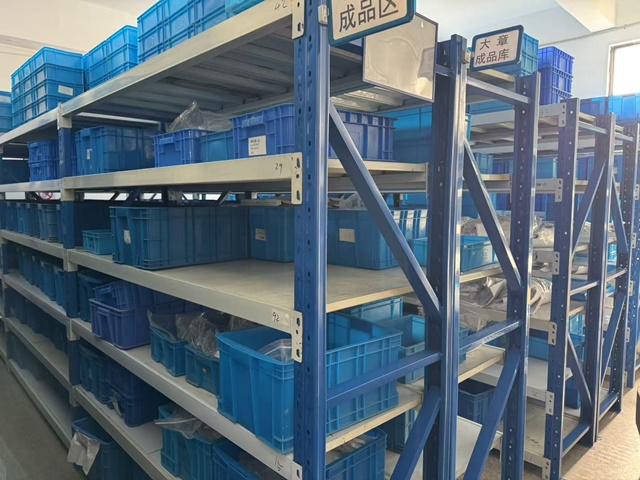
How Osteora addresses the critical procurement bottlenecks for medical supply chains and distributors.
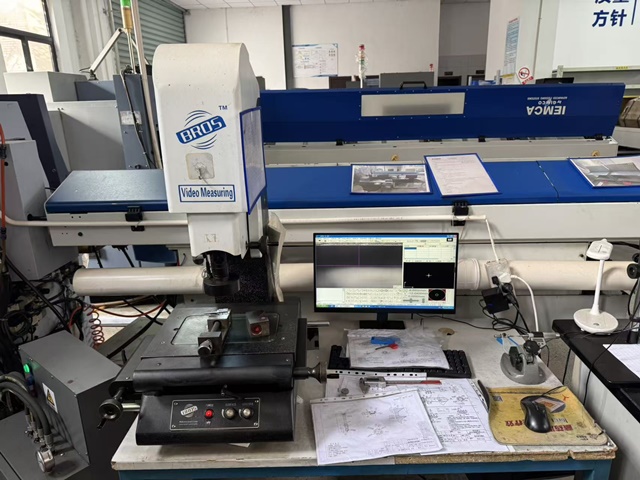
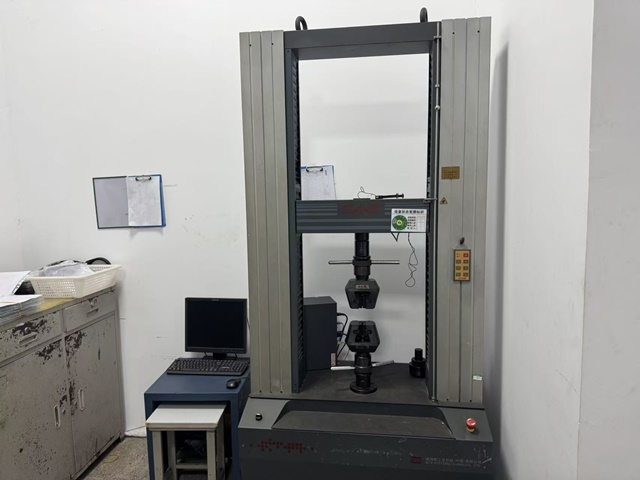
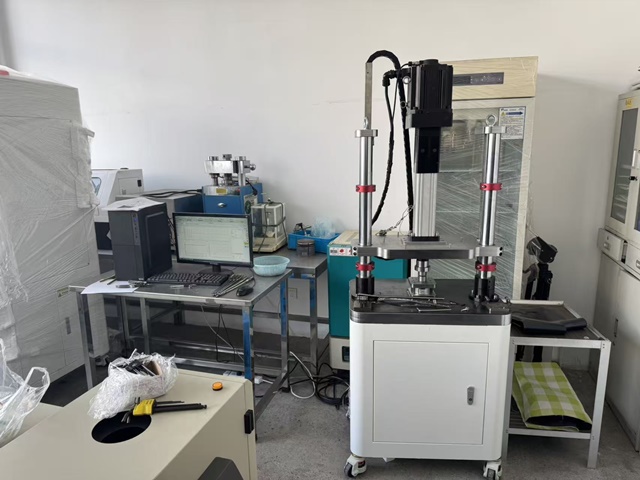
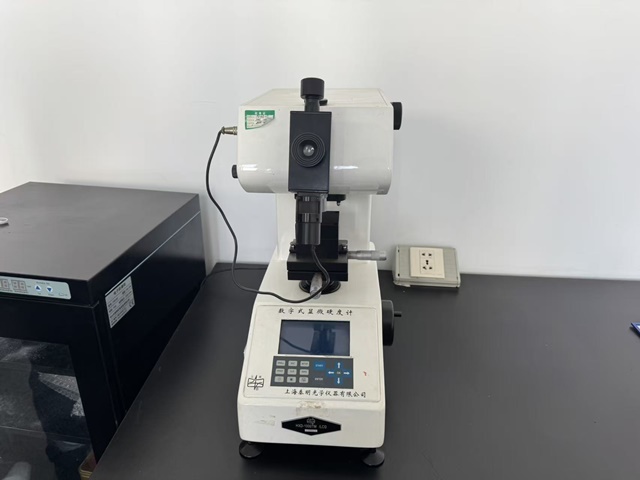
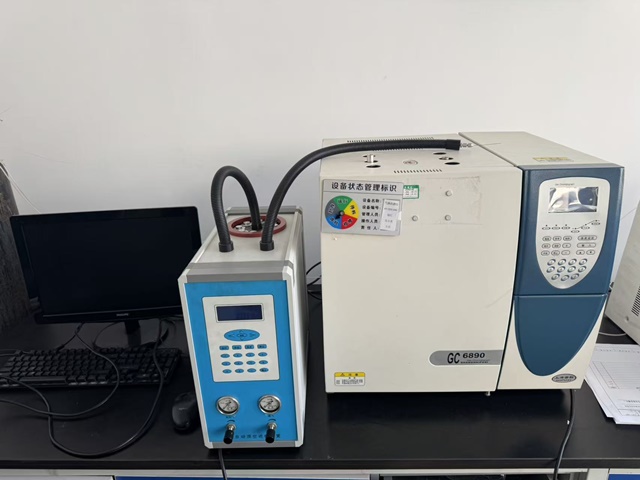
With an annual export value between USD 6 million and 14 million, we optimize supply logistics. Osteora implements an extensive QA structure with 42 specialized inspectors conducting in-process monitoring and final sampling testing (including dimensional measurement, mechanical fatigue testing, and biocompatibility validation).
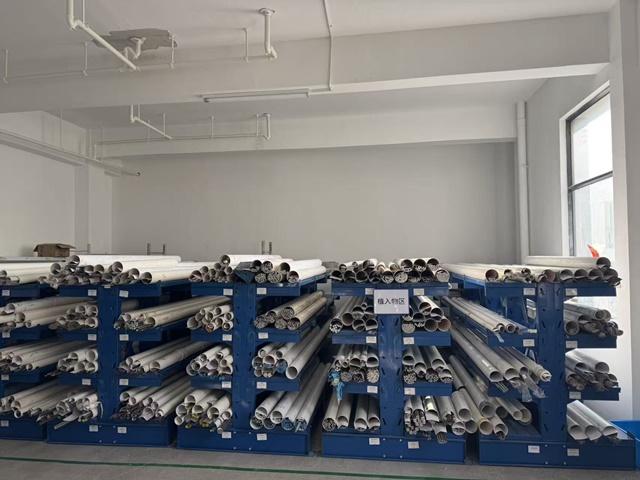
Osteora's supply chain features approximately 1,200 certified partners. This vast industrial footprint ensures we maintain consistent raw material access (Grade 5 Titanium and biocompatible polymers) and guarantees stable production lead times even during global shipping disruptions.
Backed by 85 R&D engineers, we offer robust options for material grade alterations, customized sizing, and private labeling. Furthermore, we provide local regulatory registration dossiers (technical documentation, biocompatibility profiles, and CE/ISO declarations) to streamline market entry in Europe, Southeast Asia, South America, and the Middle East.
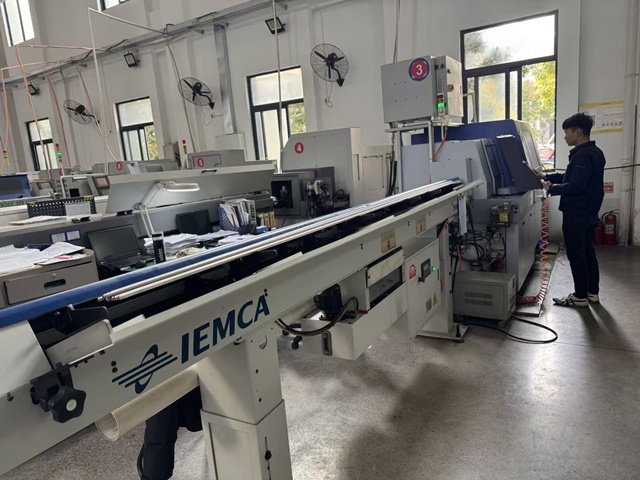
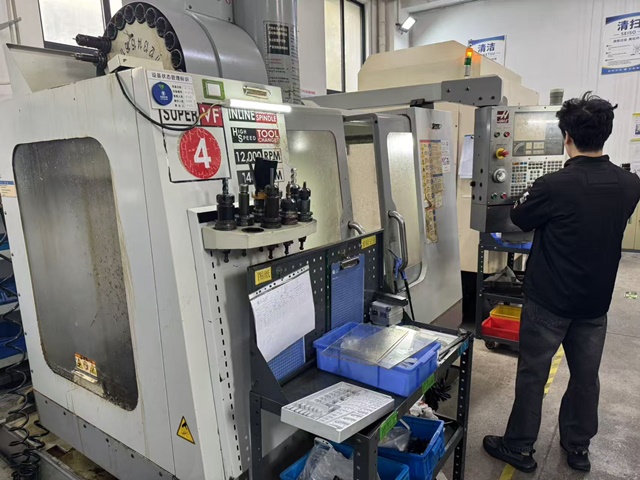
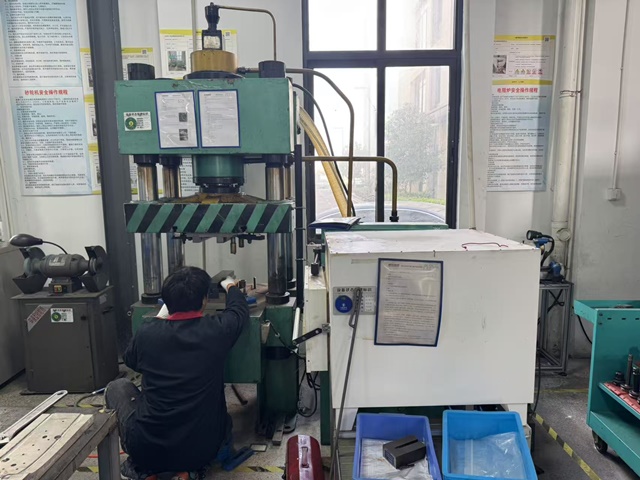
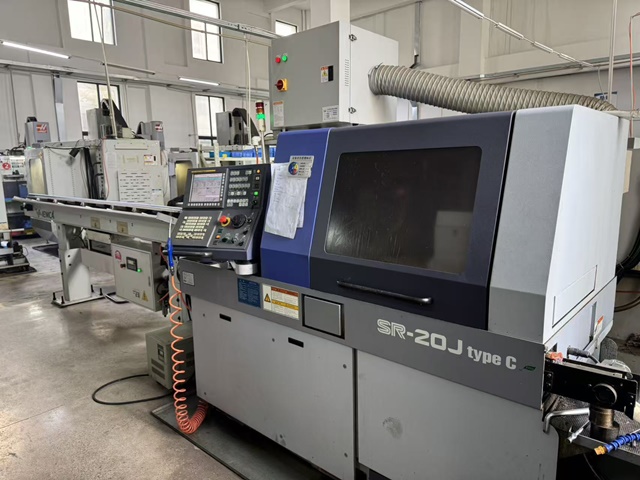
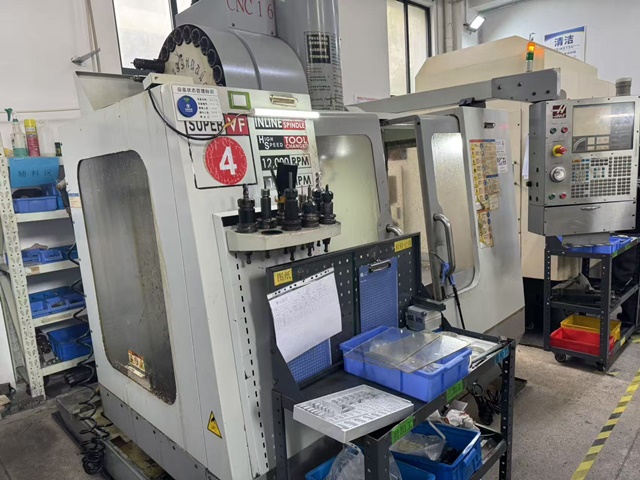
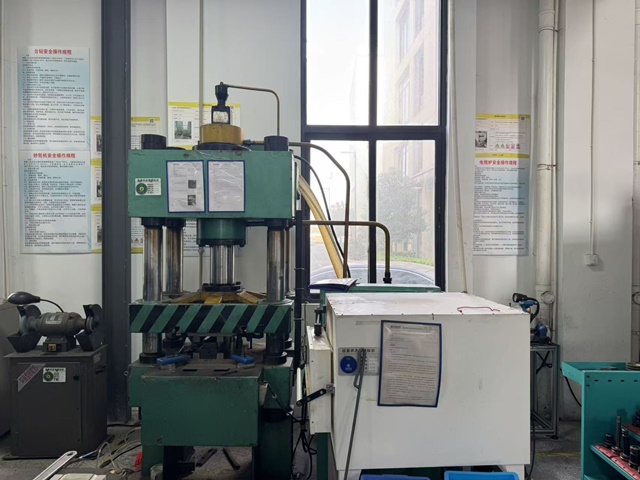
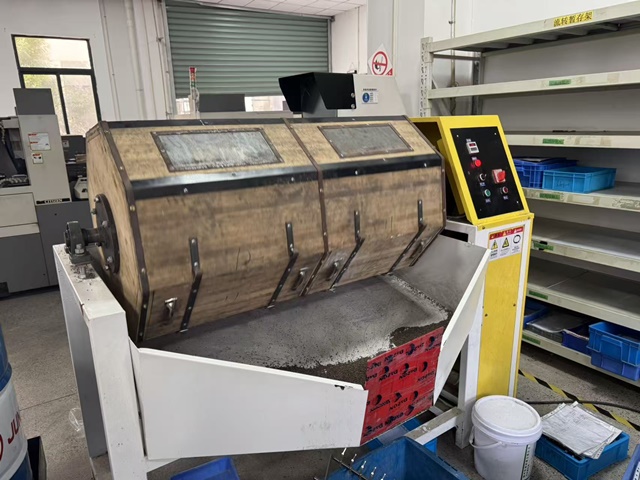
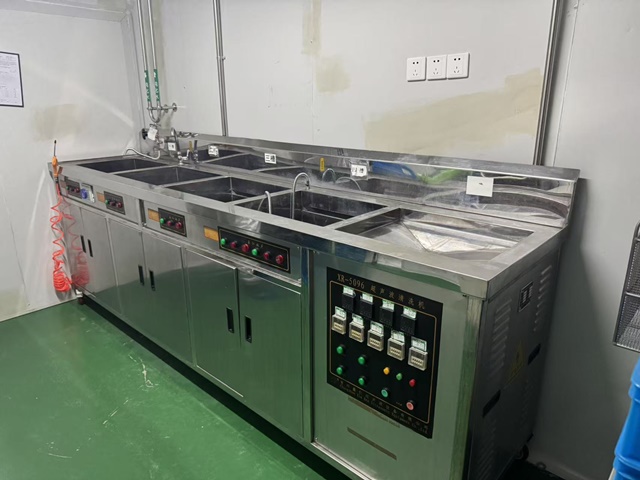
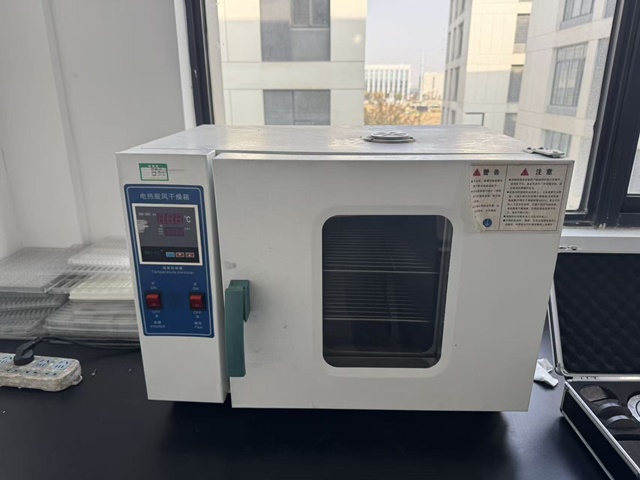
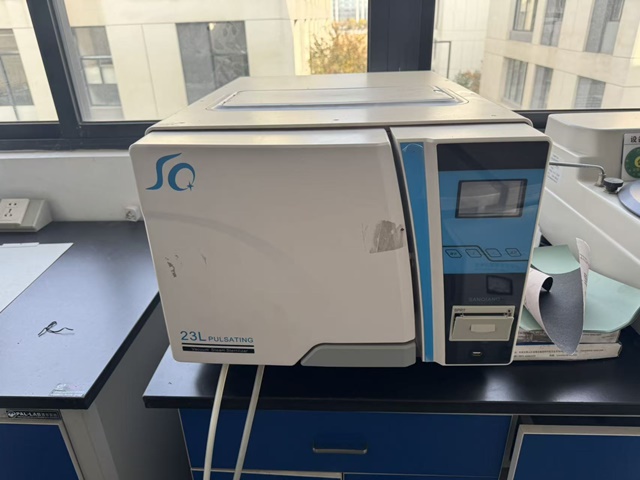
High-precision Swiss lathes, HAAS CNC machining centers, and comprehensive mechanical validation facilities.
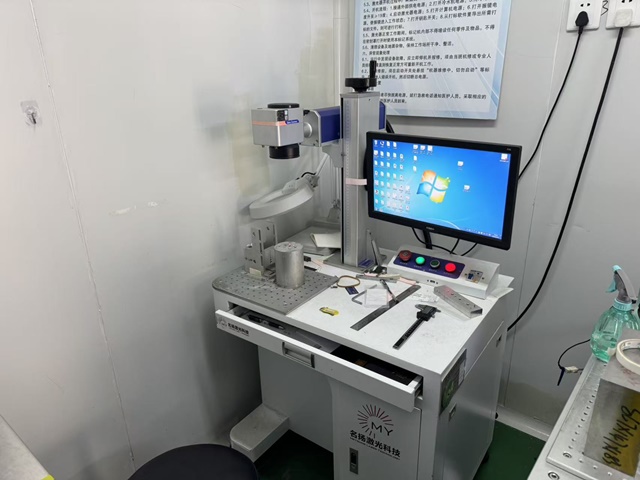
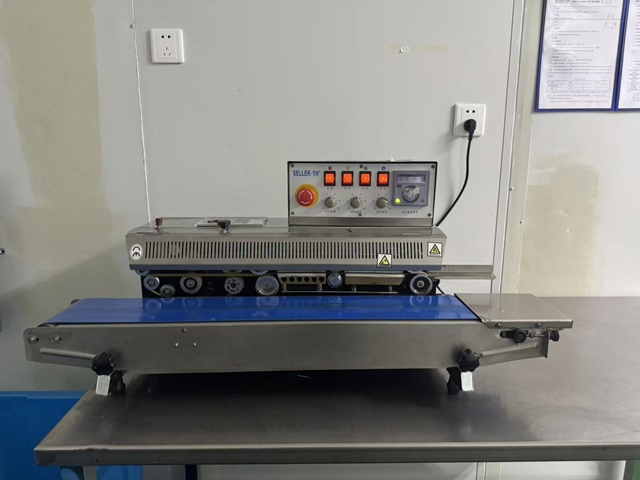
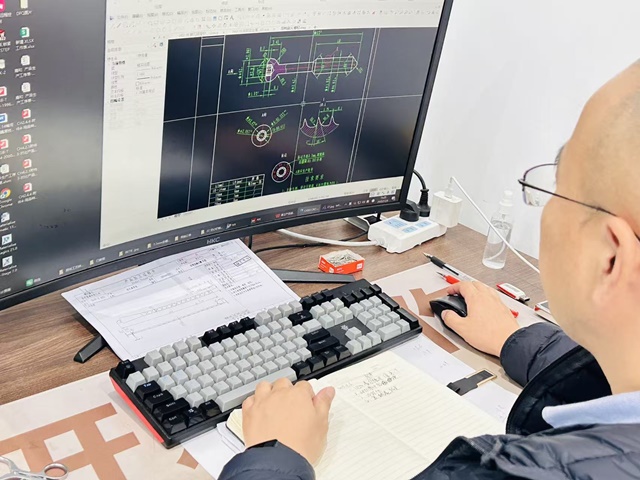
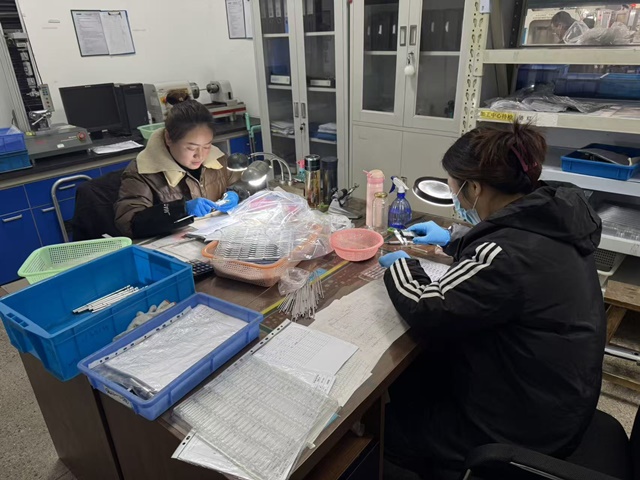
Comprehensive product portfolios optimized for structural bone reconstruction, mechanical load-bearing, and minimal invasive access.
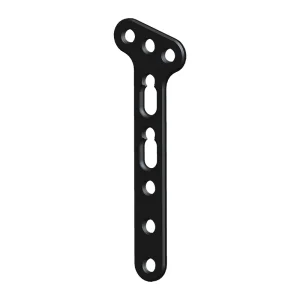
Our titanium plate systems cover orthognathic, midface, and reconstructive mandibular surgery. Locking plate options ranging from 1.0mm (micro-profile) up to 2.4mm (reconstruction grade) provide reliable rigid fixation. Screws are designed with high-torque cross-slots or hexalobe recesses to reduce driver slippage.
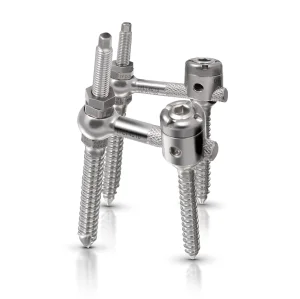
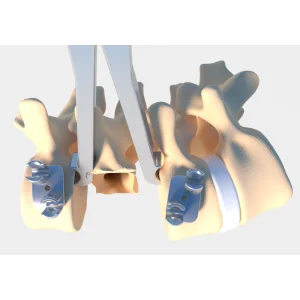
For spinal trauma, we manufacture side-opening pedicle interventional screw sets, TLIF cages, and interspinous spacers. These systems maintain disc height, restore lordosis, and limit translation under complex physical loads.
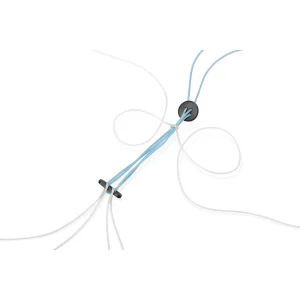
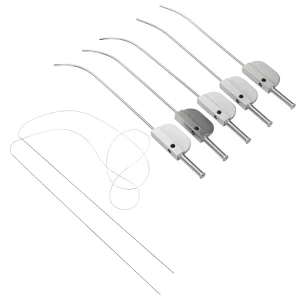
With arthroscopic knee repair in mind, we supply high-strength UHMWPE meniscal repair needles and sports medicine cutting blades. Precision machining ensures sharp cutting geometry, shortening recovery curves in ACL reconstruction.
Innovation coordinates driven by Osteora's 85-member R&D engineering core.
Developing copolymer blends (PLLA-PDLA) for pediatric craniofacial fractures. These absorbable structures provide temporary mechanical support and dissolve gradually, eliminating secondary removal operations.
Refining Direct Metal Laser Sintering (DMLS) integration with CAD/CAM suites, allowing direct clinical-to-production processing for highly complex orbital and cranial vault defects.
Pioneering silver-ion and antibiotic-eluting surface layers on orthopedic titanium plates to lower surgical-site infection rates in compound trauma cases.
Expert technical insights regarding material specifications, design configurations, and supply chain questions.
Browse our broader range of arthroscopic, spinal, and trauma systems certified for international medical markets.