Osteora
Osteora
Osteora
Explore our core trauma fixation assemblies and spinal stabilization systems engineered to meet rigid ISO standards for globally certified clinical applications.
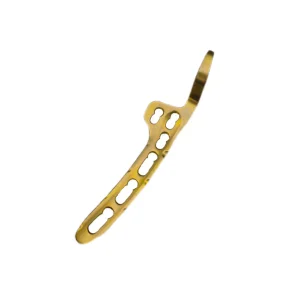
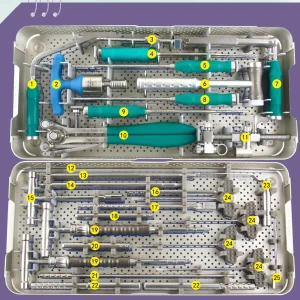
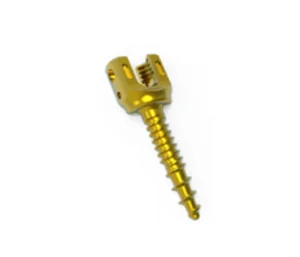
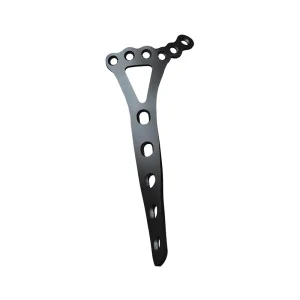
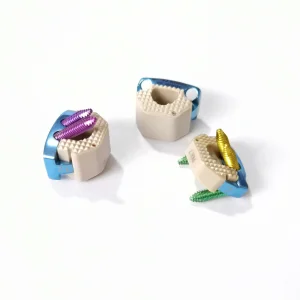
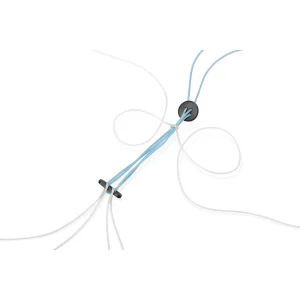
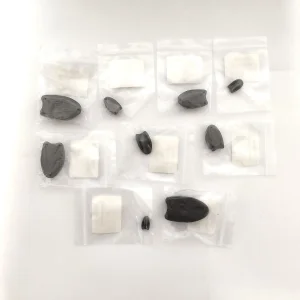
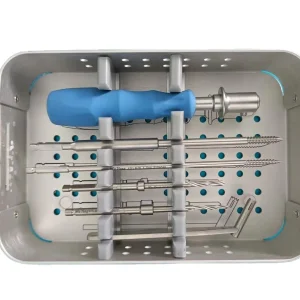
Osteora Medical Devices Co., Ltd. stands as a premier global manufacturer and specialized exporter of high-grade orthopedic implants and precise surgical solutions. Under our flagship brand Osteora, we have committed ourselves to resolving complex anatomical trauma, spinal anomalies, and joint reconstruction needs with unparalleled accuracy and mechanical reliability.
Founded in 2016, Osteora has pioneered advanced surgical manufacturing within a state-of-the-art facility extending over 18,500㎡. We integrate our in-house R&D, precision metal stamping, high-tolerance CNC machining, and automated cleanroom packaging under one unified ecosystem. Backed by 12 years of core industry expertise and 8 years of professional medical export operations, we serve as the vital link between advanced biomechanics and clinical success for healthcare systems globally.
Recognizing the complex biomechanical demands of periarticular fractures and severe joint instability, Osteora specializes in advanced Hybrid External Fixation Systems. By blending the superior stability of traditional circular (Ilizarov) frames with the rapid ease-of-application characteristics of unilateral pin configurations, we offer trauma surgeons a hybrid framework optimized for distal and proximal tibia fractures, pilon reconstructions, and complex osteotomies. Our solutions provide high-rigidity bone stabilization while preserving soft-tissue viability and fostering controlled micro-motion key to distraction osteogenesis.
A biomechanical comparative analysis of modern ring-unilateral fixation frameworks in highly complex trauma and limb reconstruction surgeries.
Complex periarticular fractures, particularly tibial plateau and tibial pilon fractures, pose significant challenges due to minimal soft-tissue coverage and the high risk of post-traumatic arthrosis. Unilateral external fixators, while simple to apply, may generate eccentric loading profiles that risk construct collapse or angulation under physiological stress. Conversely, full Ilizarov circular frames offer outstanding multidirectional stability but require extensive learning curves, higher assembly times, and can be cumbersome for the patient.
Hybrid External Fixators bridge this clinical gap. By positioning a highly tensioned wire-bearing circular ring segment around the small articular fragment and joining it to a rigid unilateral rod or bar along the diaphysis via connection rods, the hybrid design guarantees rigid axial alignment without compromising the periosteal blood supply. Biomechanical tests indicate that hybrid models using titanium alloy rings and carbon-fiber composite rods exhibit optimal elastic deformation, which encourages natural callus formation and accelerates mechanical recovery times.
At Osteora, we understand that surgical efficacy is inextricably linked to raw material integrity. Our hybrid external fixators utilize biocompatible titanium alloys (Gr5 / Ti-6Al-4V ELI) and high-grade medical carbon fiber composites. Titanium provides an ideal strength-to-weight ratio, high fatigue resistance, and absolute biocompatibility, reducing the incidence of pin-tract infections and implant rejection. Additionally, our carbon fiber rings provide exceptional radiolucency, allowing surgeons to execute unobstructed intraoperative fluoroscopy and post-operative radiographic assessments to track real-time bone consolidation.
Operating under strict Quality Management Systems, ensuring every implant undergoes dimensional, mechanical, and bio-burden validations.
An in-house R&D engine composed of 85 orthopedic engineers designing modular systems for quick intraoperative customization.
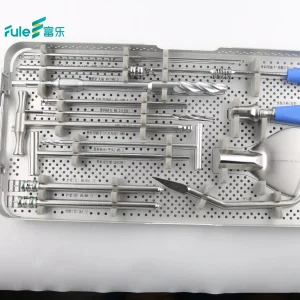
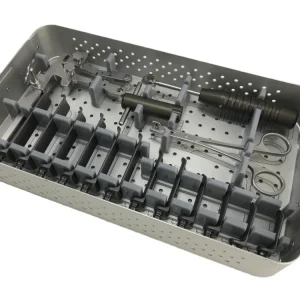
Customization from conceptual blueprints to volume production, including material variation, proprietary labeling, and custom instrument kits.
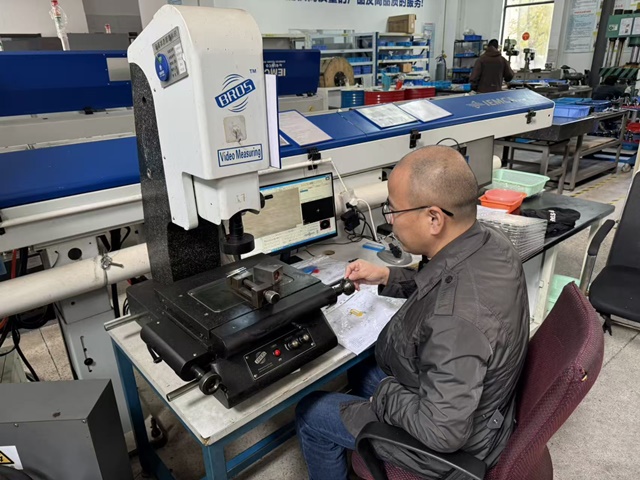
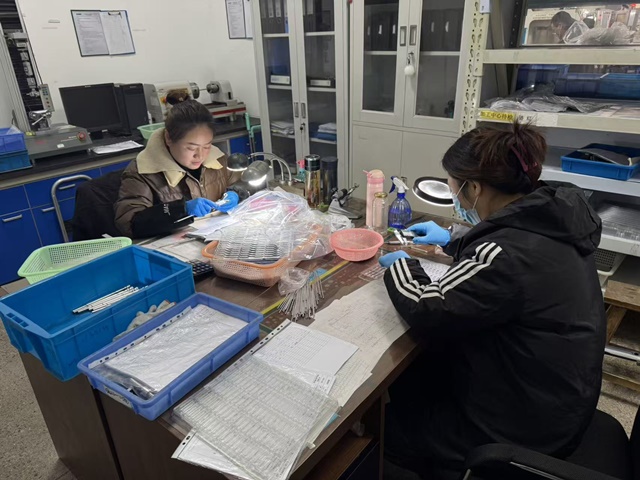
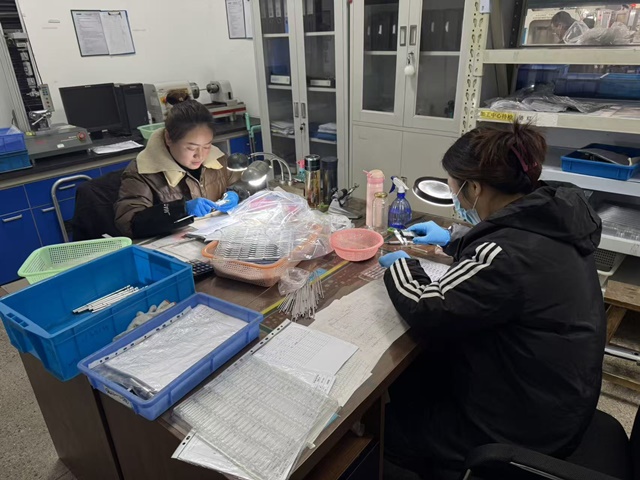
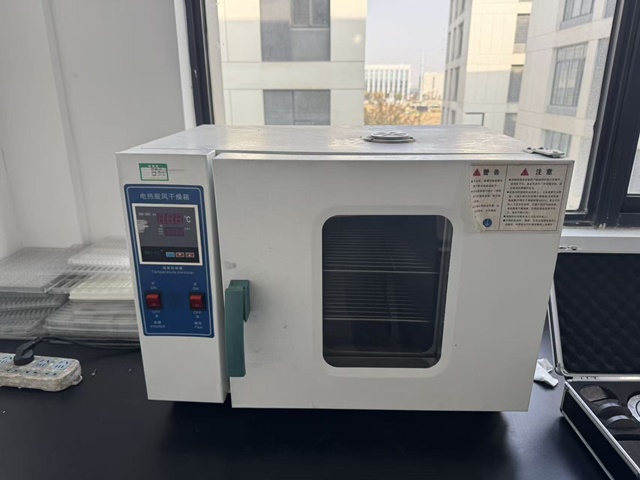
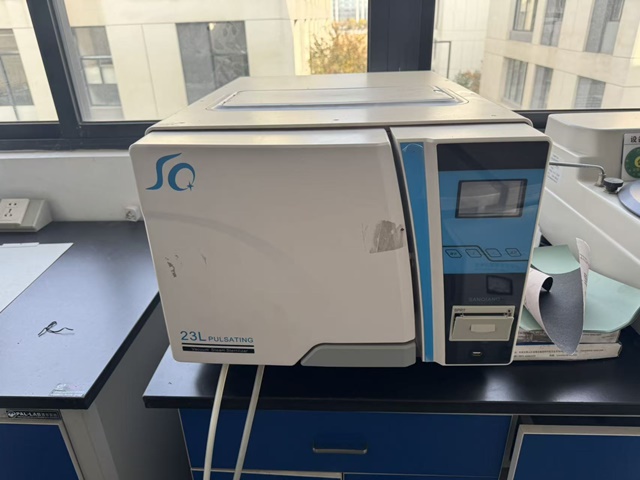
A closer look inside our 18,500㎡ facility, detailing the raw material tracking, Swiss-type CNC machining, and fatigue testing operations.
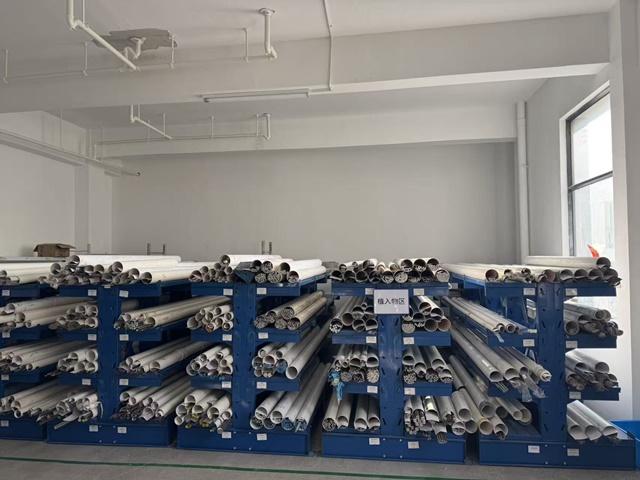
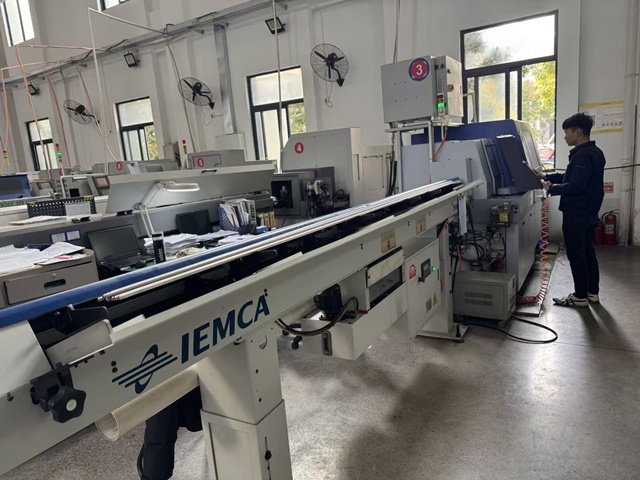
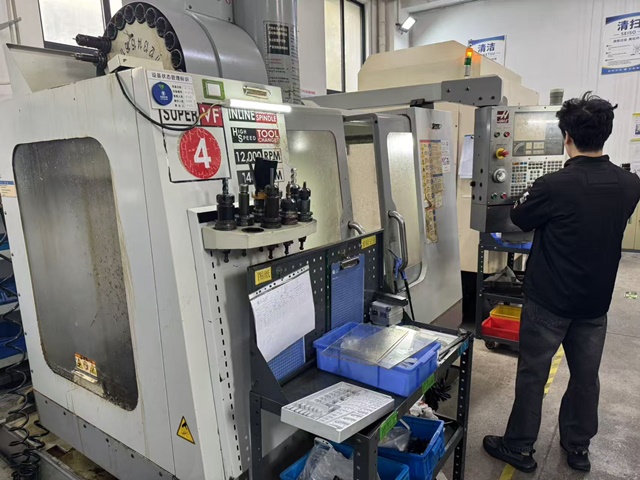
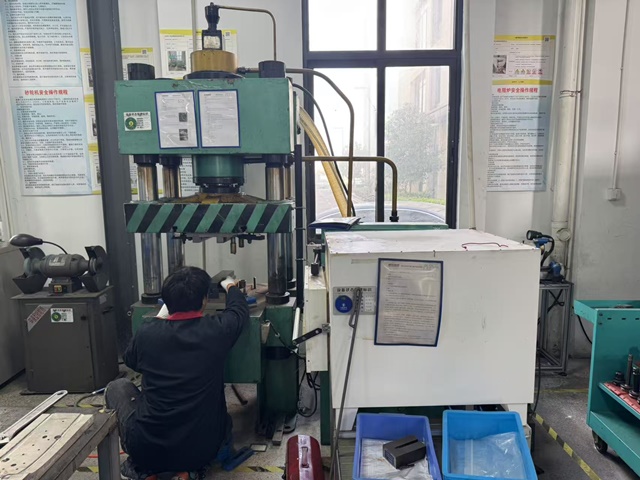
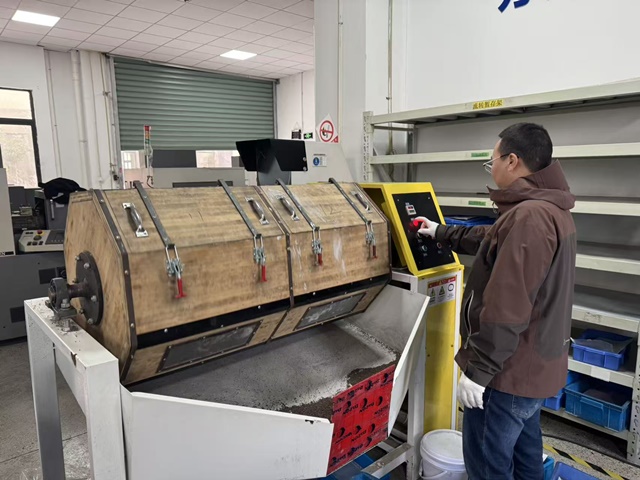
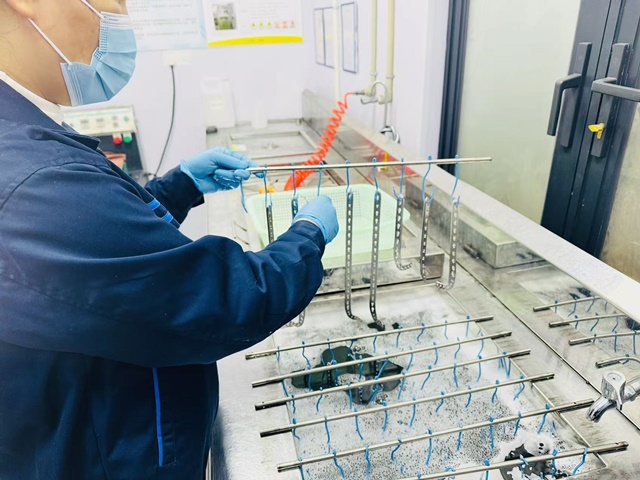
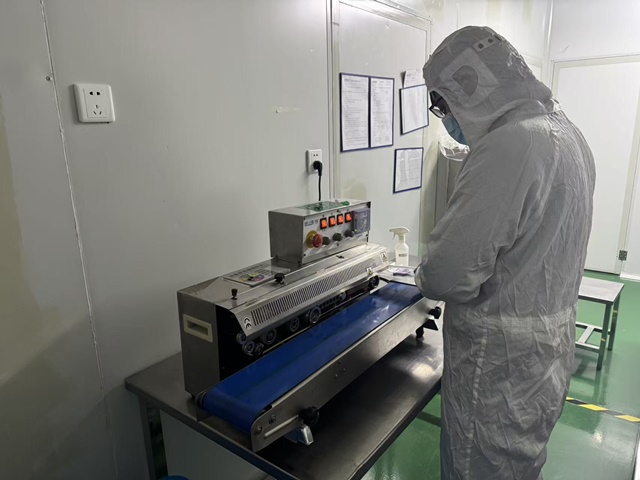
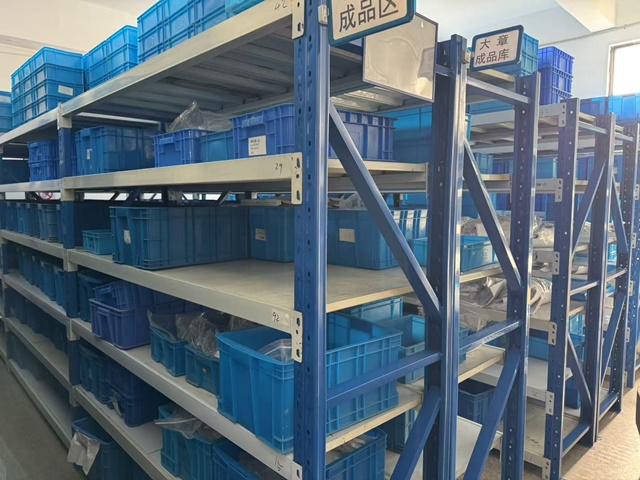
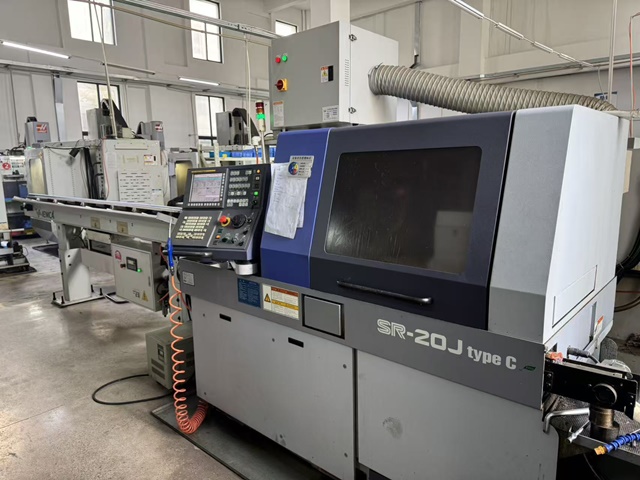
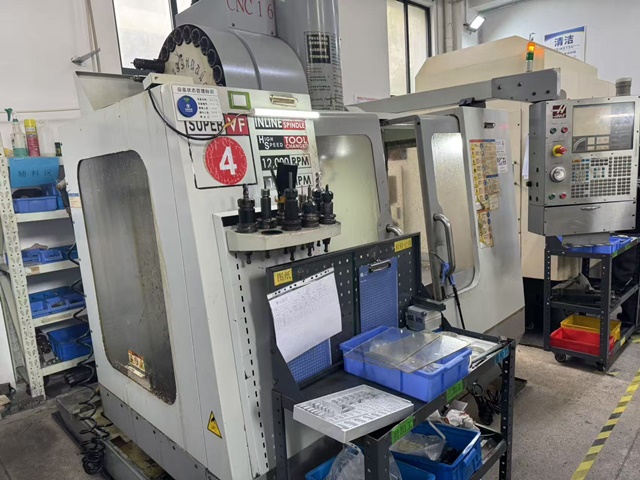
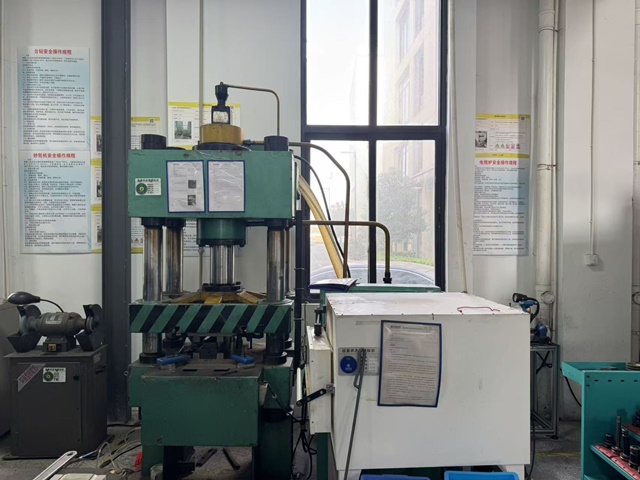
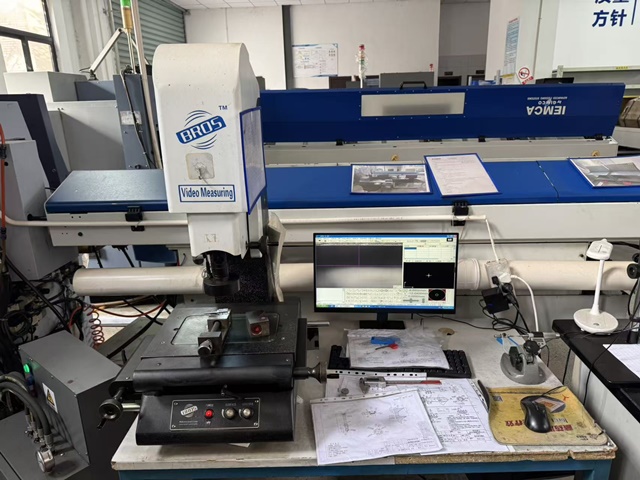
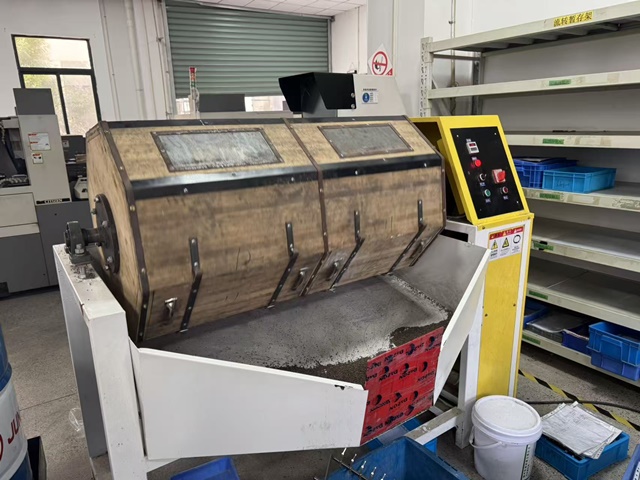
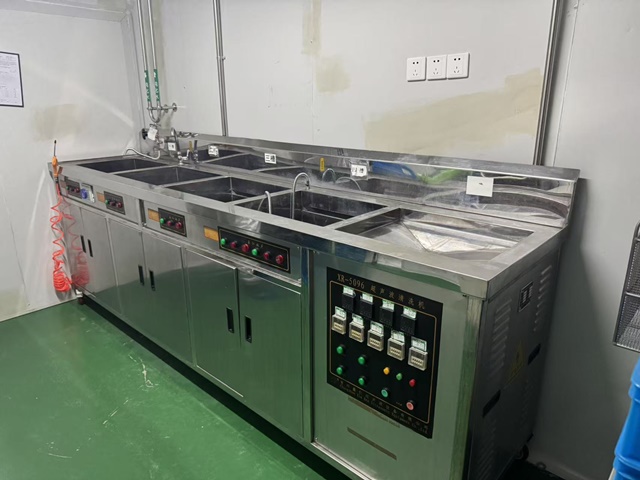
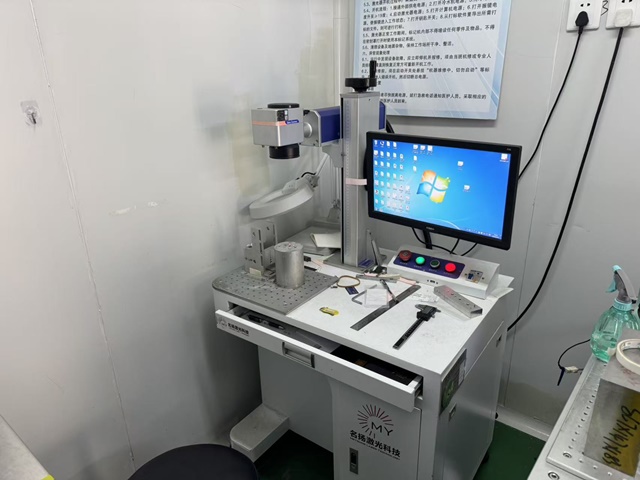
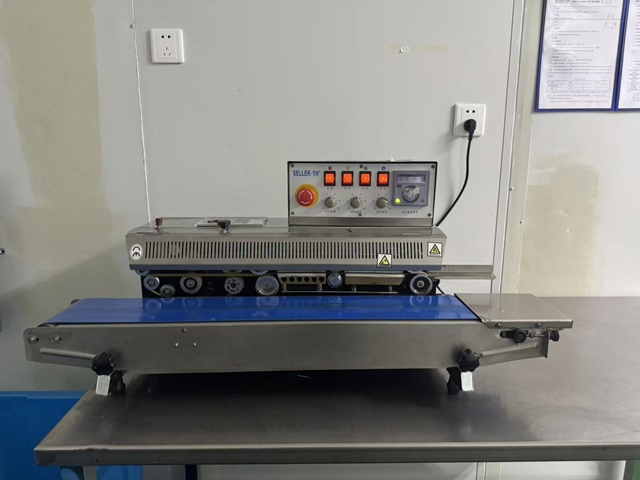
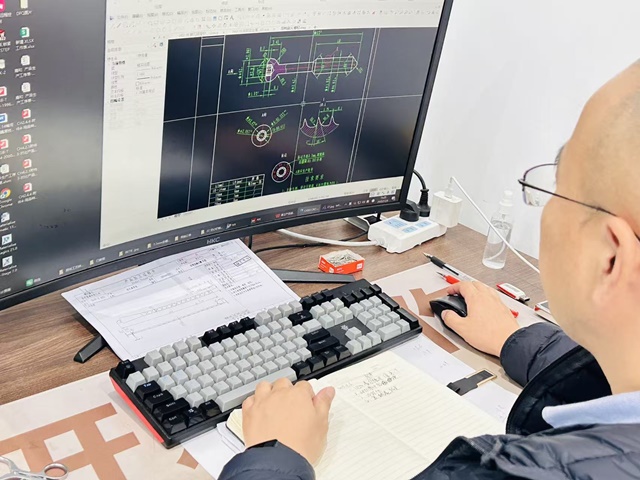
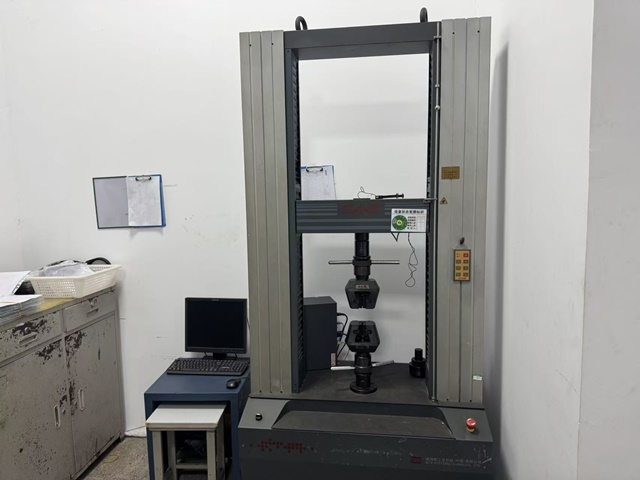
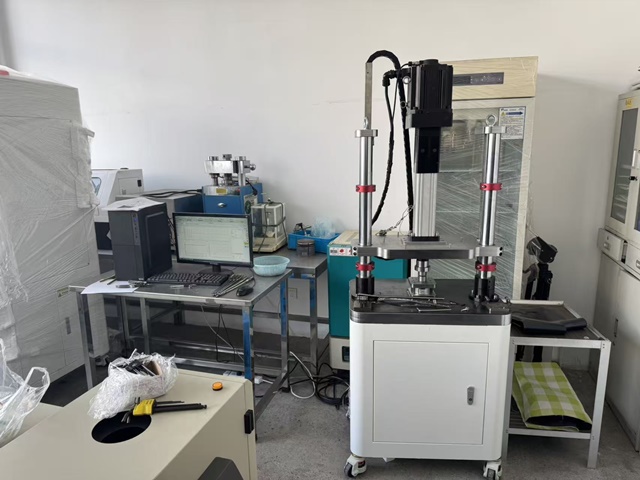
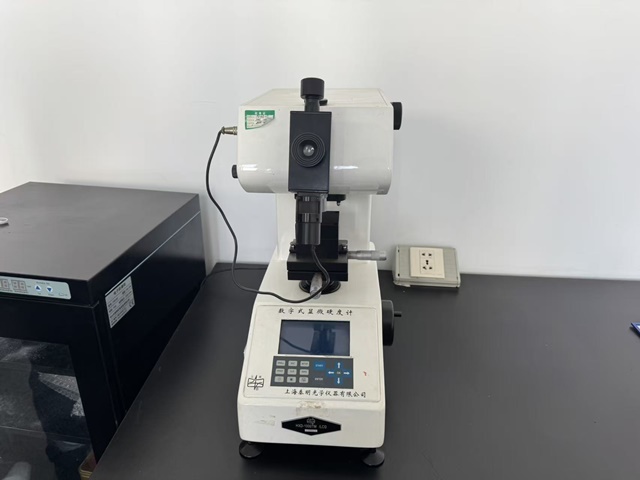
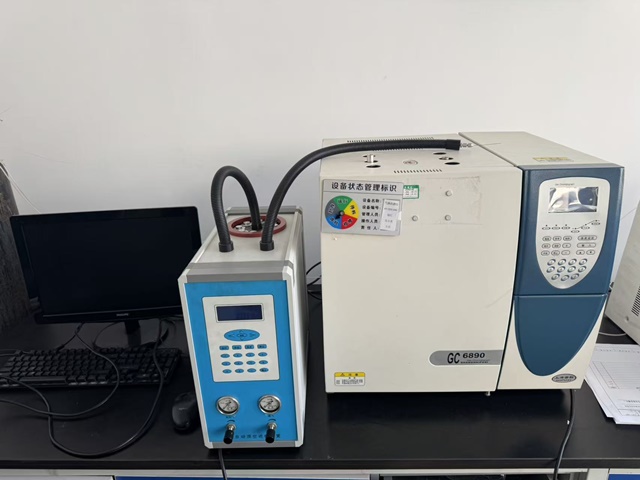
The global demand for high-strength external fixation mechanisms has risen sharply, driven by high-velocity motor vehicle accidents and the increasing focus on limb-salvage surgery over amputation. As global supply chains face disruption, Osteora offers stability. Our strategic integration of over 1,200 certified upstream and downstream partners ensures constant access to raw biocompatible metals, specialized medical carbon structures, and rapid tool-making services.
Exporting to key regions including Europe, Southeast Asia, the Middle East, and South America, Osteora has optimized international shipping and customs clearing workflows. We maintain compliance with local regulations, supporting smooth import documentation, clean registration dossiers, and reliable logistics timelines. Our annual export ranges from USD 6 million to 14 million, serving orthopedic trauma hospitals and regional distributors who require a continuous supply of implants.
Every medical market possesses specific clinical preferences and regulatory requirements. Our 85-member R&D department actively designs customized solutions tailored to specific anatomical profiles and surgeon techniques. Whether it is adjusting the thickness of a locking plate or designing a hybrid clamp compatible with existing carbon fiber bars, we provide extensive OEM/ODM and private-labeling options.
We deploy rigorous quality procedures to satisfy strict registration benchmarks. Our 42 specialized QC inspectors perform meticulous physical examinations at every manufacturing node: dimensional checking using advanced vision measuring systems, hardness validation using Vickers testing, and material profiling using gas spectrometers. We provide trace certification files with every batch, validating chemical cleanliness, structural fatigue profiles, and sterilization compatibility.
How Osteora is driving research into intelligent external constructs, minimizing postoperative adjustments and streamlining recovery times.
At Osteora, we envision external fixation shifting from static configurations toward adaptive, responsive systems. The future of trauma reconstruction relies on designs that actively contribute to the mechanical and biological microenvironment of healing bone. Below are the key pillars of our technical development roadmap:
We are researching bioactive coatings (such as hydroxyapatite and silver-ion implants) for our hybrid fixator half-pins and Kirschner wires. Pin-tract infection remains a common complication in prolonged external fixation. By combining antimicrobial surfaces with bio-conductive treatments, we plan to lower infection rates and optimize bone-to-pin interfaces, particularly in compromised osteoporotic bone structures.
By using carbon-fiber-reinforced polyetheretherketone (CFR-PEEK) and advanced titanium meshes, we are working to reduce the weight of our current hybrid fixator designs. A lighter fixator enhances patient comfort and mobility while offering superior mechanical performance, allowing controlled dynamic axial loading to promote earlier callus formation.
As virtual surgical planning becomes a standard in orthopedic correction, Osteora is integrating CAD-modeled templates directly with our manufacturing floor. Surgeons can upload CT scans of complex deformities, allowing our engineers to manufacture custom hybrid templates and wire angles. This reduces intraoperative trial-and-error, lowering tourniquet times and improving reconstructive accuracy.
Key information regarding ordering, material composition, mechanical certification, and surgical application guidelines.
Hybrid external fixators reduce installation complexity by replacing the proximal or distal ring assemblies with a straight unilateral bar where anatomy permits. This results in shorter operative times, less weight for the patient, and fewer pin insertion sites, while maintaining rigid multi-planar stability around the articular block through the use of tensioned fine wires.
We use high-tensile Titanium Alloy (Ti-6Al-4V ELI) complying with ASTM F136 standards for all implant components. For rings and connecting rods, we also offer medical-grade carbon-fiber composite materials, which guarantee absolute radiolucency for clear intraoperative fluoroscopic checks.
Our Quality Assurance program includes incoming raw material evaluation via gas spectroscopy, in-process dimensional tolerance auditing via digital vision systems, and final mechanical load and fatigue testing. Our team of 42 QC inspectors ensures every batch of Class III implants complies with ISO 13485 requirements prior to release.
Yes. Supported by 85 R&D engineers, we provide complete ODM/OEM services including design modifications, size adjustments, material substitutions, and private-label packaging. We can also customize matching surgical instrument kits to align with your local clinical requirements.
For standard implant lines, we maintain stable inventory levels. Custom or bulk configurations generally have a manufacturing cycle of 30 to 45 days. We coordinate directly with global medical logistics networks to secure reliable air and sea delivery channels to Europe, South America, Asia, and the Middle East.
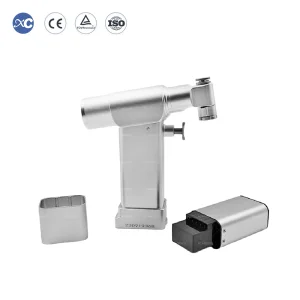
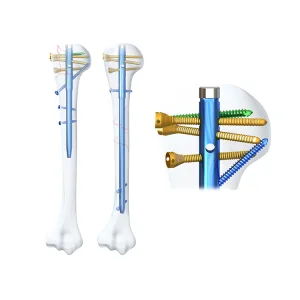
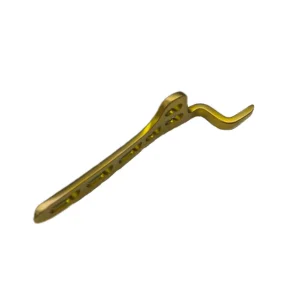
Explore our high-performance oscillating saws, precision intramedullary nails, and anatomical plating structures engineered for trauma procedures.