Osteora
Osteora
Osteora
Explore our clinical-grade implant portfolios configured for advanced fracture fixation, surgical efficiency, and optimized biomechanical stability.
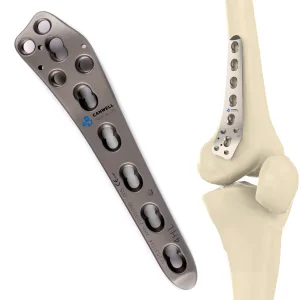
In modern traumatology, the management of humeral shaft fractures, proximal humeral non-unions, and pathological lesions demands fixation systems that strike a delicate balance between mechanical rigidity and biological preservation. Traditional open reduction and internal fixation (ORIF) with plating, though anatomically precise, frequently exposes patients to soft-tissue devitalization, increased risk of radial nerve palsy, and periosteal stripping. Consequently, humeral intramedullary nailing (IMN) has emerged as the premier biomechanical solution for internal splinting, utilizing load-sharing mechanics that allow early functional rehabilitation.
Clinical Advantage: Humeral intramedullary nails are aligned along the mechanical axis of the humerus, thereby minimizing bending moments. The torsional rigidity combined with guided axial compression facilitates secondary bone healing through callus formation, presenting a far lower rate of stress shielding compared to rigid bone plates.
As healthcare systems worldwide focus on clinical efficiency and cost containment, sourcing humeral nails from certified Chinese manufacturers has shifted from a cost-reduction tactic to a strategic supply chain alliance. The integration of high-precision Swiss-type CNC machining, advanced anodization protocols, and rigorous mechanical validation under ISO 13485 enables top-tier Chinese manufacturers to supply implants that meet or exceed Western regulatory expectations, ensuring clinical safety and reliable patient outcomes.
The biomechanical environment of the upper extremity differs fundamentally from lower limb trauma. While lower extremity nails focus primarily on weight-bearing axis compressive forces, humeral nails must withstand multidirectional torsional stresses, rotational instability, and distraction forces during active arm movement. To solve these dynamic challenges, the R&D pathways at Osteora Medical focus on three core pillars:
Micro-motions at the nail-screw interface can cause mechanical failure. Our next-generation humeral nails incorporate polyaxial locking options and distal thread-capturing sleeves to eliminate screw back-out, crucial for elderly patients with osteoporotic bone.
We are advancing anodization processes to create structured titanium oxide micropores (Type II Anodization). This increases fatigue resistance under cyclic bending stress while reducing bacterial adhesion and optimizing osteointegration.
In cooperation with global surgical centers, we are designing electromagnetically guided targeting instruments that bypass standard fluoroscopy. This reduces surgeon radiation exposure and cuts distal locking locking times by 40%.
Orthopedic clinics and medical distributors face mounting pressures: clinical demand is rising, yet procurement budgets are squeezed by national tender schemes (such as the VBP system in China and DRG billing frameworks globally). Osteora provides a vertically integrated trauma portfolio designed to lower Total Cost of Ownership (TCO) without compromising clinical efficacy.
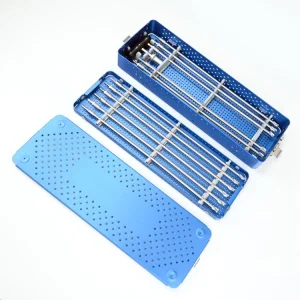
By supplying comprehensive instrumentation kits that accommodate both antegrade and retrograde surgical approaches, we reduce the inventory footprint of surgical centers. Furthermore, our titanium intramedullary nails are structurally designed for anatomical versatility, allowing a single nail design to cover right and left extremities simply by rotating the proximal targeting guides. This streamlines hospital inventory management, shortens the sterilization cycle between cases, and eliminates surgical preparation confusion.
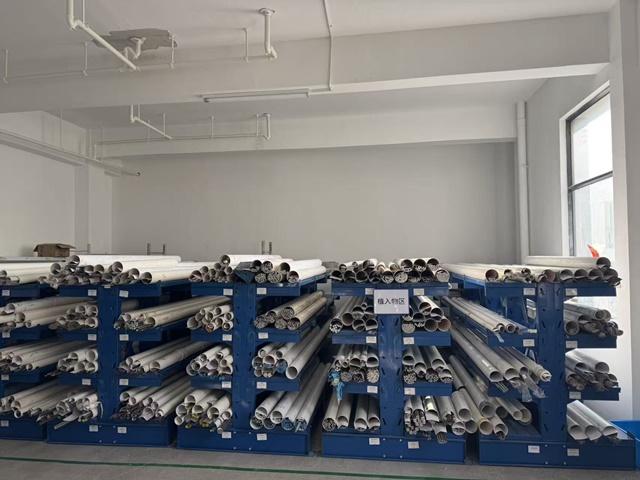
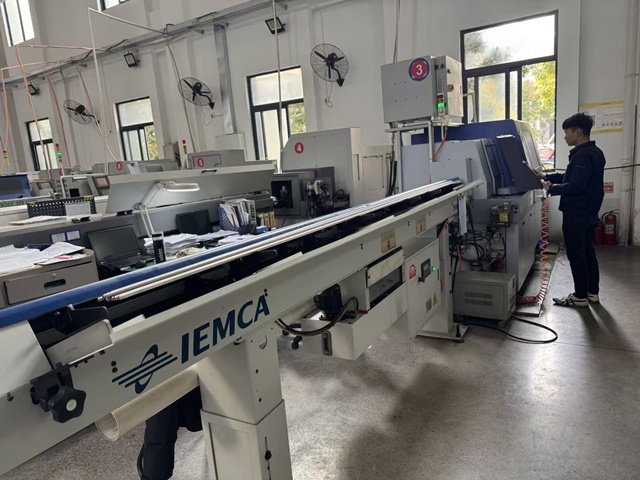
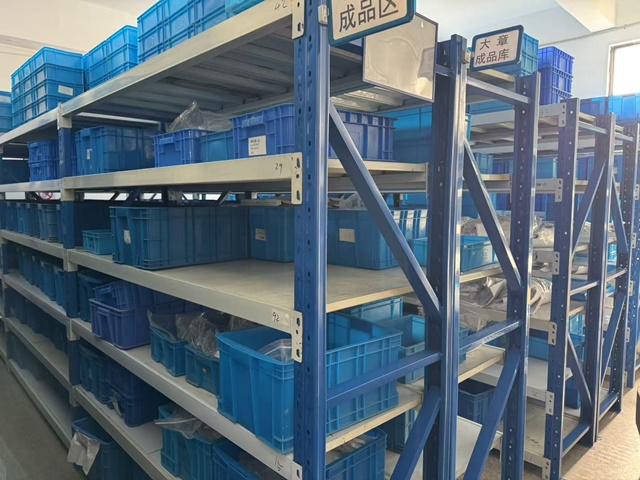
Inside Osteora's 18,500㎡ state-of-the-art facility, advanced machinery and strict process flows ensure medical device conformity.
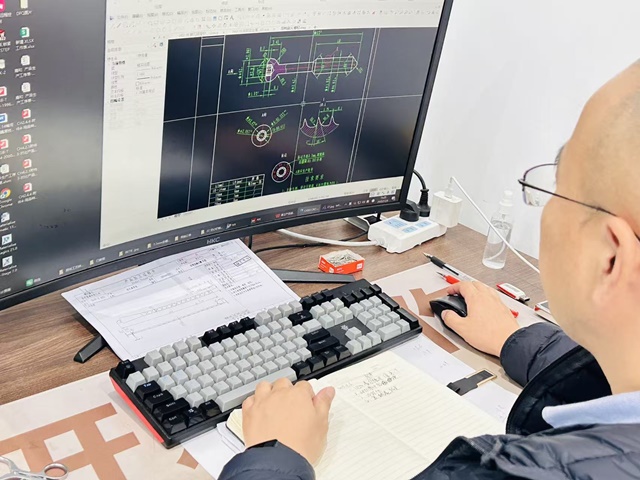
Production reliability in orthopedic trauma relies on consistency. A fluctuation of 0.02mm in the inner diameter of an intramedullary nail can lead to guide-wire jamming or intraoperative nail splitting. To mitigate these risks, Osteora has invested heavily in digital manufacturing infrastructures, operating a robust supply network of 1,200 certified upstream and downstream partners to guarantee stable access to medical-grade titanium alloys (ASTM F136 Ti-6Al-4V ELI).
Our workshop floor integrates CNC Swiss-type lathes and high-speed HAAS CNC machining centers, delivering consistent tolerance controls. Raw bars are transformed into polished, micro-grooved nails within a continuous automated process, minimizing human handling and particulate contamination.
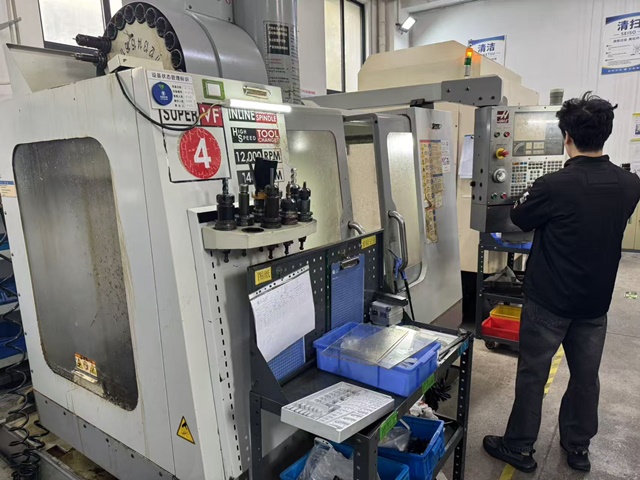
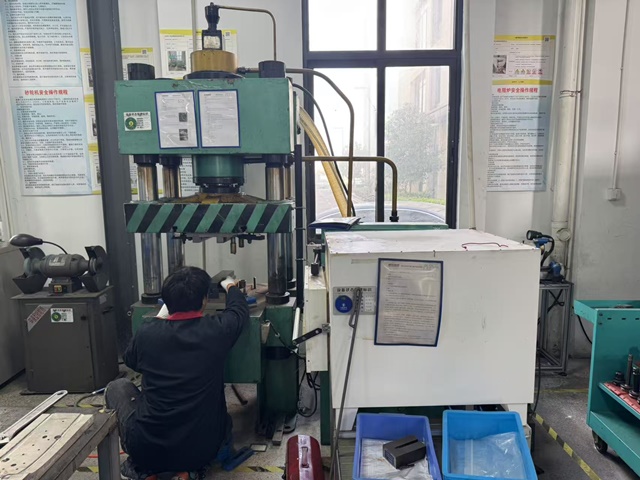
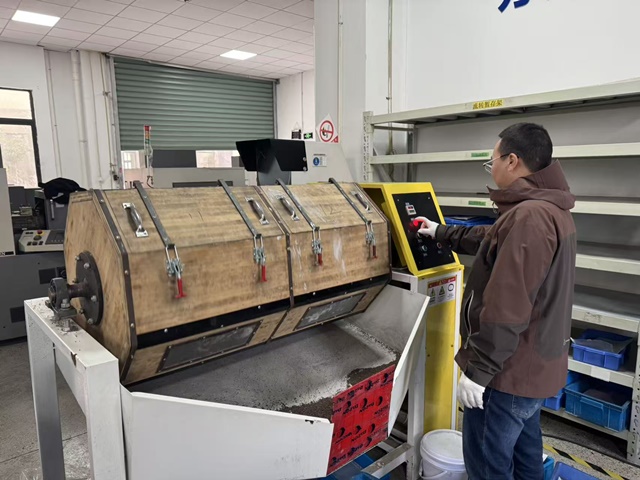
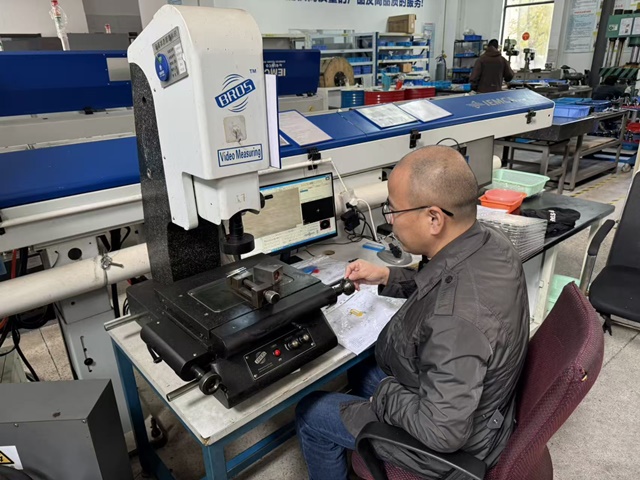
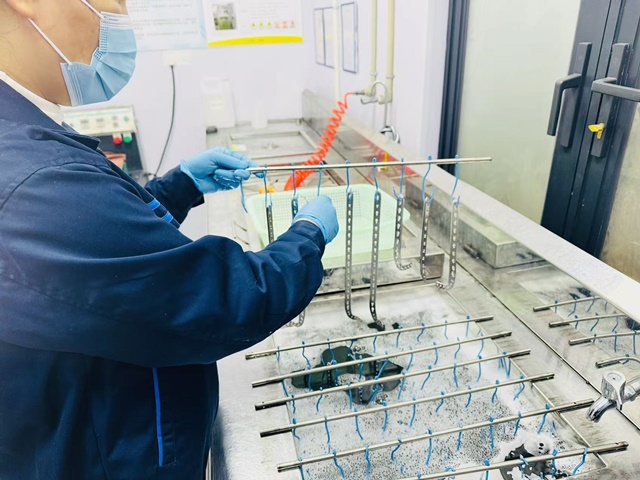
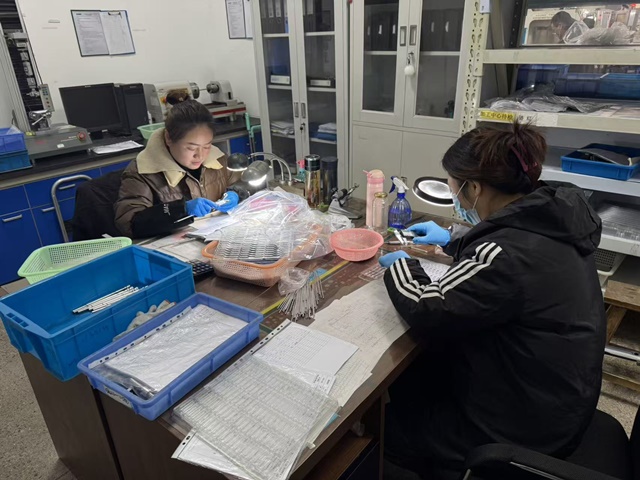
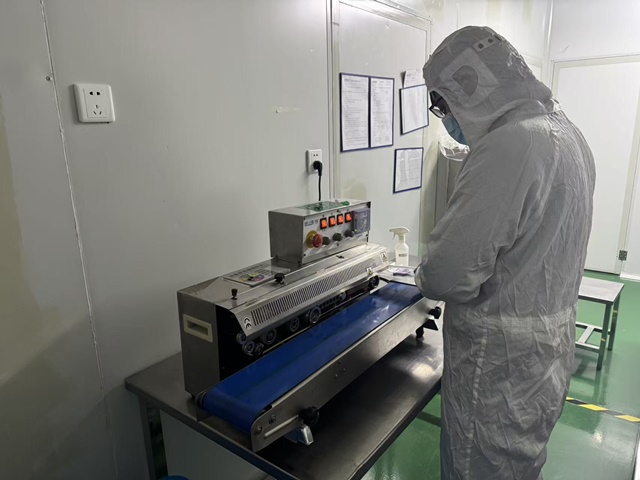
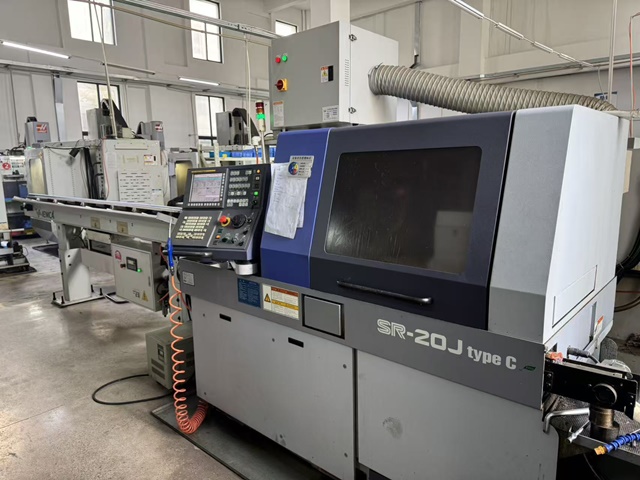
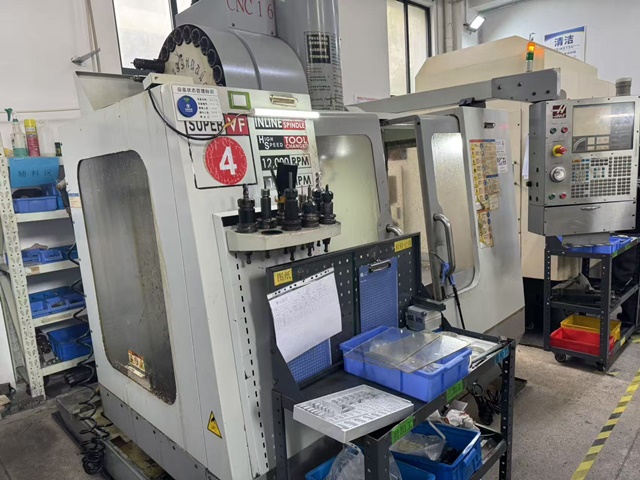
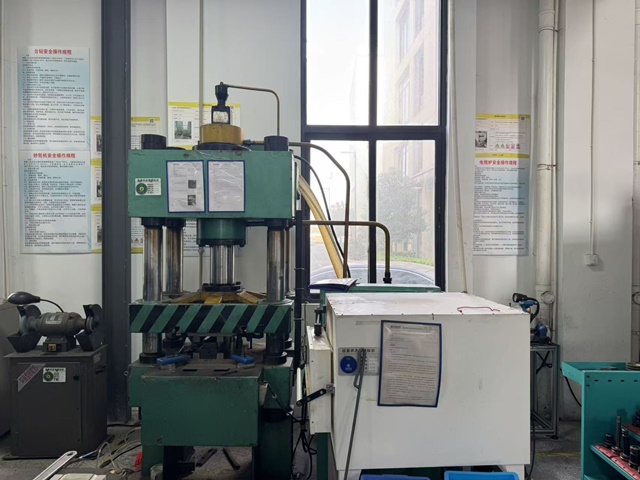
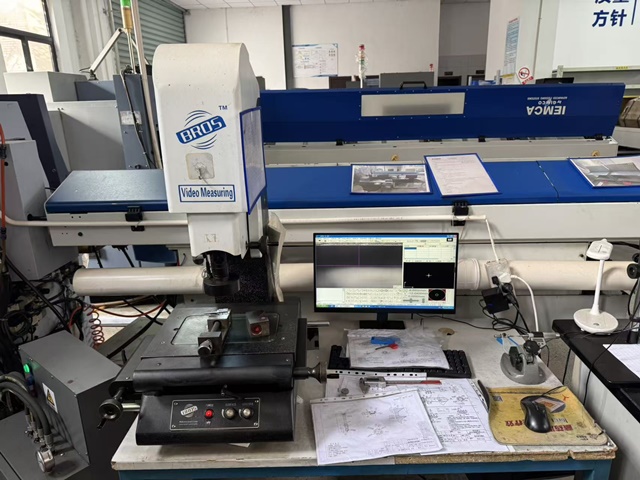
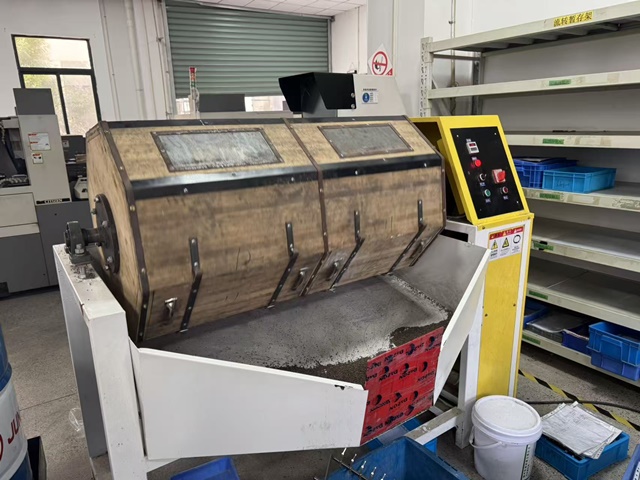
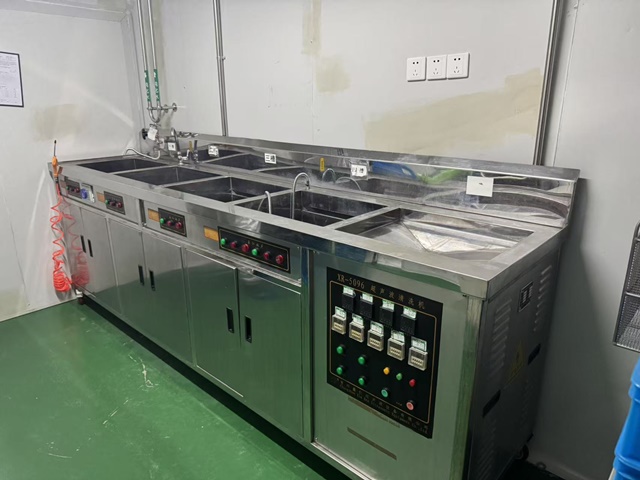
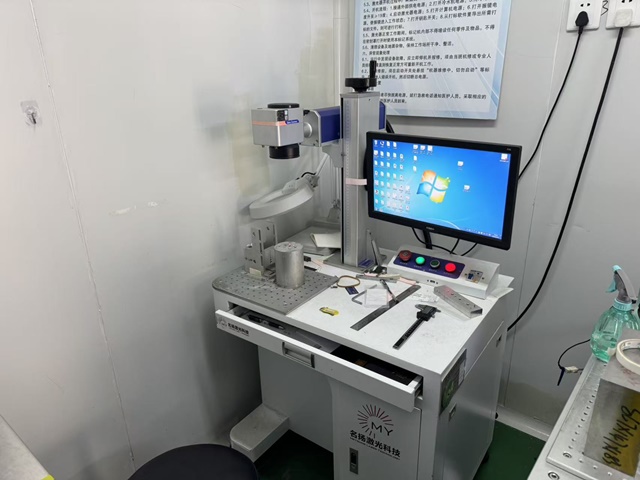
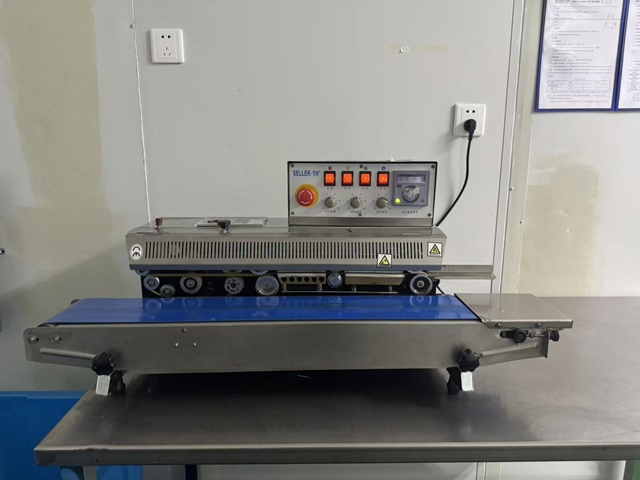
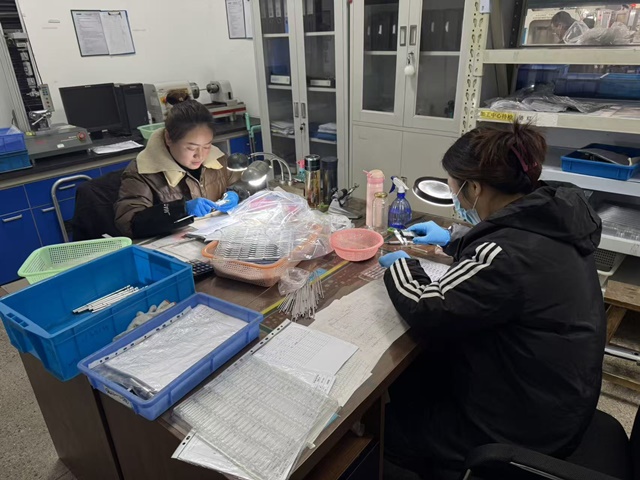
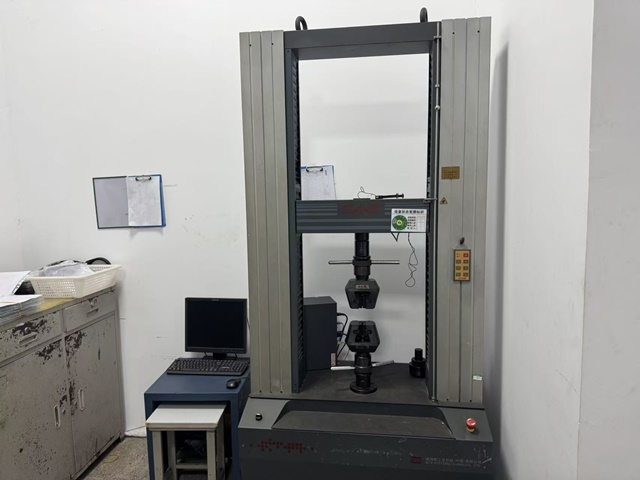
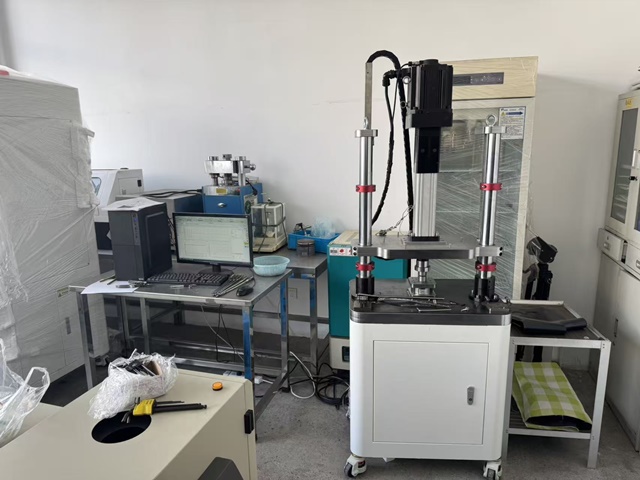
To support global medical registration (including CE, FDA, and ANVISA), trauma implants must undergo structural validation testing. Osteora utilizes a 42-inspector quality control team operating in ISO 7 cleanrooms, utilizing specialized equipment to ensure each production lot satisfies international medical standards.
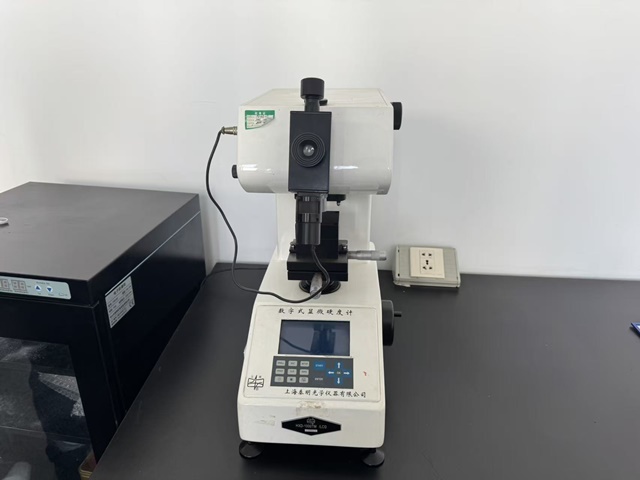
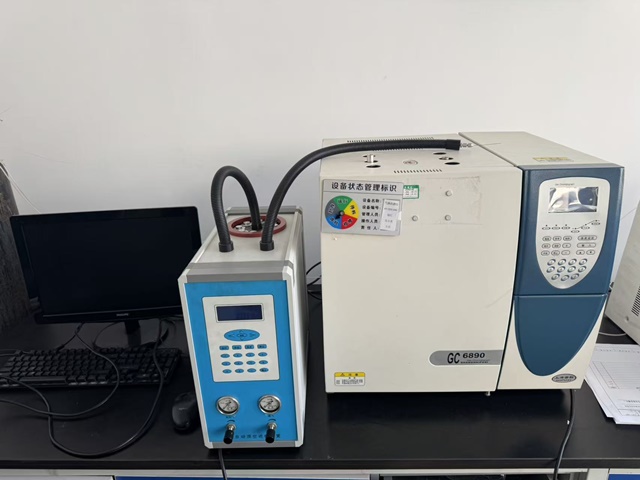
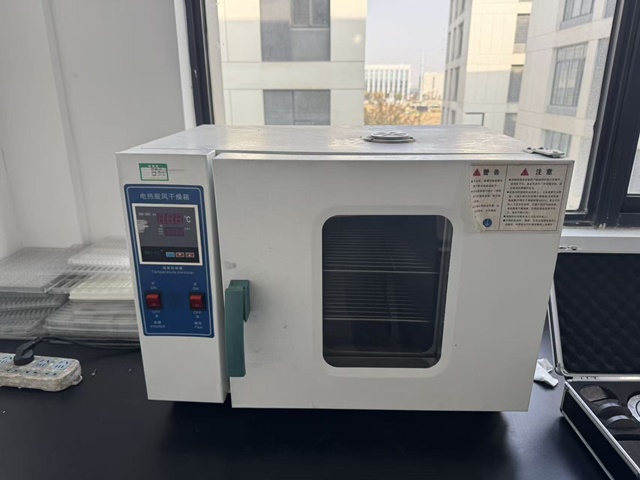
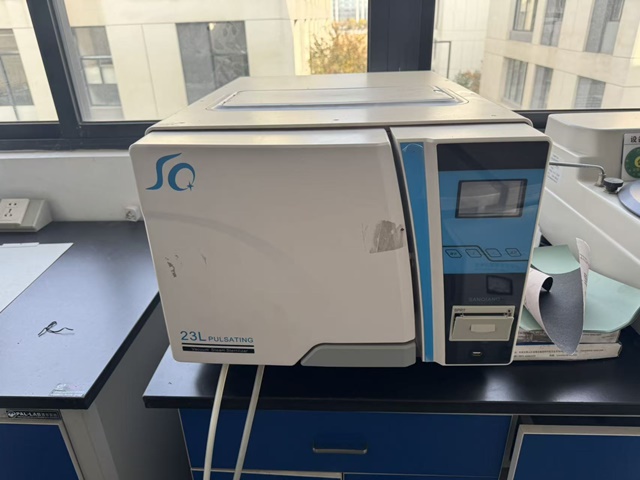
Entering international orthopedic markets requires more than high manufacturing capabilities; it demands deep regulatory expertise. Over the past 8 years of export operations, Osteora has assisted distributors in over 40 countries to secure local health authority registrations.
Whether you require complete CE technical documentation files (under EU MDR 2017/745), STED dossier profiles, biocompatibility certifications (ISO 10993 series), or cleanroom validation reports, our specialized regulatory affairs division provides quick documentation compilation. This limits market entry bottlenecks, ensuring your import operations remain compliant and cost-effective.
As a leading Chinese orthopedic exporter with annual revenues between USD 6 million and 14 million, we recognize that every market has unique anatomical profiles and clinician preferences. Osteora offers comprehensive OEM/ODM flexibility to meet these specific demands:
Custom sizing profiles, anatomical curvatures, dynamic locking patterns, and variable locking angles tailored to specific regional population sizes.
We provide full packaging customization, graphic layout designs, laser marking, and sterile double-barrier Tyvek packaging ready for clinical placement.
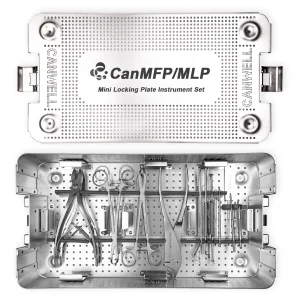
Co-development of targeted surgical instrumentation sets including custom quick-coupling reamers, depth gauges, and alignment jigs.
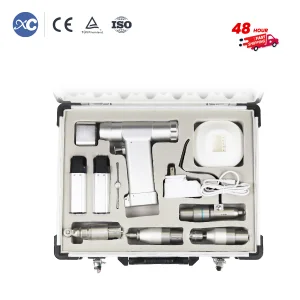
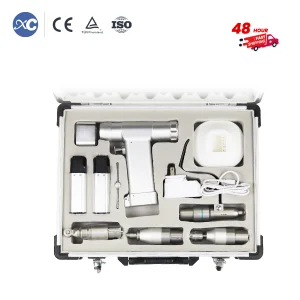
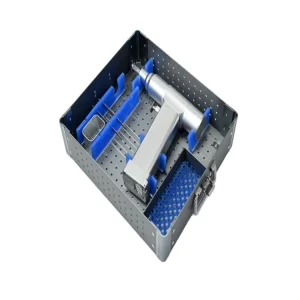
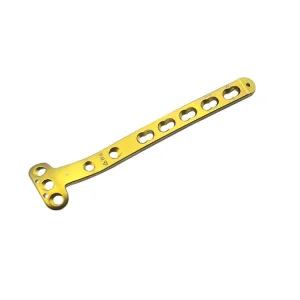
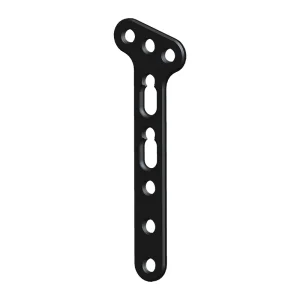
Explore additional trauma implants, instrumentation sets, and surgical motors compatible with our humeral intramedullary systems.
Answers to key clinical, structural, and procurement questions regarding Osteora humeral intramedullary nails.