Osteora
Osteora
Osteora
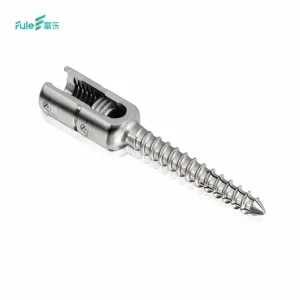
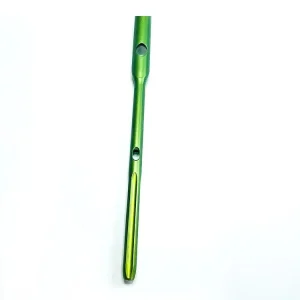
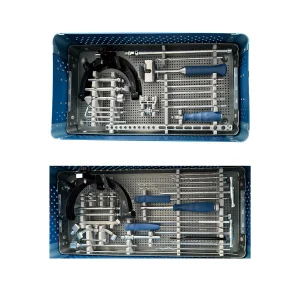
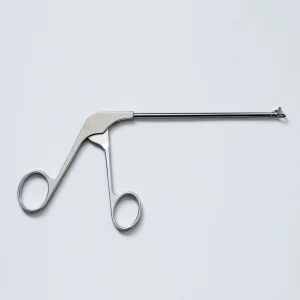
In modern orthopedics, the management of intra-articular and extra-articular small bone fractures demands fixations that provide high compression without compromising soft tissue or cartilage surface integrity. This requirement paved the way for the development of headless compression screws, historically led by the Acutrak design.
The traditional Herbert screw design, featuring a smooth, unthreaded central shaft with varying thread pitches at the ends, offered a historic breakthrough in interfragmentary compression. However, its compression profile was strictly dependent on the depth of insertion and limited by the narrow surface area of the distal thread segment. The modern Acutrak-style headless compression screw utilizes a fully threaded, tapered profile characterized by a continuously variable pitch.
By varying the pitch gradually from the tip to the trailing end, each subsequent thread segment rotates slightly slower than the preceding one. This mechanical variation converts rotational force directly into uniform, linear compression along the entire length of the implant. The absence of a screw head allows the implant to be sunk beneath the articular cartilage surface, mitigating joint impingement, chondrocyte damage, and post-operative articulation complications.
Clinical Insight: In scaphoid and distal radius fractures, where micro-motion can lead to non-union or avascular necrosis, the mechanical continuous compression profile achieved by variable pitch screws accelerates osteogenesis by maintaining stable apposition of bone interfaces under cyclical loading conditions.
The global orthopedic device market is experiencing rapid expansion, driven by aging populations, sports-related trauma, and the continuous evolution of minimally invasive surgery (MIS) techniques. High-precision headless screws are key drivers in this segment, finding applications across trauma units, orthopedic clinics, and specialized sports medicine centers worldwide.
As surgical teams globally require cost-effective, high-reliability alternatives to Western-produced OEM products, leading Chinese manufacturers have stepped forward to fill the gap. Osteora Medical Devices Co., Ltd., since its establishment in 2016, has built a world-class manufacturing operation designed to produce Class III medical implants that meet or exceed traditional Western benchmarks. Supported by a robust network of approximately 1,200 certified partners, China’s orthopedic supply chain offers unparalleled manufacturing efficiency and cost optimization without compromising structural or chemical component integrity.
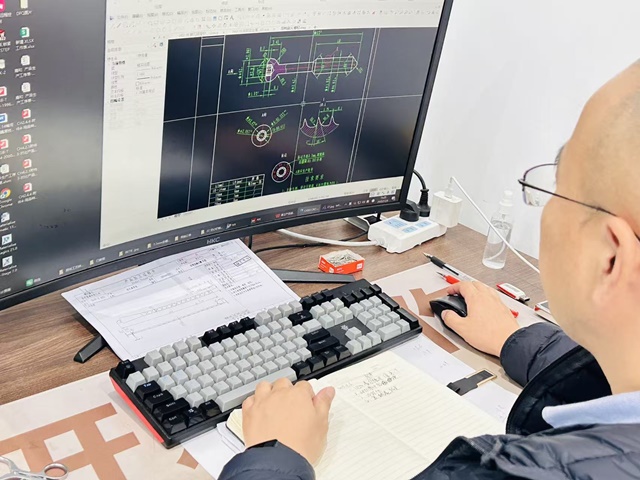
Our design engineering pipeline utilizes advanced computer modeling and finite element analysis (FEA) to perfect the mechanical load distribution of each screw thread. The variable pitch index is tailored specifically for the density profiles of cancellous and cortical bone tissue.
Headless compression screws are highly effective across multiple anatomic regions. Understanding their specific mechanical roles in local surgery is vital for selecting the correct model configuration.
Osteora operates from an advanced 18,500 square meter manufacturing campus, engineered to maintain cleanroom environments and stable climate profiles. This structure minimizes dimensional drift during high-speed machining processes.
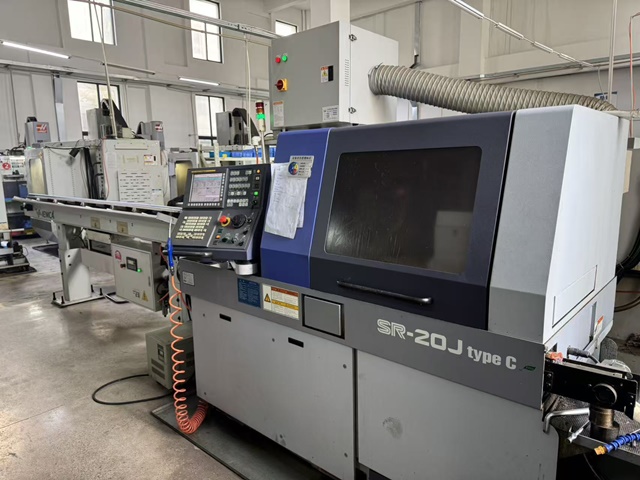
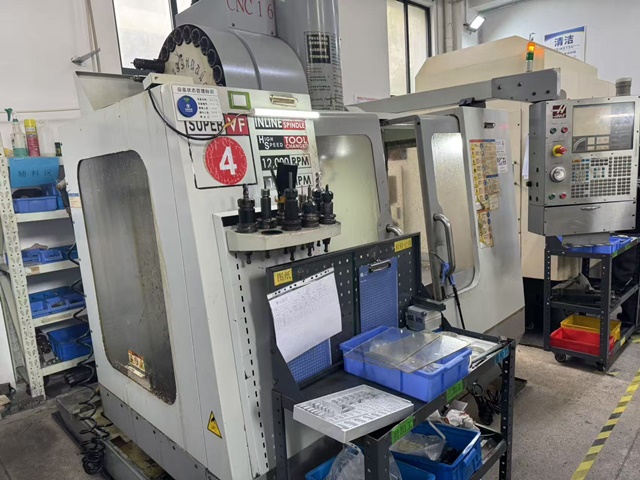
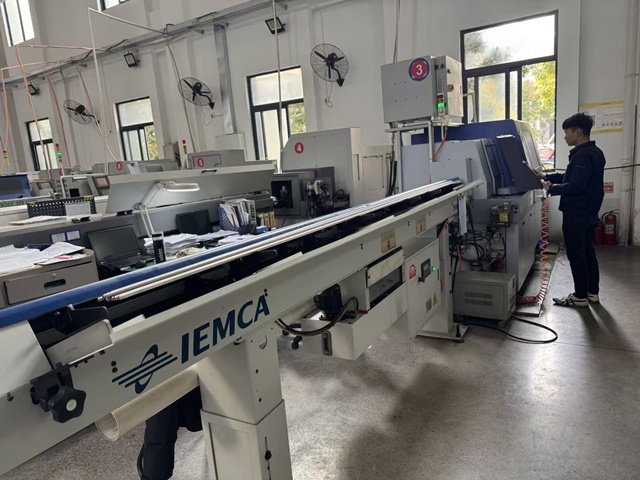
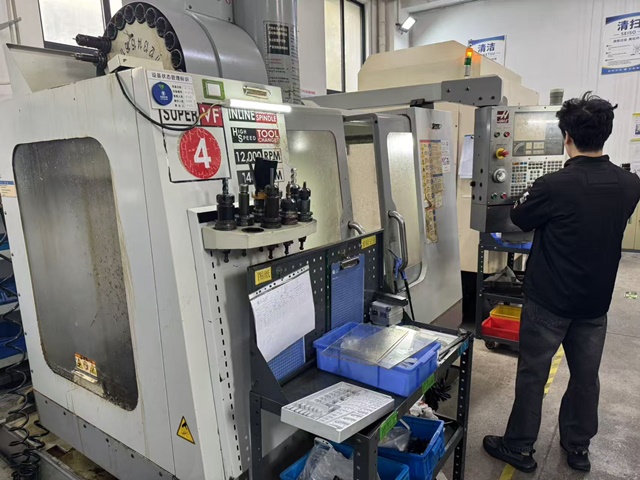
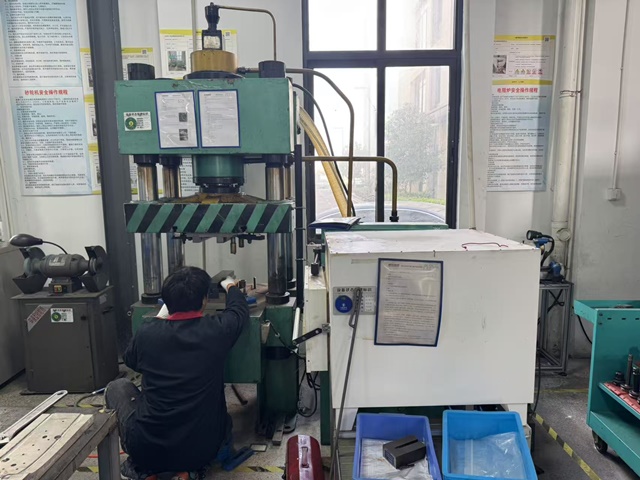
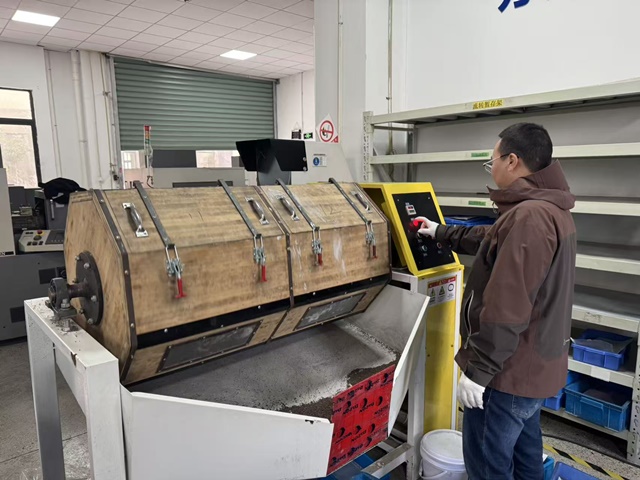
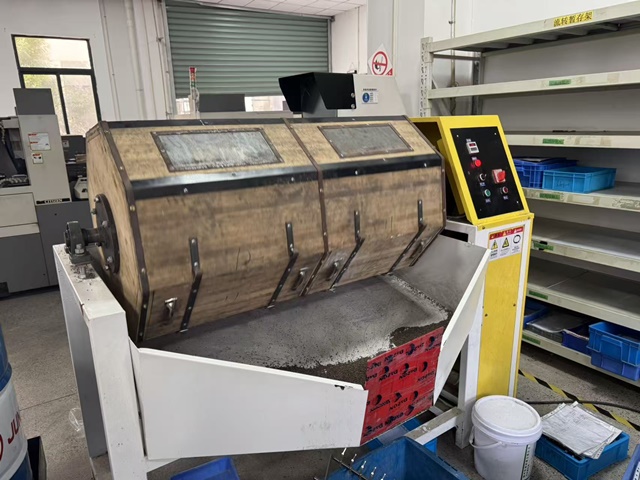
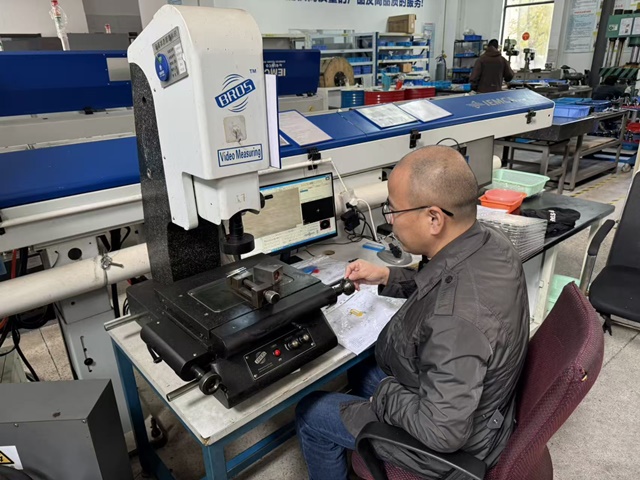
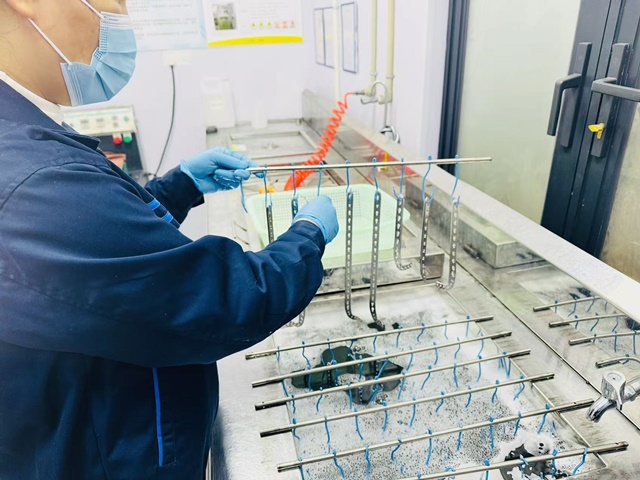
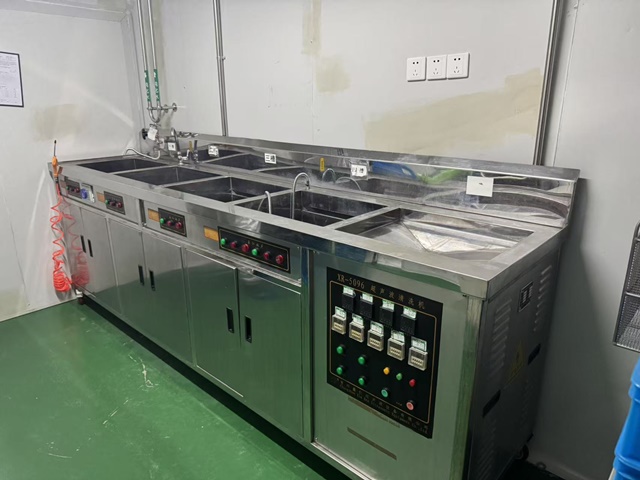
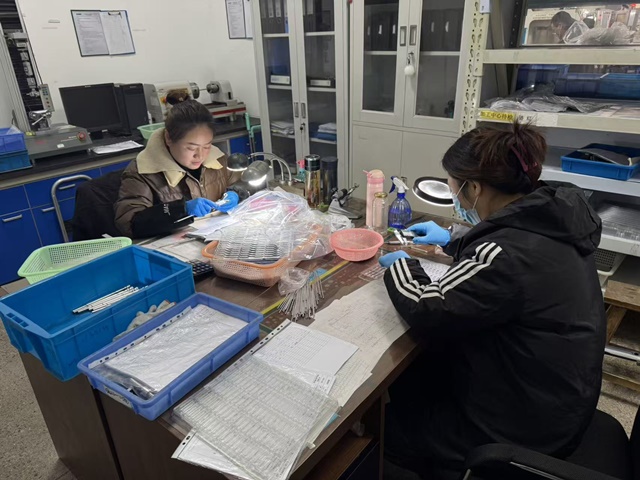
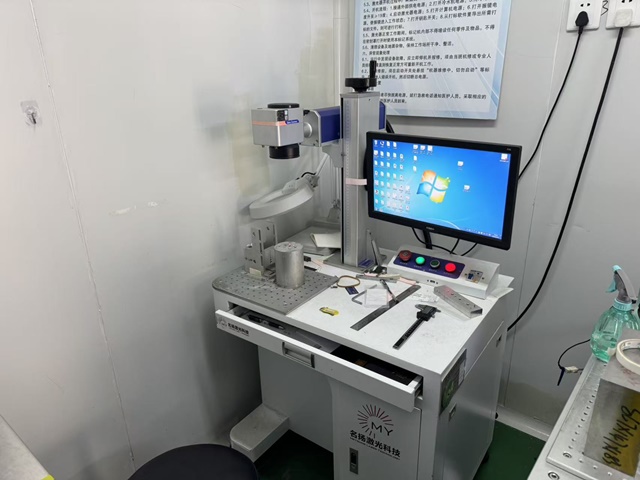
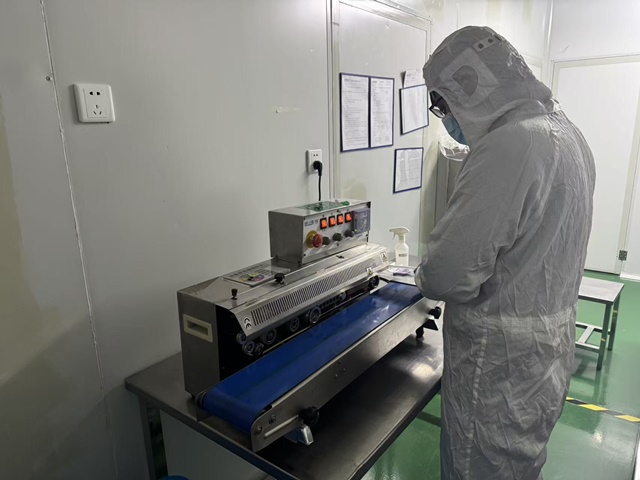
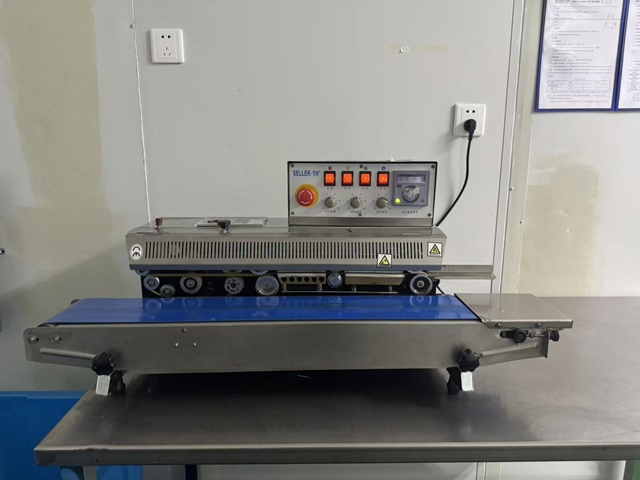
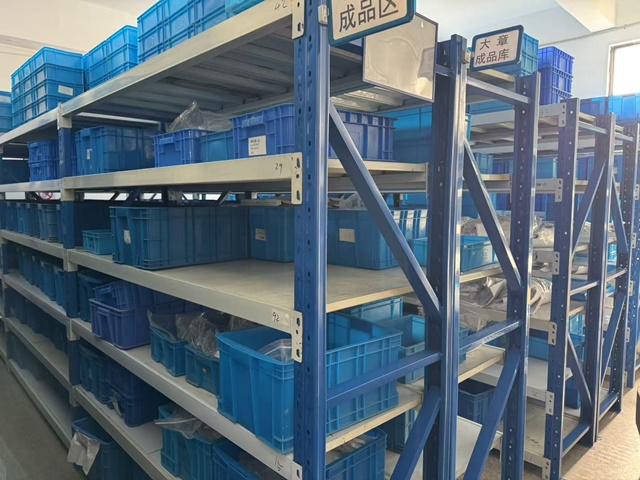
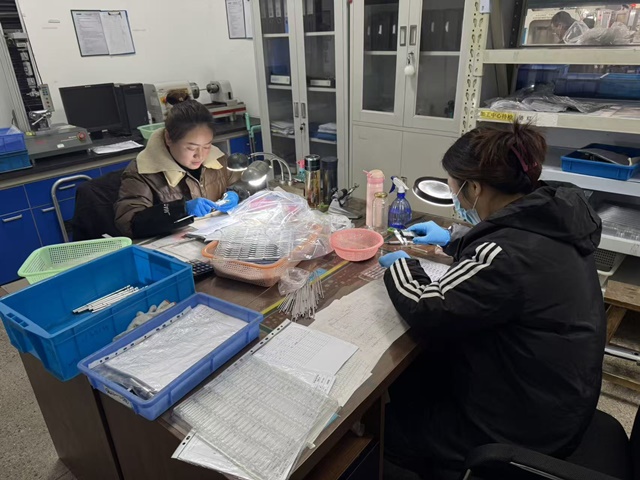
Our production line features modern Swiss-type lathe equipment alongside HAAS CNC machines. These high-speed multi-axis mills execute continuous high-velocity cutting with sub-micron positioning accuracy. They carve complex variable screw pitches and clear central guide channels in a single setup, eliminating concentricity issues that can arise from multi-machine re-clamp setups.
As a manufacturer of Class III implantable medical devices, Osteora maintains a quality control pipeline monitored by 42 specialized inspectors. We conduct structural, chemical, and physical checks, assuring compliance with international regulatory bodies.
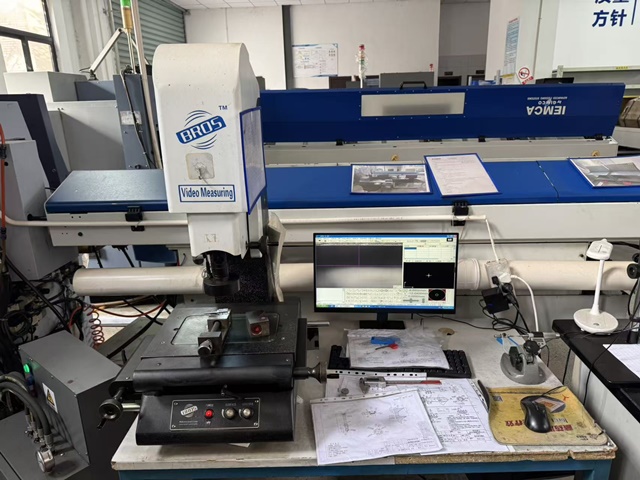
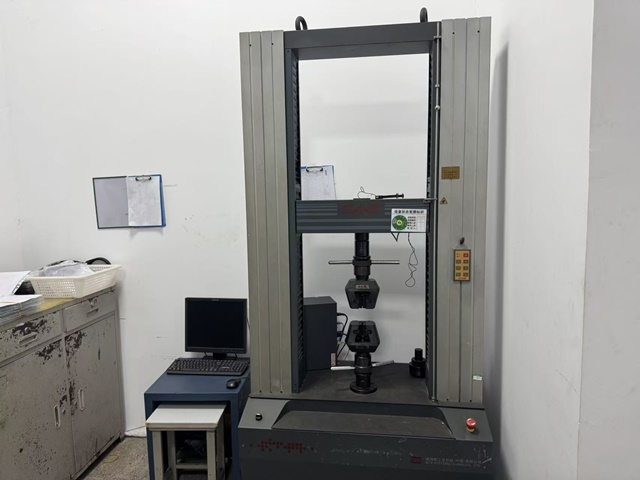
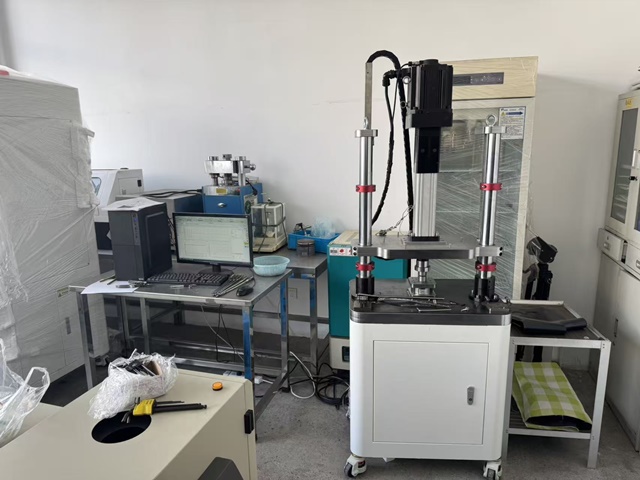
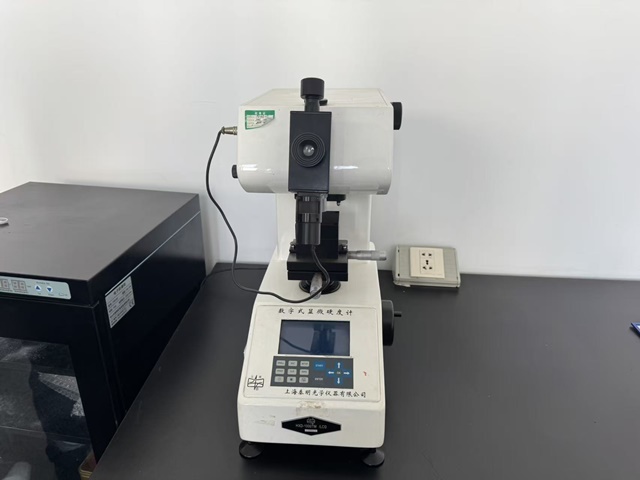
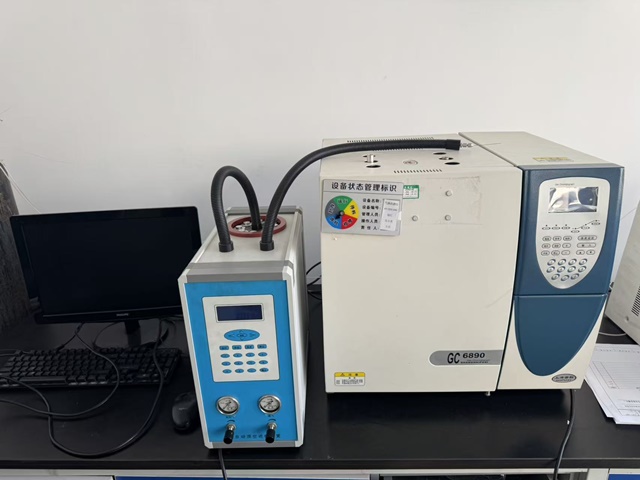
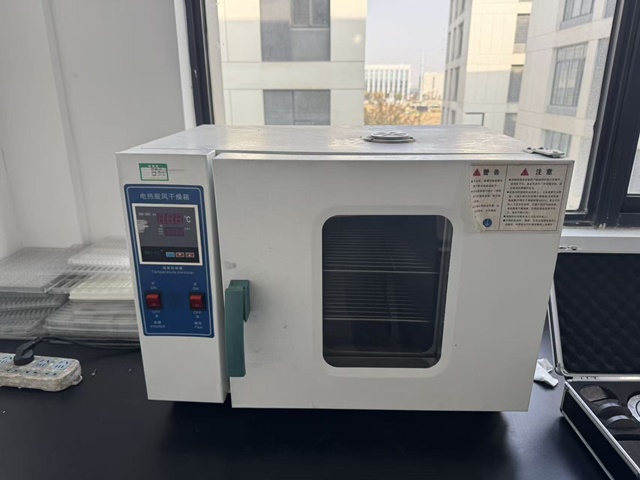
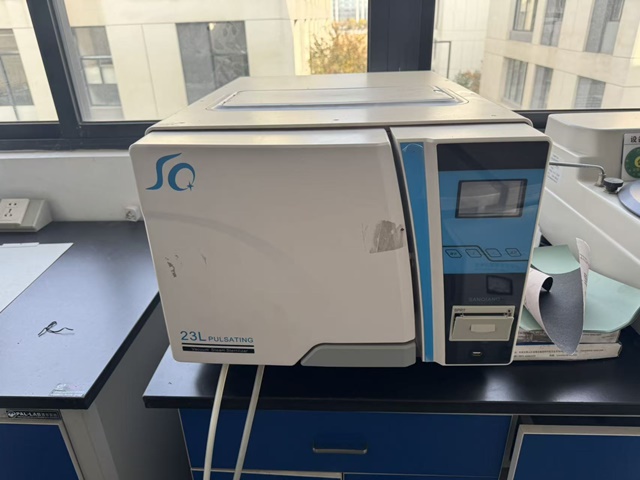
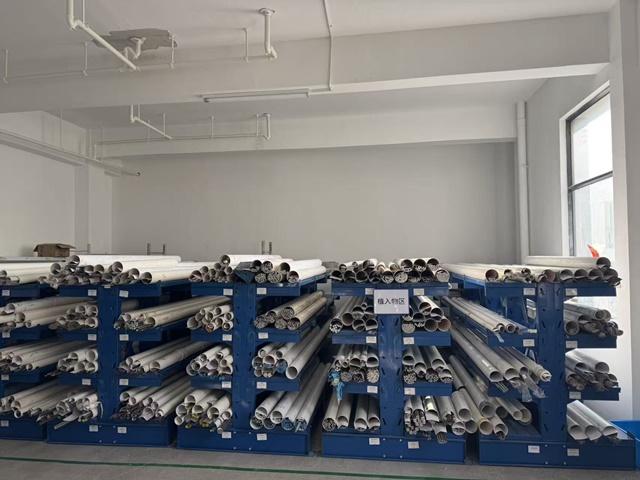
Raw Titanium rods are analyzed using a Gas Spectrometer to verify they are free of trace heavy-metal pollutants and contain optimal oxygen/nitrogen ratios to maximize material ductility. Physical surface hardness is verified via a Vickers Hardness Tester. Dimensional tolerances are confirmed down to 5 micrometers using high-resolution Vision Measuring Instruments.
Crucially, cyclic load simulation is performed using Multifunctional Mechanical Testing Machines to verify fatigue life. The implants must undergo 5 million cycles of tension-compression loading without showing structural micro-fissures or thread shearing.
Osteora supports global distributors, medical purchasing networks, and healthcare systems. With 8 years of export experience, we ship to surgical providers across Europe, Southeast Asia, the Middle East, and South America.
Our 85-member engineering team supports custom implant development. We offer specialized solutions for medical distributors, including custom diameters, modified thread pitches, customized driver interface designs, and private labeling. All options are designed to integrate seamlessly into existing instrument kits.
Our logistics network utilizes optimized container management to secure predictable shipping windows, customs compliance, and sterilized integrity validation upon arrival.
Osteora’s R&D roadmap focuses on improving the bio-integration and mechanical function of internal fixation implants: