Osteora
Osteora
Osteora
Explore high-precision implant modules, custom surgical instrumentation, and trauma hardware designed to optimize surgical workflows.
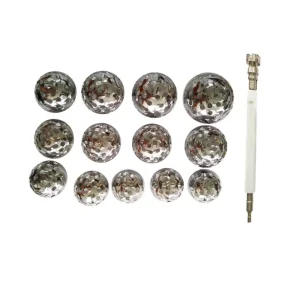
The global demand for orthopedic total hip arthroplasty (THA) is rising rapidly. This is driven by aging populations, younger patients needing joint replacements, and shifting patient expectations. Within this ecosystem, the Acetabular Shell (or Acetabular Cup) is crucial. It acts as the load-bearing foundation interface between the pelvic skeleton and the prosthetic liner.
Modern clinical guidelines focus heavily on long-term biological fixation. This reduces the risk of aseptic loosening, which remains a leading cause of revision surgeries. Engineers balance physical and mechanical demands to design the perfect cup. It must have a low modulus of elasticity, high coefficient of friction for immediate press-fit, and structured porous regions for osseointegration.
Historically, global production was dominated by small-batch regional facilities. Today, it has shifted to highly automated manufacturing hubs. These hubs combine additive manufacturing, CNC sub-micron subtractive milling, and advanced plasma spray coatings to meet rigorous global standards.
Integrating clinical demands with high-capacity production lines. We build orthopedic systems designed for long-term clinical performance.
Founded in 2016, Osteora has built a strong reputation in the global orthopedic industry. Our operations run in an advanced 18,500㎡ facility designed for integrated production, assembly, and testing. This matches the strict demands of international medical regulatory frameworks.
With 12 years of industry expertise and 8 years of export experience, we maintain a robust quality team of 42 specialized inspectors. Our systems enforce strict ISO 13485 compliance, in-process inspections, and final random sampling checks.
Our in-house engineering team consists of 85 R&D engineers who focus on spinal, trauma, and joint reconstruction technologies. We offer extensive customization services (OEM/ODM), private labeling, and size modifications. Last year alone, we launched 120 new products.
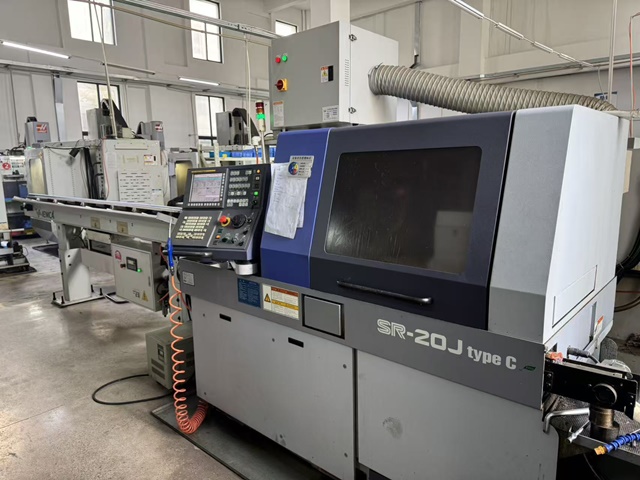
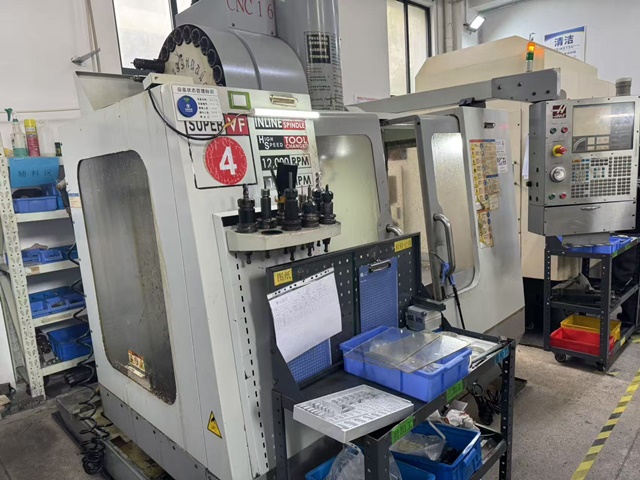
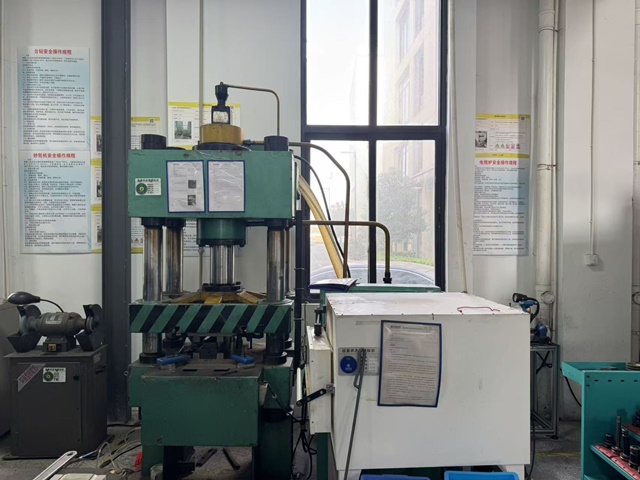
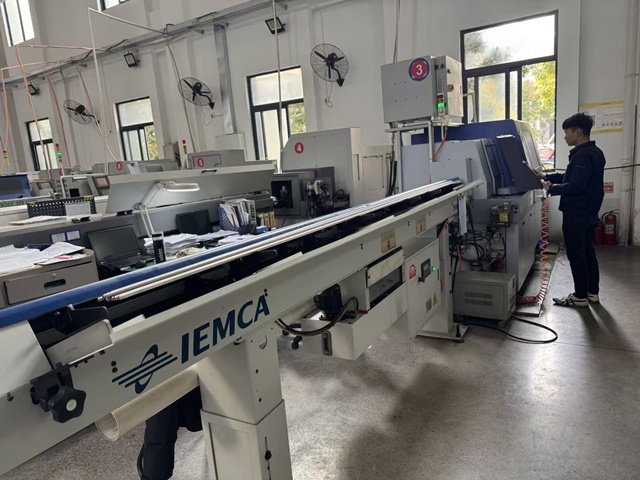
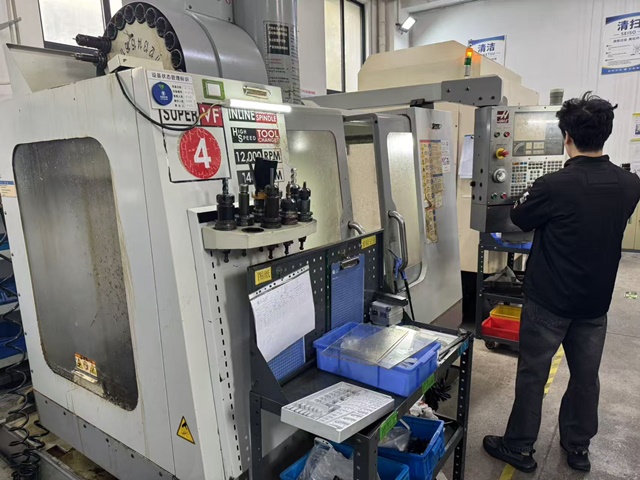
Chinese medical device manufacturing has advanced from high-volume production to high-precision engineering. Leading factories use fully automated, 5-axis CNC machining centers (such as HAAS and Swiss-type lathes). These setups ensure sub-micron tolerances for complex features like taper angles and locking mechanisms.
Furthermore, China's medical manufacturing hubs benefit from a highly integrated supply chain. With access to over 1,200 certified upstream and downstream partners, Osteora optimizes lead times, maintains raw material traceability, and simplifies logistics.
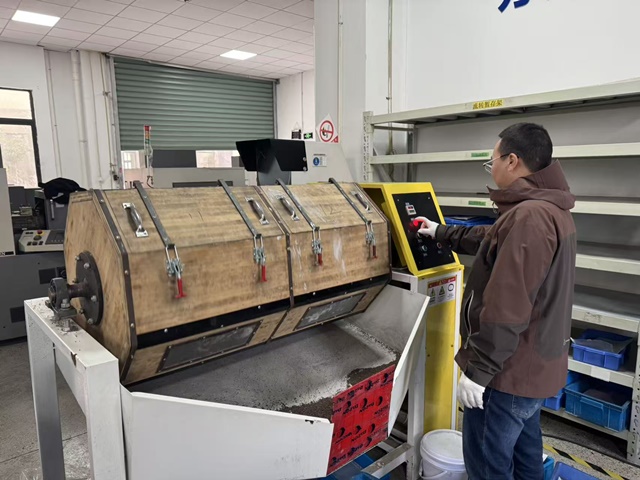
By using localized precision tooling, automated tool paths, and advanced surface finishing techniques, China's best factories balance cost and performance. This helps hospitals and distributors reduce procurement costs without compromising clinical safety.
Osteora's compliance protocols meet standard international expectations. This is backed by comprehensive material certifications (such as ISO 5832-3 grade titanium alloy) and extensive biocompatibility validation files. This makes international registration and market entry smoother for our partners.
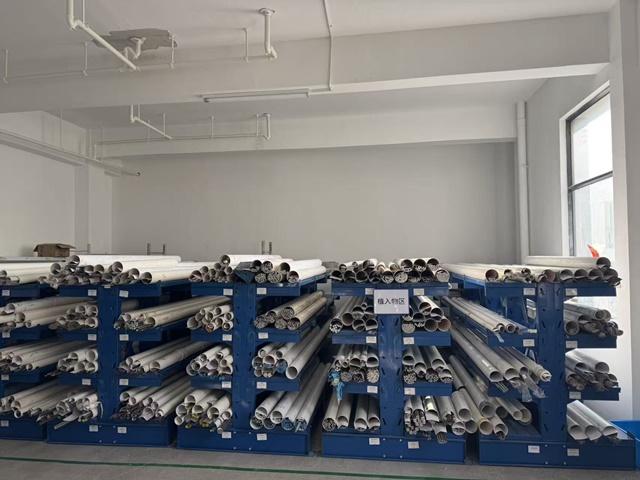
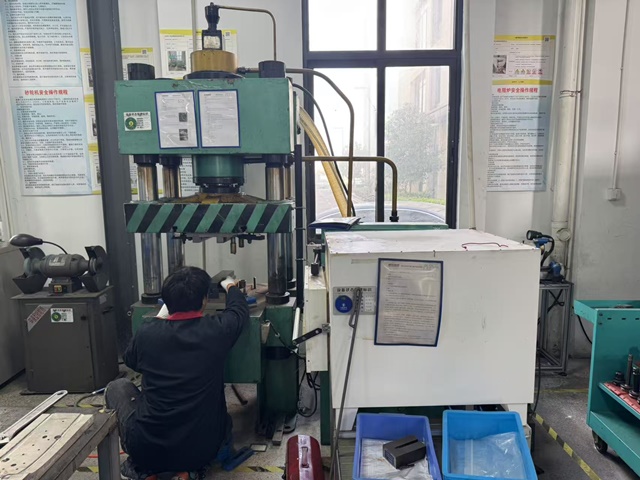
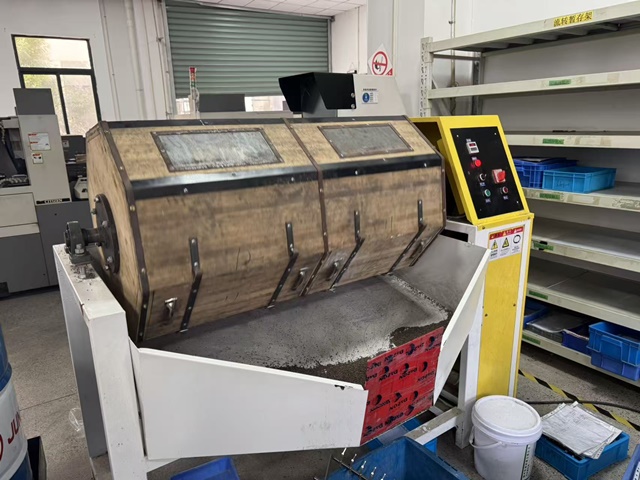
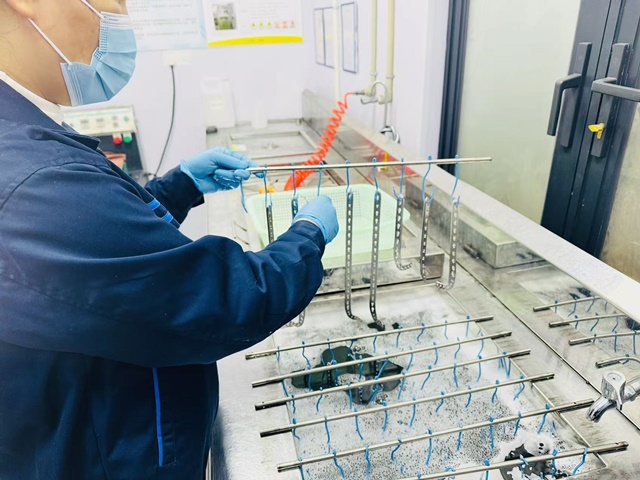
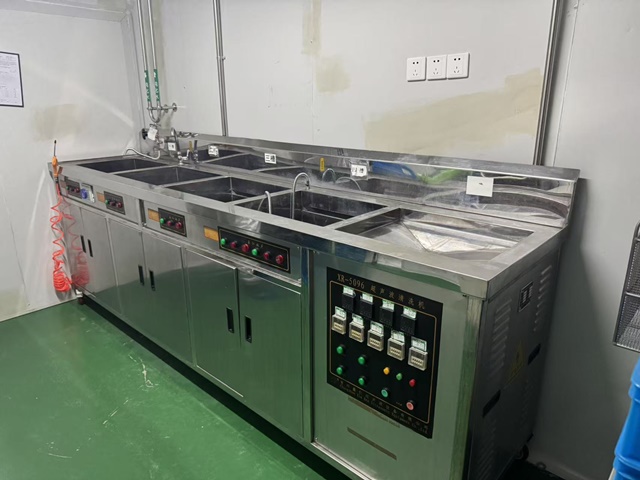
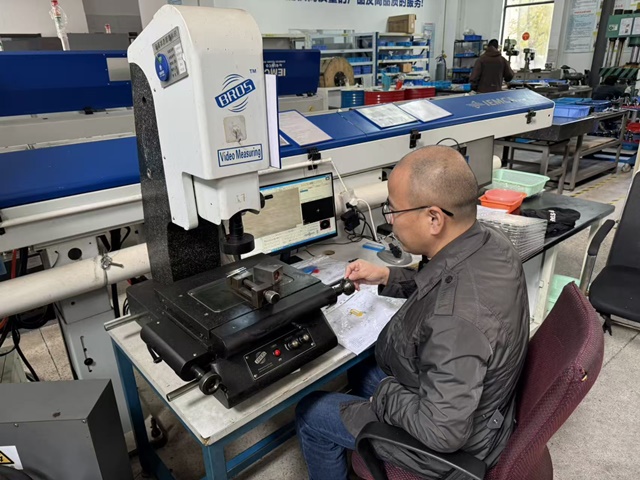
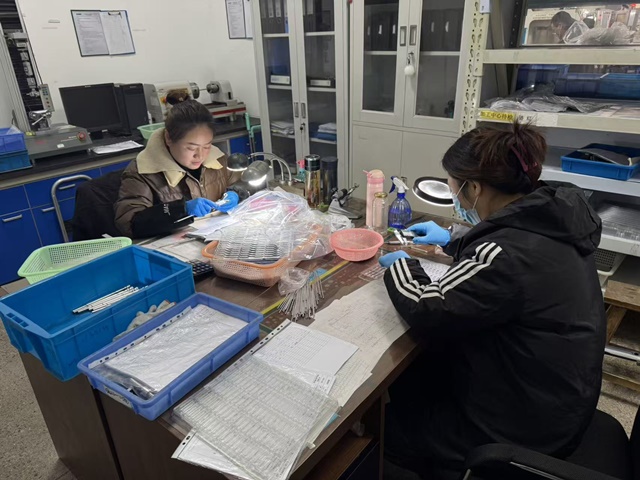
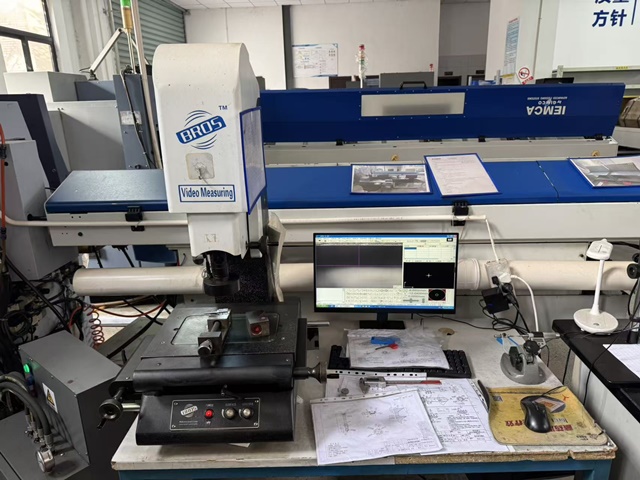
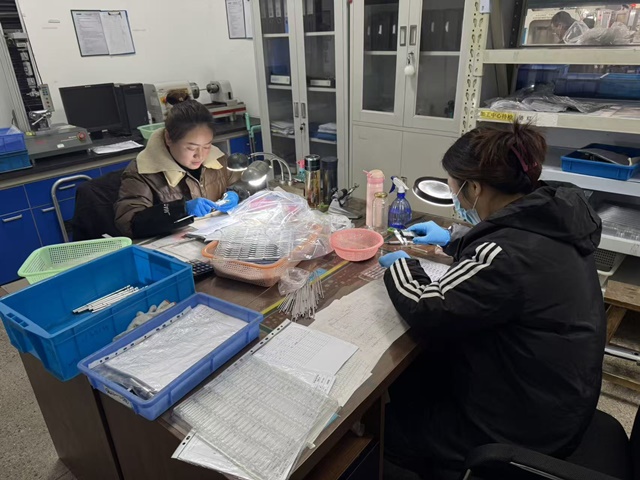
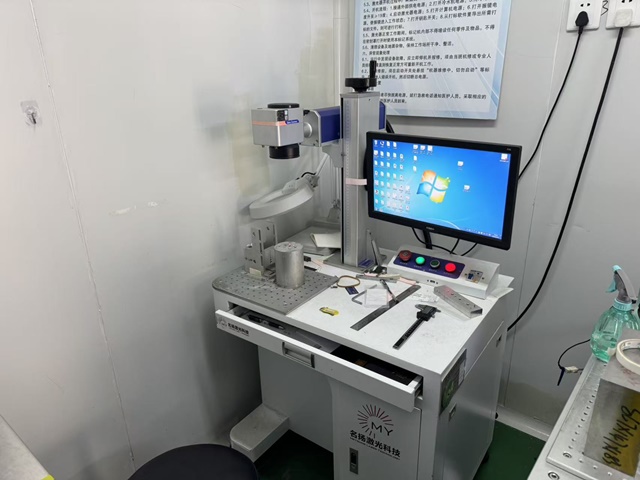
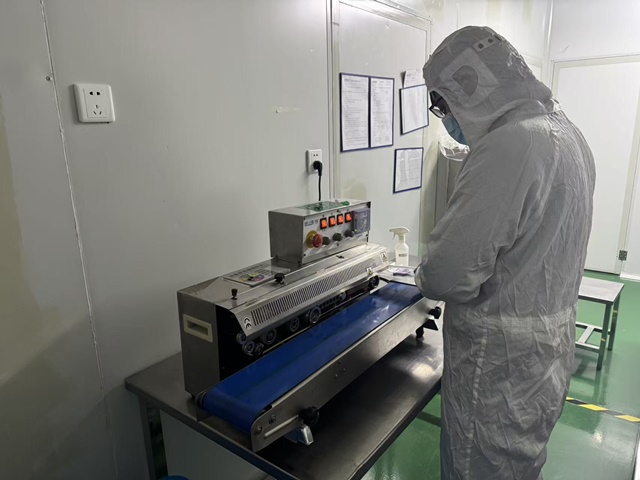
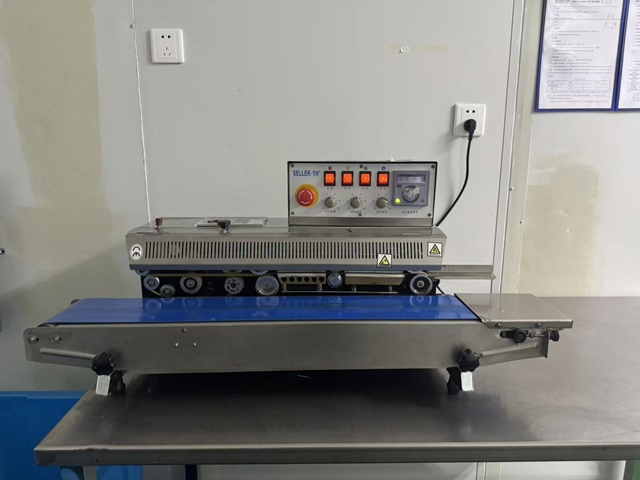
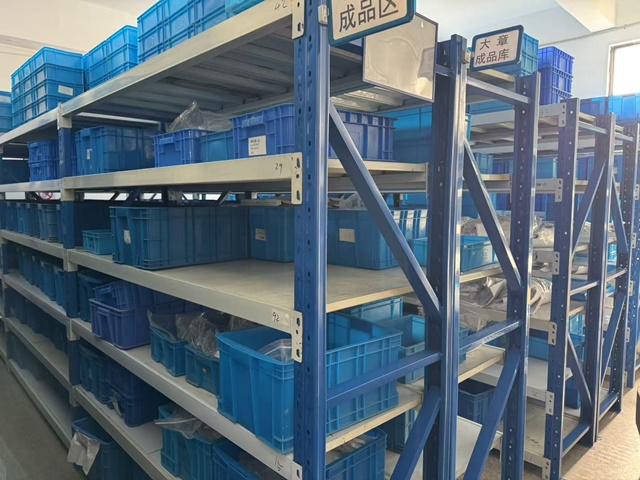
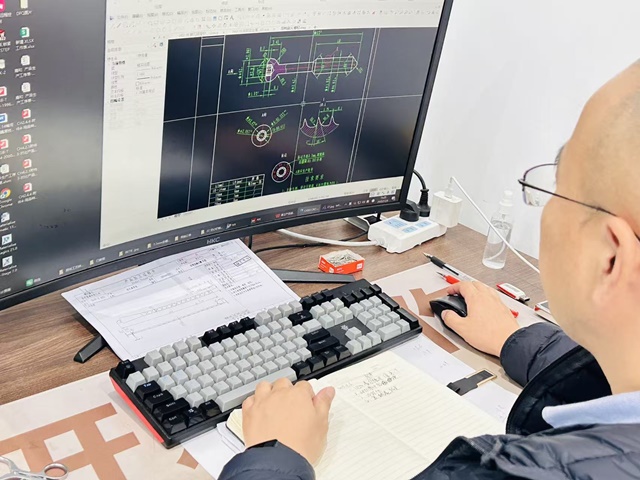
A step-by-step look at our production and quality control workflows, tracking components from raw material checks to cleanroom packaging.
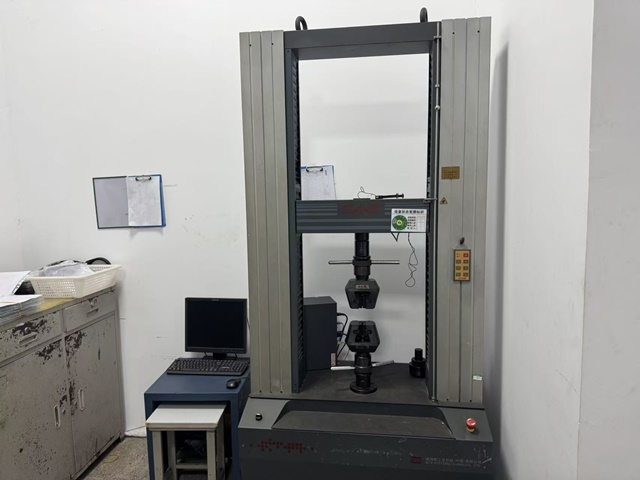
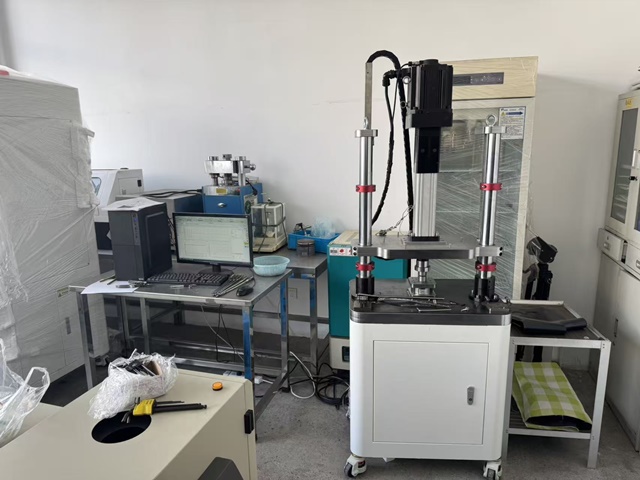
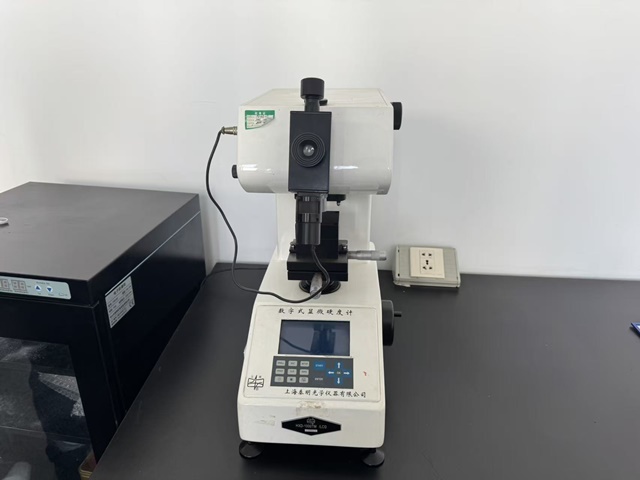
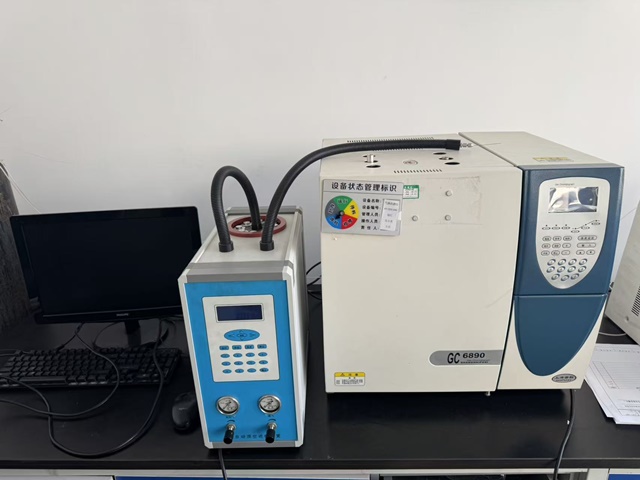
Understanding the patient-specific demands that shape modern orthopedic implant design.
Used for severe osteoarthritis, rheumatoid arthritis, and avascular necrosis. Our press-fit acetabular shells provide stable initial fixation. Over time, their porous surfaces support long-term osseointegration.
For patients with significant bone loss or dynamic instability, revision cups provide key solutions. We offer multi-hole configurations, modular structural augments, and backup screw options to secure the implant to the remaining pelvic bone.
By collecting anatomical data from different target regions (Europe, Southeast Asia, South America, and the Middle East), our engineering team designs size-optimized shell options. This helps surgical centers find the best fit for diverse patient populations.
Orthopedic technology is moving quickly toward advanced surface modification and customized implants. Key trends include:
Modern purchasing teams face complex logistics. Hospital networks, global distributors, and surgical centers look for partners that offer:
Answers to common engineering, clinical, and regulatory questions from medical device distributors.
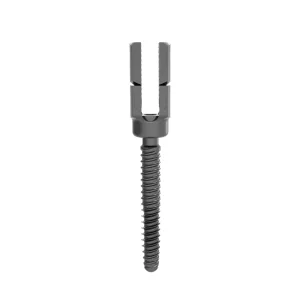
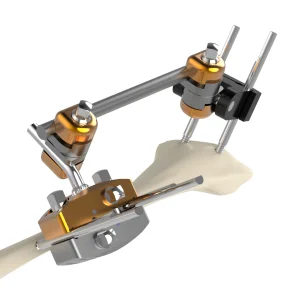
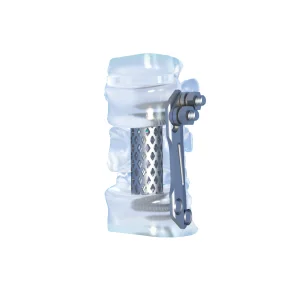
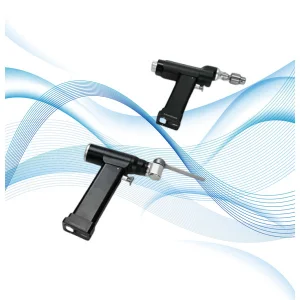
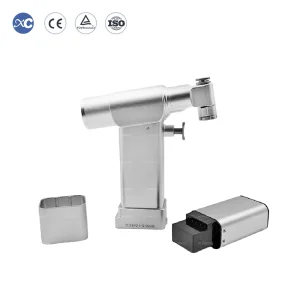
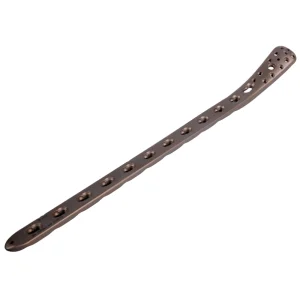
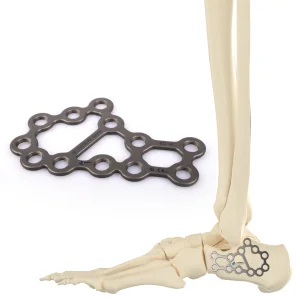
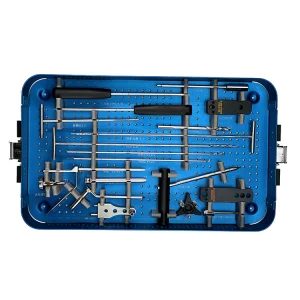
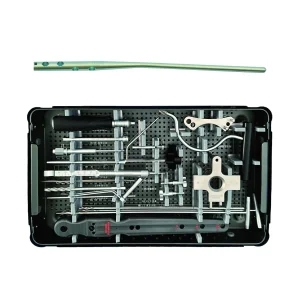
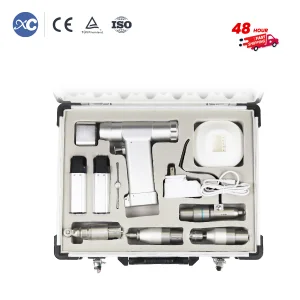
Our wider orthopedic portfolio features reliable trauma plates, intramedullary nails, and precision surgical power systems.