Osteora
Osteora
Osteora
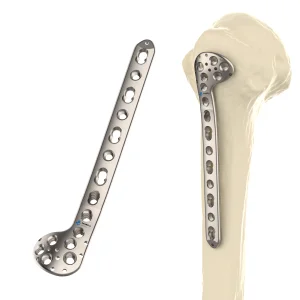
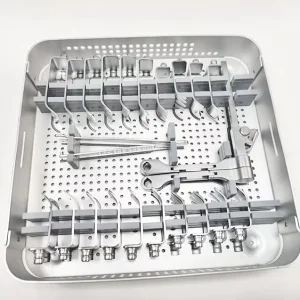
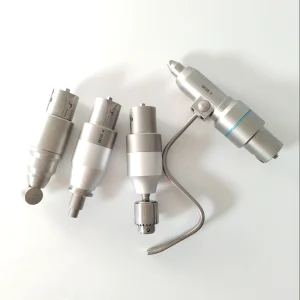
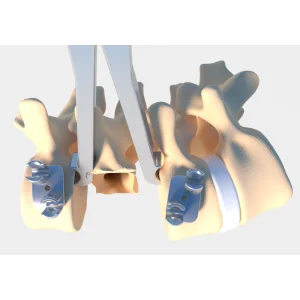
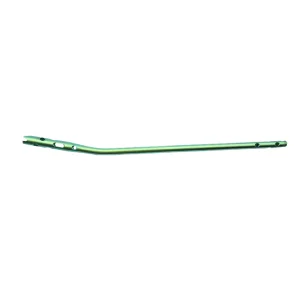
In modern spinal arthrodesis, rigid fixation is paramount to facilitating long-term osteointegration and solid fusion. The global market demand for CE Certified Titanium Spinal Rods has escalated due to the clinical reliability of medical-grade titanium alloys (predominantly Ti-6Al-4V ELI, conforming to ASTM F136). Regulatory alignments such as the European Union Medical Device Regulation (MDR) require orthopedic distributors, sourcing managers, and surgical institutions to partner strictly with manufacturers displaying impeccable traceability, rigorous compliance systems, and advanced production infrastructure.
As a leading orthopedic manufacturer, Osteora Medical Devices Co., Ltd. (under the brand Osteora) has spent over a decade establishing itself as a hallmark of clinical-grade manufacturing. Founded in 2016, the company integrates design, development, high-precision machining, and rigorous quality inspection protocols over an expansive facility of 18,500㎡. With 12 years of industry expertise and 8 years of dedicated medical export experience, Osteora has engineered an agile supply chain that seamlessly supports clinical practitioners and medical distributors across Europe, Southeast Asia, the Middle East, and South America.
The global spinal implant industry has transitioned from stainless steel fixation to advanced biocompatible titanium and alloy composites. Titanium remains the gold standard biomaterial for rigid spinal stabilization due to its unique combination of characteristics: a low elastic modulus (which minimizes stress-shielding to adjacent bone), outstanding corrosion resistance in physiological environments, and high fatigue strength under cyclic loading conditions.
Medical-grade titanium alloys create a passive oxide layer that prevents ion leaching. Unlike stainless steel, titanium generates minimal artifacts in magnetic resonance imaging (MRI) and computed tomography (CT) scans, allowing post-operative clinicians to accurately assess spinal fusion progress and neural decompression zones.
Spinal rods undergo constant mechanical stress from spinal flexion, extension, and rotation. Compliance with ASTM F1717 and ASTM F2193 standards ensures that titanium spinal rods resist fatigue failure over millions of micro-motion cycles, preventing construct breakage before solid bone fusion occurs.
Modern surgical techniques demand both pre-bent and straight spinal rods in varying diameters (ranging from 3.5mm for cervical fixation to 5.5mm and 6.0mm for thoracolumbar reconstruction). Sourcing certified suppliers with advanced profile bending and heat treatment techniques reduces intraoperative rod contouring stresses, maintaining the integrity of the material.
As the international medical supply chain focuses on resilience, cost-containment, and uncompromising quality, Chinese medical device manufacturers have risen to become key global suppliers. Sourcing from verified Chinese manufacturers like Osteora offers distinct competitive advantages:
Osteora coordinates a robust supply network consisting of over 1,200 certified upstream and downstream partners. This level of integration enables rapid raw material procurement, specialized surface-anodization, and optimized sterile packaging processes under one regulatory umbrella.
Orthopedic components require tolerances as narrow as +/- 0.005mm. The integration of high-end Swiss-type lathes and American HAAS CNC machines ensures high repeatability and complex machining capability for pedicle screws, connectors, and rods.
With an annual export volume ranging between USD 6 million and 14 million, Osteora has streamlined its production and export documentation systems to meet European CE mark requirements, ISO 13485 quality system standards, and South American regulatory frameworks.
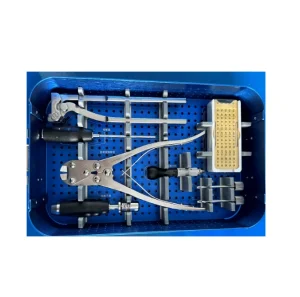
Supported by a specialized team of 85 R&D engineers, Osteora offers full-spectrum OEM/ODM solutions, enabling international distributors to customize rod profiles, diameters, thread patterns, and instrument kits for their specific clinical markets.
Every titanium implant manufactured at Osteora undergoes a structured sequence of precision machining and testing to ensure compliance with surgical requirements. Below is the detailed workflow of our production line, demonstrating the rigorous path from raw materials to final packaging.
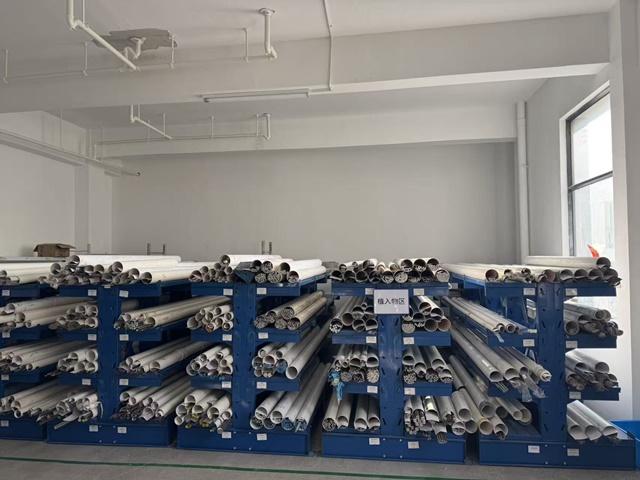
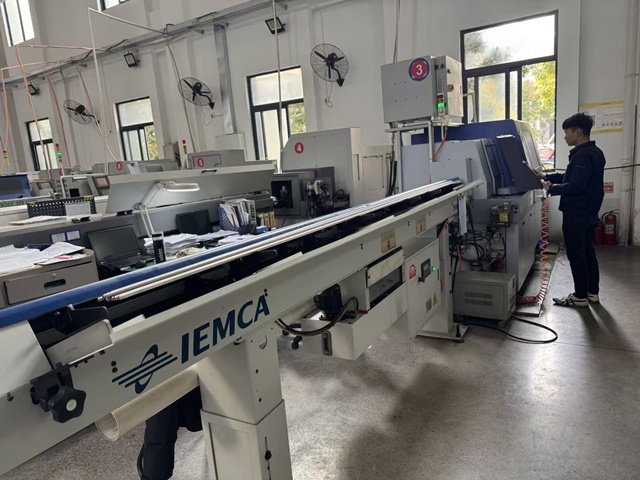
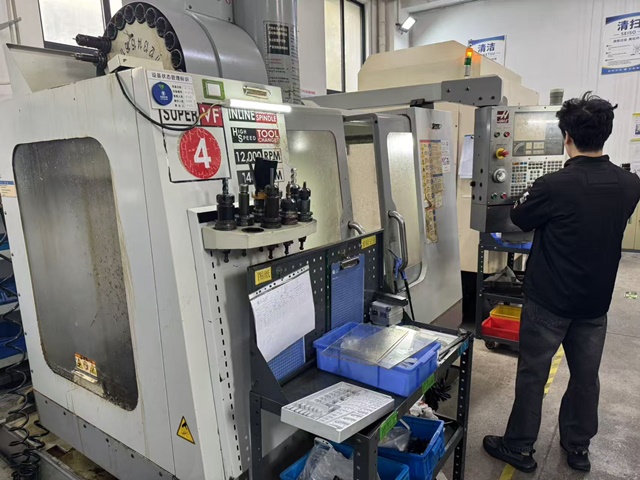
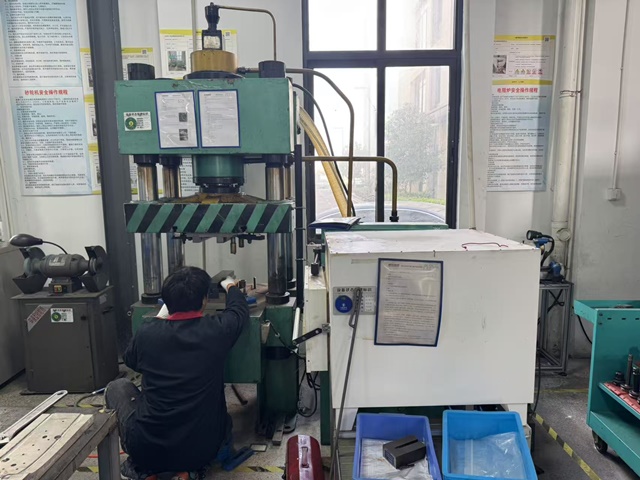
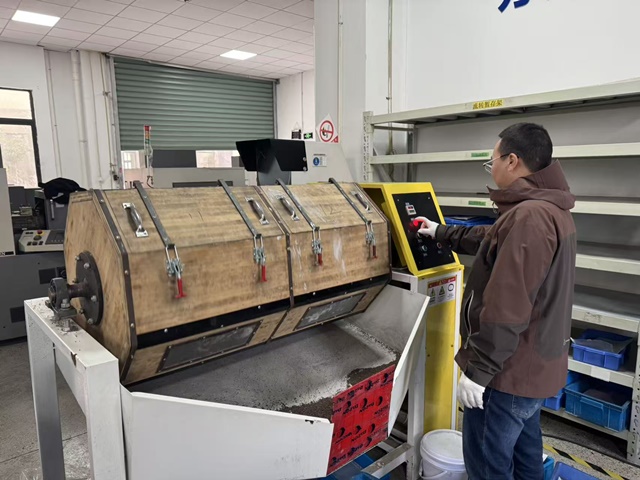
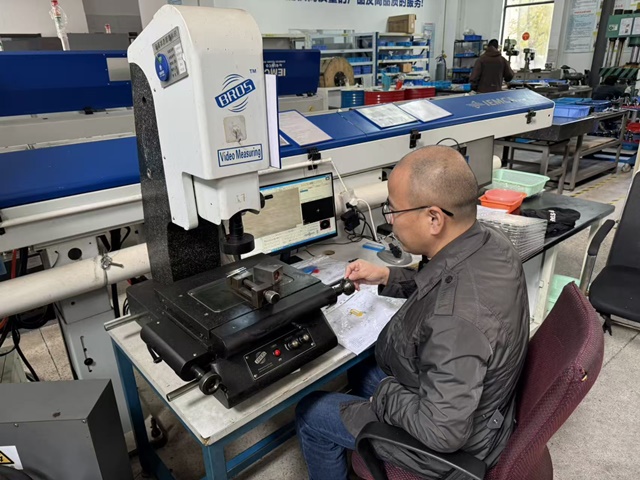
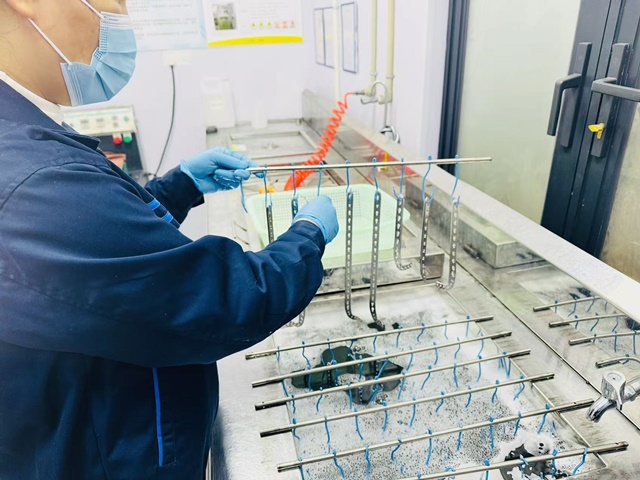
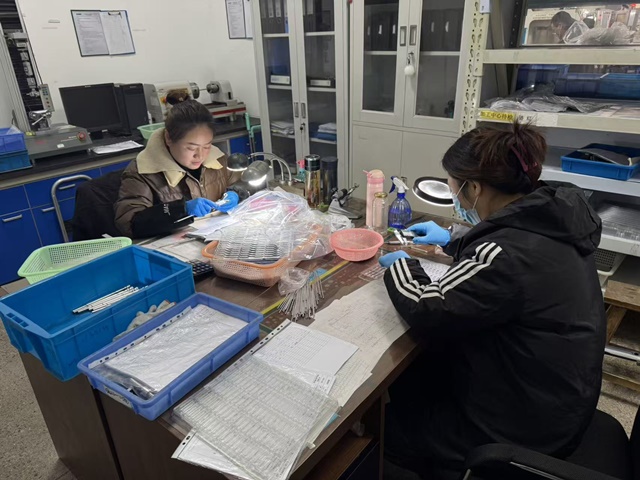
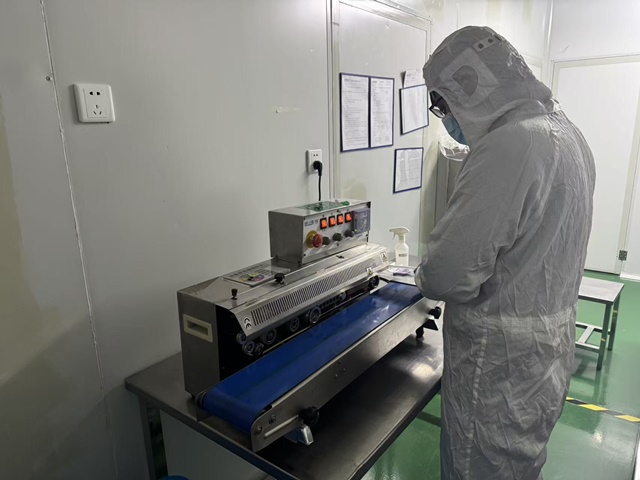
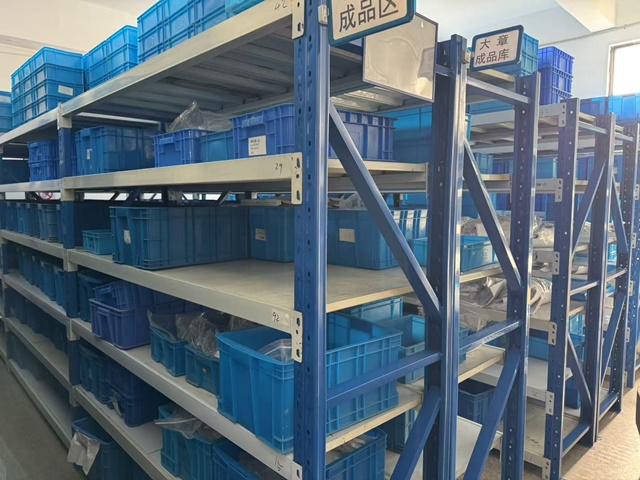
Precision and reliability require high-quality manufacturing equipment. Osteora's fabrication and testing lines utilize advanced technologies to maintain consistent tolerances and structural integrity for all titanium spinal rods and implants.
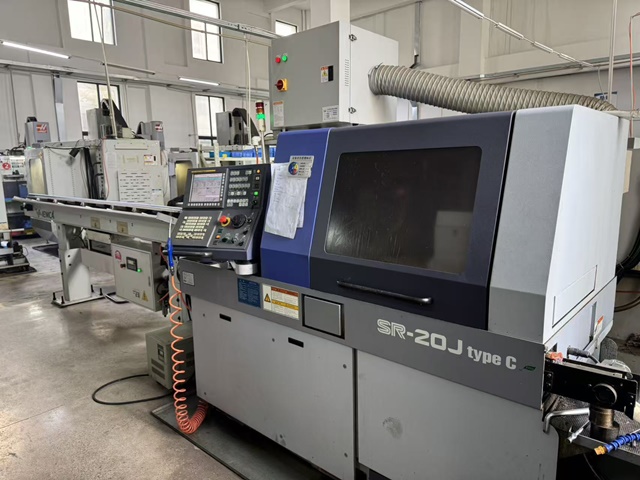
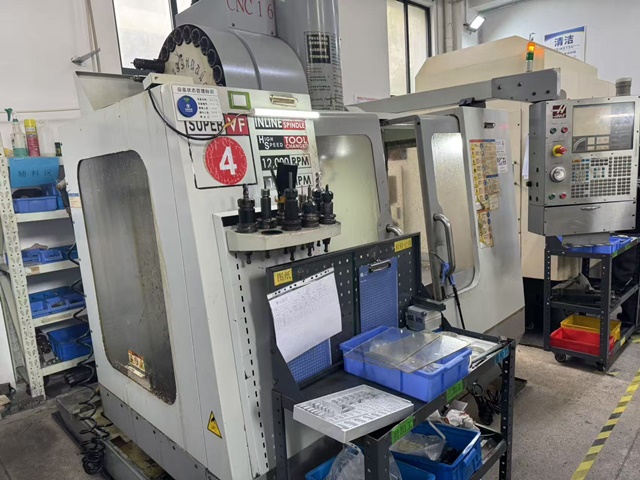
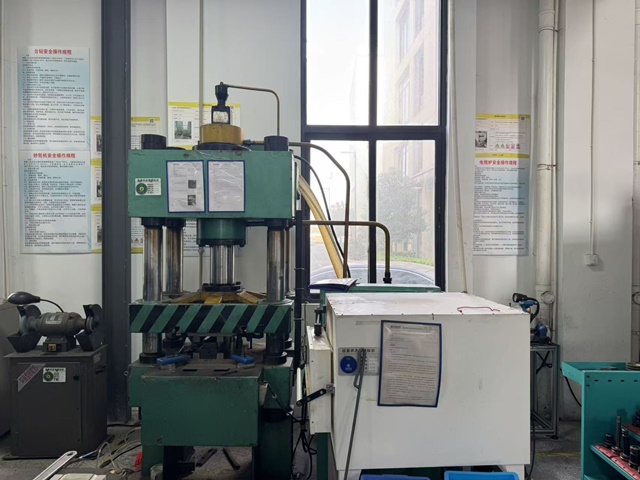
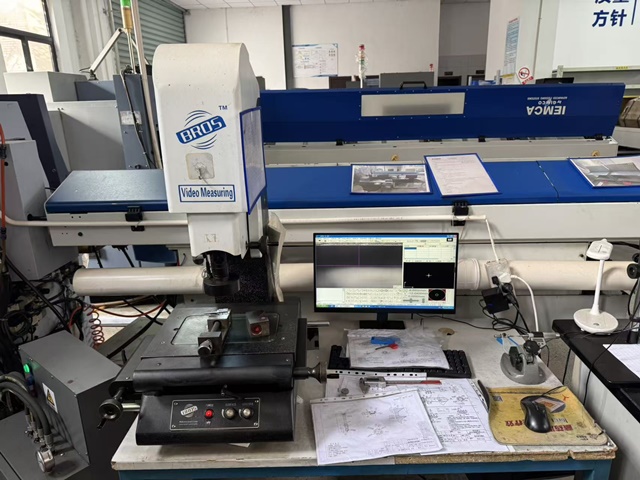
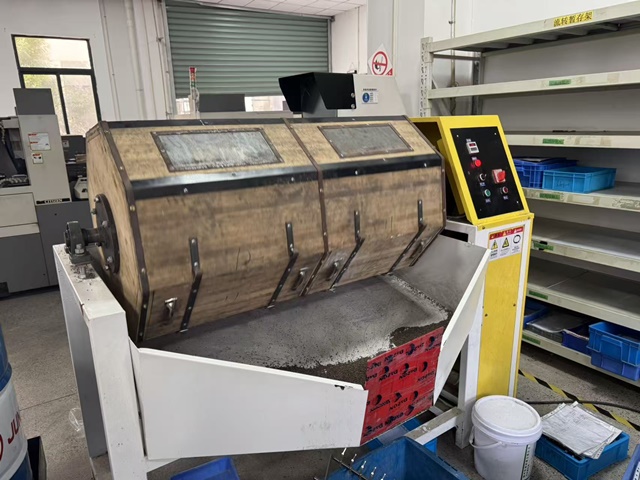
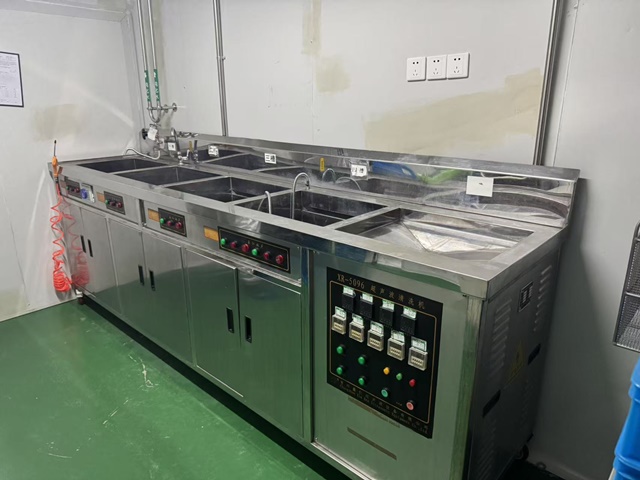
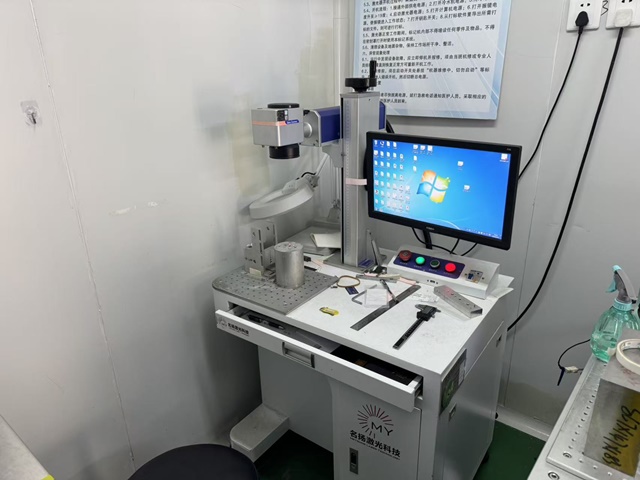
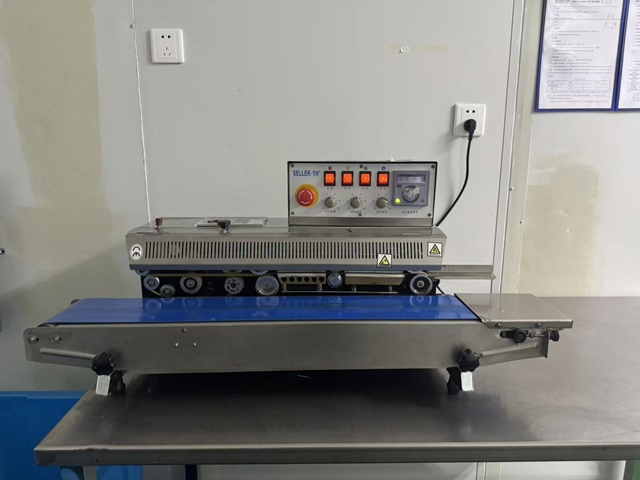
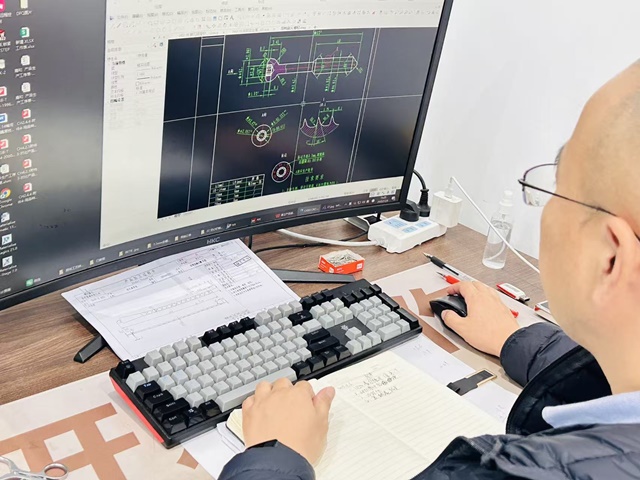
Quality assurance is critical for implantable medical devices. Osteora implements an ISO 13485:2016 certified quality management system. With a specialized team of 42 quality inspectors, our QA protocols manage raw materials through to post-packaging validation. Final inspections are conducted by dedicated specialists to ensure zero-defect delivery.
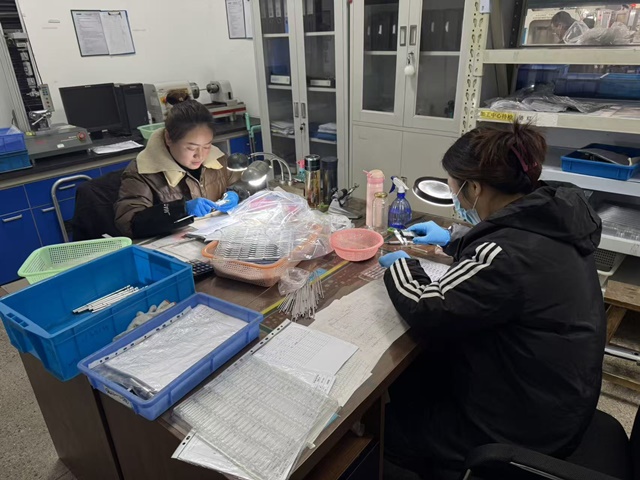
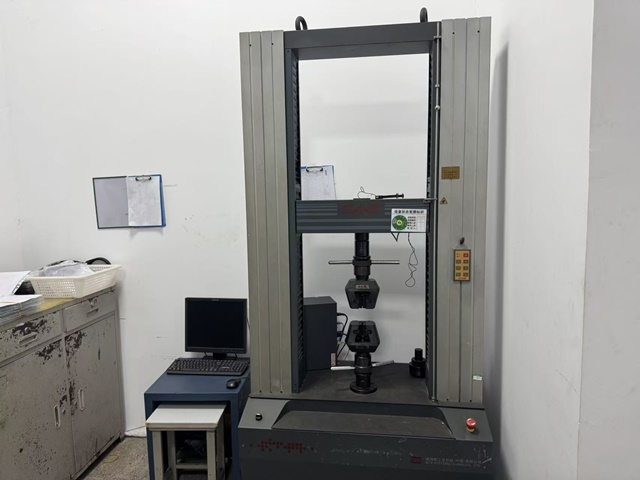
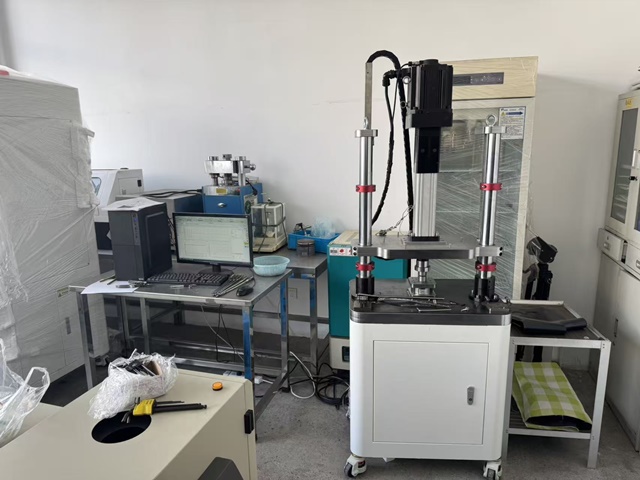
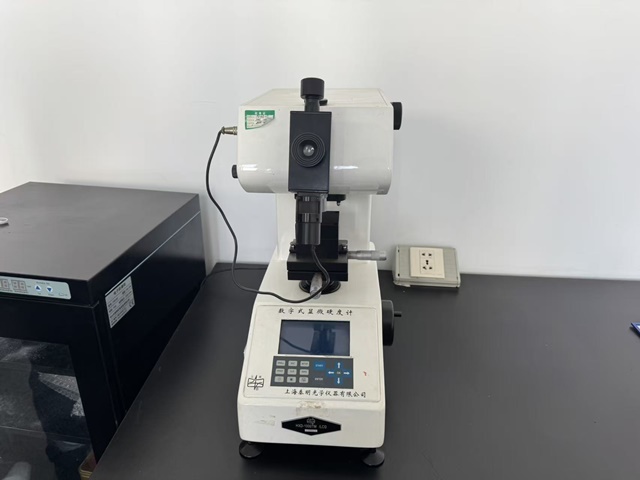
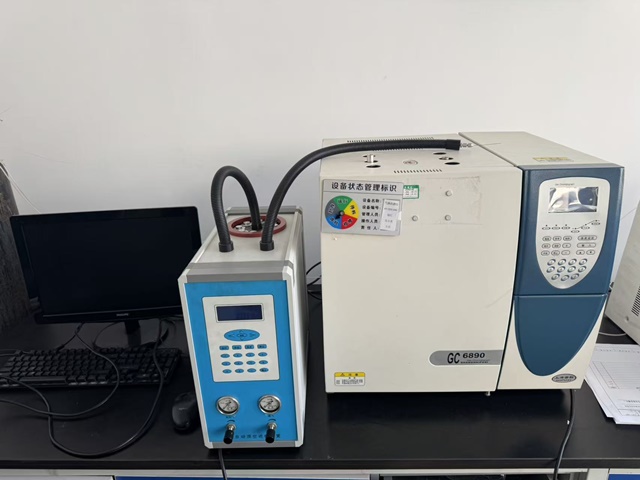
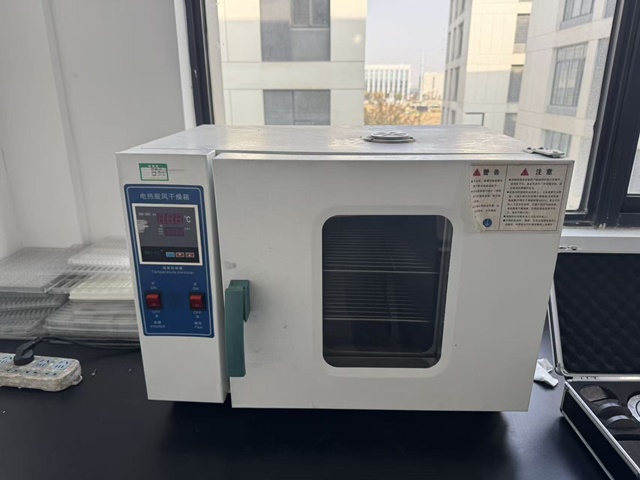
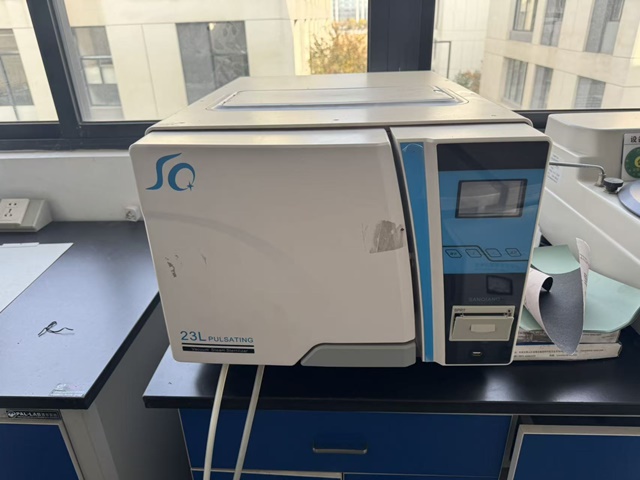
Our chemical profiling is performed using an analytical Gas Spectrometer to verify that the raw titanium rods contain no trace contaminants that could impair osseointegration. Fatigue properties are evaluated using a Pulsating Machine and Multifunctional Mechanical Testing Machine, validating compliance with tensile, yield, and three-point bending strength benchmarks.
Spinal pathology dictates the choice of rod geometry and alloy composition. Osteora's titanium spinal rods are engineered to address specific physiological conditions:
In older patients with degenerative scoliosis, long-segment constructs are required to restore sagittal and coronal balance. Sourcing managers look for rigid rods with specialized physical treatments (anodizing) that minimize fretting wear at the rod-screw junction, lowering the risk of post-operative failure.
Unstable fractures require immediate, rigid stabilization. Pre-contoured titanium rods allow trauma surgeons to quickly insert the construct without extensive intraoperative shaping, reducing operating room duration and minimizing soft tissue trauma.
For pediatric idiopathic scoliosis, implants must adjust to structural growth and adapt to physiological curves. Osteora's 3.5mm and 4.5mm titanium systems provide the required mechanical strength while maintaining a low-profile construct to prevent skin irritation in younger patients.
The spinal fusion sector continues to evolve beyond traditional rigid fixation. As a leading manufacturer, Osteora maintains a pipeline of developmental implants designed to align with emerging trends:
To reduce adjacent segment degeneration (ASD), research is moving toward semi-rigid constructs. Transition rods, which feature a rigid titanium core paired with a flexible segment (such as PEEK or polymer), are increasingly utilized to distribute load more naturally across the treatment zone.
Acid-etching, sandblasting, and anodic oxidation are used to create sub-micron surface topographies on titanium rods and pedicle screws. These nanostructured surfaces encourage direct bone attachment, accelerating stable fixation.
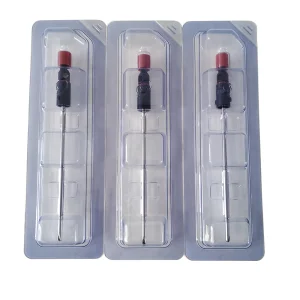
Regulatory frameworks such as the European Union MDR demand direct product identification (UDI codes). Sourcing organizations now prioritize manufacturers that deliver pre-sterile, single-use packaged implants, which reduces hospital processing costs and increases traceability.