Osteora
Osteora
Osteora
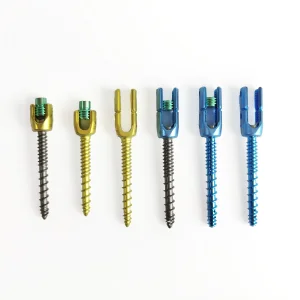
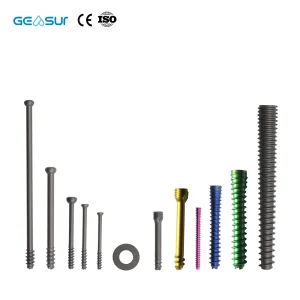
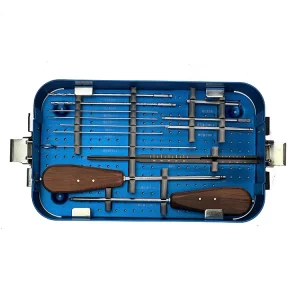
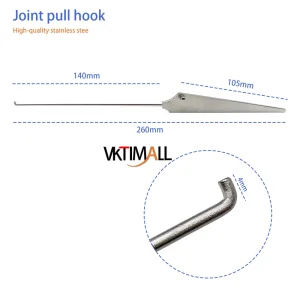
Explore our elite portfolio of clinical-grade implants, high-performance shaver blades, and specialized surgical instrumentation kits designed for optimal trauma fixation.
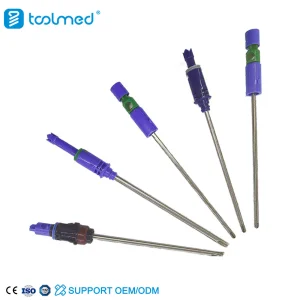
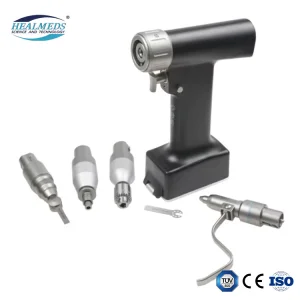
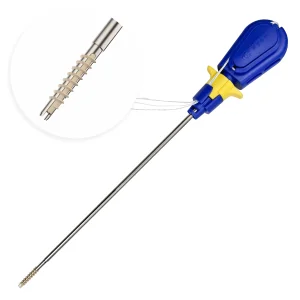
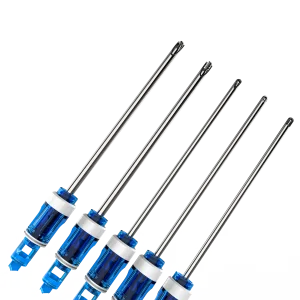
A premier global manufacturing hub for orthopedic implants and trauma fixation systems.
Osteora Medical Devices Co., Ltd. is a highly specialized orthopedic implant and surgical solution manufacturer. We are dedicated to providing state-of-the-art trauma, spine, and joint reconstruction systems under our globally recognized brand name Osteora.
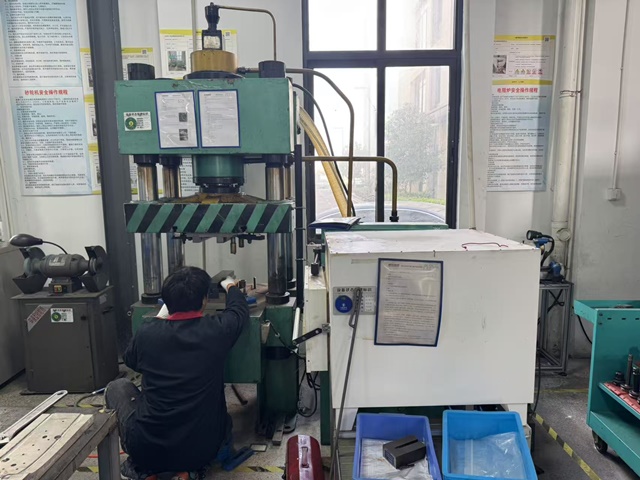
Spanning an expansive, state-of-the-art production facility of 18,500㎡, Osteora has systematically integrated design, production, assembly, and testing processes. With 12 years of core industry expertise and 8 years of dedicated export experience, we serve as an authoritative supply chain partner for medical distributors, hospitals, and clinics worldwide.
Our commitment to rigorous regulatory compliance and design optimization guarantees that every medical device, including our premium CE-certified Herbert Screws, meets the highest standards of safety, biocompatibility, and biomechanical stability.
Osteora maintains a deep export presence across key medical device markets, including Europe, Southeast Asia, the Middle East, and South America. With annual export revenues ranging between USD 6 million to 14 million, our growth is propelled by clinical satisfaction and deep engineering capabilities.
Supported by over 1,200 certified upstream and downstream partners, we ensure robust materials sourcing and post-manufacturing supply chain resiliency. This vast network allows us to provide rapid turnaround times for custom OEM/ODM designs without compromising structural tolerances.
Decoding the mechanics, materials, and clinical superiority of headless cannulated compression screws.
The Herbert screw relies on a pitch differential between the proximal and distal threads. As the screw is driven across a fracture line, the leading distal threads pull the bone fragment while the trailing proximal threads follow at a slower rate, generating solid, predictable interfragmentary compression without needing a protruding screw head.
By recessing completely beneath the articular cartilage, the headless design prevents soft-tissue irritation, impingement, and cartilage wear. This makes the Herbert screw the absolute clinical standard for intra-articular fractures, particularly in scaphoid non-unions, osteochondral fractures, and radial head reconstructions.
Utilizing ultra-pure Titanium (Ti-6Al-4V ELI) conforming to ASTM F136 standards, our Herbert screws offer unmatched biocompatibility, fatigue resistance, and structural stability. The alloy's low elastic modulus minimizes stress shielding and promotes rapid bone healing under physiological loads.
Modern healthcare systems demand high-performance trauma implants that reduce revision rates and minimize time-in-theater. Medical device distributors and hospital procurement agencies are increasingly facing stricter compliance regulations. With the transition from the Medical Device Directive (MDD) to the EU Medical Device Regulation (MDR), sourcing from CE-certified manufacturers is crucial for risk management.
Our Herbert Screws are engineered to meet these precise market requirements. With fully documented raw material traceability, comprehensive biocompatibility records, and verified fatigue performance metrics, we provide our B2B procurement partners with seamless integration into their regional hospital bidding and tender processes.
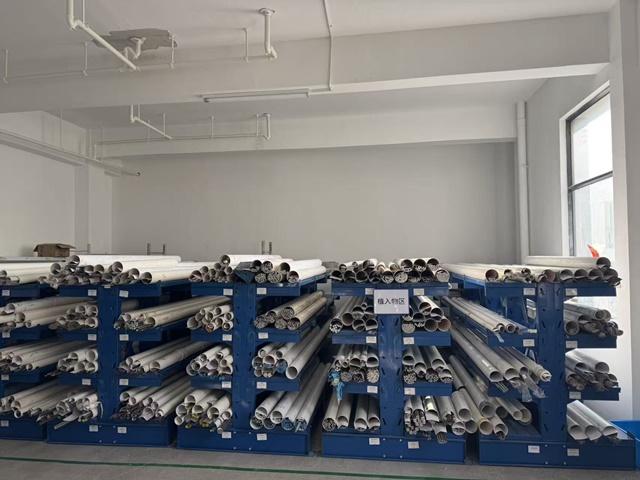
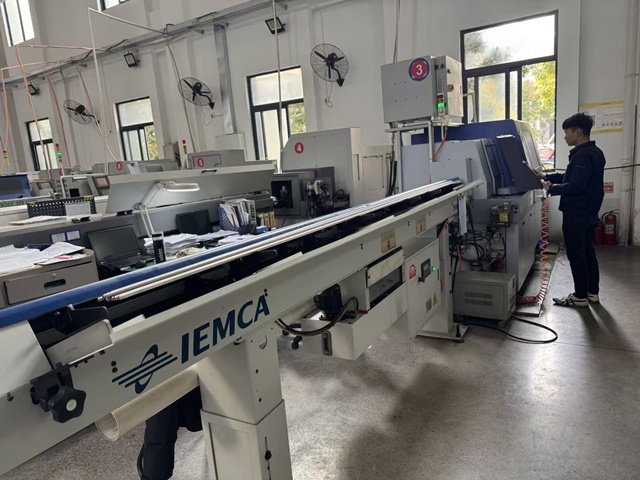
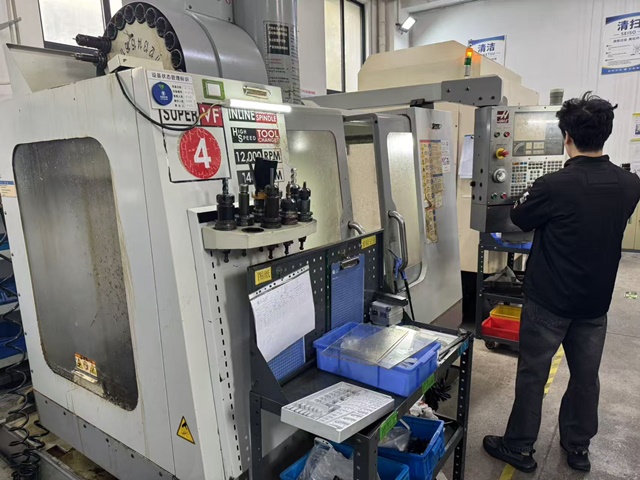
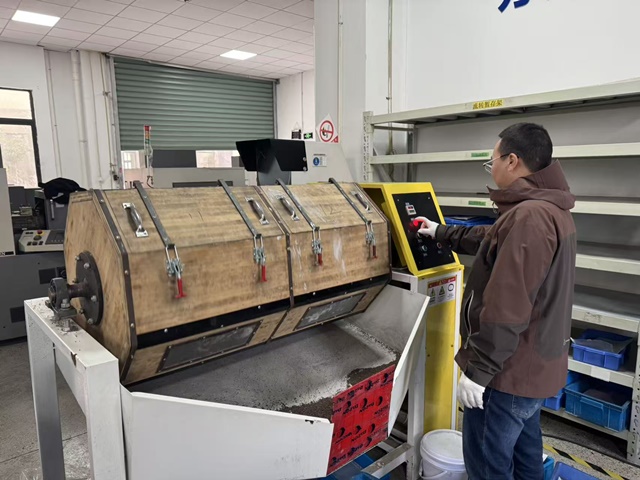
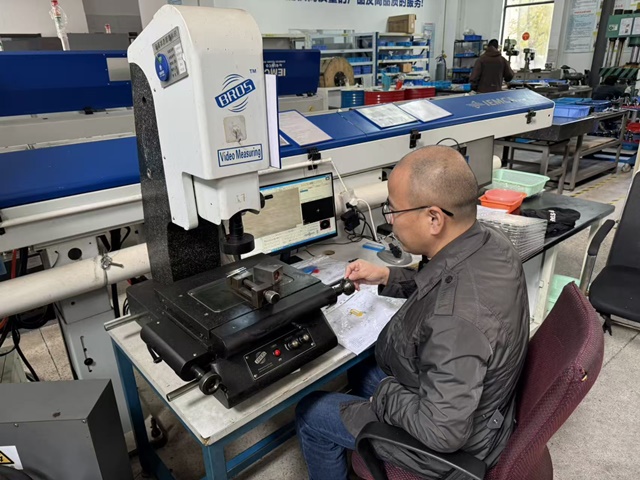
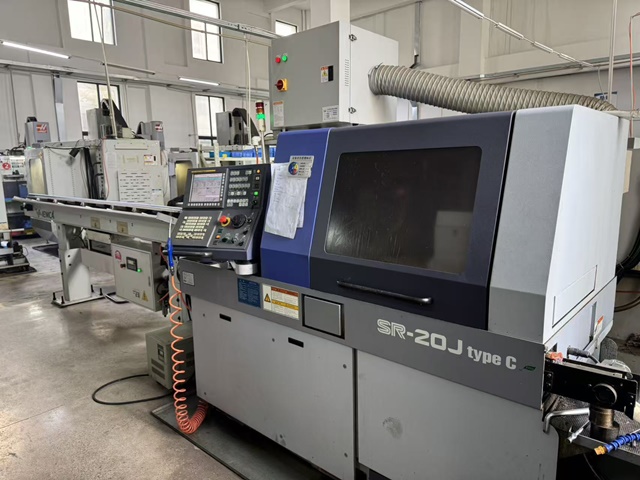
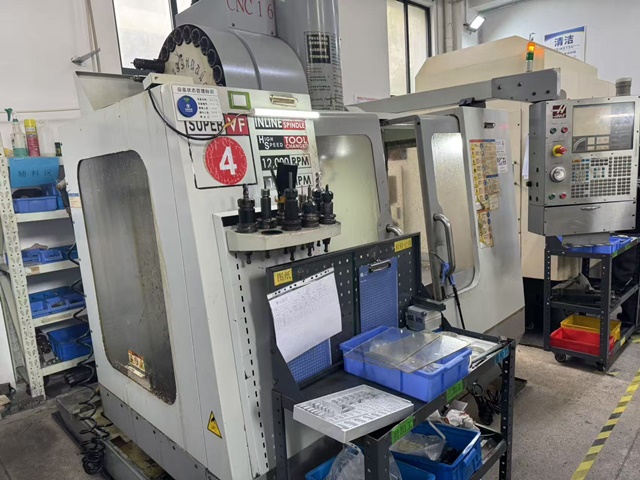
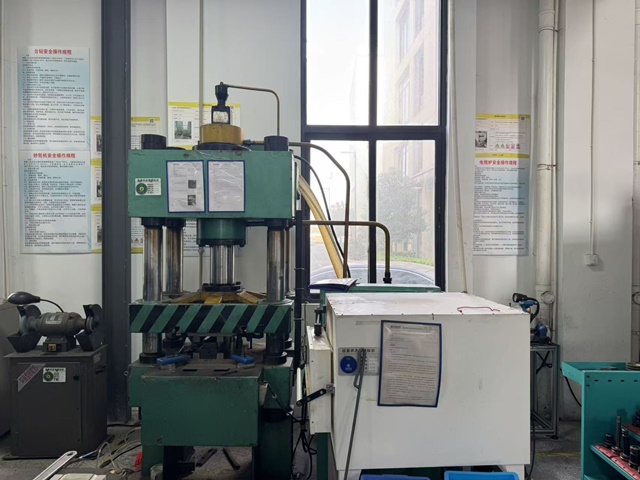
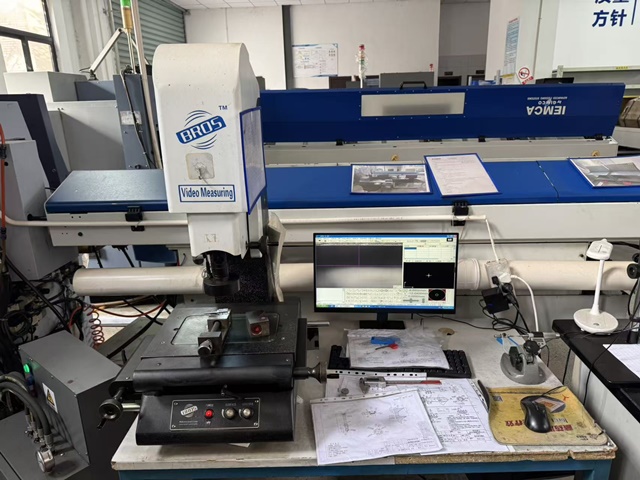
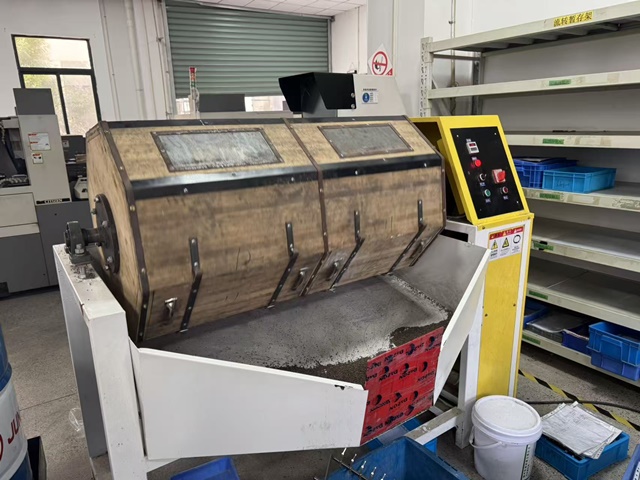
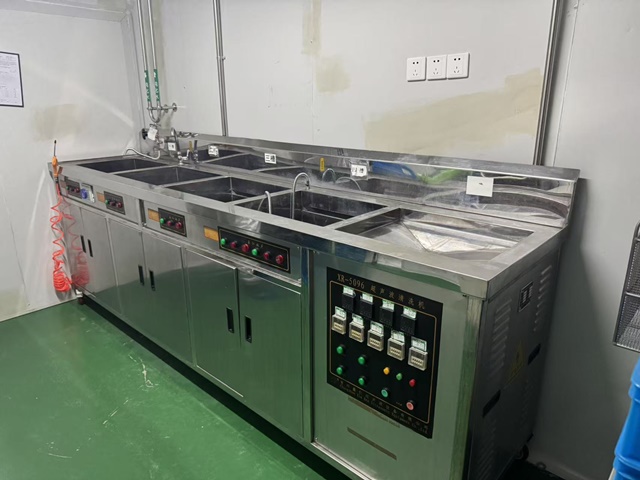
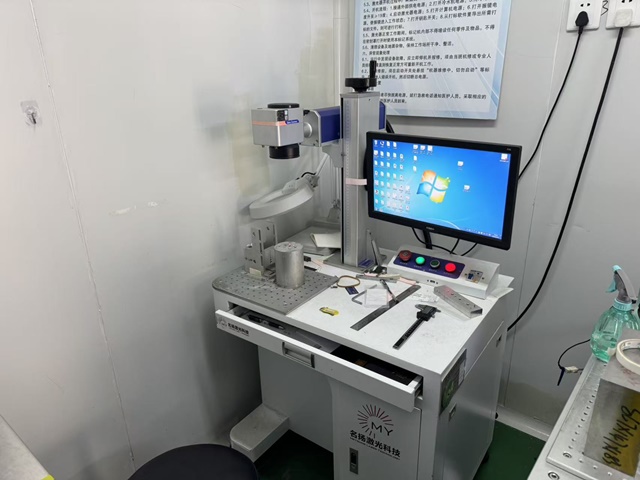
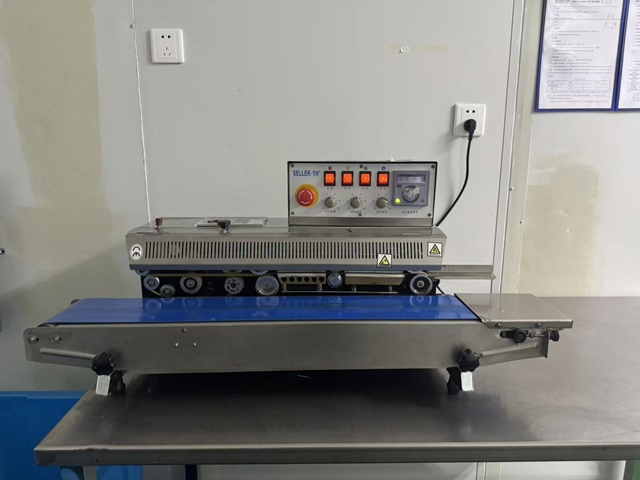
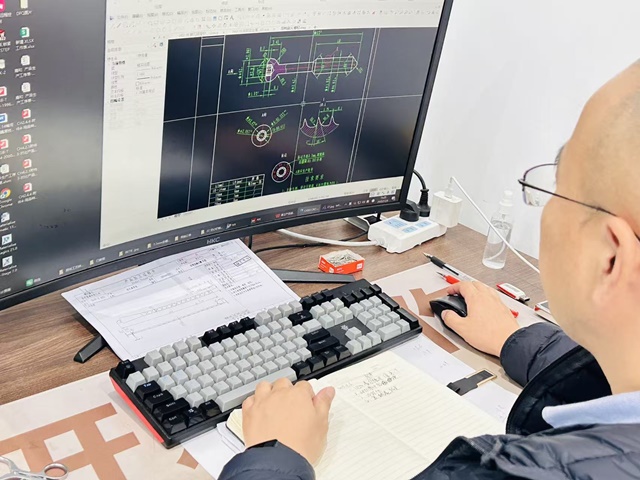
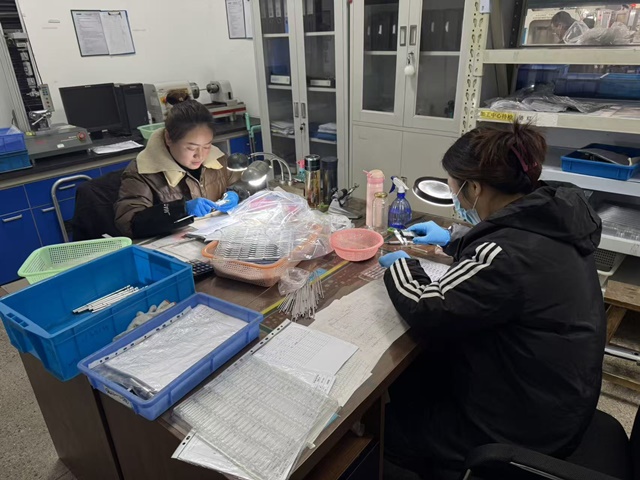
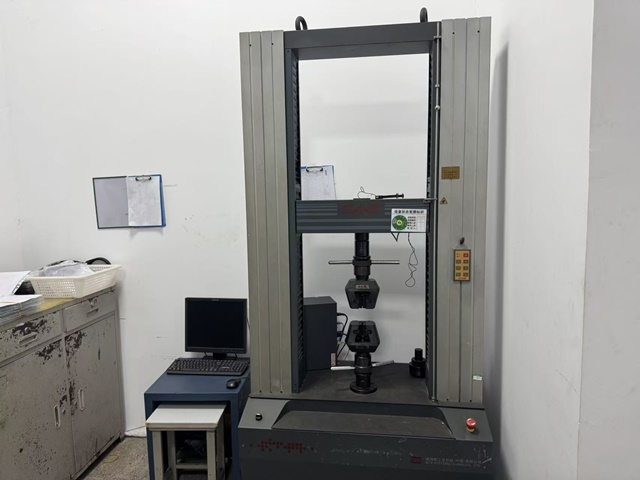
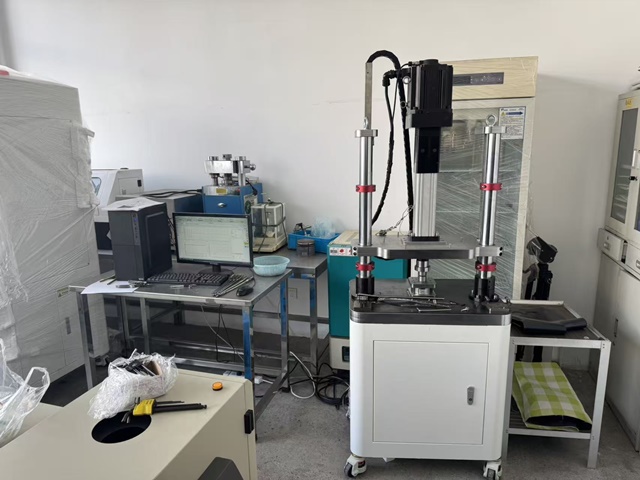
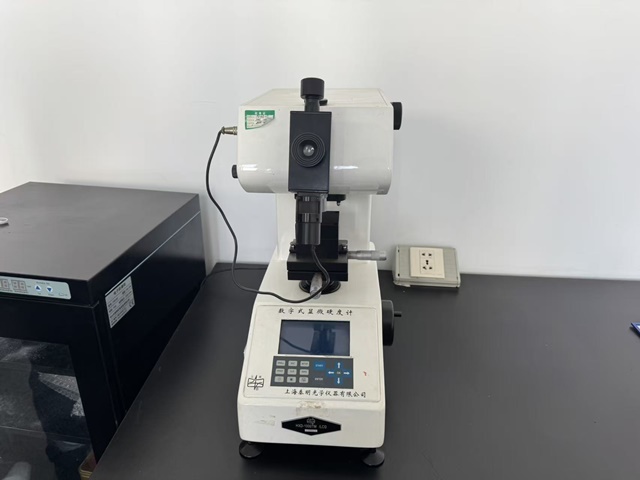
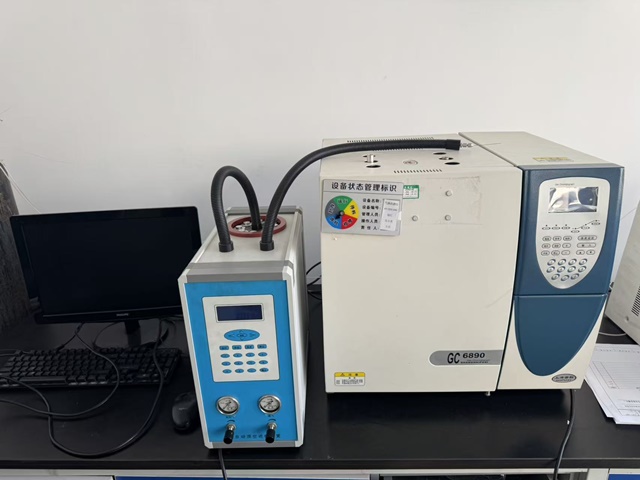
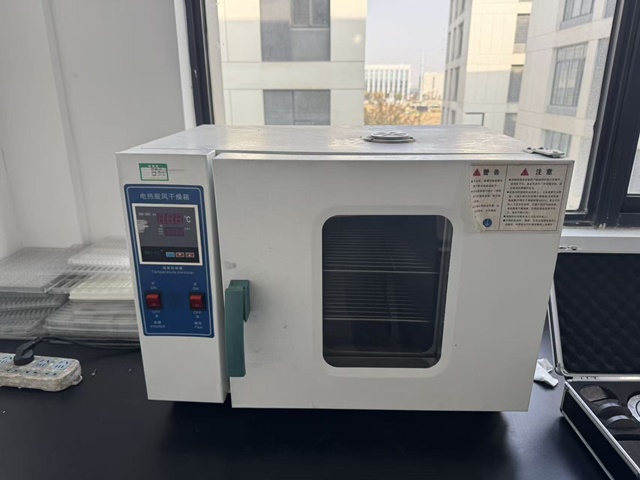
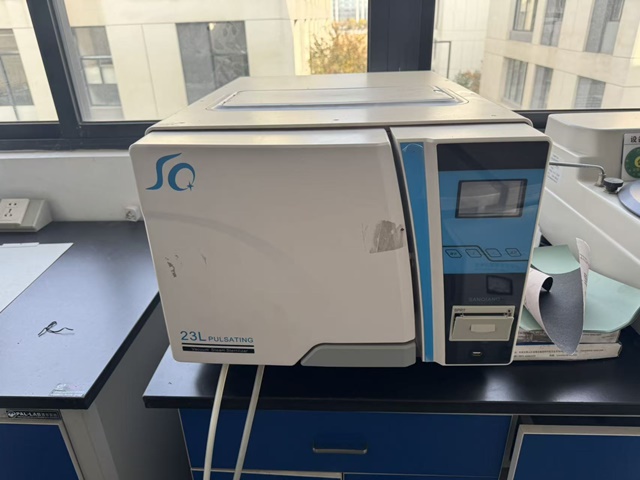
Operating a factory in the modern medical sector goes beyond basic machining. Osteora implements an Industry 4.0 framework within our 18,500㎡ facility to optimize throughput and guarantee mechanical precision. By combining Swiss-type automatic lathe equipment, HAAS CNC machining, and automated vision measuring instruments, we achieve dimensional tolerances as narrow as ±0.005mm.
This automated, vertically integrated supply chain enables us to withstand global market disruptions. Upstream partnerships with certified titanium alloy producers protect our production capacity against raw material spikes, ensuring stable pricing models and dependable delivery windows for international distributors.
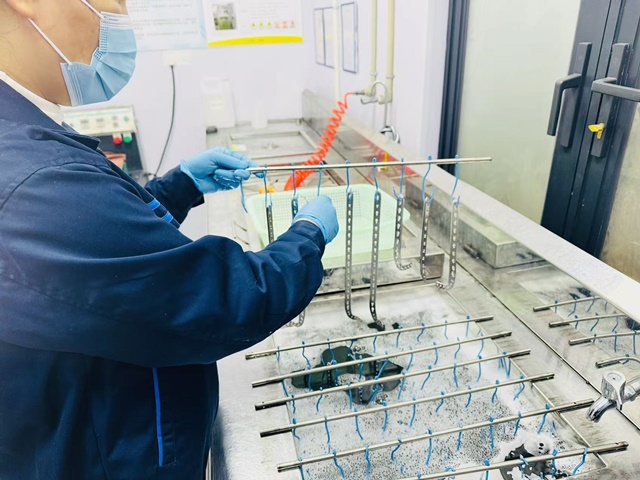
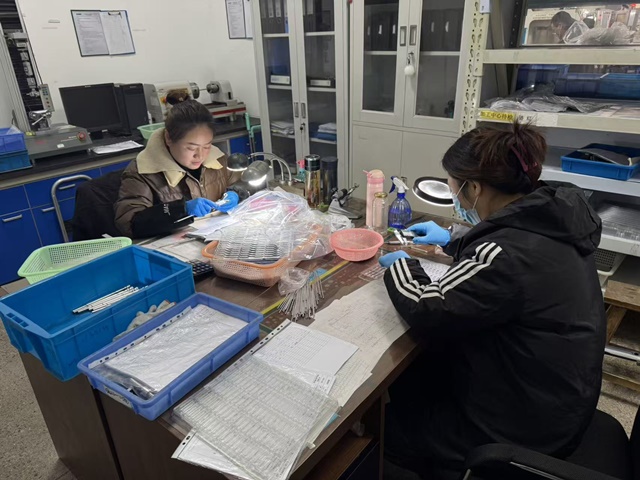
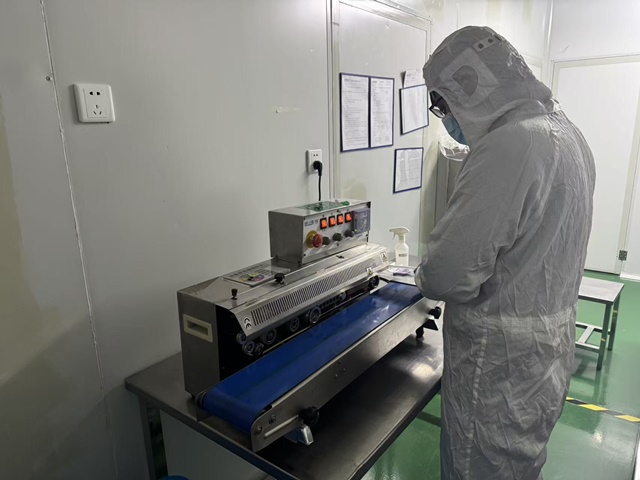
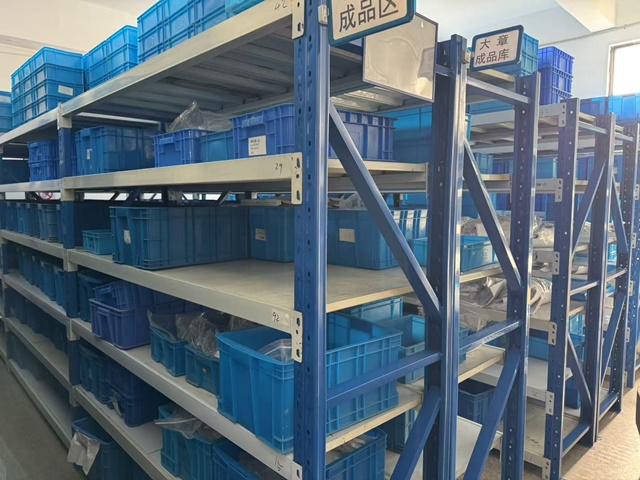
Every implant undergoes a transparent, multi-stage processing cycle to verify mechanical and clinical integrity.
From standard internal fixation procedures to specialized sports medicine and reconstructive bone surgery.
The scaphoid bone is highly prone to non-union and avascular necrosis due to its retrograde blood supply. Applying a headless cannulated screw across the fracture site minimizes disruption to the local microvascular network while generating linear axial compression. This accelerated compression helps promote primary bone healing, allowing patients to begin early range-of-motion therapy.
For cartilage shear injuries or osteochondritis dissecans (OCD) in the knee, elbow, or ankle joints, securing the osteochondral fragment requires a completely flush implant profile. Because our Herbert screws sit sub-chondrally, surgeons can safely re-fixate articular fragments directly within the load-bearing joint space without the risk of scratching opposing cartilage surfaces.
Intra-articular fractures of the radial head and humeral capitellum involve complex shear planes. Using cannulated guide wires allows for precise screw placement across these tiny fragments. Minimally invasive screw insertion helps protect adjacent ligamentous attachments, leading to improved postoperative elbow joint mechanics.
Our small and micro-sized Herbert screw configurations are widely utilized in veterinary surgical clinics for feline and canine trauma cases. Fixating articular fractures in small animals demands lightweight, bio-inert implants that provide long-term structural support, helping avoid the need for hardware removal surgeries.
Answers to critical questions from orthopedic surgeons, clinical engineers, and procurement managers.
Explore our specialized surgical solutions, high-precision locking plates, and spine fixation assemblies.