Osteora
Osteora
Osteora
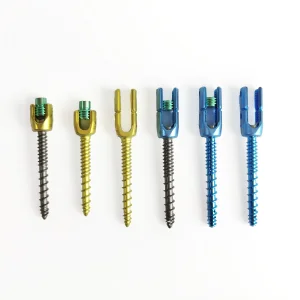
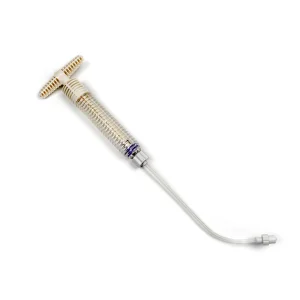
Designed to satisfy the high clinical expectations of Lombardy's private and public healthcare systems, these systems support minimally invasive spine surgeries (MISS).
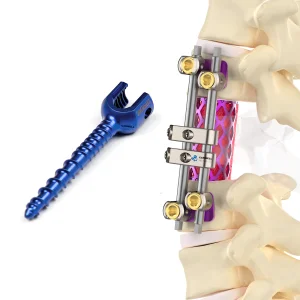
Milan, as the economic engine of Italy and the heart of the Lombardy region, represents one of Europe's most sophisticated and demanding medical technology markets. With world-renowned orthopedic centers such as the IRCCS Istituto Ortopedico Galeazzi, the Humanitas Research Hospital, and the Ospedale San Raffaele, Milan defines clinical excellence in spinal surgery across Southern Europe.
The local healthcare market is characterized by a rapid shift toward minimally invasive spine surgery (MISS), driven by the clinical need to reduce patient hospitalization times and optimize recovery pathways. Local purchasing groups (such as ARIA S.p.A. Lombardia) demand medical devices that not only demonstrate exceptional mechanical reliability but also align strictly with the European Medical Device Regulation (EU MDR 2017/745).
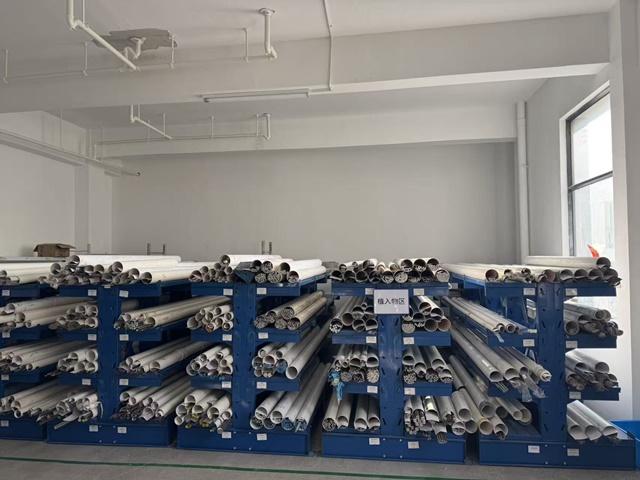
To compete effectively in Milan, medical device distributors and hospital procurement departments look for manufacturing partners capable of delivering continuous product innovation, customized OEM/ODM services, and complete material traceability from raw bars to sterile packaging.
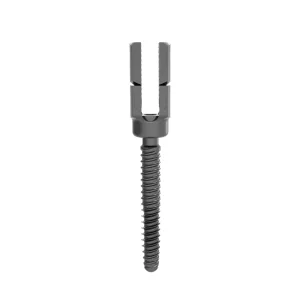
Request Milan Partner Program DetailsSurgeons in Lombardy prefer low-profile, expandable cages and percutaneous pedicle screw systems to support faster recovery and reduce operating room times.
Strict enforcement of the EU MDR requires CE certificates, comprehensive clinical evaluation reports (CER), and UDI-DI identification codes for all implants.
A trusted global manufacturer specializing in orthopedic trauma, spine, and joint reconstruction solutions.
Founded in 2016, Osteora has established a strong reputation in the global orthopedic industry through continuous innovation and strict quality control standards. The state-of-the-art facility covers approximately 18,500㎡, supporting fully integrated production, assembly, and testing operations.
With 8 years of export experience, Osteora has built reliable supply networks for orthopedic clinics, surgical centers, and distributors across Europe, Southeast Asia, the Middle East, and South America.
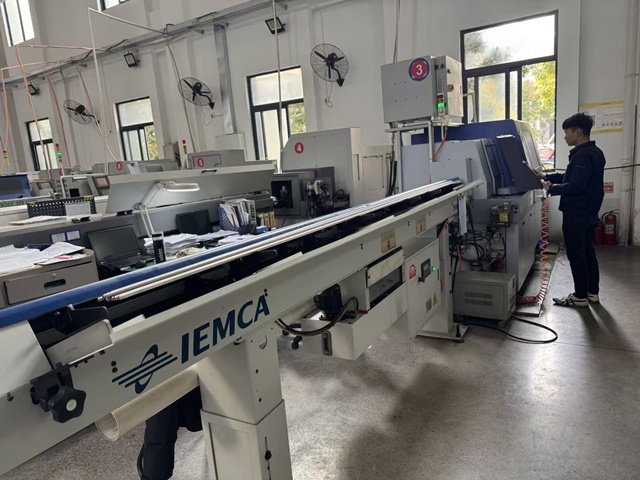
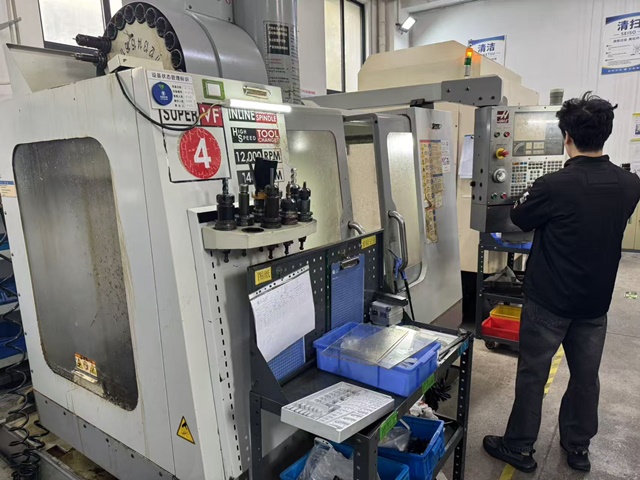
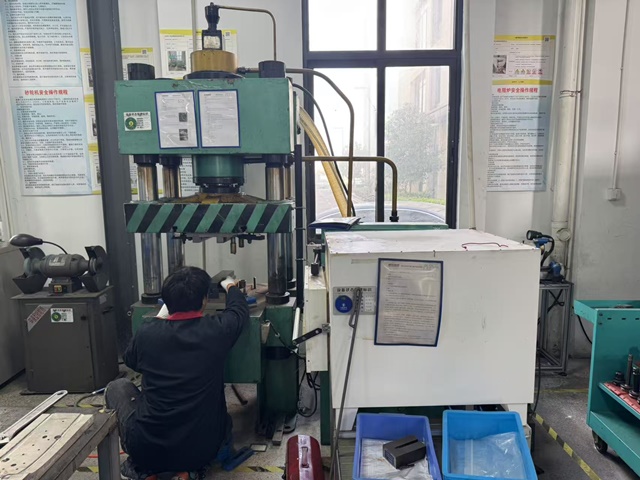
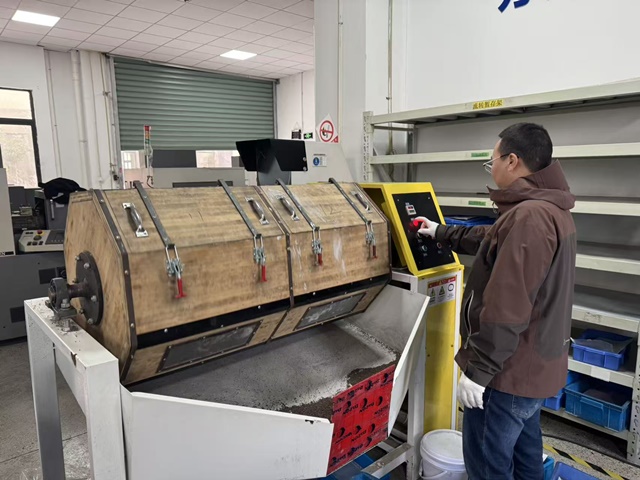
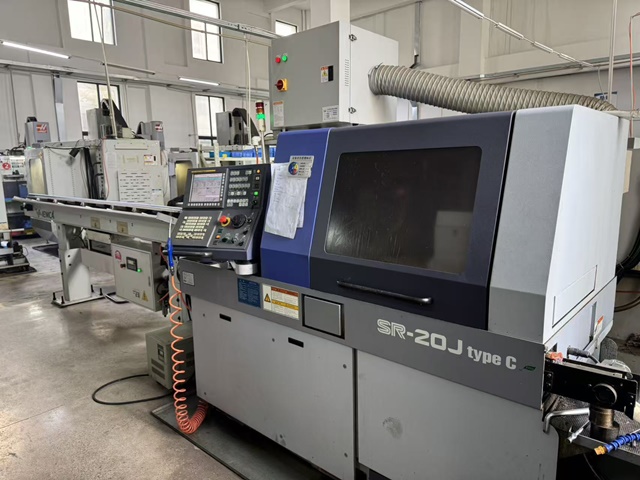
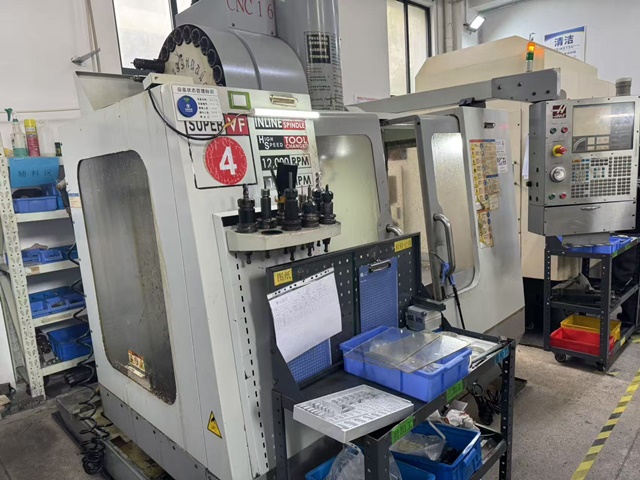
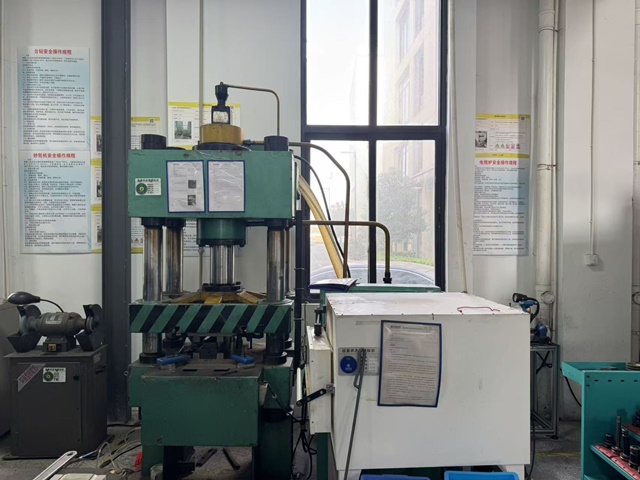
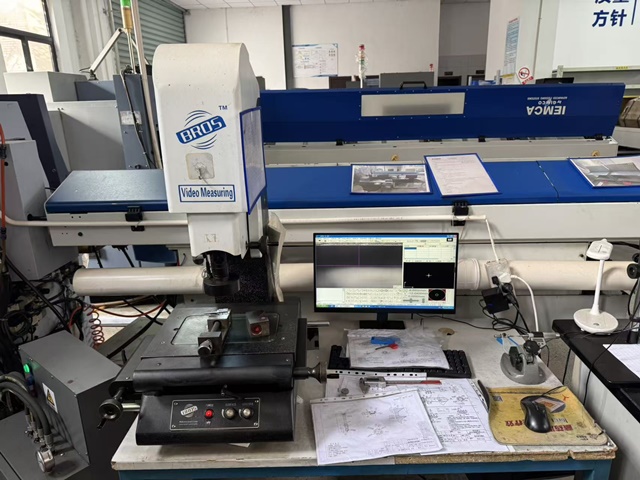
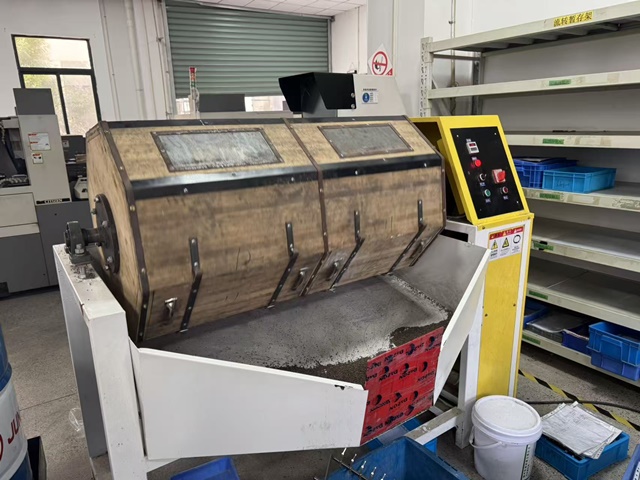
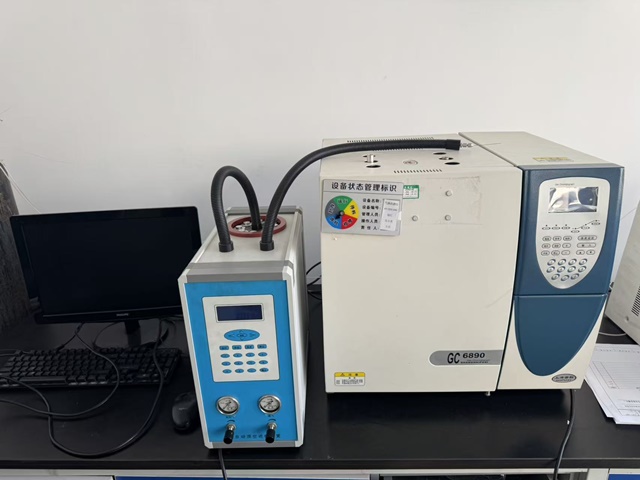
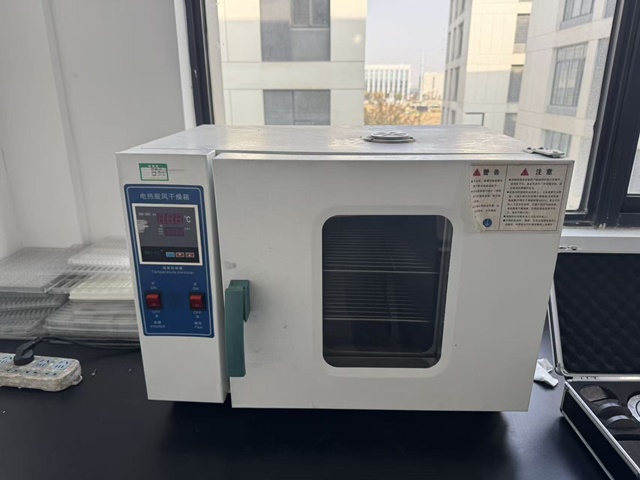
Connect with our Technical DirectorEnsuring micro-level precision and structural integrity for critical spinal applications using industry-leading machinery.
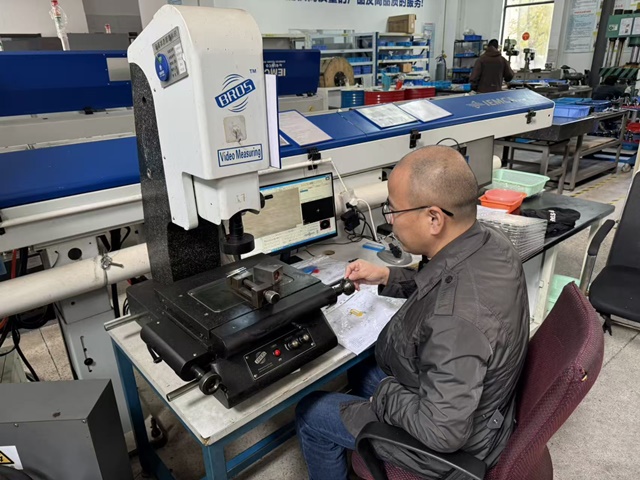
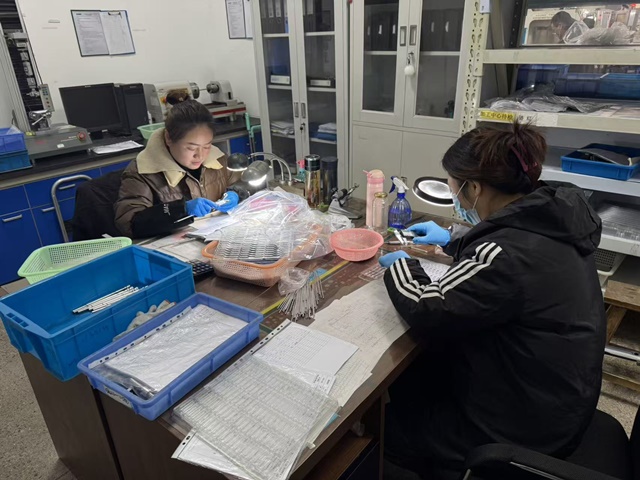
Osteora implements comprehensive quality assurance systems, including ISO 13485 compliance, in-process inspection, and final random sampling testing. Product inspection methods include dimensional measurement, mechanical fatigue testing, and biocompatibility validation. The quality control team consists of 42 specialized inspectors ensuring strict adherence to international medical device standards.
Our mechanical testing lab validates the static and dynamic properties of pedicle screws and cages (according to ASTM F1717 and ASTM F2077 standards), simulating up to 5 million cycles of axial compression, bending, and torsion loading to verify long-term implant survival rates.
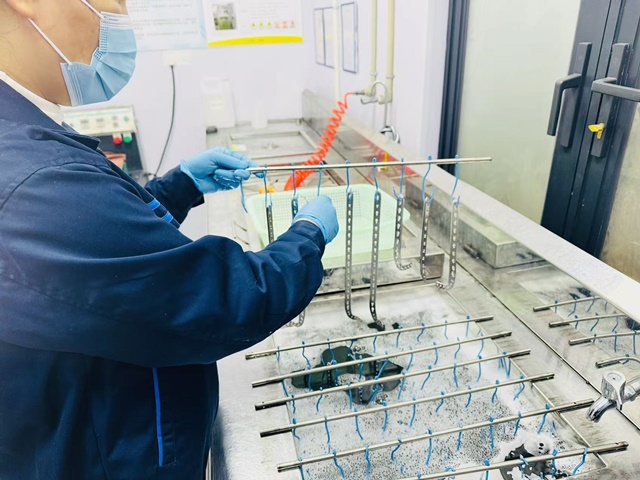
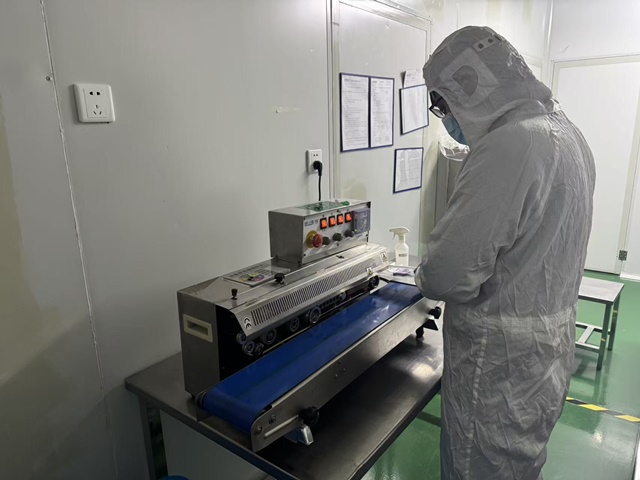
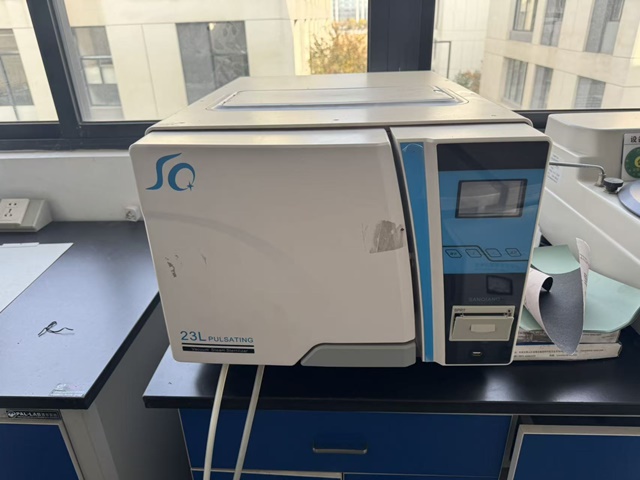
To eliminate contaminations, all spinal components undergo a validated multi-stage cleaning and passivation process inside our Clean Room, followed by packing in protective medical-grade sterile barrier systems.
| Test Category | Standards Applied | Key Equipment |
|---|---|---|
| Fatigue Testing | ASTM F1717 / ASTM F2077 | Multifunctional Mechanical Testing Machine |
| Dimensional Inspection | ISO 13485 Protocol | Vision Measuring Instrument |
| Material Analysis | ASTM F136 / ISO 5832-3 | Gas Spectrometer & Hardness Tester |
| Biocompatibility | ISO 10993 Series | Drying Ovens & Clean Room Packing |
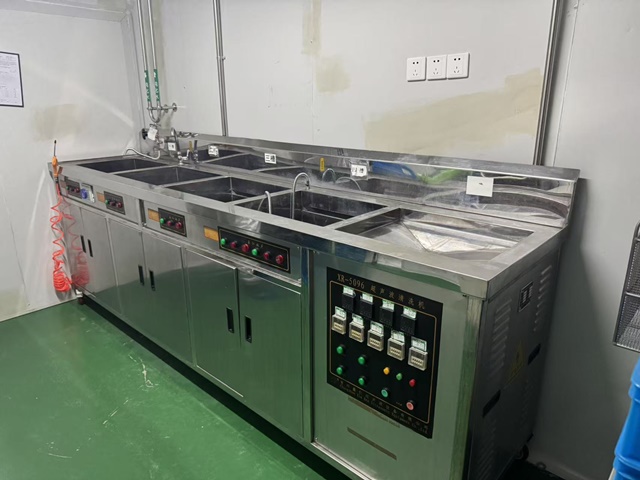
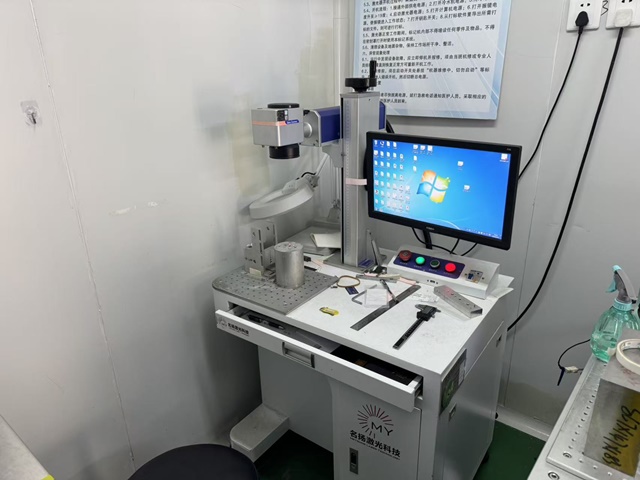
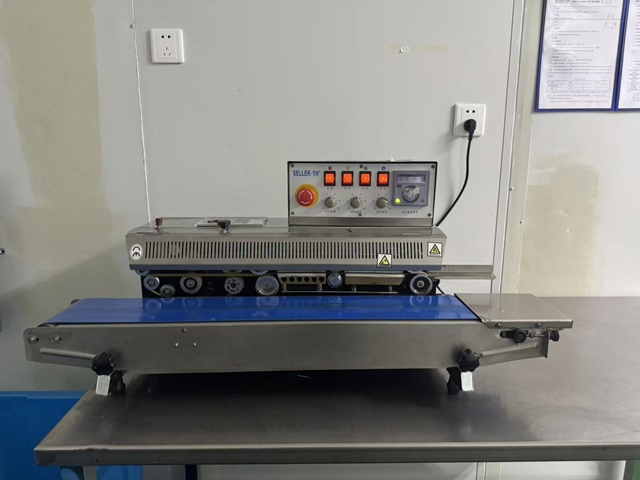
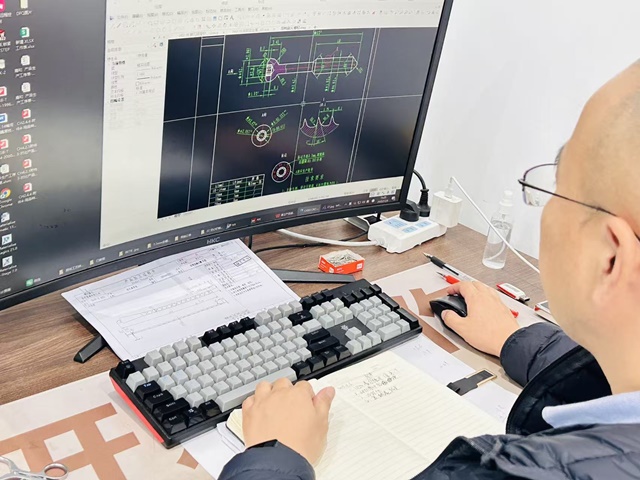
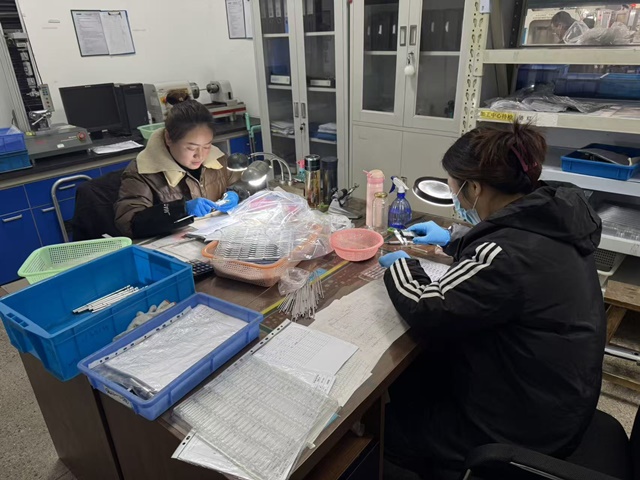
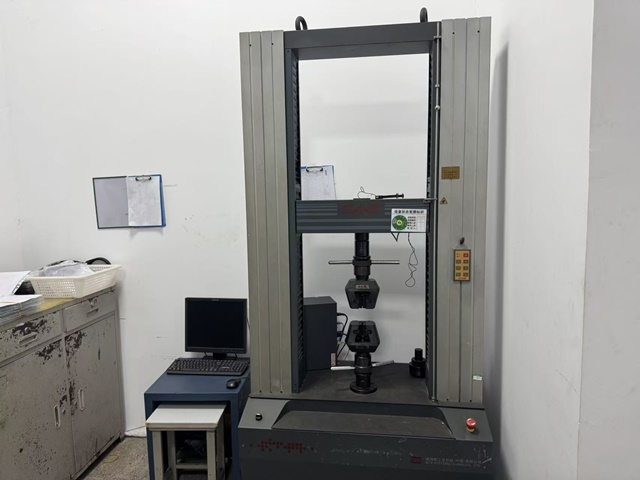
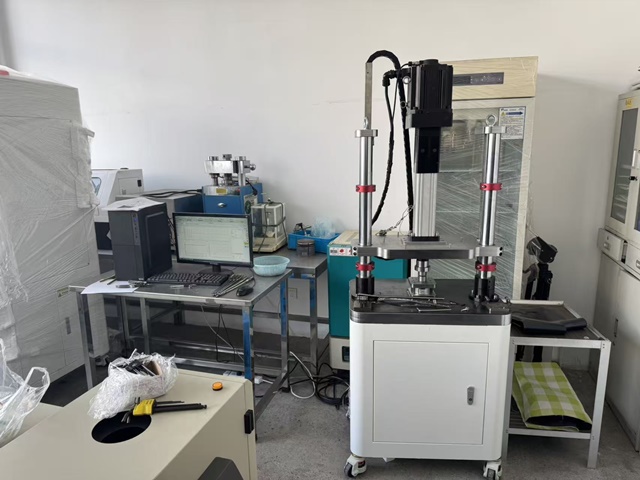
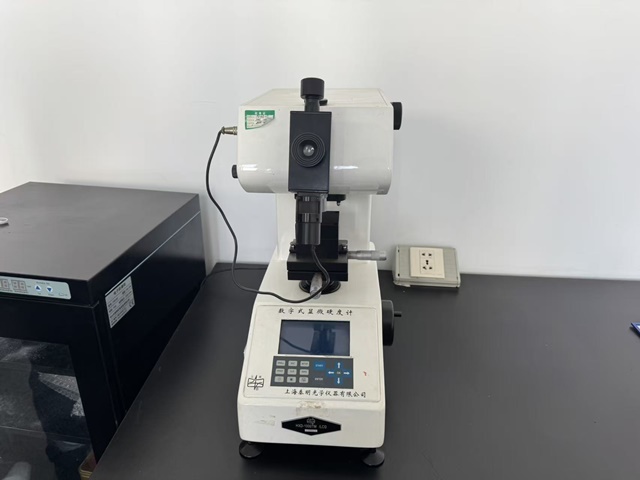
Remaining at the forefront of spinal surgery innovation by moving beyond traditional materials to active biocompatible microstructures.
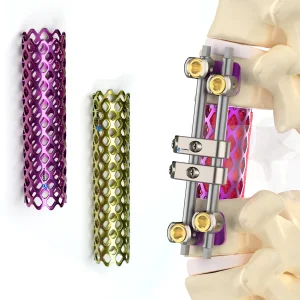
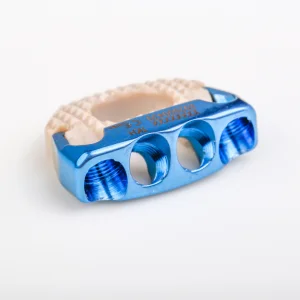
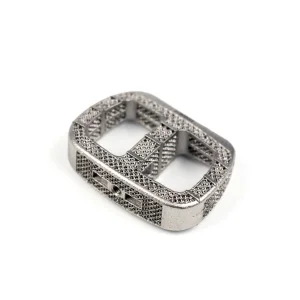
Traditional solid titanium is being replaced by 3D-printed porous implants. The porous structure mimics trabecular bone, providing superior mechanical interlocking and encouraging faster osseointegration.
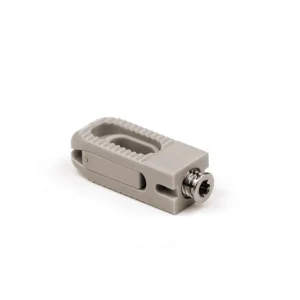
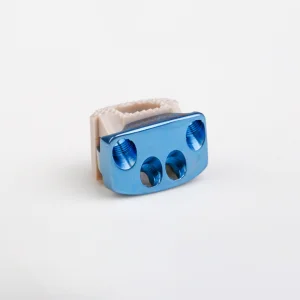
PEEK (Polyetheretherketone) remains highly valued for its radiolucency and bone-like modulus of elasticity. Integrating titanium anchors directly into zero-profile cervical cages minimizes the risks of dysphagia.
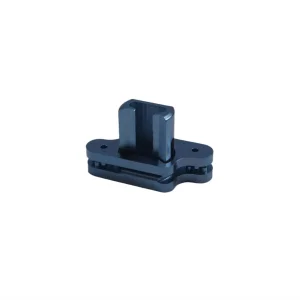
Modern TLIF/PLIF cages feature expandable mechanisms. These allow for insertion through narrow clinical portals, reducing nerve root retraction, and expand inside the disc space to restore sagittal balance.
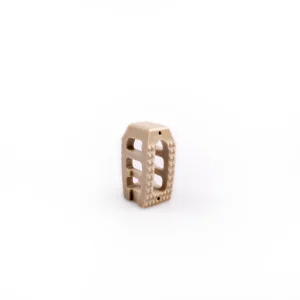
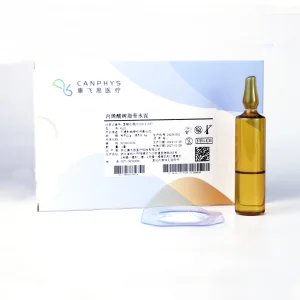
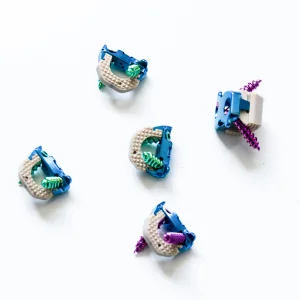
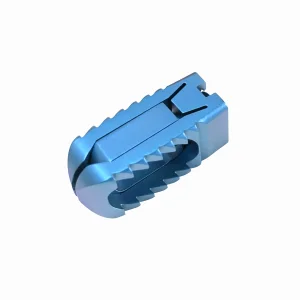
From cervical interbody fusion cages to vertebroplasty accessories, our CE-compliant products offer predictable outcomes for spine specialists.
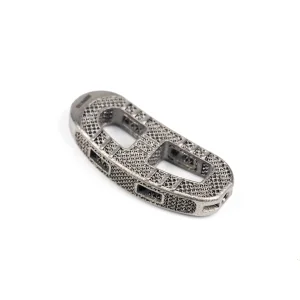
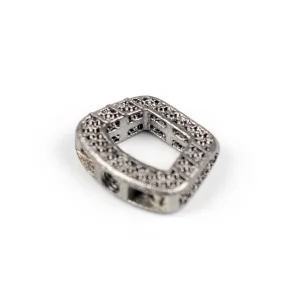
Importing class IIb and class III implants into Italy requires more than basic manufacturing certifications. Osteora guarantees full transparency and regulatory alignment to help distributors navigate local clinical tenders and registration systems.
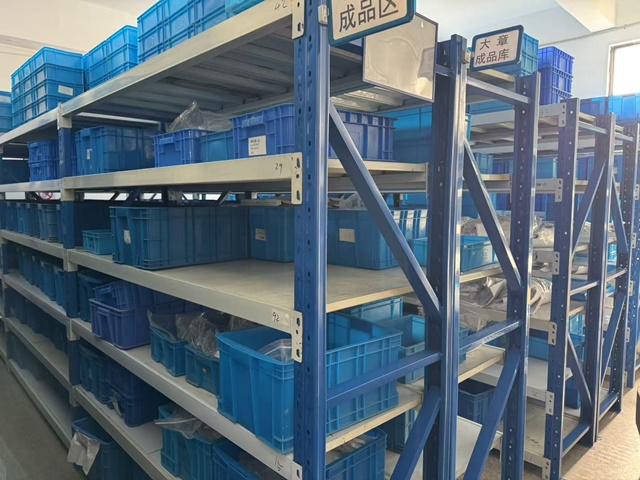
Our facility operates under tight ISO 13485:2016 management standards. Every single spinal fusion cage and pedicle screw is assigned a unique tracking number to ensure end-to-end traceability from the initial raw material titanium bar to the final clinical theater.
Answers to common regulatory, logistical, and technical queries regarding orthopedic device distribution in Italy and the wider European market.