 Osteora
Osteora
Osteora
Advanced interbody spacers, cervical structures, and pedicle stabilization systems engineered for clinical excellence and anatomical precision.
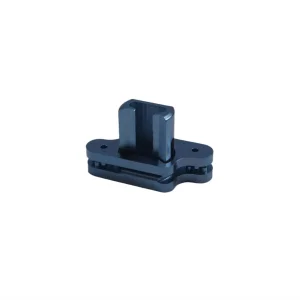
Minimal invasive spacer engineered with medical-grade titanium alloy, optimizing decompression and stabilizing spinal segments in post-decompression processes.
Request Price Quote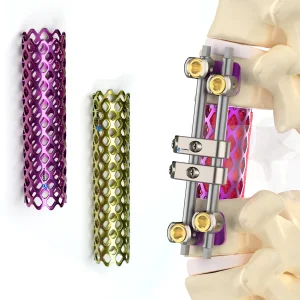
Integrates anterior thoracolumbar pedicle screws with highly bio-compatible mesh cages, minimizing incision trauma and accelerating bone ingrowth.
Request Price Quote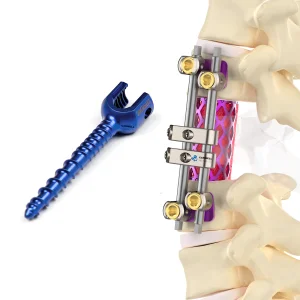
Features polyaxial reduction mechanics for easier rod positioning in complex deformity corrections, designed for lumbar stability applications.
Request Price Quote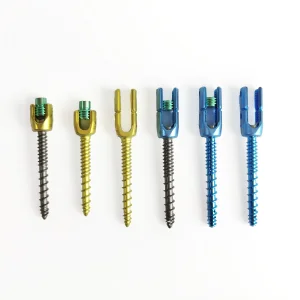
Engineered with a double-threaded profile to double bone-to-screw purchase and speed up insertion time in high-workload surgical operations.
Request Price QuoteThe Romanian orthopedic and spine market is experiencing a profound transition toward minimally invasive surgeries (MIS) and higher-tier biological material compatibility. Driven by public funding initiatives via the National Health Insurance House (CNAS) and growing investments by major private healthcare chains (such as Regina Maria, MedLife, and Sanador), hospitals across Bucharest, Cluj-Napoca, Iași, and Timișoara are modernizing their neurosurgery and orthopedic trauma wards.
For procurement officers, medical distributors, and surgical centers in Romania, complying with the European Medical Device Regulation (EU MDR 2017/745) is non-negotiable. Implants must feature high mechanical stability, anti-stress shielding designs, and exceptional biocompatibility (such as Ti6Al4V ELI titanium alloys and PEEK-OPTIMA polymers) to guarantee patient safety and long-term surgical success.
“Sourcing from factories with ISO 13485 certification, extensive clinical data verification, and direct OEM/ODM customization capabilities enables Romanian distributors to secure cost-competitive, premium implants that easily win national public tenders.”
Hospitals demand Class III certified spinal implants matching the latest MDR regulatory standards, protecting distributors from regulatory bottlenecks during customs clearance and local medical audits.
Rapid osteointegration is achieved through modern porous titanium lattices, replacing traditional solid metal cages and ensuring faster fusion rates post-surgery.
Given the localized budget restrictions of public health tenders, suppliers must deliver high-precision products with surgical instrumentation sets that balance durability and financial efficiency.
A comparison of materials and mechanical traits crucial for selection in Romanian clinical protocols.
| Material Type | Elastic Modulus | Radiolucency | Primary Clinical Indications | Key Bio-compatibility Benefit |
|---|---|---|---|---|
| PEEK (Polyetheretherketone) | ~3.6 GPa (Close to cortical bone) | Transparent (Allows fusion assessment) | Interbody Fusion Cages (PLIF, TLIF, ACDF) | Reduces stress shielding, minimizing post-op subsidence. |
| Titanium Alloy (Ti6Al4V ELI) | ~110 GPa | Opaque (Slight artifacts on MRI) | Pedicle Screws, Interspinous Spacers, Mesh Cages | Exceptional fatigue strength and structural mechanical support. |
| 3D Printed Porous Titanium | ~10-20 GPa (Interconnected lattice) | Semi-transparent edges | Advanced Lumbar Fusion Cages, ALIF/PLIF spacers | Interconnected micro-pores promote rapid bony in-growth. |
In modern Romanian surgical centers, standard solid implants are gradually being supplemented by 3D-printed porous structures. The bio-mimetic structure of our 3D-printed titanium implants closely mirrors the porous composition of trabecular bone. This triggers natural osteogenesis, allowing bone tissue to penetrate deep into the implant body, leading to structural stability that outlasts traditional mechanical friction-based options.
Osteora Medical Devices Co., Ltd. is a professional orthopedic implant and surgical solution manufacturer specializing in trauma, spine, and joint reconstruction systems under the brand Osteora.
Founded in 2016, the company has developed a strong reputation in the global orthopedic industry through continuous innovation and strict quality control standards. The facility covers an area of approximately 18,500㎡, supporting integrated production, assembly, and testing operations.
With 8 years of export experience and 12 years of industry expertise, Osteora has established stable cooperation with international distributors and hospitals across multiple regions. Annual export revenue ranges from USD 6 million to 14 million, reflecting steady global market growth.
The company implements comprehensive quality assurance systems, including ISO 13485 compliance, in-process inspection, and final random sampling testing. Product inspection methods include dimensional measurement, mechanical fatigue testing, and biocompatibility validation. The quality control team consists of 42 specialized inspectors ensuring strict adherence to international medical device standards.
Osteora has a strong trade background in global medical device export and maintains long-term partnerships with distributors in Europe, Southeast Asia, the Middle East, and South America, which are also its primary markets.
The company’s supply chain includes approximately 1,200 certified upstream and downstream partners, supporting stable production capacity and reliable delivery performance. Its main customer base consists of hospitals, orthopedic clinics, surgical centers, and medical distributors.
With strong R&D capabilities, Osteora operates an in-house engineering team of 85 R&D engineers, focusing on innovation in trauma fixation systems, spinal implants, and joint reconstruction technologies. The company offers extensive customization options, including OEM/ODM services, size variations, material customization, and private labeling.
In the past year, Osteora launched approximately 120 new products, reflecting its continuous investment in innovation and product development to meet evolving clinical needs.
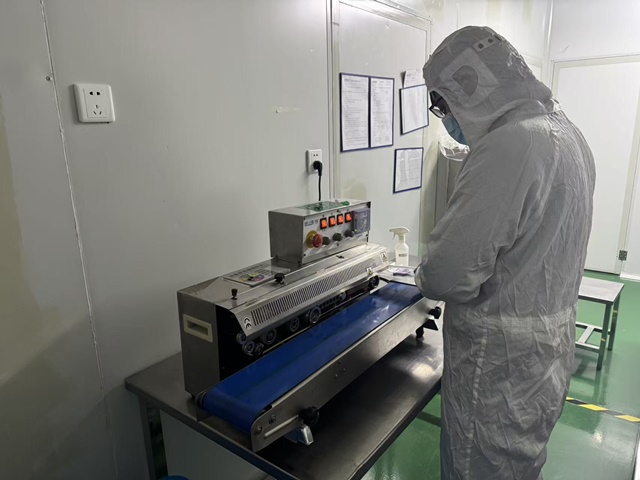
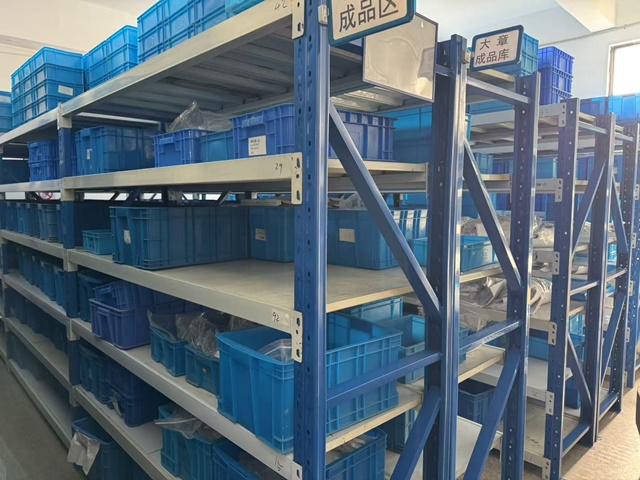
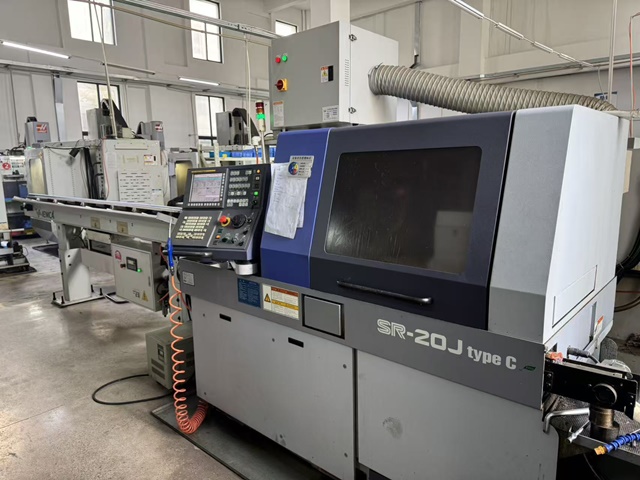
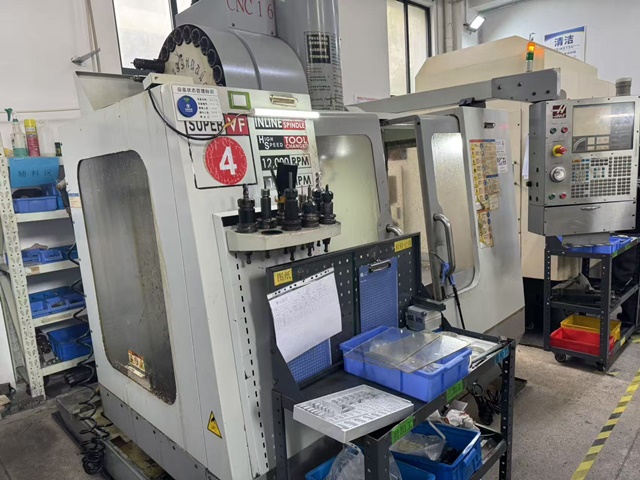
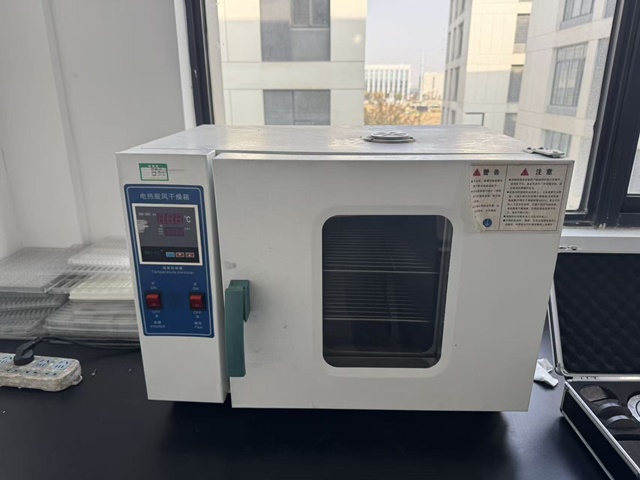
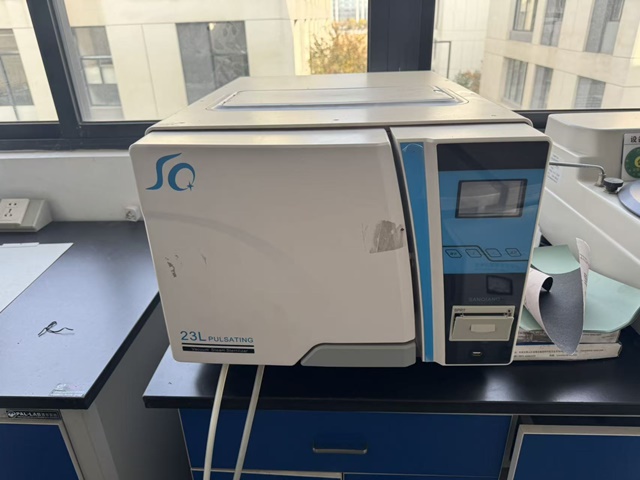
A step-by-step visual documentation of our raw material sourcing, CNC processing, inspection, and cleanroom packaging.
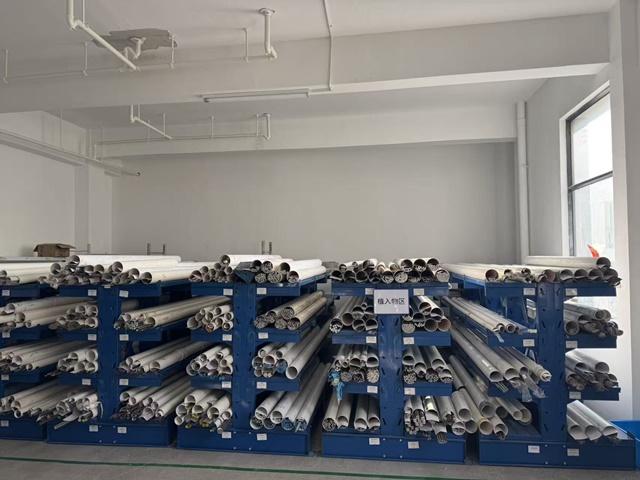
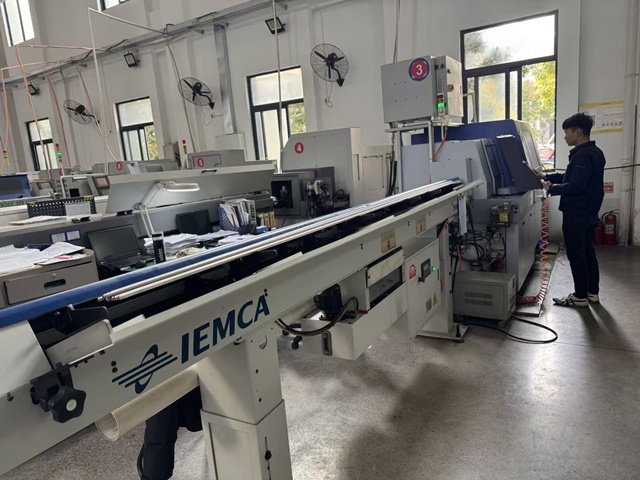
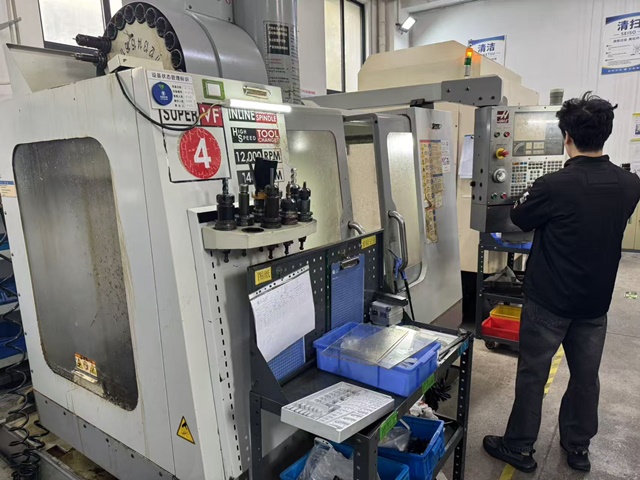
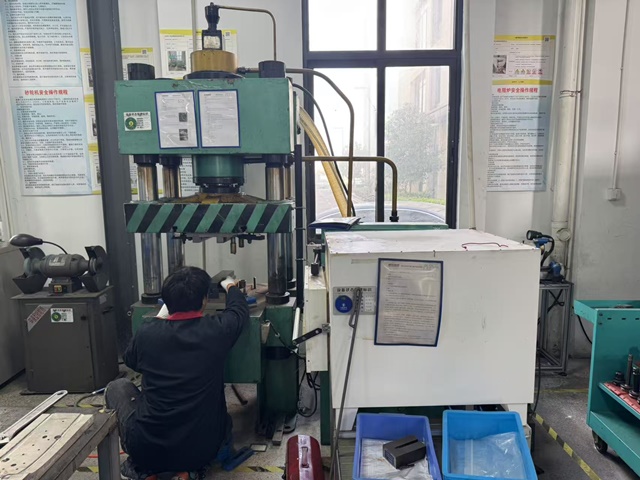
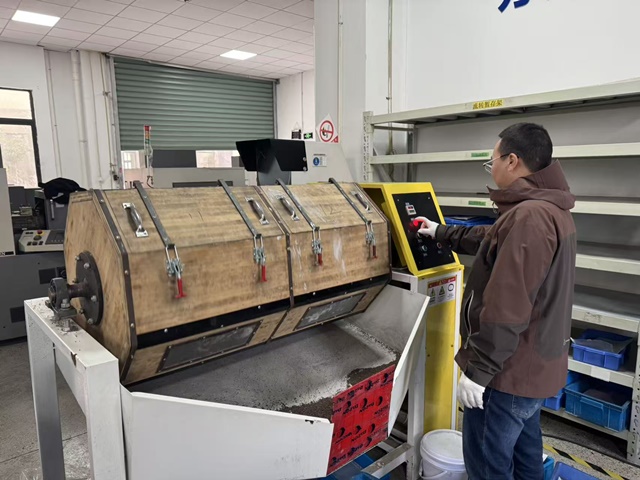
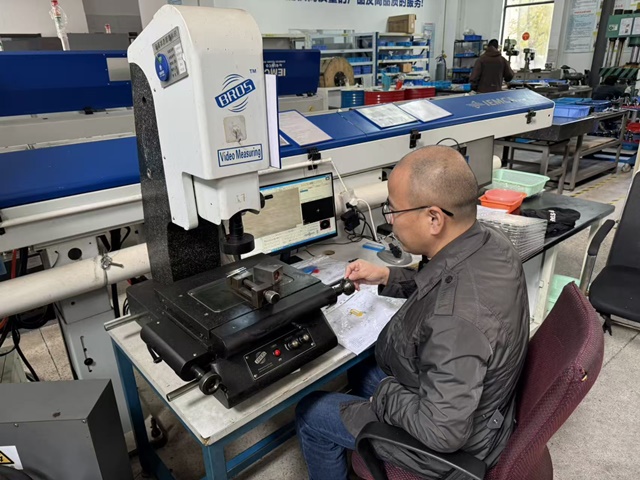
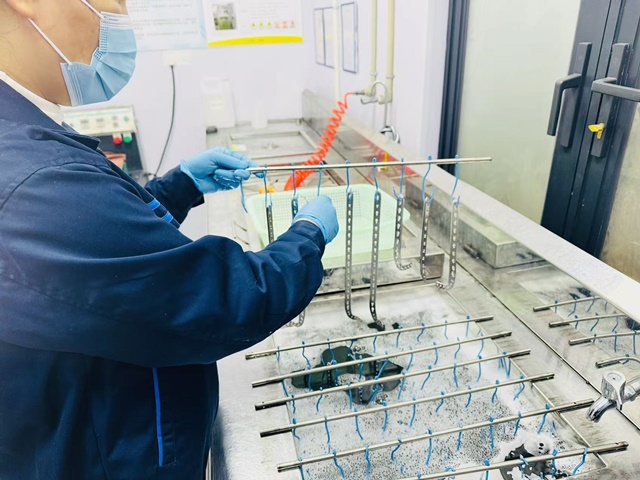
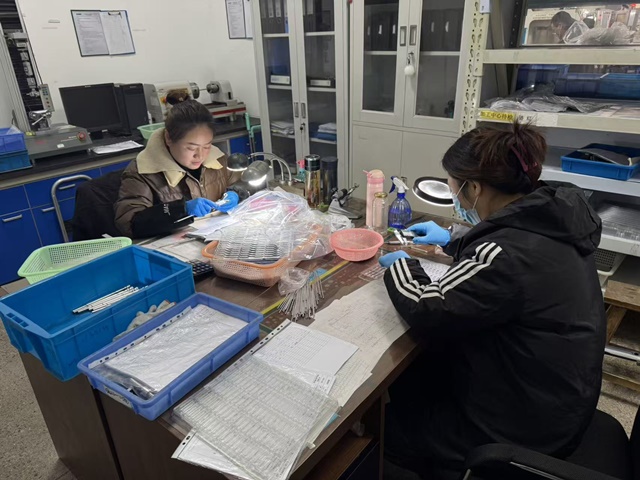
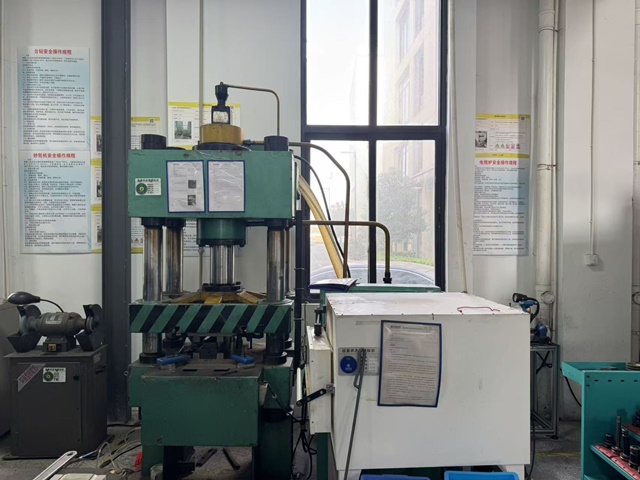
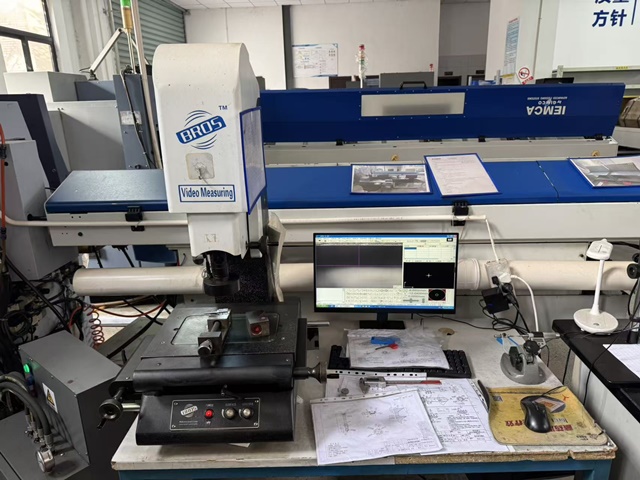
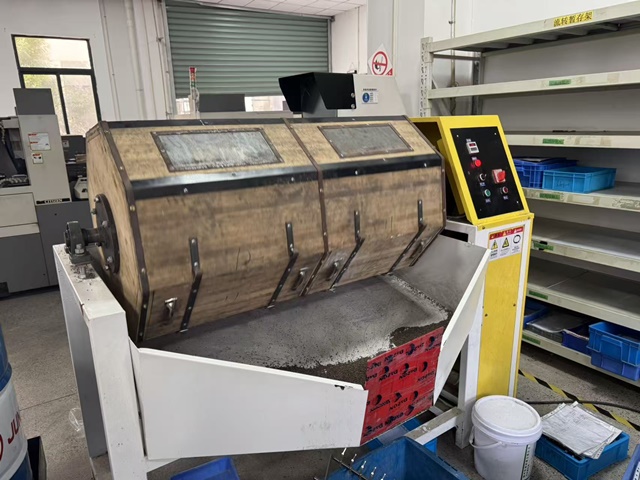
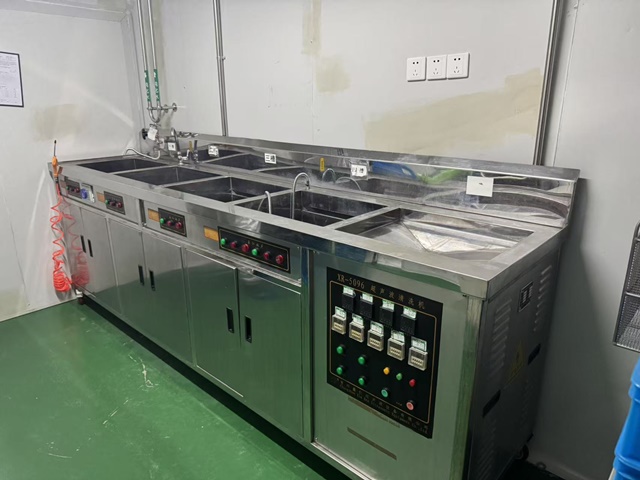
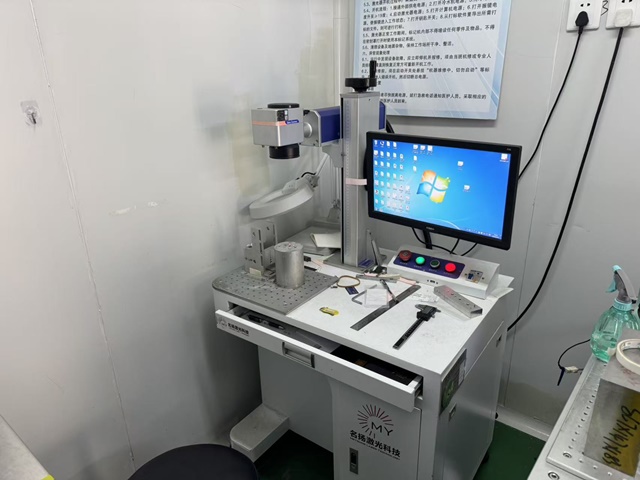
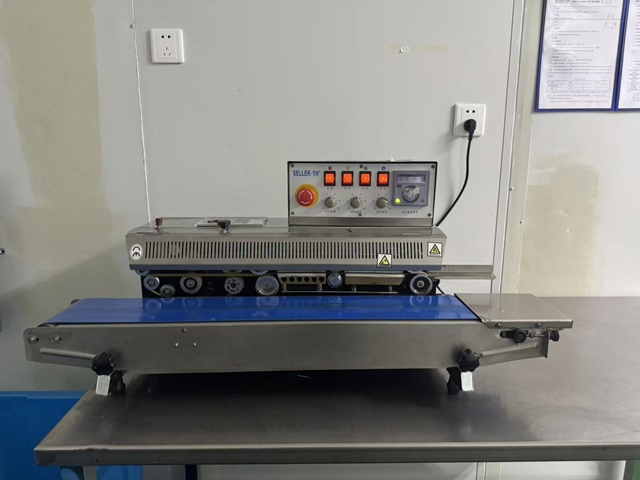
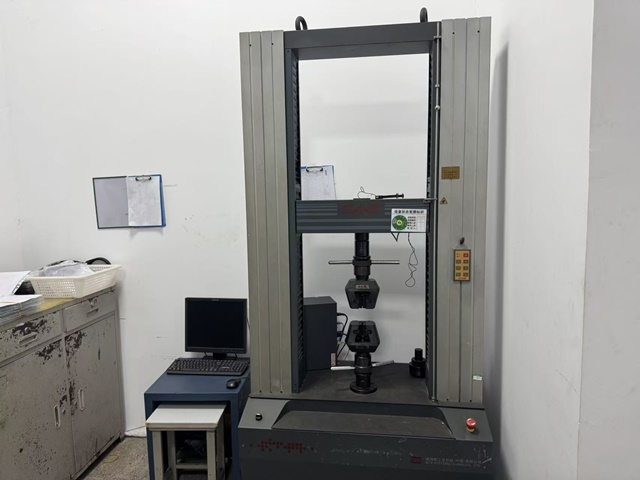
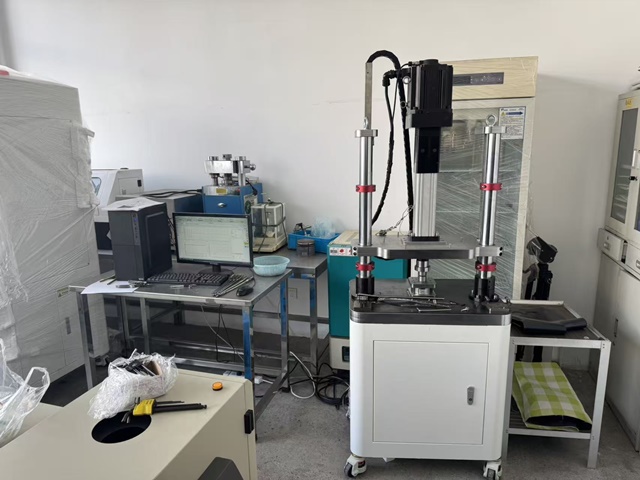
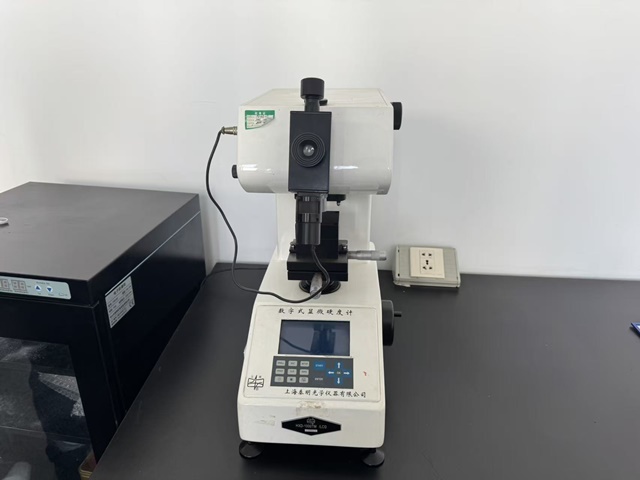
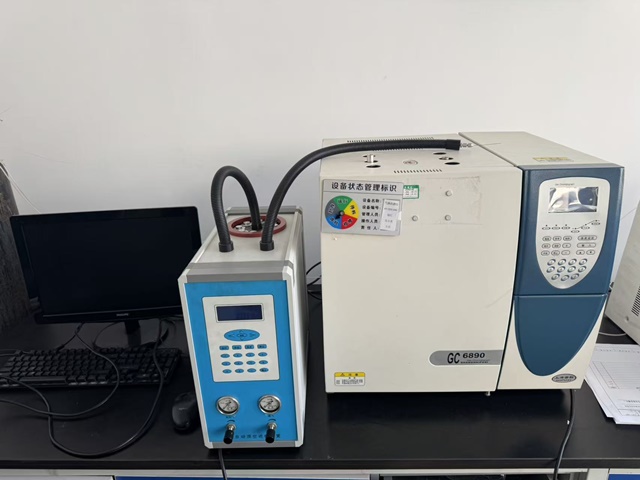
Testing and validation of load thresholds, microstructures, and material purity to comply with EU CE guidelines.
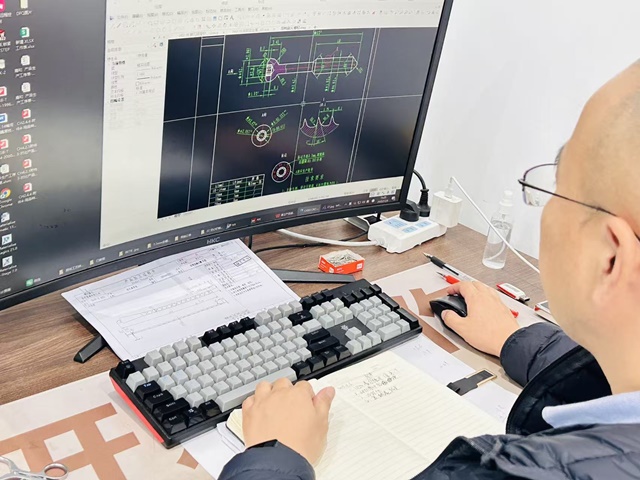
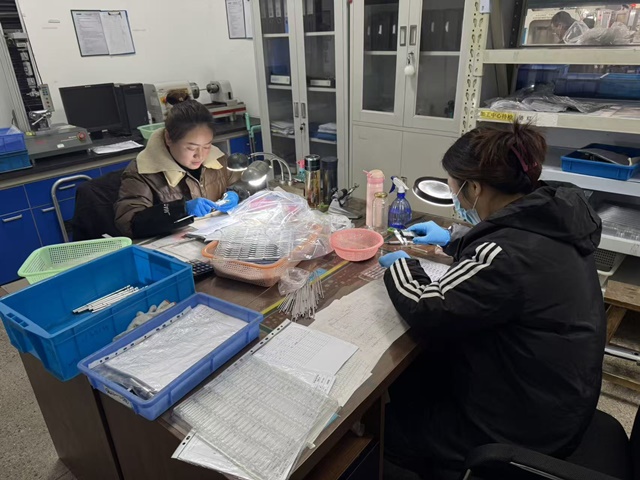
Every batch of spinal implants is subjected to comprehensive testing in our centralized lab. Our testing protocols verify fatigue limits and elasticity ratios, ensuring that implants withstand physical stresses inside the human body without warping or degradation.
Our quality checks encompass raw material spectrometry, microstructure inspection, and multi-axis mechanical fatigue simulation according to ASTM requirements. We utilize high-resolution optical and mechanical tools to guarantee trace verification and zero defect rate for every shipment.
Premium spinal fusion cages, bone cement systems, and MIS kits fully cataloged for clinical purchase in Romania.
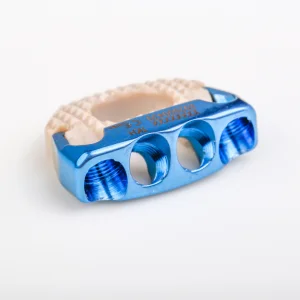
Zero-profile spinal implant designed to fit the anatomy of the cervical interbody space, preventing irritation to surrounding soft tissues.
Request Pricing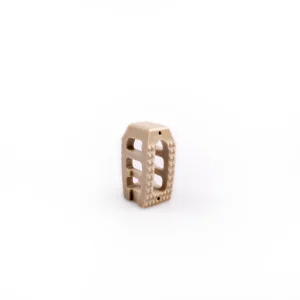
Class III posterior lumbar interbody fusion cage with tooth pattern preventing backout and promoting high-load stability.
Request Pricing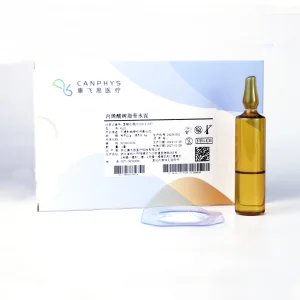
Integrated mixer and injector designed for vertebroplasty, delivering consistent viscosity and controlled delivery in osteoporotic repairs.
Request Pricing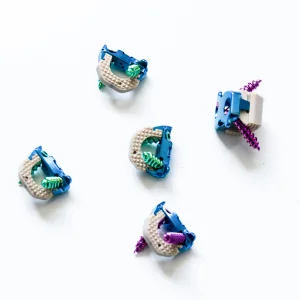
Stand-alone cervical spacer featuring integrated fixation screws to eliminate the need for supplemental locking plates.
Request Pricing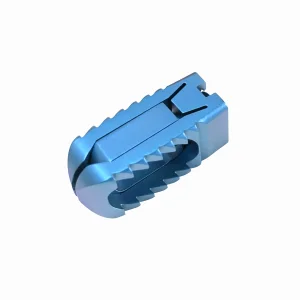
Expandable interbody system constructed to adjust height post-insertion, maintaining alignment and lordotic angles.
Request Pricing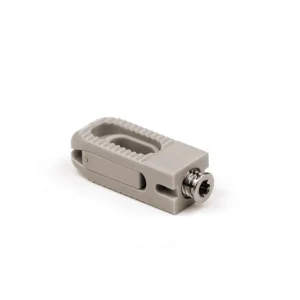
PEEK-engineered expandable cage that minimizes impact force during insertion, optimizing contact with endplates.
Request Pricing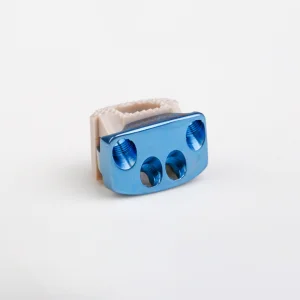
Specially sculpted for anterior cervical discectomy and fusion (ACDF), utilizing medical PEEK polymer for native radiographic imaging.
Request Pricing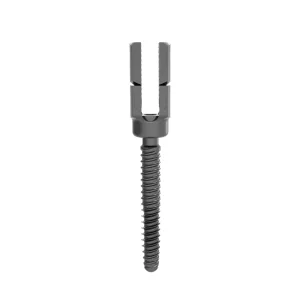
Premium minimally invasive spine fixation pedicle screws featuring high thread pitch for secure bone-thread integration.
Request Pricing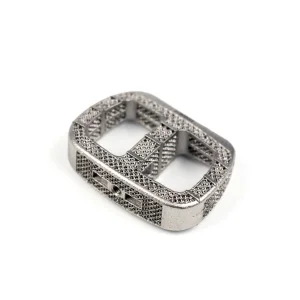
Designed with high connectivity micro-pores, enhancing osteoblast proliferation and cellular transport for fast bone fusion.
Request Pricing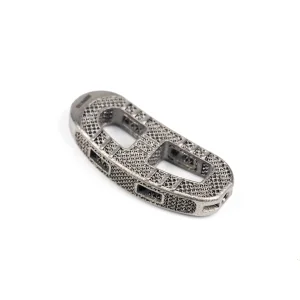
Porous titanium cage variant featuring reinforced lateral walls, maintaining sagittal balance in anterior pathways.
Request Pricing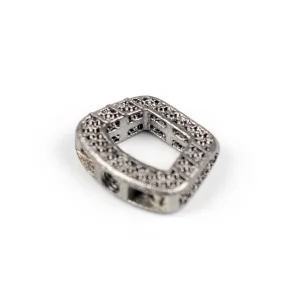
CE certified porous cage optimized for lumbar applications, matching physiological modulus parameters to limit bone resorption.
Request Pricing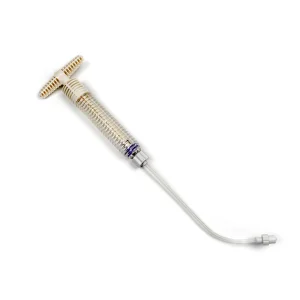
All-inclusive percutaneous kyphoplasty instrument kit designed for reliable cavity creation and cement injection under fluoroscopic guidance.
Request PricingWe recognize that medical device bidding processes in Romania require meticulous preparation. Osteora supports local distributors during the preparation of CNAS public tenders. We provide complete technical specifications, certificates of origin, biocompatibility test results, and clinical validation histories to help you meet tender requirements.
Additionally, our OEM/ODM customization services allow you to adjust implant dimensions, thread pitch profiles, and branding configurations. Whether you need specialized labeling for the Bucharest University Emergency Hospital or specific instrument tray layouts for regional surgical centers in Timișoara, our R&D department will deliver tailor-made options.
Fully certified under modern orthopedic criteria to ensure legal import and compliance across all EU Member States.
Our facilities utilize cleanroom standards matching strict ISO requirements, ensuring particle-free medical device processing.
Unique Device Identification (UDI) barcoding is applied to each device packaging, simplifying stock management and tracking in clinical databases.
Expert answers regarding custom configurations, regulatory files, minimum orders, and shipment to Romania.