Osteora
Osteora
Osteora
Engineered to meet the exact clinical specifications and regulatory demands of leading orthopedic departments in Ho Chi Minh City
Ho Chi Minh City (HCMC) has rapidly emerged as the primary medical powerhouse of Vietnam and the wider Mekong sub-region. With major public tertiary referral centers such as Cho Ray Hospital, the HCMC Hospital for Traumatology and Orthopedics (Chấn thương Chỉnh hình), and People's Hospital 115, the clinical volume for spinal fusion, corrective deformity surgery, and trauma interventions has witnessed exponential growth. As the city's population ages and lifestyle modifications escalate the incidence of degenerative disc diseases, spinal stenosis, and spondylolisthesis, hospitals are faced with an urgent mandate: sourcing spinal implant systems that offer zero compromise on biomechanical performance while remaining economically viable for the state social health insurance (VSS) framework.
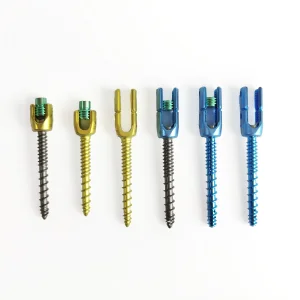
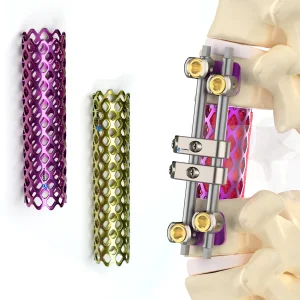
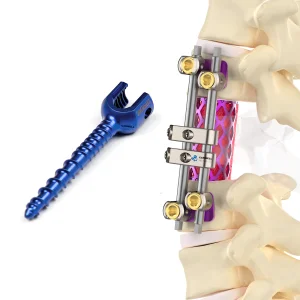
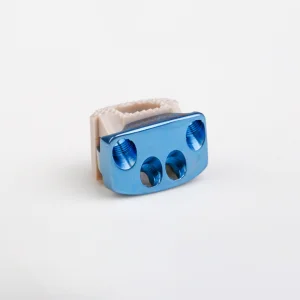
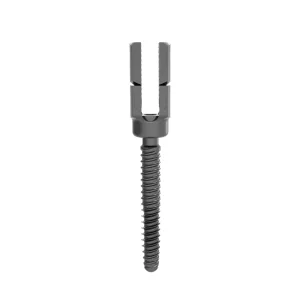
Across Vietnam, and specifically in metropolitan hubs like Hanoi and HCMC, there is an active clinical transition from traditional open spinal surgeries to Minimally Invasive Spine (MIS) procedures. Chief neurosurgeons and orthopedic directors are demanding advanced solutions such as stand-alone Zero-Profile Anterior Cervical Discectomy and Fusion (ACDF) cages, expandable TLIF/PLIF cages, and percutaneous pedicle screw systems. These implants minimize muscular dissection, decrease intraoperative blood loss, and facilitate faster patient discharge, which is critical for reducing the current bed-occupancy strains in HCMC's state hospitals. The requirement for implants that exhibit high osteointegration, optimal modulus of elasticity matching human cortical bone, and excellent radiographic visibility has never been more critical.
Healthcare procurement officers in Vietnam face multi-layered challenges when importing orthopedic implants. High costs from Western multinational brands often limit patient accessibility, while lower-tier alternatives lack the necessary documentation, regulatory approvals, and mechanical validation. This has created a significant demand for direct manufacturing partners who can provide comprehensive regulatory support, including ISO 13485 certifications, CE certifications, and complete technical documentation (STED) required for Vietnam Ministry of Health (MOH) registration dossiers. By establishing direct OEM/ODM and distribution channels with a sophisticated manufacturer, Vietnamese distributors can capture substantial market share while ensuring clinical safety.
Elevating clinical outcomes through engineering innovation, strict regulatory adherence, and unmatched manufacturing capability.
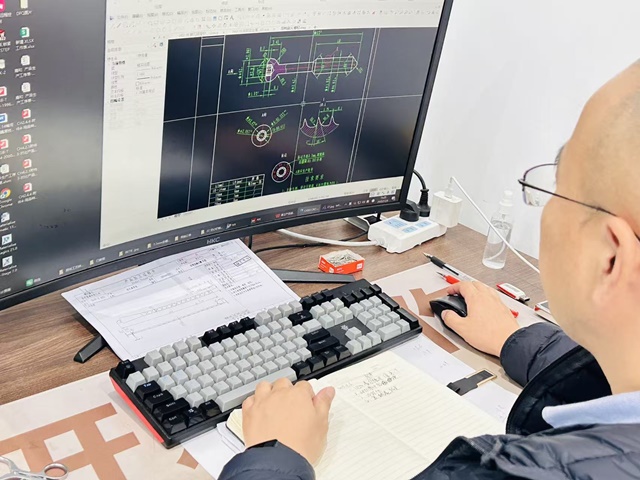
Backed by 85 professional engineering specialists, we continuously design, simulate, and refine biomechanical solutions. Last year alone, we introduced 120 new products to address complex clinical pathways.
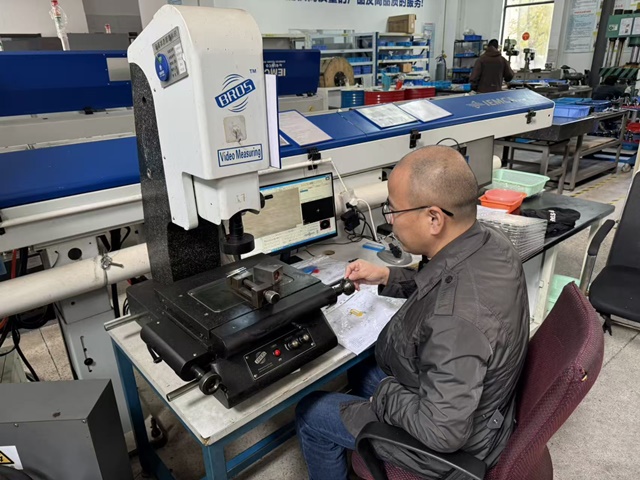
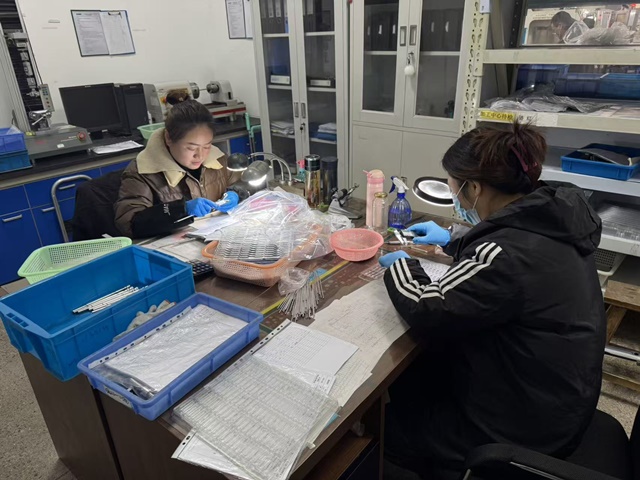
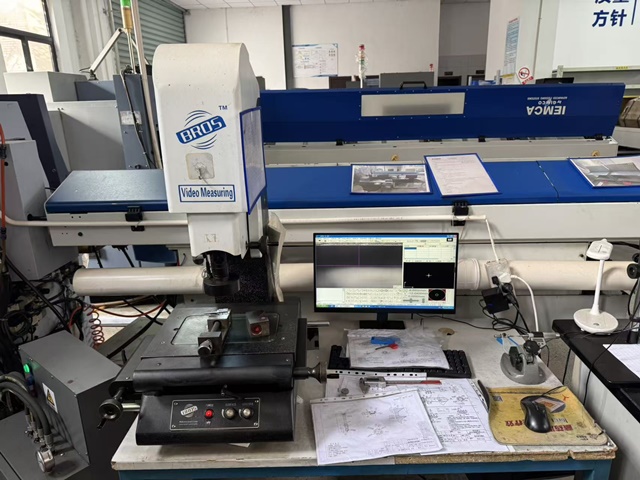
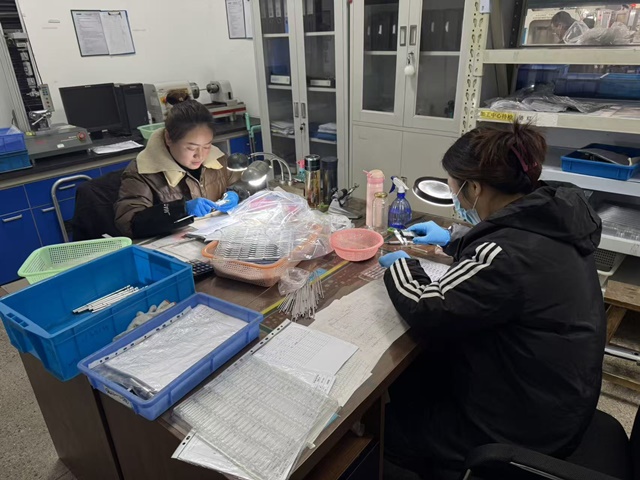
Operating with 42 dedicated QA/QC inspectors. Every batch of Grade 5 Titanium (Ti-6Al-4V ELI) and medical-grade PEEK undergoes mechanical fatigue, dimensional accuracy, and biocompatibility verification.
Exporting to Europe, Southeast Asia, the Middle East, and South America. We generate USD 6M to 14M in annual export revenue, demonstrating deep understanding of global medical import dynamics.
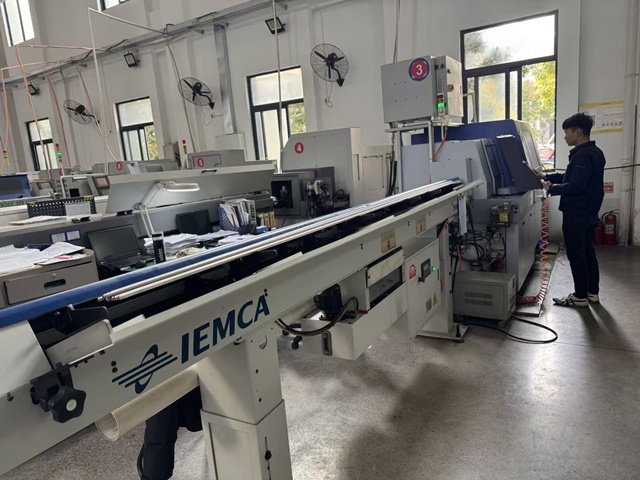
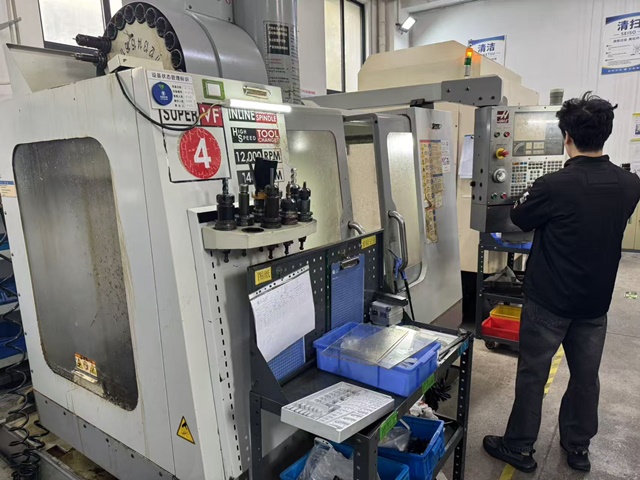
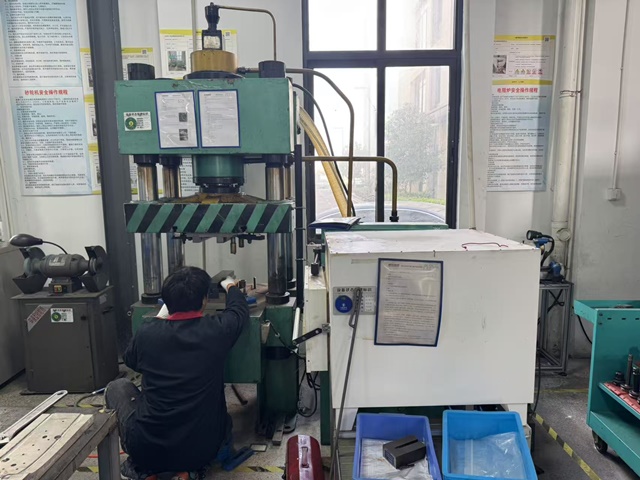
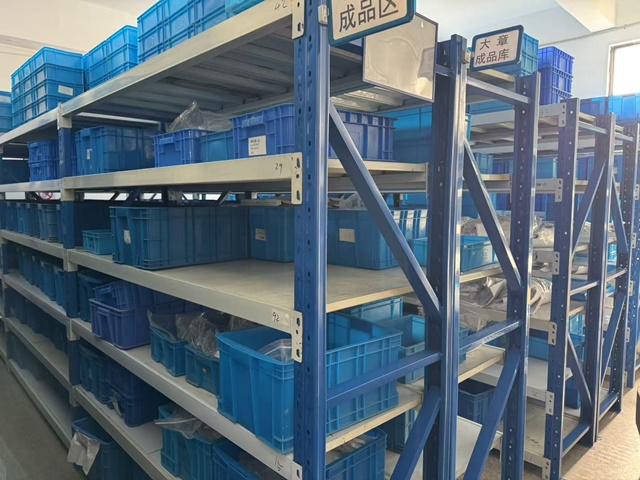
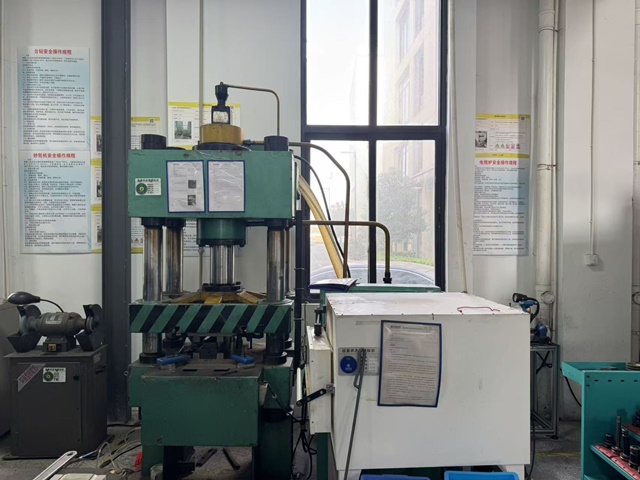
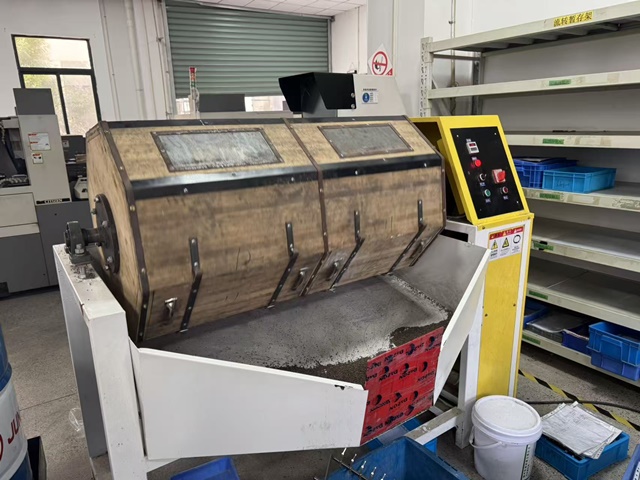
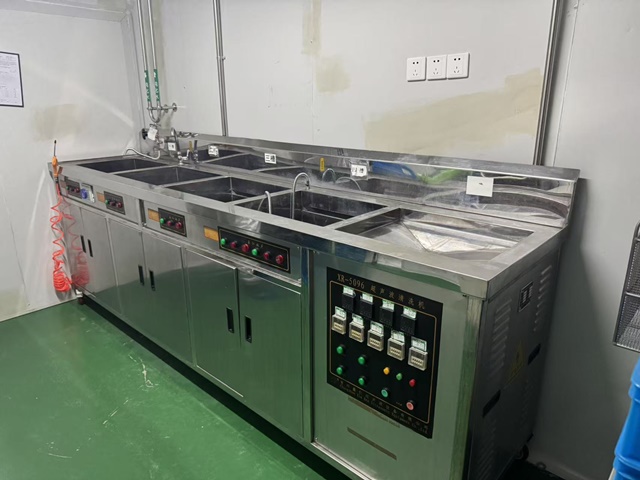
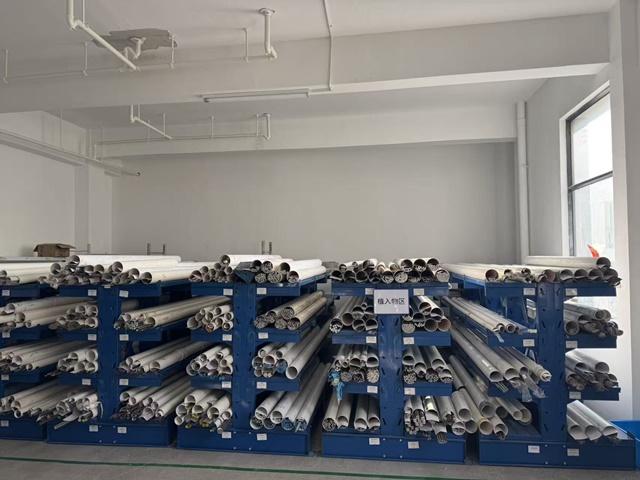
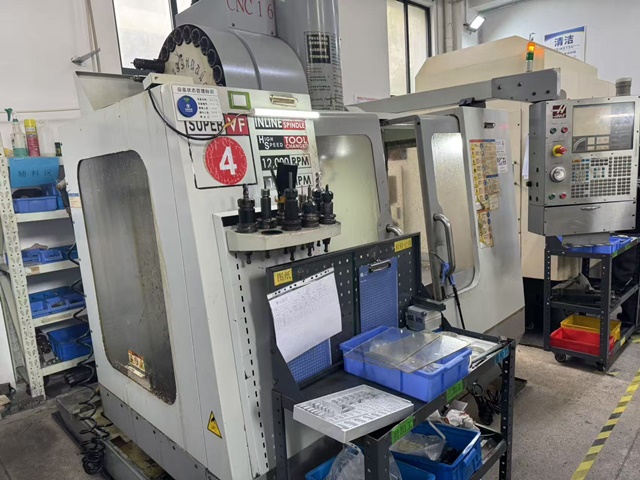
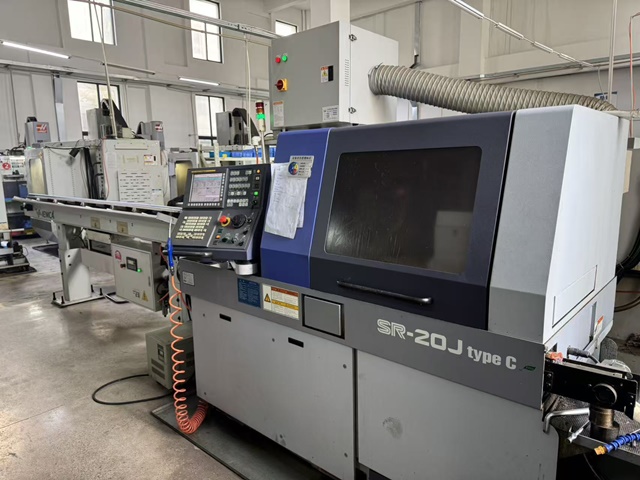
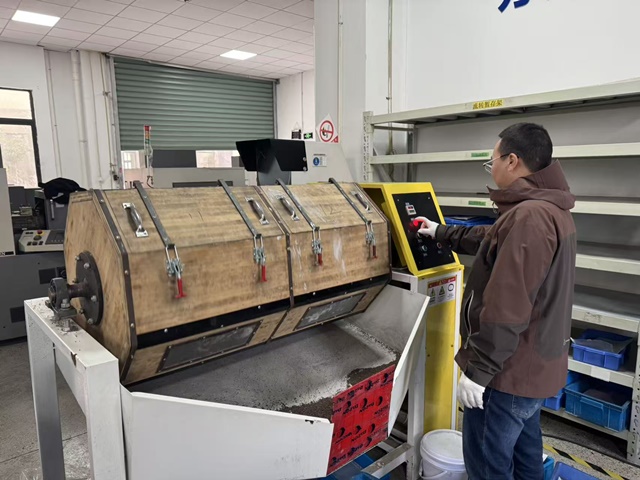
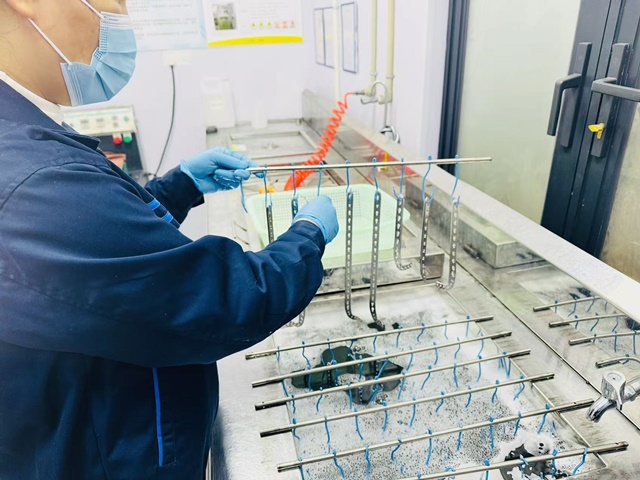
As hospitals in Ho Chi Minh City require a steady, uninterrupted supply of varying implant dimensions, screws, and instruments, manufacturer supply chain resilience is paramount. Osteora operates from an advanced 18,500m² facility utilizing state-of-the-art production technologies, including HAAS CNC machinery and high-precision Swiss-type lathe systems. By integrating digital tracking systems throughout the raw material processing, stamping, grinding, cleaning, and inspection phases, we guarantee absolute quality consistency and minimize lead times.
This automated integration enables us to mitigate the supply chain fluctuations that frequently plague Western suppliers. With over 1,200 certified upstream and downstream partners, we scale production seamlessly in response to emergency orthopedic demands or large-scale hospital tenders in Vietnam. For distributors in HCMC, this translates to reduced warehousing costs, rapid order fulfillment, and a robust buffer against global logistic uncertainties.
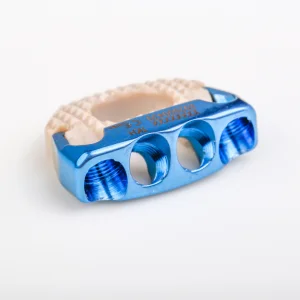
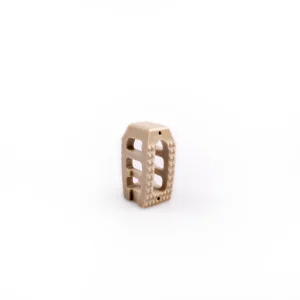
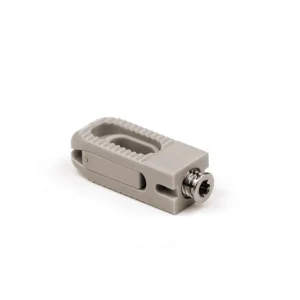
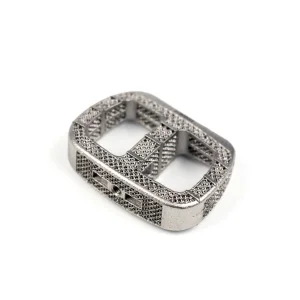
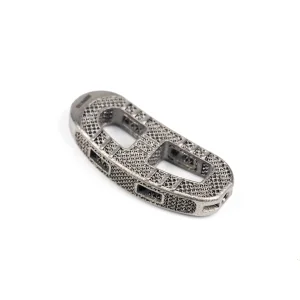
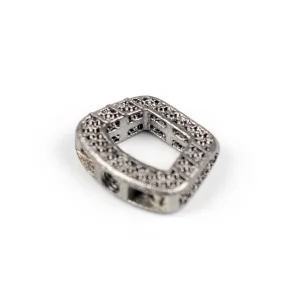
Our spinal implants utilize two primary biocompatible materials: PEEK (Polyetheretherketone) and 3D-printed porous Titanium. Medical-grade PEEK offers a modulus of elasticity highly comparable to human cancellous bone, minimizing stress shielding effects post-arthrodesis. It is highly radiolucent, allowing surgeons to monitor fusion progress via X-ray without metal-induced artifacts. On the other hand, our 3D-printed titanium implants feature a porous, trabecular structure designed to encourage rapid cellular migration and bone ingrowth, achieving biological fixation that enhances long-term stability.
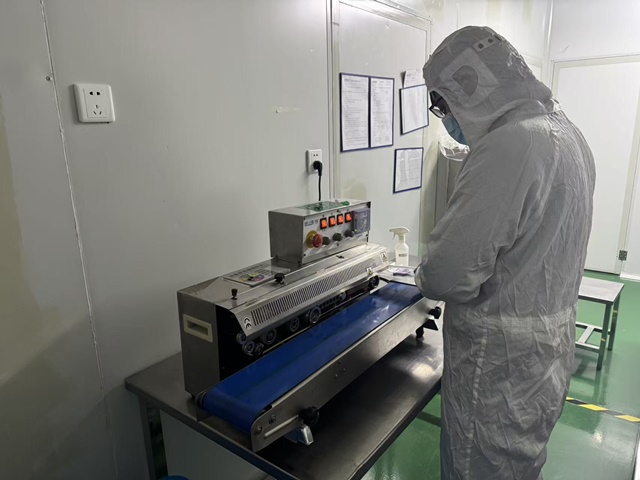
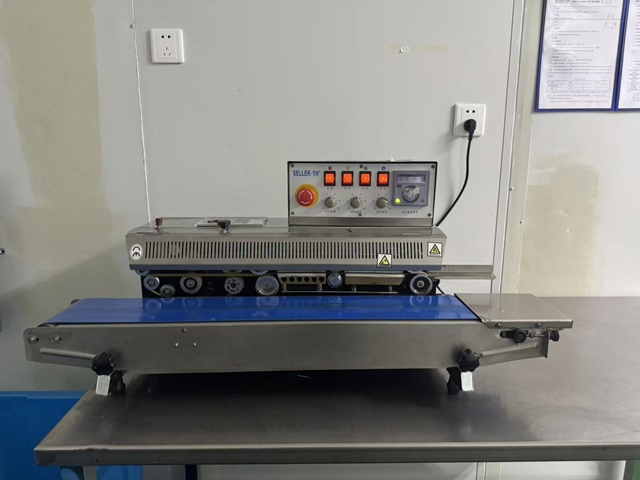
Every stage of production—from raw material selection to final sterilization packaging—is executed in compliance with ISO 13485 standards.
Different clinical environments in Southern Vietnam require distinct configurations of spinal hardware. We cater to these tailored scenarios with precision:
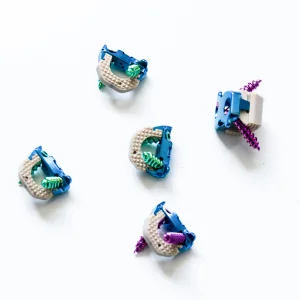
Explore our CE and ISO-certified spinal systems, designed for PLIF, TLIF, ACDF, and Minimally Invasive surgical workflows.
Key technical and regulatory answers for hospital procurement teams and distributors in Vietnam.
All Osteora spinal implants are manufactured in compliance with ISO 13485 quality systems. We provide CE Mark certifications and detailed Technical Files (STED format), which simplifies registration with the Vietnam Ministry of Health (MOH) to secure import licenses and hospital bidding qualification.
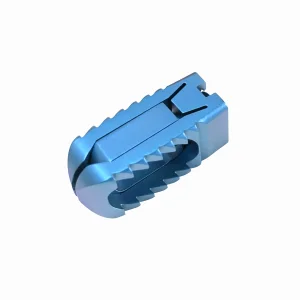
We supply cages manufactured from medical-grade PEEK (Polyetheretherketone) from renowned global suppliers and Grade 5 Titanium Alloy (Ti-6Al-4V ELI). We also offer advanced 3D-printed porous titanium cages that emulate natural trabecular bone structure to enhance osseointegration.
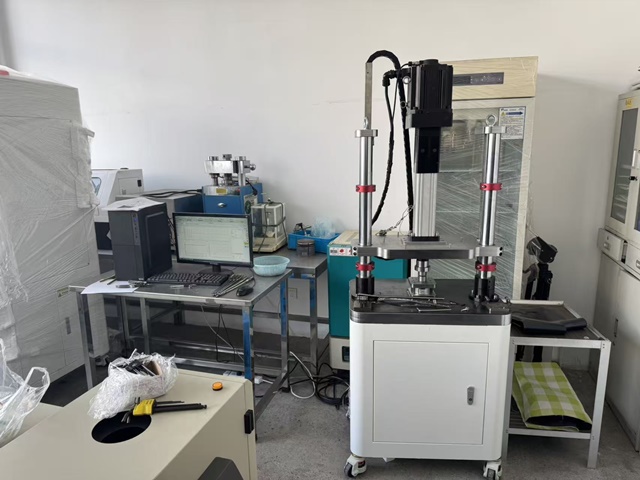
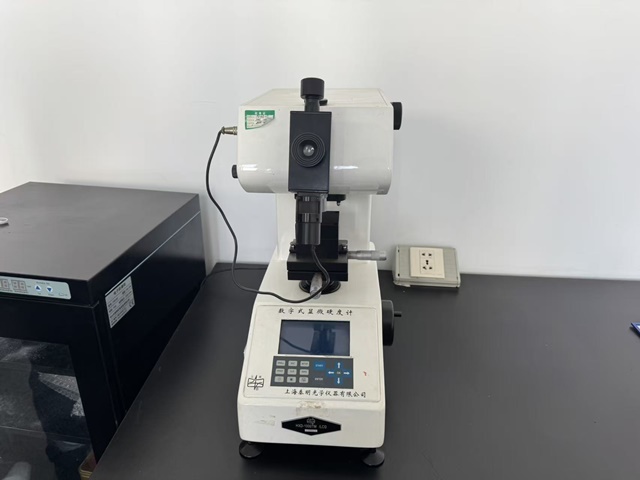
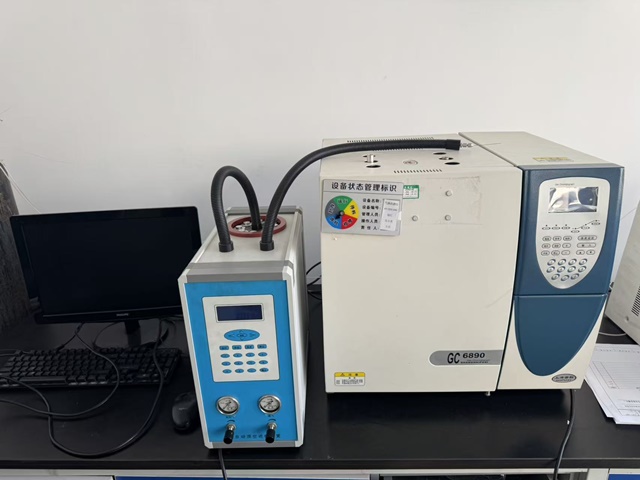
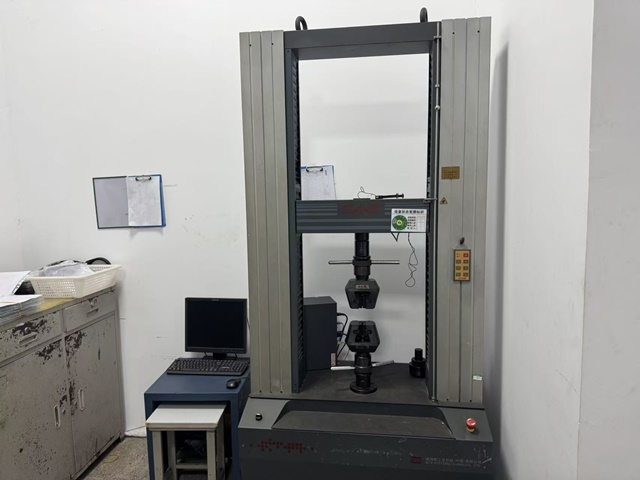
Our in-house biomechanical testing facility utilizes static and dynamic compression, tension, and torsion test systems. Fatigue testing is performed under severe load configurations in compliance with ASTM F1717 and ASTM F2077 standards to prevent intraoperative failure or post-surgical hardware breakage.
Yes. Supported by 85 R&D engineers, we provide complete OEM/ODM solutions, custom dimensions, private labeling, and surgical instrument configuration. This is ideal for major medical brands in Vietnam wishing to distribute proprietary localized lines.
Leveraging our Industry 4.0 automated machinery and a large raw material stockpile, we maintain stable production cycles. Standard orders are ready for shipment in 2-4 weeks, protected from logistic disruptions by our network of over 1,200 supply chain partners.
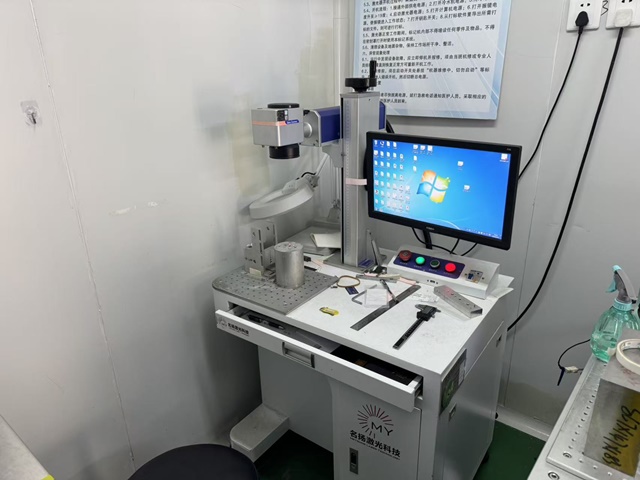
Every single implant is laser-marked with a unique batch number linked to our ERP system. This offers complete traceability from raw material formulation, CNC parameters, and sterile packaging down to the specific inspector at final dual inspection.
As a leading spinal implants manufacturer, Osteora bridges the gap between high-end clinical requirements and purchasing cost-efficiency. Our annual export volumes (USD 6M to 14M) reflect our capability to scale production for large international orthopedic distributors and public hospital groups alike. By choosing Osteora, Vietnamese distributors gain access to premium biocompatible implants backed by rich clinical documentation, extensive fatigue test validations, and dedicated post-sale technical support.
We actively collaborate with distribution partners in Ho Chi Minh City, offering support for local surgeon workshops, medical congress exhibitions, and tender application preparations. Contact our technical sales division today to request product samples, mechanical evaluation reports, or detailed custom manufacturing quotes.