Osteora
Osteora
Osteora
Advanced orthobiologic designs precision-machined to match target vertebral biomechanics for patients in Prague, Brno, and Central Europe.
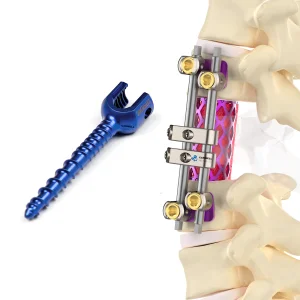
The Czech Republic's healthcare sector is undergoing a profound structural evolution. Managed under the public health insurance scheme framework—supervised by the State Institute for Drug Control (SÚKL)—there is a growing regulatory demand for surgical solutions that reduce hospital length-of-stay and lower post-operative complication rates.
As demographics tilt toward an aging population, lumbar spinal stenosis, degenerative disc disease (DDD), and osteoporotic vertebral compression fractures are rising. Leading surgical centers—including Motol University Hospital in Prague and St. Anne's University Hospital in Brno—are transitioning from traditional, open-stabilization surgeries toward Minimally Invasive Surgeries (MIS) and advanced 3D-printed biomimetic implants.
To support these advanced clinical programs, Osteora Medical Devices Co., Ltd. provides CE-certified, MDR-compliant spine surgery systems that conform to the highest safety and clinical performance standards.
Request Market Compliance PortfolioAnalyzing the clinical efficacy of implant surfaces in maintaining interbody height and preventing subsidence.
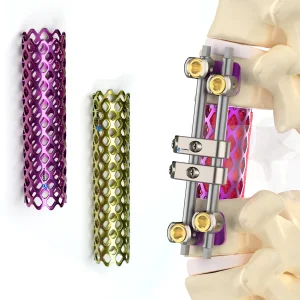
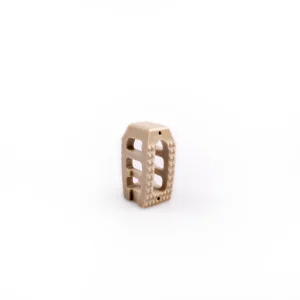
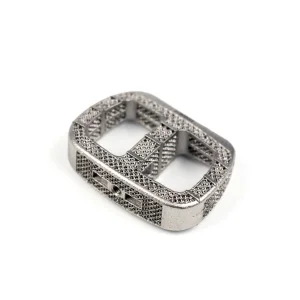
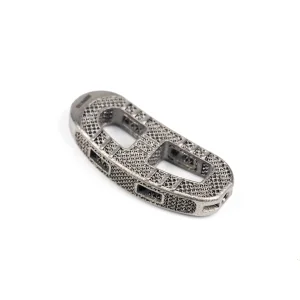
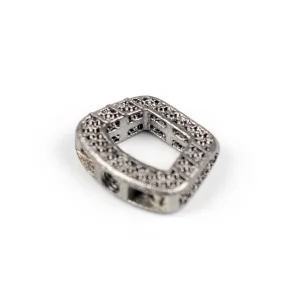
Our 3D-printed titanium implants feature a controlled interconnecting porous network (pore sizes ranging from 300 to 800 microns). This architecture mimics the structure of trabecular bone, optimizing cellular attachment, nutrient transport, and rapid vascularization to support long-term mechanical stability.
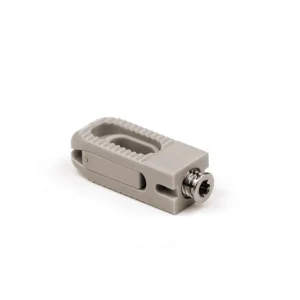
Polyetheretherketone (PEEK) exhibits an elastic modulus close to that of human cortical bone, reducing stress-shielding effects at the graft interface. Its intrinsic radiolucency allows surgeons to monitor fusion progression through standard radiographs without artifact distortion.
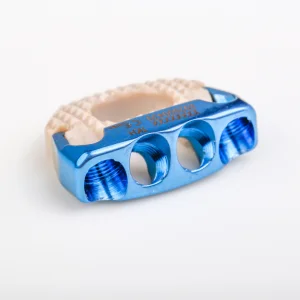
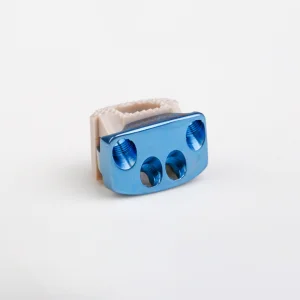
Engineered with integrated locking mechanisms, our stand-alone zero-profile cervical cages prevent mechanical irritation of the surrounding soft tissue, minimizing postoperative dysphagia in patients undergoing Anterior Cervical Discectomy and Fusion (ACDF).
Osteora Medical Devices Co., Ltd. is a specialized orthopedic implant and surgical solution manufacturer. We specialize in design, engineering, and distribution of premium trauma, spine, and joint reconstruction systems.
Founded in 2016, our operations are built on a dedication to manufacturing quality. Our facility covers approximately 18,500m², supporting integrated raw material sourcing, CNC Swiss machining, sterile cleanroom assembly, and comprehensive mechanical testing.
Through our partnerships with over 1,200 certified supply chain partners, we support medical distributors, surgical clinics, and public hospitals across Europe, South America, the Middle East, and Southeast Asia.
Partner With UsEvery implant undergoes a validated manufacturing sequence, from bar feedstock inspection to cleanroom packaging and sterile release validation.
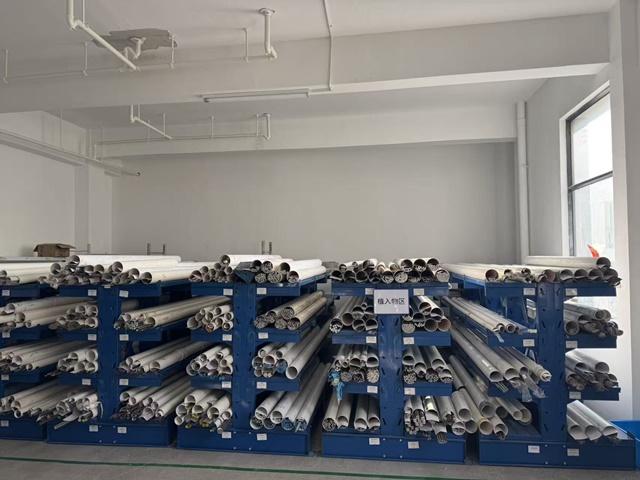 Raw Material
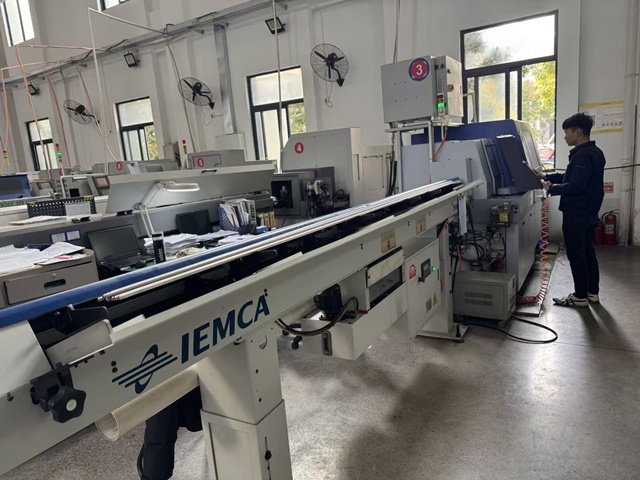 Finishing Process
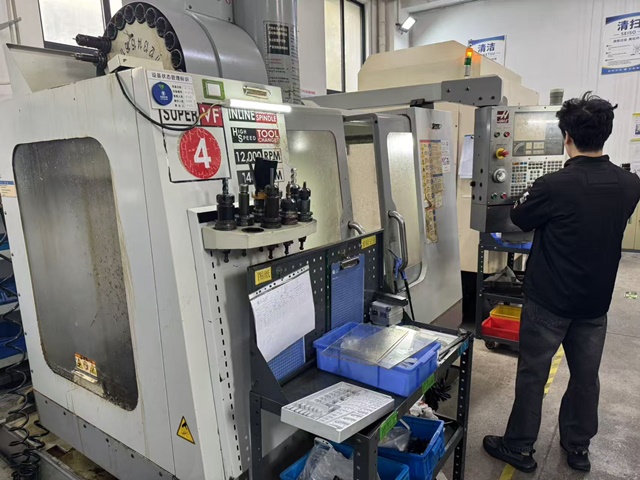 Finishing Process
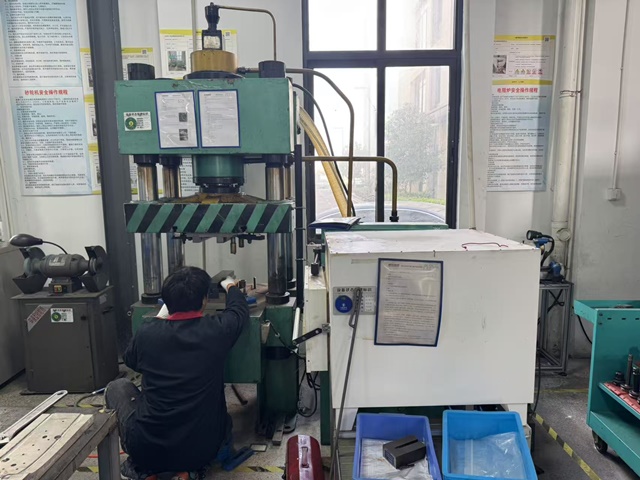 Stamping Process
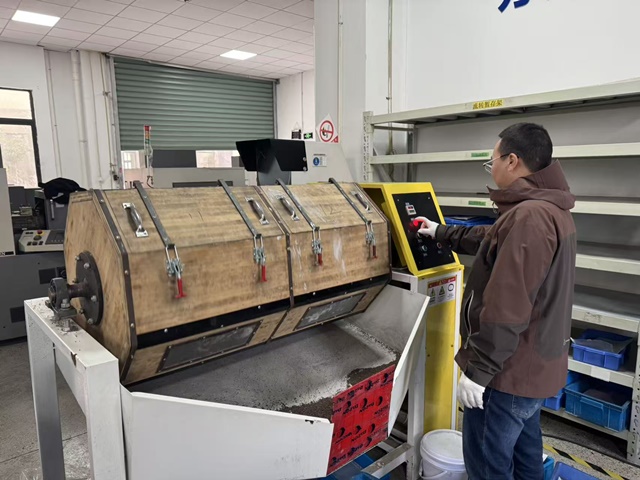 Grinding Process
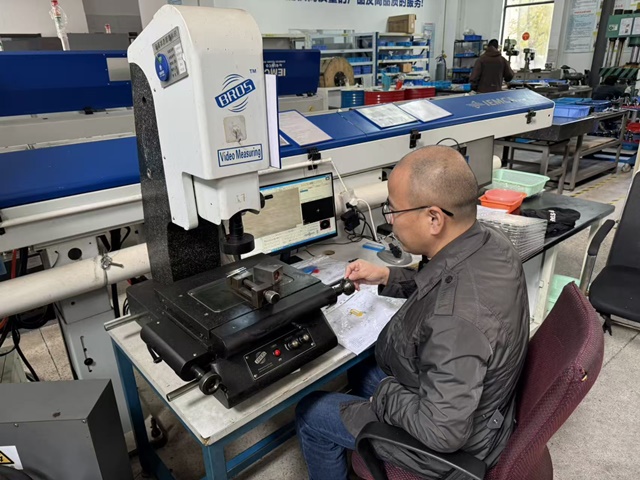 Checking Process
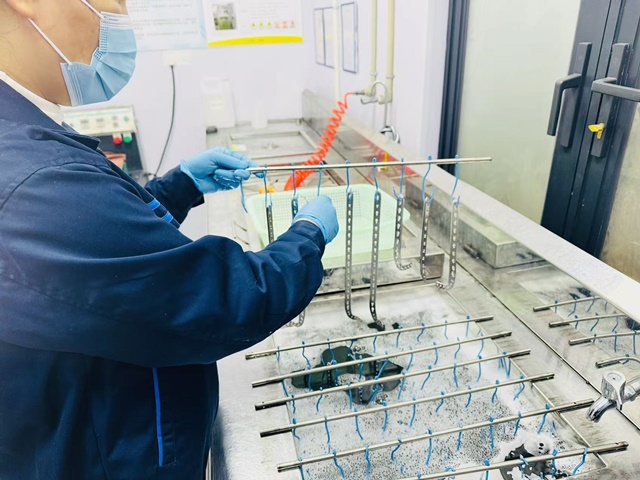 Cleaning Process
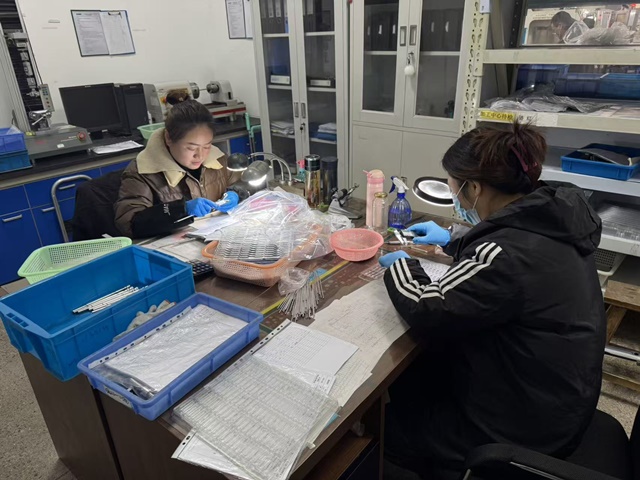 Inspecting Process
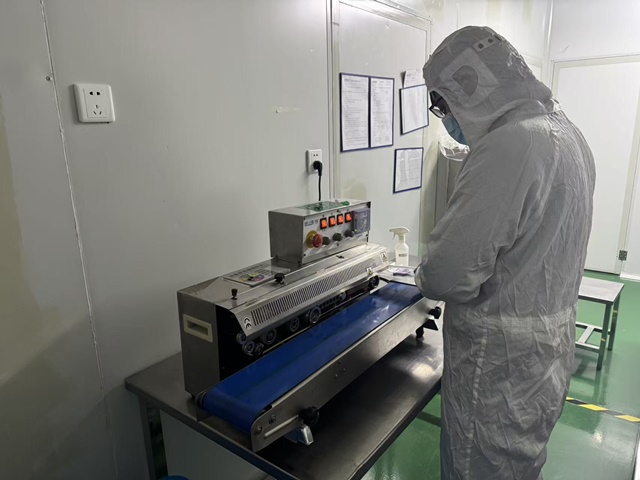 Packing Process
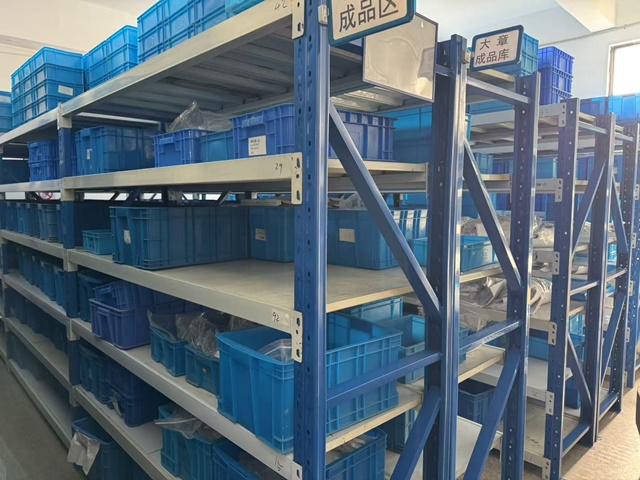 Storehouse
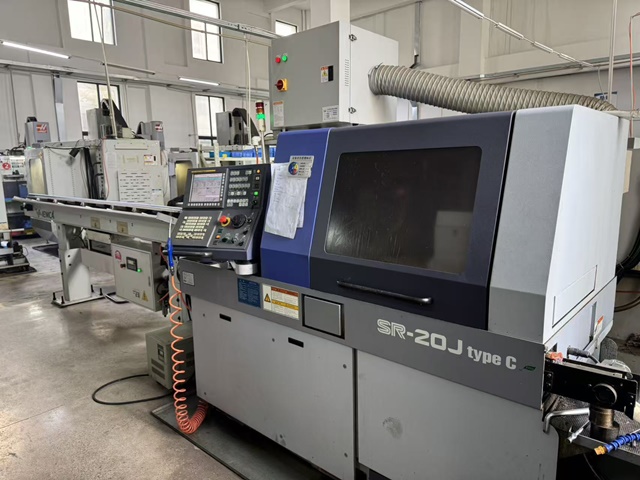 Swiss-type Lathe Equipment
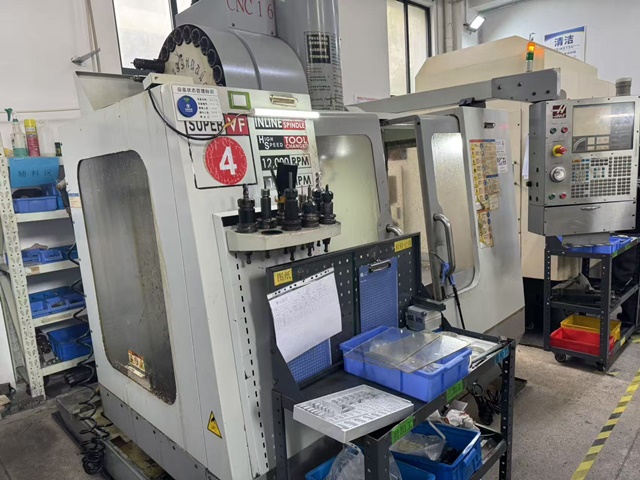 HAAS CNC
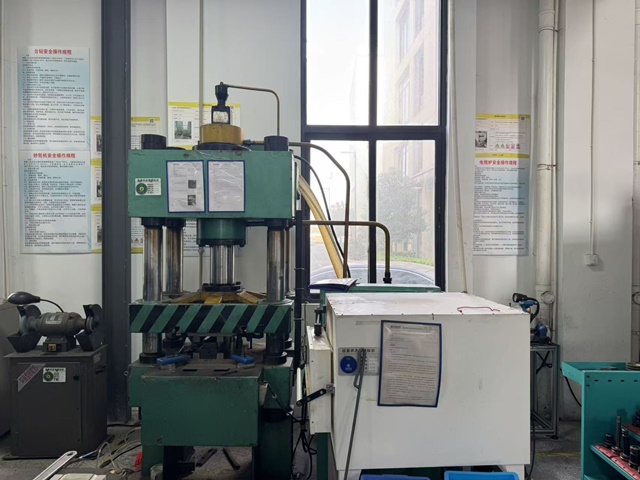 Stamping Machine
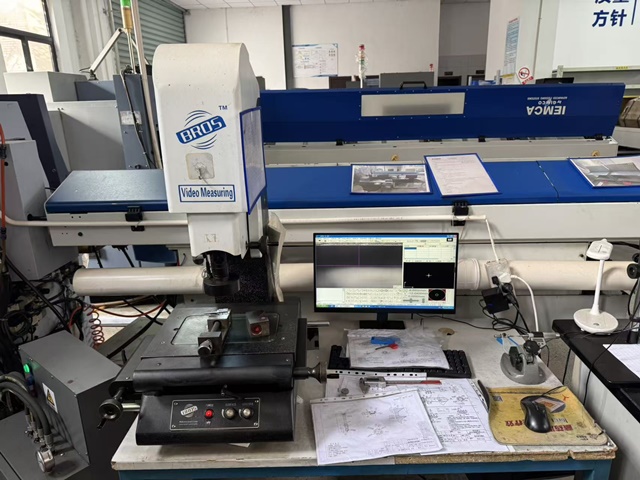 Vision Measuring Instrument
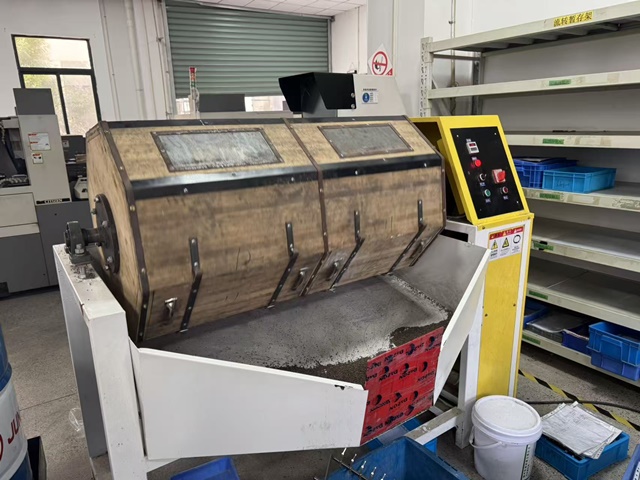 Grinding Machine
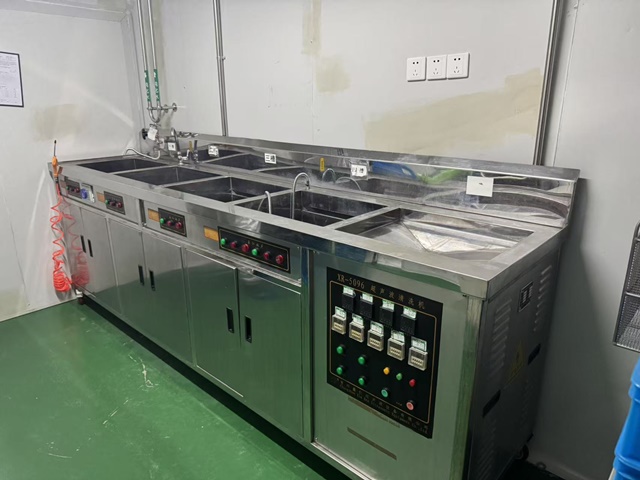 Cleaning Machine
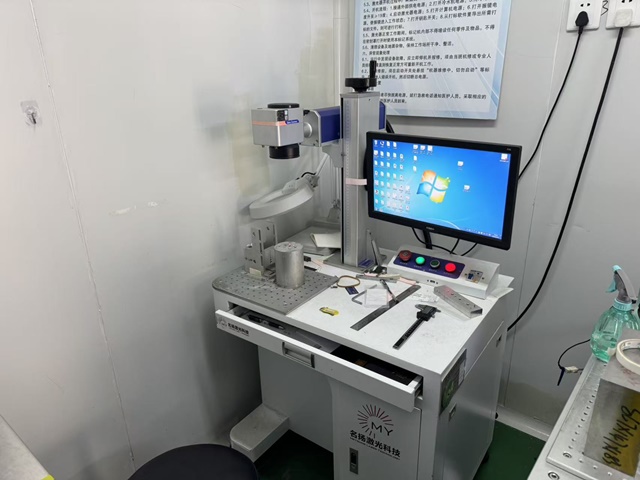 Laser Marking Machine
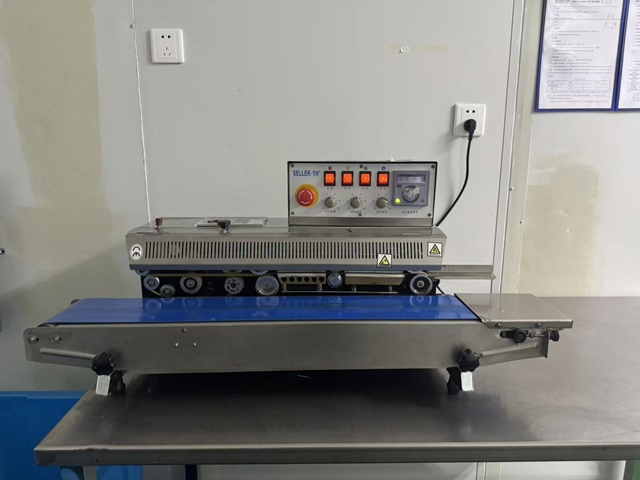 Packing Machine
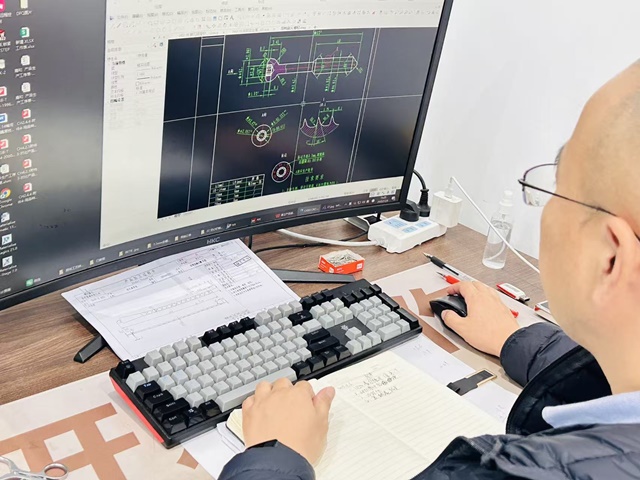 Designer Drawing
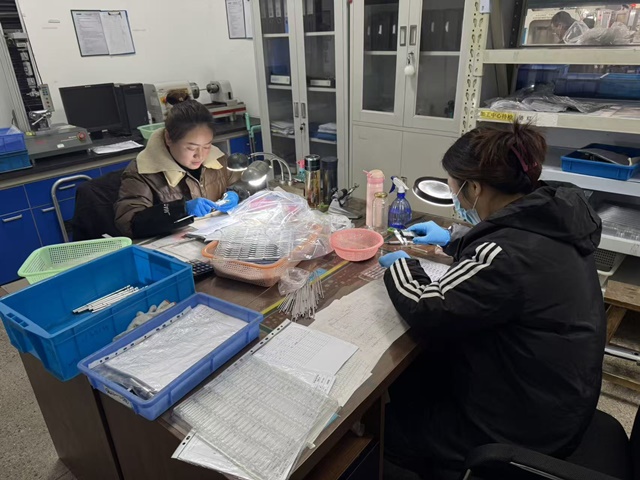 Final Inspection
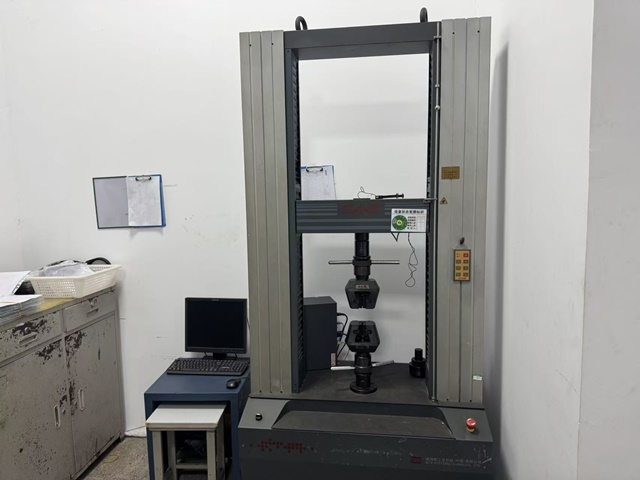 Multifunctional Testing
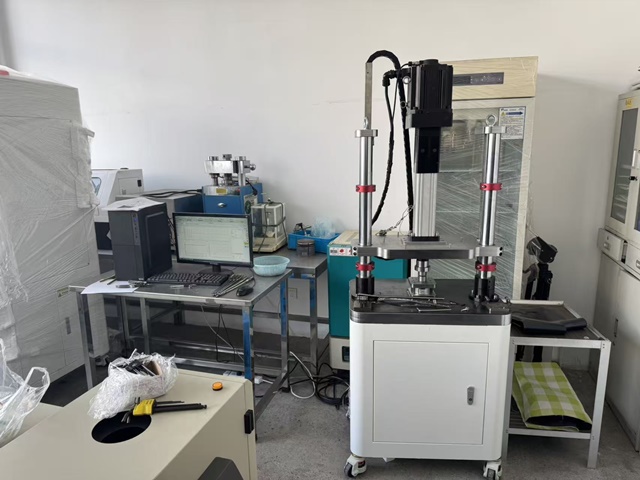 Mechanical Testing
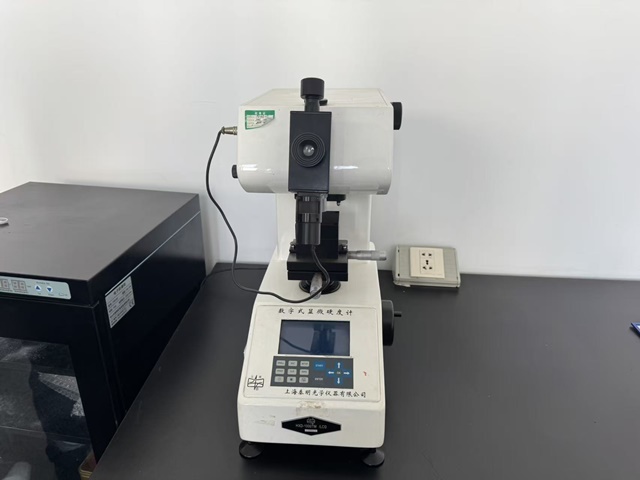 Vickers Hardness Tester
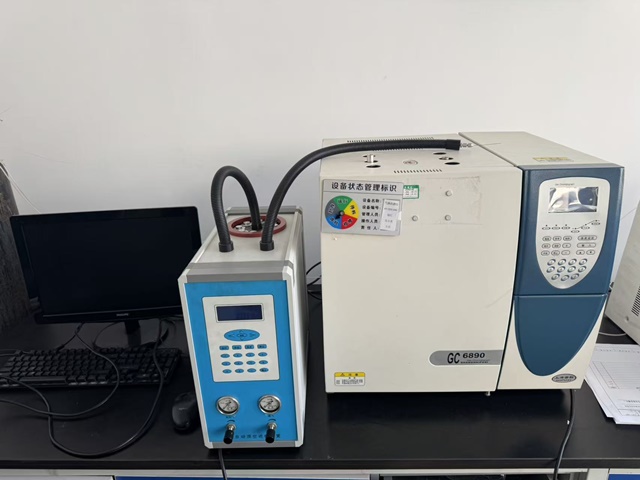 Gas Spectrometer
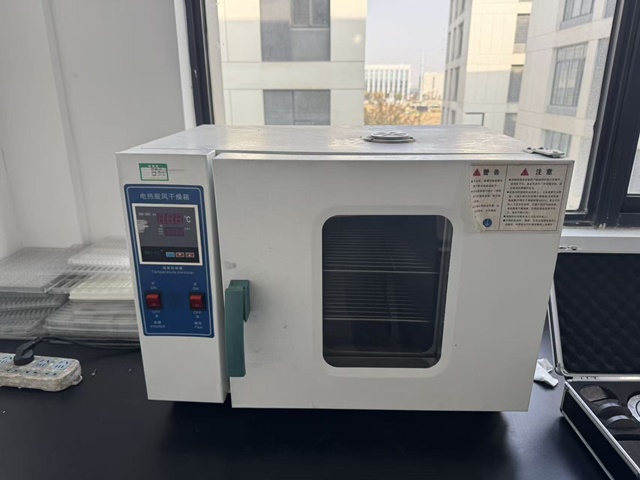 Drying Oven
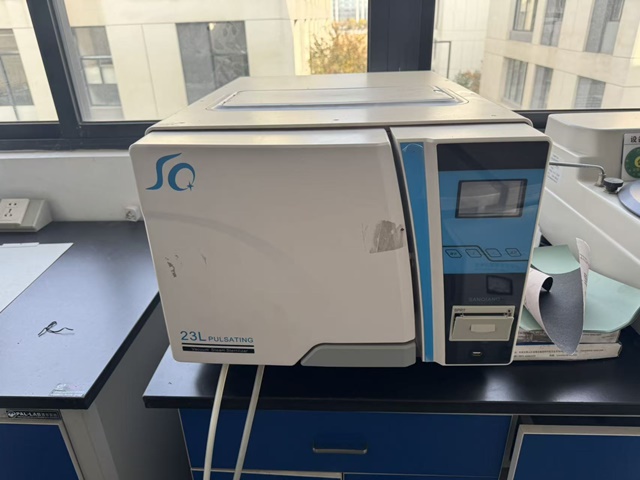 Pulsating Machine
To satisfy international regulatory submissions and align with European harmonized standards, all Osteora spinal systems undergo mechanical testing, including:
Marketing medical devices within the EEA requires compliance with EU Regulation 2017/745 (MDR). Osteora maintains updated technical documentation and conducts clinical evaluations to support international distribution.
Our quality control department consists of 42 specialized inspectors who manage verification steps from raw material inspections to final product release. Working with local distribution networks in the Czech Republic, we support the required registrations with the State Institute for Drug Control (SÚKL) and the Ministry of Health.
Request Technical DossierTechnical parameters optimized for surgical performance and long-term stabilization.
Implant surfaces feature acid-etched micro-topographies that support osteoblast cell attachment and local bone deposition. This structural design helps reduce recovery times in dynamic stabilization procedures.
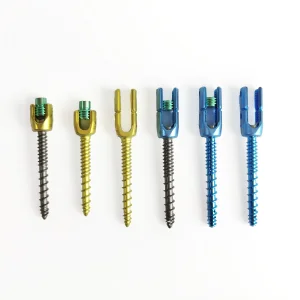
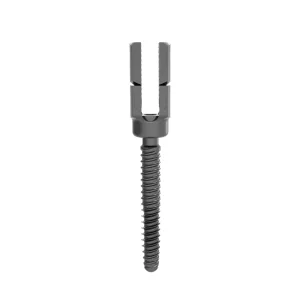
Our pedicle screws feature dual-core, double-threaded designs that enhance initial purchase and pullout strength in cancellous bone. Self-tapping tips facilitate efficient insertion during minimally invasive surgeries.
Our thoracolumbar pedicle systems include a range of monoaxial, polyaxial, and reduction screw configurations. This versatility allows surgical teams to adapt constructs to specific patient anatomy and clinical needs.
Information on registration processes, material options, and supply capacities.
Our spinal implants align with European MDR (EU 2017/745) requirements. We cooperate with local Czech distributors to register devices with the State Institute for Drug Control (SÚKL). This enables participation in public hospital tenders and integration into the VZP insurance reimbursement catalog.
Each product design undergoes static and dynamic fatigue testing under ASTM F1717 and ASTM F2077 standards. Testing is performed on our multi-functional mechanical testing systems to verify that constructs can withstand physiological loading over millions of cycles.
We provide customization services supported by our R&D team of 85 engineers. Customization options include structural modifications, specialized materials, specific size ranges, and private labeling (OEM/ODM) to support regional distribution networks.
Typical delivery lead times for standard implant kits range between 4 to 6 weeks, depending on order size. Our supply chain utilizes 1,200 downstream partners to maintain component availability and consistent delivery schedules.
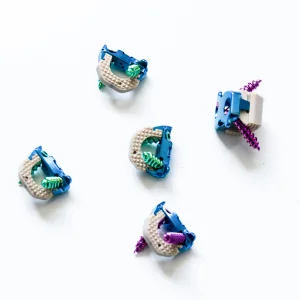
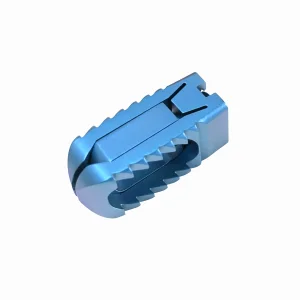
Clinically validated designs for anterior, lateral, and posterior approach reconstructive surgical techniques.
For product specification inquiries, OEM/ODM consultation, or distribution terms in the Czech Republic and neighboring European regions, connect with our sales team.
Request Pricing & Sample Kits