Osteora
Osteora
Osteora
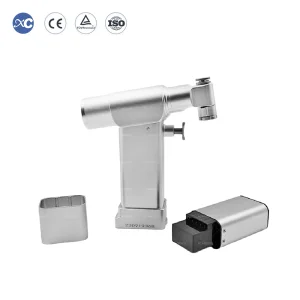
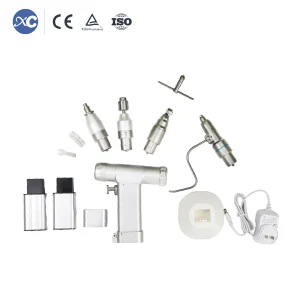
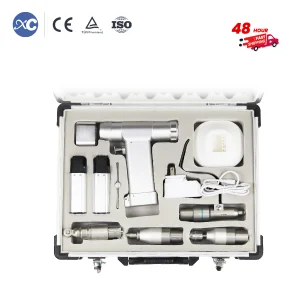
Philadelphia stands as a globally recognized epicentre for medical innovation and surgical healthcare systems. Host to premier academic medical institutions, large-scale trauma centers, and advanced veterinary research complexes—such as the University of Pennsylvania Health System, Jefferson Health, and regional specialized orthopedic networks—the demand for high-performance, resilient, and sterilizable medical power tools has never been more stringent. In osteotomy, joint reconstruction, fracture fixation, and veterinary orthopedics, surgical outcomes depend heavily on the mechanical precision, thermal regulation, and structural integrity of the power tools employed.
Osteora Medical Devices Co., Ltd., leveraging its extensive global footprint, provides medical-grade bone drills, sagittal oscillating saws, and multi-functional surgical consoles tailored specifically to the high-throughput requirements of these Philadelphia clinical systems. By optimizing rotational torque, mechanical vibration damping, and autoclave survivability, our instrumentation mitigates the risks of intraoperative mechanical failures and bone necrosis, ensuring absolute reliable alignment during critical surgical operations.
"Clinical-grade efficiency is not merely an engineering metric; it is the vital baseline required by trauma surgeons and veterinary specialists in the Philadelphia metropolitan corridor to execute reconstructive operations with predictable precision."
Modern orthopedic oncology, arthroplasty, and trauma procedures demand surgical systems that minimize soft-tissue trauma while maintaining rapid cutting and drilling velocities. Osteora's next-generation systems integrate brushless DC motors (BLDC), providing up to 90% power-to-torque conversion efficiency compared to traditional brushed alternatives. This advancement prevents internal overheating, extending battery cycle lifetimes, and preserving steady torque curves even when drilling through high-density cortical bone.
Furthermore, our engineering roadmap prioritizes smart-drive telemetry. By embedding real-time force-feedback sensors within the handpiece control loops, future iterations of our systems will dynamically adjust drill speed and oscillating saw frequencies. This adaptation helps prevent unintentional bone fracturing and soft-tissue wrap-around, standardizing surgical accuracy across both complex veterinary orthopedic operations and human joint reconstructions.
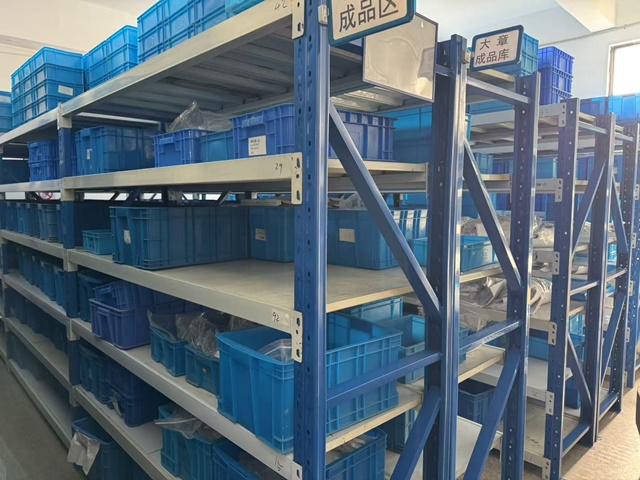
Operating from our state-of-the-art facility founded in 2016, Osteora Medical Devices has unified upstream metallurgical processing and downstream finishing into a seamless, vertically integrated supply chain. Our partnerships with over 1,200 certified material and component providers ensure our supply remains insulated against global raw material fluctuations.
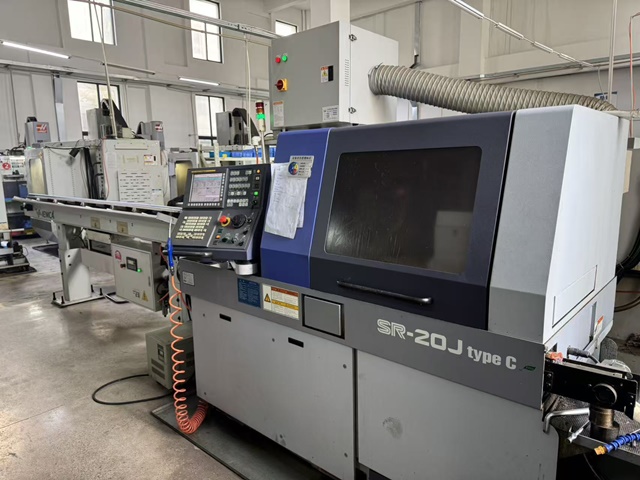
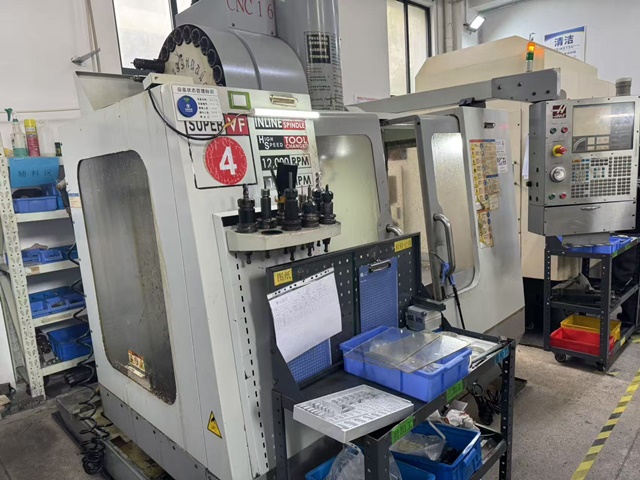
This robust infrastructure enables us to achieve substantial cost efficiencies without compromising technical parameters. By running HAAS CNC centers, Swiss-type high-precision automatic lathes, and automated polishing lines, we achieve dimensional tolerances within 0.005mm. This degree of control is a primary reason why medical device distributors and hospital chains in major North American hubs like Philadelphia choose Osteora as their primary OEM/ODM manufacturer.
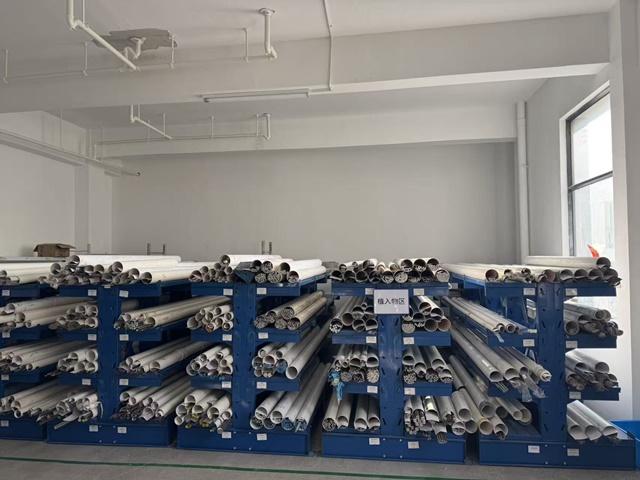
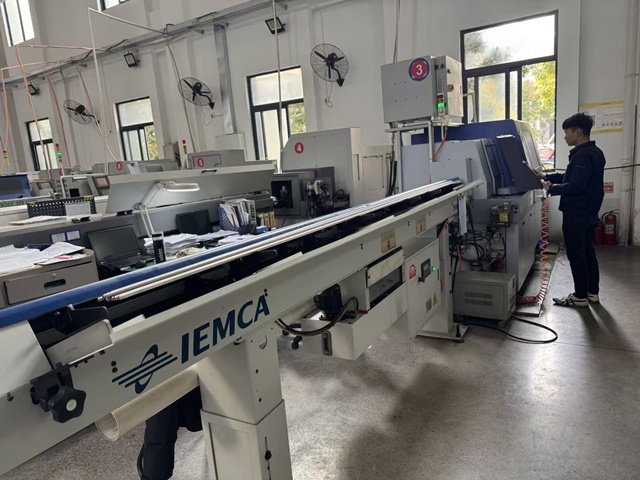
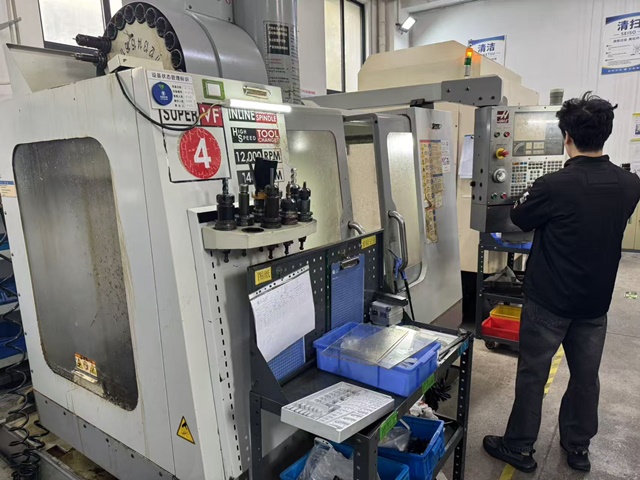
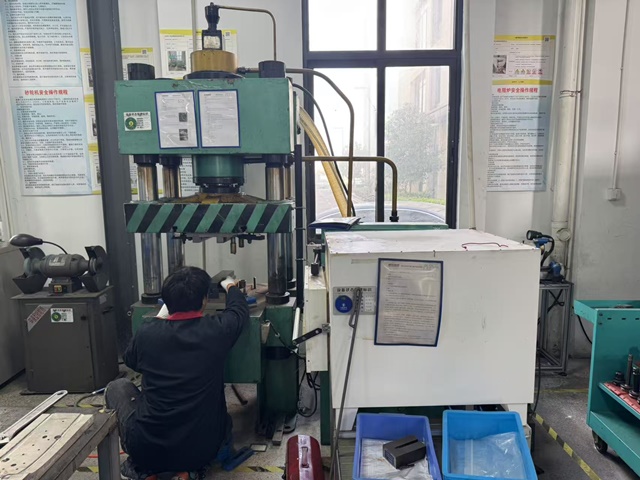
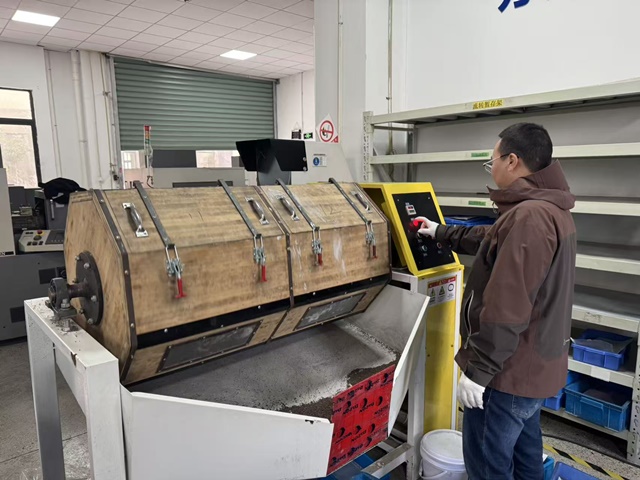
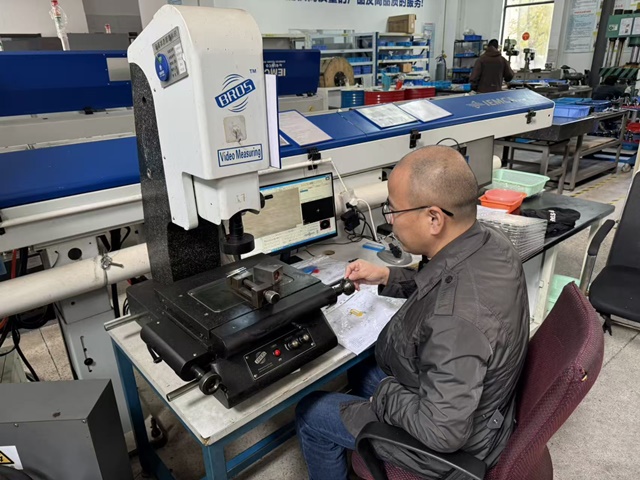
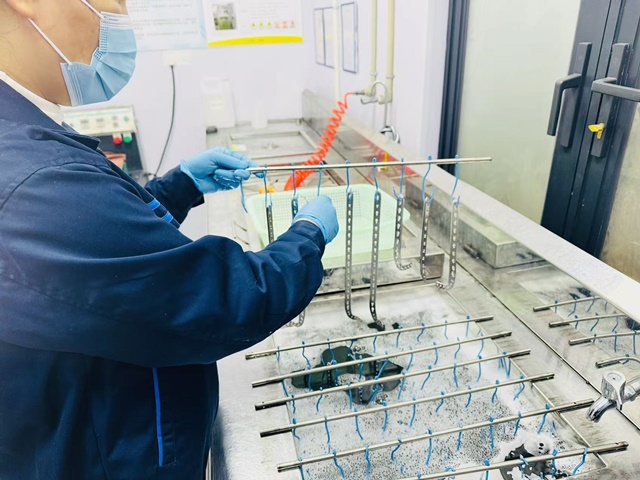
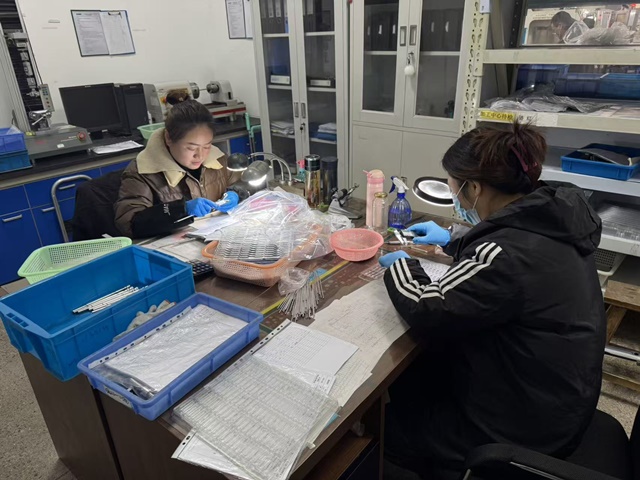
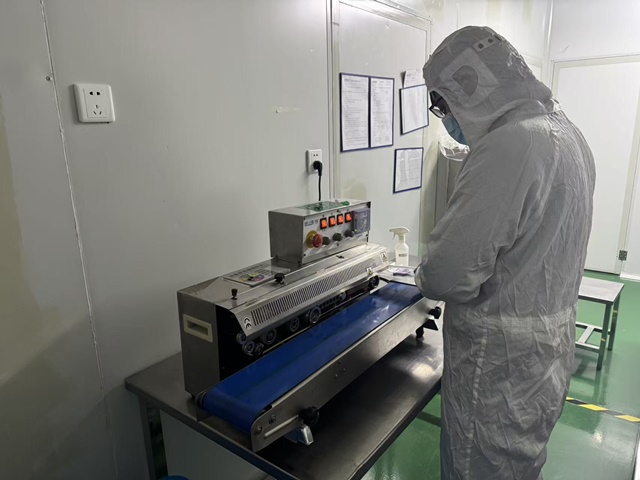
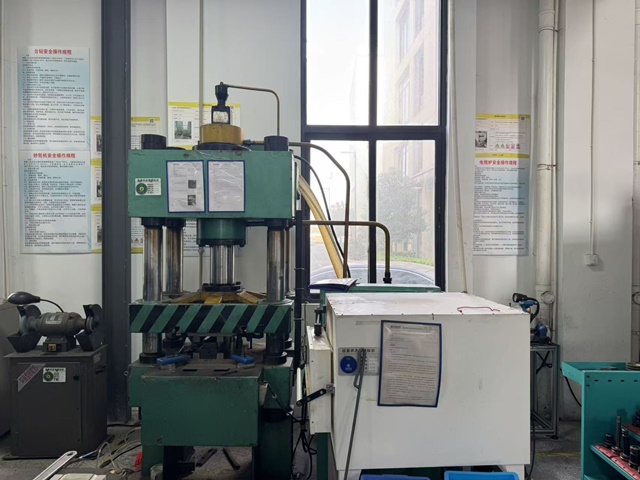
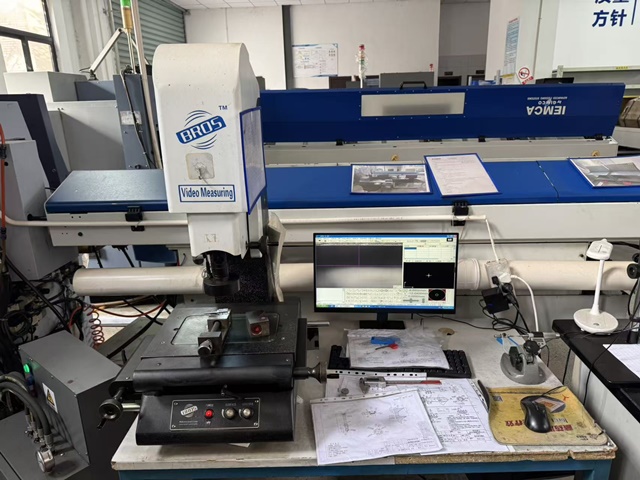
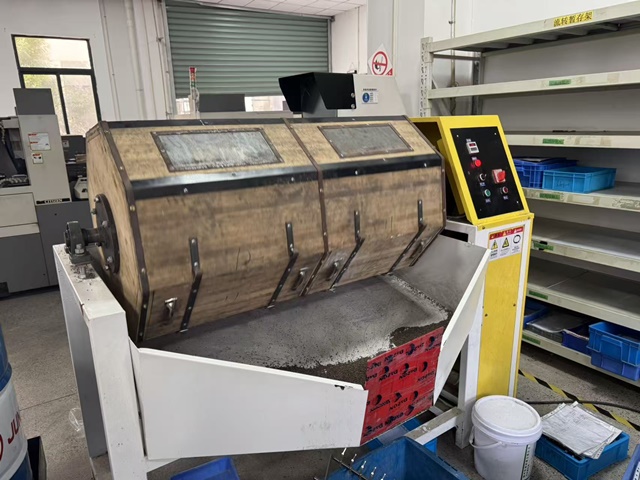
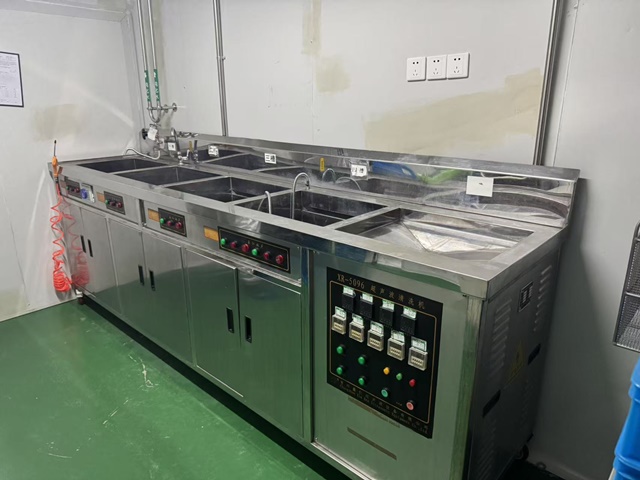
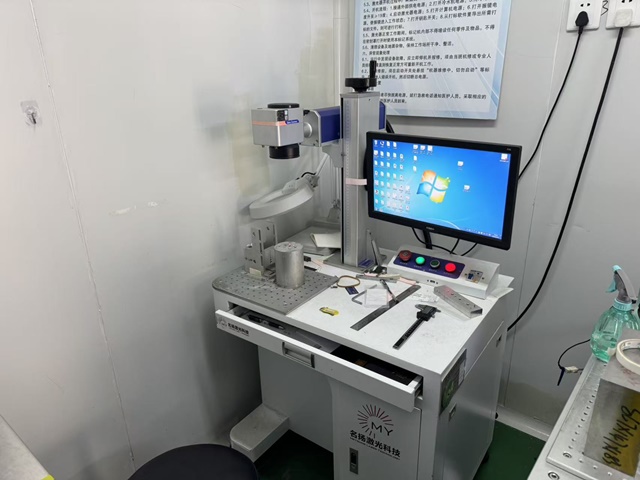
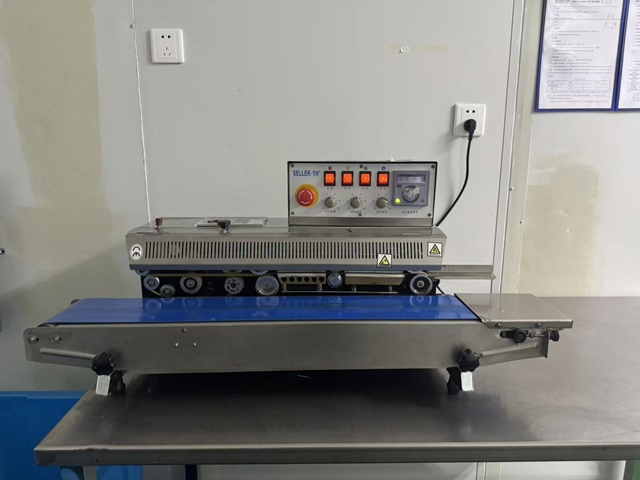
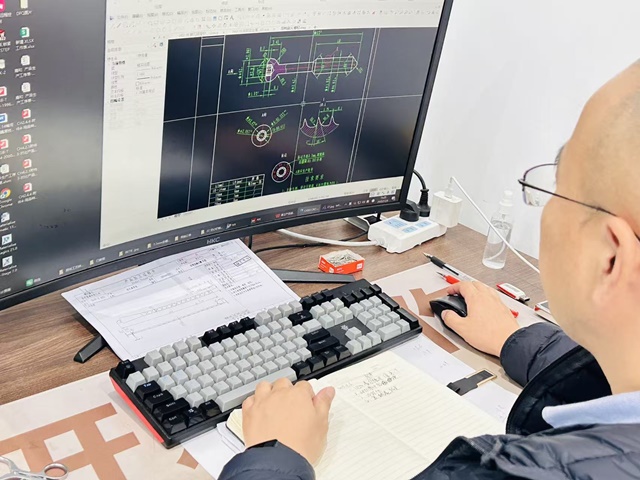
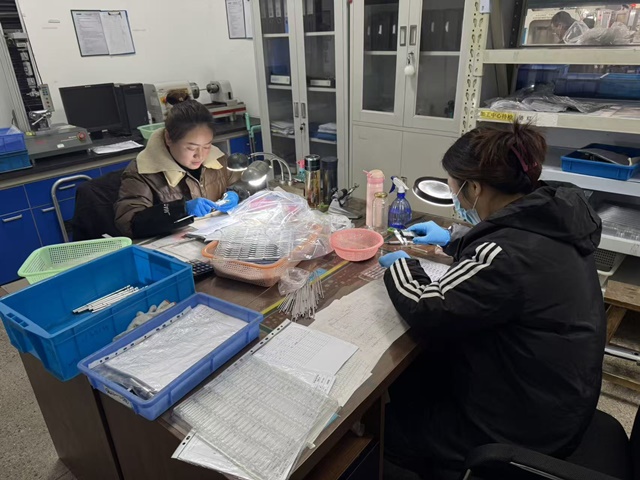
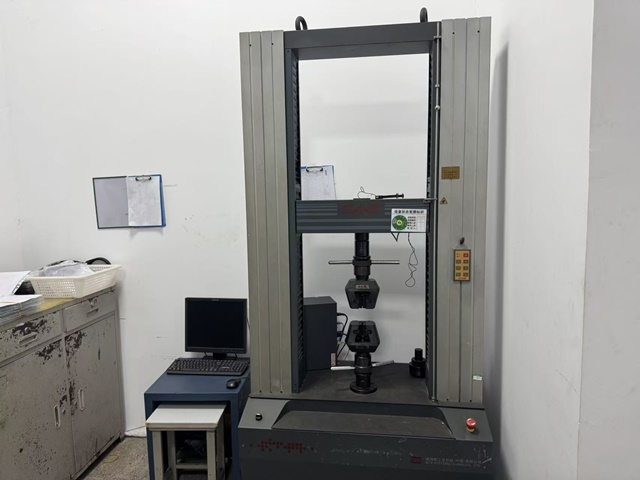
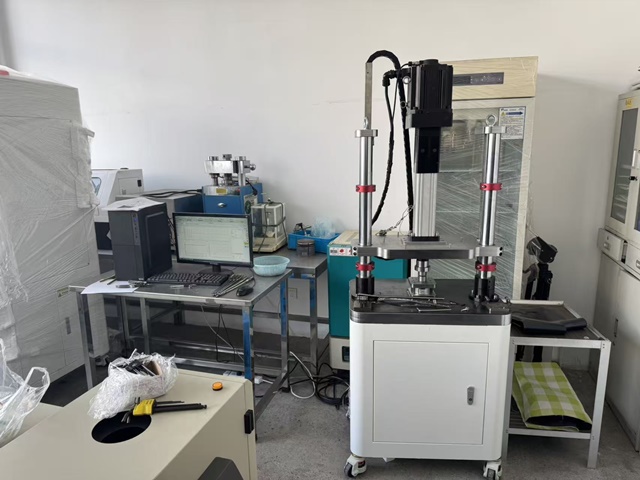
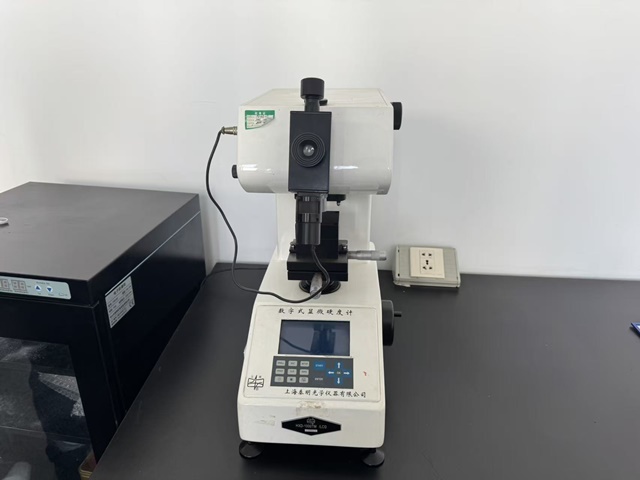
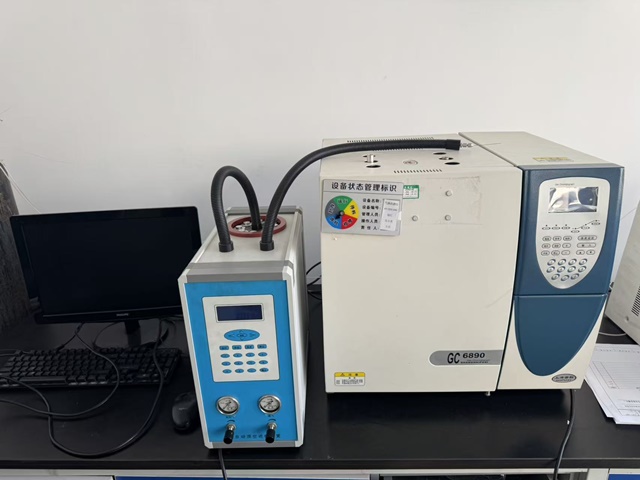
In the orthopedic implant and medical hardware sector, regulatory compliance forms the foundation of clinical trust. At Osteora, we operate under strict ISO 13485 quality management guidelines. Our raw materials, including medical-grade titanium alloys (Ti-6Al-4V ELI) and implant-grade stainless steel (316LVM), undergo testing via mass spectrometry and mechanical stress analysis prior to entering production.
Every production run passes through in-process inspectoral sweeps, followed by visual coordinate measuring machine inspections to confirm geometric tolerance compliance. This meticulous oversight is maintained by a specialized team of 42 QC inspectors. For hospitals and distributors across North America, Europe, South America, and Southeast Asia, our strict adherence to international standards simplifies compliance pathways and ensures reliable clinical performance in high-pressure operating environments.
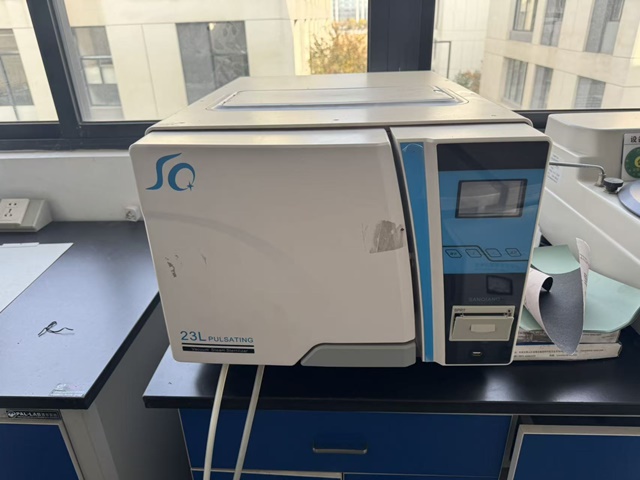
Hospitals in the Philadelphia Metropolitan region, from specialized veterinary surgical centers to Class-I trauma facilities, operate under stringent infection control protocols. Devices must repeatedly undergo steam sterilization (autoclaving up to 134°C under high pressure) without losing power efficiency, experiencing hermetic seal degradation, or suffering battery housing breakdown.
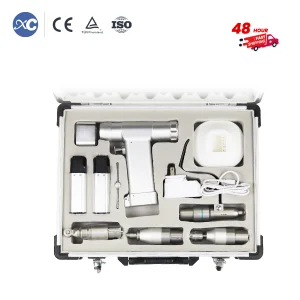
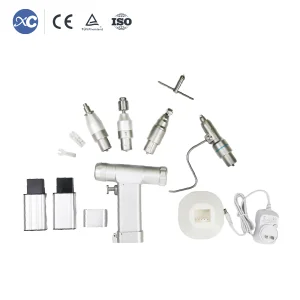
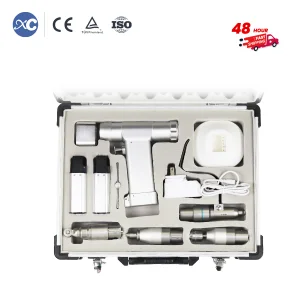
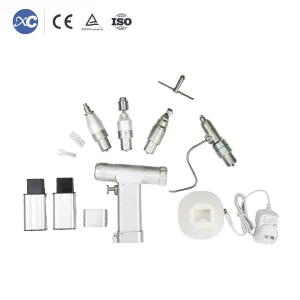
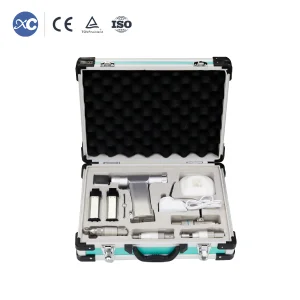
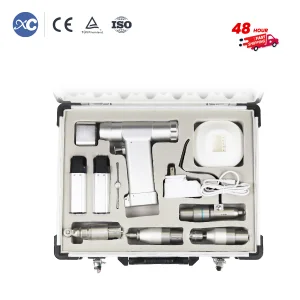
Osteora's mini-drill systems, oscillating sagittal saws, and multi-functional surgical drills are built with high-grade, corrosion-resistant fluoroelastomer seals. This design protects internal motor compartments and brushless driving assemblies against fluid ingress during bone resectioning and subsequent cleaning cycles. This ensures that the motor remains responsive, vibration levels stay within safe limits, and sterilizability is maintained throughout the tool's service life.
Choosing the correct drive assembly and handpiece configuration is critical to clinical efficacy. Below is a comparative breakdown of key system configurations engineered for both human and veterinary applications: