Osteora
Osteora
Osteora
Clinically-proven surgical delivery systems optimized for trauma response and bone reconstruction applications in the Australian healthcare market.
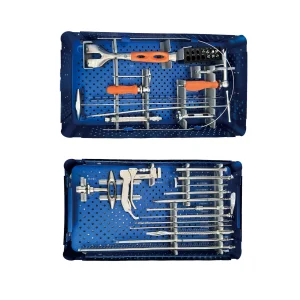
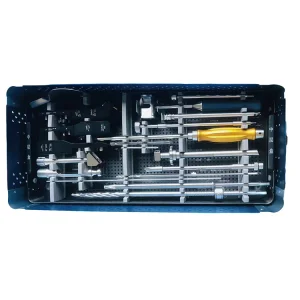
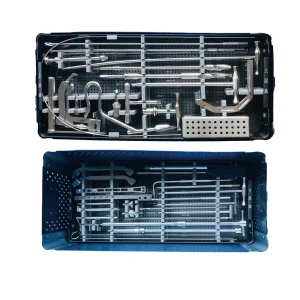
Engineered precision, backed by certifications compliant with major international and Australian regulatory directives.
The Australian orthopedic instrument and implant market remains one of the most sophisticated globally. Under the strict governance of the Therapeutic Goods Administration (TGA), medical practitioners and hospitals demand instruments and implants of the highest caliber. In Australia, public and private healthcare facilities are facing rising caseloads due to an aging population, high rates of sports-related trauma, and an increase in joint arthroplasty procedures.
Consequently, procurers require trauma sets, intramedullary nails, and spinal instrument kits that are not only biocompatible and highly durable but also feature absolute dimensional consistency. With the rise of minimally invasive orthopedic surgery, instrument kits must allow surgeons to execute precise, repetitive movements with minimal structural failure rates.
Osteora Medical Devices Co., Ltd. addresses these distinct challenges. By leveraging state-of-the-art Chinese manufacturing efficiencies coupled with stringent ISO 13485 compliance, we supply orthopedic implant surgical sets that align perfectly with the expectations of orthopedic surgeons across major urban networks like Sydney, Melbourne, and Brisbane, as well as regional medical centers.
All instrumentation and implants are manufactured using medical-grade Titanium Alloy (Ti-6Al-4V ELI) and implant-grade Stainless Steel, simplifying regulatory pathways for local sponsors.
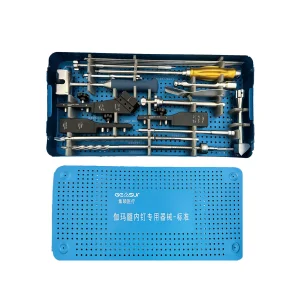
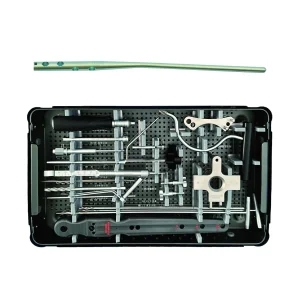
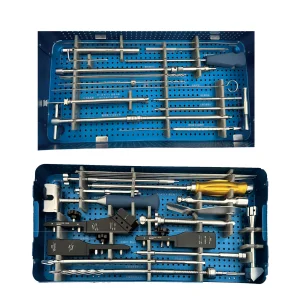
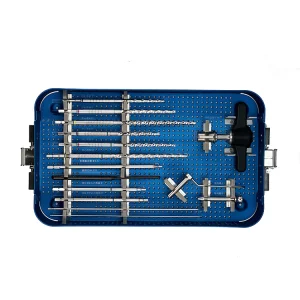
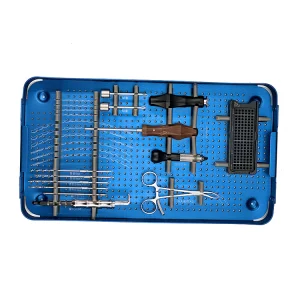
From PFNA (Proximal Femoral Nail Antirotation) sets to cervical hollow screw instruments, we provide complete, integrated kits ready for autoclave and immediate clinical deployment.
Instruments designed to withstand rigorous, repeated sterilization cycles (steam autoclaving, ethylene oxide) without structural fatigue or degradation.
High-performance implants require superior metallurgical foundations. We use medical-grade materials processed via advanced milling.
To guarantee structural stability under physiological loading, Osteora uses premium raw materials sourced from certified metallurgical suppliers. These materials undergo mechanical testing, gas spectrometry validation, and Vickers hardness analysis before entering the CNC machining process. Below is the comparative matrix of the core metals deployed in our implants and surgical instruments:
| Material Standard | Tensile Strength (MPa) | Yield Strength (MPa) | Core Clinical Applications | Key Structural Benefits |
|---|---|---|---|---|
| Titanium Alloy (ISO 5832-3 / ASTM F136) | ≥ 860 | ≥ 795 | Intramedullary Nails (PFNA), Cervical Discs, Spine Screws | Excellent biocompatibility, low modulus of elasticity, highly resistant to corrosion. |
| Stainless Steel (ISO 5832-1 / ASTM F138) | ≥ 490 | ≥ 190 | Trauma Locking Plates, Cannulated Screws, Drill Guides | High mechanical strength, cost-efficiency, reliable load-bearing capabilities. |
| PEEK (Polyetheretherketone) | ≥ 90 | ≥ 95 | Spinal Interbody Fusion Cages, Radiolucent Spacers | Radiolucency, bone-like elastic modulus, artifact-free CT/MRI scanning. |
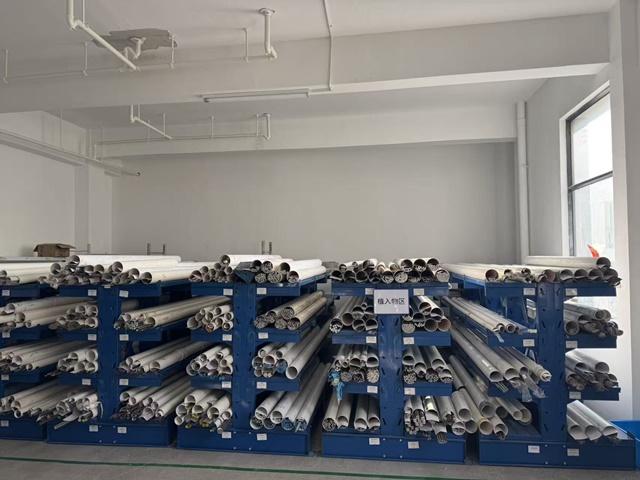
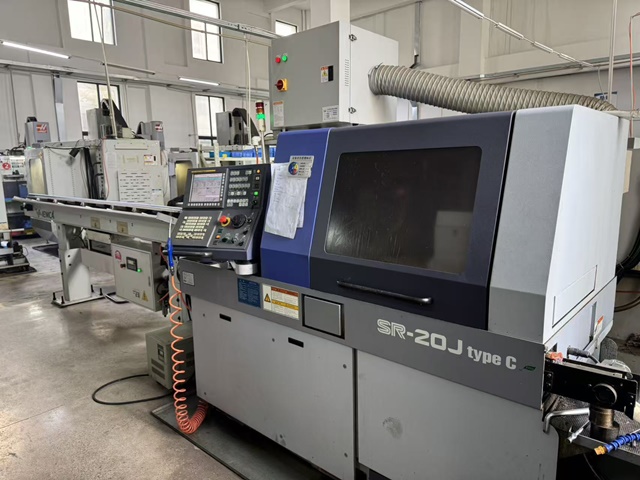
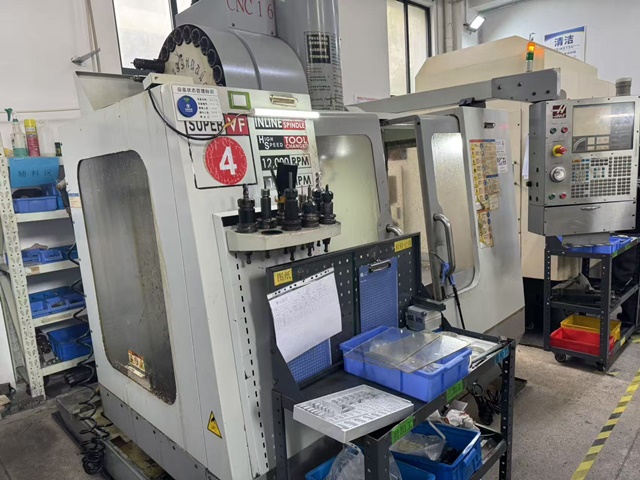
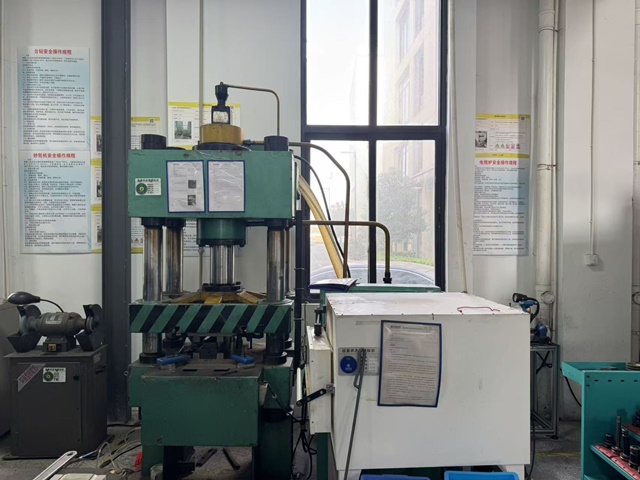
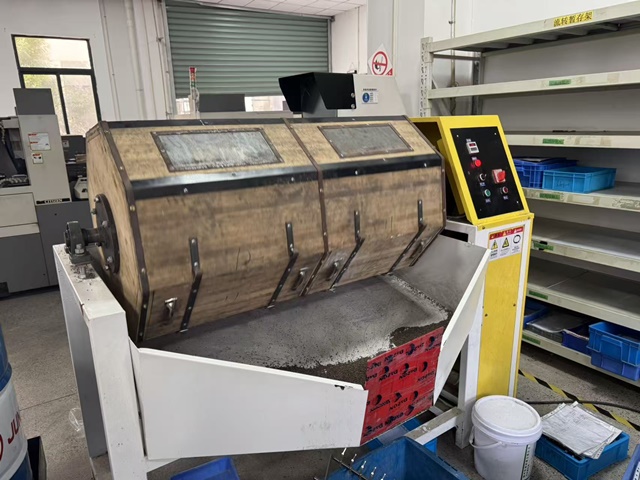
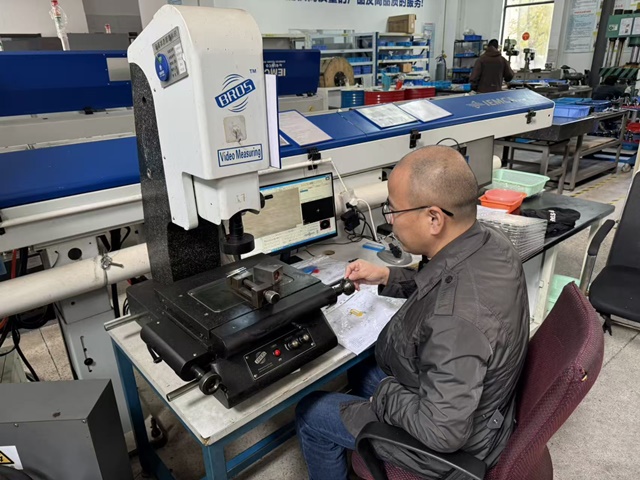
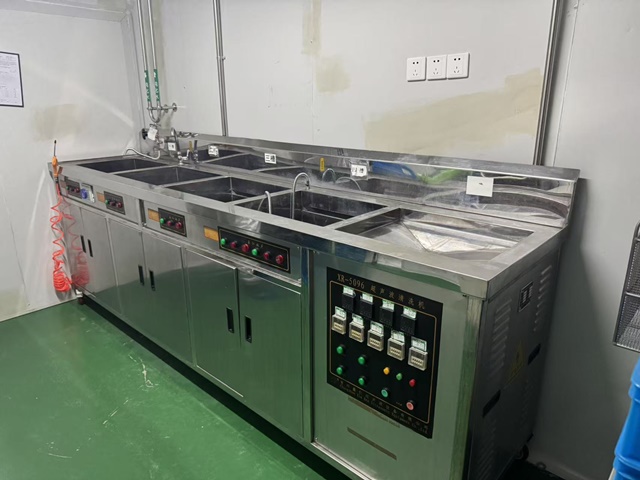
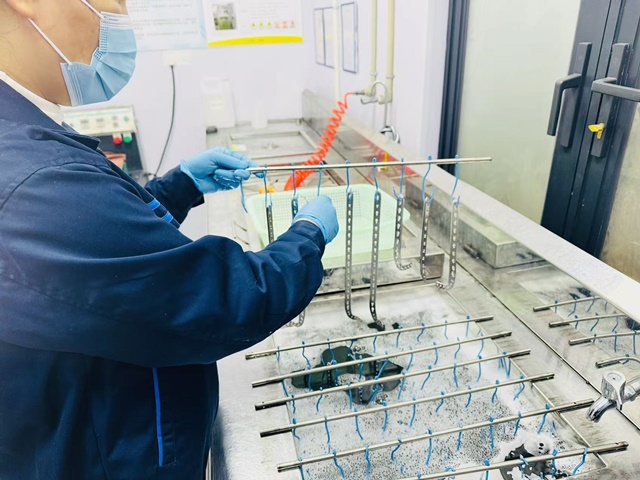
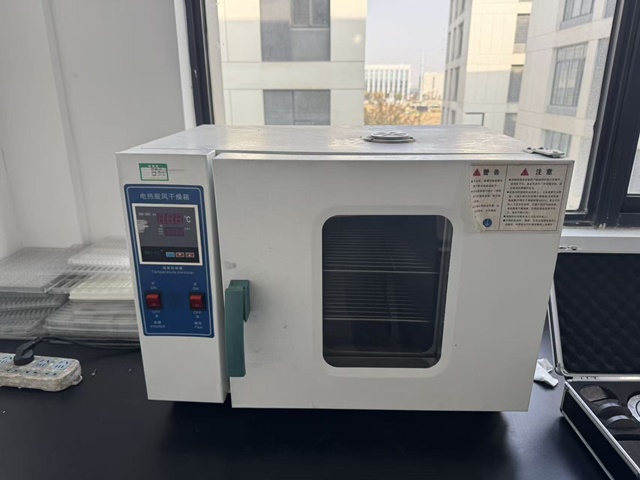
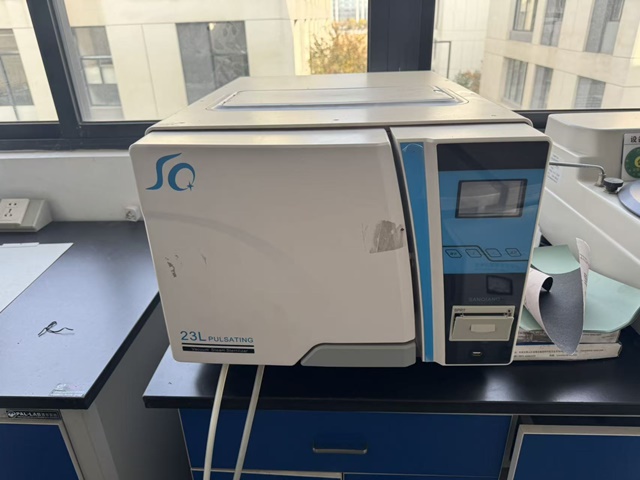
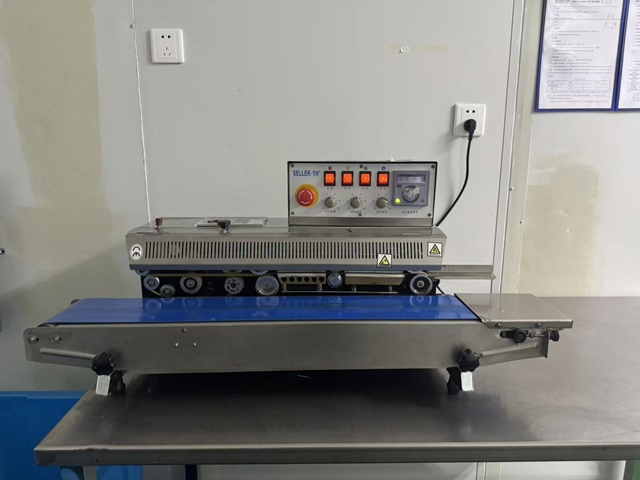
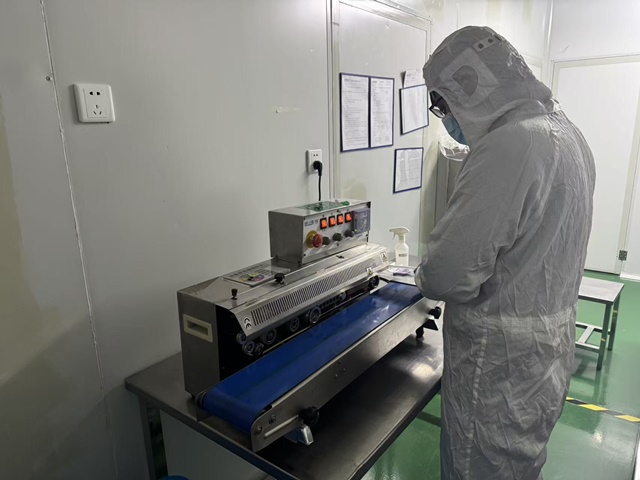
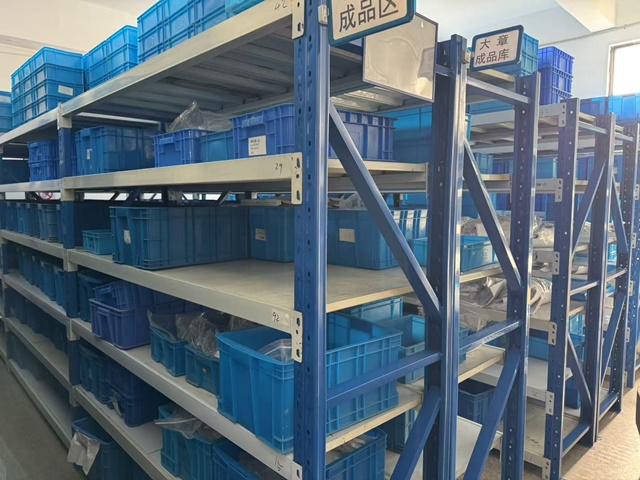
Take an interactive digital tour of the Osteora manufacturing floor, showing our structured quality control from raw materials to final packaging.
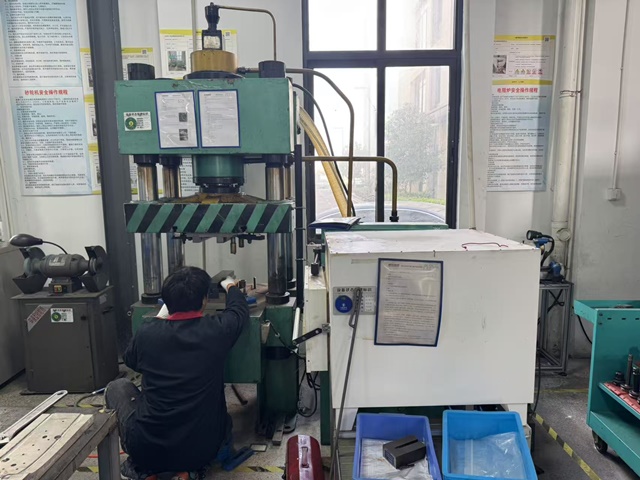
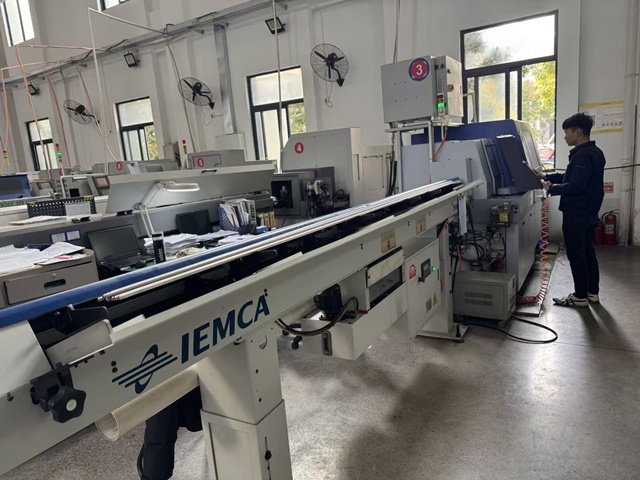
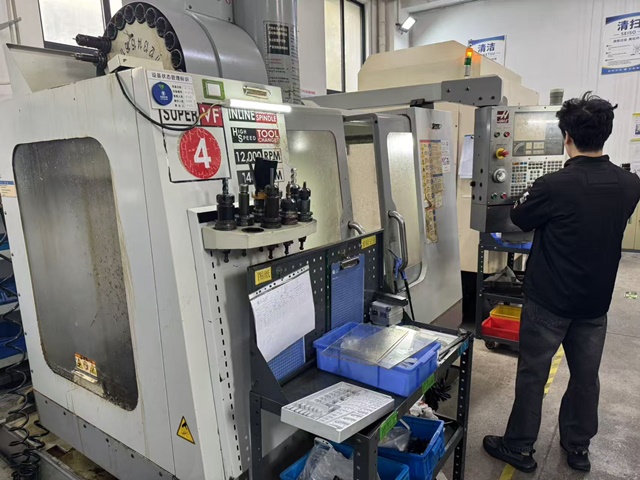
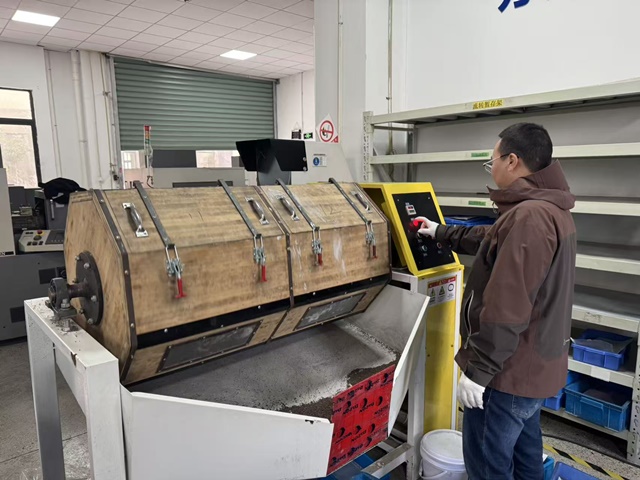
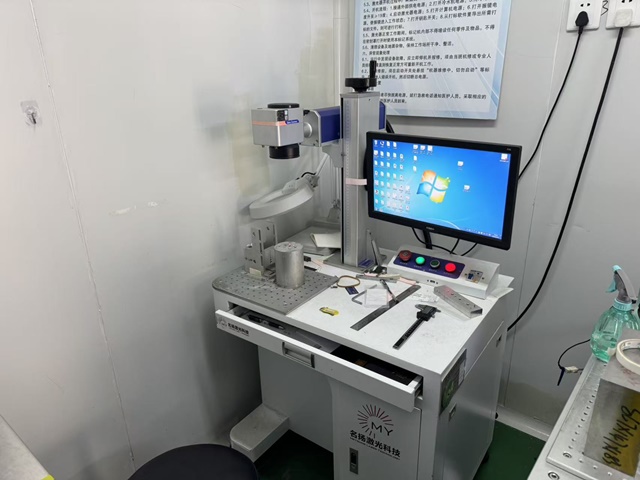
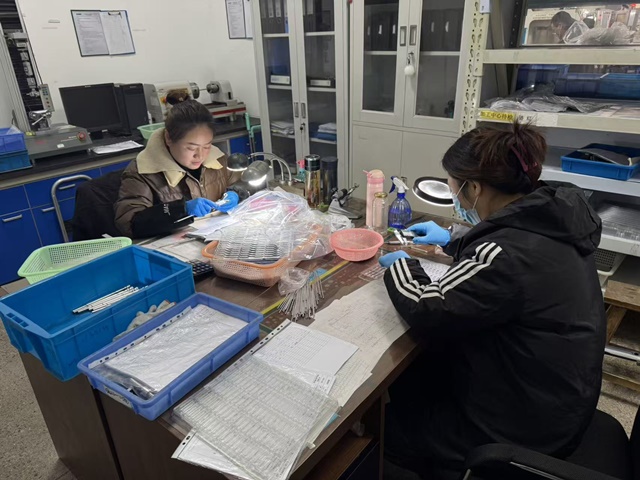
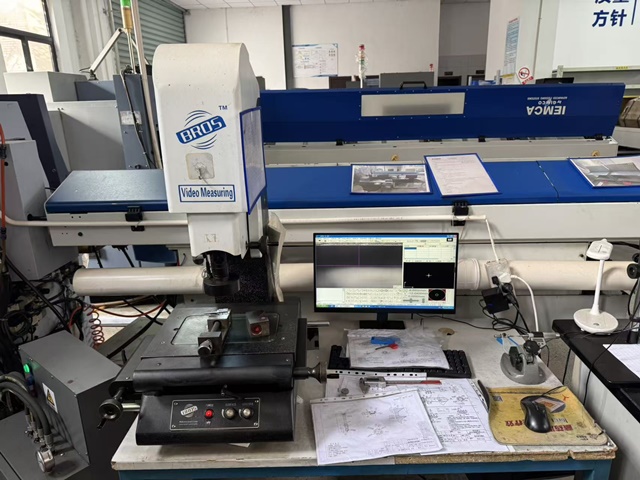
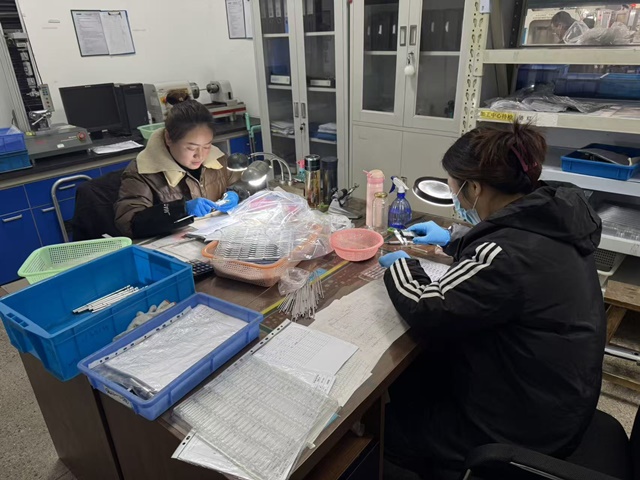
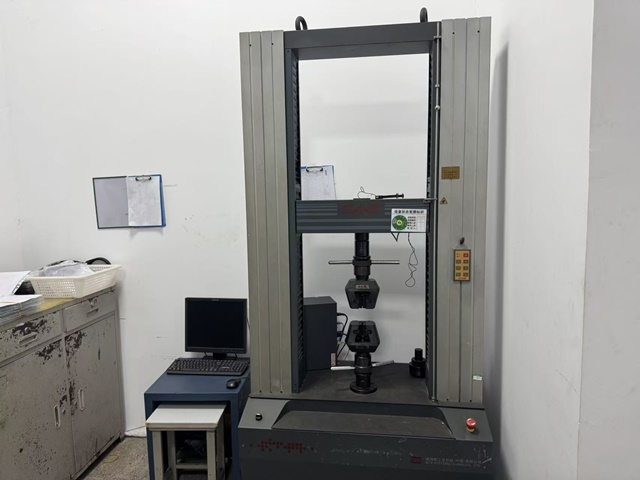
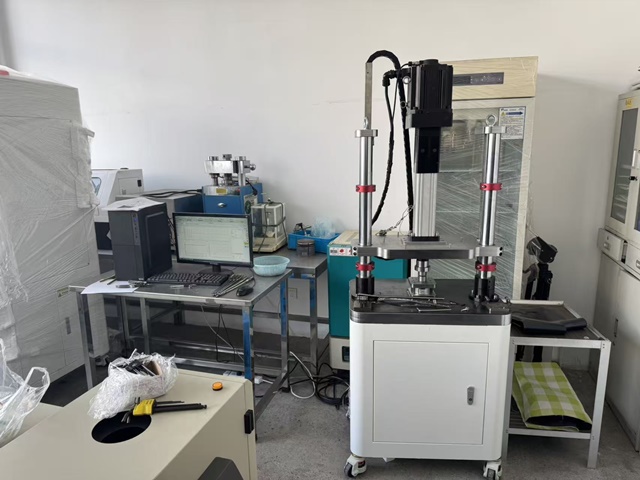
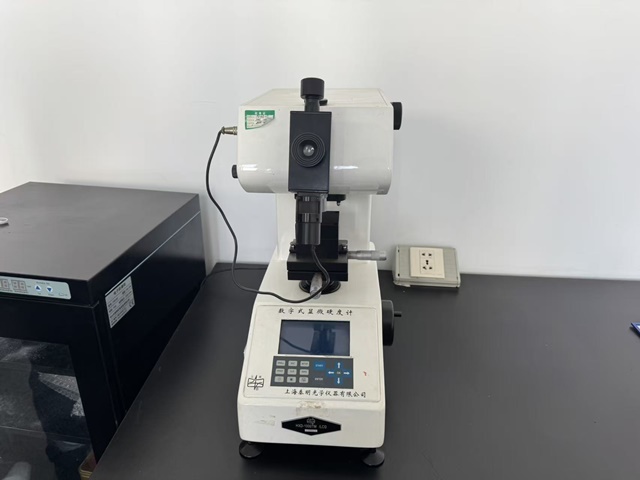
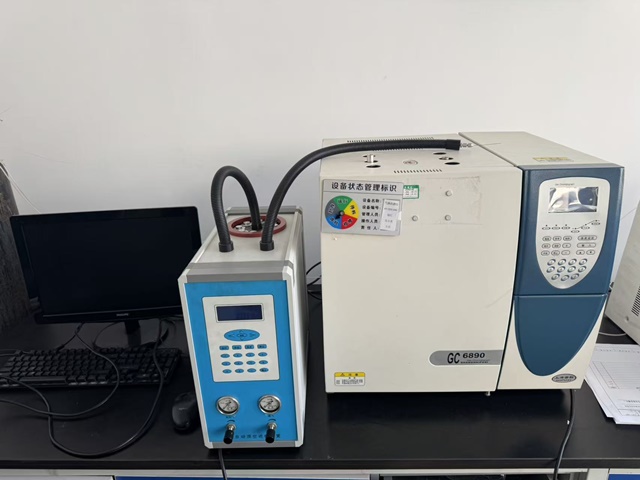
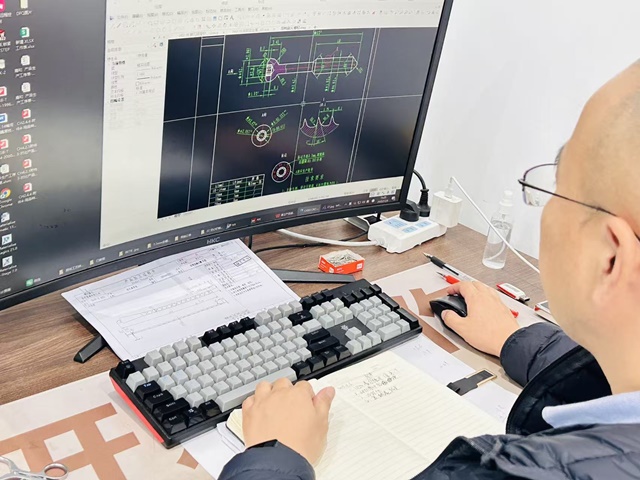 CAD Engineering Design Cell
Matching implant geometry with clinical applications across Australian surgical units.
Orthopedic surgical instrumentation must match the anatomical variation of patients. For instance, our Proximal Femoral Nail Antirotation (PFNA) systems are specifically engineered to provide stable fixation for unstable trochanteric fractures, particularly in osteoporotic bone. The helical blade compresses the cancellous bone during insertion, providing optimal resistance to cut-out—a critical factor in aging patient profiles commonly seen across Australian state-funded geriatric clinics.
For spinal fusion and disc replacement pathways, Osteora hollow screw instruments and artificial disc insertion kits allow surgeons to operate under high visual clarity. Designed with low-profile configurations, our spine kits integrate with surgical imaging systems, reducing fluoroscopy exposure during screw placement.
Osteora maintains a quality control pipeline characterized by:
How modern medical device manufacturers are adapting to global procurement demands.
The global orthopedic supply chain is shifting towards risk mitigation and flexible OEM/ODM manufacturing. Post-pandemic supply disruptions highlighted the risks of relying on single-source, high-cost suppliers. As a result, distributors in Australia and Europe are turning to integrated manufacturers that offer customizable branding, sizing variations, and regulatory data support.
Technologically, the industry is transitioning toward patient-specific instrumentation and advanced surface coatings (such as titanium plasma spray or acid-etched micro-surfaces) that promote osteointegration. Osteora's dedication to innovation is reflected in our R&D output, having successfully launched over 120 new products last year to match these clinical developments.
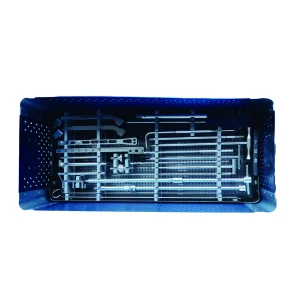
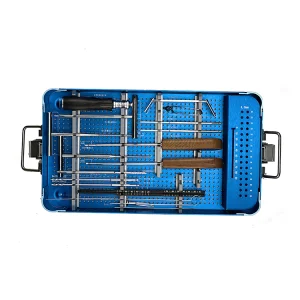
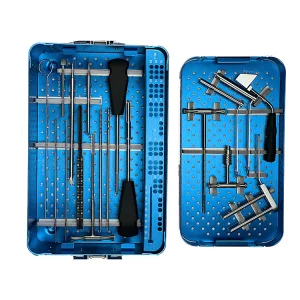
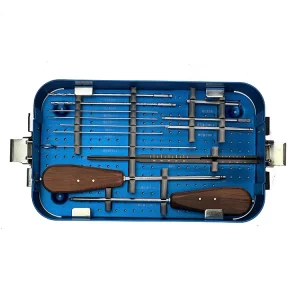
Explore our full line of surgical instrumentation kits and implants, designed for long-term clinical performance.
Find answers to common questions regarding regulatory compliance, manufacturing standards, and export logistics to Australia.
Connect with our commercial export team to discuss TGA registration, request mechanical test documentation, or request custom product pricing.