Osteora Osteora

Orthopedic Instrument Supplier & Exporters for the Israel Market

Delivering Class III Trauma, Spine, and Joint Reconstruction Surgical Solutions Compliant with ISO 13485 Standards

Connect with Israel Market Specialists

1. The Israel MedTech Landscape & Demands for Premium Orthopedic Instrumentation

Israel’s healthcare system is globally renowned for its integration of cutting-edge technology, clinical efficiency, and rigorous safety standards. Dominated by major Health Maintenance Organizations (HMOs) such as Clalit, Maccabi, Meuhedet, and Leumit, alongside leading medical centers like Sheba Medical Center (Tel Hashomer) and Tel Aviv Sourasky Medical Center (Ichilov), the clinical environment demands exceptional reliability. Orthopedic surgery in Israel is shifting towards minimally invasive procedures, requiring highly specialized instrumentation that reduces operating room times and optimizes biomechanical outcomes.

To enter this sophisticated market, orthopedic implants and instruments must conform to strict regulatory guidelines managed by the Israeli Ministry of Health Medical Device Division (AMAR). Sourcing decisions are dictated not only by cost efficiency but by compliance with ISO 13485 quality standards, CE marking, and documentation demonstrating raw material biocompatibility. Our trauma, spine, and joint systems under the Osteora brand are designed to fulfill these strict requirements, providing Israeli medical staff with reliable tools for complex femoral reconstructions and spinal stabilizations.

Critical Regulatory and Material Benchmarks:

  • Raw Material Authentication: Medical grade Titanium alloy (Grade 5, Ti-6Al-4V ELI) ensuring optimal fatigue life and biocompatibility.
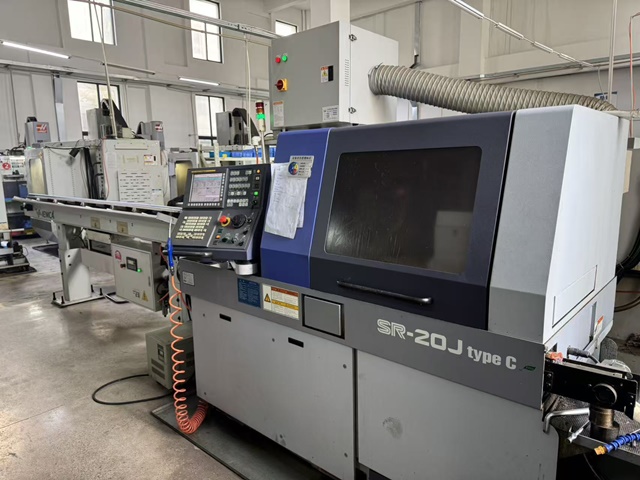
  • Dimensional Precision: Under 0.01mm tolerances executed on Swiss CNC machines for seamless intraoperative interlocking.
  • Sterilization Compatibility: Instruments designed for repeated steam autoclaving cycles without surface degradation.
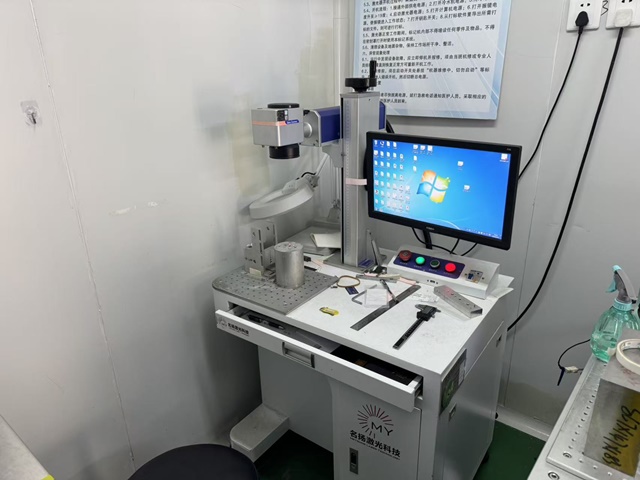
  • Traceability: Unique Device Identification (UDI) laser-marked on all instruments and implants.

2. Evolving Dynamics in Global Orthopedic Sourcing

Optimizing procurement chains requires direct access to high-capacity manufacturers utilizing smart technologies.

12+ Yrs
Industry Expertise
18.5k ㎡
Production Facility
85
R&D Engineers
$14M
Max Annual Export
Medical device distributors and healthcare logistics planners in the Middle East face challenges, including fluctuating logistics costs, raw material price volatility, and shipping delays. Sourcing directly from certified facilities is essential for maintaining consistent stock. A reliable manufacturer must do more than duplicate designs; they must offer robust manufacturing and verification infrastructure.
Osteora Medical Devices Co., Ltd. addresses these challenges by offering a vertically integrated supply chain. With 12 years of industry experience and an annual export value of USD 6 million to 14 million, we manage a network of over 1,200 verified partners. This enables us to secure premium medical metals and execute specialized finishing procedures, providing Israeli hospitals with trauma and spinal solutions that match or exceed Western counterparts at competitive prices.

3. China Factory 4.0: Modern Supply Chain for the Israel Medical Market

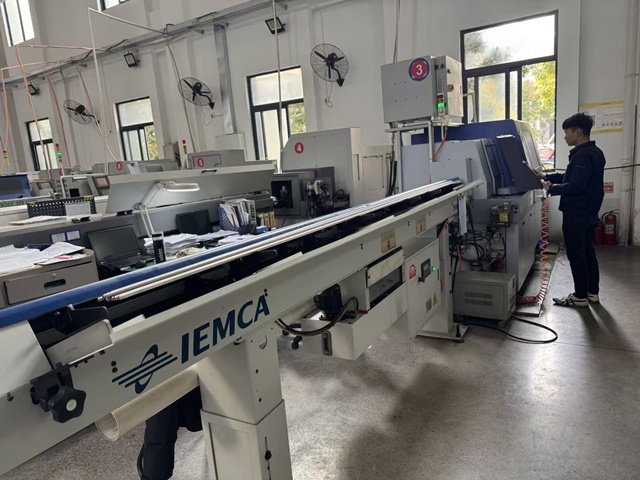
The integration of advanced automated production is transforming medical device fabrication. At Osteora, we utilize Factory 4.0 principles, employing CNC milling systems, robotic finishing cells, and automated multi-axis Swiss lathes. This level of automation ensures consistency across batches, eliminating the manual variations that can affect implant placement or screw insertion torque.

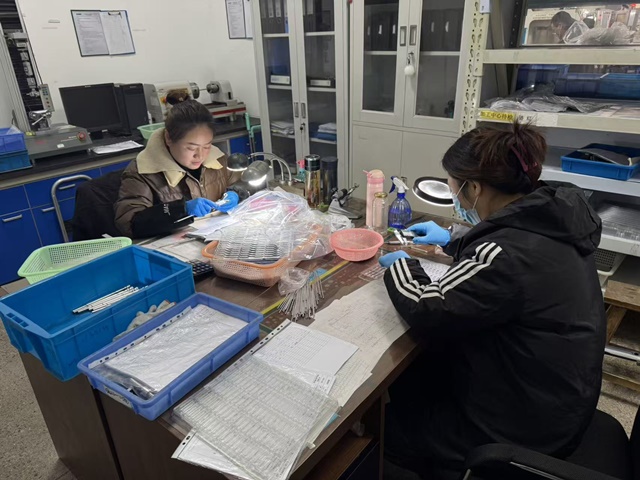
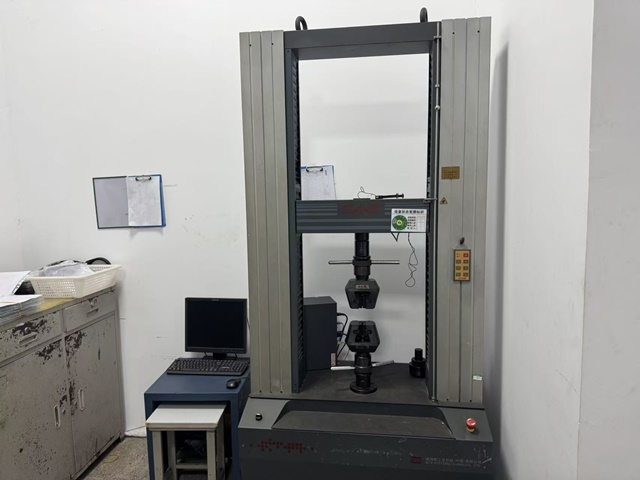
Our quality control protocols utilize computerized vision measurement machines and mechanical testing systems to check every structural interface. We employ 42 specialized quality control inspectors, conducting dimension verification, mechanical fatigue assessments, and biocompatibility verification. For Israeli distributors, this reduces the risk of receiving parts out of tolerance, speeding up inspection and delivery to hospital central sterile services departments (CSSD).

Quality Control & Testing Protocols:

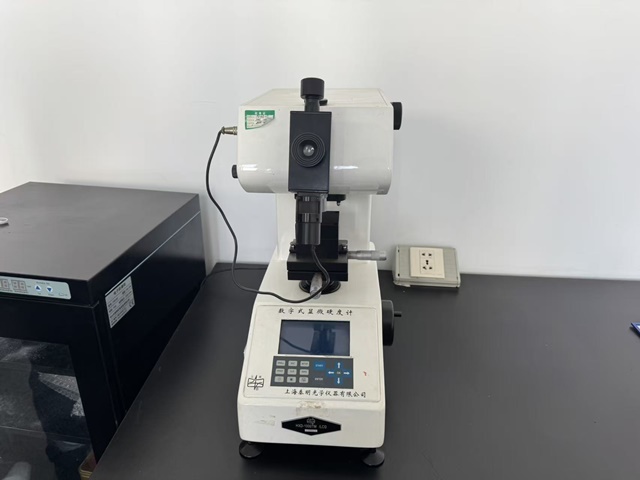
  • Vickers Hardness Testing: Confirms the tensile strength and hardness properties of raw metal rods before machining.
  • Pulsating Fatigue Testers: Simulates years of dynamic load cycles on femoral and tibial reconstruction components.
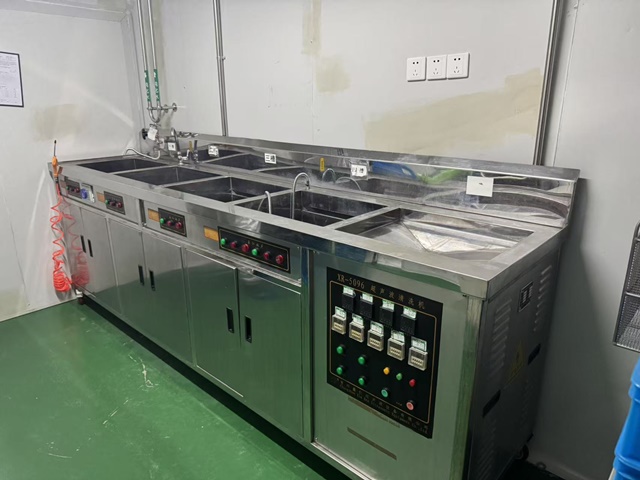
  • Ultrasonic Cleaning: Removes residual cutting oils and particles, preparing products for sterilization.
  • Gas Spectrometry: Verifies the precise chemical composition of titanium alloy batches.

4. Production Controls & Manufacturing Facility Overview

Inside Osteora’s ISO-certified manufacturing base, displaying raw material sourcing, automated machining, and laboratory testing.
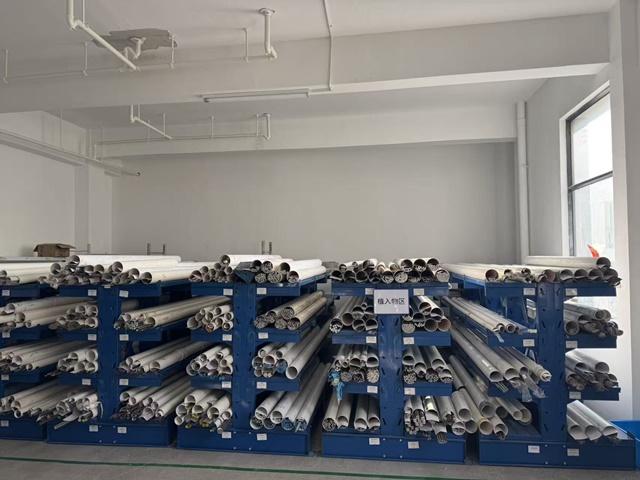
Raw Material Inspection at Osteora Facility
Raw Material Procurement
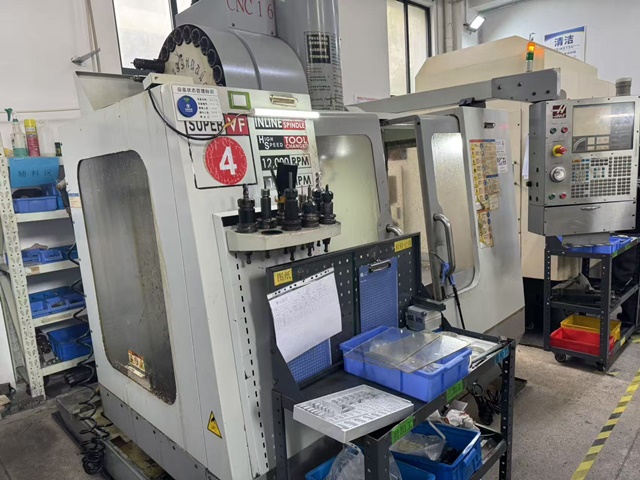
HAAS CNC Machine for Orthopedic Screws
Precision HAAS CNC Center
Swiss-type Lathe Equipment for Medical Nails
Swiss-type Lathe Machining
Finishing Process for Orthopedic Instruments
Finishing Process
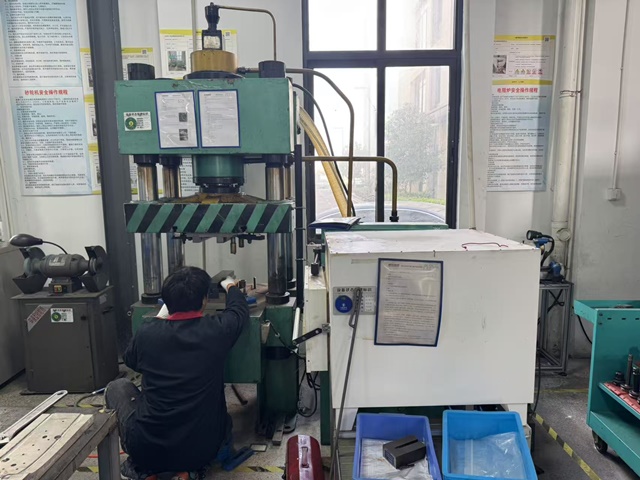
Stamping Process of Plate Systems
Stamping Process
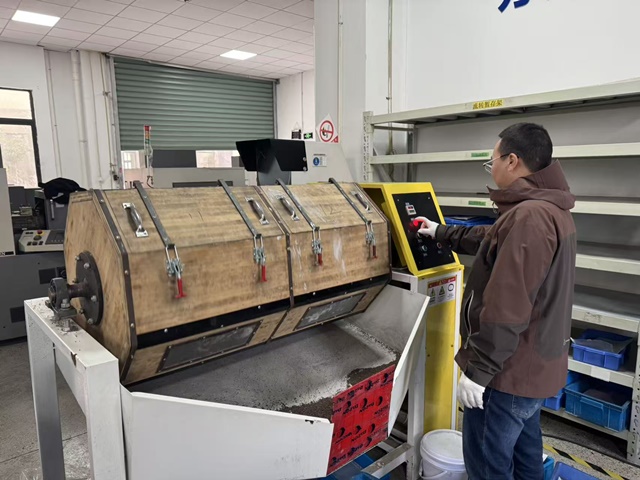
Grinding Process for Polished Surface Finish
Grinding Process
Specialized Cleaning Machine for Implants
Ultrasonic Cleansing Line
Laser Marking Machine for UDI Tracking
Laser Marking & UDI
Inspecting Process under High Precision Vision Systems
Dimensional Inspection
Multifunctional Mechanical Testing Machine
Mechanical Testing Lab
Vickers Hardness Tester for Materials
Vickers Hardness Tester
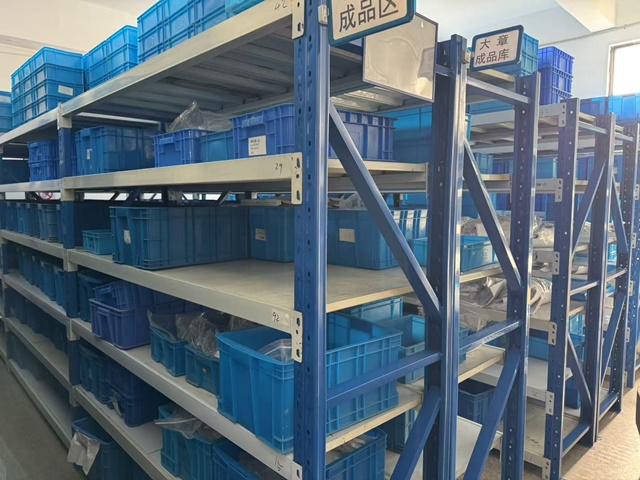
Storehouse for Finished Orthopedic Implants
Global Dispatch Center

5. Clinical Application Scenarios in Israeli Healthcare Centers

Providing trauma and spinal solutions optimized for advanced hospital surgical workflows.

Geriatric Trauma & Femoral Reconstruction

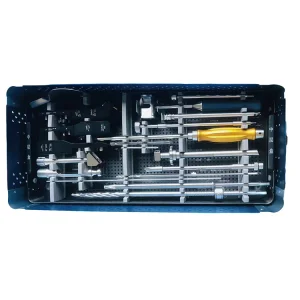
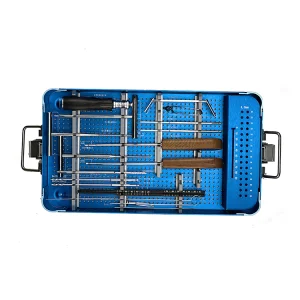
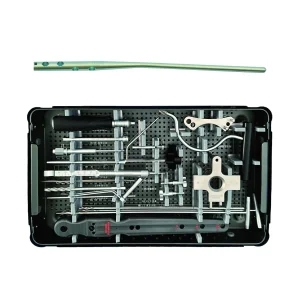
In busiest municipal hospitals such as Rambam Health Care Campus in Haifa and Kaplan Medical Center in Rehovot, surgeons face high volumes of geriatric trauma cases. Hip fractures and unstable trochanteric femoral fractures require rapid stabilizing procedures. The Proximal Femoral Nail Antirotation (PFNA) system is designed for these situations.

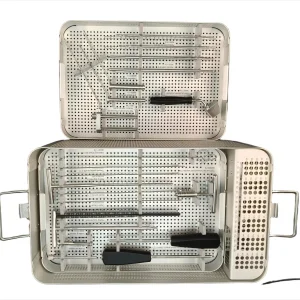
Our PFNA instrument sets provide stable insertion alignments. They feature a helical blade mechanism that compacts cancellous bone rather than removing it, enhancing fixation in osteoporotic bone. This biomechanical advantage is critical for minimizing postoperative implant migration and supporting early mobilization.

Complex Spinal Stabilization & Decompression

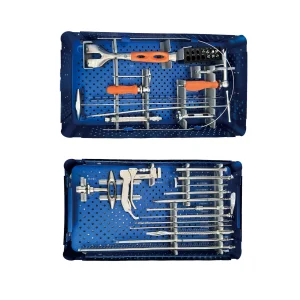
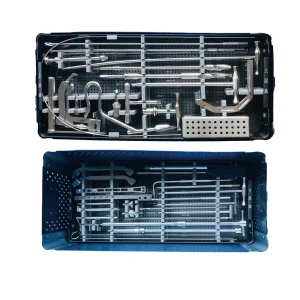
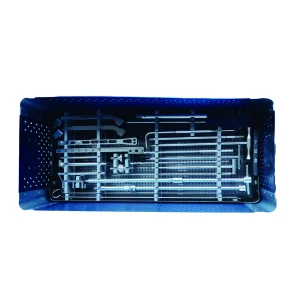
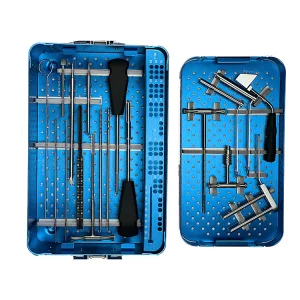
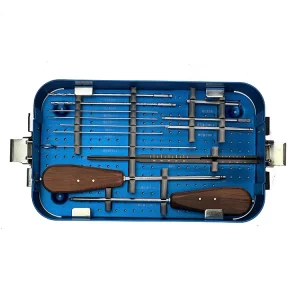
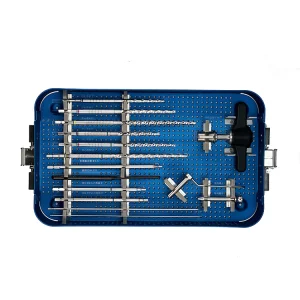
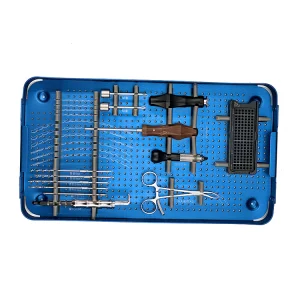
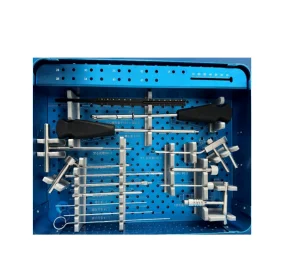
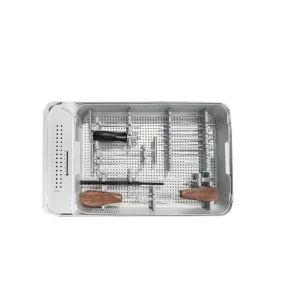
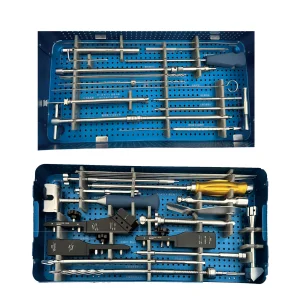
Advanced spine centers, including Assuta Medical Center, require specialized surgical systems for treating multi-level degenerative diseases, scoliosis, and vertebral body trauma. The Spinal Instrument Kit for Hollow Screws and Rib Plates supports precise, minimally invasive placement, helping to preserve healthy surrounding tissue.

Our instrumentation systems feature low profile designs, clean cannulated paths, and ergonomic handles. These design details help improve surgeon control during challenging guide wire maneuvers and screw placement, contributing to efficient procedure times.

6. Israel Market Sourcing & Procurement FAQ

Clear answers to questions regarding regulatory compliance, manufacturing standards, and logistics for Israel.

How does Osteora support the AMAR medical registration process in Israel?
We provide a complete documentation package, including ISO 13485 certifications, biocompatibility validation reports (ISO 10993), raw material analysis sheets, and clinical evaluation records. Our regulatory team works directly with your local registration agent to resolve queries from the Ministry of Health, ensuring a smooth registration path.
What raw materials are used in Osteora implants, and how is traceabilty handled?
Our orthopedic implants are fabricated using medical-grade Titanium Alloy (Grade 5/Ti-6Al-4V ELI) and implant-grade Stainless Steel. Every incoming material batch undergoes gas spectrometry composition testing. Each finished implant and instrument is laser-marked with a unique batch number, providing traceability back to the raw material melt.
What is the typical manufacturing lead time and logistics route for Ashdod or Haifa ports?
For standard orthopedic instrument sets and stock implant products, lead times average 15 to 30 days. For custom OEM/ODM systems, manufacturing cycles typically range from 45 to 60 days. We ship via air freight for urgent clinical needs (approx. 5-7 days to Ben Gurion Airport) or ocean freight for bulk restocking orders arriving at Ashdod or Haifa ports.
Do you support customized labeling and custom surgical instrument sets (OEM/ODM)?
Yes, our R&D team of 85 engineers provides full OEM and ODM support. We can customize screw pitch geometries, design user-specific handles, and apply custom laser labeling to match the preferences of specific clinical teams and hospitals.

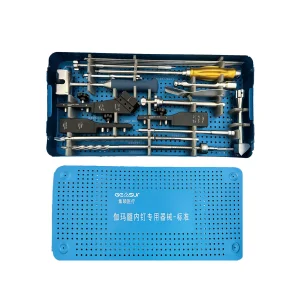
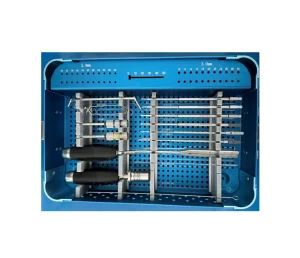
Trauma, Spinal and Cannulated Screws Systems

Premium implant and tool kits engineered for specialized orthopedic interventions across Israel's surgical networks.
Request a Technical Whitepaper & Quotation

Partner with Osteora to access high-quality trauma, joint reconstruction, and spine instrument systems. Contact our regulatory and sourcing team for documentation support and custom pricing.
Send Inquiry Now