Osteora
Osteora
Osteora
Engineered to meet the stringent standards of Western Australian orthopedic trauma centers and reconstructive departments.
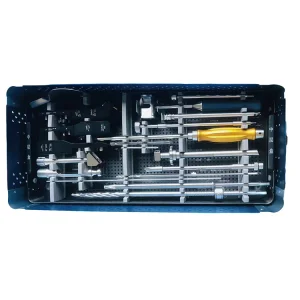
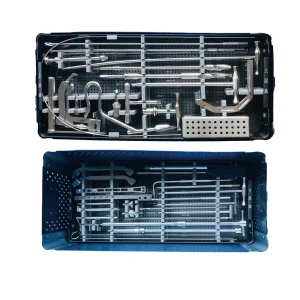
Western Australia’s healthcare sector features a distinct geographic and demographic profile. As the primary medical hub for a vast geographic region, Perth's public and private health networks require highly responsive biomedical supply chains. Leading tertiary institutions, including the Fiona Stanley Hospital, Royal Perth Hospital, and Sir Charles Gairdner Hospital, operate some of the nation’s busiest state-level trauma centers. These departments manage complex clinical cases, ranging from high-velocity mining and agricultural injuries in remote regions to age-related degenerative conditions.
Additionally, private networks such as Ramsay Health Care and St John of God Health Care require orthopedic implants and instruments that consistently deliver optimal patient outcomes. Products must also demonstrate cost-efficiency to remain viable under hospital activity-based funding models.
For international manufacturers, supply chain resilience is a critical factor for partners in Western Australia. Given Perth’s geographic isolation, medical device procurement officers prioritize suppliers capable of maintaining robust, uninterrupted production of surgical titanium systems. Implants and instrumentation must comply with strict national regulatory frameworks governed by the Therapeutic Goods Administration (TGA), ensuring long-term bio-compatibility, biomechanical stability, and precise clinical execution.
Bridging the gap between strict Western quality regulations and scalable production capacity.
Modern hospitals struggle with long lead times for specialized instrumentation. High-tier European and American brands often experience supply delays, directly affecting elective surgery schedules in remote cities like Perth.
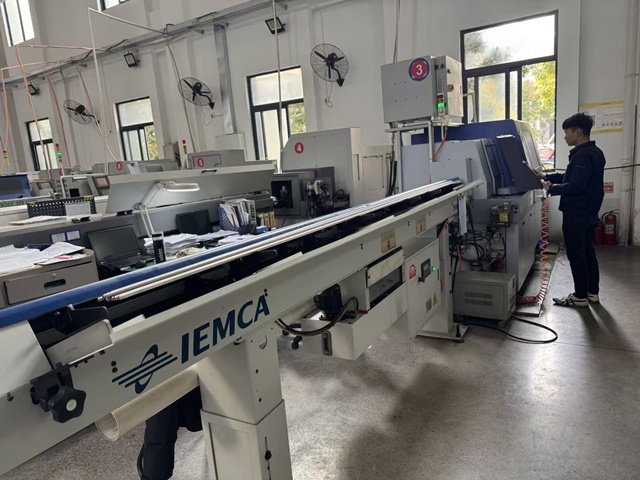
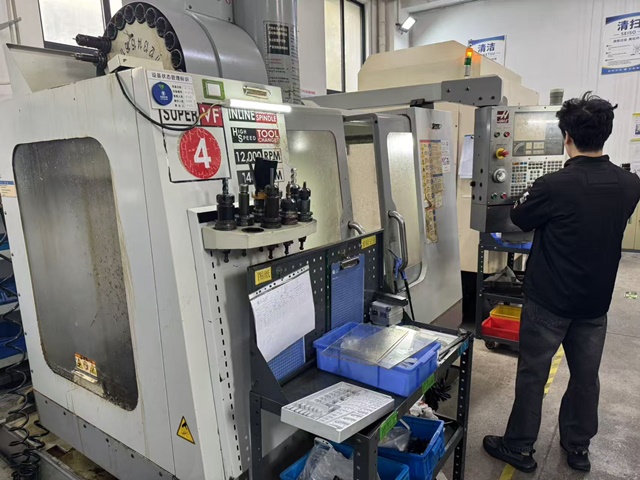
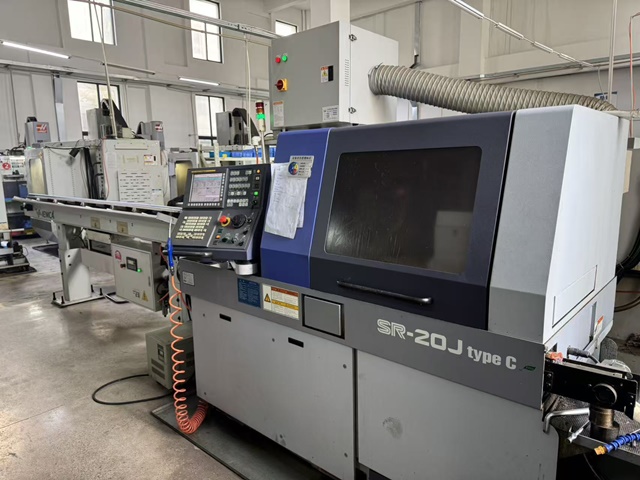
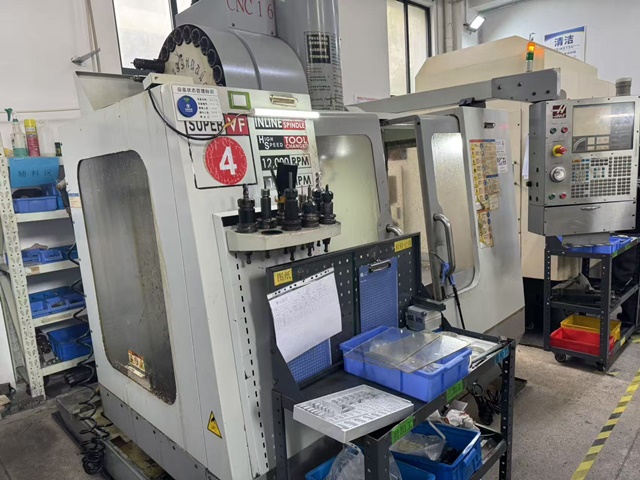
Leveraging advanced technology like Swiss-type lathes and HAAS CNC systems, modern Chinese medical manufacturers achieve micro-tolerances (<0.005mm) while scaling production to meet high volume orders.
By optimizing vertical supply chains, Chinese manufacturers can reduce production costs without compromising structural integrity or mechanical testing requirements under ISO 13485.
A professional orthopedic implant and surgical solution manufacturer specializing in trauma, spine, and joint reconstruction systems under the brand Osteora.
Founded in 2016, the company has developed a strong reputation in the global orthopedic industry through continuous innovation and strict quality control standards. The facility covers an area of approximately 18,500㎡, supporting integrated production, assembly, and testing operations. With 8 years of export experience and 12 years of industry expertise, Osteora has established stable cooperation with international distributors and hospitals across multiple regions. Annual export revenue ranges from USD 6 million to 14 million, reflecting steady global market growth.
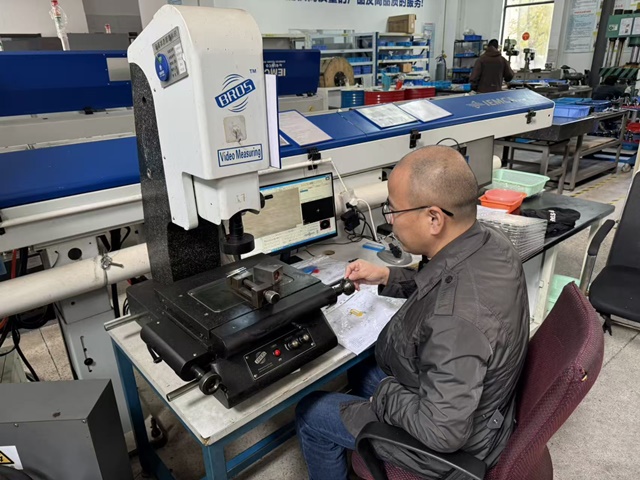
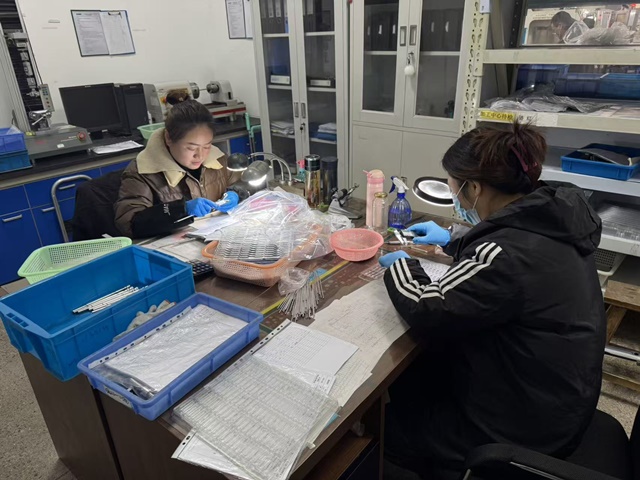
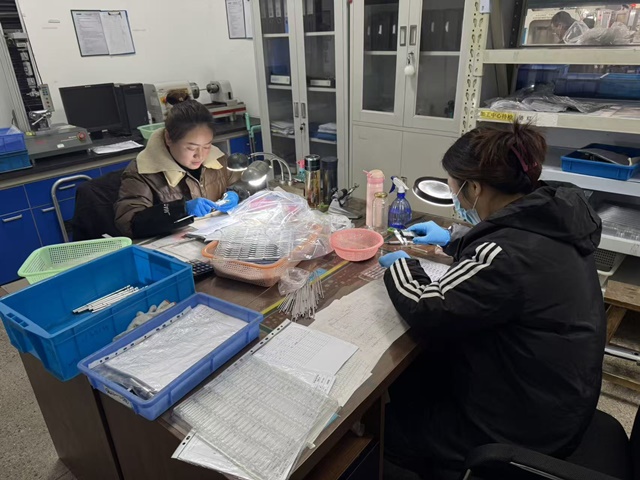
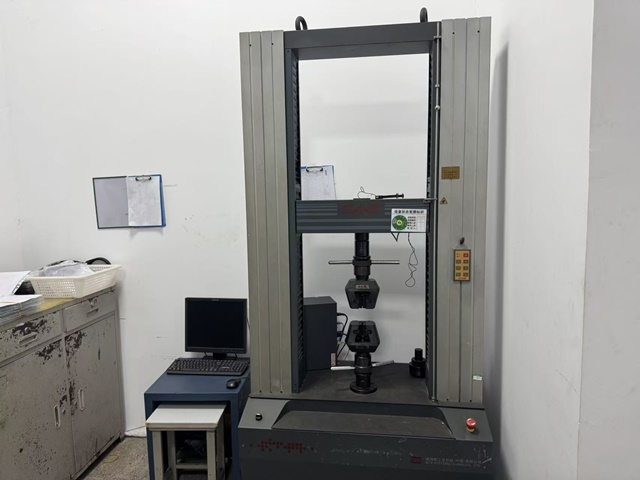
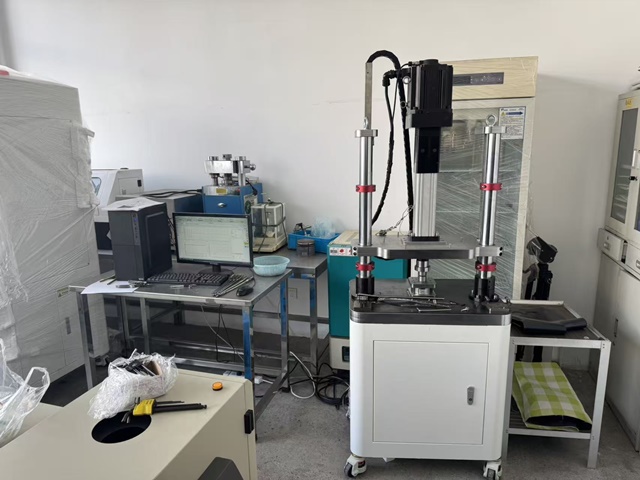
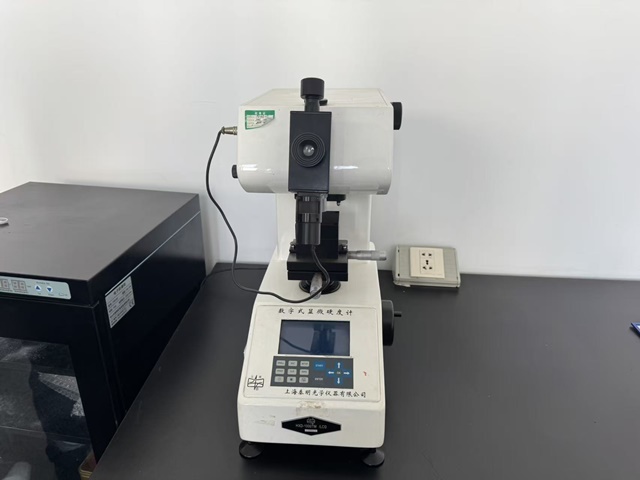
The company implements comprehensive quality assurance systems, including ISO 13485 compliance, in-process inspection, and final random sampling testing. Product inspection methods include dimensional measurement, mechanical fatigue testing, and biocompatibility validation. The quality control team consists of 42 specialized inspectors ensuring strict adherence to international medical device standards.
Osteora has a strong trade background in global medical device export and maintains long-term partnerships with distributors in Europe, Southeast Asia, the Middle East, and South America, which are also its primary markets. The company’s supply chain includes approximately 1,200 certified upstream and downstream partners, supporting stable production capacity and reliable delivery performance. Its main customer base consists of hospitals, orthopedic clinics, surgical centers, and medical distributors.
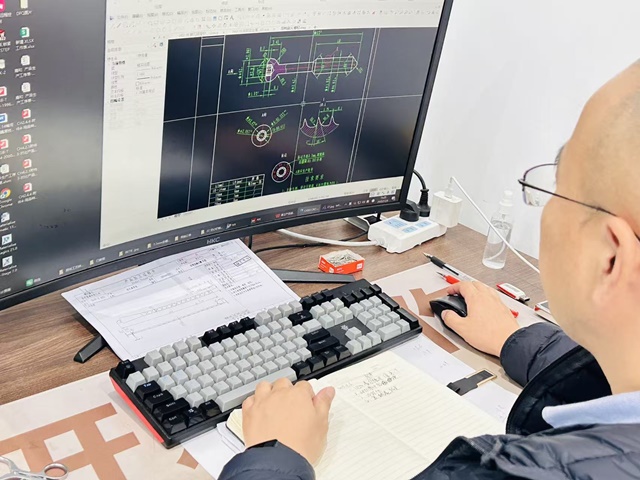
With strong R&D capabilities, Osteora operates an in-house engineering team of 85 R&D engineers, focusing on innovation in trauma fixation systems, spinal implants, and joint reconstruction technologies. The company offers extensive customization options, including OEM/ODM services, size variations, material customization, and private labeling. In the past year, Osteora launched approximately 120 new products, reflecting its continuous investment in innovation and product development to meet evolving clinical needs.
Engineered to support physiological stability during post-operative healing and patient rehabilitation.
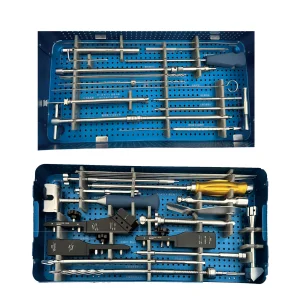
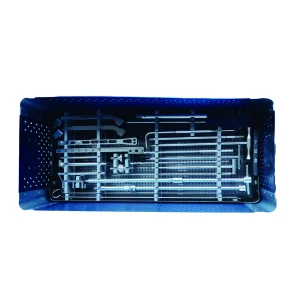
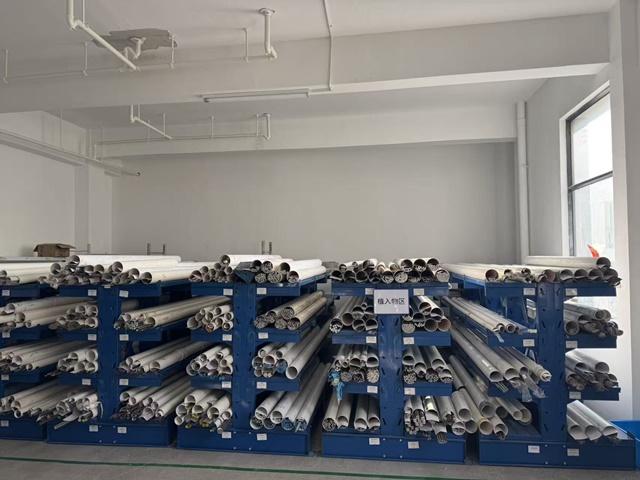
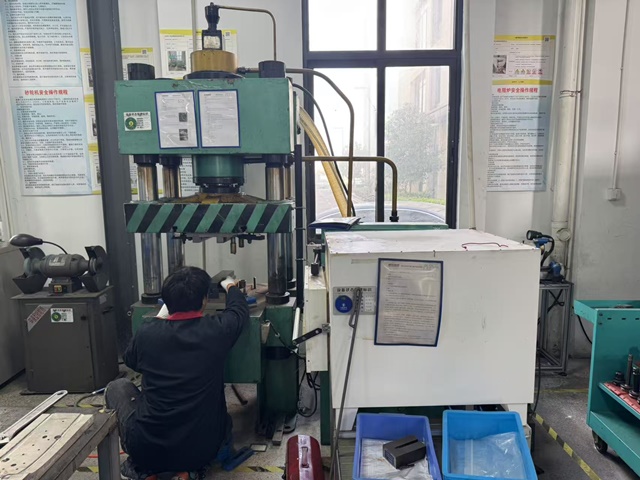
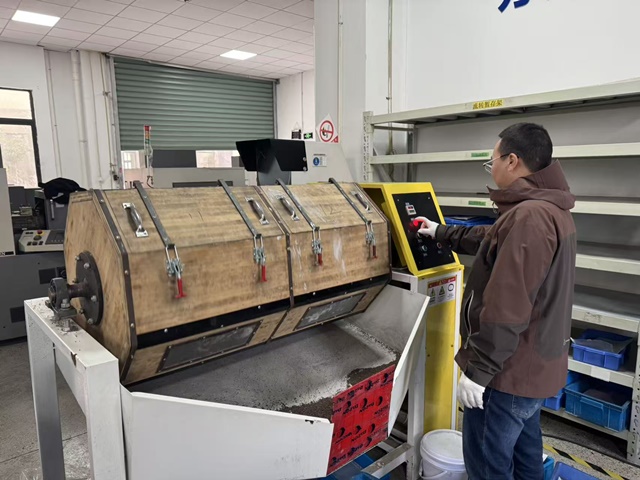
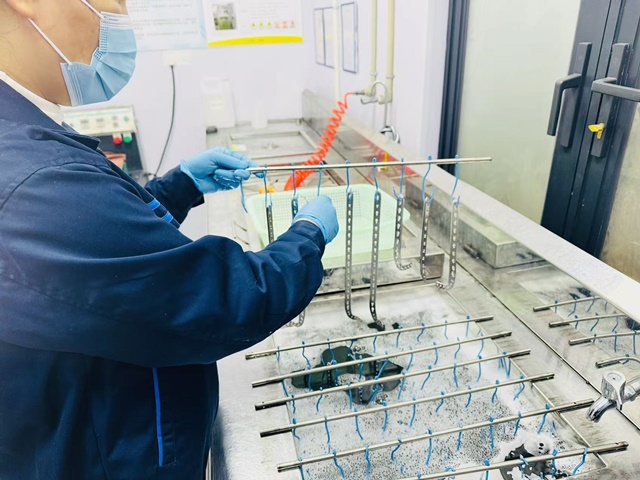
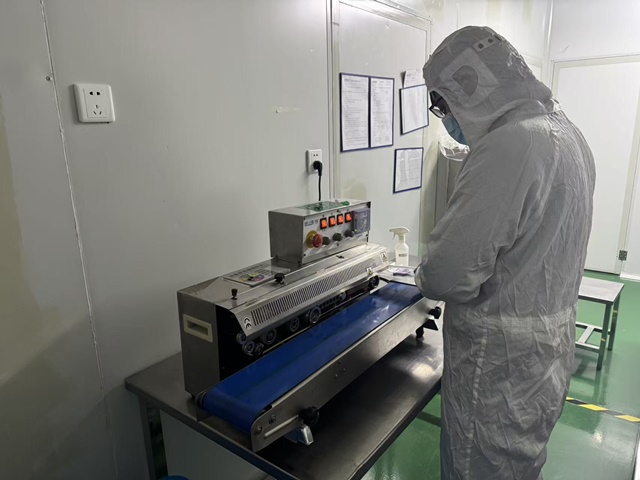
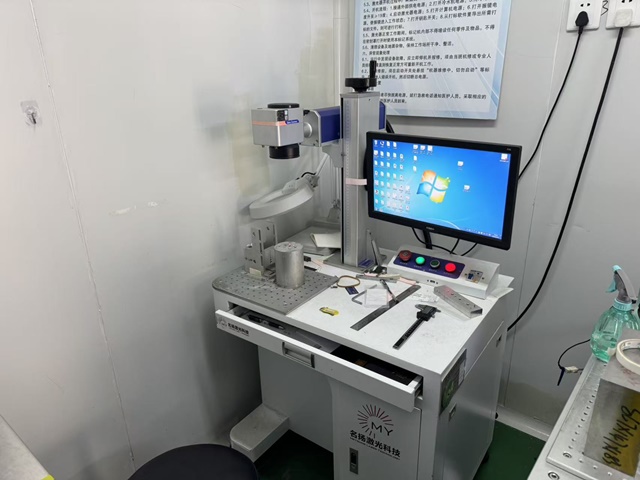
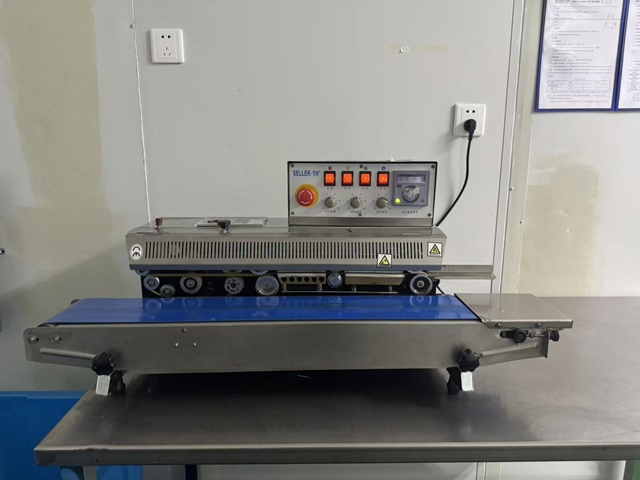
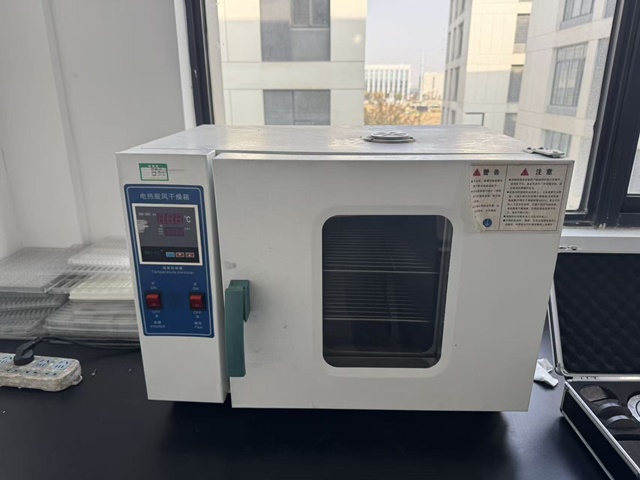
Our manufacturing processes integrate high-precision CNC machinery and strict quality control protocols to ensure implant reliability and dimensional accuracy.
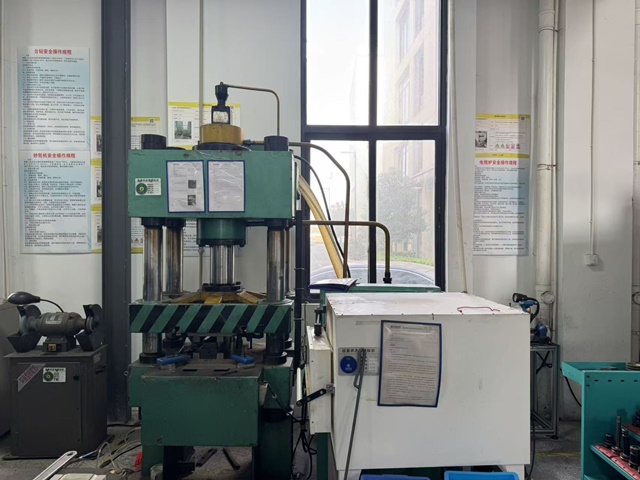
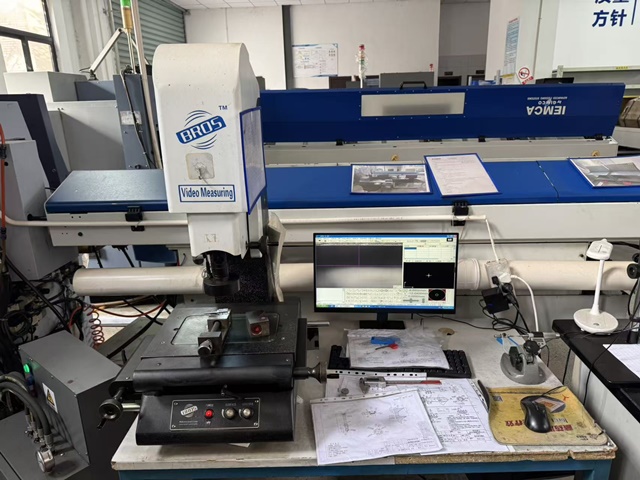
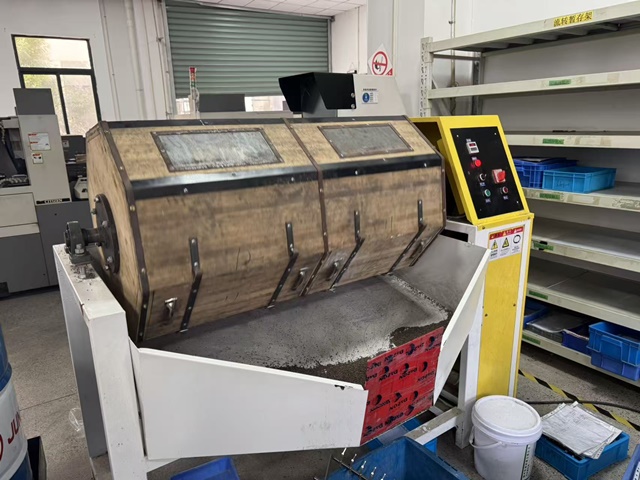
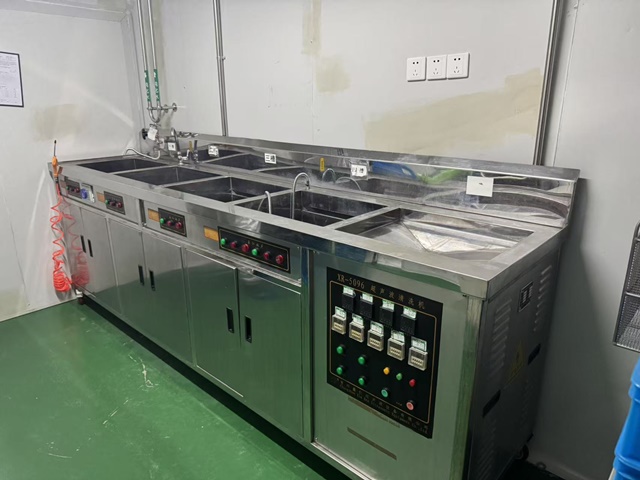
Customized instrumentation designed to address specific physiological and environmental conditions in WA.
Western Australia’s aging demographic requires highly stable fixation techniques for proximal femoral fractures. In cases of senile osteoporosis, conventional implants risk failure. Osteora’s Proximal Femoral Nail Antirotation (PFNA) systems feature helical blade technologies designed to optimize bone compaction, providing anti-rotation and angular stability to support early mobilization.
The Pilbara and Goldfields-Esperance regions present unique orthopedic emergency challenges. Patients with complex tibial or femoral shaft fractures must be stabilized prior to medical evacuation to Perth. Our Interlocking Femoral and Tibial Intramedullary Nails are engineered to withstand axial load and rotational forces, providing critical stabilization during transport and rehabilitation.
Modern spinal surgery increasingly utilizes minimally invasive procedures (MIS) to reduce recovery times. Osteora provides artificial intervertebral discs and hollow spinal pedicle screw kits. These systems enable precise, image-guided placement, helping to preserve healthy surrounding tissues during complex spinal procedures.
Managing distal fibular or radial fractures requires low-profile implants to minimize soft tissue irritation. Osteora’s miniature intramedullary nails and Herbert compression screws provide stable fixation for small-bone fragments, supporting anatomic reconstruction and joint function recovery.
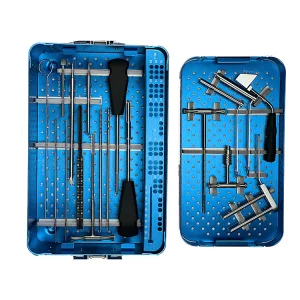
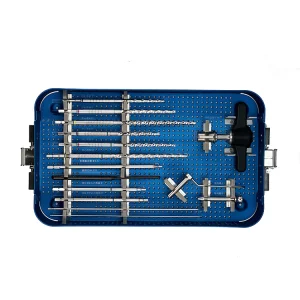
Our complete line of hollow, headless compression, and specialized spinal devices designed for precise clinical outcomes.
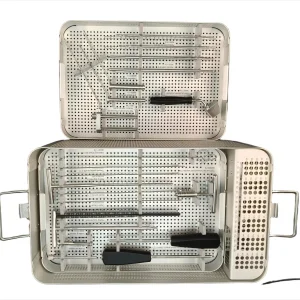
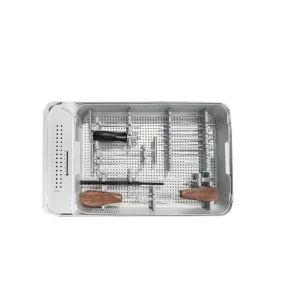
Our manufacturing processes utilize medical-grade titanium alloys to ensure high biocompatibility and performance under physiological load.
| Material Property | Standard Specifications |
|---|---|
| Titanium Alloy Grade | Ti-6Al-4V ELI (ASTM F136 / ISO 5832-3) |
| Tensile Strength | ≥ 860 MPa |
| Yield Strength | ≥ 795 MPa |
| Elongation | ≥ 10% |
| Biocompatibility | Cytotoxicity, Sensitization & Pyrogenicity validated |
Osteora implants are manufactured using Ti-6Al-4V ELI (Extra Low Interstitial) alloy, which provides high fatigue resistance and elastic properties similar to natural cortical bone. This helps reduce stress shielding around the implant site.
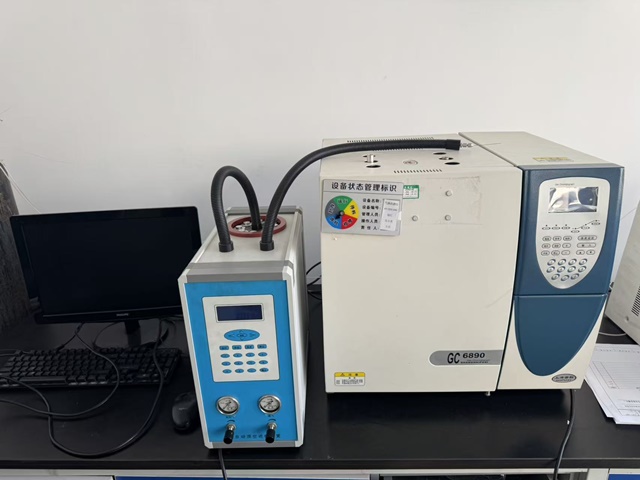
The manufacturing process includes gas spectrometry to verify raw material composition and check for interstitial elements. Mechanical testing, including multi-directional fatigue tests, simulates long-term physiological stress to verify structural integrity prior to packaging.
Finished implants undergo electrochemical passivation to form a stable titanium oxide layer, which helps prevent corrosion and support tissue integration.
Aligning high-precision production with hospital inventory demands and clinical workflow requirements.
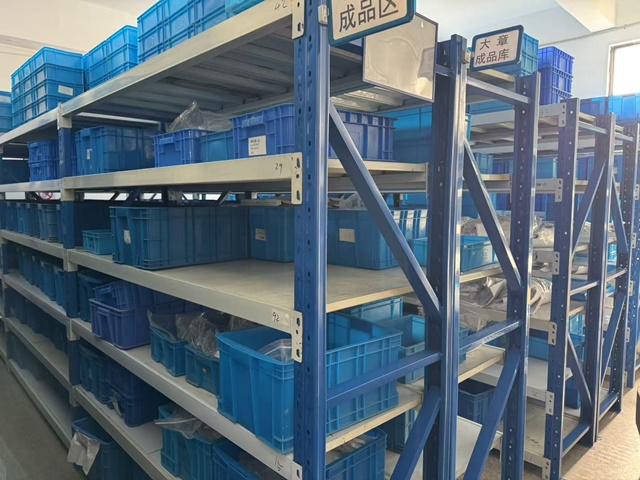
All Osteora implants are laser-marked with a compliant UDI system. This enables digital tracking from our quality inspection facility directly to hospital inventory systems in Western Australia.
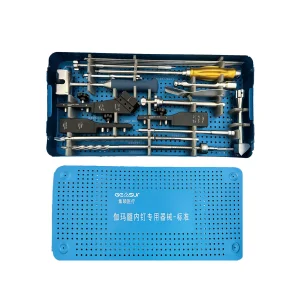
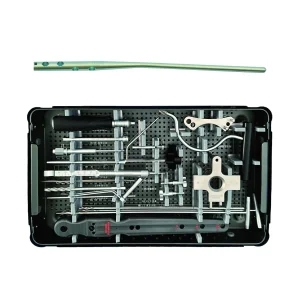
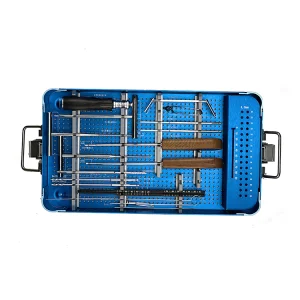
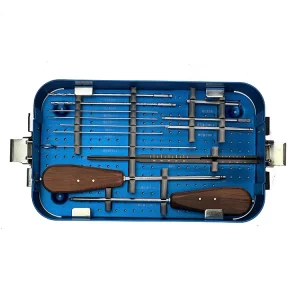
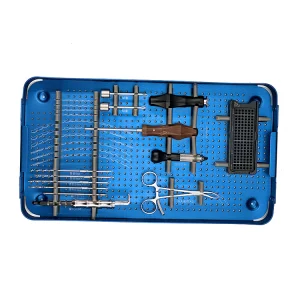
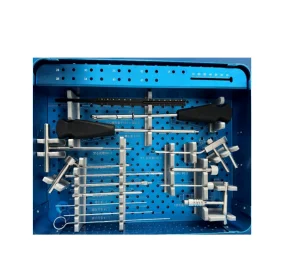
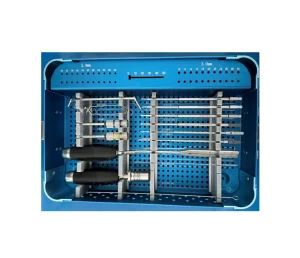
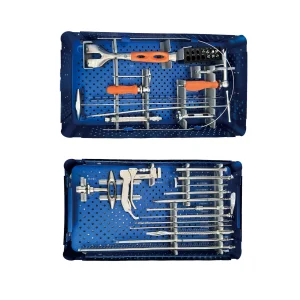
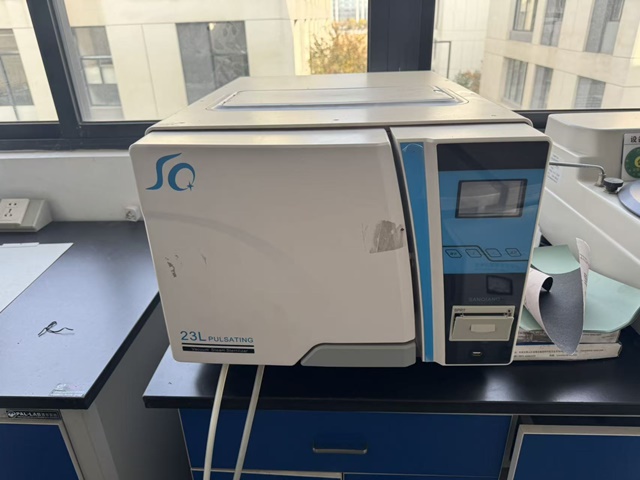
We supply modular, standardized surgical trays designed for easy cleaning and sterilization, helping to streamline operations within central sterile services departments (CSSD).
Our engineering team works with distributors and surgeons to develop customized sizing configurations, optimized thread designs, and specialized instrument finishes.
Answers to common regulatory, logistical, and technical questions regarding medical device supply to WA.
Our manufacturing facility operates under the ISO 13485 quality management system. Implants and surgical instruments undergo testing for chemical composition, mechanical performance, and biological safety, complying with international Class III medical device manufacturing standards.
We work with global express carriers to manage logistics to Western Australia. For standard production items, shipping times to Perth generally range from 7 to 14 business days, depending on customs clearance procedures.
Yes. Our engineering division, which includes 85 R&D specialists, designs custom surgical instrumentation and implants. We support private labeling, surface modification, and dimensional adaptations based on clinical specifications.
We test mechanical properties using fatigue testing equipment, hardness testers, and dimensional measuring systems. Implants must pass testing protocols that simulate natural load conditions before batch release.
We manufacture implants primarily using Ti-6Al-4V ELI titanium alloy (conforming to ASTM F136/ISO 5832-3) and medical-grade stainless steel, ensuring biocompatibility, corrosion resistance, and high strength.
Partner with Osteora for reliable supply, direct pricing, and compliant trauma systems engineered for clinical efficiency.