Osteora
Osteora
Osteora
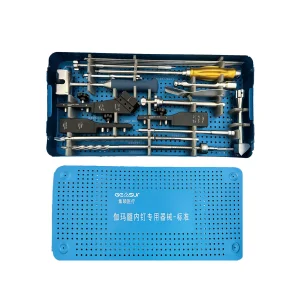
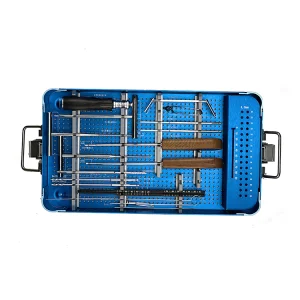
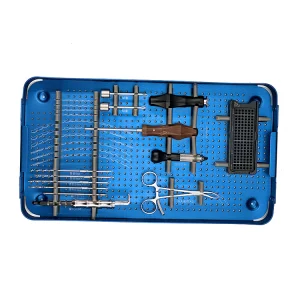
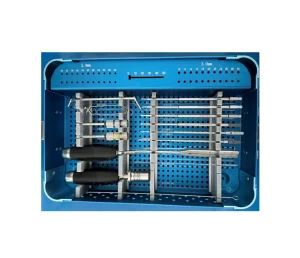
Pioneering intramedullary systems configured for critical trauma intervention, featuring high tensile strength, precise geometry, and exceptional biomechanical performance.
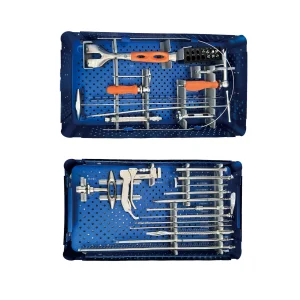
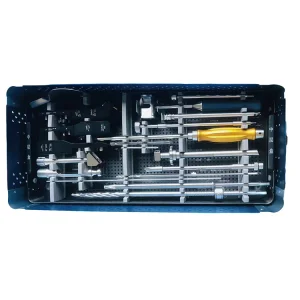
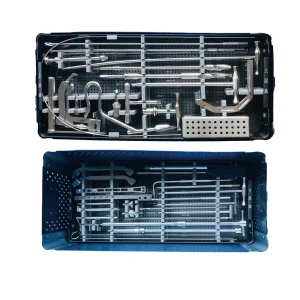
The United Arab Emirates (UAE) is rapidly establishing itself as the premier healthcare and medical tourism hub of the Middle East and North Africa (MENA) region. Driven by federal health mandates such as the Abu Dhabi Economic Vision 2030 and the Dubai Health Strategy 2021-2025, the nation's healthcare system is transforming from a traditional treatment-focused structure into a state-of-the-art, high-tech diagnostic and therapeutic ecosystem.
The demand for orthopedic instruments and implants in the UAE is skyrocketing. This spike in volume is fueled by key demographic shifts, including a highly active expat population prone to athletic injuries, an increase in metabolic disorders affecting bone density, and a growing geriatric demographic. From complex spinal arthroplasty to critical trauma reconstructions in busy urban emergency centers, hospital systems require access to highly precise, reliable, and MoHAP-compliant instrumentation.
Historically, Middle Eastern distributors relied heavily on European and North American OEMs, which often carried long shipping times and high markups. Today, the commercial paradigm has shifted. Forward-thinking healthcare networks across Abu Dhabi, Dubai, and Sharjah are actively procuring from integrated global manufacturers like Osteora Medical Devices Co., Ltd. who can bridge the gap between European design quality and cost-competitive manufacturing systems.
This convergence of robust regulatory standards (enforced by the UAE Ministry of Health and Prevention) and the necessity for agile, customized surgical solutions creates a highly competitive sourcing environment. High-quality titanium alloy constructs and trauma sets are now evaluated based on strict E-E-A-T criteria—verifying exact material certifications, manufacturing tolerances, and the speed of product customization cycles.
To sustain clinical success in challenging procedures, the engineering underlying orthopedic instruments must advance constantly. Modern implantology demands a perfect symbiosis of mechanical strength, biocompatibility, and imaging properties. Our technology roadmap aligns directly with these rigorous demands:
Osteora's product line leverages Extra Low Interstitial (ELI) titanium, ensuring higher fatigue strength, greater ductility, and superior resistance to corrosion compared to standard titanium grades. This material is crucial for the high stress environments experienced by PFNA Intramedullary Nails and Headless Compression Screws.
We are integrating advanced anodic oxidation and sandblasting processes. This enhances osteointegration by creating micro-rough structures on implant surfaces, promoting faster bone anchorage and shortening recovery timelines for orthopedic patients in the UAE.
In spinal reconstruction, the modulus of elasticity must match human bone to prevent stress shielding. Our spinal instruments are engineered to deliver micro-tolerance implants, such as Cervical Artificial Intervertebral Discs and hollow instrumentation systems, optimizing patient outcomes.
Looking ahead, we are designing navigation-friendly surgical kits. These kits integrate seamlessly with the robotic orthopedic navigation systems currently being deployed in Dubai's premier smart hospitals.
Osteora Medical Devices Co., Ltd. is a leading professional orthopedic implant and surgical solution manufacturer. We specialize in the design, engineering, and mass production of trauma, spine, and joint reconstruction systems under the global registered brand Osteora.
Founded in 2016, our organization has established a strong reputation in the global orthopedic industry through continuous innovation and strict quality control standards. Our production facility covers a modern area of approximately 18,500㎡, supporting fully integrated manufacturing, assembly, cleanroom processing, and mechanical testing operations.
With 8 years of export experience and 12 years of industry expertise, Osteora has established stable, trusted cooperation with international distributors and tier-1 hospitals across multiple continents. Our annual export revenue ranges from USD 6 million to 14 million, reflecting steady global market expansion and robust trust in our production reliability.
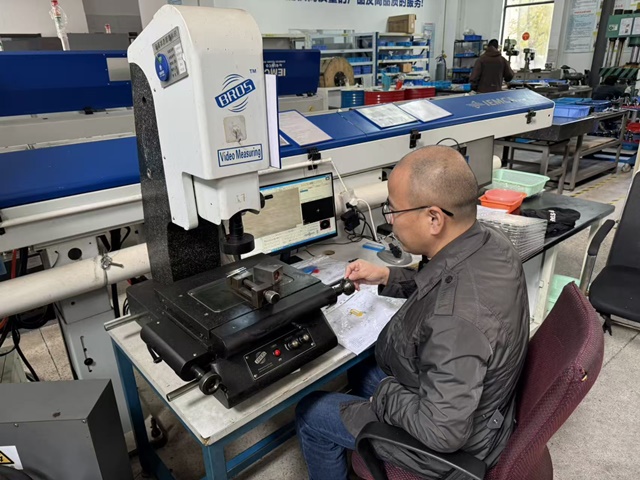
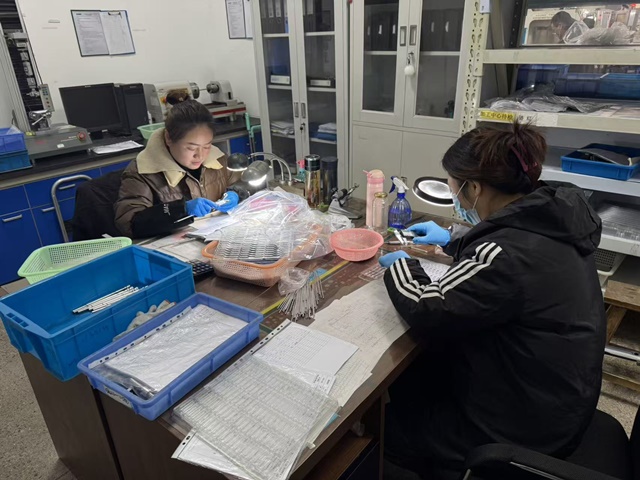
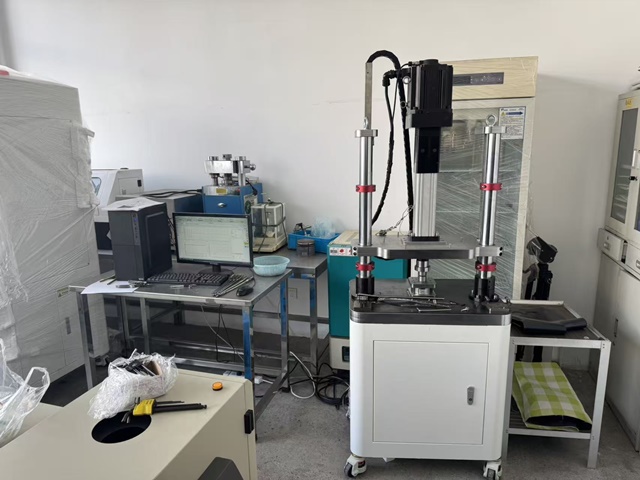
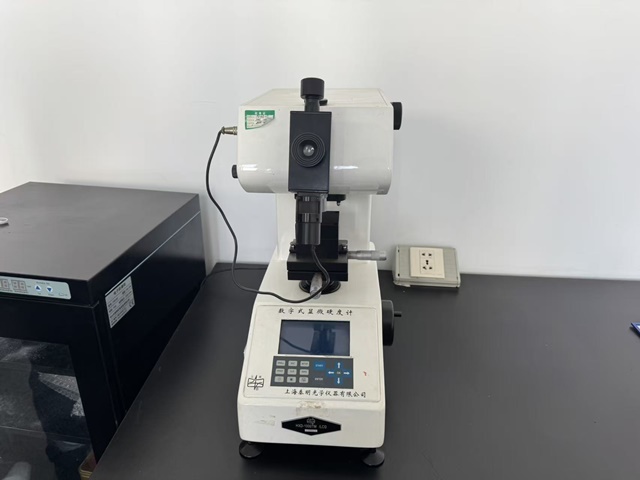
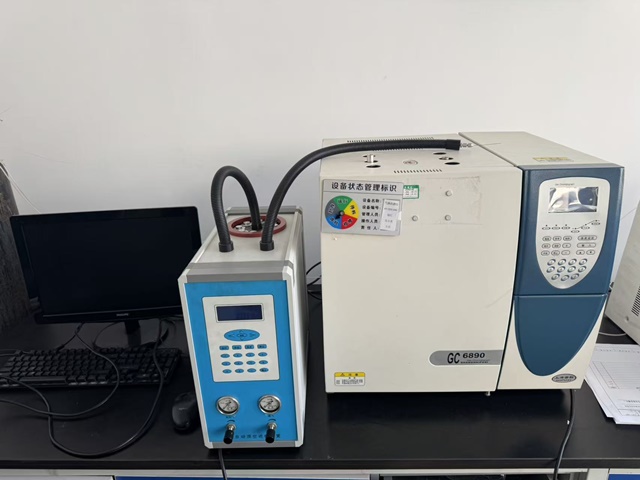
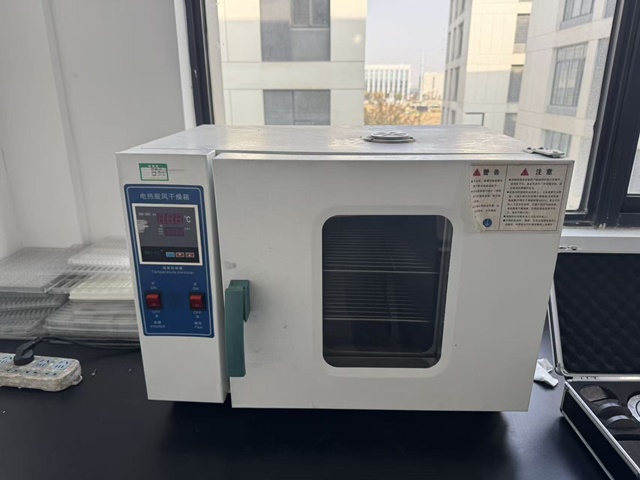
Our quality assurance systems are comprehensive. We implement strict ISO 13485 compliance, in-process inspection, and final random sampling testing. Product verification methods include dimensional measurement via vision measuring instruments, mechanical fatigue testing, and biocompatibility validation. Our quality control division consists of 42 specialized inspectors ensuring absolute adherence to international medical device standards before any batch departs the facility.
Manufacturing critical implants requires both scale and agility. Osteora's advanced manufacturing capabilities are backed by an extensive local network of approximately 1,200 certified upstream and downstream partners. This ensures deep supply chain resilience, securing consistent raw materials even during global market shifts.
| Parameter | Osteora (China Industry 4.0) | Traditional European OEM | Strategic Value for UAE Market |
|---|---|---|---|
| Production Capacity | High-speed automated HAAS CNC & Swiss Lathes | Legacy tooling systems | Rapid response to bulk procurement and sudden hospital requests. |
| Lead Times | 2 to 4 weeks average dispatch | 8 to 12 weeks average dispatch | Prevents instrument stockouts in emergency surgery pipelines. |
| Customization Flex | Full OEM/ODM (85 R&D engineers on-site) | Standard catalog items only | Facilitates custom sizing to meet regional demographic requirements. |
| Quality-to-Cost | Optimized material yields & integrated supply chain | High overhead and administrative markups | Provides premium surgical components while optimizing hospital budgets. |
Importing orthopedic instruments into the UAE requires adherence to stringent regulatory frameworks. The Ministry of Health and Prevention (MoHAP) mandates comprehensive classification documentation, biocompatibility profiles, and trace certificates for all Class III medical devices.
At Osteora, we support our regional distribution partners through every stage of registration:
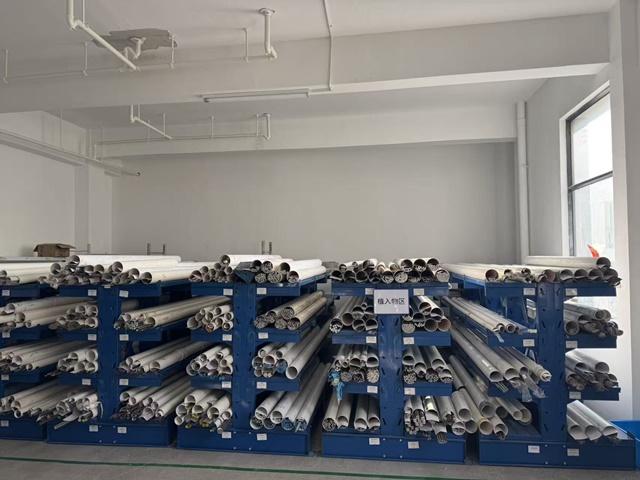
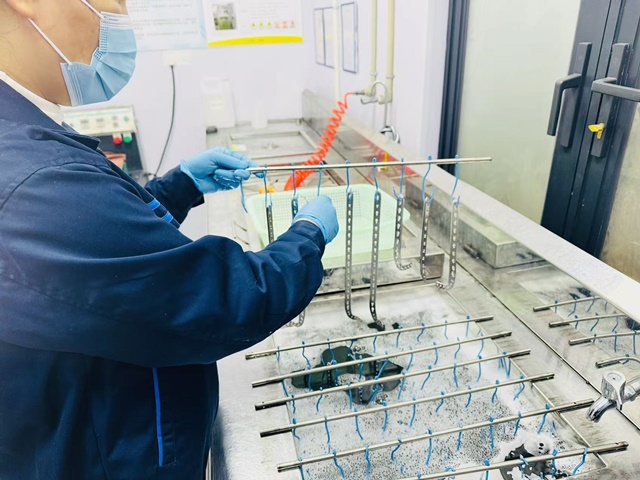
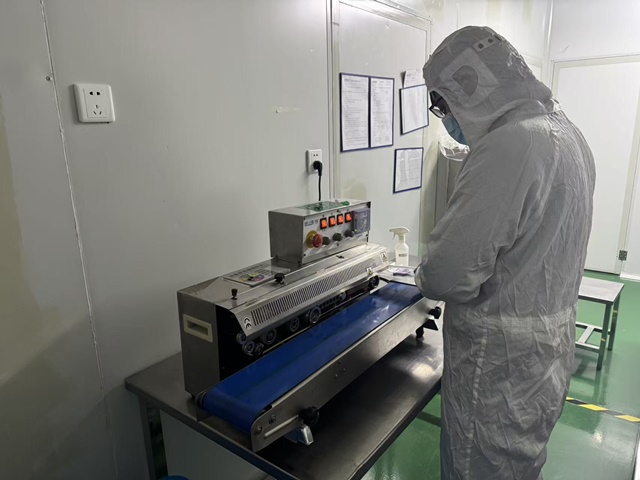
Every step of our process—from raw material verification to high-precision CNC machining and mechanical testing—is fully documented, ensuring consistent quality for critical surgical implants.
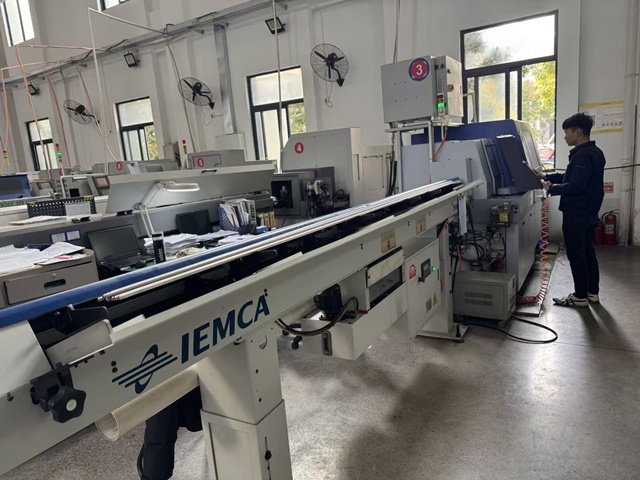
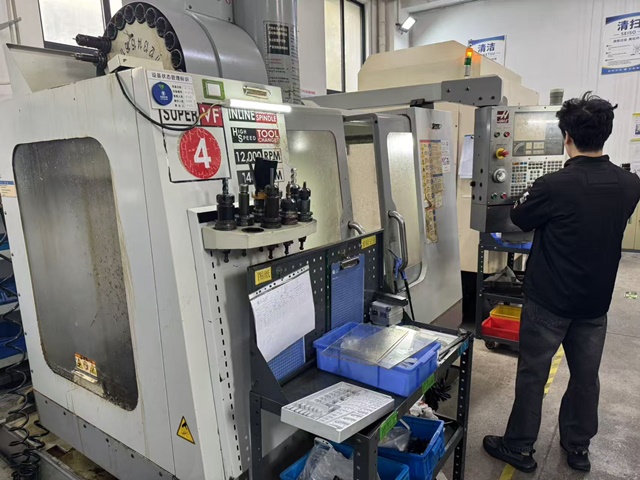
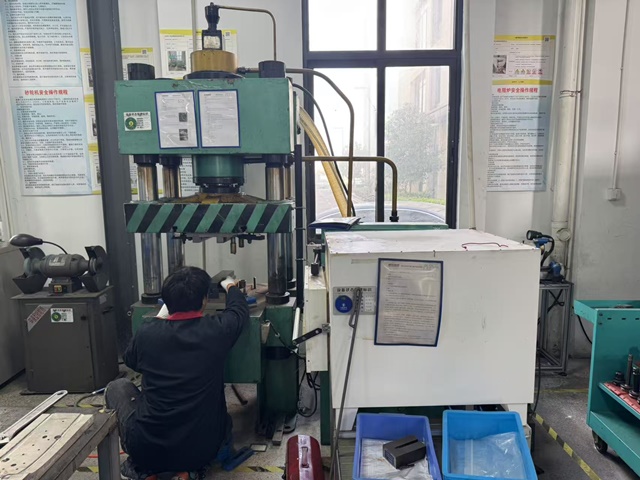
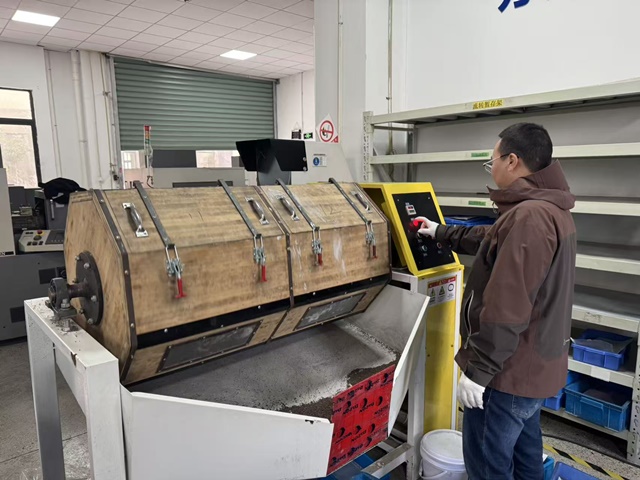
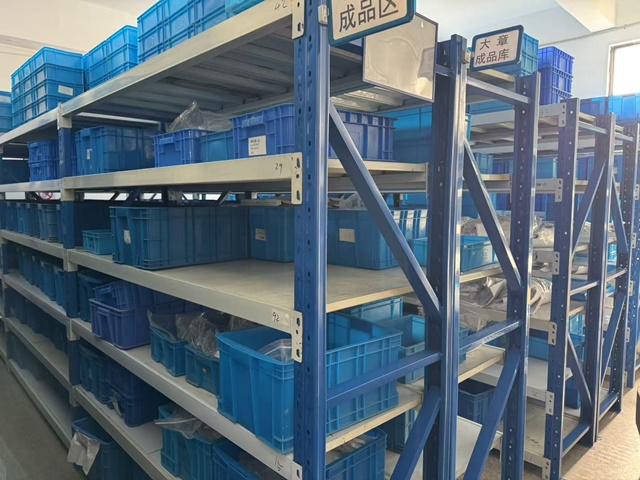
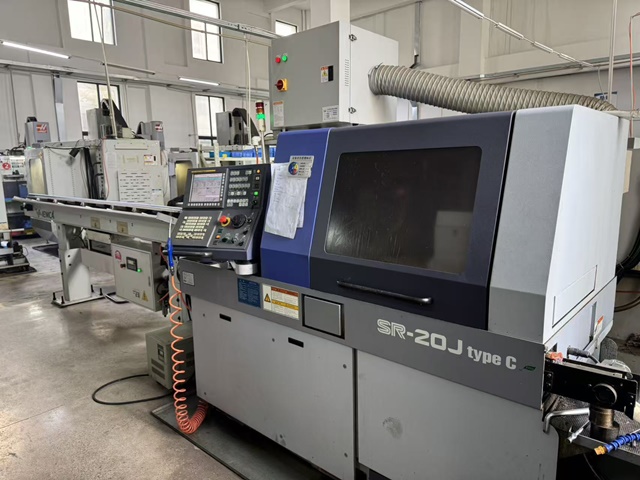
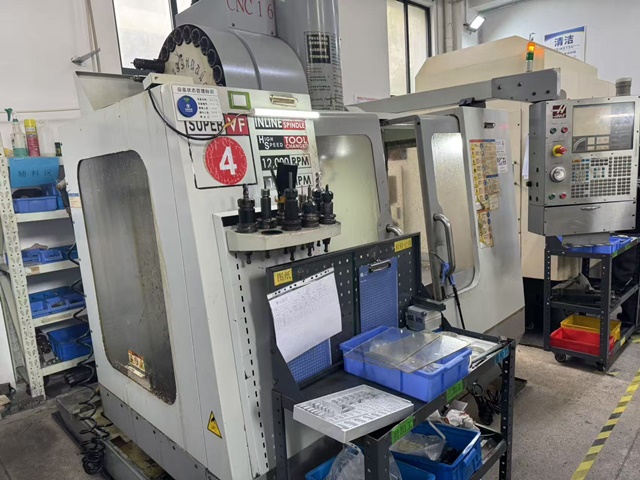
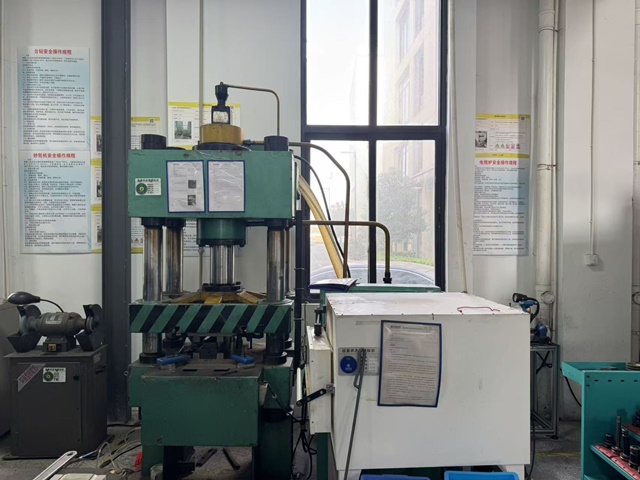
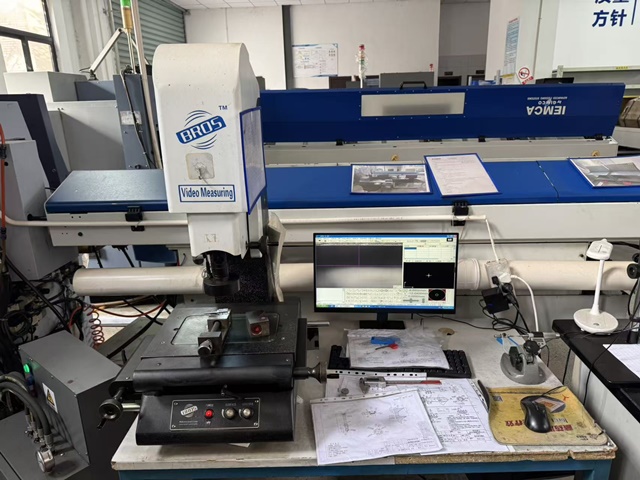
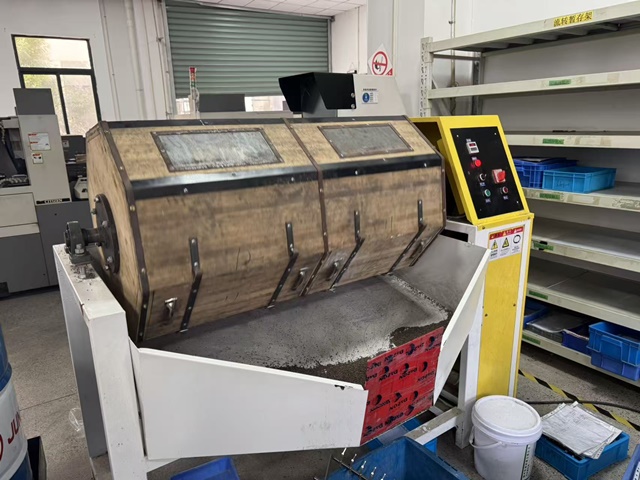
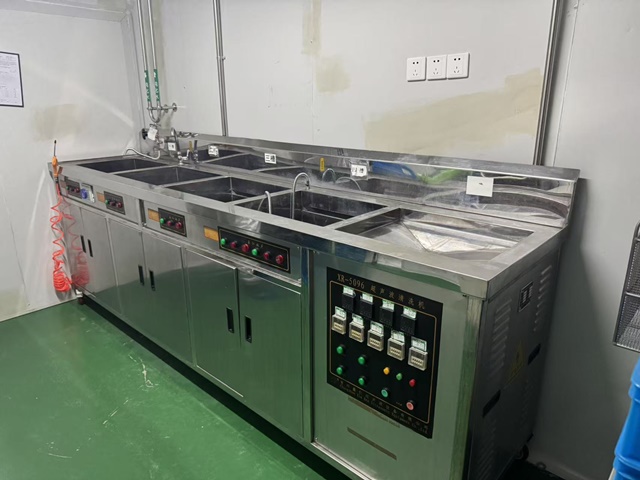
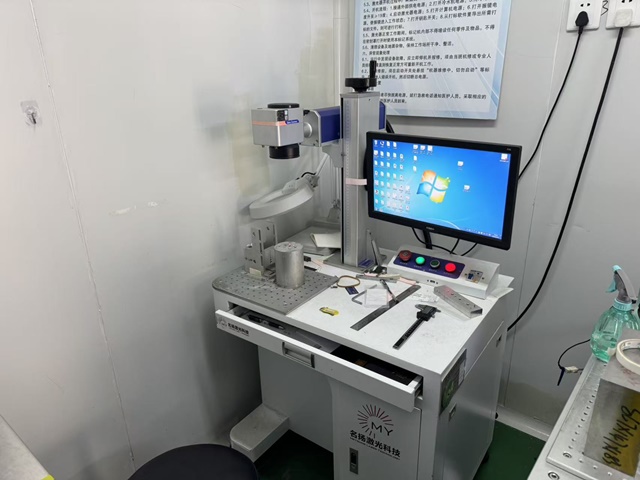
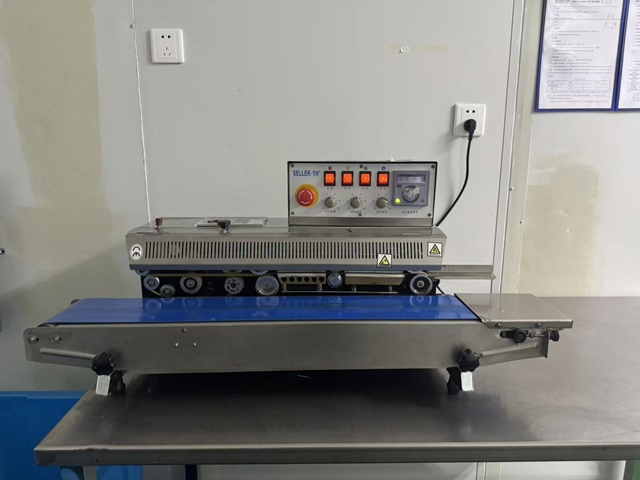
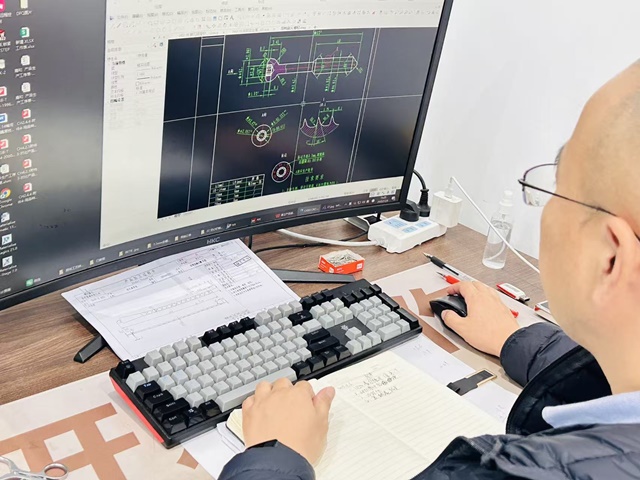
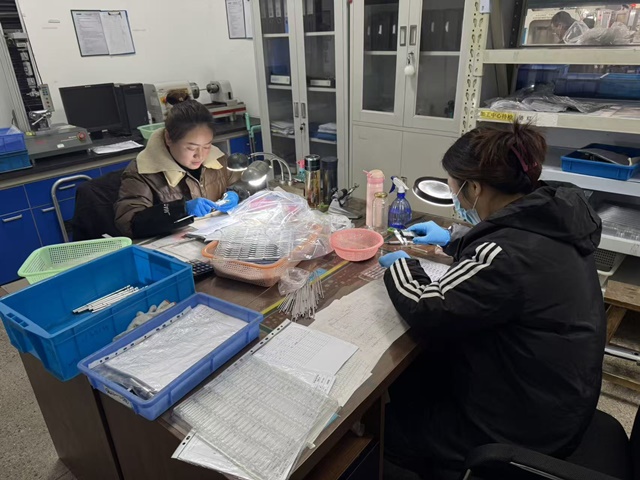
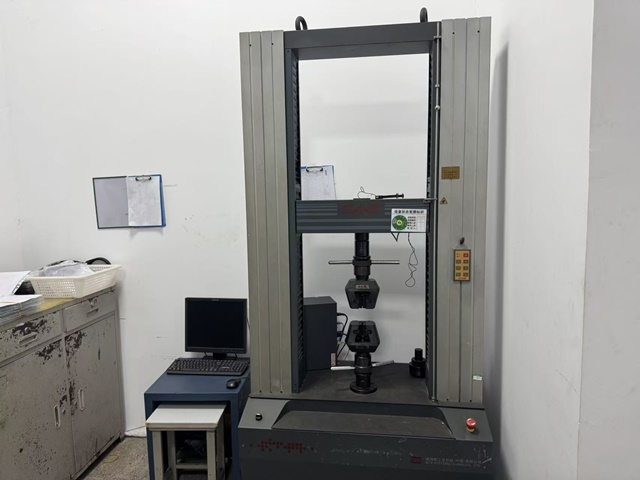
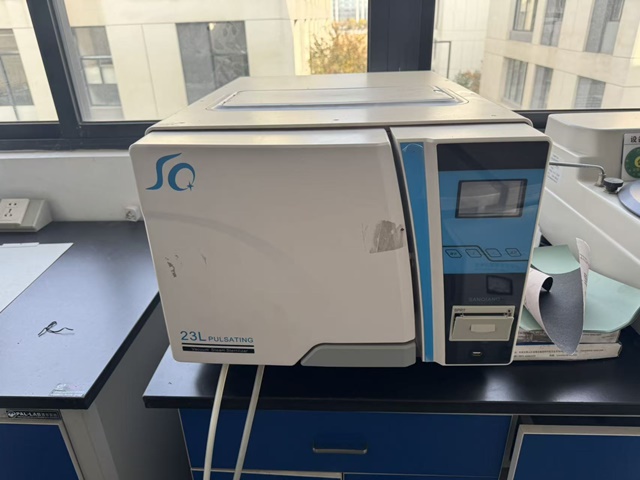
Procurement teams at organizations like Dubai Healthcare City, Cleveland Clinic Abu Dhabi, and the SEHA health network evaluate orthopedic partners on strict clinical indicators. Key parameters include:
High-precision spinal fusion kits, intervertebral discs, and specialized cannulated compression screw systems engineered for micro-surgery applications.
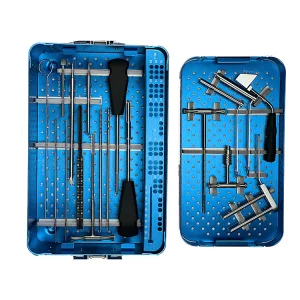
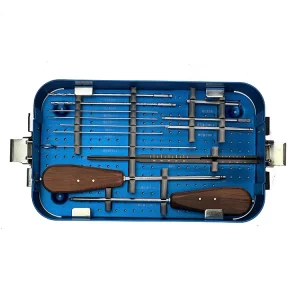
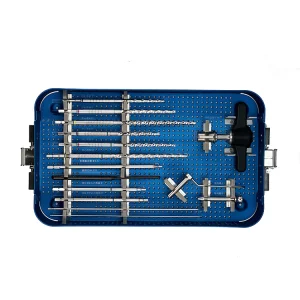
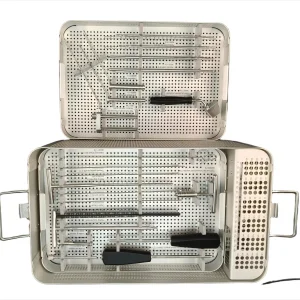
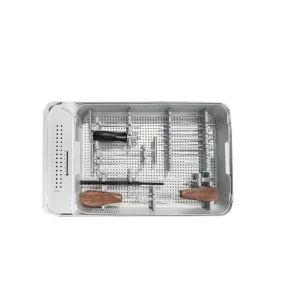
Clear, technical answers to common queries from procurement departments and medical device distributors in the UAE.
Yes, all Osteora trauma systems, spinal components, and specialized surgical instrument sets are manufactured in strict compliance with ISO 13485 standards. We support full traceability with documentation detailing dimensional consistency and biocompatibility.
Our integrated manufacturing facilities enable typical dispatch timelines of 2 to 4 weeks from order confirmation. Ocean transit to Jebel Ali Port, Dubai, takes approximately 15 to 20 days, while air freight options can deliver urgent surgical kits within 5 to 7 days.
Yes, we work closely with regional distributors in Abu Dhabi and Dubai. We provide complete technical files, biocompatibility data, sterilization validation, and material certificates to facilitate smooth registration with the Ministry of Health and Prevention (MoHAP).
Yes, with a team of 85 dedicated R&D engineers, we offer extensive OEM/ODM support. This includes custom sizing, customized instrument set configurations, alternative material options, and private labeling to meet the requirements of Middle East distributors.
We source medical-grade Titanium Alloy (typically Ti-6Al-4V ELI) from certified suppliers. Our on-site testing protocols include gas spectrometry for chemical composition, Vickers hardness testing, and mechanical fatigue testing to verify that every batch meets clinical standards.