Osteora Osteora

Orthopedic Instrument Manufacturers & Manufacturer serving the Mexico City market

Premium OEM/ODM Class III Orthopedic Implants, Trauma Fixation Systems, and Surgical Instrument Solutions Engineered for Mexican Clinical Standards.

Get a Custom Quotation Now

Mexico City & LATAM Orthopedic Market Landscape

Mexico City (CDMX) represents the largest hub for advanced medical services in Central and South America. Comprising a complex public health sector (IMSS, ISSSTE) alongside a rapidly growing, state-of-the-art private hospital ecosystem (including systems like Hospital Ángeles and Centro Médico ABC), the demand for high-quality orthopedic implants is escalating. Key drivers include a demographic shift toward an aging population, rising rates of traumatic injuries, and the expansion of medical tourism in orthopedics, requiring durable joint reconstruction and trauma fixation systems.

Local distributors and procurement managers face strict regulatory landscapes controlled by COFEPRIS (Comisión Federal para la Protección contra Riesgos Sanitarios). Meeting COFEPRIS requirements calls for medical device manufacturers to supply impeccable documentation, certified clinical trial background profiles, ISO 13485 alignment, and traceability metrics. For international procurement entities looking to optimize their supply chain inside Mexico City, partnership with high-precision manufacturing systems has become a commercial necessity.
The Strategic Challenge in CDMX Procurement

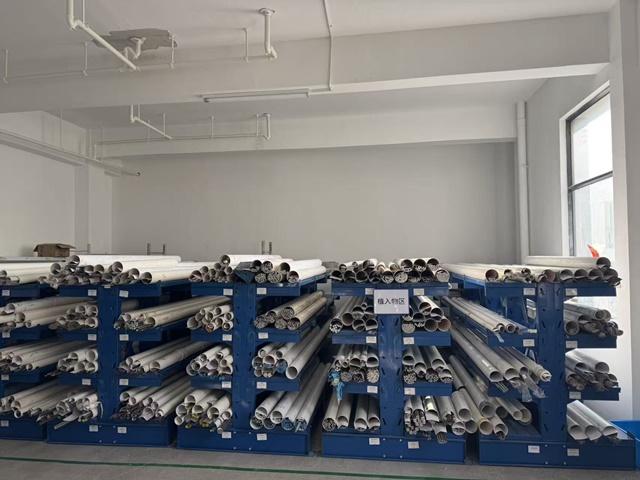
Procuring surgical instruments and implants for Mexico City hospitals requires a balance between cost-effective bulk pricing and strict material compliance. High-grade titanium alloys (such as TC4 / Ti-6Al-4V ELI) must fulfill international ASTM F136 specifications to ensure patient safety and high fatigue limits. For local companies supplying government contracts, manufacturing lead times and customization are vital to prevent critical surgical instrument shortages.

As a leading supplier, Osteora Medical Devices Co., Ltd. addresses these systemic challenges through global supply chain integration. We offer comprehensive documentation, custom marking, and sterile packaging solutions directly matching the requirements of Mexican distribution channels, ensuring compliance with international Class III orthopedic criteria.

18,500㎡
Modern Manufacturing Facility
12+ Years
Industry Expertise
85 Engineers
In-House R&D Team
42 Inspectors
Dedicated Quality Control Specialists

The Chinese Manufacturing Advantage: Precision, Scale, and Efficiency

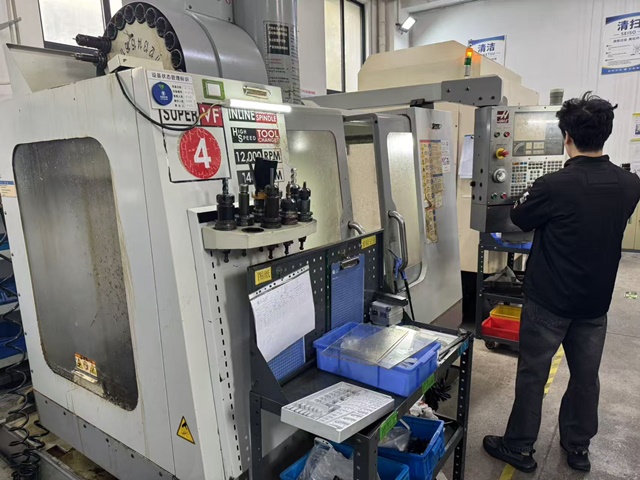
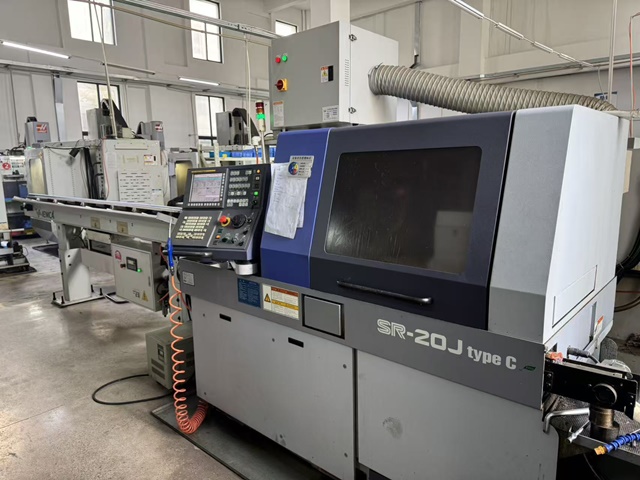
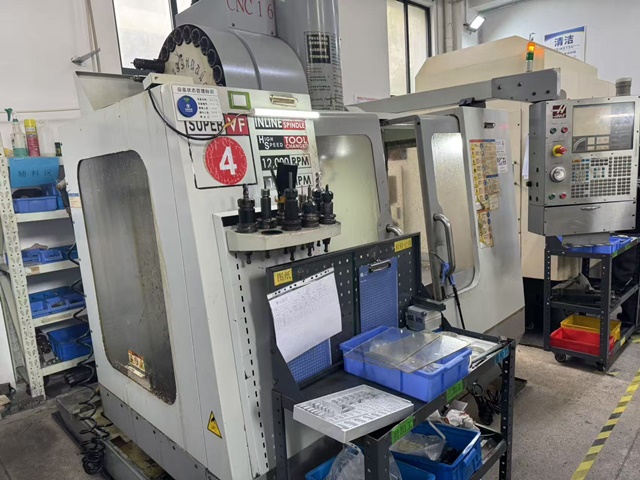
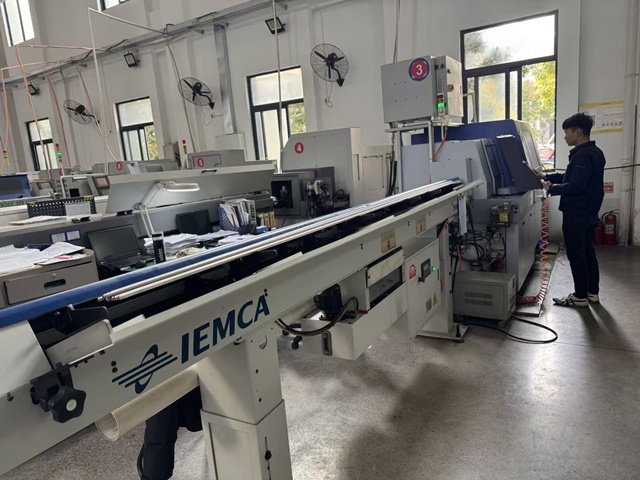
Chinese orthopedic manufacturing has evolved from basic processing to high-precision engineering characterized by advanced smart factories. Through deep industrial clusters and integrated raw material access, Chinese facilities deliver unmatched cost-to-performance ratios without sacrificing structural integrity. Utilizing Swiss-type CNC automatic lathes, HAAS multi-axis milling machines, and modern surface treatment stations, companies like Osteora bridge the gap between high clinical demands and cost pressures.
By streamlining operations, we reduce delivery schedules compared to traditional European or American suppliers. This rapid turnaround is essential for major trauma hospitals in Mexico City that manage fluctuating caseloads and require fast custom sizing. Integration with international logistics chains enables seamless transport from the factory floor directly to warehouse hubs in Mexico.

High-Precision CNC Machining & Advanced Finishing

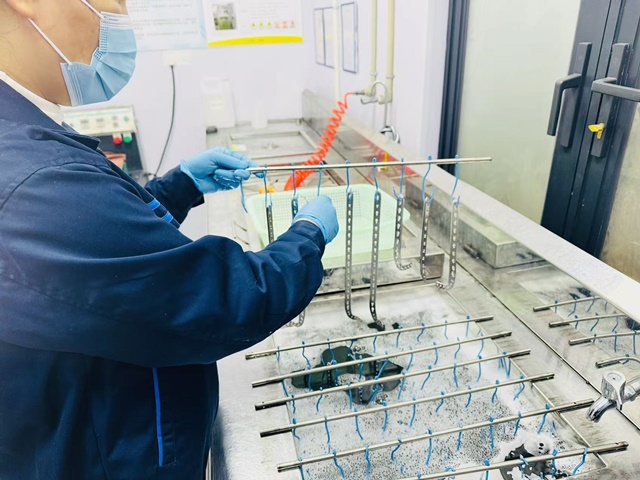
Producing modern bone screws, interlocking nails, and spinal reconstruction instrumentation requires micron-level accuracy. The production workflow involves medical-grade titanium rods, precision HAAS CNC milling, and multi-stage grinding. The finished implants undergo passivating and anodizing treatments to improve biological compatibility, lower corrosion rates, and maintain structural integrity during clinical loads.

Custom OEM/ODM Capacity for Regional Distributors

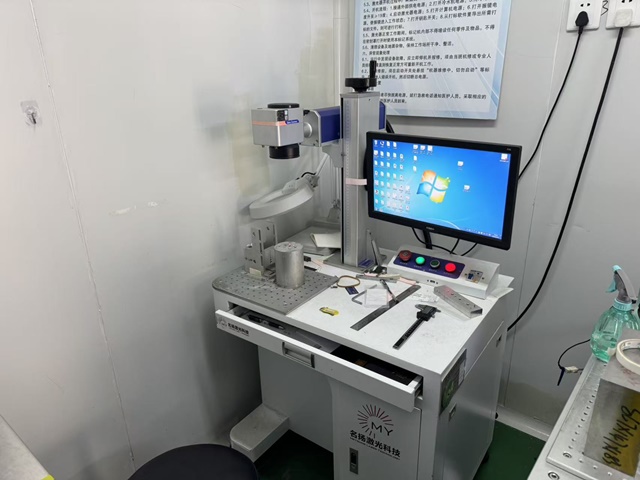
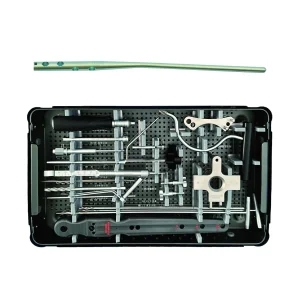
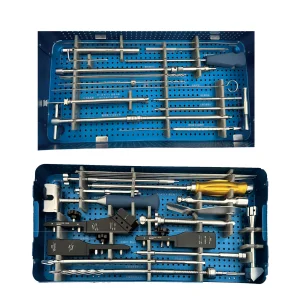
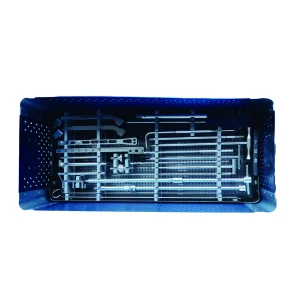
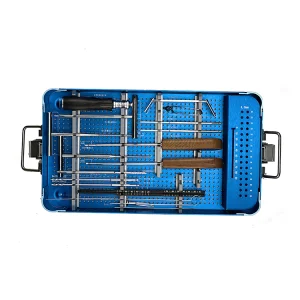
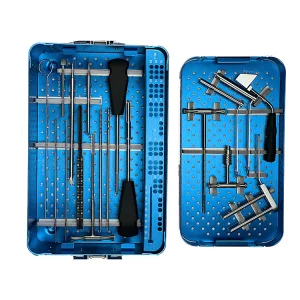
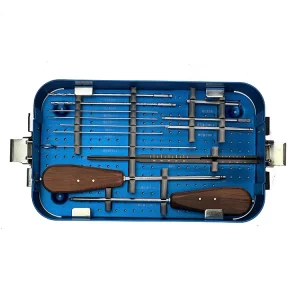
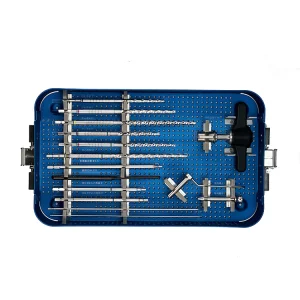
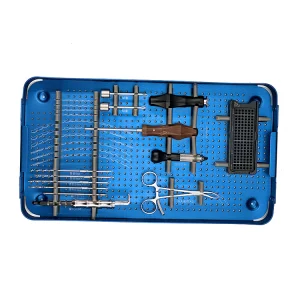
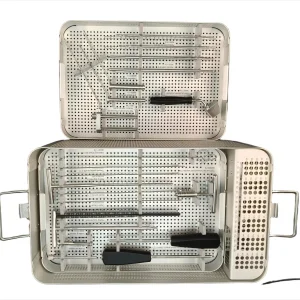
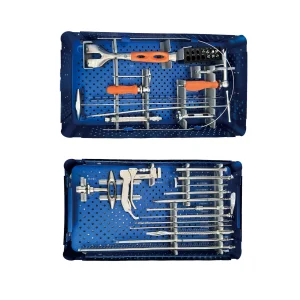
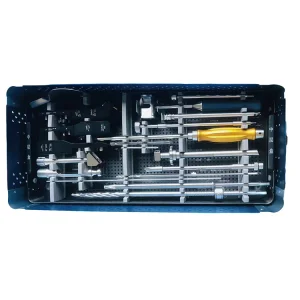
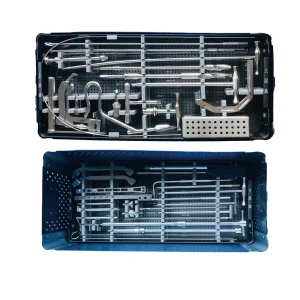
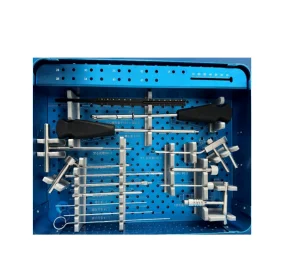
Every clinical market has distinct anatomical preferences. Through our engineering R&D department, we customize implants to match regional anatomical parameters. We offer comprehensive design services, custom laser markings, and customized instrument kit layouts to meet specific requirements for surgical clinics across Central America.

Step-by-Step Production Process & Workstations

A visual walkthrough of Osteora's advanced manufacturing line, ensuring compliance with international medical device standards.

Raw Material Inspection
1. Raw Material Verification
Finishing Process Stage
2. Machining & Finishing
Secondary Finishing Process
3. Precision Finishing
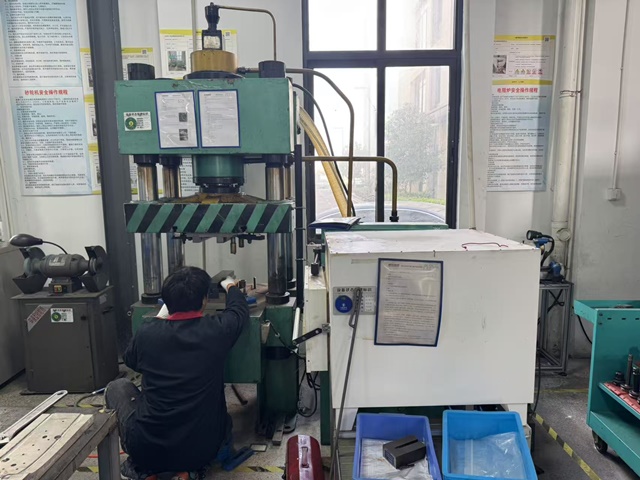
Stamping Process
4. Stamping Process
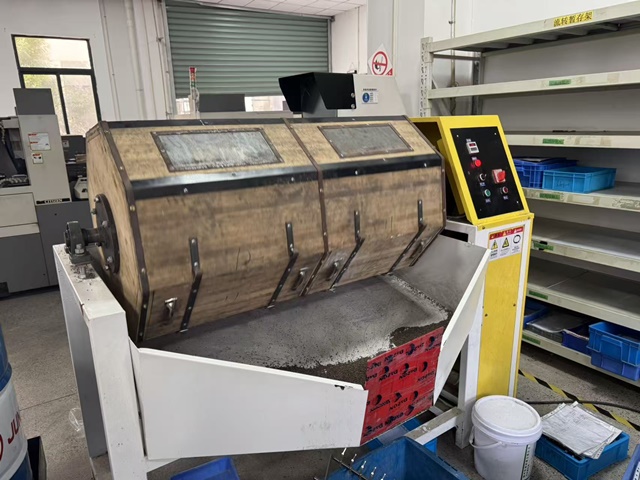
Grinding Process
5. Surface Grinding
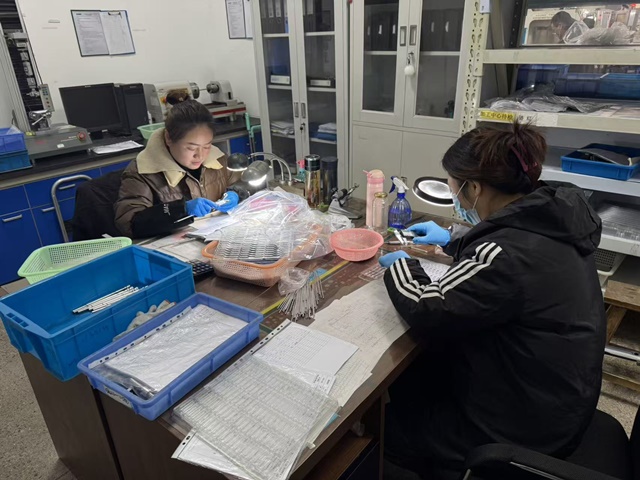
Checking Process
6. Dimensional Checking
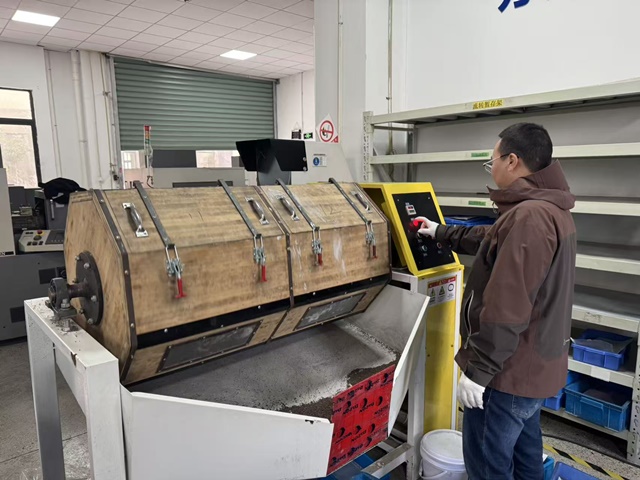
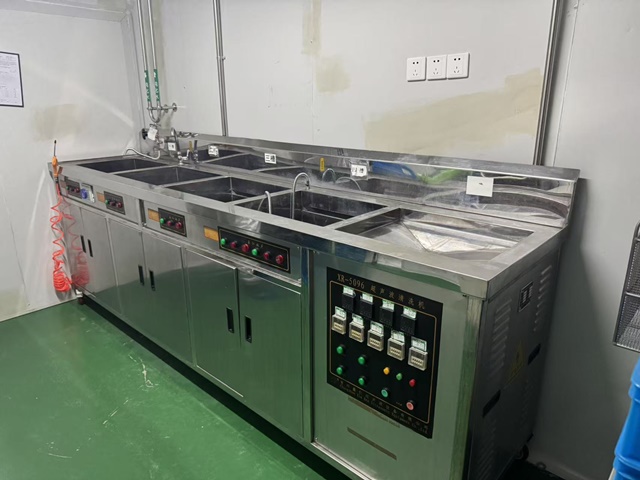
Ultrasonic Cleaning Process
7. Ultrasonic Cleaning
In-process Inspecting Process
8. Final Inspection
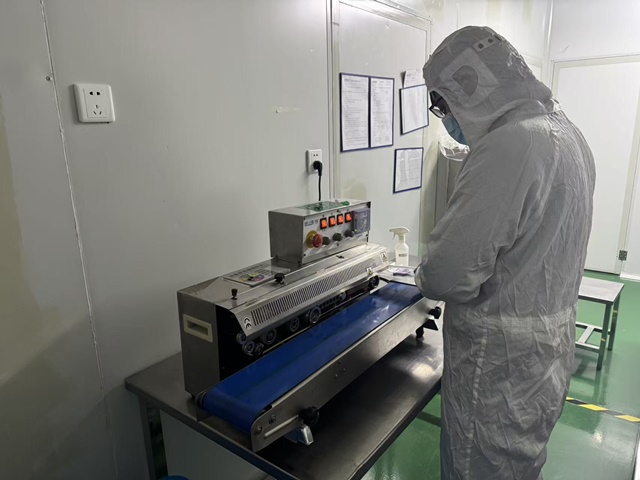
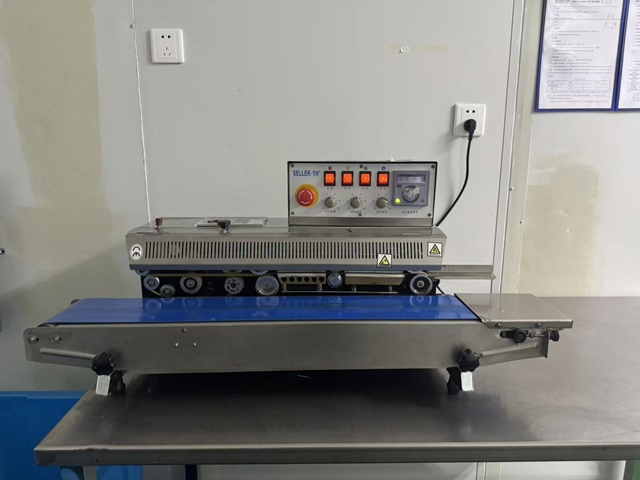
Packing Process
9. Sterile Packaging
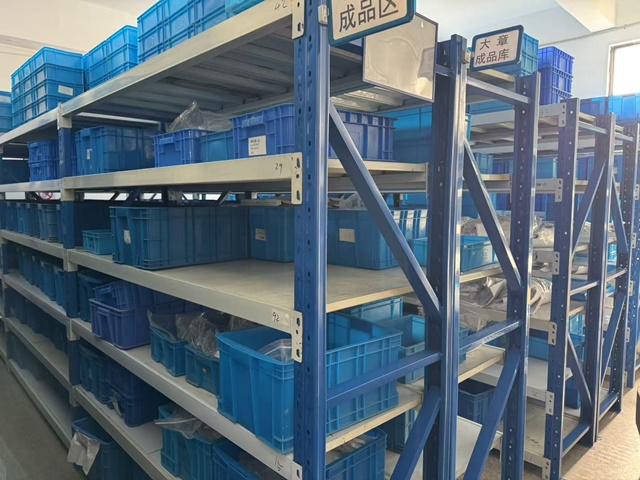
Storehouse and Logistics
10. Quality Control Warehouse
Swiss-type Lathe Equipment
11. Swiss-type Lathes
HAAS CNC Center
12. HAAS CNC Equipment
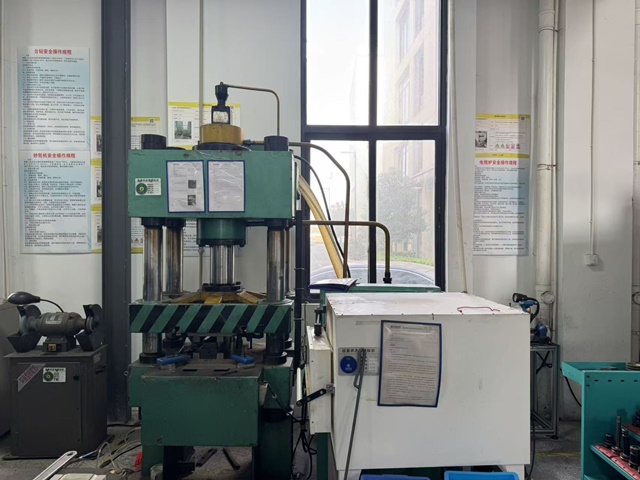
Stamping Machine
13. Punching & Stamping
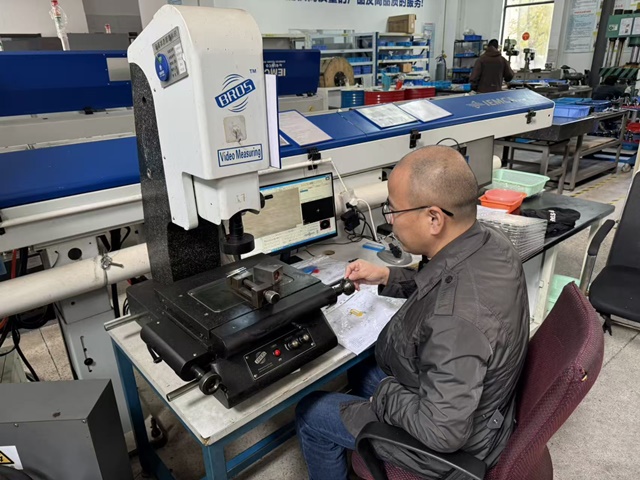
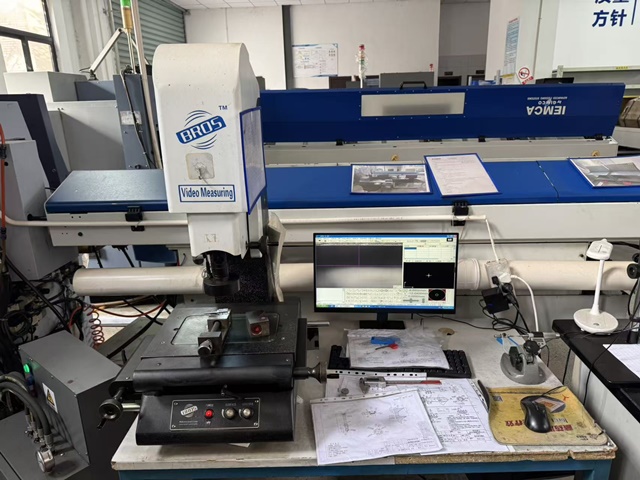
Vision Measuring Instrument
14. Vision Measurement
Grinding Machine
15. Surface Finish Grinding
Cleaning Machine
16. Micro Cleaning Machine
Laser Marking Machine
17. Laser Inscription & Barcoding
Packing Machine
18. Semi-Automated Clean Packaging

Strict Testing & Medical Product Certification

Osteora's materials and finished products undergo mechanical testing to guarantee surgical reliability.
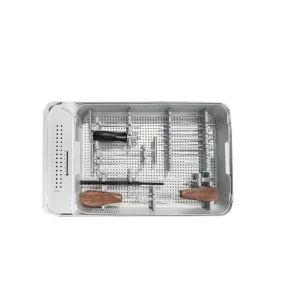
Advanced Metallurgical & Mechanical Testing Laboratories

Quality assurance at Osteora spans from incoming chemical checks of titanium alloys (utilizing gas spectrometers) to mechanical fatigue testing of finished intramedullary implants. Our 42 quality control inspectors verify that each batch meets safety margins for bone integration and fracture fixation. Mechanical tests replicate physiological walking stresses, validating the long-term durability of the implants.

Through ISO 13485 manufacturing environments, our testing protocols verify hardness levels, dimensional tolerances, and load capacities. This process supports the safety and longevity of our products when used in demanding clinical procedures.

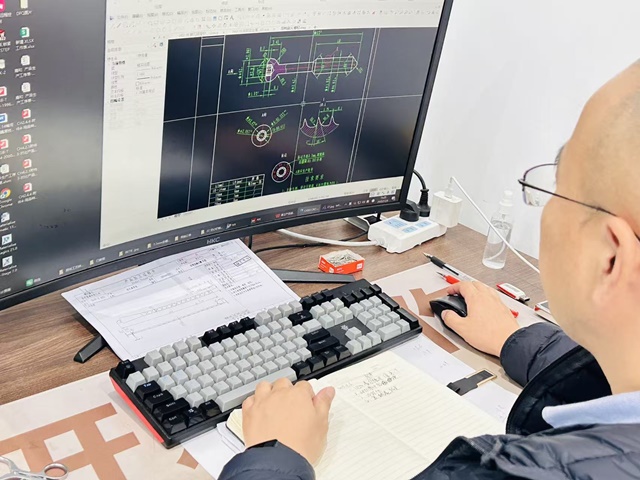
Designer Drawing
Designer Drawing CAD
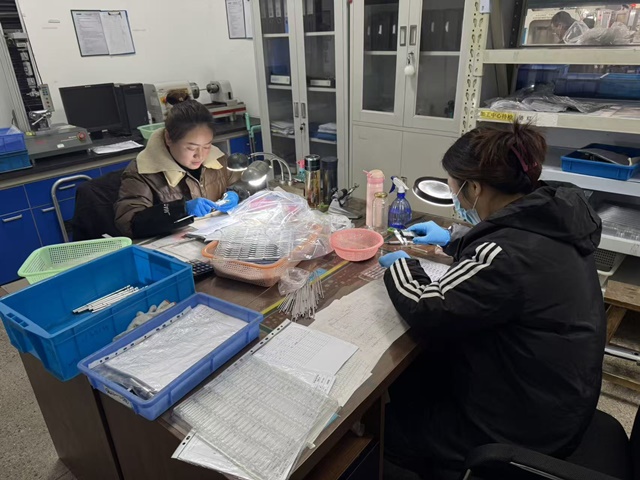
Inspectors final inspection
Final QC Stations
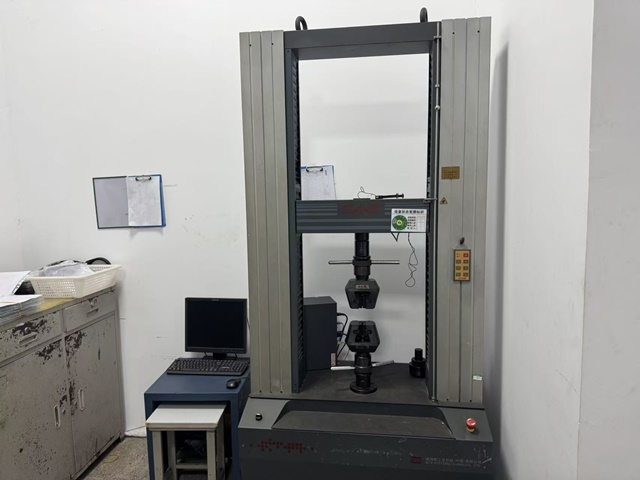
Multifunctional Mechanical Testing Machine
Multifunctional Testing
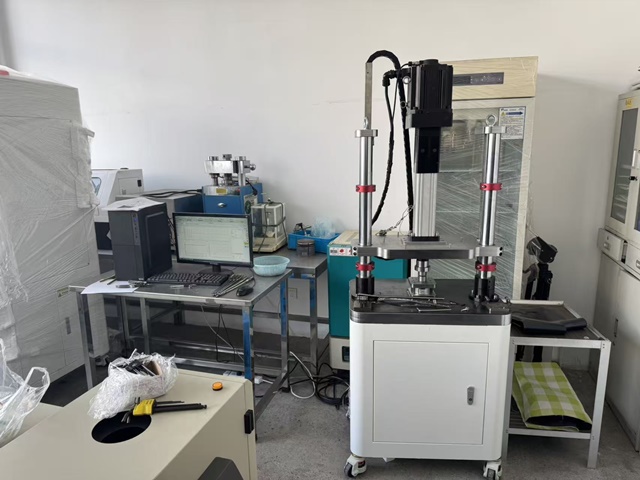
Mechanical Testing Machine
Fatigue Tester
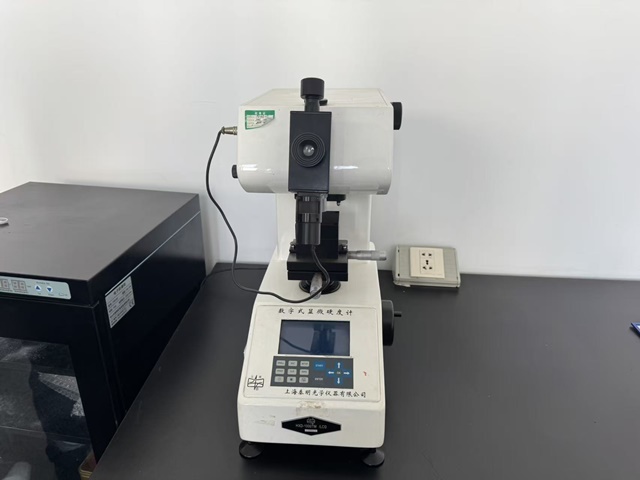
Vickers Hardness Tester
Vickers Hardness
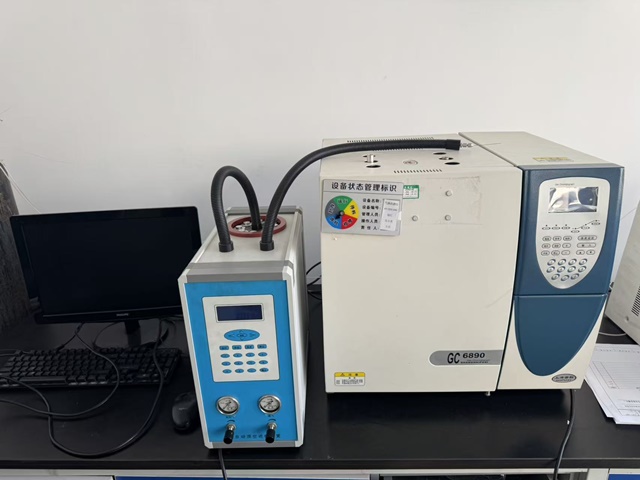
Gas Spectrometer
Gas Spectrometer
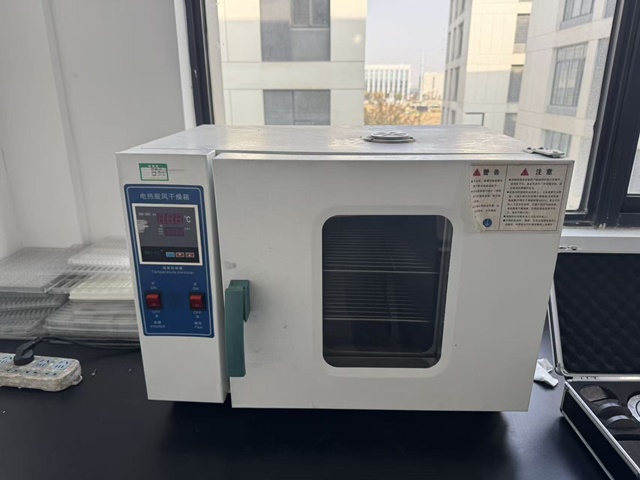
Drying Oven
Drying Oven
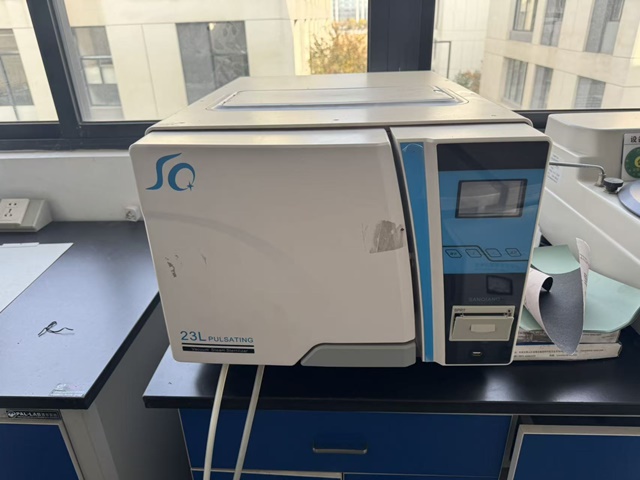
Pulsating Machine
Pulsating Cleaner

Trends & Clinical Application Scenarios

The orthopedic field is moving toward minimally invasive surgeries and biological coatings that promote osseointegration. Micro-textured implants and specialized anatomical locking plates are designed to minimize surgical trauma, speed up recovery, and lower complication rates. For healthcare networks in CDMX, these advancements help reduce hospital stay times and optimize post-operative management.

Additionally, modern titanium alloys are treated to lower infection rates and maintain biological compatibility over the long term. Minimizing soft tissue irritation and preventing structural loosening are central focus areas in our R&D pipeline, allowing us to supply clinical solutions that address complex orthopedic needs.

Trauma Fixation

Precision intramedullary nails and bone screws optimized for early load-bearing and rapid bone healing in complex fractures.

Spinal Stabilization

Pedicle screw and titanium plate systems engineered for thoracic and lumbar spinal fusion surgeries.

Joint Reconstruction

Anatomical plates and intramedullary designs supporting structural alignment in major reconstructive procedures.

Comprehensive Product Catalog

Select from our range of orthopedic implants and specialized instruments, developed for global clinical environments.

Seamless Procurement & Logistics for Mexico City

Importing Class III medical devices to Mexico involves navigating customs requirements and shipping protocols. To support this process, Osteora provides international clients with detailed documentation packages, including certificate of analysis reports, sterilization validation files, and packaging compliance data. We work with established freight forwarders to manage shipping logistics from our manufacturing center to distribution hubs in Mexico City.
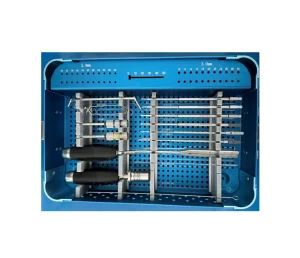
Whether you require delivery to CDMX airports, local customs offices, or direct distribution centers, our team manages tracking and logistics checkpoints. This support helps minimize import delays and ensures a reliable supply of clinical-grade orthopedic systems for the local market.

Need Localized Orthopedic Instrument Supply in Mexico City?

Partner with a modern manufacturer offering certified materials, strict quality control, and competitive shipping logistics designed for the Mexican healthcare market.

Send Inquiry Now

Frequently Asked Questions & Technical Specifications

Professional answers for medical device distributors, procurement directors, and orthopedic clinic networks.

Are Osteora implants compliant with COFEPRIS regulations for import into Mexico?

Yes. All Osteora implants and instruments are manufactured in facilities certified under ISO 13485:2016. We supply the comprehensive documentation packages, sterilization validation records, and material trace certificates required to support the COFEPRIS registration and import processes managed by our local distributors in Mexico.

What raw materials are used in your intramedullary nails and bone screws?

We source medical-grade Titanium Alloys (specifically Ti-6Al-4V ELI conforming to ASTM F136 standards) and premium Stainless Steel (316LVM conforming to ASTM F138 standards). This selection ensures biocompatibility, high tensile strength, and fatigue resistance for permanent implant applications.

Do you offer OEM/ODM customization services for private labels in Mexico City?

Yes. Our in-house R&D engineering team of 85 specialists provides comprehensive OEM and ODM services. This includes customized product sizing, specialized instrumentation kit design, and custom private label laser marking to meet regional preferences.

What is your typical manufacturing lead time and shipping process to Mexico?

For standard catalog items, production lead times average 15 to 30 days. Custom runs vary based on structural specifications. We offer air and ocean freight shipping options with documentation support to help facilitate customs clearance in Mexico.

What quality control protocols are applied to finished implant components?

Our quality control process includes raw material verification, in-process dimensional monitoring using vision systems, and final mechanical testing. This protocol verifies that thread geometries, surface finishes, and structural fatigue properties meet international standards before packaging.