Osteora
Osteora
Osteora
Immediate clinical options configured for top Nordic healthcare systems and surgical departments.
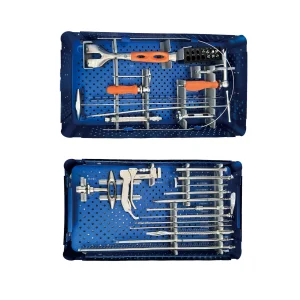
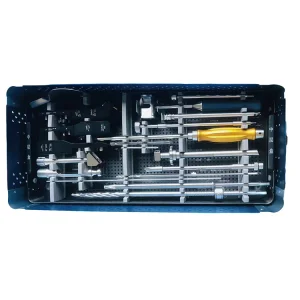
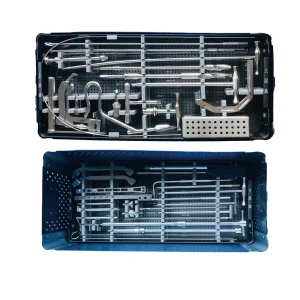
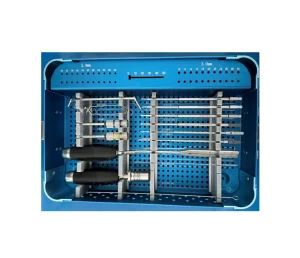
Norway is known for its highly advanced public healthcare system, managed through four Regional Health Authorities (Helse Sør-Øst, Helse Vest, Helse Midt-Norge, and Helse Nord). The country's strict public health standards demand high durability, exceptional biocompatibility, and exact structural integrity for all surgical implants. With an aging demographic active in outdoor activities (such as skiing and hiking), orthopedic trauma clinics in major cities like Oslo, Bergen, and Trondheim experience a continuous demand for advanced fracture fixation systems.
Under the European Medical Device Regulation (EU MDR 2017/745), which Norway enforces as an EEA member, orthopedic instruments and Class III implants must meet comprehensive clinical safety criteria. Providers need transparent traceability, reliable biocompatibility profiles, and precise mechanical fatigue ratings. In response, local Norwegian distributors and purchasing networks prioritize manufacturers that offer complete material certificates (such as ISO 5832-3 compliance) alongside verified manufacturing documentation.
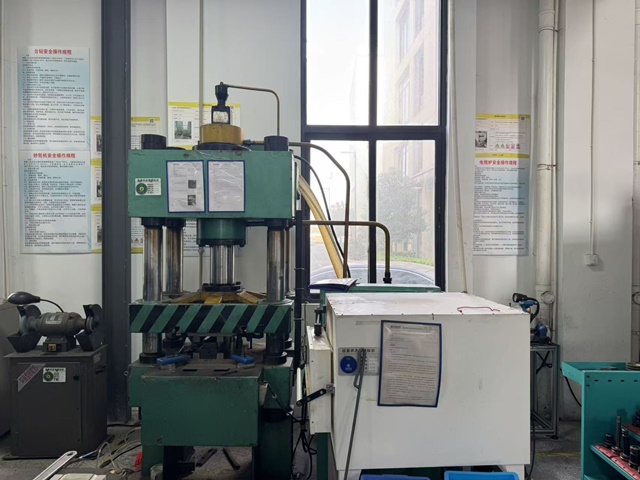
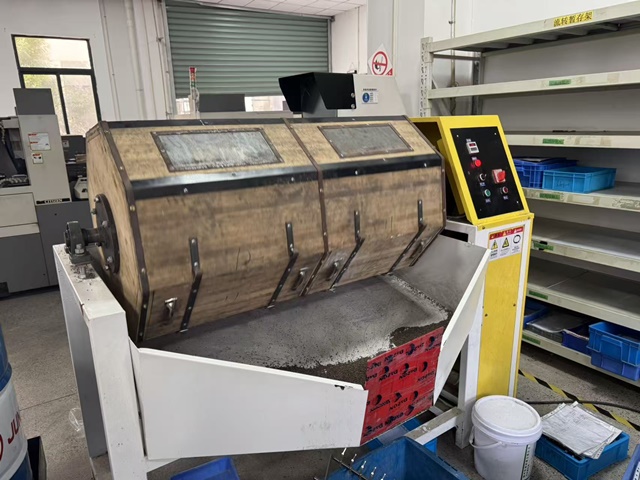
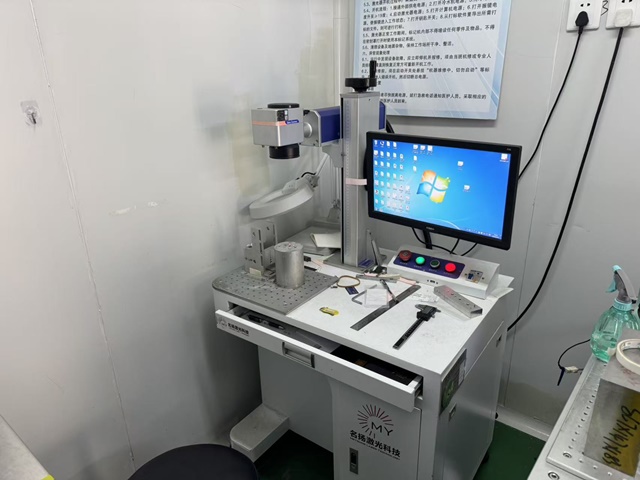
Osteora Medical Devices Co., Ltd. specializes in trauma, spine, and joint reconstruction systems. We provide high-quality orthopedic implants and surgical instruments. Our facility spans 18,500m² and runs integrated manufacturing, assembly, and testing processes designed to satisfy advanced international standards.
Understanding the shift in high-precision medical manufacturing toward lean, certified facilities in China.
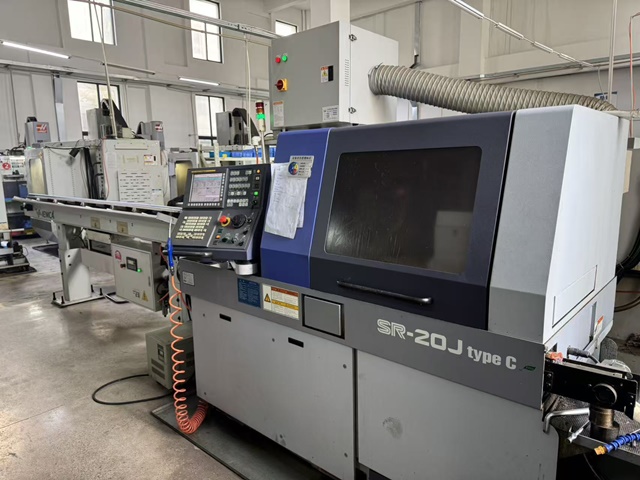
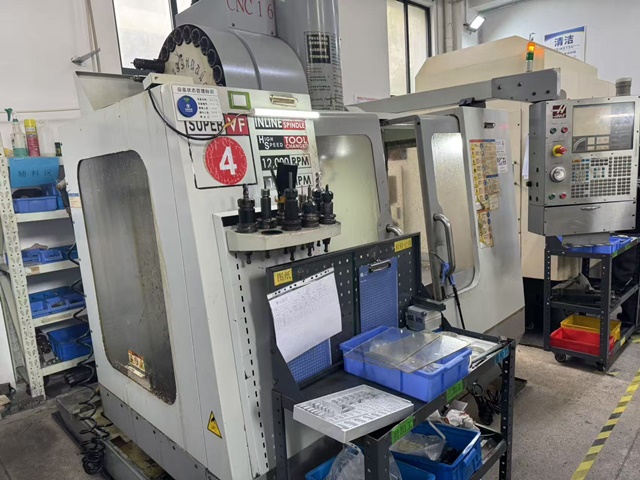
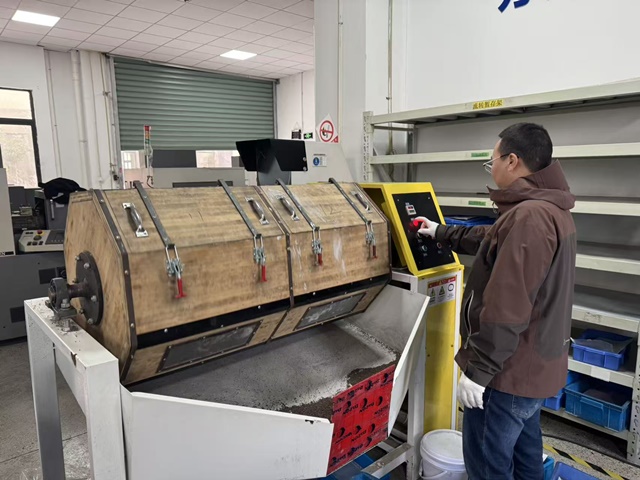
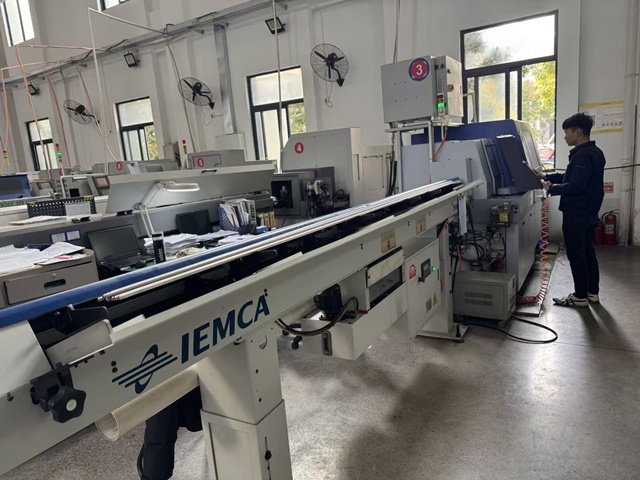
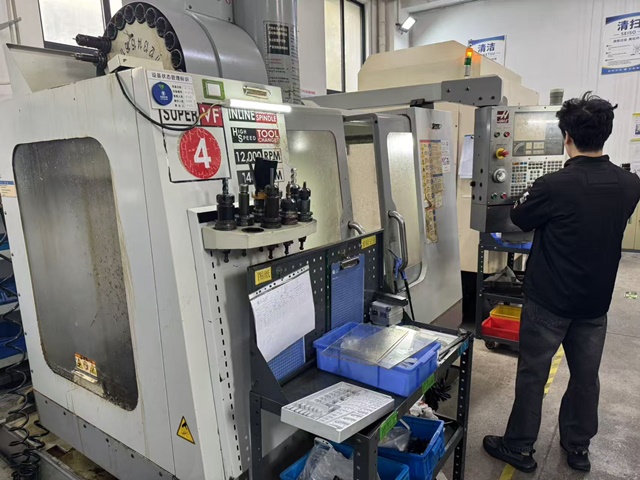
Osteora leverages modern HAAS CNC machinery and Swiss-type precision lathes to deliver structural tolerances down to ±0.005mm. This degree of accuracy is essential for interlocking screws and intramedullary nails.
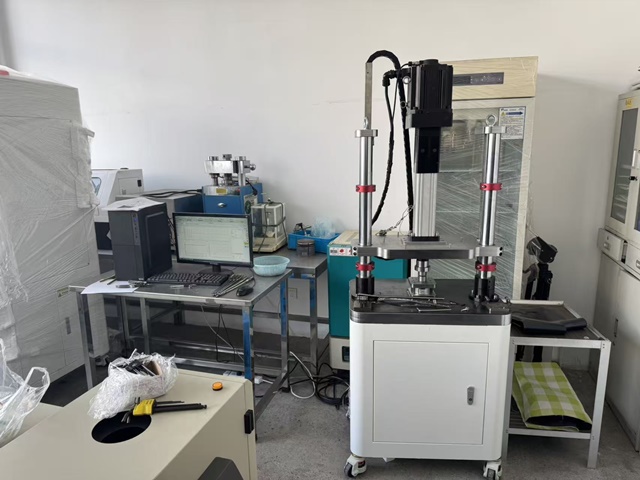
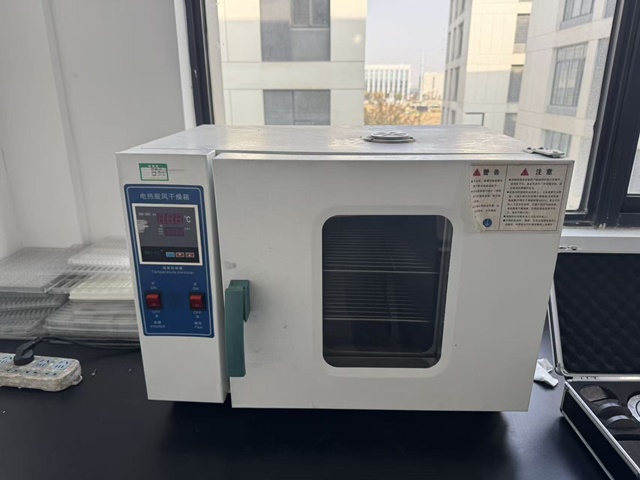
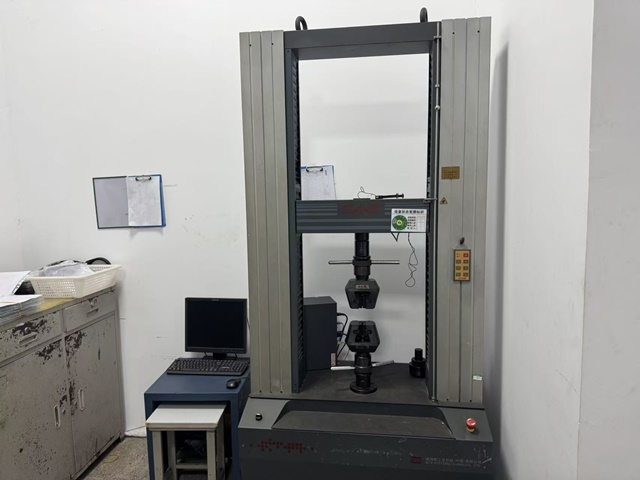
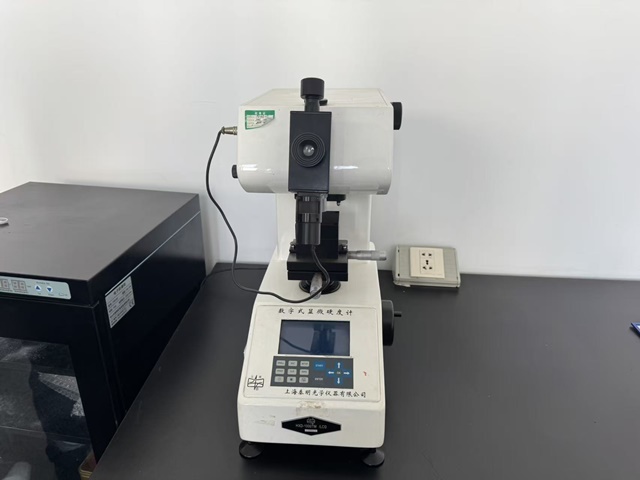
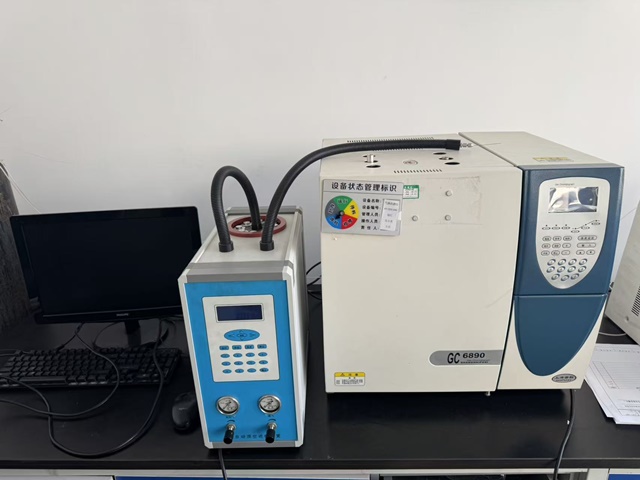
Equipped with multifunctional fatigue testing devices, Vickers hardness testers, and gas spectrometers, our 42-inspector quality control team tests every production run to ensure high durability and reliability.
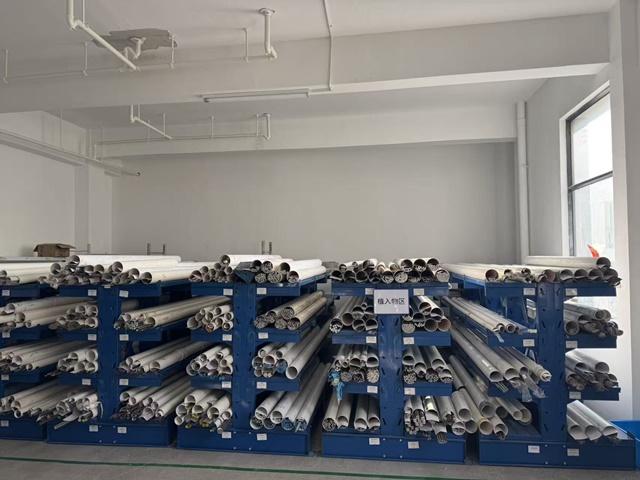
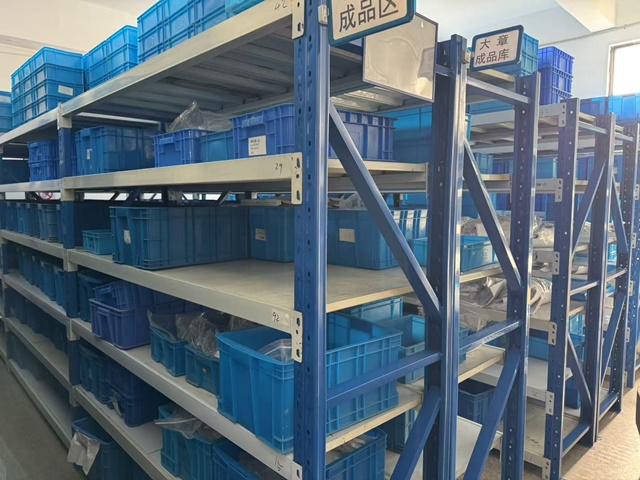
By coordinating with 1,200 verified supply chain partners, Osteora maintains a stable inventory of raw titanium alloys (Ti-6Al-4V ELI) and handles large-scale OEM/ODM projects efficiently.
In Northern Europe's high-cost operating environment, regional distributors face the challenge of managing rising device prices within fixed public health budgets. Cooperating with advanced Chinese manufacturers allows distributors to lower procurement costs without sacrificing product safety or physical performance. In recent years, China's medical device cluster has transitioned from basic manufacturing to high-end CNC machining and custom surface modification.
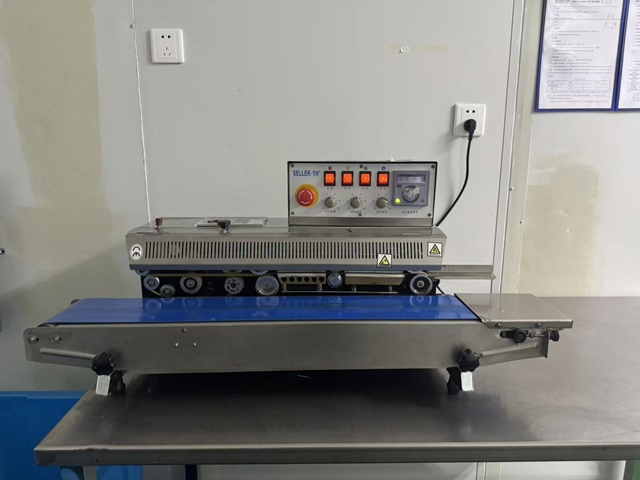
At Osteora, our export structure handles annual shipments ranging from USD 6 million to 14 million. This experience enables us to navigate complex custom protocols, deliver sterile packaging options, and support private labeling initiatives (OEM/ODM). We work with customers across Europe, South America, the Middle East, and Southeast Asia, adapting to regional regulatory frameworks and logistical timelines.
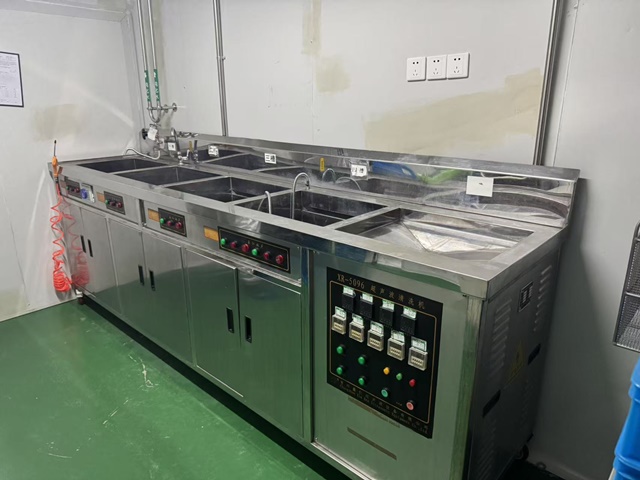
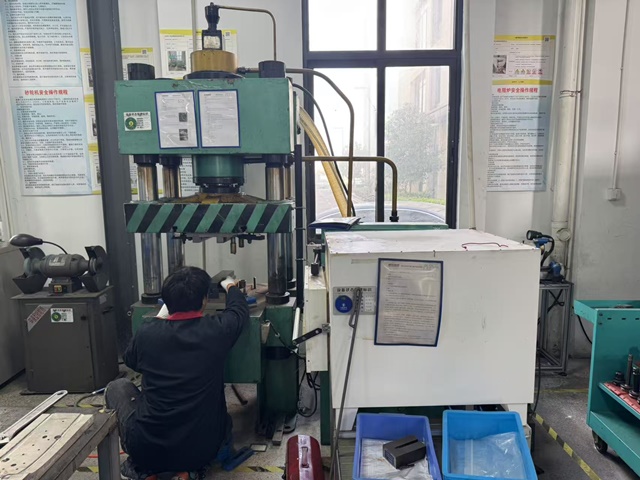
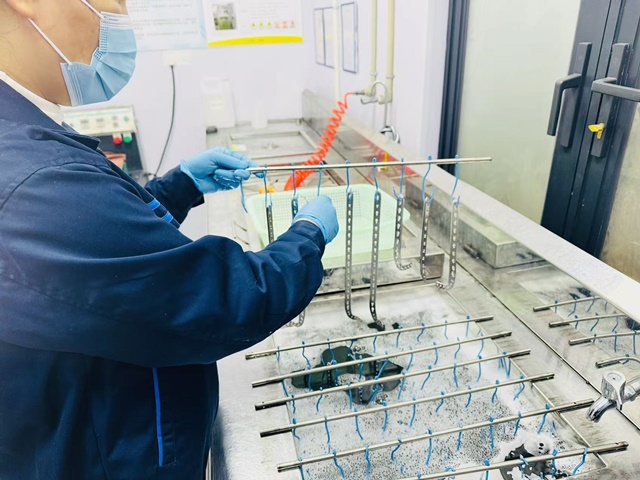
A transparent look into Osteora's 18,500㎡ facility, showing the path from raw titanium to verified medical implants.
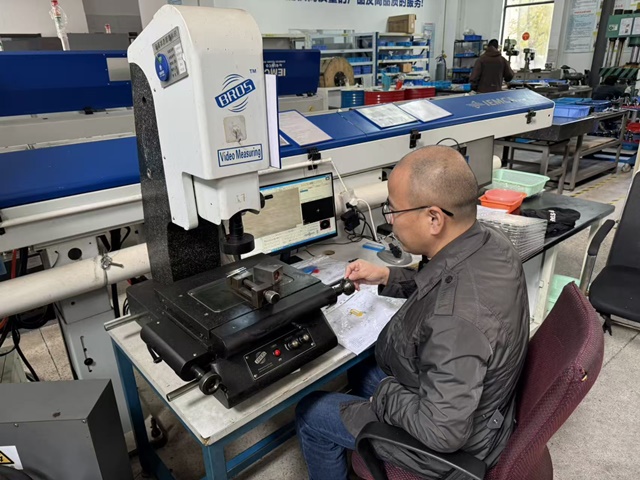
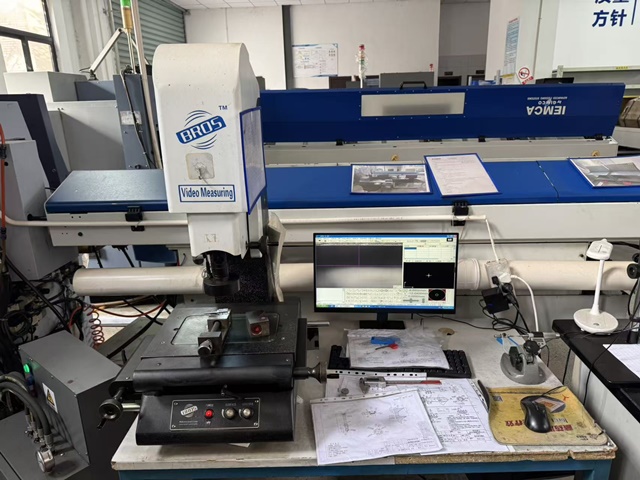
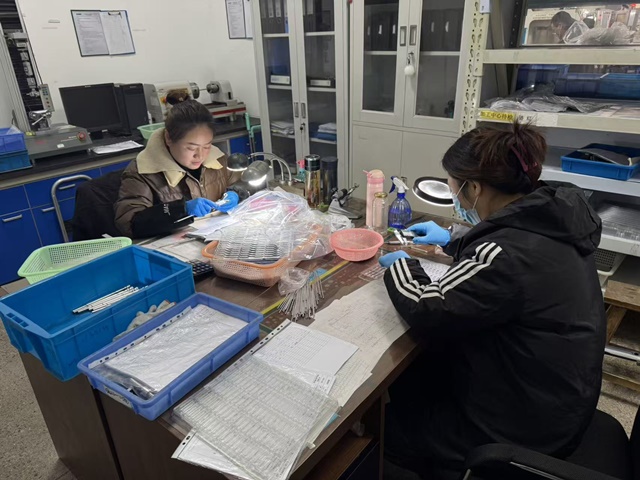
How our trauma hardware functions in demanding clinical situations across Scandinavian hospitals.
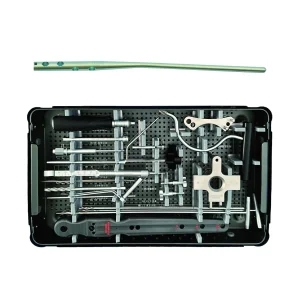
In demographic centers like Oslo, fragility fractures among patients aged 75 and older are a common clinical challenge. Our Antirotation Titanium Proximal Femoral Nail (PFNA) systems provide stable proximal fixation. The helical blade compresses the cancellous bone structure, helping to prevent cut-out in osteoporotic bone. This design allows for early post-operative weight-bearing, which is key to reducing complications in elderly trauma patients.
High-energy skiing, snowboarding, and mountain-biking accidents often result in complex, multi-fragmentary long-bone fractures. These injuries require robust mechanical stability to support healing. Osteora's Titanium Alloy Miniature Intramedullary Nails and anatomical plates are designed to withstand high loading forces. The precise locking configurations help protect regional blood flow while providing the stability needed for recovery.
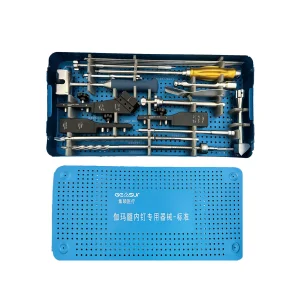
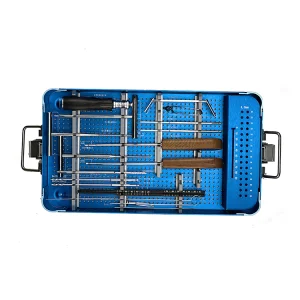
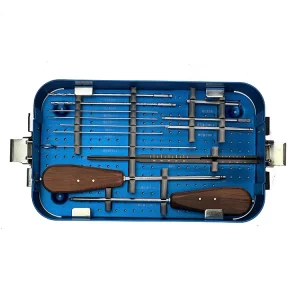
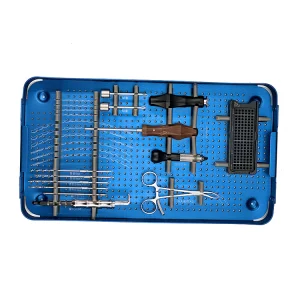
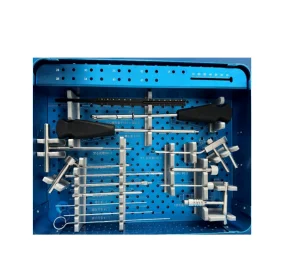
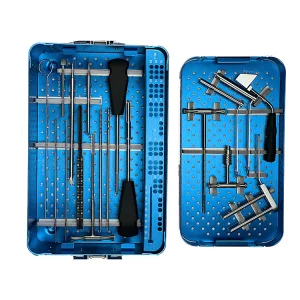
Spinal surgeries require careful mechanical performance to safeguard delicate neurological structures. Our Hollow Screw Specialized Instruments (3.5 / 4.0 / 4.5 mm) and rib plate systems are designed to fit the natural contours of the spine. Clean thread designs and consistent drive sockets minimize the risk of stripping during screw insertion, helping surgeons maintain control during complex procedures.
| Trauma System Category | Material Specification | Common Surgical Indication | Clinical Advantages in Norway |
|---|---|---|---|
| Femoral PFNA Nails | Ti-6Al-4V ELI (Grade 5) | Trochanteric & subtrochanteric fractures | Helical blade prevents cut-out; supports early mobility. |
| Miniature Fibular Nails | Titanium Alloy / SS316L | Distal fibula and tibia fractures | Low-profile design minimizes irritation under thin skin. |
| Spine Pedicle Systems | Ti-6Al-4V ELI | Thoracolumbar instability and trauma | Consistent thread designs ensure reliable bone purchasing. |
| Cannulated Compression Screws | High-Strength Titanium | Intra-articular small bone fractures | Hollow core design supports precise guide wire placement. |
Adapting our engineering capabilities to match your specific supply chain requirements.
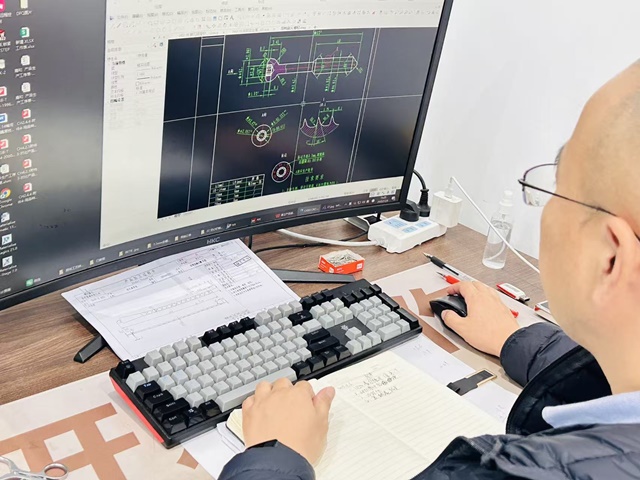
Osteora's engineering department includes 85 dedicated R&D specialists. We collaborate with international distributors to refine instrument ergonomics and adapt anatomical implant shapes. If your market requires specific plate angles for sports medicine or modified implant surfaces to improve bone integration, our team can develop and test functional prototypes within 30 to 45 days.
We provide full customization services, including:
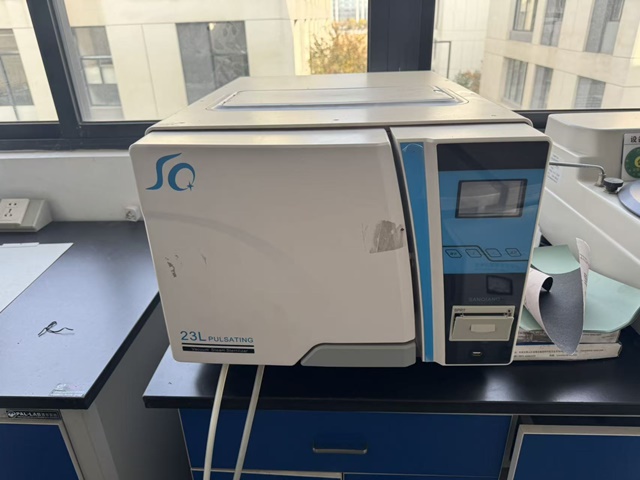
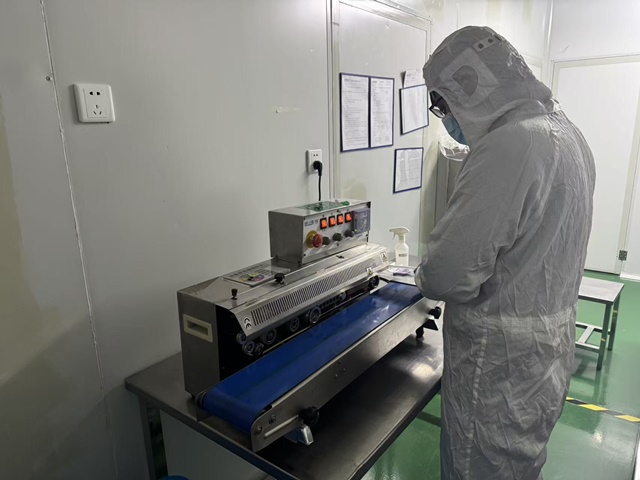
We maintain an ISO 13485-certified quality management system to ensure traceablity for every batch we ship. From incoming raw titanium verification using chemical spectrometers to final mechanical stress testing, all steps are documented for regulatory compliance. We provide our European partners with complete technical documentation, cleanroom packaging validations, and sterilization reports to support EU MDR submissions.
Direct answers to common questions about materials, compliance, logistics, and partnerships.
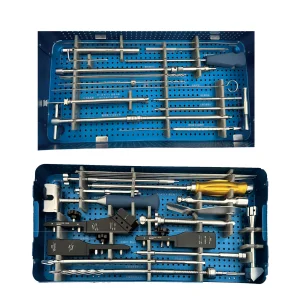
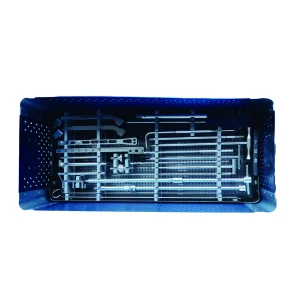
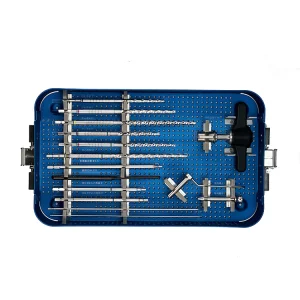
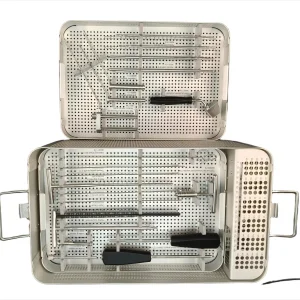
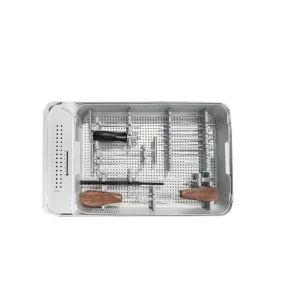
Our complete range of trauma implants, specialized spinal kits, and cannulated bone screw systems.
Get in touch with our engineering and export team to request a customized quote, material certifications, or product samples.
Send Inquiry Now