 Osteora
Osteora
Osteora
Premium class III titanium alloy implants and instrument sets configured specifically to meet National Health Fund (NFZ) standards in Poland.
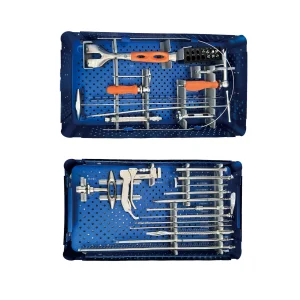
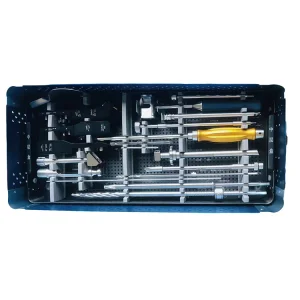
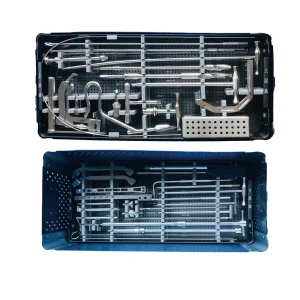
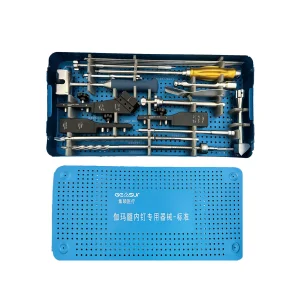
Analyzing key structural shifts, regulatory compliance, and clinical needs driving the Polish market for osteosynthesis and spine systems.
The orthopedic device sector in Poland is experiencing a significant phase of modernization and expansion. Backed by the Polish National Health Fund (Narodowy Fundusz Zdrowia - NFZ) and reinforced by EU cohesion funding, public and private clinical hospitals in major metropolitan areas such as Warsaw, Kraków, Poznań, and Wrocław are upgrading their orthopedic surgical infrastructure. An aging population, combined with a rising prevalence of sports-related trauma and degenerative spinal diseases, has created a persistent demand for high-grade, durable orthopedic implants and accompanying precise surgical instrumentation.
With the full transition to the European Union Medical Device Regulation (EU MDR 2017/745), Poland’s medical procurement standards have become highly strict. Polish distributors and hospital purchasing committees demand complete compliance pathways, including comprehensive clinical evaluation reports, ISO 13485 certification, and clear biocompatibility validations. Standard stainless-steel materials are rapidly being replaced by premium medical-grade Titanium Alloys (such as Ti-6Al-4V ELI conforming to ASTM F136 / ISO 5832-3), which offer superior fatigue strength, lower elastic modulus, and exceptional biocompatibility.
Osteora Medical Devices Co., Ltd. addresses this transition by supplying European-registered, MDR-compliant implant systems and surgical instruments. Our advanced designs minimize surgical intra-operative times, reduce the risk of implant failures, and deliver reliable clinical outcomes. Through close collaboration with Polish medical device distributors, we ensure a stable supply of trauma reconstruction sets that satisfy local health regulatory guidelines and strict clinical trials.
All instrumentation and implants are produced under rigorous quality management systems matching the CE marking directives and ISO 13485:2016 standards.
We utilize Swiss-type CNC lathes and HAAS machining centers to achieve tolerances down to ±0.005mm, ensuring smooth interlocking and absolute fitment.
Our optimized manufacturing footprint enables Polish hospitals and distributors to maximize surgical efficiency within NFZ refund limits without compromising quality.
A global leader in high-performance orthopedic implants and surgical instrument systems, supporting medical distributors across Europe.
Osteora Medical Devices Co., Ltd. is a professional orthopedic implant and surgical solution manufacturer specializing in trauma, spine, and joint reconstruction systems under the brand Osteora.
Founded in 2016, the company has developed a strong reputation in the global orthopedic industry through continuous innovation and strict quality control standards. The facility covers an area of approximately 18,500㎡, supporting integrated production, assembly, and testing operations.
With 8 years of export experience and 12 years of industry expertise, Osteora has established stable cooperation with international distributors and hospitals across multiple regions. Annual export revenue ranges from USD 6 million to 14 million, reflecting steady global market growth.
The company implements comprehensive quality assurance systems, including ISO 13485 compliance, in-process inspection, and final random sampling testing. Product inspection methods include dimensional measurement, mechanical fatigue testing, and biocompatibility validation. The quality control team consists of 42 specialized inspectors ensuring strict adherence to international medical device standards.
Osteora has a strong trade background in global medical device export and maintains long-term partnerships with distributors in Europe, Southeast Asia, the Middle East, and South America, which are also its primary markets.
The company’s supply chain includes approximately 1,200 certified upstream and downstream partners, supporting stable production capacity and reliable delivery performance. Its main customer base consists of hospitals, orthopedic clinics, surgical centers, and medical distributors.
With strong R&D capabilities, Osteora operates an in-house engineering team of 85 R&D engineers, focusing on innovation in trauma fixation systems, spinal implants, and joint reconstruction technologies. The company offers extensive customization options, including OEM/ODM services, size variations, material customization, and private labeling.
In the past year, Osteora launched approximately 120 new products, reflecting its continuous investment in innovation and product development to meet evolving clinical needs.
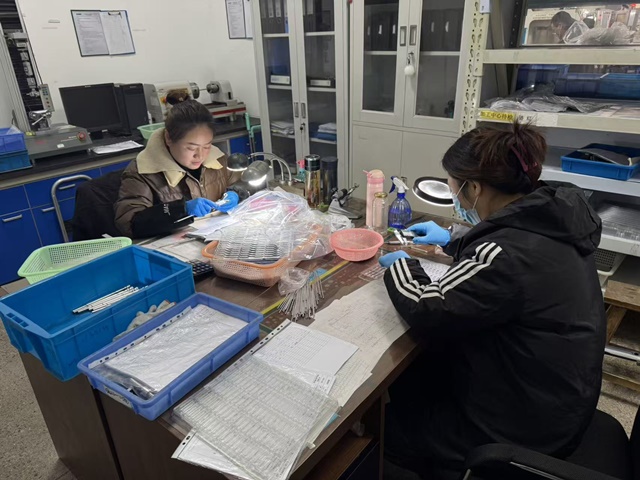
A visual overview of our advanced facilities, high-precision CNC machinery, cleanroom assembly lines, and mechanical verification labs.
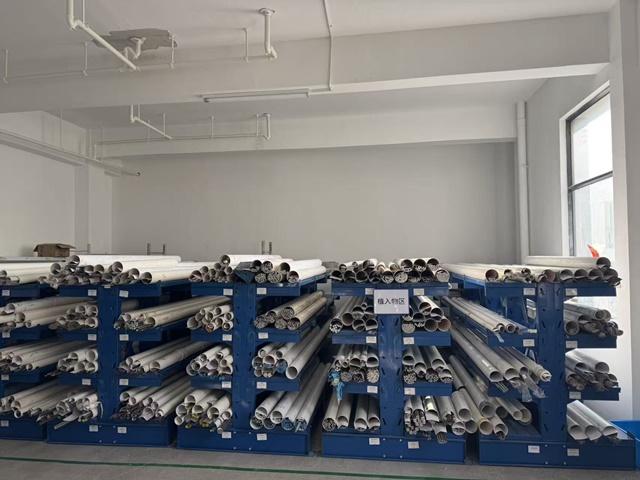
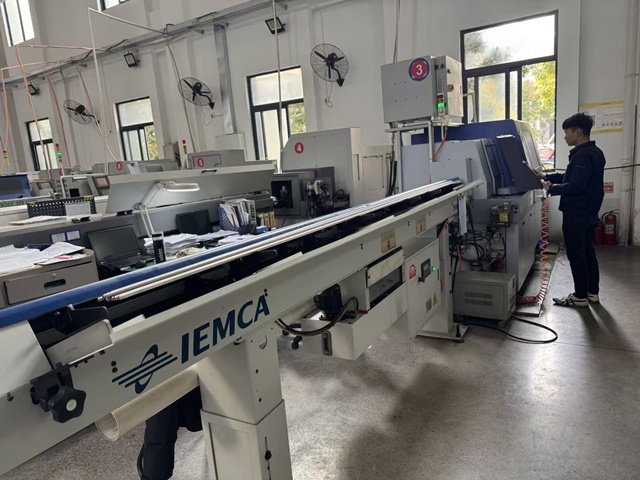
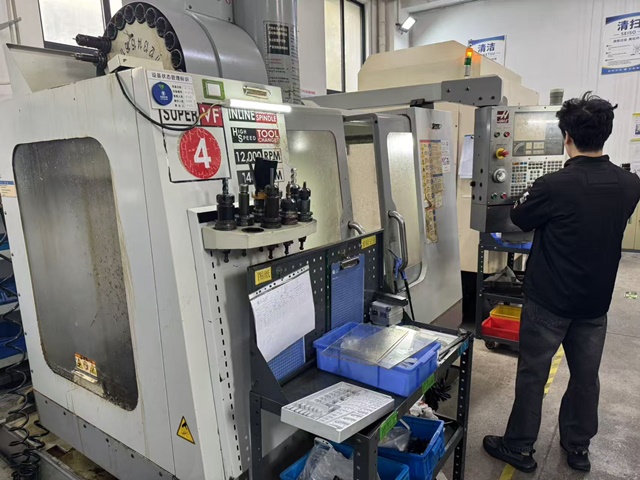
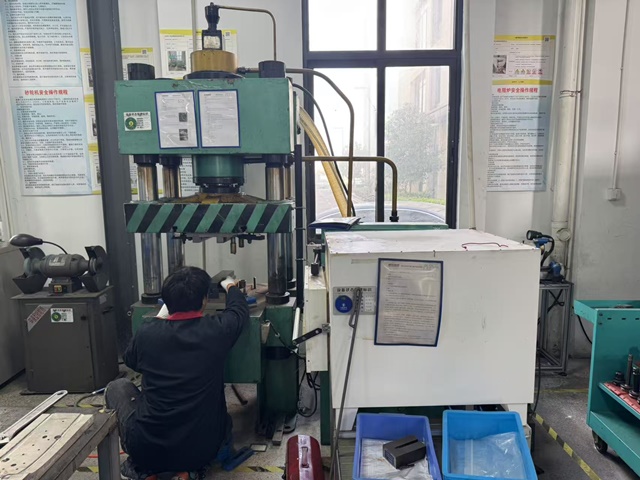
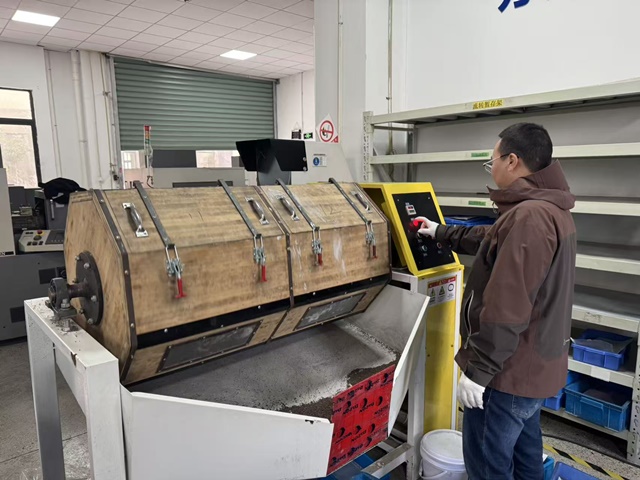
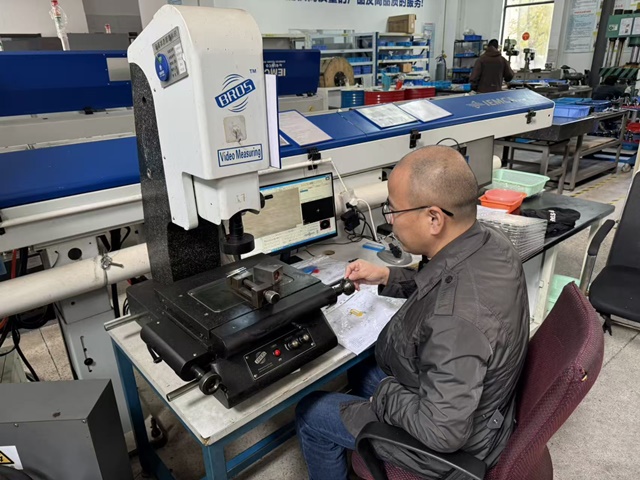
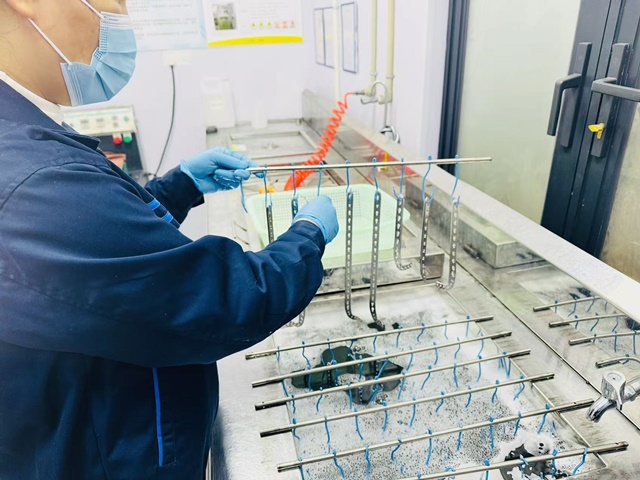
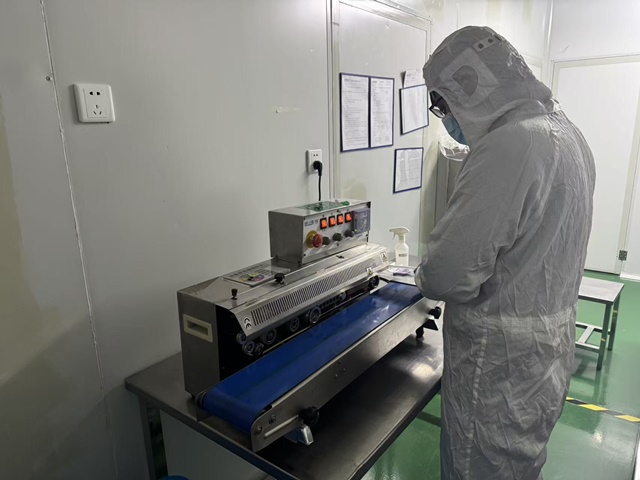
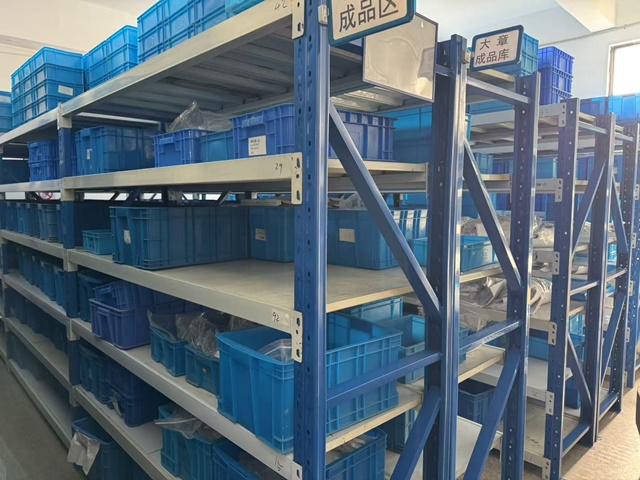
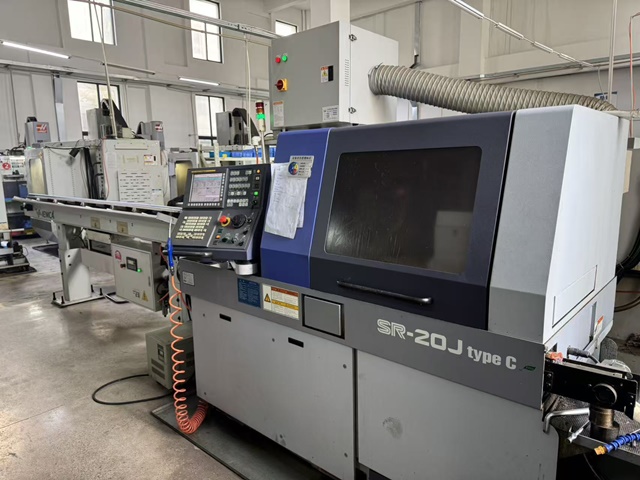
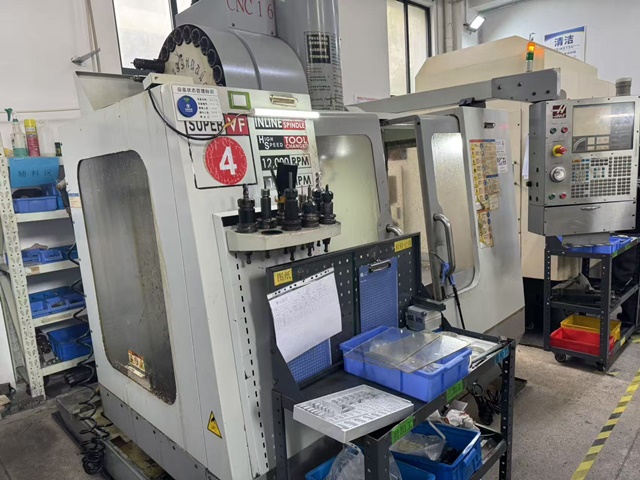
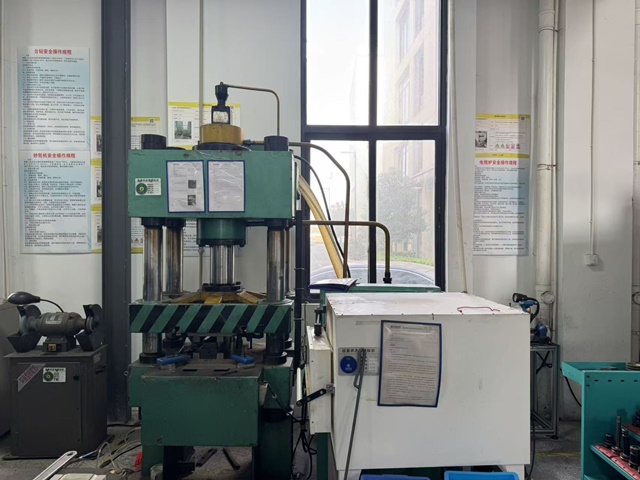
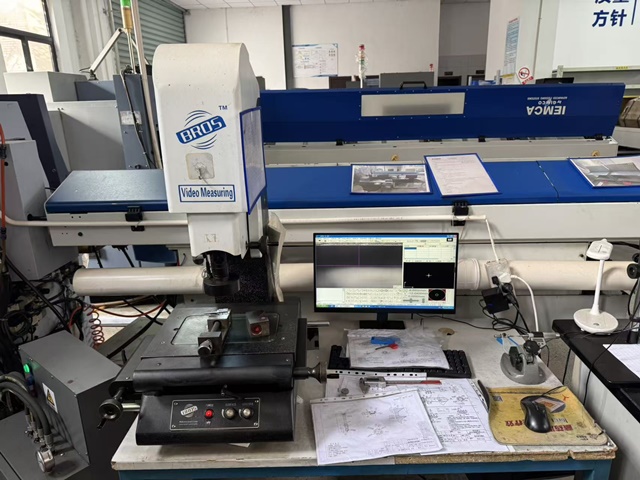
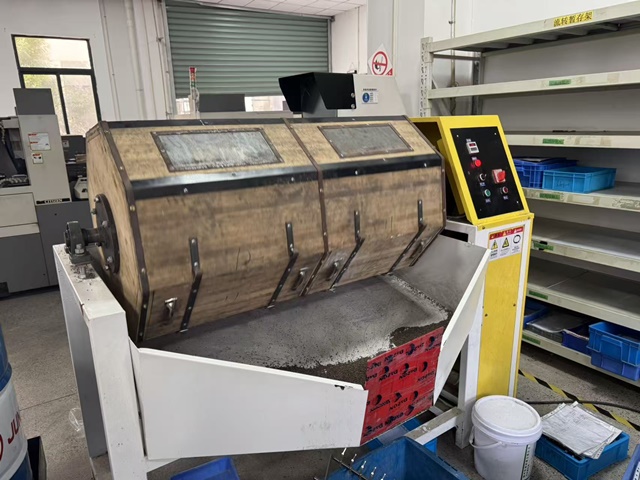
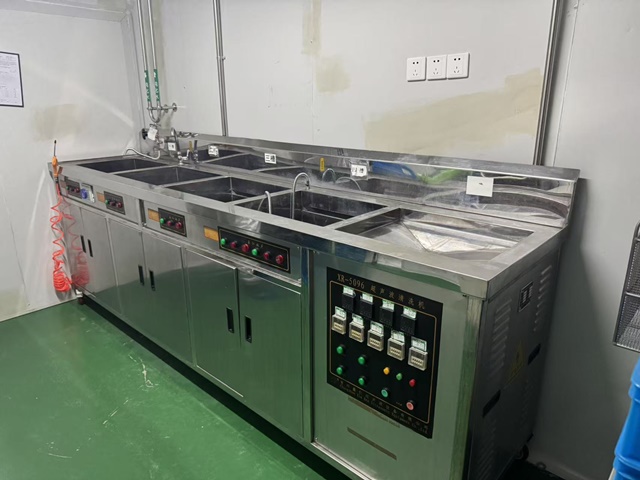
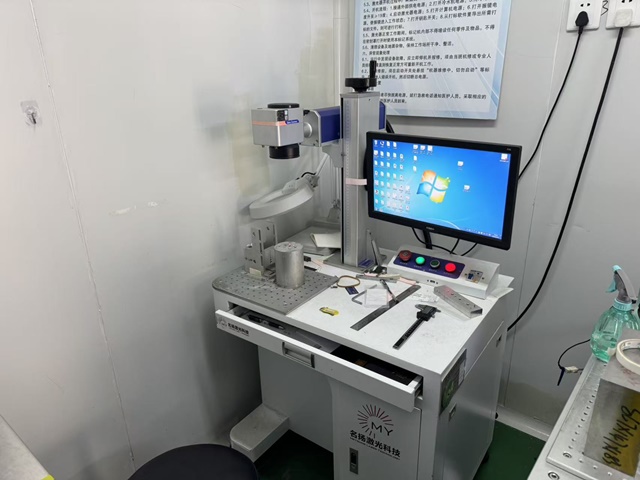
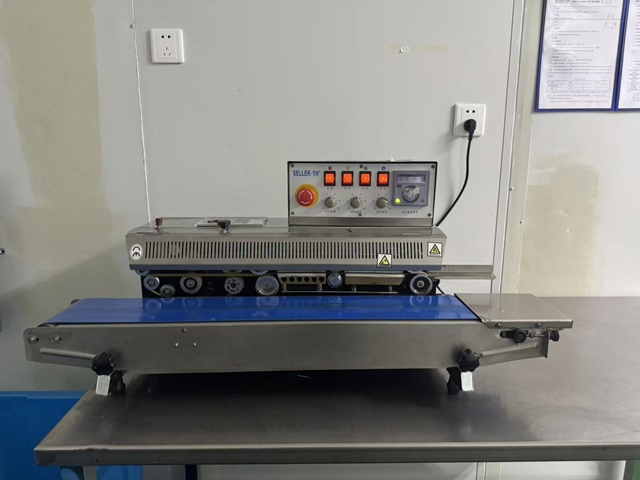
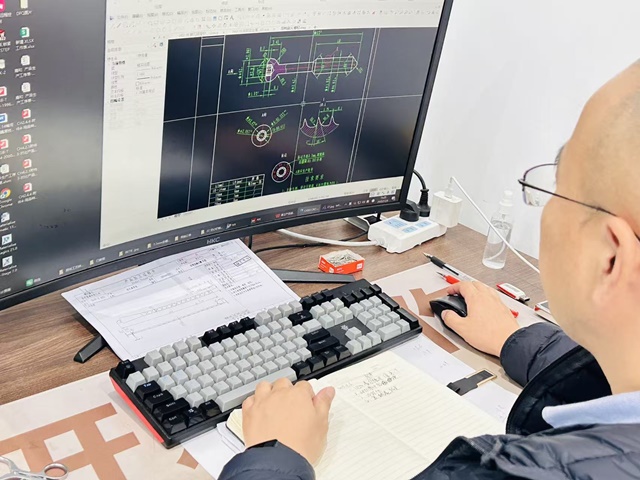
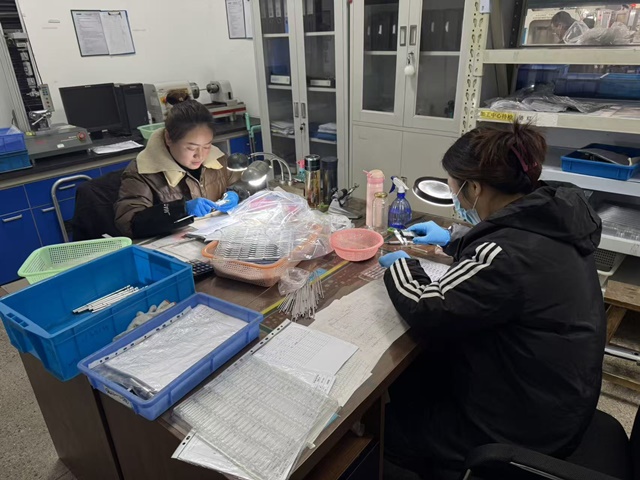
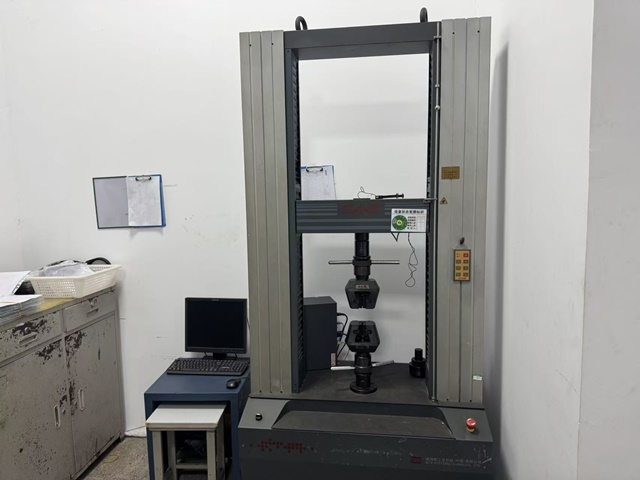
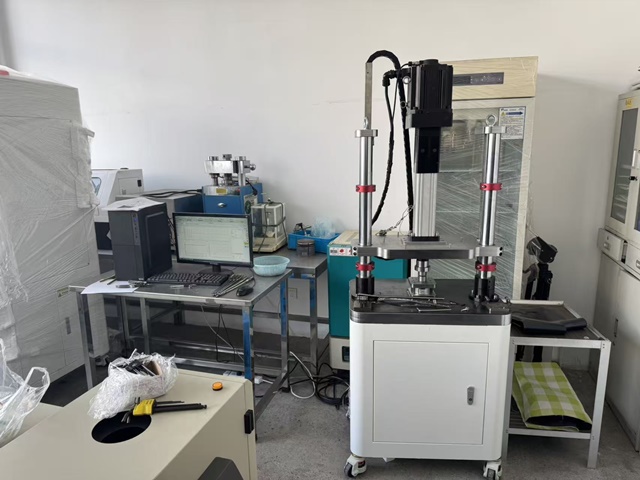
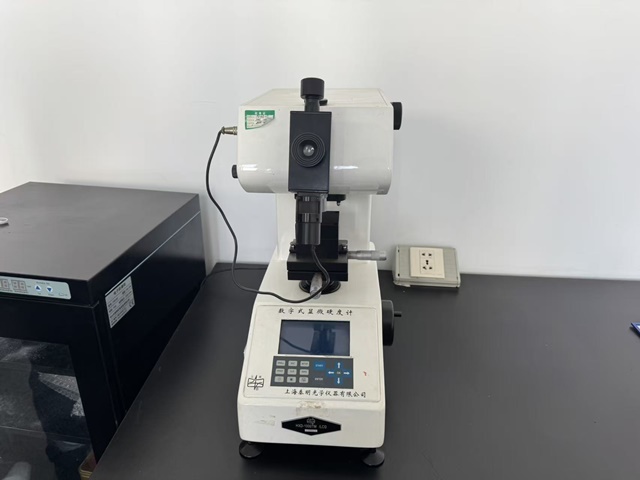
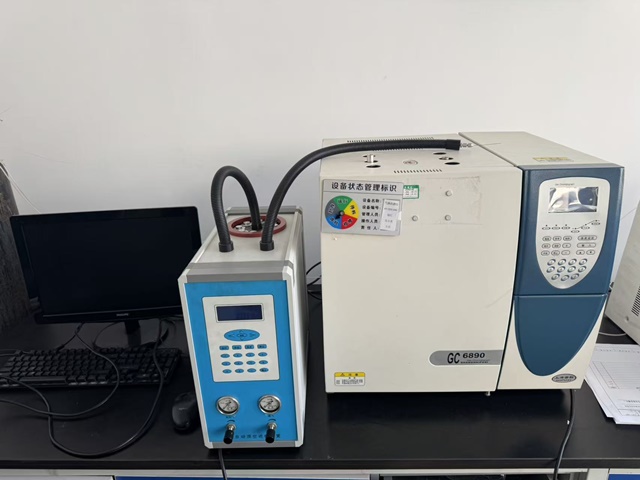
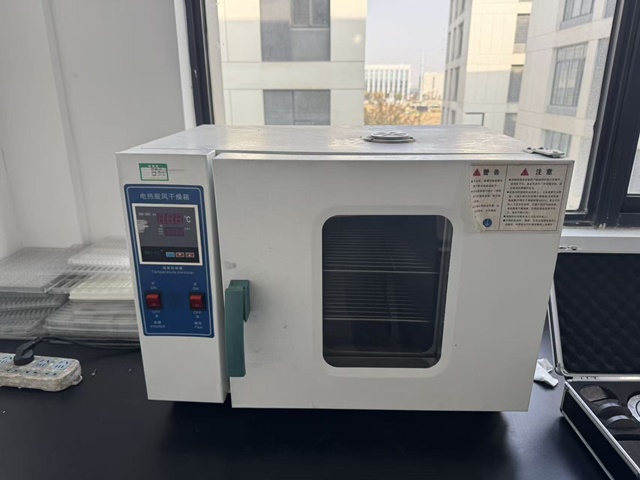
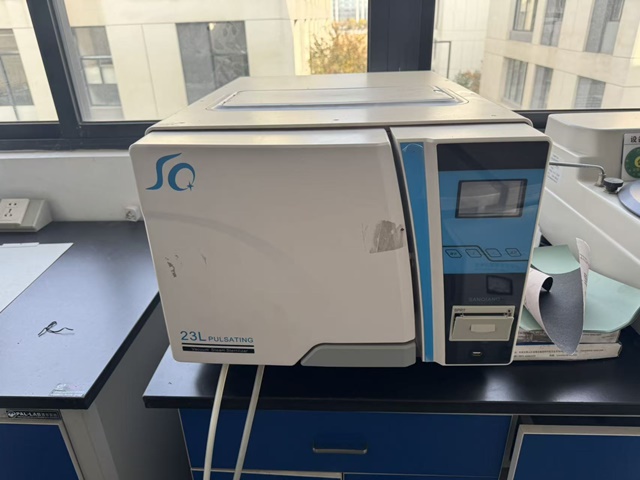
Precision and reliability in orthopedic surgery are direct outcomes of strict manufacturing protocols. At Osteora, we run a vertically integrated system. We verify raw materials with chemical spectrum analysis using the Gas Spectrometer, and machine structures on high-precision HAAS CNC centers. In addition, finished components undergo surface smoothing and passivation processes to reduce wear and ion release.
Mechanical stress verification is critical for trauma and joint reconstruction. We perform axial, torsional, and dynamic fatigue tests using our Pulsating Fatigue Testing Machines and Vickers Hardness Testers to simulate the biological loading environment. Our quality assurance protocol includes 100% video inspection on dimensions and 42 specialized inspectors supervising production steps from cleaning to final packaging, matching European medical safety regulations.
Leveraging high production capacity, specialized materials, and rapid shipping logistics to optimize Polish clinical supply chains.
For Polish medical distributors and hospital networks, maintaining consistent supply levels of trauma and spinal systems is essential. Standard orthopedic sourcing often faces logistical delays, strict customization limits, and high costs. The manufacturing relationship between China and Poland offers an effective balance of speed, cost efficiency, and certified quality.
Osteora coordinates with over 1,200 certified supply partners to guarantee uninterrupted production, even during high seasonal demands. By purchasing high volumes of medical-grade titanium alloy and maintaining a dedicated staff of 85 R&D engineers, we provide custom modifications for Polish clinical requirements. These include specific sizing systems, sterile packaging configurations, and custom private labeling for European markets.
Regarding transit, we use fast rail networks (such as the Chengdu/Chongqing-to-Poland freight rail link) and air connections to transport orders to Polish distribution centers in Katowice, Warsaw, and Poznań. This logistics framework reduces transit times compared to traditional sea freight, allowing distributors to maintain lower safety stock levels while responding quickly to urgent clinical demands.
Explore our certified trauma stabilization, spinal fixation, and micro-fragment surgical systems designed for Polish clinical use.
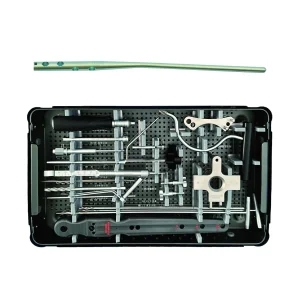
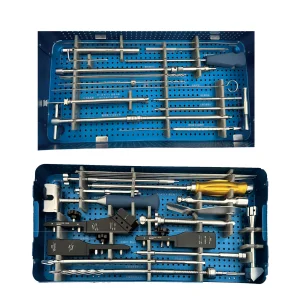
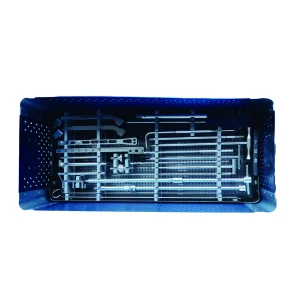
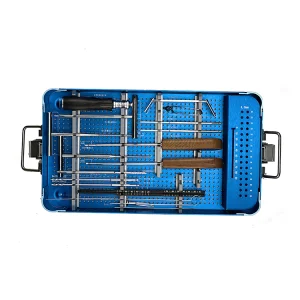
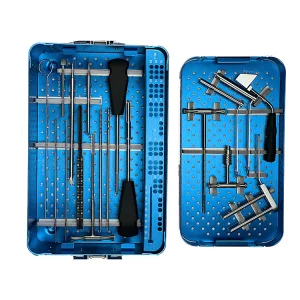
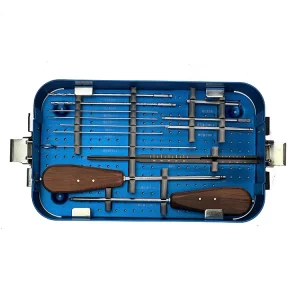
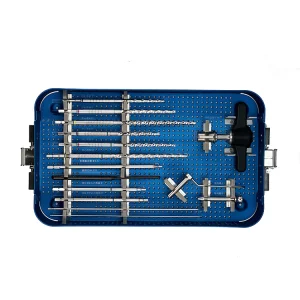
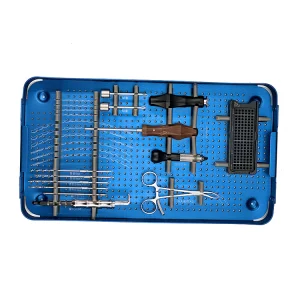
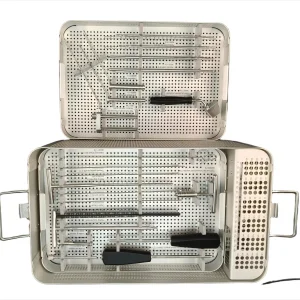
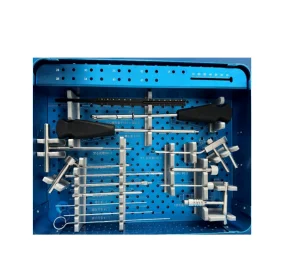
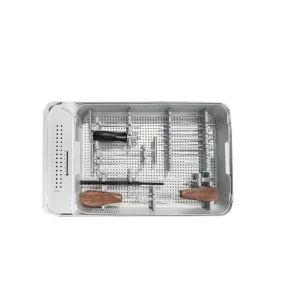
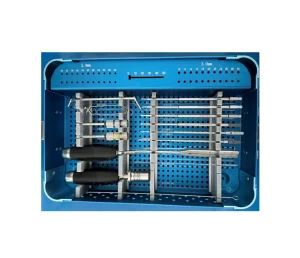
Analyzing how Osteora's surgical kits interface with operating room protocols in Polish traumatology and spine wards.
In Polish trauma units, surgical efficiency directly impacts patient recovery and resource utilization. The Proximal Femoral Nail Antirotation (PFNA) systems from Osteora are designed to simplify the positioning and stabilization of unstable intertrochanteric fractures, which are common in geriatric departments. The insertion of a single helical blade provides mechanical stability and load transfer, which is crucial for osteoporotic bone. The instruments feature color-coded sizing markers to assist scrub nurses and surgical teams during critical intra-operative steps.
For spinal surgery, our artificial cervical disc instrumentation and posterior stabilization kits support precise implant placement. These kits are constructed from high-grade titanium and specialized alloys to allow clear imaging visualization (under fluoroscopy and C-arm scanning) during procedures. This reduces positioning errors and helps secure the implant against the vertebral endplates, supporting patient mobilization and healing.
Technical answers regarding regulatory registration, material specifications, and supply logistics for Polish hospital buyers and distributors.
Partner with an established manufacturer to secure certified, high-precision orthopedic implants and instrument kits that satisfy EU MDR guidelines and support hospital tender requirements.
Contact Our Poland Market Specialist