Osteora
Osteora
Osteora
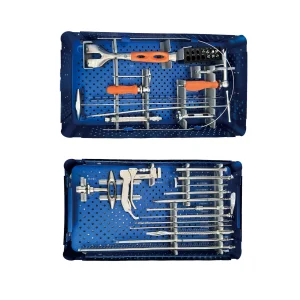
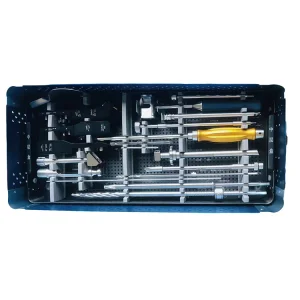
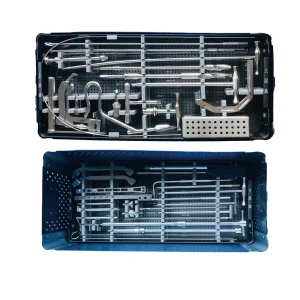
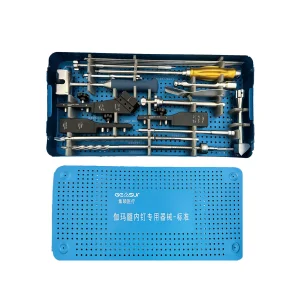
Advanced titanium implants and surgical instrument systems engineered for orthopedic centers across Greater Toronto Area.
Toronto represents the heart of Canada's healthcare and clinical research ecosystem. Anchored by prestigious institutions within the University Health Network (UHN) – such as Toronto General Hospital, Toronto Western Hospital, and the Sunnybrook Health Sciences Centre – the Greater Toronto Area (GTA) processes some of the highest volumes of orthopedic and reconstructive surgeries in North America. The demand for trauma fixation systems, spinal correction instruments, and joint replacement tools has scaled dramatically due to an aging demographic and active lifestyle trends.
Local healthcare purchasing organizations (HPOs) and medical distributors in Ontario face the continuous challenge of balancing rising surgical numbers with stringent budget constraints. Consequently, sourcing high-durability Class II and Class III orthopedic instruments from certified global factories has transition from an alternative option to a core strategic necessity. Suppliers catering to the Toronto market must provide devices that feature exceptional biocompatibility, fatigue resistance, and flawless tolerances to interface with pre-existing implant ecosystems.
Operating in the Canadian orthopedic sector requires a deep alignment with the Food and Drugs Act and the Medical Devices Regulations (MDR). For Toronto hospital procurements, instruments must conform to either Health Canada Class I, II, or III designations, depending on the level of invasiveness and structural load.
Osteora Medical Devices Co., Ltd. delivers high-precision clinical instrumentation designed to support orthopedic trauma centers worldwide.
Osteora Medical Devices Co., Ltd. is a professional orthopedic implant and surgical solution manufacturer specializing in trauma, spine, and joint reconstruction systems under the brand Osteora.
Founded in 2016, the company has developed a strong reputation in the global orthopedic industry through continuous innovation and strict quality control standards. The facility covers an area of approximately 18,500㎡, supporting integrated production, assembly, and testing operations.
With 8 years of export experience and 12 years of industry expertise, Osteora has established stable cooperation with international distributors and hospitals across multiple regions. Annual export revenue ranges from USD 6 million to 14 million, reflecting steady global market growth.
The company’s supply chain includes approximately 1,200 certified upstream and downstream partners, supporting stable production capacity and reliable delivery performance. Its main customer base consists of hospitals, orthopedic clinics, surgical centers, and medical distributors.
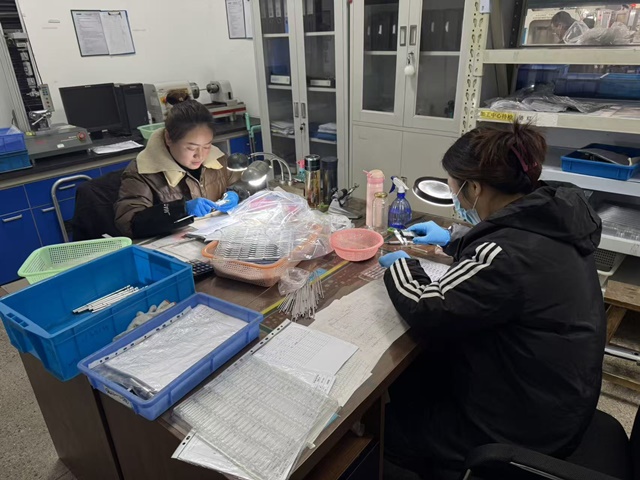
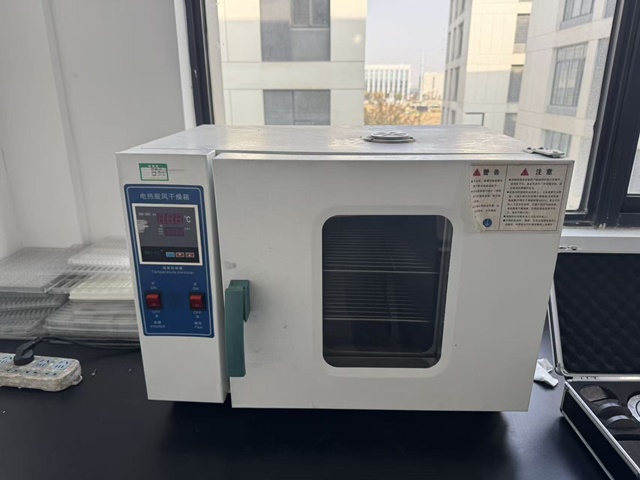
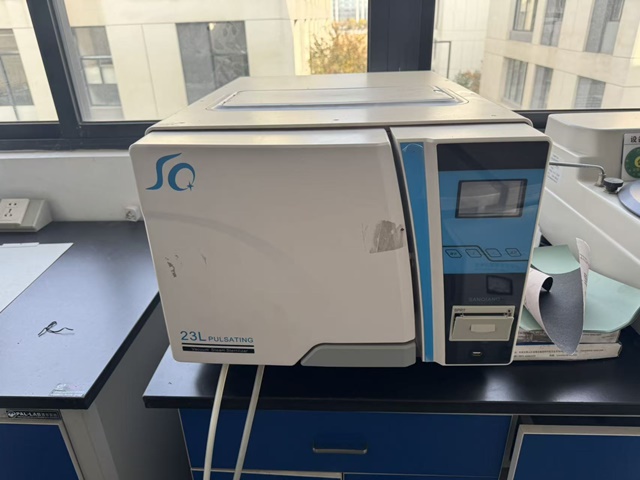
The company implements comprehensive quality assurance systems, including ISO 13485 compliance, in-process inspection, and final random sampling testing. Product inspection methods include dimensional measurement, mechanical fatigue testing, and biocompatibility validation. The quality control team consists of 42 specialized inspectors ensuring strict adherence to international medical device standards.
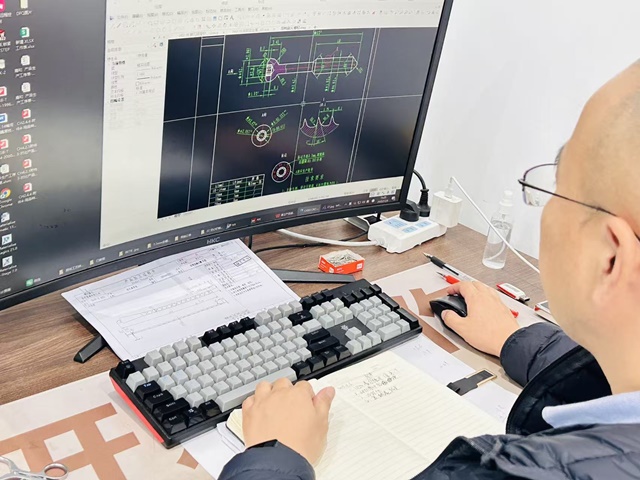
With strong R&D capabilities, Osteora operates an in-house engineering team of 85 R&D engineers, focusing on innovation in trauma fixation systems, spinal implants, and joint reconstruction technologies. The company offers extensive customization options, including OEM/ODM services, size variations, material customization, and private labeling. In the past year, Osteora launched approximately 120 new products to meet evolving clinical needs.
From metallurgical verification to Cleanroom Packaging, we execute a multi-phase validation routine to guarantee mechanical resilience.
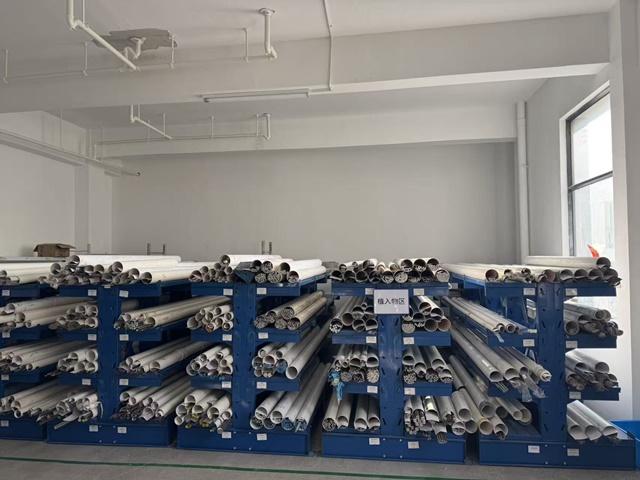
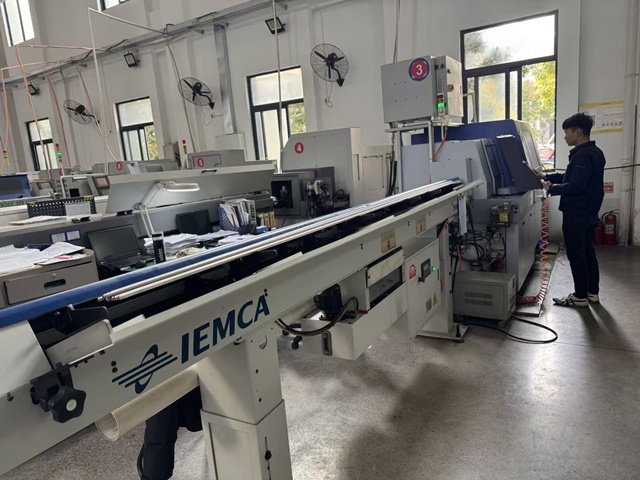
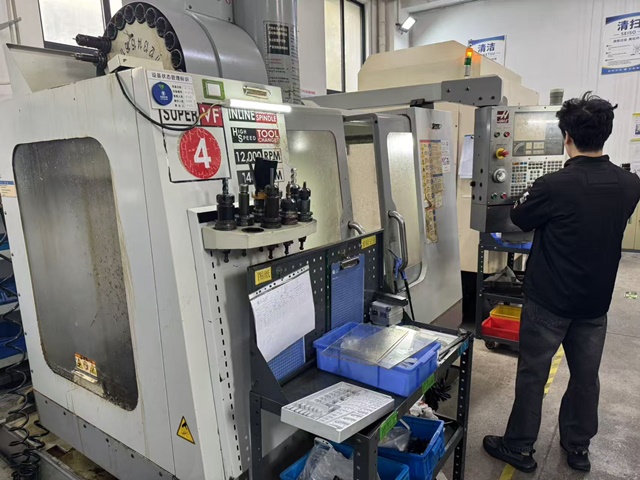
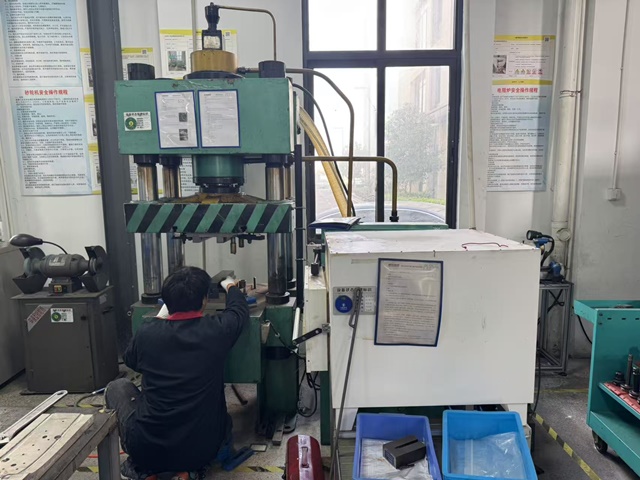
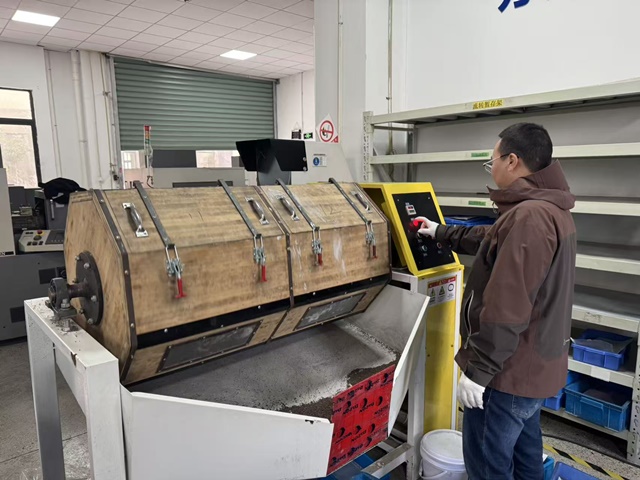
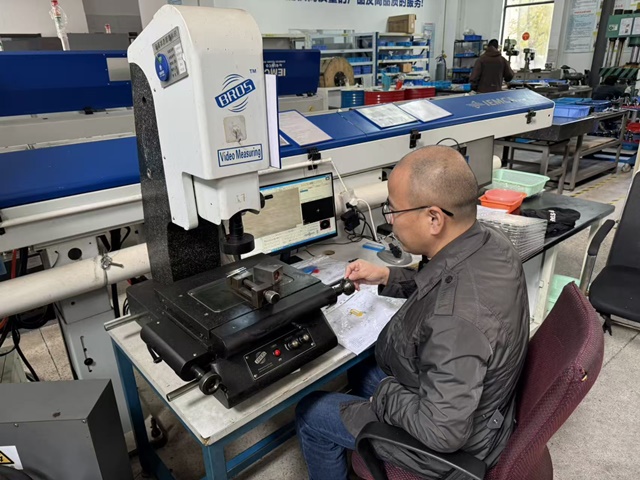
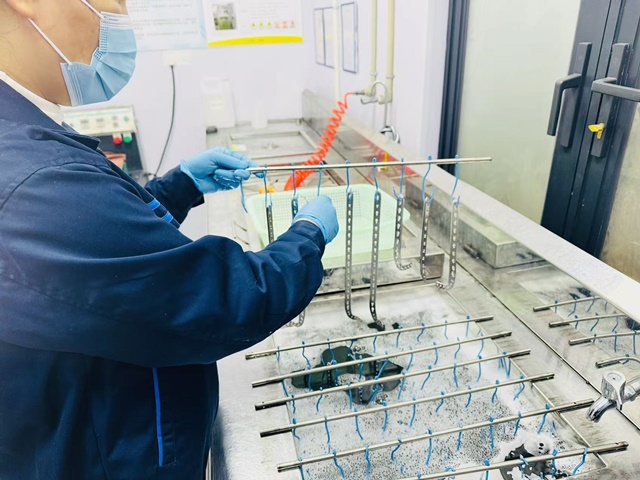
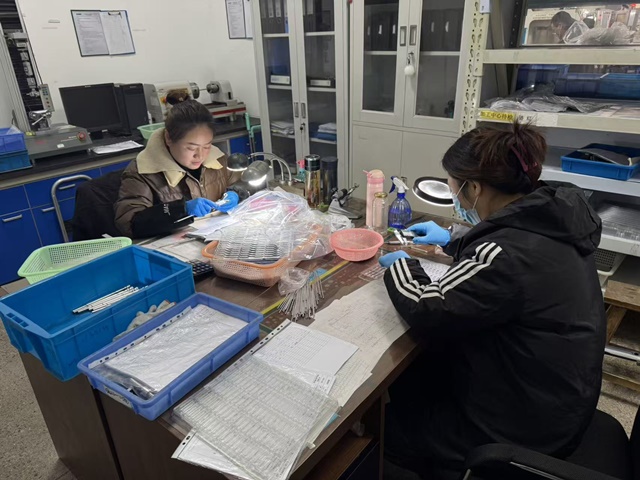
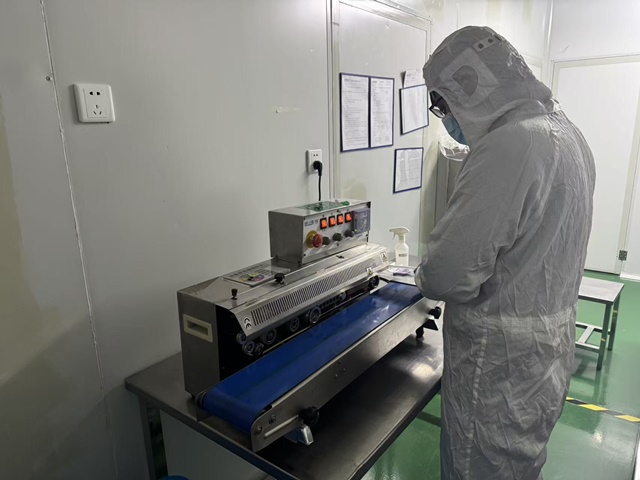
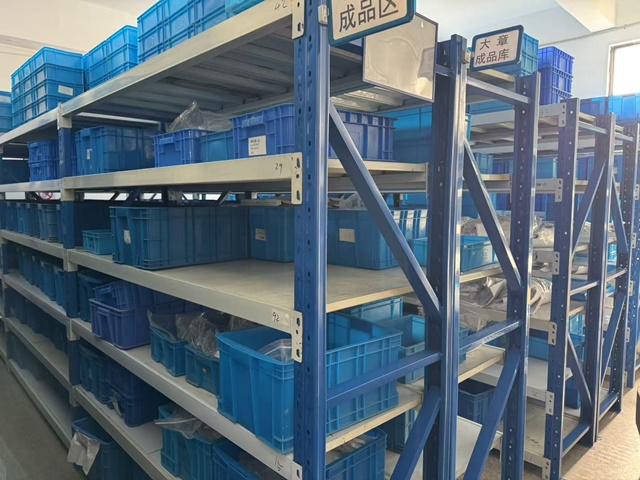
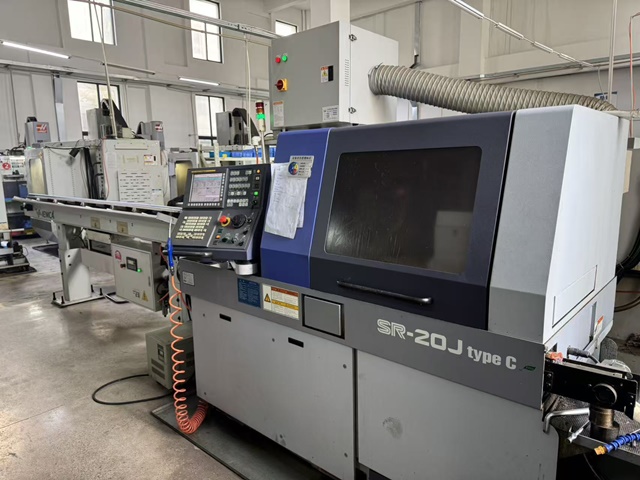
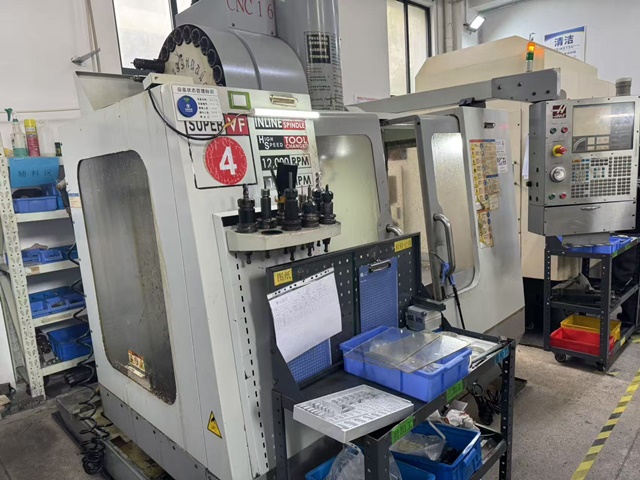
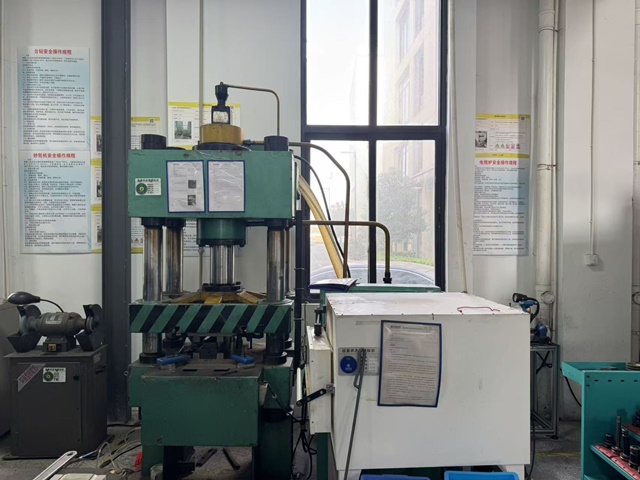
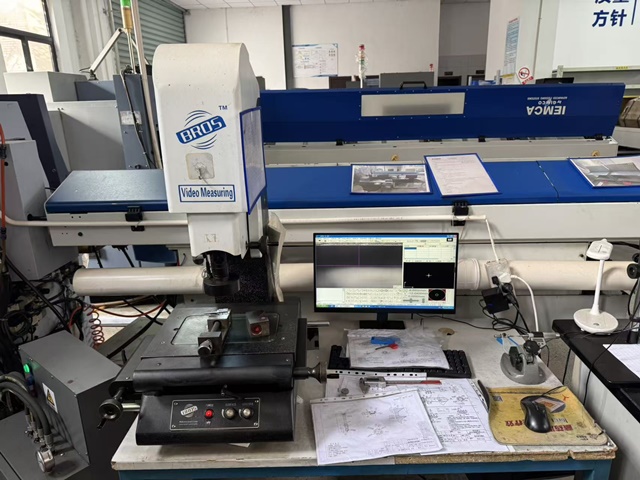
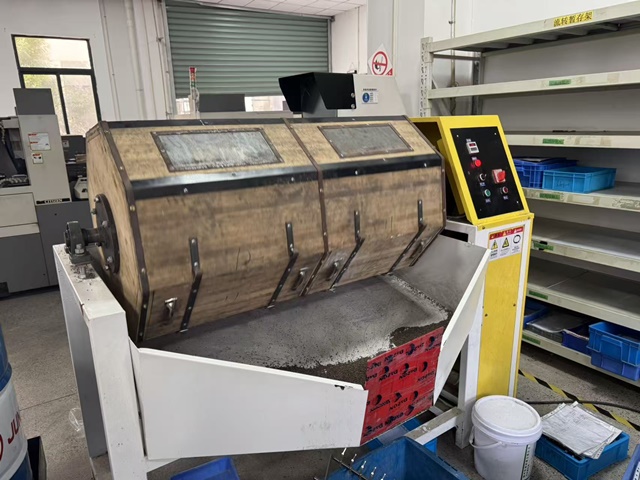
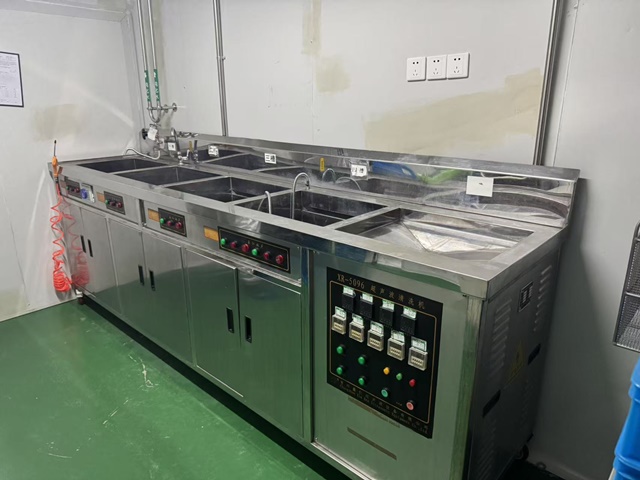
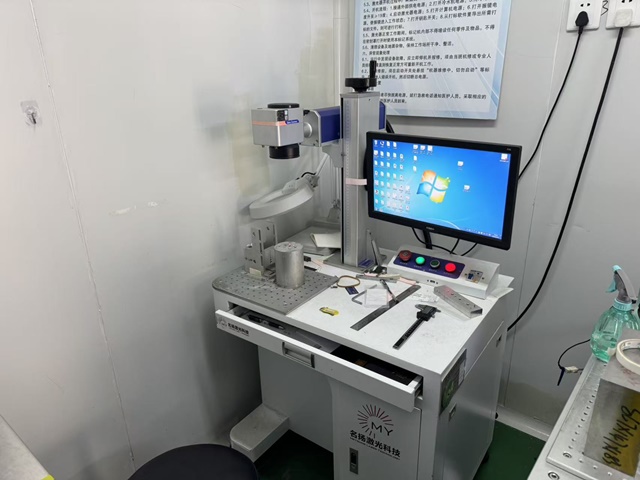
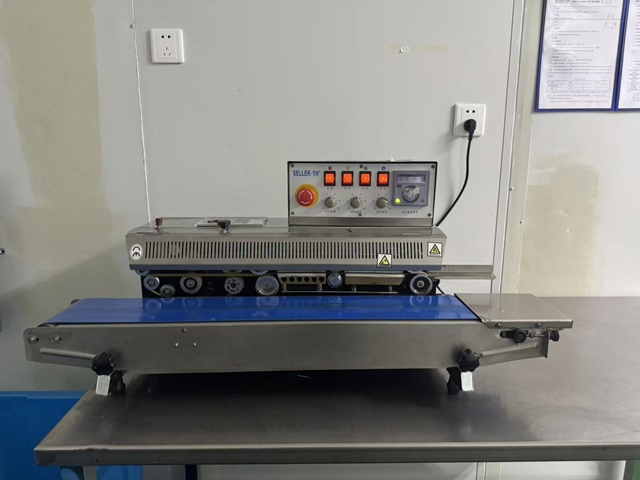
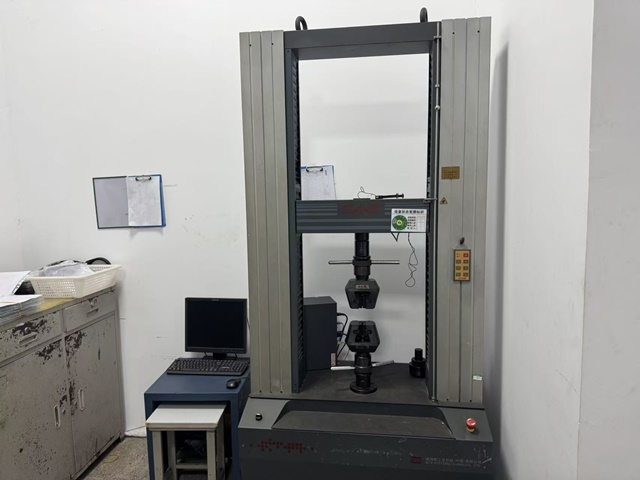
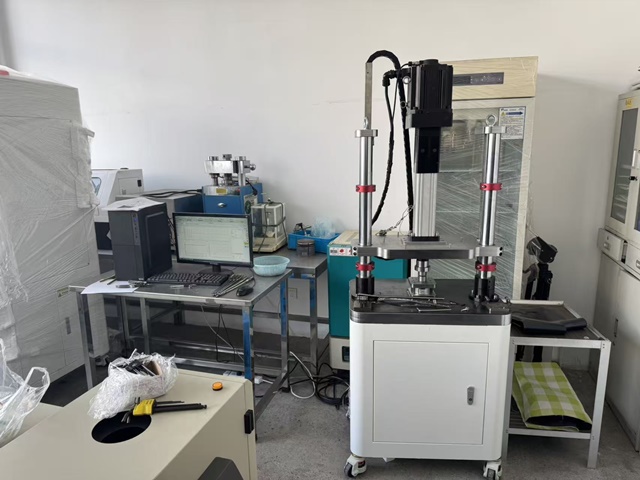
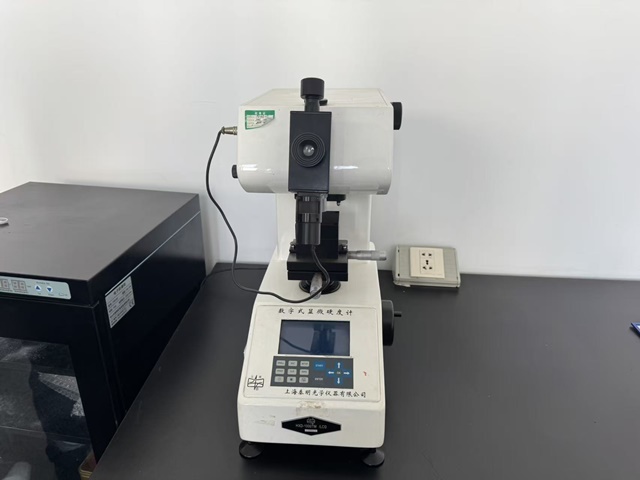
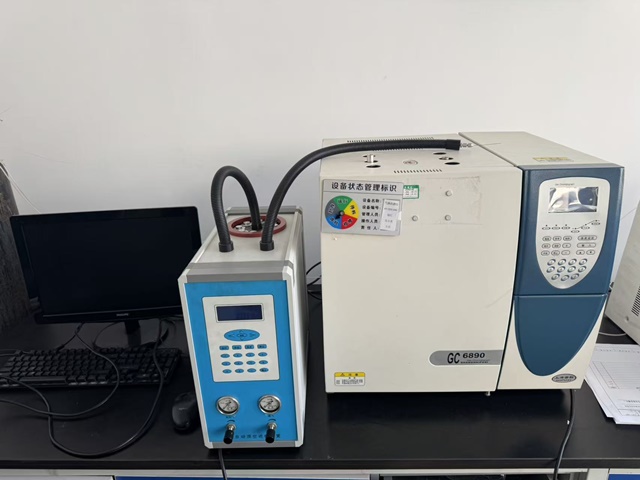
By consolidating manufacturing within our modern facilities in China, Osteora bridges the gap between cost-efficiency and premium orthopedic quality. Our structural partnerships with shipping networks allow us to coordinate rapid customs clearance and air cargo delivery directly to Pearson International Airport (YYZ), optimizing lead times for major supply programs in Southern Ontario.
Working with a Chinese manufacturer featuring comprehensive ISO 13485 protocols minimizes the traditional high-margin overheads associated with domestic intermediaries. This allows distributors to procure clinical-grade instruments at factory-direct prices while retaining full control over labeling, product modifications, and raw material options.
Every orthopedic department has specific clinical requirements regarding surgical tray configurations and instrument ergonomics. Our in-house staff of 85 R&D engineers coordinates directly with Canadian orthopedic surgeons and technical buyers to develop modified designs.
Technical guidance regarding metallurgical composition, manufacturing processes, and import compliance for the Canadian market.
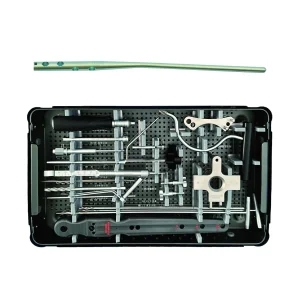
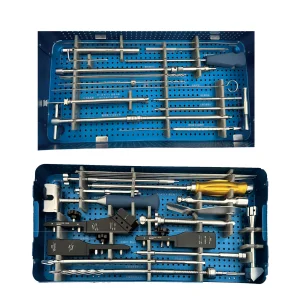
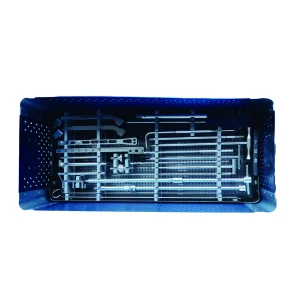
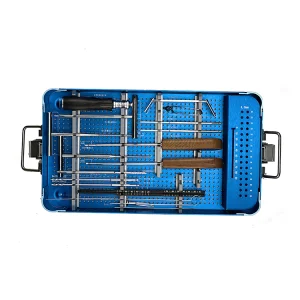
Extend your surgical portfolio with specialized implant kits, spinal fixation plates, and precision compression screws.