Osteora
Osteora
Osteora
Premium trauma reconstruction systems engineered for immediate clinical application within Mexico's public and private health networks.
Strategic analysis of industrial demand, regulatory corridors, and macroeconomic shifts driving surgical acquisition in the LATAM region.
For medical devices to enter Mexican hospitals (both IMSS/ISSSTE public networks and private clusters), direct registration with the Federal Commission for the Protection against Sanitary Risks (COFEPRIS) is mandatory. We provide complete technical dossiers, certified ISO 13485 certificates, and chemical purity reports to expedite local sanitary registry acquisitions for our Mexican distributors.
Faced with expanding geriatric demographics and a higher incidence of trauma cases related to urbanization, Mexico's health sector is shifting away from hyper-expensive European brands to high-integrity, value-optimized OEM/ODM manufacturing partnerships. The demand lies in structural reliability coupled with cost efficiencies that match government bidding caps.
Operating as a key hub for medical technology in the Americas, Mexico demands quick turnaround times. Our supply chain leverages optimized export routes from China directly to major entry ports like Manzanillo and Lázaro Cárdenas, integrated with fast customs clearance protocols to maintain uninterrupted clinical operations.
A trusted global manufacturing partner supplying certified orthopedic implants and customized trauma surgical solutions to international healthcare systems.
Osteora Medical Devices Co., Ltd. is a premier manufacturing unit focused on trauma, spinal, and joint reconstruction technologies. Guided by strict adherence to ISO 13485 regulations, our manufacturing workflows implement rigorous random fatigue analysis, biocompatibility testing, and high-tolerance dimensional measurements.
Our global export capacity ranges from USD 6 million to 14 million annually, proving our resilience in supplying high-yield distribution networks across South America, Europe, and the Middle East. Through strict material traceability, we guarantee the mechanical performance of our Class III Titanium Alloy systems for lifetime application.
Review Manufacturing Certifications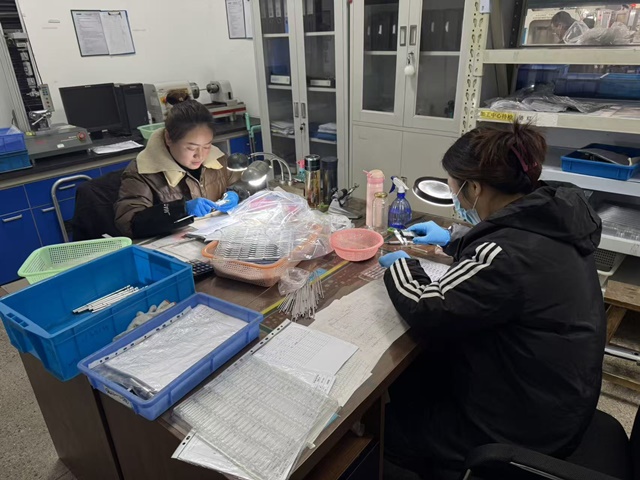
A visual documentation of our manufacturing line, detailing raw material testing, Swiss CNC machining, chemical passivation, and mechanical verification.
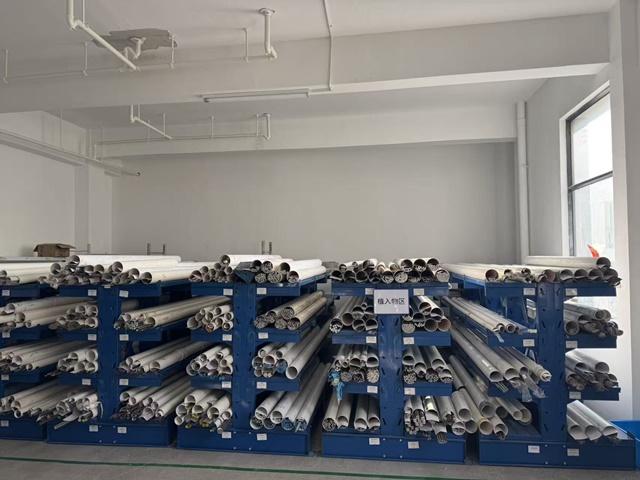
Sourcing of medical-grade Ti-6Al-4V ELI (ASTM F136) and ultra-pure surgical stainless steel.
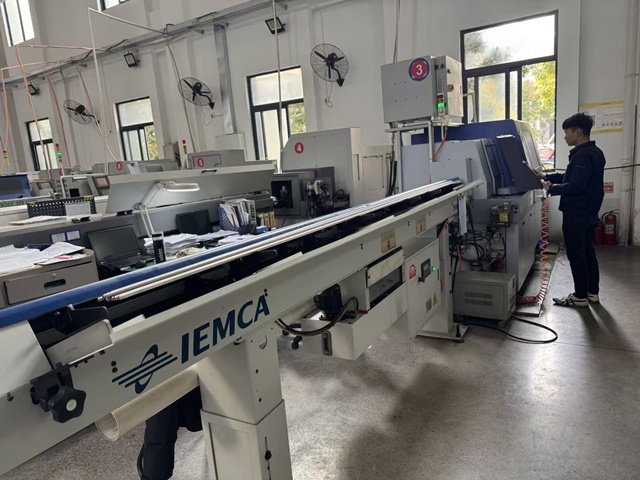
Rough layout cuts and high-speed CNC turning processes to define core product profiles.
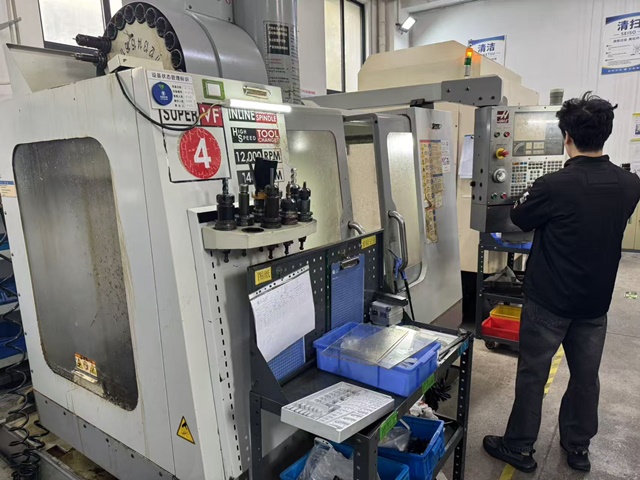
Fine-tolerance surface turning and dimensional profiling of implant configurations.
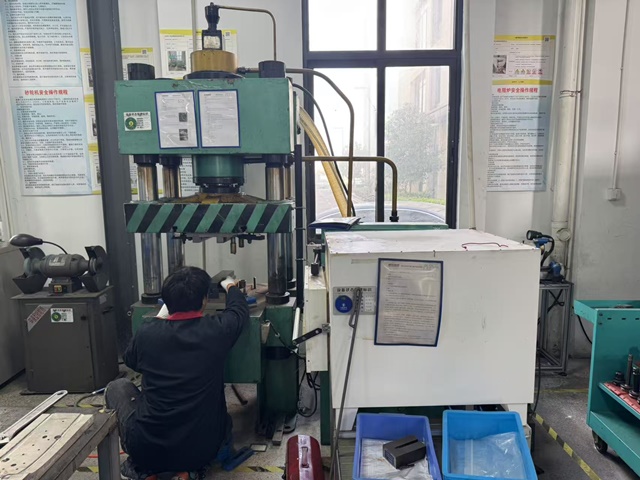
High-tonnage hydraulic stamping lines for precision orthopedic plates and anatomical shapes.
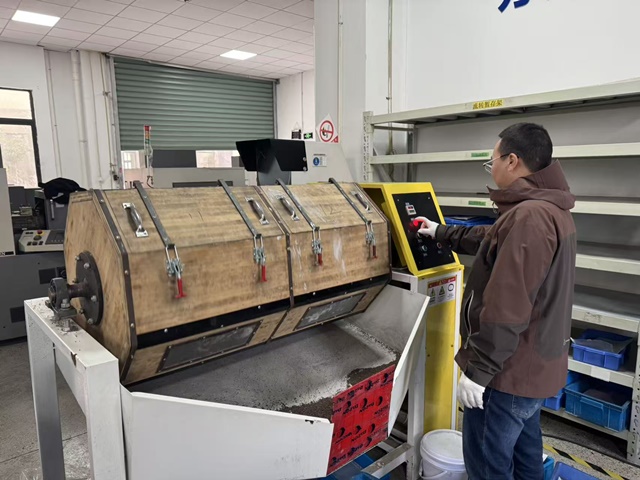
Super-abrasive grinding systems to eliminate microscopic surface defects on guide instruments.
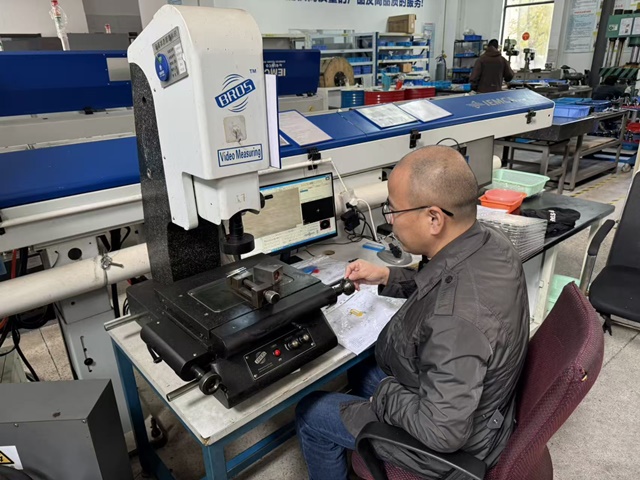
Mid-stage micrometric testing to ensure tolerances remain within ±0.01mm limit margins.
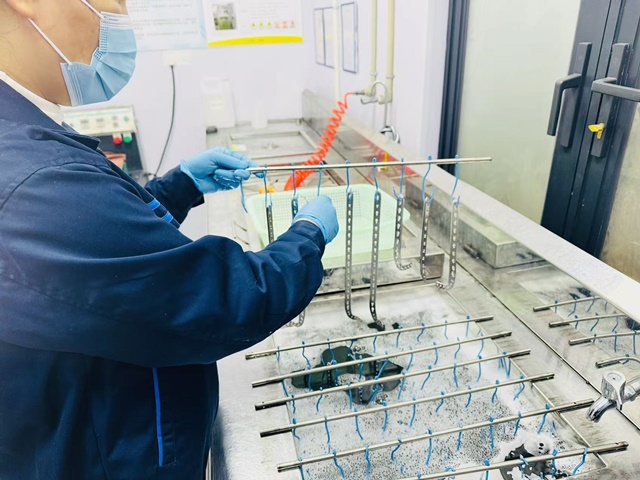
Multi-stage ultrasonic cleansing baths to remove processing oils and particulate residue.
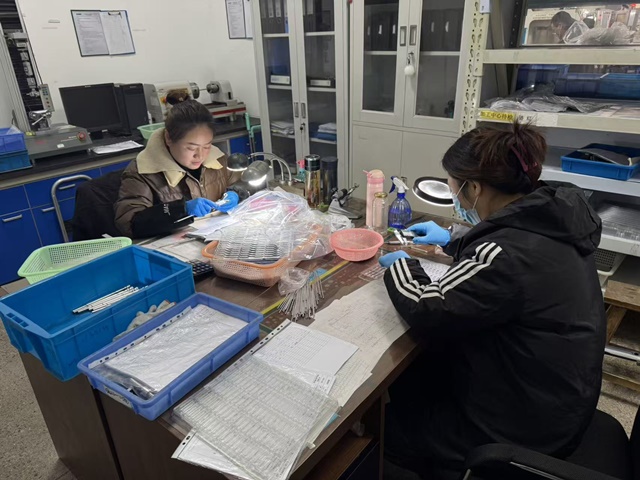
Microscopic inspection under polarized light tables to verify surface homogeneity.
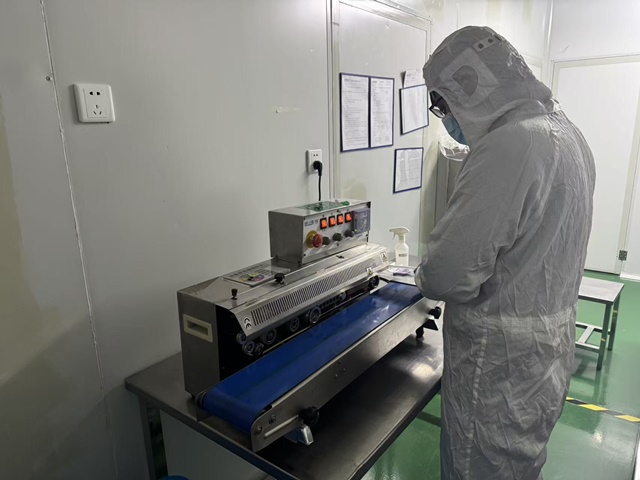
Cleanroom packaging in protective pouches to ensure aseptic storage conditions.
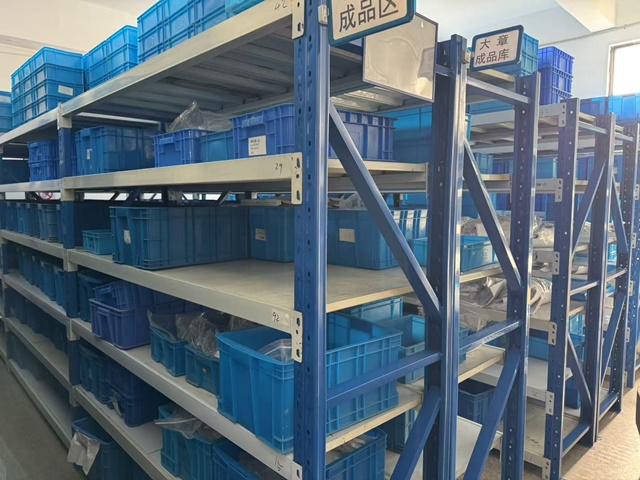
Classified inventory management tracking batches via ERP systems for total traceability.
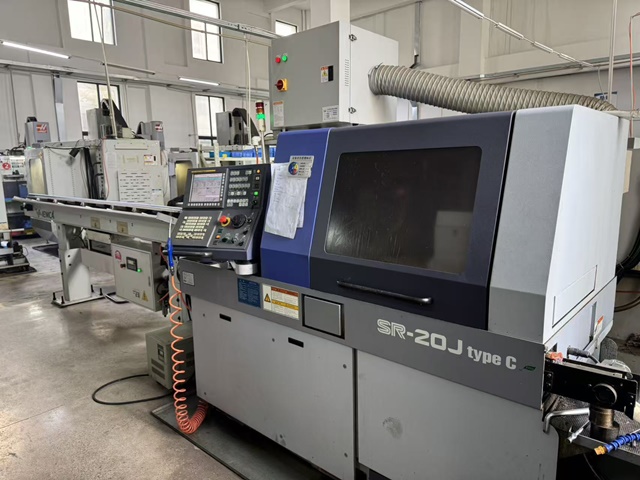
Multi-axis sliding headstock CNC machining of highly complex intramedullary nail components.
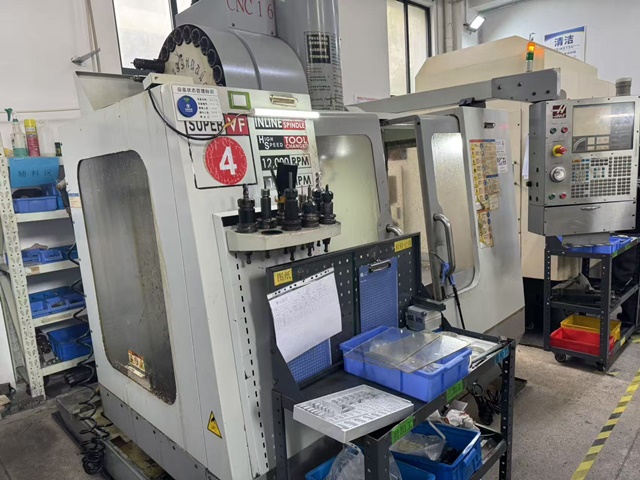
High-precision milling of complex dynamic compression plate geometries and locking mechanisms.
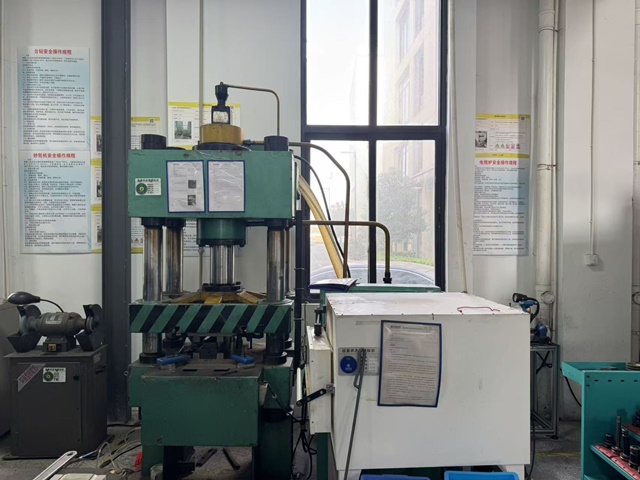
Dedicated equipment maintaining extreme structural repeatability over large-scale batches.
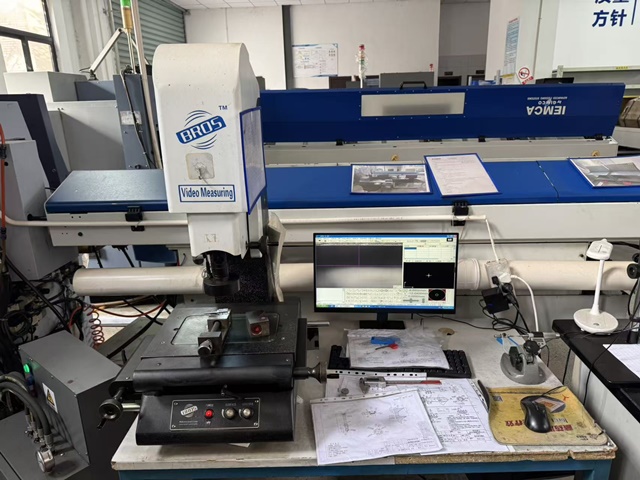
Non-contact 2.5D optical measurement verifying intricate thread profiles and pitches.
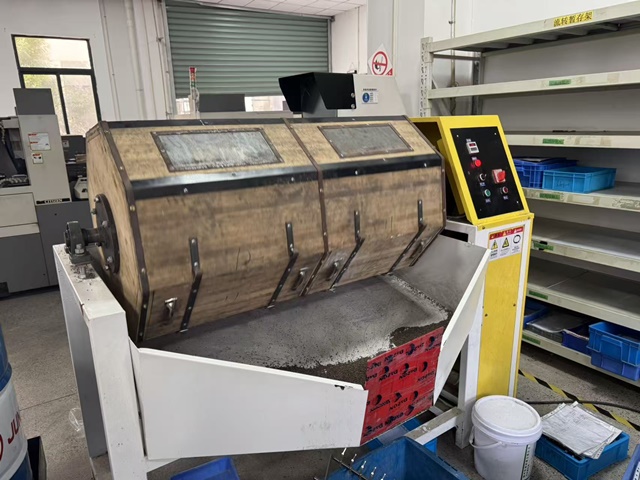
High-efficiency surface finish leveling to secure ergonomic handle interfaces.
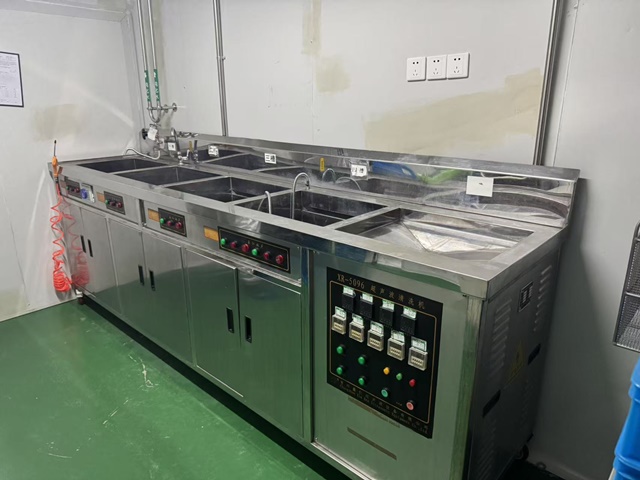
Final high-frequency chemical cleaning stage removing all microbiological contaminants.
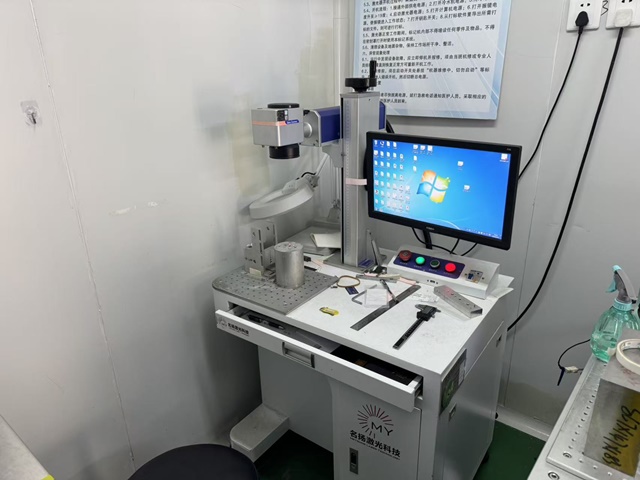
Fiber laser etching of high-contrast labels, lot codes, and UDI markers on titanium.
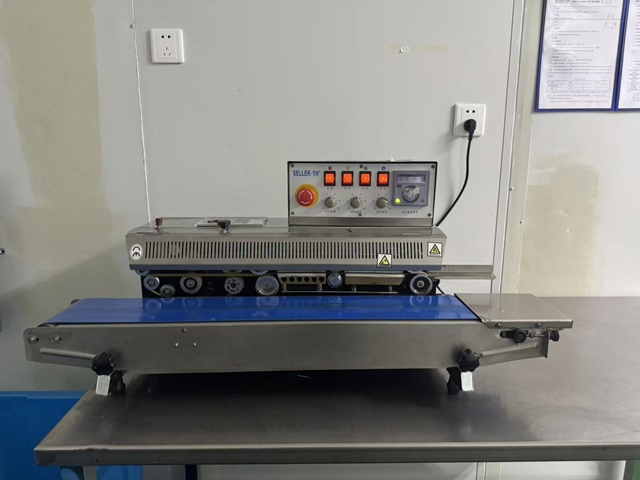
Validation-certified thermo-sealing operations protecting products post-passivation.
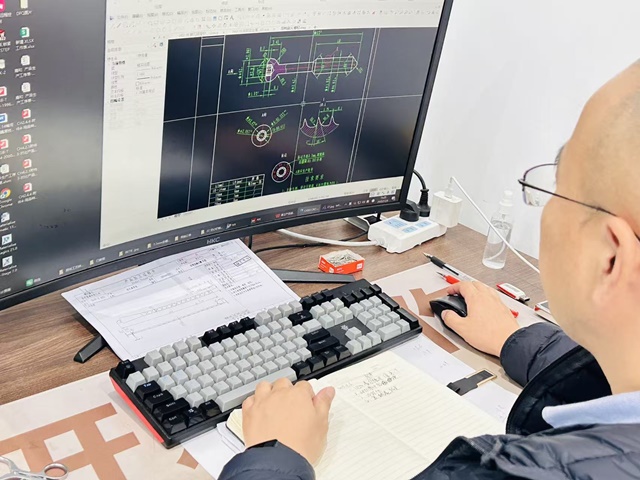
Engineering team constructing localized solutions using advanced CAM design pathways.
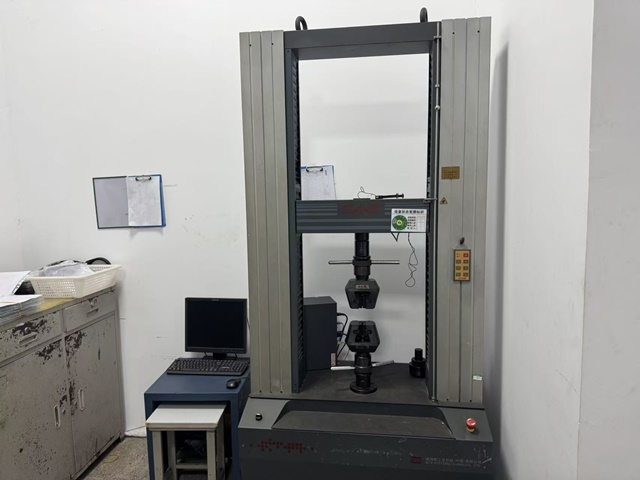
Dynamic compression and pull-out force evaluations on specialized universal tester rigs.
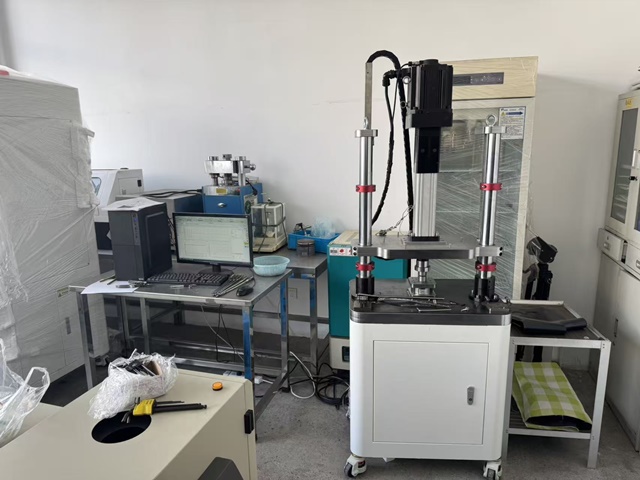
Stress-cycle validation routines simulating years of structural loading under load.
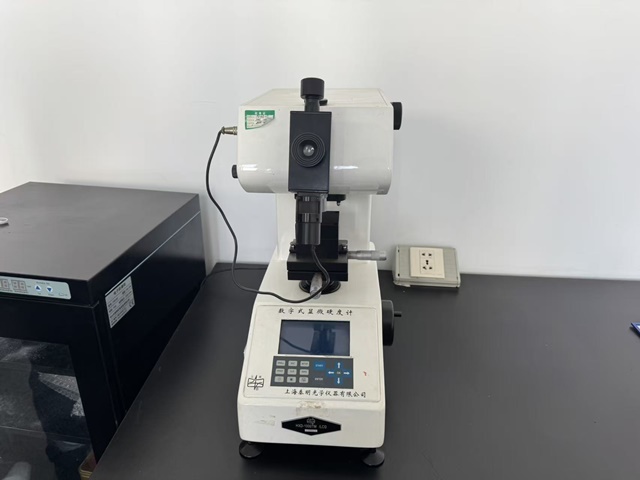
Indentation hardness assessment to establish material resilience against wear.
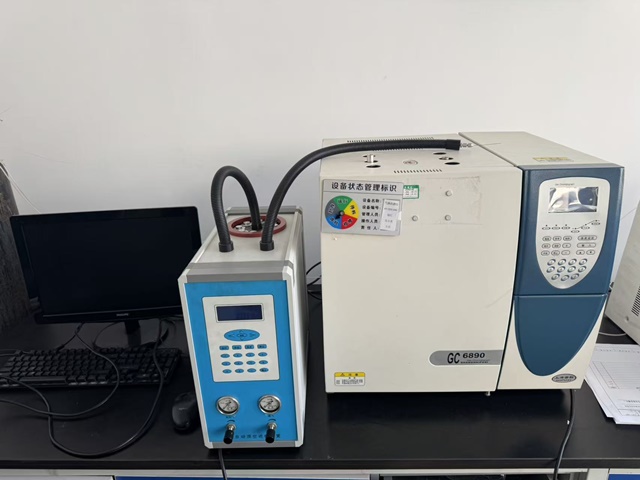
Chemical analysis tracking elemental configuration values of alloy imports.
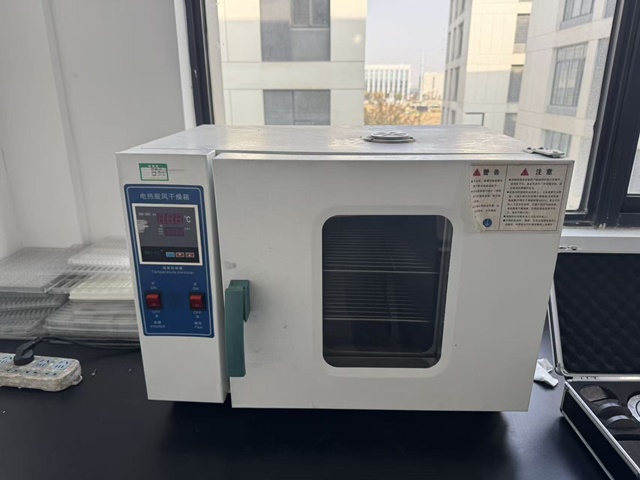
Controlled extraction of moisture, preventing potential chemical cross-reactions.
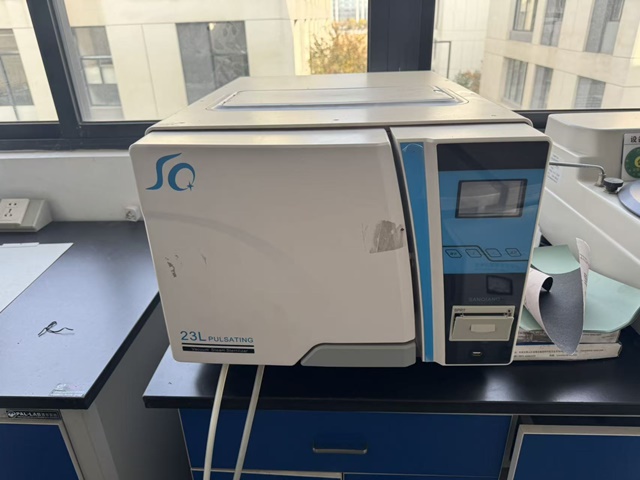
Pressure fluctuation modeling testing the absolute sealing durability of sterilization trays.
Partnering directly with a premier Chinese orthopedic instrumentation facility offers key commercial advantages for Latin American medical distributors:
Direct answers regarding quality documentation, customs logistics, and distributor partnership configurations for the Mexican healthcare market.
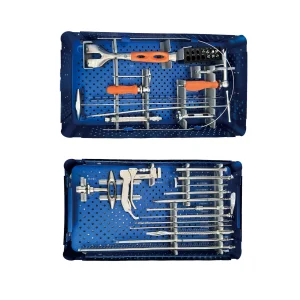
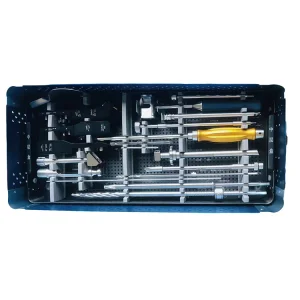
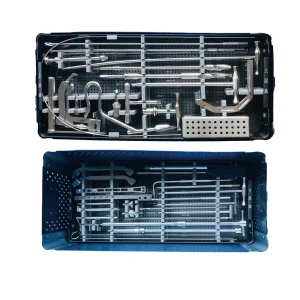
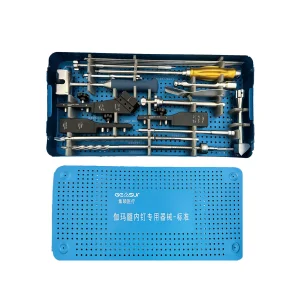
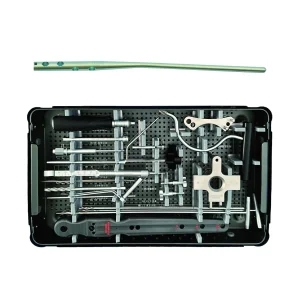
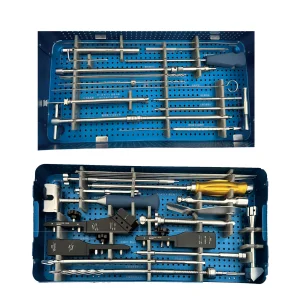
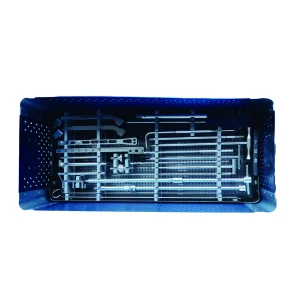
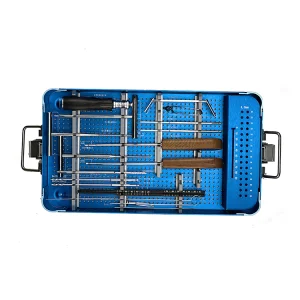
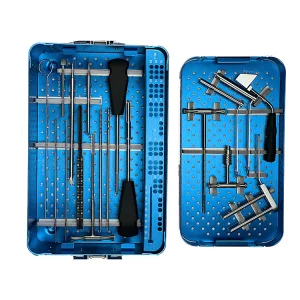
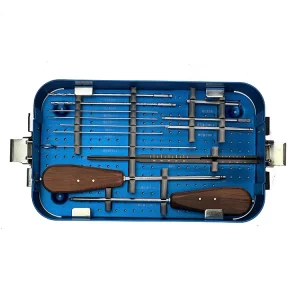
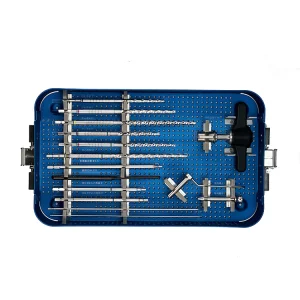
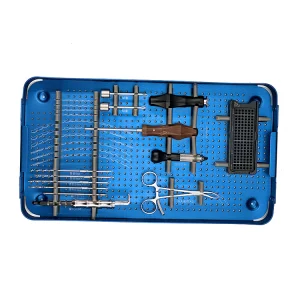
Complete surgical toolsets and fixation devices certified for clinical applications across trauma centers and specialized surgical units in Mexico.
Contact our engineering and export team today to receive a complete quotation, request physical quality samples, or arrange technical dossiers for COFEPRIS review.