Osteora
Osteora
Osteora
Optimized configurations engineered to meet the demanding standards of the Kansai region's clinical environments.
The Osaka metropolitan area, as the core of the Kansai region, represents one of the most sophisticated and demographically challenging healthcare markets globally. With Japan's super-aged society transition accelerating, Osaka’s leading medical institutions—such as the Osaka University Hospital, Osaka Metropolitan University Hospital, and the Kansai Medical University Center—face unprecedented clinical volumes of osteoporotic fractures, degenerative spinal diseases, and complex joint reconstructions.
For medical device distributors and importers in Osaka, sourcing orthopedic implants is no longer merely a transaction of inventory. It is an engineering dialogue about micro-tolerances, bio-compatibility, and regulatory resilience. Under the Japanese Pharmaceuticals and Medical Devices Act (PMDA) guidelines, Class III medical devices (such as intramedullary nails and spinal fixation systems) are subject to some of the most rigorous validation criteria in the world. As a dedicated partner serving the Kansai corridor, Osteora Medical Devices Co., Ltd. customizes its ISO 13485-compliant manufacturing protocols to align precisely with these regional clinical expectations.
Our focus is to address the clinical demands of local orthopedists who require specialized implants tailored to the specific anatomical bone density profiles of Asian patients, which frequently necessitate lower-profile designs, variable angle locking configurations, and higher fatigue life limits under cyclic load conditions.
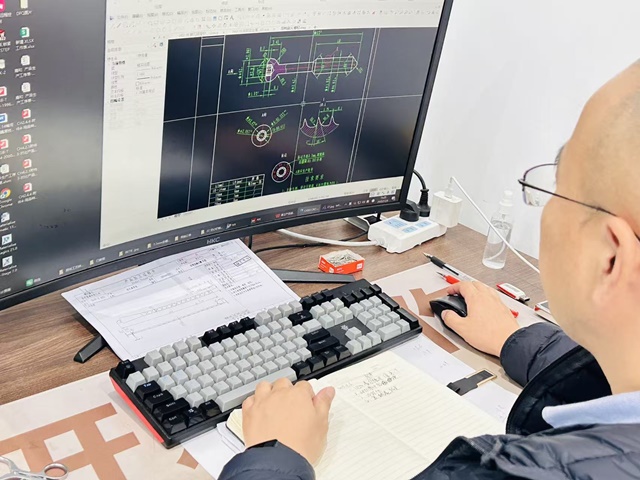
Translating manufacturing capacity into global supply chain stability.
Founded in 2016, Osteora Medical Devices Co., Ltd. has established an elite position in the global orthopedic manufacturing space. Over the past 8 years of export operations, we have scaled our capabilities to manage integrated raw-material processing, multi-axis precision machining, and high-fidelity metallurgical testing under a single quality management system. With 12 years of core industry expertise, our team bridges the gap between state-of-the-art laboratory design and bedside clinical utility, delivering over 120 new products annually to keep pace with modern surgical methodologies.
Modern orthopedic procurement is moving away from fragmented, low-volume job shops toward integrated Factory 4.0 configurations. The paradigm shift is defined by supply chain resilience—a lesson learned during recent global logistical disruptions. For Japanese medical distributors, importing from China offers geographical proximity, reducing lead times to Osaka Port to under 5 days, while leveraging advanced scale economies.
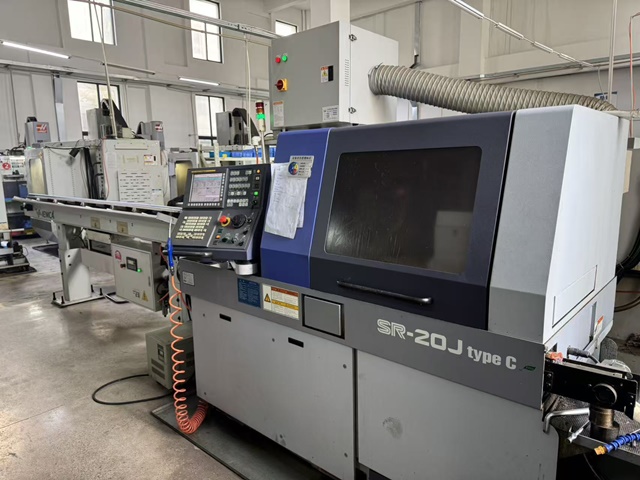
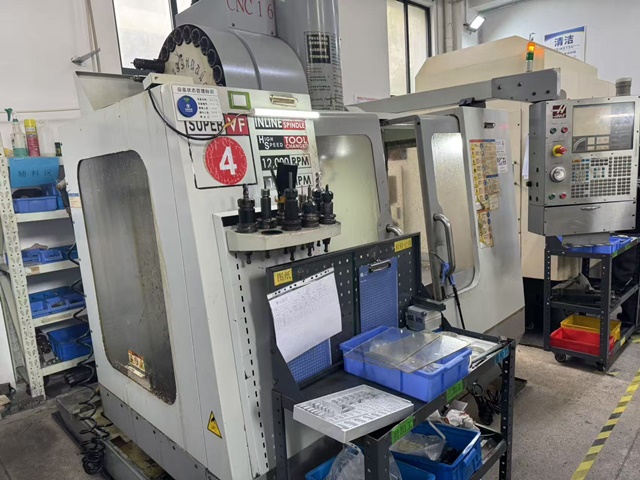
At Osteora, we utilize Swiss-type precision lathes and American HAAS CNC multi-axis machining centers to automate manufacturing tolerances down to ±0.005mm. This high-density production capability ensures that our titanium alloy (Ti-6Al-4V ELI conforming to ASTM F136) and stainless steel instruments deliver consistent mechanical response. China's advanced industrial parks offer unmatched cluster effects, sourcing certified raw medical metals and specialized surface treatments (such as type II anodization) within tight, audit-verified loops. This integration allows Osteora to supply over 1,200 certified partners worldwide with competitive cost structures and uncompromising quality.
The success of internal fixation, particularly in osteoporotic patients, depends heavily on the interface shear stress between the screw threads and bone tissue. Osteora's R&D team optimizes screw pitch designs based on finite element analysis (FEA) to maximize pull-out strength while minimizing heat generation during insertion. Our surgical instruments are manufactured from martensitic stainless steel with custom heat treatments to reach optimal hardness (HRC 48-52) and wear resistance, preventing galling and particulate shedding in the operating field.
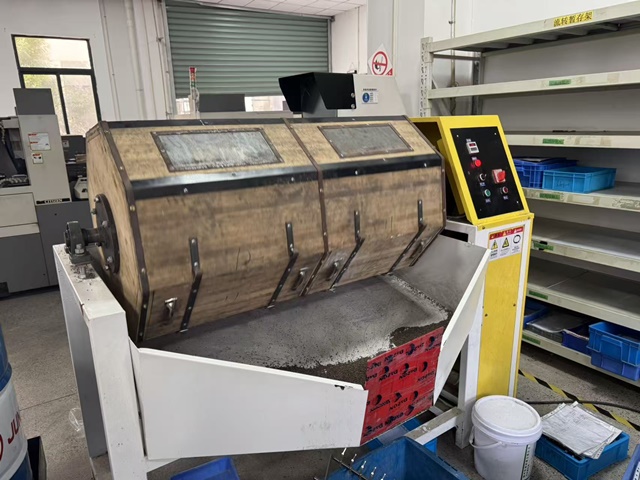
Every phase of our production is monitored under strict ISO 13485 quality gates.
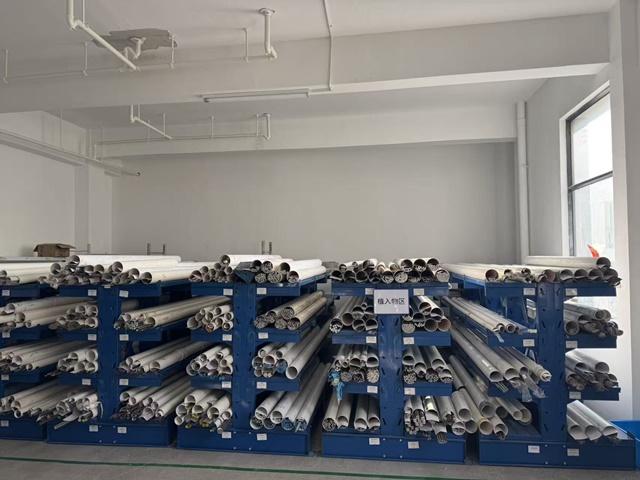
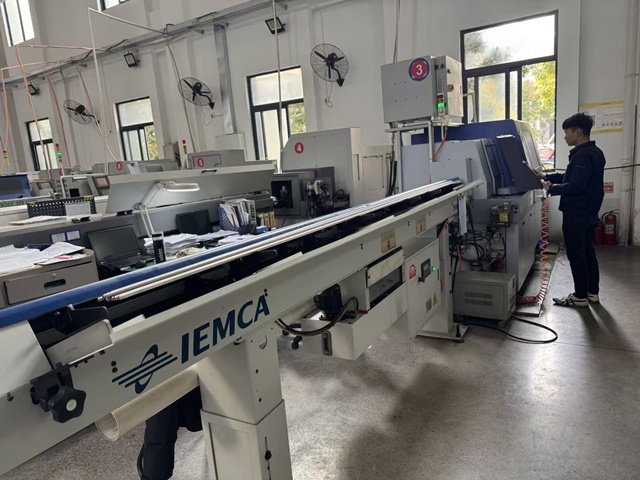
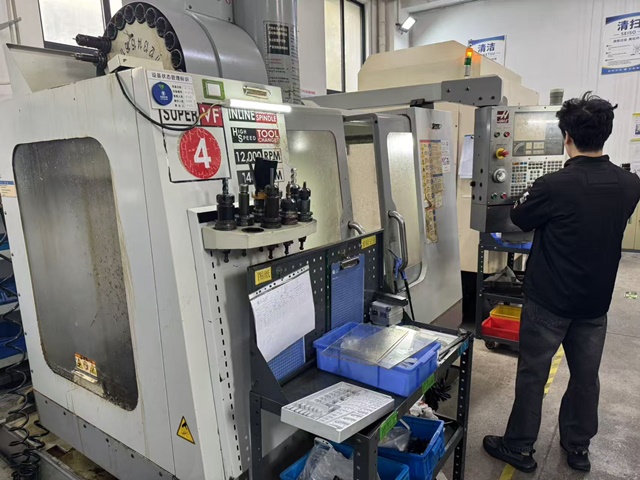
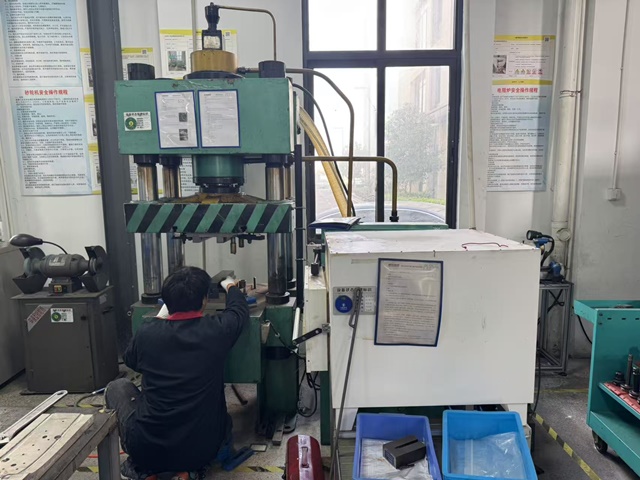
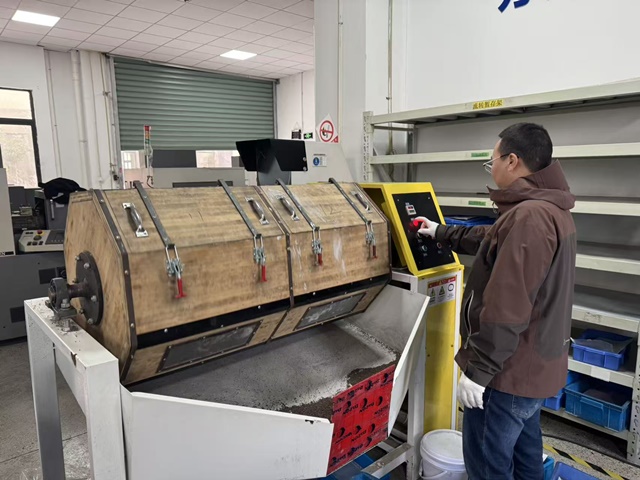
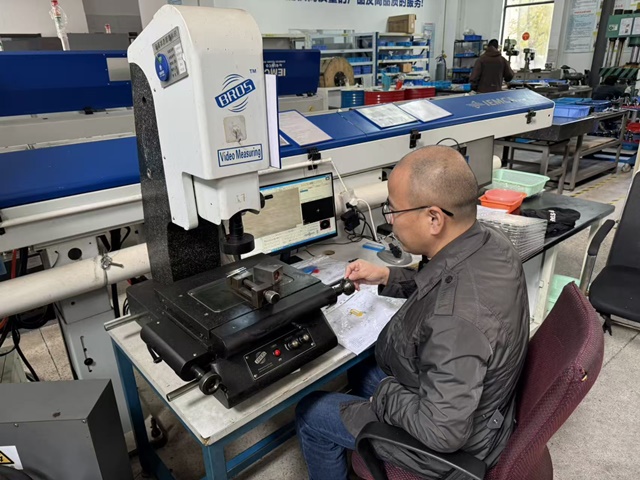
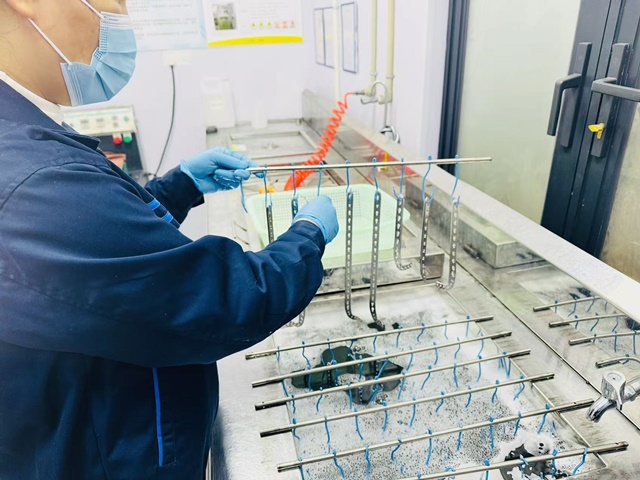
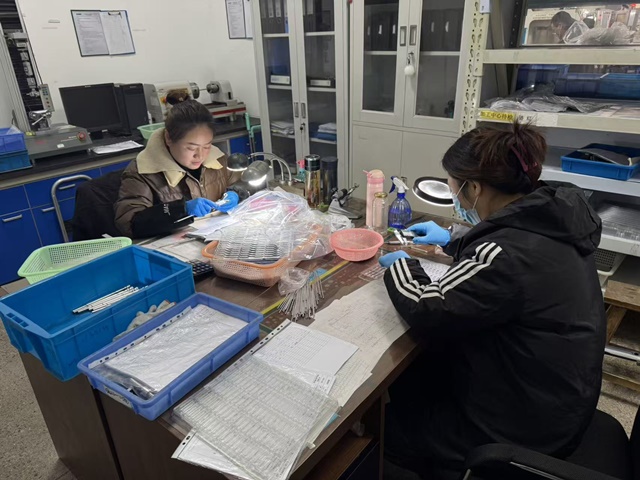
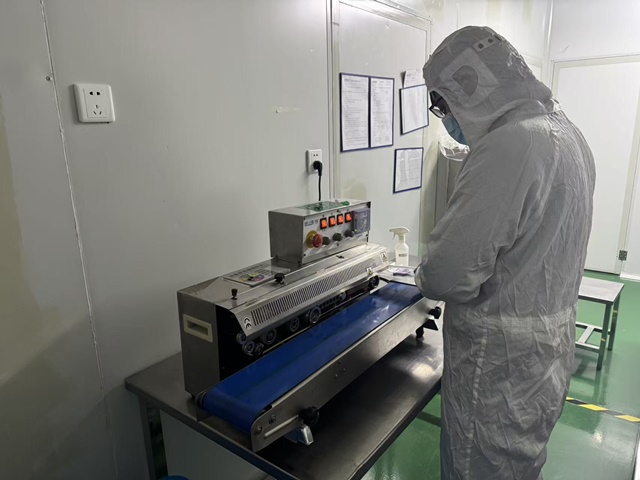
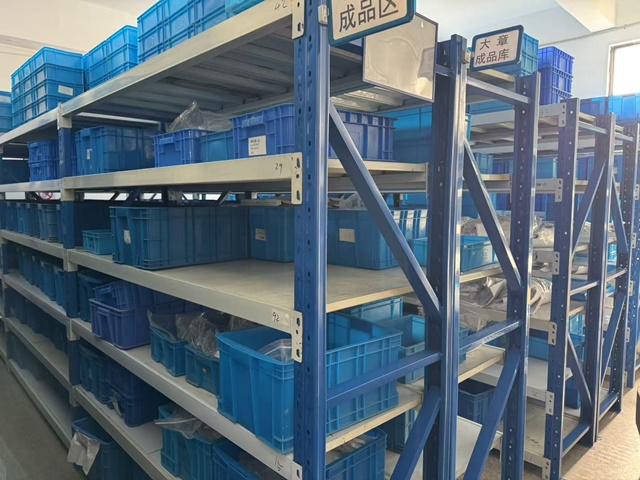
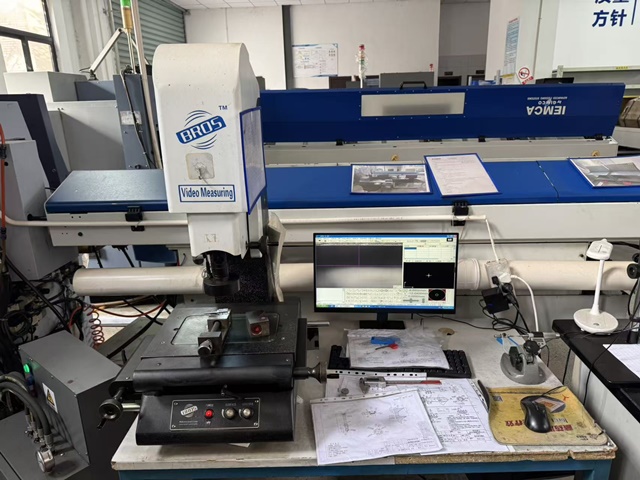
We deploy advanced metrological tools to validate physical and chemical performance before shipment.
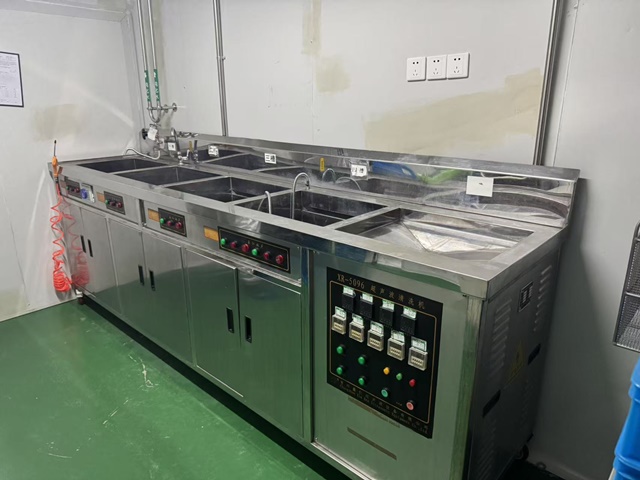
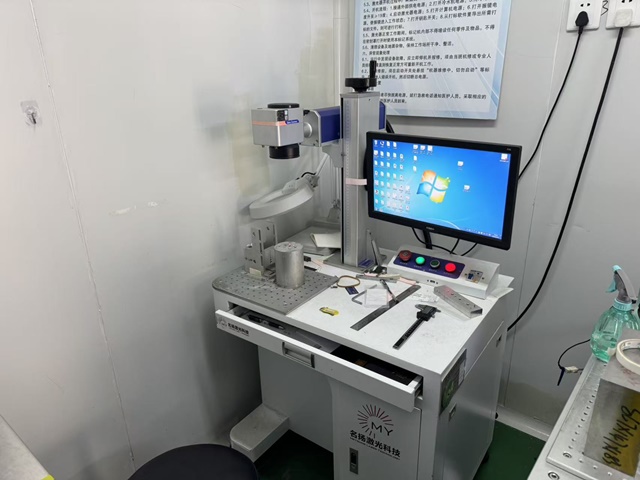
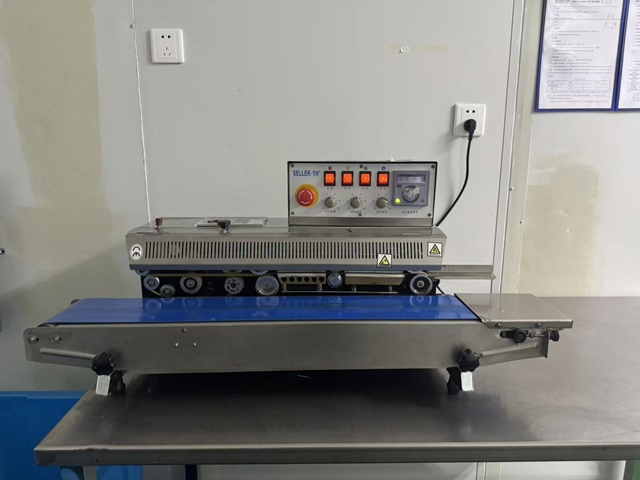
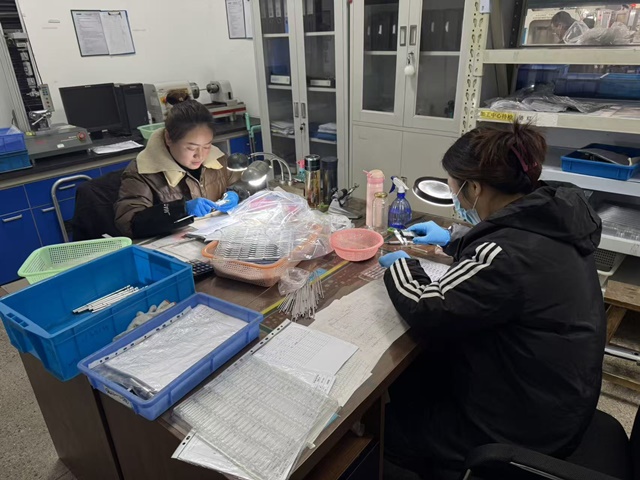
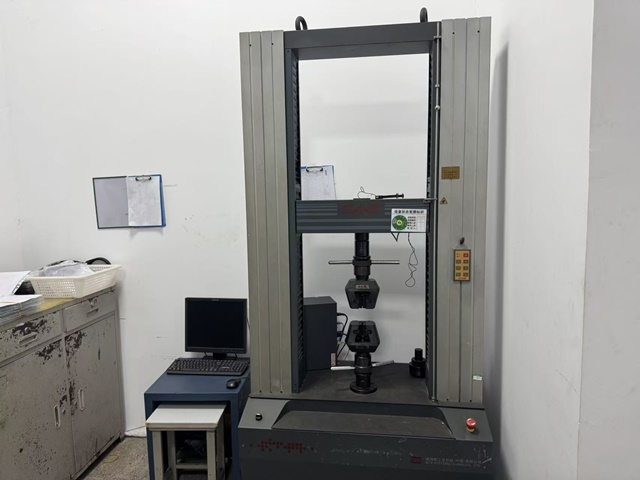
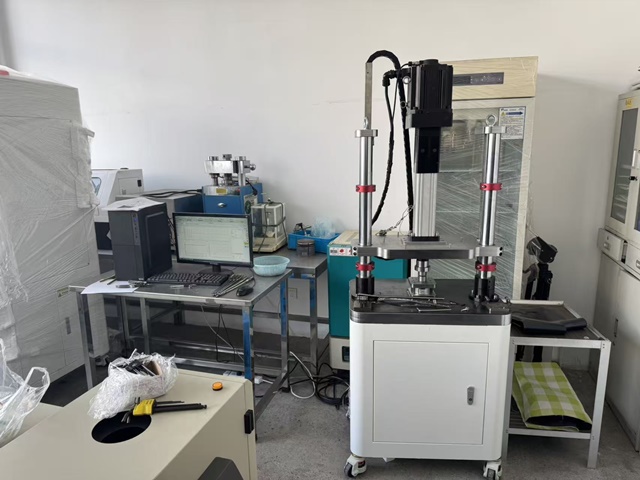
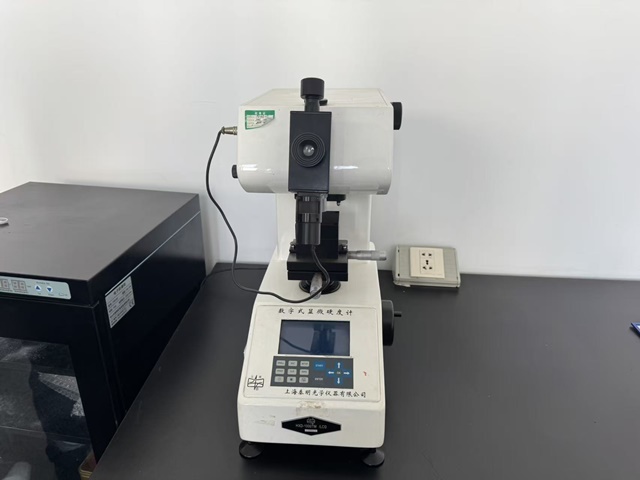
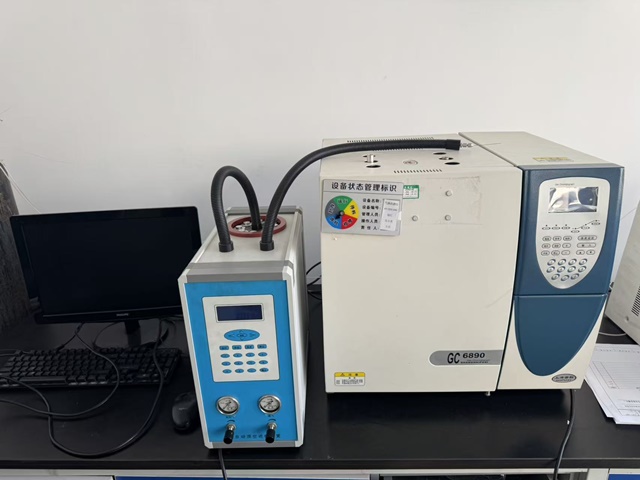
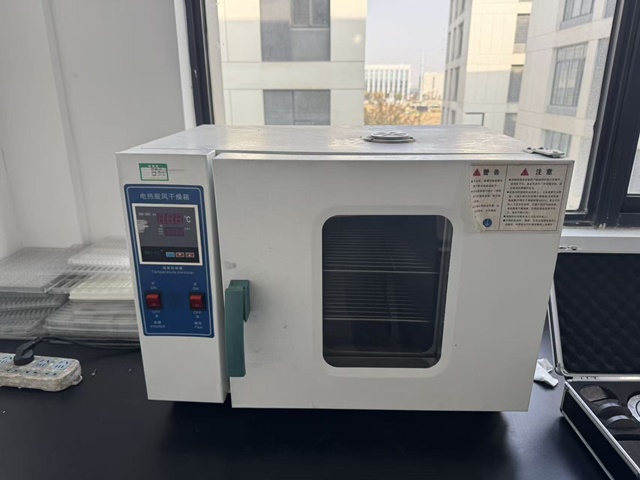
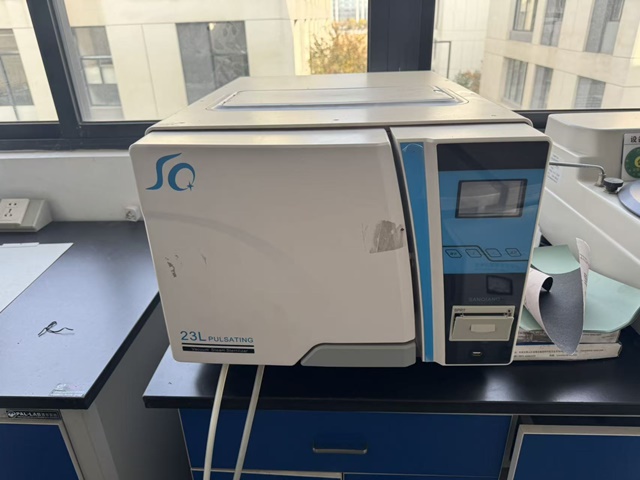
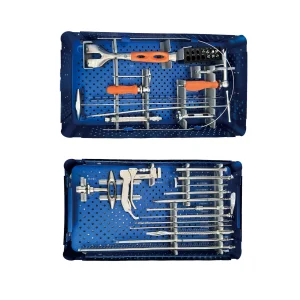
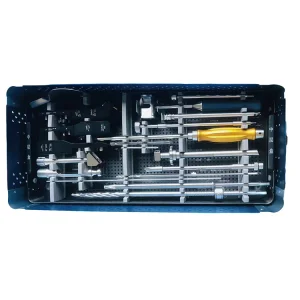
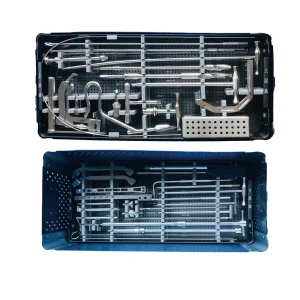
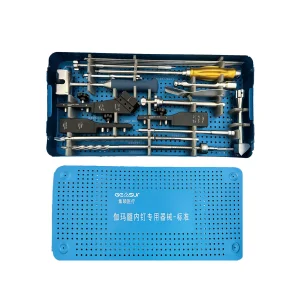
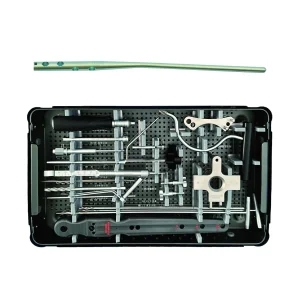
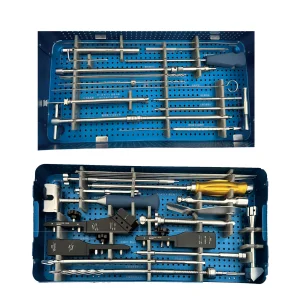
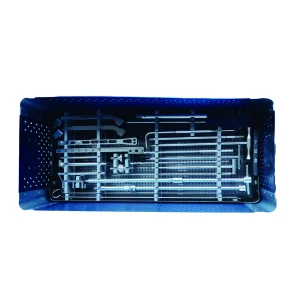
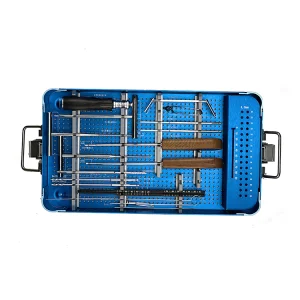
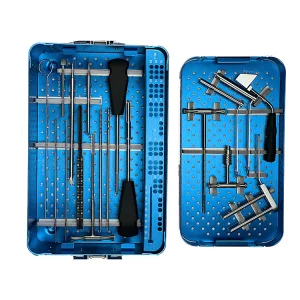
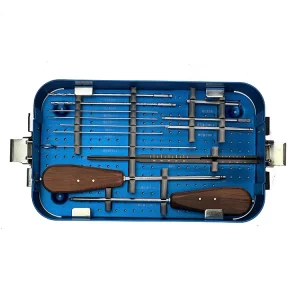
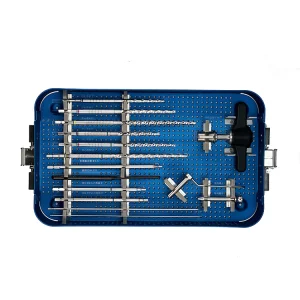
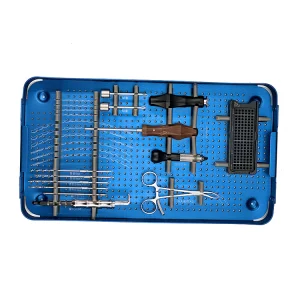
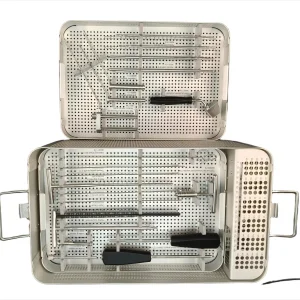
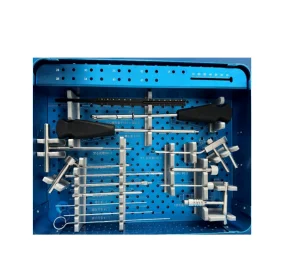
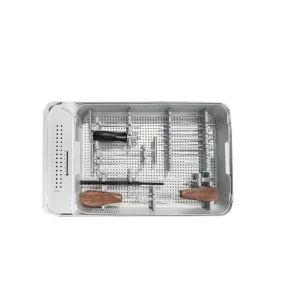
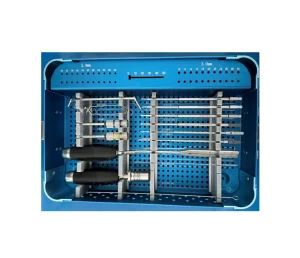
A comprehensive selection of surgical kits and implants for clinical orthopedics in Osaka.
Surgical trends in Japan demand exceptional anatomical adaptation. Japanese patient anatomy, characterized by smaller skeletal structures and different femoral bow radii compared to Western demographics, requires orthopedic implants that reduce the risk of cortical impingement or anterior penetration during insertion. Our PFNA (Proximal Femoral Nail Antirotation) systems address this directly by providing variable length options, anatomical curvature parameters, and smaller proximal diameters that preserve bone stock during reconstruction.
In clinical practice across Osaka's Level 1 trauma centers, rapid mobilization of elderly patients is the primary clinical objective to prevent postoperative complications like hypostatic pneumonia or deep vein thrombosis. An implant must offer immediate biomechanical stability. The helical blade system utilized in our PFNA implants achieves superior compaction of cancellous bone in the femoral head, substantially improving anchorage and resistance to cut-out compared to traditional dual-screw configurations.
Moreover, our spinal instrumentation sets, including hollow compression systems and cervical artificial discs, are engineered to facilitate minimally invasive surgery (MIS). The low-profile pedicle screw assemblies minimize paraspinal muscle dissection, resulting in reduced postoperative pain profiles and faster recovery phases for patients in Osaka's local clinical settings.
Detailed technical answers to facilitate medical device registration and customs compliance.
We supply comprehensive Material Test Reports (MTR) verifying chemical composition and mechanical properties. Our implants are made from Ti-6Al-4V ELI conforming to ASTM F136 / ISO 5832-3 standards. For stainless steel trauma instruments, we supply certifications showing compliance with ISO 5832-1. Every batch undergoes gas spectrometry, ultrasonic flaw detection, and micro-cleanliness analysis before machining.
Yes, our R&D engineering team specializing in OEM/ODM solutions can modify implant geometries (e.g., shorter nail lengths, tighter curvature radius, lower profile screw heads) based on clinical requests. Such customized revisions are handled through our HAAS CNC center setups with complete documentation to support your PMDA registration updates.
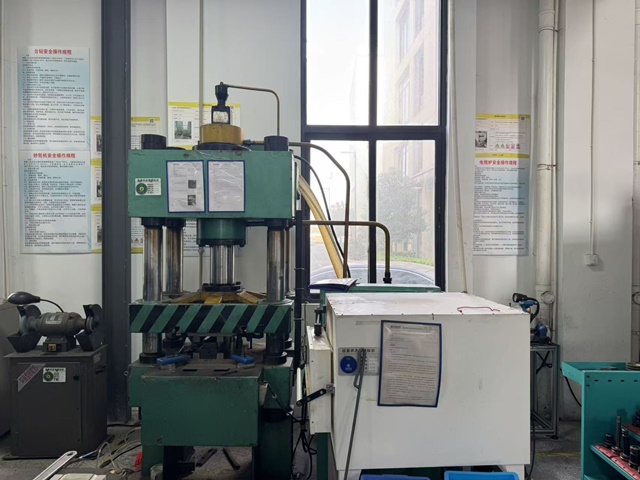
We employ a team of 42 QC inspectors operating under an ISO 13485 quality system. In addition to 100% in-process inspection using optical measuring systems, random samples from each batch undergo static tensile tests, three-point bending tests, and dynamic fatigue testing (subjected to 5 million cycles on our pulsating machine under fluid environments to simulate physiological conditions) to validate long-term mechanical reliability.
For standard orthopedic kits and implants kept in stock, dispatch is arranged within 3-5 days. Customized or OEM orders requiring specialized production runs generally take 30 to 45 days. Transit times from our major nearby ports to Osaka Port typically range from 3 to 5 days, providing high logistical responsiveness to minimize your domestic inventory holding costs.
Yes, our laser marking systems stamp products and packaging with UDI codes (including GS1 standards) to ensure full traceability throughout the hospital supply chain, helping Osaka medical facilities comply with local traceability regulations.
Upgrade your regional supply infrastructure with ISO 13485 certified trauma, spinal, and reconstructive implant kits designed to satisfy the demanding regulatory standards of the Osaka market.
Request Technical Dossier & Samples