Osteora
Osteora
Osteora
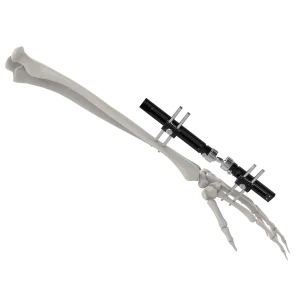
Advanced external stabilization systems optimized for fast placement in complex fractures, ski injury management, and polytrauma scenarios.
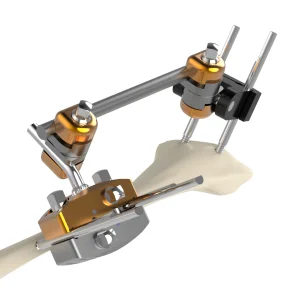
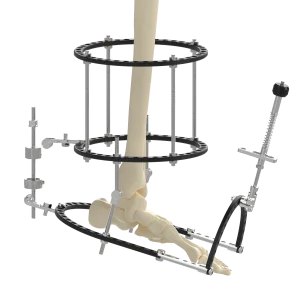
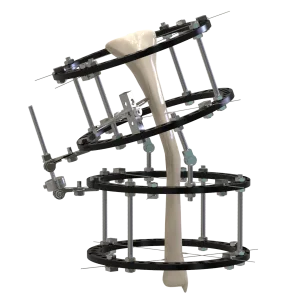
An in-depth review of external fixation systems, global manufacturing parameters, and compliance pathways for Austrian medical centers.
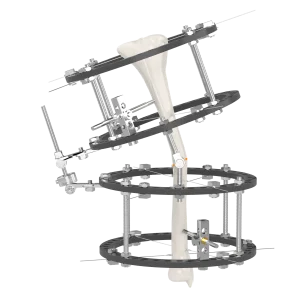
External fixation remains a cornerstone in modern traumatology, particularly in alpine regions like Austria where high-impact winter sports and mountaineering lead to complex, open tibial fractures and articular disruptions. To support the Austrian orthopedic community—including trauma wards within the *AUVA* (Austrian Workers' Compensation Board) hospitals, regional public clinics (Landeskrankenhäuser), and academic centers like the General Hospital of Vienna (AKH Wien)—implant manufacturers must prioritize biostability, modular adaptability, and mechanical failure resistance.
Full registration and technical documentation compliance aligned with the strict European Medical Device Regulation (MDR 2017/745).
Advanced hybrid ring materials and composite bars offering optimal X-ray radiolucency for precise fracture reduction monitoring.
Facilitates quick assembly in high-pressure emergency departments during alpine polytrauma and damage-control surgeries.
Austria’s specialized trauma clinics handle a disproportionately high volume of high-energy skeletal trauma due to active seasonal tourism. Clinicians require external fixators that can transition seamlessly from temporary damage-control stabilization to definitive treatment frames (such as Ilizarov ring configurations or long-term dynamic axial fixators). Consequently, modern manufacturing must focus on:
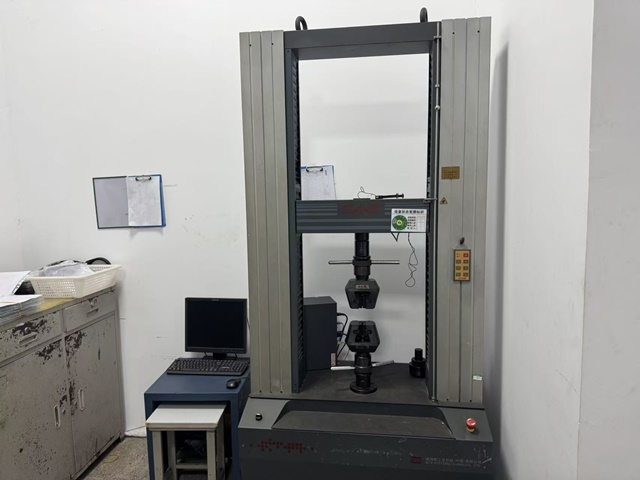
Our facility utilizes Swiss-type precision lathe equipment and robust mechanical testing systems to ensure all trauma implants meet rigid global specifications.
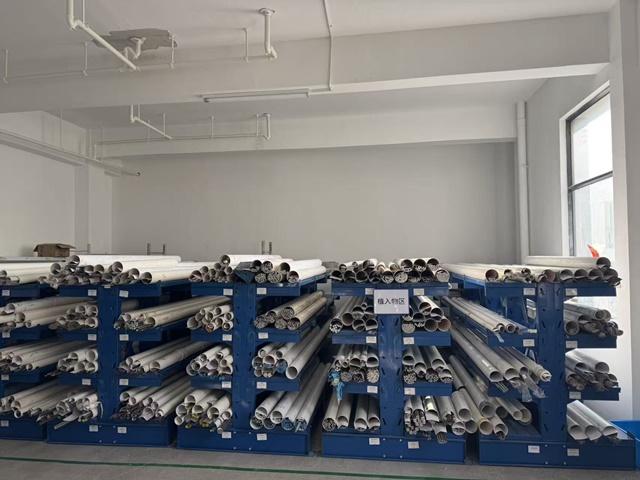
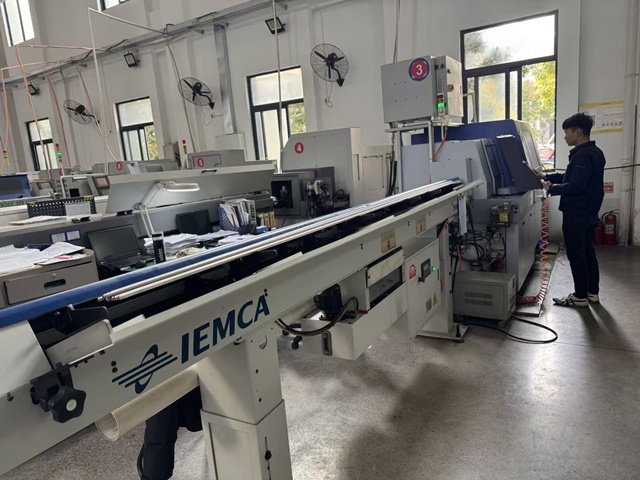
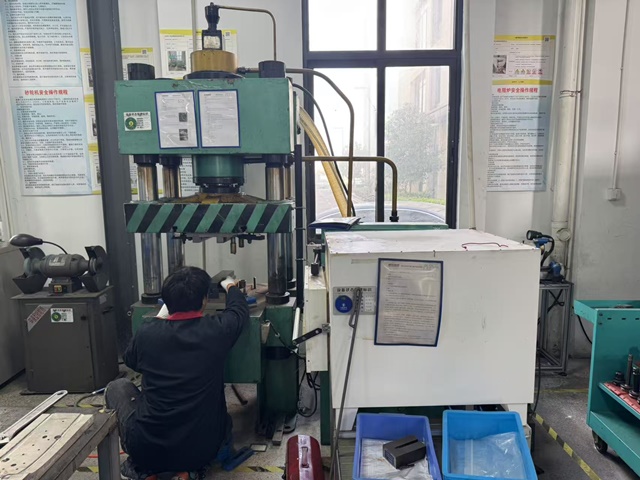
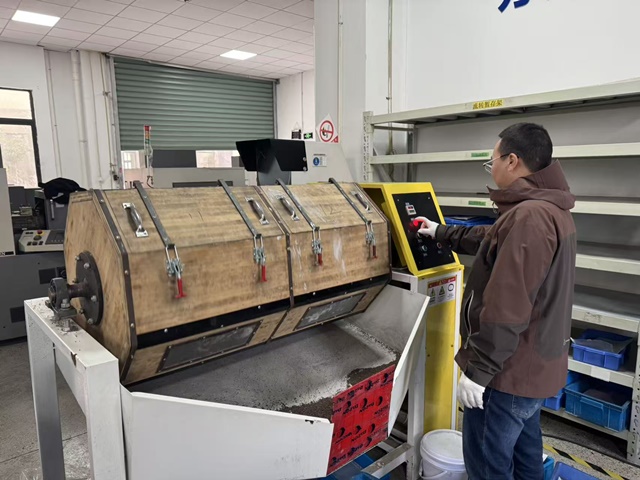
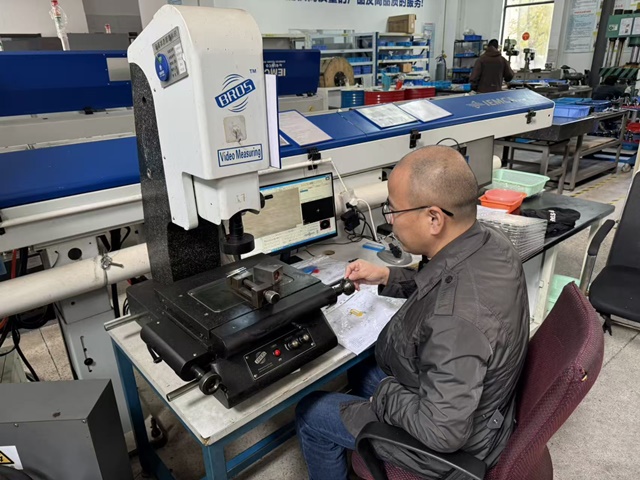
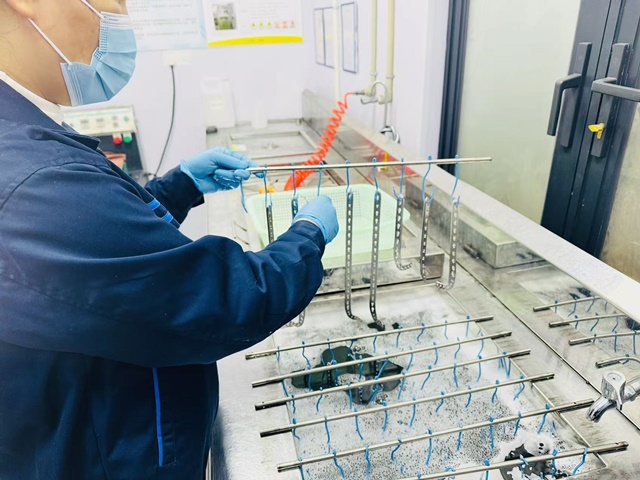
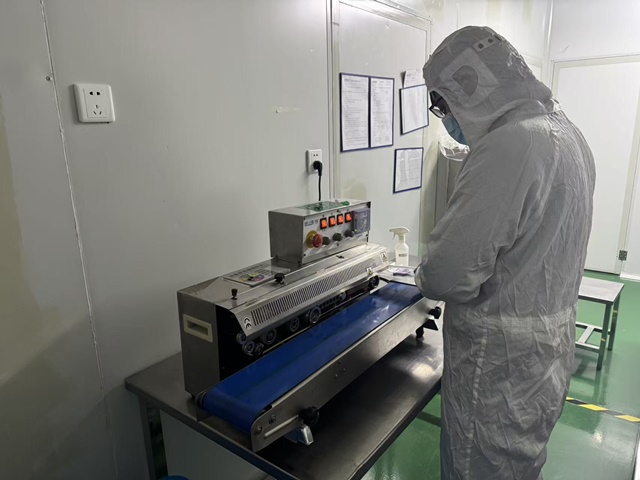
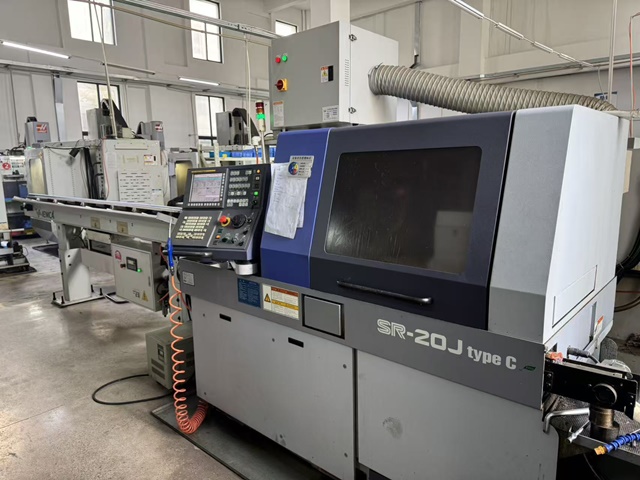
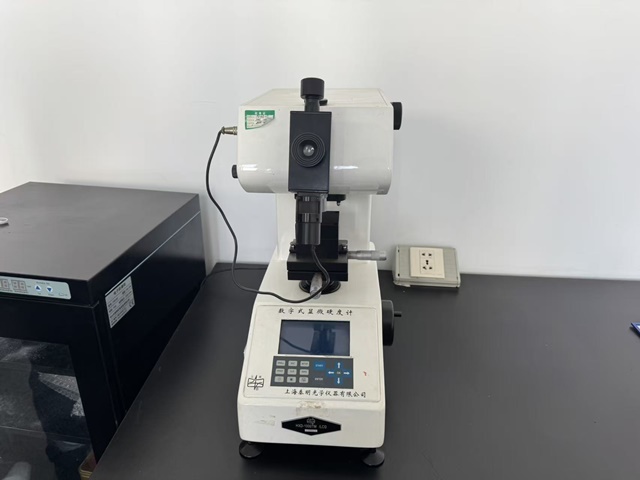
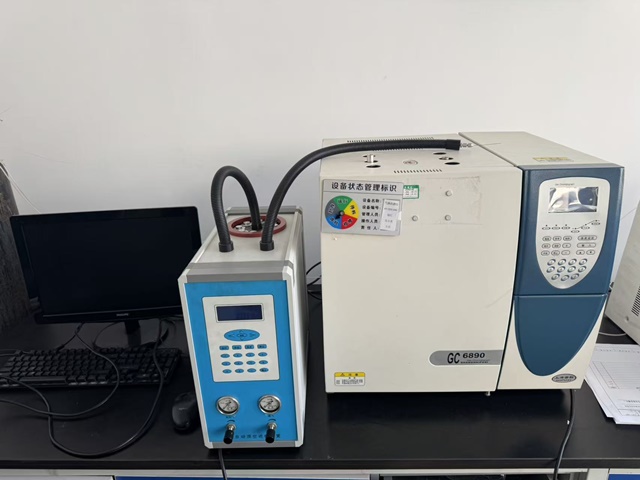
Under our strict QA frameworks, Osteora implements deep metallurgical verification to validate chemical purity and physical load tolerances of raw Titanium and Stainless Steel alloys. In-house mechanical profiling utilizing dynamic testing platforms assesses parameters such as fatigue limits and torsional shear resistance, which are crucial for Austrian orthopedic surgeons managing unstable distal radius, tibial, and pelvic ring fractures.
| Fixator Component Class | Common Base Material | Key Clinical Advantage | MDR Classification Status |
|---|---|---|---|
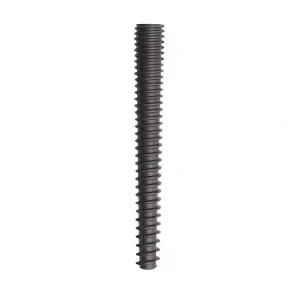
| Schanz Screws & Pins | Stainless Steel 316L / Titanium Alloy | Optimal cortical thread-purchase, minimal pin-track irritation | Class IIb (Implantable, Long-term) |
| Clamps & Multi-Pin Couplers | Anodized Aluminum / PEEK | High strength-to-weight, high radiolucency | Class IIa / Class I |
| Connecting Rods | Carbon Fiber Composite / Carbon-PEEK | Radiolucency under intraoperative fluoroscopy | Class I / Class IIa |
| Ilizarov Ring Fixators | Aircraft-Grade Titanium / Carbon Fiber | Uncompromised radial stability for multi-planar deformity correction | Class IIb (Implantable) |
As the orthopedic industry shifts toward patient-specific healthcare models, external fixation technology is integrating computerized hexapod programming and digital monitoring capabilities. Osteora is actively developing dynamic fixator designs that permit controlled, early axial loading to stimulate micro-motion osteogenesis—accelerating healing in tibial non-unions commonly treated in specialized rehabilitation hospitals throughout Styria and Carinthia.
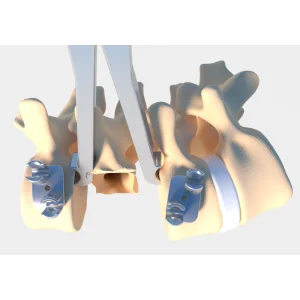
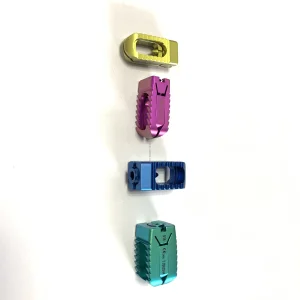
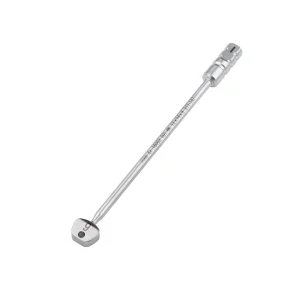
A comprehensive overview of orthopedic trauma implants, instrument kits, and spinal fixation configurations designed to meet rigorous hospital procurement standards in the European Union.
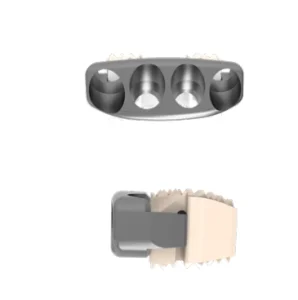
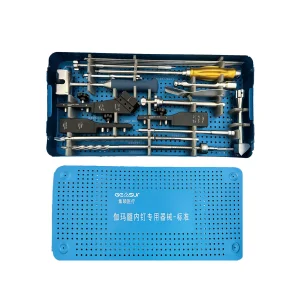
Answering vital procurement and clinical utilization questions for Austrian hospitals and regional medical distributors.